


"Only a fool thinks the protest is not manipulated"/ Spaho: Albania towards political destabilization
Former Deputy Chairman and former DP MP Edmond Spaho has s...

Former Deputy Chairman and former DP MP Edmond Spaho has s...

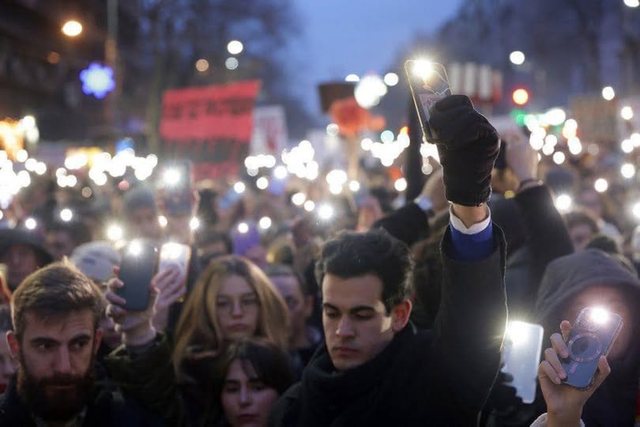
The past week has seen massive protests across Europe. Serbs, Hungarians and Georgians have taken to the streets in droves, highlighting a regional trend of citizens demanding democratic reforms and a dignified life. They are opposed to systemic corruption, the identification of the state with power and the calcification of political life.
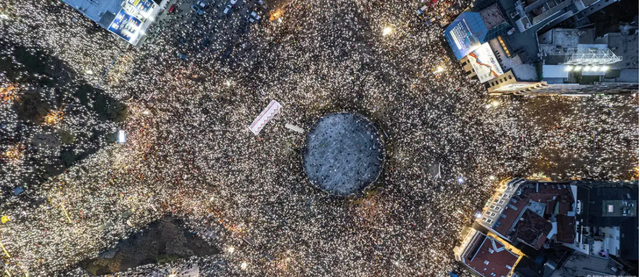
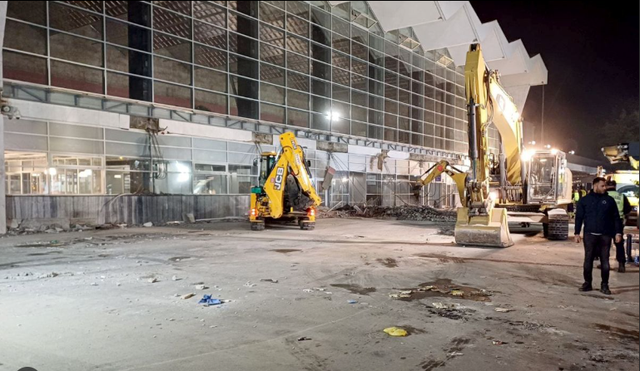
Since November 2024, Serbia has been gripped by widespread anti-corruption protests, initially sparked by the tragic collapse of the roof of a railway station in Novi Sad, which resulted in 15 deaths. This event, attributed to government negligence and corruption, has sparked public anger. The movement, led mainly by university students, has paralyzed not only university life, garnering huge popular support. The persistence and scale of these protests, the largest since Aleksandar Vu?i? came to power in 2012, have fostered a sense of solidarity among young people from Ljubljana to Podgorica, from Zagreb to Athens.
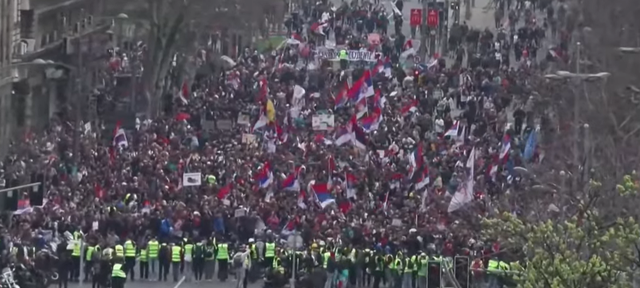
Students in Serbia are demanding that it become a democratic country where law and not the cult of an individual rule . Disappointed by the policies and positions of EU officials, supporting President Vu?i?'s rule for more than 12 years, it is striking that students do not wave EU flags at protests. Although the European Parliament adopted a resolution critical of the lack of standards in the last parliamentary elections held in Serbia in December 2023 in February last year, practically no action has been taken. The EU continued to treat Aleksandar Vu?i?'s rule as if nothing had happened.
Likewise, it can be said that the process of negotiations for Serbia's membership in the EU has turned into a farce, where neither side is serious. Although officially launched in 2014, in terms of democratic standards and the values ??it embodies, Serbia is further away than it was before the start of the accession talks. In other words, the policy of appeasement towards Serbia has failed, since in the space of a decade, it has not become more democratic, does not accept the consequences and reality of the post-war period in the former Yugoslavia. And as a result, it is no longer peaceful and more trustworthy towards its neighbors.
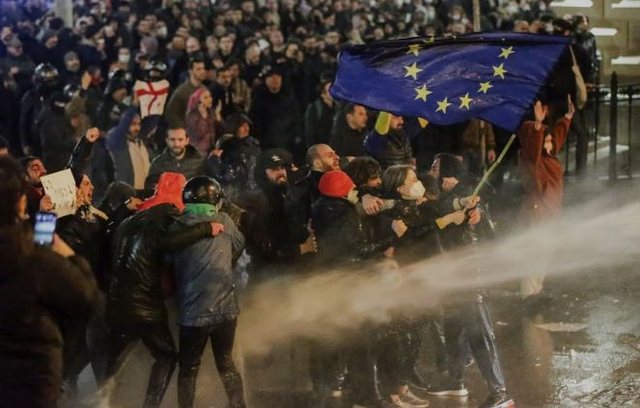
Në Gjeorgji protestat e kanë zanafillën tek mungesa e zgjedhjeve të lira, dominimi i jetës politike dhe ekonomike nga një parti në pushtet që prej vitit 2012. Beteja për përcaktimin europian dhe raportet e ndërlikuara me Rusinë janë elementë të rëndësishëm të krizës gjeorgjiane. Shkëndija që ndezi valën e protestave ishin zgjedhjet parlamentare të diskutueshme të tetorit 2024. Ashtu sikurse në rastin e zgjedhjeve parlamentare të Serbisë, muajin e kaluar Parlamenti Europian miratoi një rezolutë kritike ndaj mungesës së standardeve zgjedhore në Gjeorgji, duke kërkuar në të njëjtën kohë, vendosjen nën sanksione të zyrtarëve të rangut të lartë të përfshirë në minimin e proceseve demokratike.
Si kundërpërgjigje ndaj rezolutës, kryeministri Irakli Kobakhidze njoftoi pezullimin e bisedimeve të pranimit të Gjeorgjisë në BE deri në fund të vitit 2028, sikundër refuzimin e ndihmës dhe instrumenteve financiare të BE-së (granteve dhe kredive) që, sipas tij, përdoret si levë presioni. Në të njëjtën kohë, ai theksoi se qeveria e tij do të vazhdojë të zbatojë reformat e kërkuara për anëtarësim dhe se ende planifikon që Gjeorgjia të anëtarësohet në BE brenda vitit 2030.
Megjithëse një vend kandidat për anëtarësim në BE, që prej dhjetorit të vitit 2023, standardet demokratike kanë shënuar kthim pas. Legjislacioni që synon frenimin e ndikimit të huaj, kryesisht në radhët e OJF-ve dhe kritikëve të pushtetit, konsiderohet si vazhdim i trajektores së çimentimit të pushtetit.
Në dallim nga serbët, gjeorgjianët valëvisin flamujt e BE-së nëpër protesta, duke besuar si ne ballkanasit dikur se, duke u afruar më shumë me BE-në do të jenë në gjendje të mbrojnë më mirë disa standarde dhe vlera demokratike, të cilat BE-ja i mishëron.
Nga ana tjetër, protestat në Hungari janë tregues të funksionimit të pamjaftueshëm të elementëve demokratikë të sistemit edhe kur je anëtar i BE-së, apo nën mbikëqyrje nga strukturat europiane në raport me sundimin e së drejtës. Që prej vitit 2010 në Hungari kemi të bëjmë me dominimin e një partie që kontrollon pothuajse të gjitha levat e pushtetit, ekonomisë dhe mediave.
Mirëpo së fundmi, pushteti absolut i Viktor Orbán është tronditur, si pasojë e kundërshtimeve në rritje. Hungarezët po protestojnë kundër korrupsionit dhe kufizimit të lirive dhe të drejtave. Lëvizja e re opozitare e drejtuar nga Péter Magyar, dikur njeri i rrethit të afërt të Orbán, sot denoncuesi kryesor i skandaleve korruptive, ka arritur të mobilizojë protesta masive popullore. Si kundërpërgjigje Orbán ka propozuar ndryshime kushtetuese që synojnë frenimin e ndikimit të huaj, veçanërisht duke synuar OJF-të dhe mediat që marrin fonde ndërkombëtare. Ai i konsideron këto entitete si kërcënime ndaj sovranitetit kombëtar, një veprim që kritikët e perceptojnë si vazhdim i përpjekjeve për të mbytur disidencën dhe për të konsoliduar më tej pushtetin.
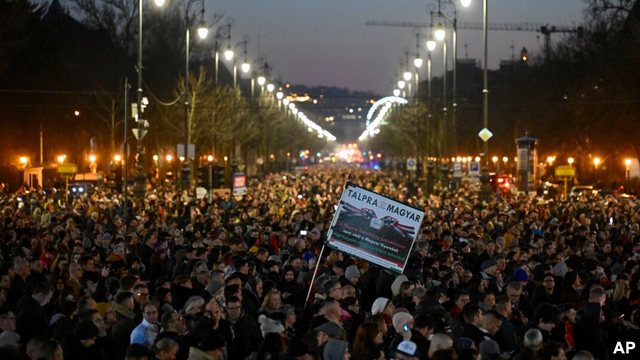
Although countries with different characteristics, geography and political history, what they have in common is that power was gained legitimately, not by violence . But, over time and especially due to the longevity of power, the limitations that keep a democratic system afloat have been violated. More or less, an old trick has been used in all three countries: first the law is preached to gain power, then power is used to distort or ignore the law.
Also, the above cases show us that regardless of whether you are a candidate or a member of the EU, the process of democratic transformation is brought to life thanks to the contribution, exercise of responsibilities and vigilance of citizens , to prevent the production of a power that cannot be controlled.
Longevity in power and the one-by-one dismantling of the mechanisms of control and balance of power is sold as something normal that has to do with the effectiveness of governance and the good of the people. The only thing that limits power is its goodwill, which has nothing to do with the definition of democracy. Because, as political scientist Adam Pševorski rightly says: “ Democracy is a system where some things must be left open for a chance for democracy to live up to its name . ”
The protests in Europe, even if they do not in themselves correct the democratic deficit of political life, are an opportunity to shake up the stabilocracy and open a path that leads to finding new political and social balances.
The situations described above, despite the differences related to the uniqueness of each country, are essentially reminiscent of Goethe's famous fable "The Sorcerer's Apprentice", which tells how a sorcerer entrusts the management of his workshop to a young apprentice by giving him several tasks. The apprentice decided to make his work easier by using one of the sorcerer's spells, but this resulted in the workshop flooding. The apprentice was forced to pray to the sorcerer for help, and only thanks to his help did the flood stop. The lesson that emerges from the fable written centuries ago is clear: power must be exercised in a controlled manner, otherwise it brings disaster.
Therefore, the winds blowing in Europe tell us that people are no longer willing to tolerate the violation of democratic norms in exchange for some material goods that they value . They are shaking the foundations of long-standing power, fighting for democracy and rejecting any compromise that does not serve the future.
The analysis is a publication of the Friedrich-Ebert Foundation./ CNA

" I am a thief with 250 thousand votes and I should be fre...
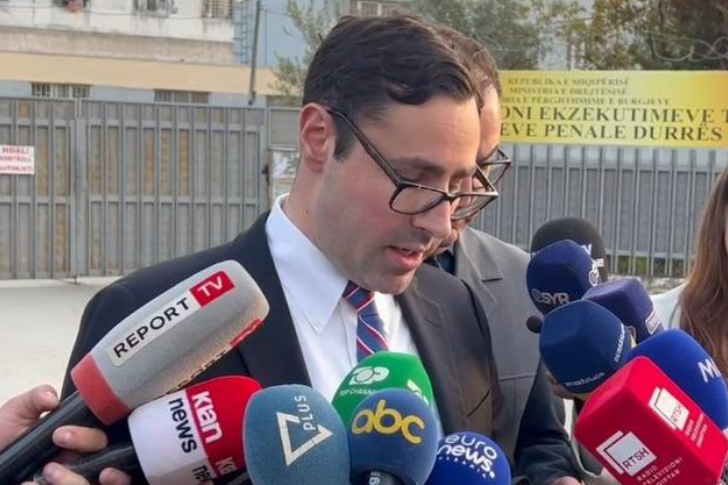
Today, American citizen Joshua.E.Roberts appeared in Tiran...
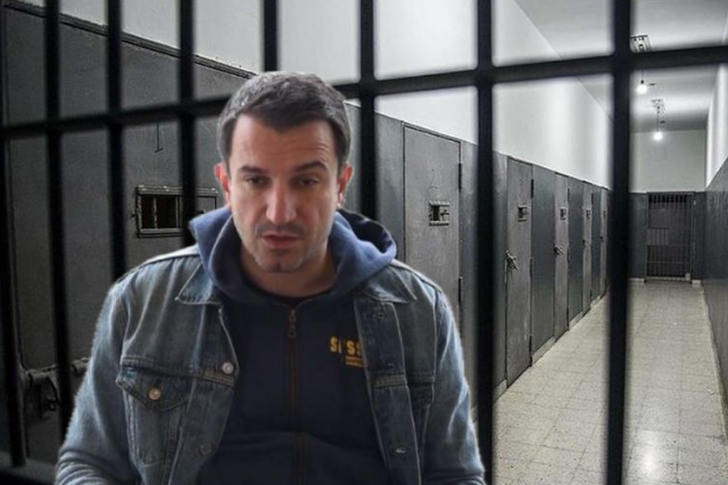
Tirana Mayor Erion Veliaj, who is behind bars following th...
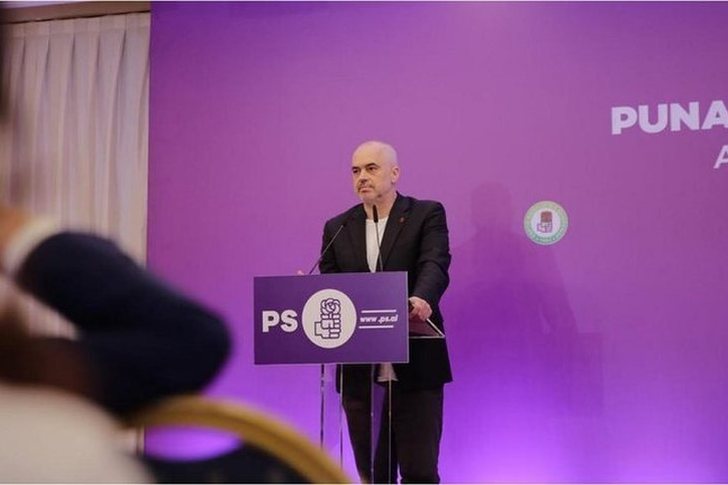
The Socialist Party is a major political force, having...
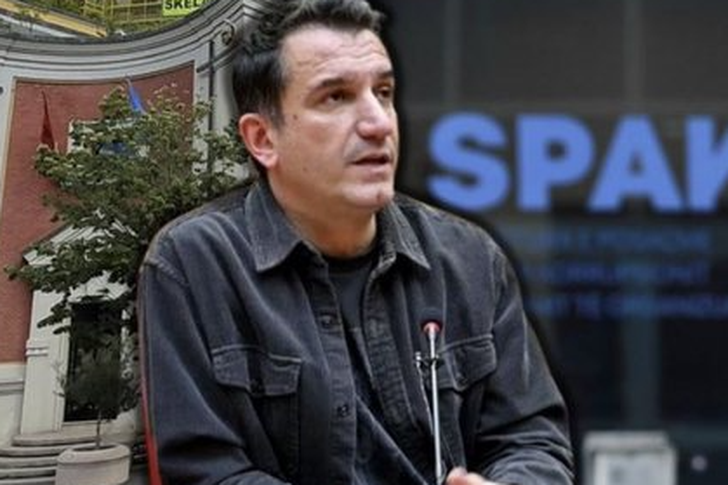
A look back in time and a reading of Mayor Erion Velia...

The "Bermuda Triangle" , as a mysterious geographical enti...
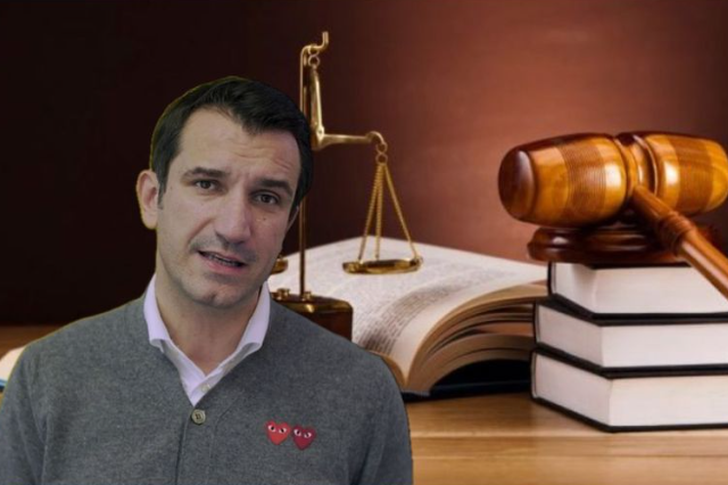
For several days and weeks, Erion Veliaj has begun his...
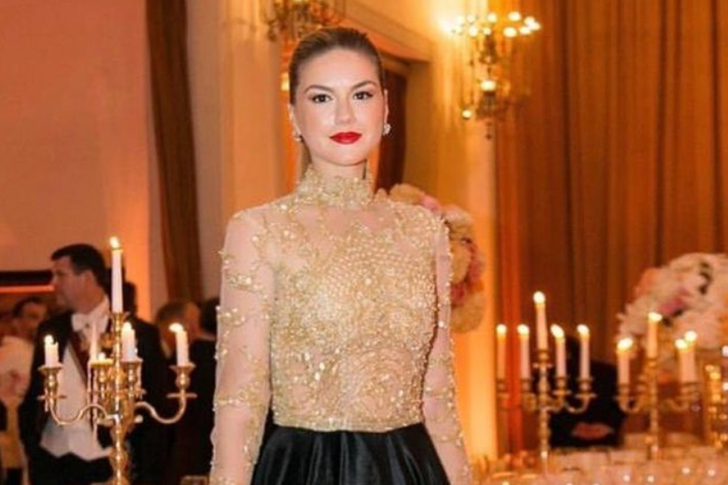
Valmir Xoxa is a very interesting character who appear...
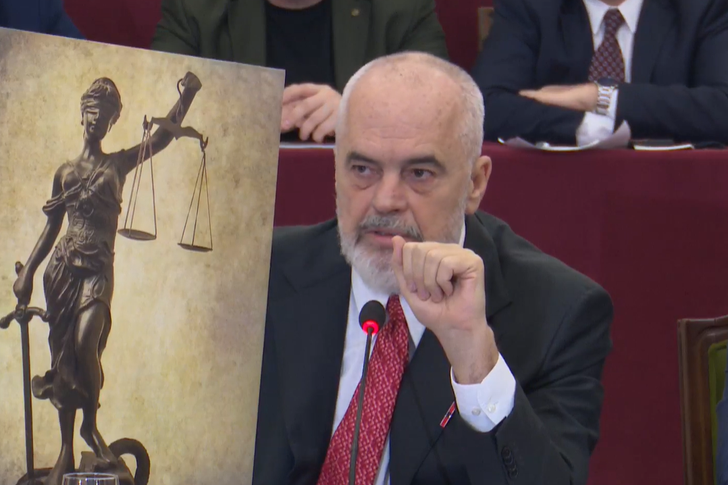
Prime Minister Rama once again mentioned special journ...
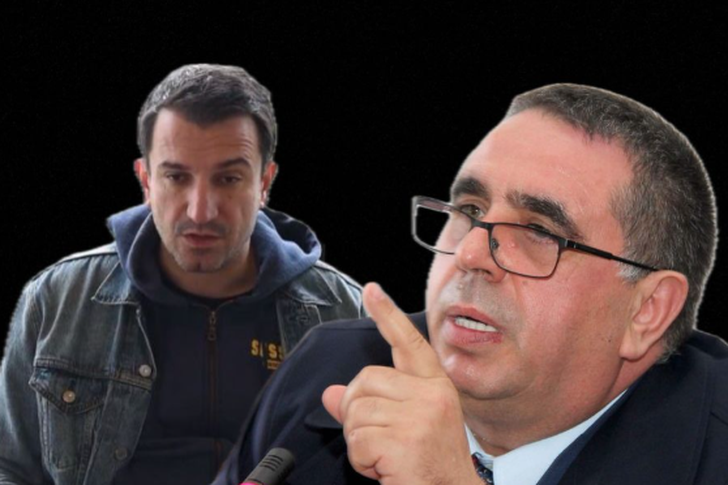
The propaganda of the mayor of Tirana, who is under ar...
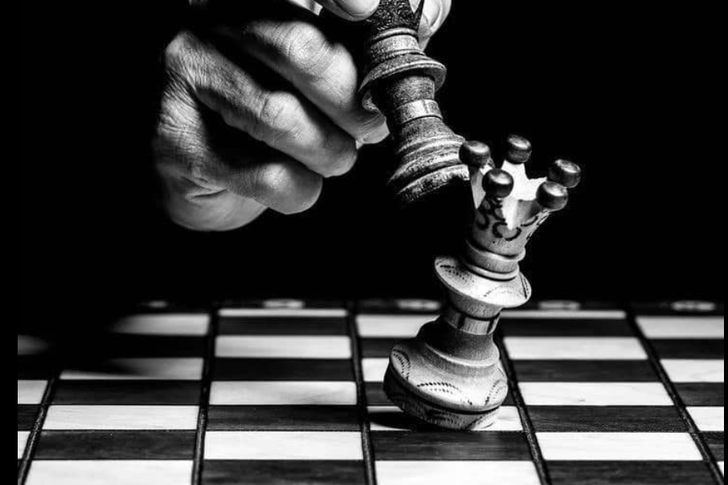
President Trump's first days in office demonstrate that th...
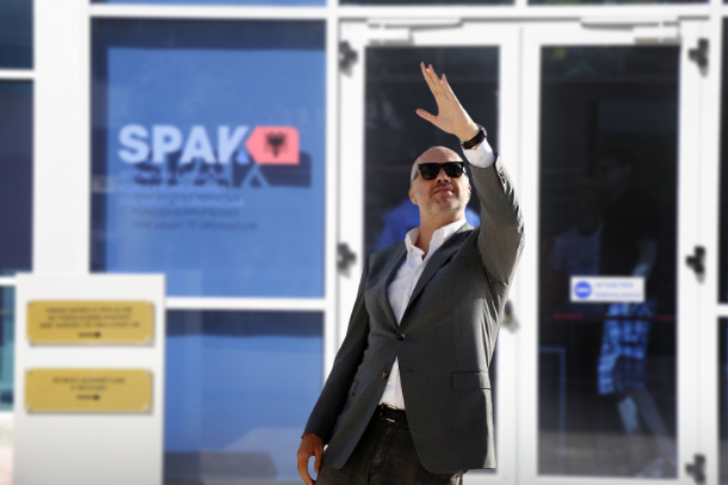
Prime Minister Edi Rama has announced a hearing tomorrow w...
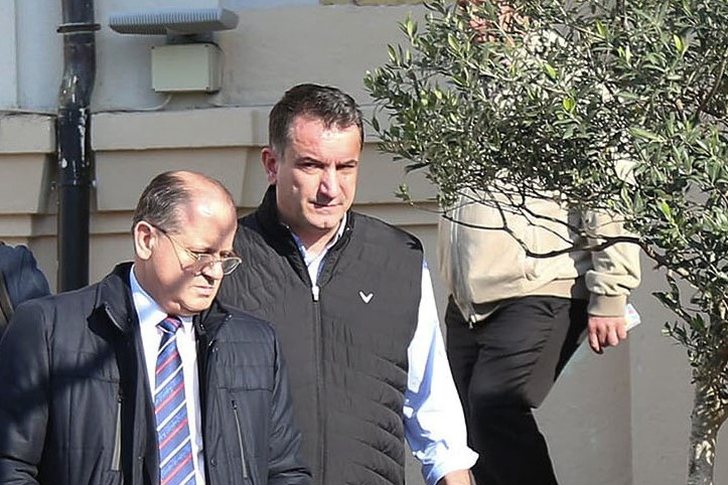
It's amazing how a judge in Fier is threatened right after...
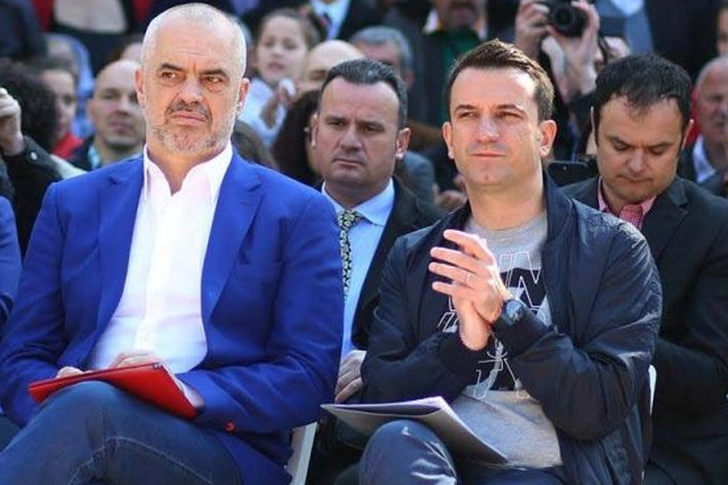
Never had a prime minister acted like this, never had ...
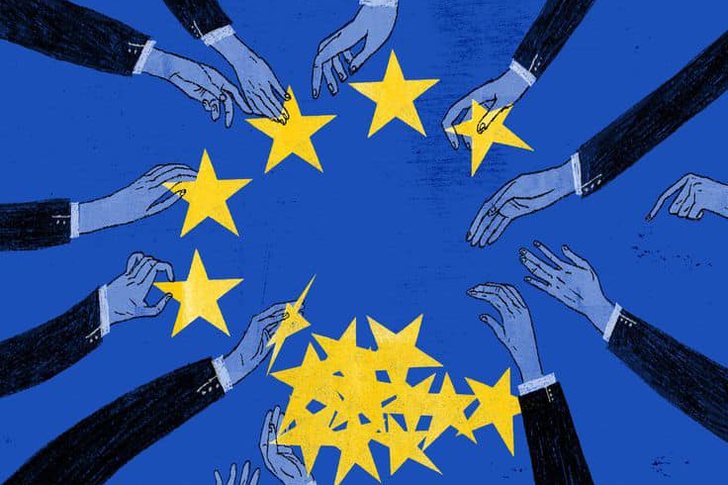
Two decades before Europe was drawn into World War I, Frie...
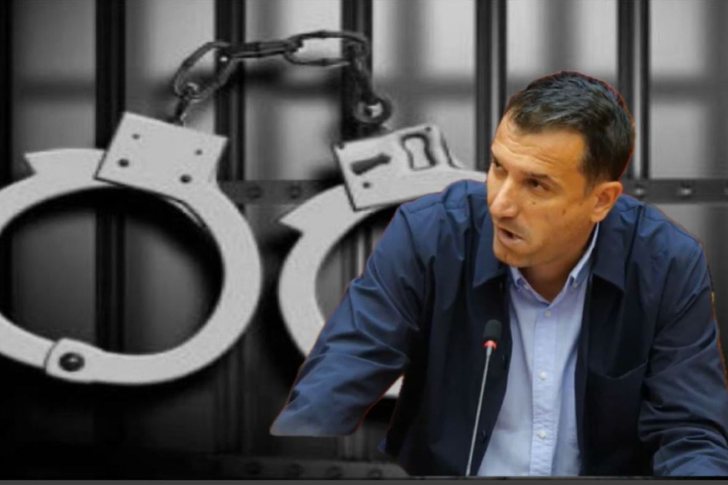
The incinerator media and those paid by the mayor's bro...
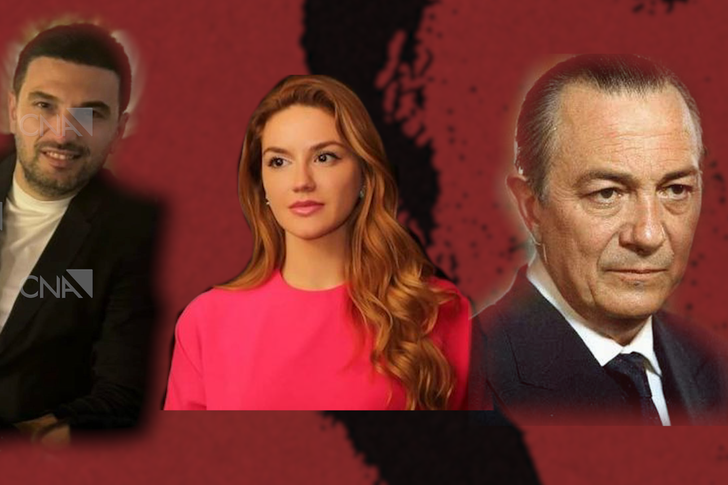
Një personazh që thuhet se mund të duket si roli i “Tano K...
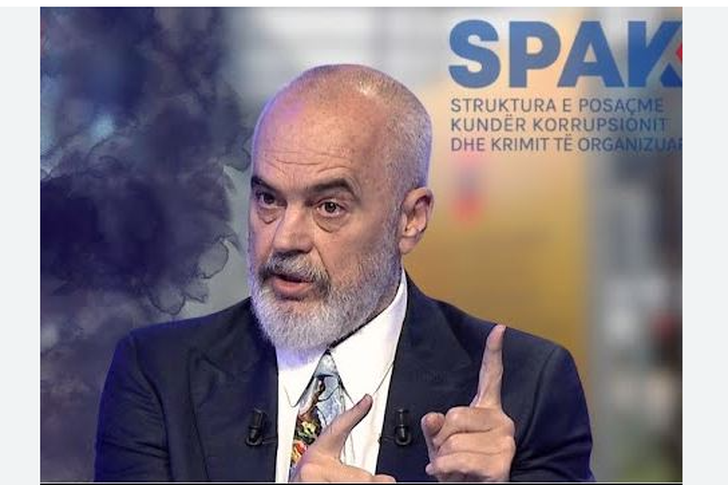
Since February 10, when Mayor Erion Veliaj was arrested in...
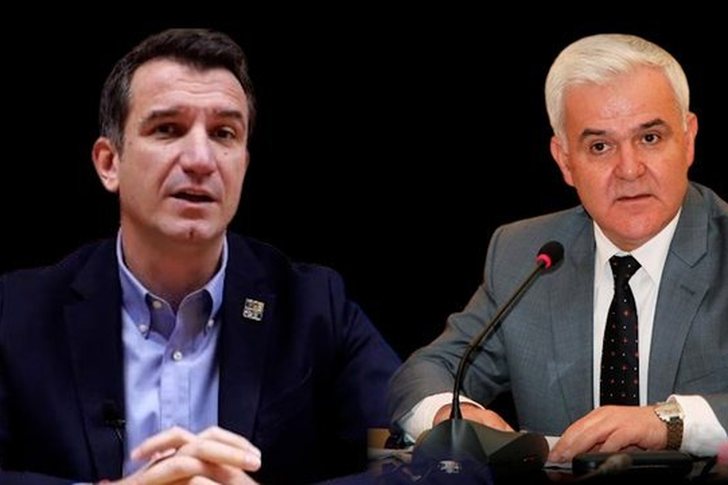
Fatmir Xhafaj wrote today that "the prosecutor does not co...
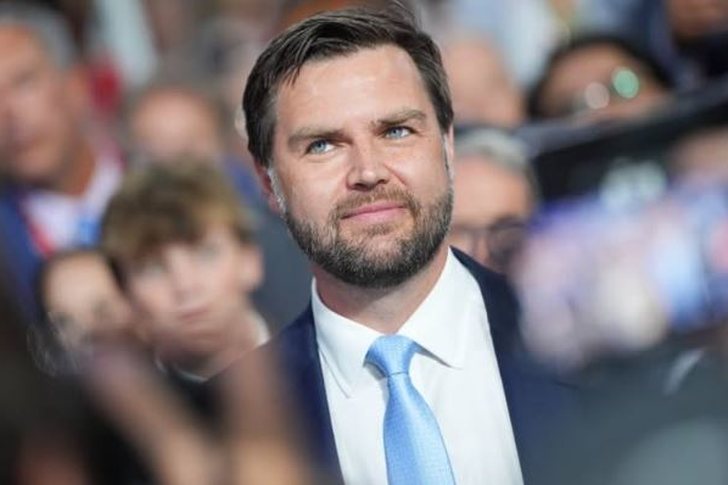
Speech by the American Vice President to European politica...
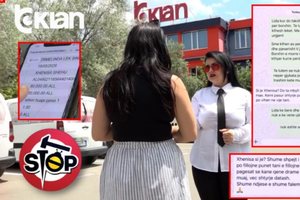
The next case broadcast on the show "Stop", this Thursday,...
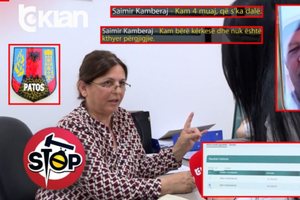
The case published this Thursday, June 4, on the show "Sto...

The protests of recent days related to the situation in Zv...
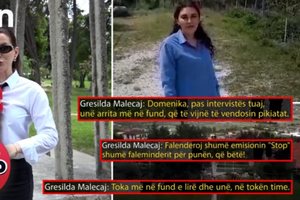
The case addressed this Wednesday, June 3, on the show "St...

The Special Board of Appeal (KPA) decided this Monday ...

The KPA vetting decided this Thursday to dismiss the p...

Suela Salavaçi, a prosecutor in the Prosecutor's Offic...

The Special Board of Appeal reinstated the prosecutor ...
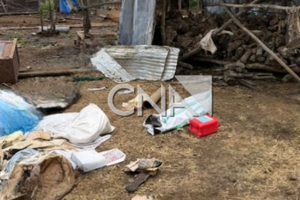
Several images provided by CNA show the area where this mo...
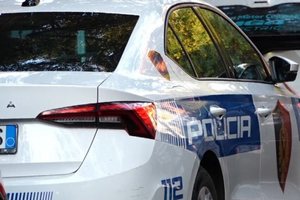
A quantity of explosive material exploded this morning at ...
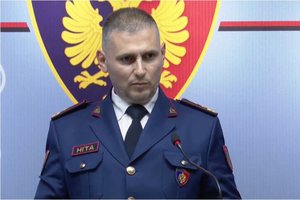
The Head of the State Police, Skënder Hita, expressed his ...
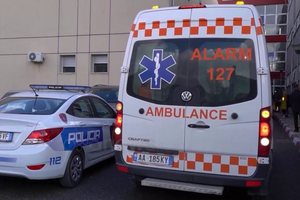
New details have emerged regarding the serious incident th...

For many children and teenagers, the long summer holidays ...
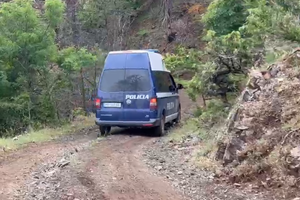
Witnesses in Lozhan, Maliqi, have shared details from the ...
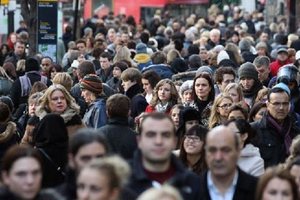
Albania is facing an unprecedented demographic transition,...
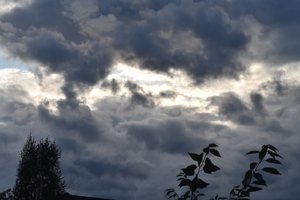
On Thursday, our country will be affected by unstable weat...
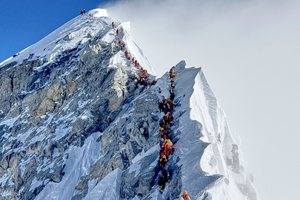
An extraordinary story of survival has been recorded in Ne...
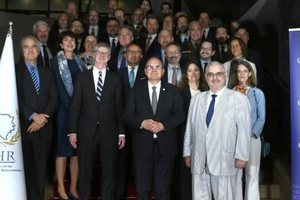
The Peace Implementation Council in Bosnia and Herzegovina...
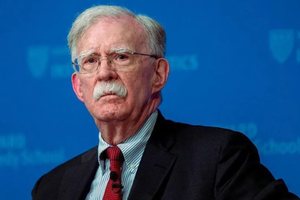
John Bolton, the former national security adviser to US Pr...
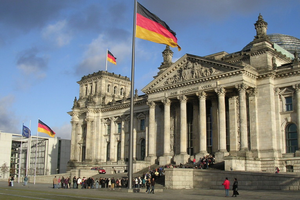
The number of millionaires worldwide rose by nearly 2 mill...
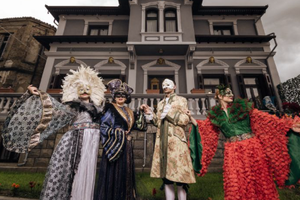
Korça is ready to open the summer season with one of the c...
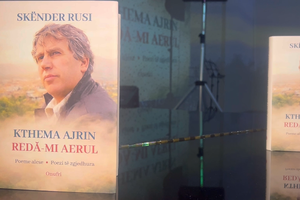
Two years after his passing, the renowned Korçë poet Skënd...
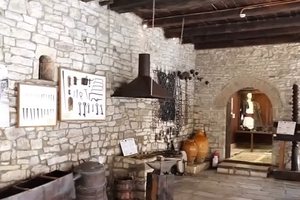
The Ethnographic Museum of Berat has opened its doors to v...
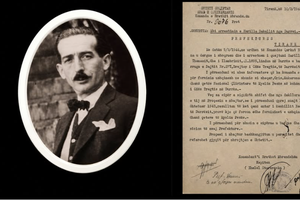
The story of Harilla Bakalli is one of the most chilling t...
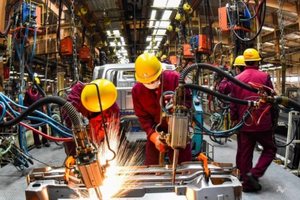
The government aims to transform the country's industrial ...
Kursi i këmbimit të euros me lekun ka rënë më tej këtë jav...
Profit margins in the construction sector have increased s...
The Transparency Board, at its meeting today, decided to i...