

Maniac, pisano and tyrant, what you need to know about Mao Zedong
On September 9, 1976, the leader of Communist China, Mao Z...


When Pope John Paul II visited his homeland, Poland, in 1979, he drew huge crowds of worshipers, dispelling the communist regime's "clouds" of fear and lies and showing the world and the Poles themselves a true picture of the country. theirs.
The pope's advice to the hundreds of thousands in attendance in the square, "Do not be afraid," echoed similar statements by prominent politicians, including US President Ronald Reagan and British Prime Minister Margaret Thatcher, and predicted a tragic end to the empire of of evil.
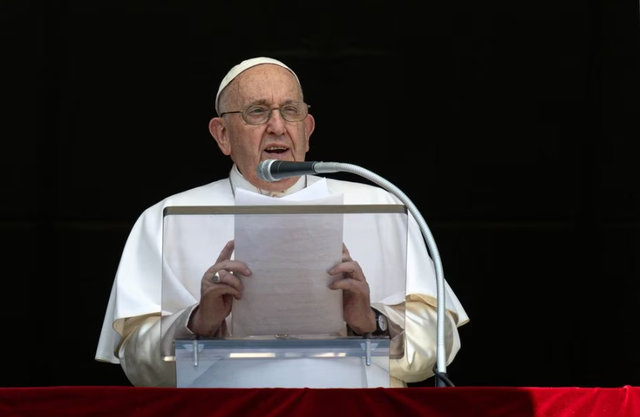
Today the message coming from the Holy See is somewhat different. During a visit to the Mongolian capital, Ulaanbaatar, Pope Francis intended to deliver a message of greeting to the neighboring country, asking the Chinese faithful to "be good Christians as well as good citizens."
However, the communist dictatorship in Beijing has no concept of citizenship: it demands the unquestioning, absolute and continuous obedience of Chinese citizens. Photos of a brave handful of Chinese Christian believers who went to Mongolia to see the Pope showed them covering their faces in the hope of escaping the clutches of the party-state surveillance machinery.
Catholic bishops in mainland China - now appointed only with the permission of the Communist Party leadership - were barred from traveling to Mongolia. An even more spectacular blunder was seen last month during an online meeting with young Catholics from St. Petersburg.
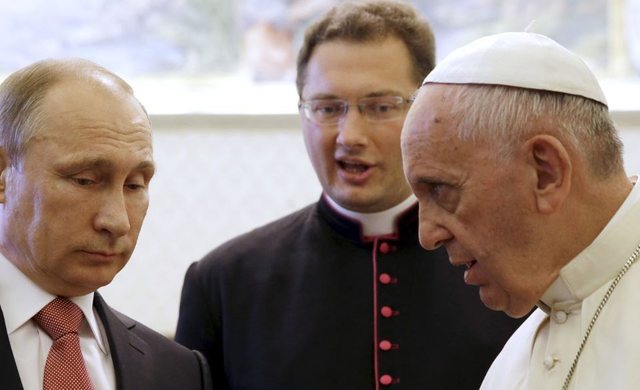
Francis said to them: “You are the heirs of great Russia. The great Russia of the saints, of the kings, the great Russia of Peter the Great, of Catherine II. Imperial Great Russia, cultivated with so much culture and humanity. Never forget this legacy. You are the heirs of the Great Mother Russia, so move forward!".
An odd statement, to say the least. It is hard to imagine the Roman Catholic leader telling the Belgian, British, Dutch, French, German, Portuguese or Spanish faithful to boast of the great imperial traditions of their countries.
In today's perspective, European empires were greedy and brutal to the colonized and ultimately corrosive to the colonizer. In fact, if the Pope were to consult the history of his church, he would see that the interaction of the Roman Empire with Christianity, from the moment of its foundation, has hardly been without friction.
Moreover, Russia's imperial sentiments are not only a matter of historical debate. They are more than alive today. For this, it is enough to listen for a few minutes to the moderators and experts on Russian TV shows who talk about the neighboring countries in contemptuous and threatening terms.
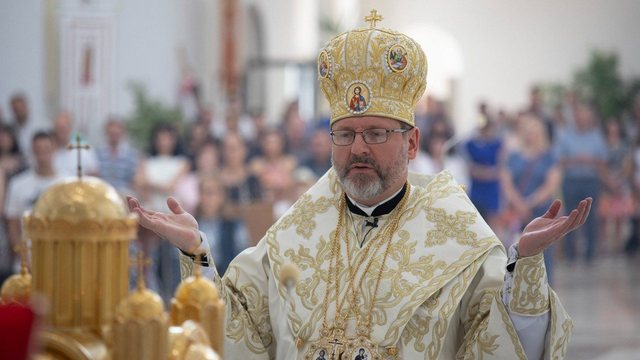
And for Ukrainians, Russian imperialism is an existential, life-or-death issue. The Pope's statements caused tremendous public criticism, starting with the head of the Ukrainian Greek Orthodox Church.
His Beatitude Sviatoslav Shevchuk condemned, in particular, the Pope's laudatory references to the 2 Russian Tsars, Catherine the Great and Peter the Great, who both tried to eradicate the Ukrainian language, identity and culture. However, Kremlin spokesman Dmitry Peskov upheld Pope Francis' words.
He said that the Pope's knowledge of Russian history was "a source of satisfaction for Russians" and "in unison" with the efforts of the Russian state to teach history to young people as interpreted by Vladimir Putin. This brought alarm bells ringing albeit belatedly, and Vatican officials tried to play down the significance of the Pope's words.
But the damage was done. It is very easy to justify these blunders with the bad advice given to the Pope. The diplomatic (and intelligence) skills of the Vatican are remarkable.
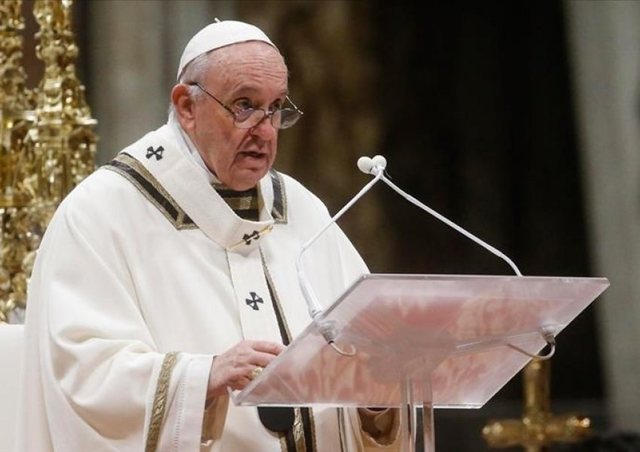
Some attribute the pope's hard-line stance to his latent anti-Americanism, which stems from his early experience under the US-backed Argentine junta of the 1970s and early 1980s.
Perhaps it is so. But the ugliest aspect of this situation is that the Pope does not seem to be learning from his mistakes. There is a great danger that the Holy See will renounce diplomatic recognition of Taiwan (an increasingly isolated position) in the vain hope of winning some concessions from the Beijing regime.
Another danger is that the benevolence shown to the Kremlin strengthens war-weary voices in the West who want to bring Ukraine back to a ceasefire agreement. Pope Francis is not the John Paul II we miss so much./ Adapted from CNA

On September 9, 1976, the leader of Communist China, Mao Z...
According to some estimates, the Catholic Church, led by t...
The United States and its Western allies have launched...
Since the beginning of this century, the practice of relig...
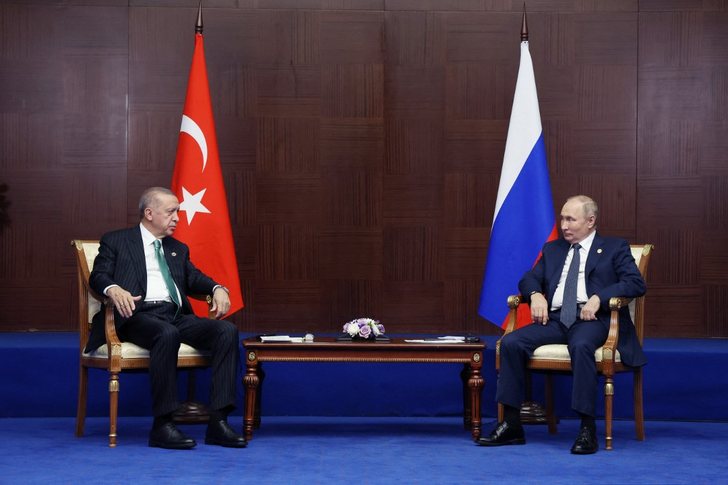
If there was a bet on how Yevgeny Prigozhin would die, mos...
Japan has the highest public debt in the world. It is equa...
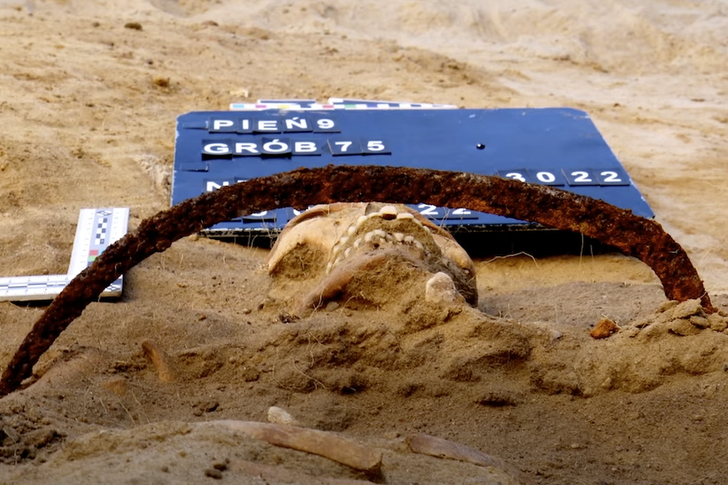
At the end of July, during archaeological excavations near...
Finally there is a date, 2030, for the Europe of the futur...
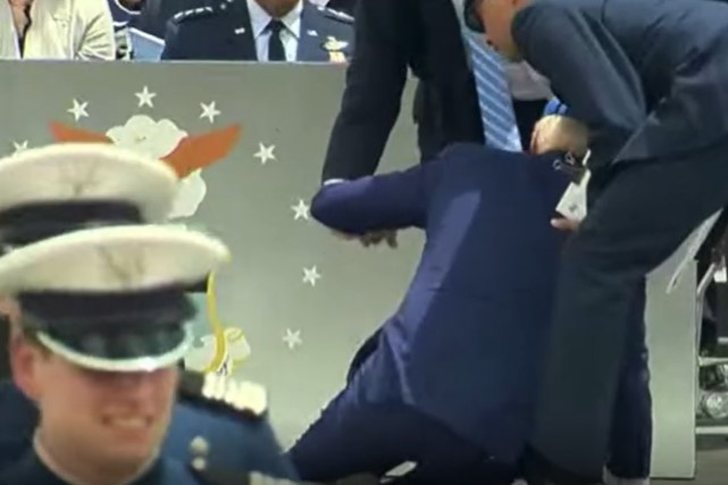
President Joe Biden was "fine" according to White House Co...
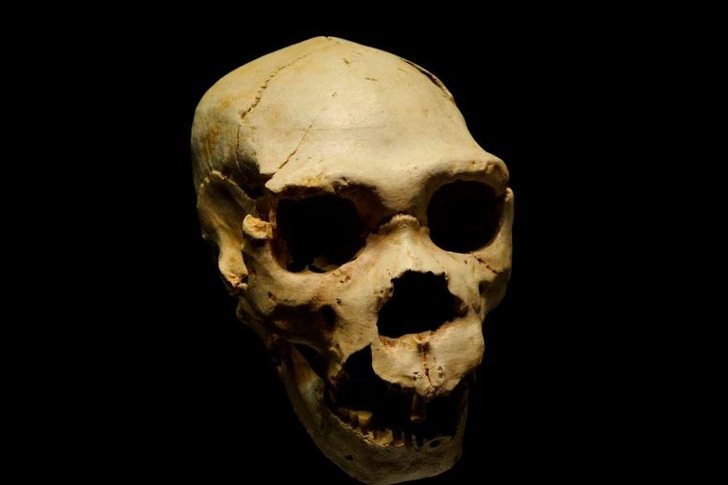
About 930,000 years ago, the human race was on the ver...
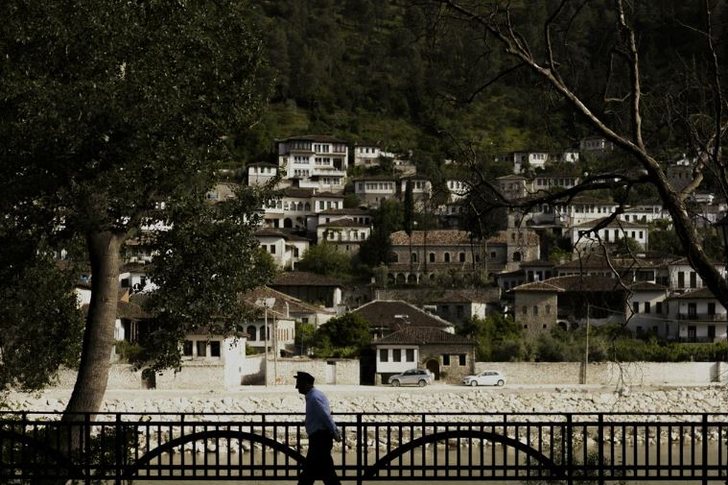
It is 1 o'clock in the afternoon on a summer Saturday, and...
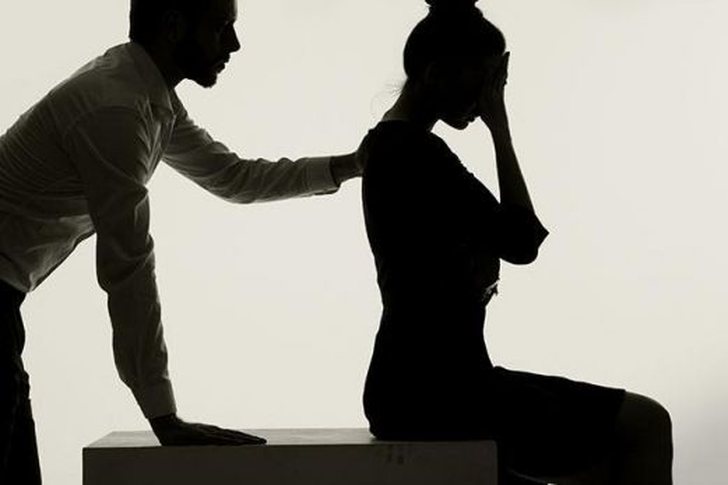
Cheating is a complex topic, with an emotional charge, tha...
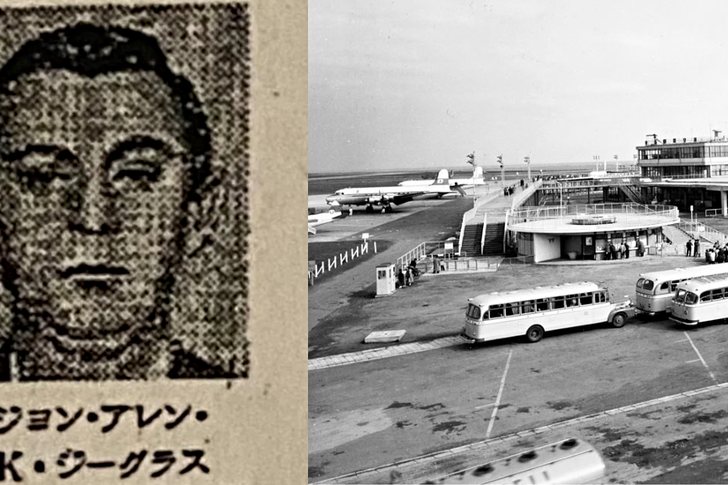
On a hot summer day in July 1954, a man arrived at Haneda ...
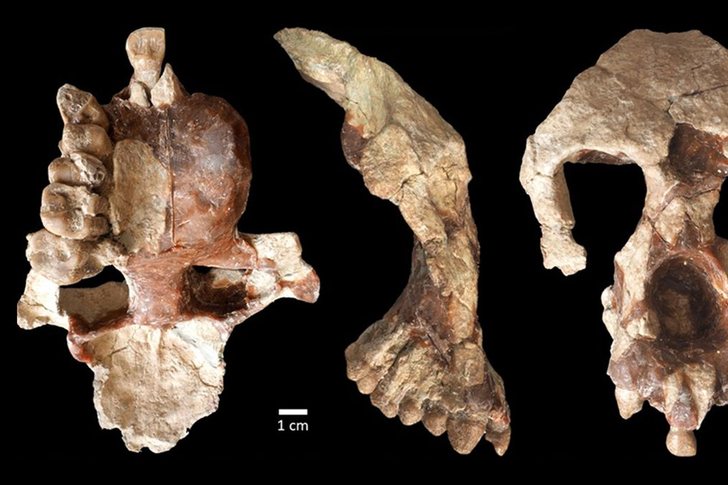
Fosili i një majmuni i zbuluar së fundmi në Turqi, ka nxit...
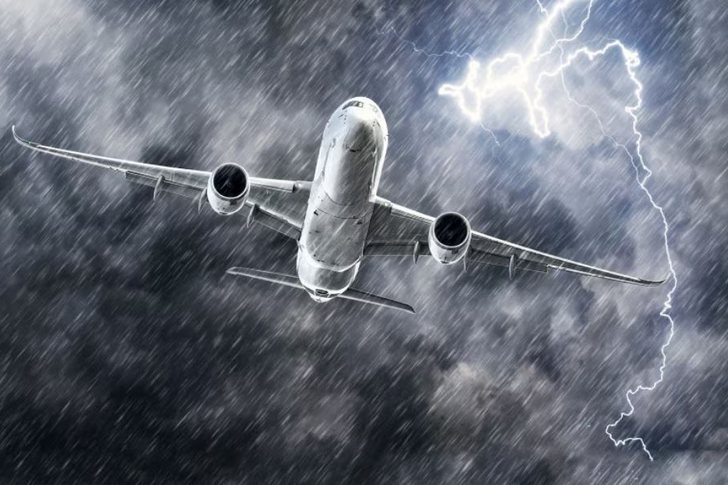
Flying is the safest way to travel. According to the lates...

When London was hit with the bubonic plague in 1665, many ...

When I heard that hospitals in the US were short of blood ...

At the Bled Strategic Forum held this week, European C...

By Ross Pomeroy "Big Think" Over time, a person's persona...

Gone are the days of old scams, with "princes" offering th...

CNA has launched another investigation that could lead to ...

Irfan Hysenbelliu is a businessman that we call "Irfan the...

In March 2026, CNA launched another investigation centered...
The arrested mayor of Tirana, Erion Veliaj, with 13 charge...

The Special Board of Appeal (KPA) decided this Monday ...

The KPA vetting decided this Thursday to dismiss the p...

Suela Salavaçi, a prosecutor in the Prosecutor's Offic...

The Special Board of Appeal reinstated the prosecutor ...
New details have emerged regarding the accident that occur...
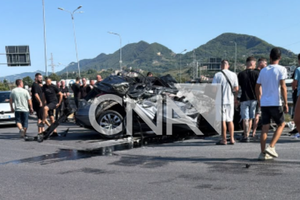
New details have emerged from the serious accident that oc...
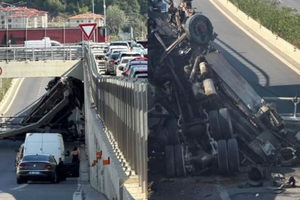
A serious accident occurred this Wednesday on the Elbasan-...
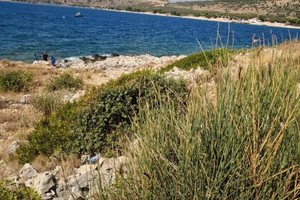
Citizen MH, 61, a fisherman, was found dead near the islan...

The Institute of Geosciences has shared a forecast for wea...
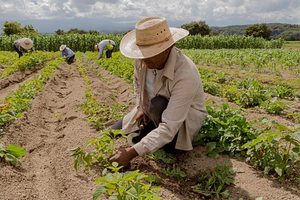
Rising energy and fertilizer prices are expected to contin...

Over 18,000 foreign citizens from 140 countries have appli...
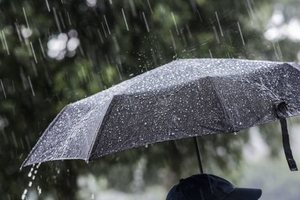
This Wednesday, our country will be under the influence of...
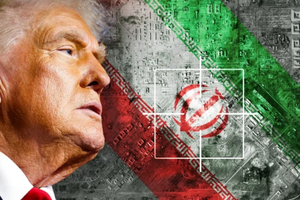
US President Donald Trump has issued another warning to Ir...
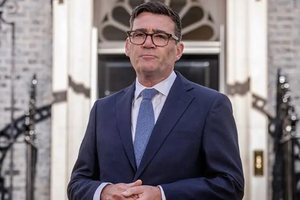
Prime Minister Andy Burnham has announced that most bus fa...
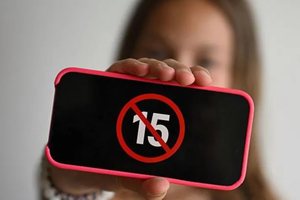
France's parliament has passed a law to ban social media f...
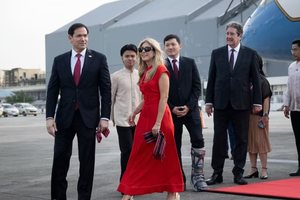
US Secretary of State Marco Rubio arrived in Manila on Jul...

At a time when industrial products are increasingly taking...

Trust among people is not just a three-syllable word. It c...

Master of humor Todi Llupi has passed away at the age of 7...

The ninth edition of "MIK Festival" kicked off with one of...

Businesses will no longer be required to simply register t...

Despite economic growth and income in recent years, Albani...

This Wednesday, one US dollar is bought for 81.4 lek and s...

Construction company licenses will have a validity period ...