Veliaj's gross mistake/ Concrete mixers "invade" the streets of Tirana
The problem with the circulation of heavy vehicles on the ...

The problem with the circulation of heavy vehicles on the ...

If there was a bet on how Yevgeny Prigozhin would die, most bettors would have spent quite a bit of money on alternatives such as accidentally falling from a window or consuming a drink that would turn out to be not so healthy for him.
In fact, the Russian commander/mercenary leader/former presidential chef who in June led a failed attempt to oust some of President Vladimir Putin's top military officials boarded a plane that apparently went wrong to comply with aviation safety standards.
And who knew what would happen? As soon as the wreckage of the plane fell to the ground, everyone rushed to claim that the author of the event was Putin. Mainly because maybe he was really responsible for the plane crash. You know what they say? If someone looks like a duck, walks like a duck, and quacks like a duck, then Putin probably killed the duck, making a few cheeky statements: the deceased duck made some "serious mistakes".
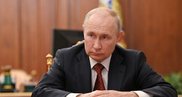
The plane crash made many people recall a 2018 video in which Putin declared in an interview with a journalist that treason is the only thing he cannot forgive. And treason is the term he used to describe the uprising of the Wagner Group 2 months ago.
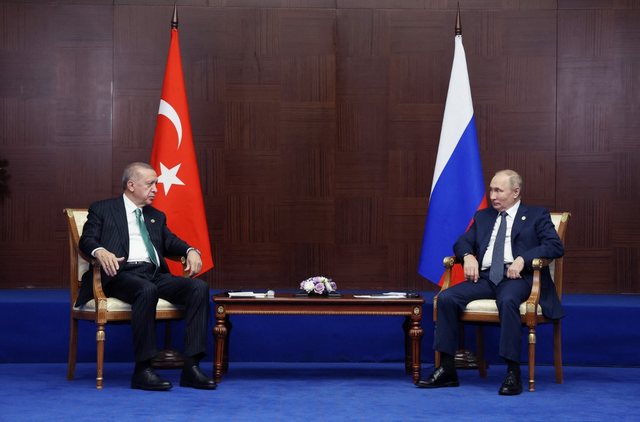
The plane crash serves as a very valuable lesson for all of us, that even authoritarian leaders can be sensitive, and that it is not always a good idea to play with their feelings. So in the end, Prigozhin did not die without any guilt. And this brings us to Turkish President Recep Tayyip Erdogan, who is a "Picasso" in the art of betrayal.
Since his re-election to office in May, some of his actions have prompted analysts to question whether he is planning to abandon his close ties to Putin in favor of a more pro-Western alignment. The profile of his new cabinet members, such as that of the Finance Minister and the Central Bank governor, was interpreted as an indication of his intention to revive Turkey's traditional Atlantic ties.
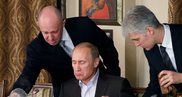
Although another maneuver to attract foreign investment, it would be a much more plausible explanation for these movements. But he didn't stop there. In July, Ankara handed over to Kiev five former commanders who defended Mariupol last year and were supposed to remain in Turkey under a prisoner exchange deal.
It also softened the attitude towards Sweden's entry into NATO. Erdogan's veto against Stockholm was without question part of his strategy to maintain an open line of friendship with Putin, sabotaging the further consolidation of the Atlantic Alliance in the face of the Russian invasion of Ukraine.
He did not seem interested in any real diplomatic bargaining, as the conditions he laid out for lifting the veto included legally unrealistic demands, such as the extradition of exiled journalists who have sought political asylum in the Nordic country.

In a likely retaliatory move, Russia ended the Turkish-brokered deal that allowed the safe export of Ukrainian wheat from Black Sea ports, and released video footage of the grain being loaded onto Turkish-run cargo ships off the coast of Istanbul.
So this begs the $1 million question: Is Erdogan ready to do one of his U-turns against Putin? My answer: Probably not.
First, Erdogan's softened approach to Sweden seems less like a new pro-Atlantic zeal, and more like his way of reacting in response to the revelation of a joint US-Swedish corruption investigation implicating the son. his.
Erdogan may not speak English well (or Turkish without a teleprompter), but he has a language that any of his interlocutors can clearly understand. Like when former US President Donald Trump threatened to destroy the Turkish economy if Erdogan didn't behave.
Being an expert blackmailer himself, Erdogan understood the situation and withdrew from the challenge without receiving anything in return. Or rather got a ridiculous, pointless promise from Sweden to support Turkey's EU accession process, which at this point is as dead as any of the people who were on board Prigozhin's plane.
Second and more importantly, Erdogan and Putin are too close to each other to walk away from their relationship. While Ankara has supplied Kiev with military drones, it has steadfastly avoided international sanctions against Moscow, becoming one of the Kremlin's few avenues to avoid punitive measures from the West.
And for Turkey, Russia remains a vital supplier of gas at a relatively affordable price, at a time when the Turkish economy is not doing well. Also, Moscow is an indispensable partner in the operation of its first and only nuclear power plant in Akuju.
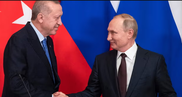
Even in military conflicts in third countries, where they appear to be positioned in opposite camps, such as Syria, Libya and the South Caucasus, Turkey and Russia serve to justify each other's military presence on the scene, as well as to promote the position of each other vis-à-vis their respective local clients but also the joint mediation of peace agreements that are in their interest.
But the two autocratic leaders hold cards that can be turned into dangerous weapons. In northern Syria, Putin's agreement to a Syrian army offensive to take control of the last rebel-held enclave of Idlib is the only obstacle standing between Turkey and another massive influx of migrants (including many jihadists).
And Erdogan's government is already finding it increasingly difficult to curb growing anti-immigrant sentiment among Turkish public opinion. Conversely, Erdogan's strict adherence to a 1936 international convention governing the presence of naval assets in the Black Sea is the only obstacle between Russia and a Black Sea teeming with US and other NATO warships, a scenario nightmare for Putin.
When talking about the direction of foreign policy, Turkish government officials often say that it is not a "zero-sum" game, and that Ankara's growing business with this or that region is not an alternative to its traditional partnerships. In this increasingly multi-polar world, this approach is not only possible, but also reasonable and sustainable.
Moreover, Erdogan now has full access to Western cooperation thanks to his bargains. Thus, he is guaranteed a total silence of Europeans and Americans in the face of domestic and transnational human rights abuses by his regime.
And it is continuing to receive billions of euros from Brussels in exchange for preventing immigrants from crossing into EU countries. He enjoys the benefits of a customs union with the EU, and manages to humiliate Western leaders, labeling them "Nazi remnants", and threatens to expel foreign ambassadors whenever he wants or sees fit. suffered a decline in the polls.
The only cost of Erdogan's rapprochement with Putin has been the loss of access to the next-generation F-35 fighter jets due to the purchase of the Russian S-400 missile defense system, which could have consequences for competition. of Turkey with Greece for air dominance over the Aegean Sea.
To be clear, Erdogan and Putin's relationship is far from smooth. This can also be seen in the recent deterioration of reports due to Ukraine. But it is a fact that they will lose a lot if they decide to separate. If the war in Ukraine does not polarize the world to the extent that it makes it impossible for Erdogan to continue playing his double game, reason dictates that they keep the "marriage" going smoothly until death do them part./ " Turkish Minute ” - Translated and adapted by CNA

Japan has the highest public debt in the world. It is equa...
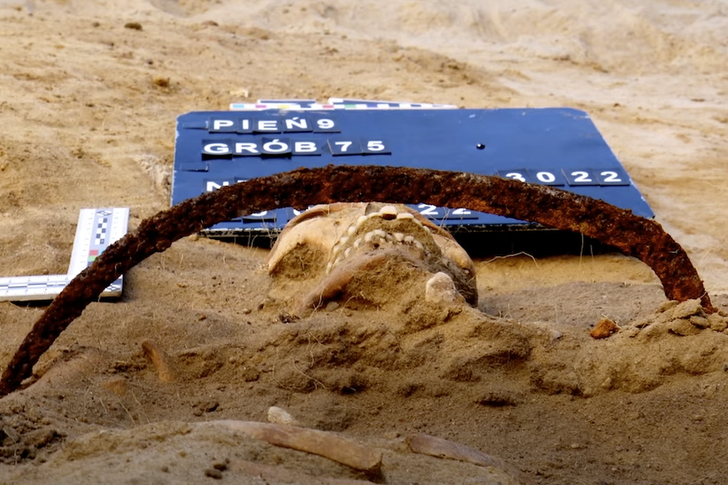
At the end of July, during archaeological excavations near...
Finally there is a date, 2030, for the Europe of the futur...
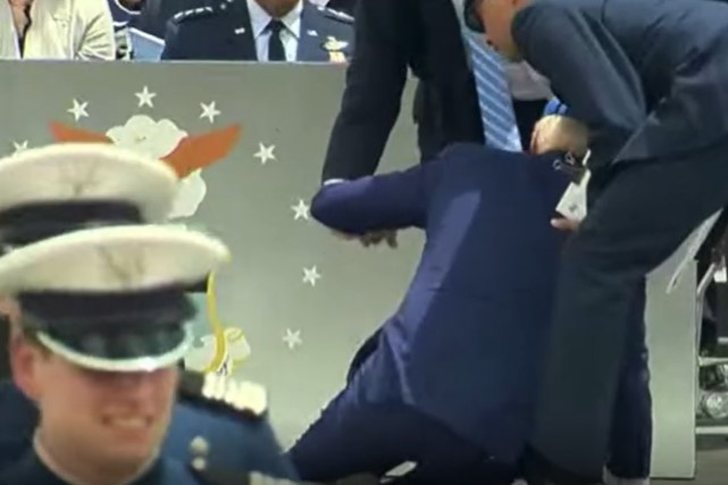
President Joe Biden was "fine" according to White House Co...
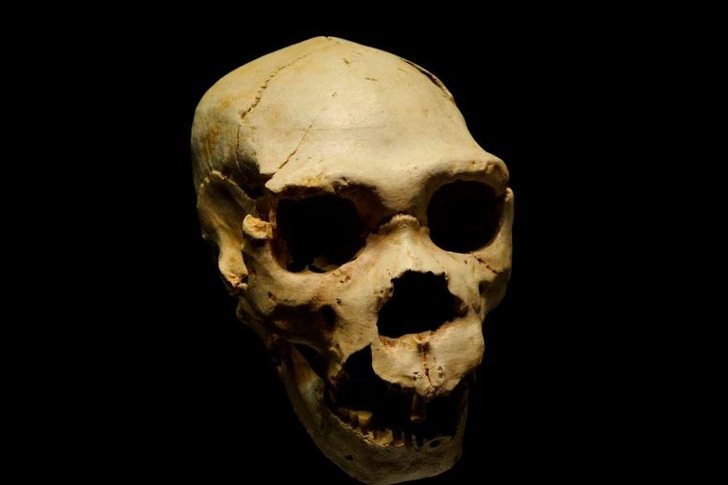
About 930,000 years ago, the human race was on the ver...
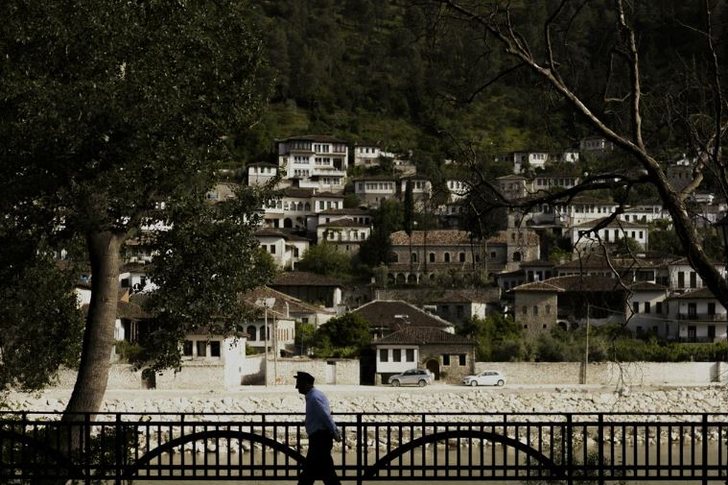
It is 1 o'clock in the afternoon on a summer Saturday, and...

Cheating is a complex topic, with an emotional charge, tha...
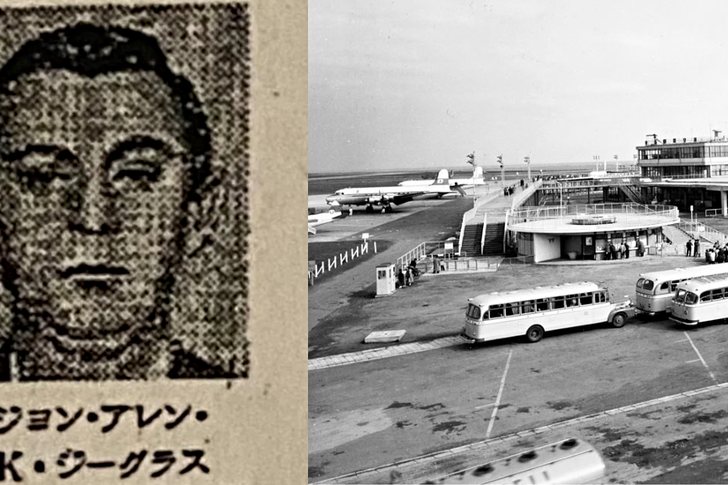
On a hot summer day in July 1954, a man arrived at Haneda ...
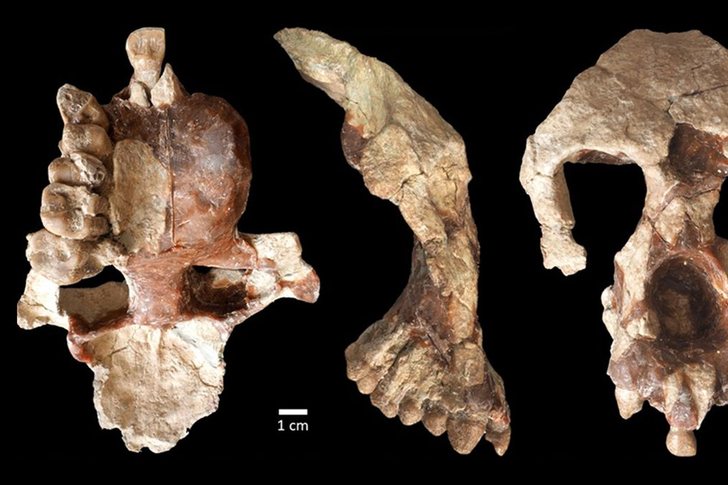
Fosili i një majmuni i zbuluar së fundmi në Turqi, ka nxit...
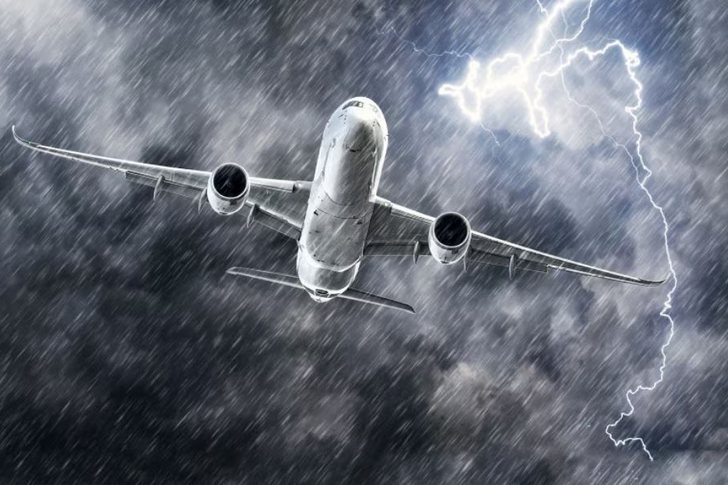
Flying is the safest way to travel. According to the lates...

When London was hit with the bubonic plague in 1665, many ...

When I heard that hospitals in the US were short of blood ...

At the Bled Strategic Forum held this week, European C...

By Ross Pomeroy "Big Think" Over time, a person's persona...
Gone are the days of old scams, with "princes" offering th...
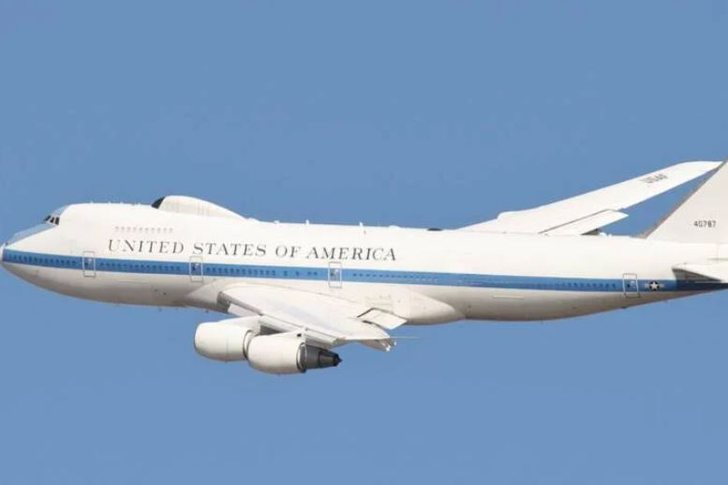
The Boeing E-4B aircraft, also known as the "End of the Wo...

Water is the main component of our body and a fundamental ...

While intelligence is often considered a very valuable tra...

After several years full of anxiety about the backward ste...
Whether power corrupts a person—or whether a corrupt perso...

CNA has launched another investigation that could lead to ...

Irfan Hysenbelliu is a businessman that we call "Irfan the...

In March 2026, CNA launched another investigation centered...
The arrested mayor of Tirana, Erion Veliaj, with 13 charge...

The Special Board of Appeal (KPA) decided this Monday ...

The KPA vetting decided this Thursday to dismiss the p...

Suela Salavaçi, a prosecutor in the Prosecutor's Offic...

The Special Board of Appeal reinstated the prosecutor ...
New details have emerged regarding the accident that occur...
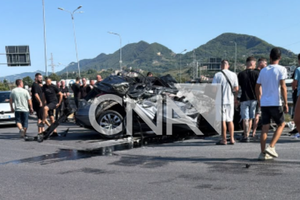
New details have emerged from the serious accident that oc...
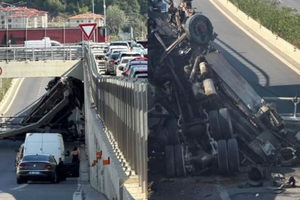
A serious accident occurred this Wednesday on the Elbasan-...
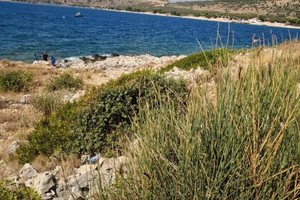
Citizen MH, 61, a fisherman, was found dead near the islan...
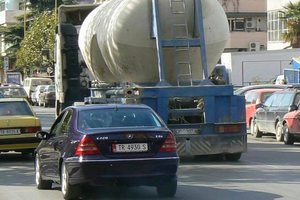
A serious accident that occurred this Wednesday with the c...

The Institute of Geosciences has shared a forecast for wea...
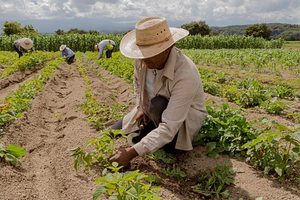
Rising energy and fertilizer prices are expected to contin...
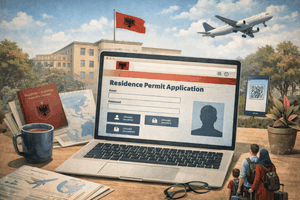
Over 18,000 foreign citizens from 140 countries have appli...
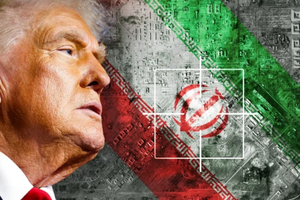
US President Donald Trump has issued another warning to Ir...
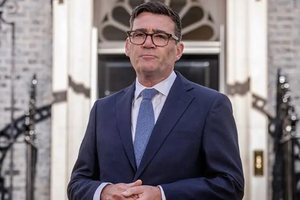
Prime Minister Andy Burnham has announced that most bus fa...

France's parliament has passed a law to ban social media f...
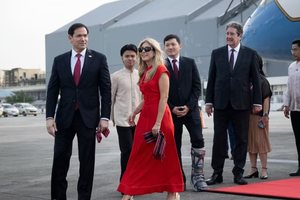
US Secretary of State Marco Rubio arrived in Manila on Jul...

At a time when industrial products are increasingly taking...

Trust among people is not just a three-syllable word. It c...

Master of humor Todi Llupi has passed away at the age of 7...

The ninth edition of "MIK Festival" kicked off with one of...
Businesses will no longer be required to simply register t...

Despite economic growth and income in recent years, Albani...

This Wednesday, one US dollar is bought for 81.4 lek and s...

Construction company licenses will have a validity period ...