


Foreign currencies deepen decline/ Exchange rate, July 27, 2026
This Monday, one US dollar is bought for 81.5 lek and sold...

This Monday, one US dollar is bought for 81.5 lek and sold...


The number of employed people in the working-age population decreased by 32,736 people in the first quarter of 2026 compared to the same period a year earlier, as labor market needs are being met with retirees.
Official data from INSTAT for the first quarter of 2026 show that the number of employees in the 15–29 age group has decreased by around 14.4 thousand people compared to the same period a year earlier, marking a sharp contraction of 8%.
The main age group of the labor market, 30–64 years old, has also suffered a decline of over 18 thousand employees, or 2.1% less in annual terms. These two categories constitute the base of the labor force and their decline indicates a significant weakening of the country's economic potential.
In contrast, the dynamics are completely different for those over 64. The number of employees in this category, represented by pensioners, reached 140,713 people and has increased by about 17.7 thousand people or 14.4% more for the same comparison period.
Employed pensioners reached 12.2% of the total employed in the first quarter of 2026 from 10.5% in the first quarter of 2025.
As the country rapidly loses working-age workers, the participation of older people is becoming increasingly important to keep economic activity afloat. A combination of factors, from youth emigration and an aging population to economic necessity, is pushing retirees to continue working.
If this trend continues, the labor market risks facing a labor shortage in the coming years, while the burden of keeping the economy active is shifting to retirees.
The sharp decline in the working-age workforce signals that the country's productive base is shrinking. It is precisely the youth and active age groups that usually bear the brunt of economic growth, because they are more likely to enter new sectors, adopt technology, and create added value. If they shrink, the economy gradually loses momentum and its ability to develop.
On the other hand, the increase in employment among retirees does not reflect a qualitative expansion of the labor market, but rather an adjustment to the shortage. Older people who continue to work often do so for economic reasons and usually in less productive, more traditional and not always formal activities. This shifts the economy towards a structure dominated by sectors with lower productivity and less growth potential.
As the economy needs more energy, innovation, and expansion to adapt to the digital revolution, it is increasingly relying on a workforce that is not designed to handle these roles. If this trend continues, the risk is not just a shortage of workers, but an economy that operates at a lower potential than it has the means to do so. /Monitor


Thousands of citizens are continuing their march against t...

Professor Pëllump Pilinçi has announced the news that Edi ...
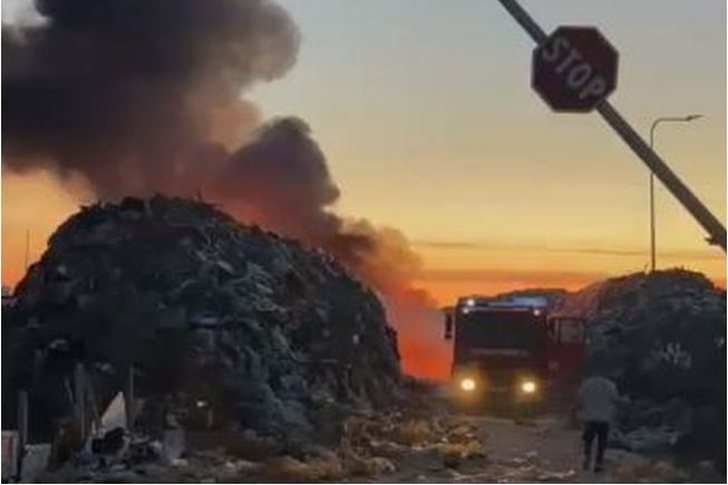
The Vlora landfill was engulfed in flames this evening. T...

On the 11th day of the protest, as the protesters began th...

Also present at today's protest was the former head of Tir...

Thousands of citizens have gathered since 6:00 PM this Wed...

The 11th day of protests against the government and Prime ...

Citizens have gathered in Skanderbeg Square on the 11th da...

Gazetarja Klodiana Lala tha sot se protesta qytetare disad...

Plarent Ndreca, the defendant lawyer of the arrested mayor...

For 10 days, a massive protest with different groups and c...

At today's meeting of the Council of Ministers, a financia...

Reperi Kleviol Ahmeti ka dalë nga ambientet e Gjykatës së ...

Kryebashkiaku i arrestuar i Tiranës, Erion Veliaj, me 13 a...

Bordi i Transparencës ka publikuar çmimet e reja të tregti...
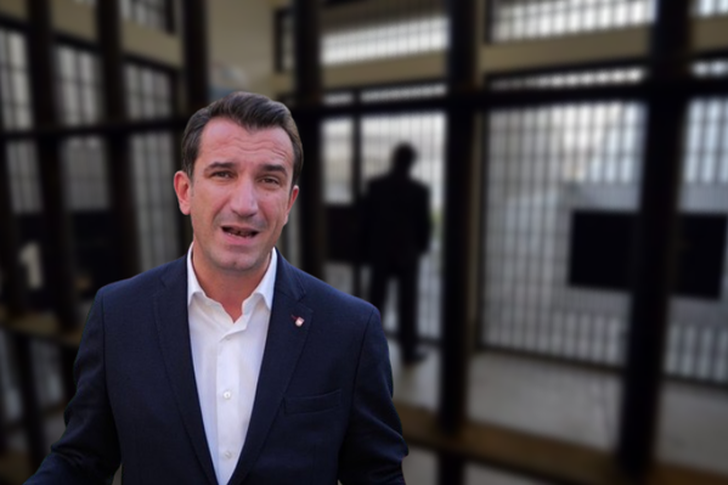
A hearing has begun at the Criminal Court against the mayo...

Rapper Kleviol Ahmeti, known as "Clevio", appeared today i...

Prime Minister Edi Rama has published the project for the ...
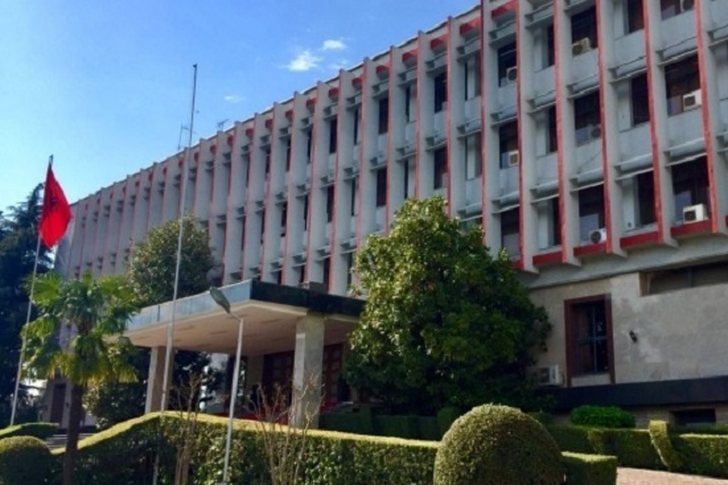
The Ministry of Foreign Affairs has announced the postpone...

Një aksident rrugor është regjistruar në aksin Korçë-Bilis...
CNA has put under scanner the assets of Sokol Sadushi, the...

A 39-year-old citizen has been arrested in Lezha, after se...

CNA has launched another investigation that could lead to ...

Irfan Hysenbelliu is a businessman that we call "Irfan the...

The Special Board of Appeal (KPA) decided this Monday ...

The KPA vetting decided this Thursday to dismiss the p...

Suela Salavaçi, a prosecutor in the Prosecutor's Offic...

The Special Board of Appeal reinstated the prosecutor ...

Police have revealed details of the incident that occurred...
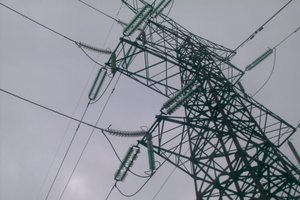
According to preliminary information, a person in his 60s ...

A triple accident occurred on the Peqin-Elbasan axis n...

The police have provided details regarding the accident th...

Today, our country will be under the influence of unstable...

The Institute of Geosciences has today shared a forecast r...

Company leaders can improve productivity by investing in a...

Today, our country will be under the influence of stable a...

North Korea is said to have achieved some impressive resul...

US Ambassador to the United Nations, Mike Waltz, said toda...

The suspect in the Berlin Pride attack was shot and killed...
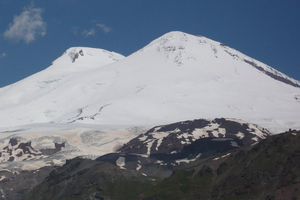
A tragic event occurred this Sunday on Mount Elbrus in the...
Two windows, a century of history and the metaphysics of p...

In my research at the Central State Archives, specifically...

At a time when industrial products are increasingly taking...

Trust among people is not just a three-syllable word. It c...

This Monday, one US dollar is bought for 81.5 lek and sold...

This Sunday, one US dollar is bought for 81.5 lek and sold...

This Saturday, one US dollar is bought for 81.7 lek and so...

War, weather and supply disruptions could send gas prices ...