


Këlliçi denounces Jet Bank again: Lack of transparency since day one, serious reason for investigations
Democratic MP and DP Vice President, Belind Këlliçi, raise...

Democratic MP and DP Vice President, Belind Këlliçi, raise...

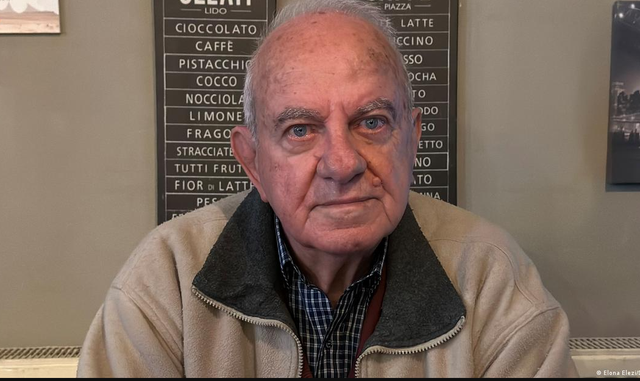
Ilia Murzaku, today 86 years old, speaks fluent Albanian, even though he has been living in Romania for 64 years. In 1959 he moved to Bucharest with his mother and two sisters. Until that moment, life had not been easy for them, as earlier Ilia had lost his father and brother, the first two weeks after he was released from prison where he was held for a year as a suspect for the bomb planted at the Russian embassy in Tirana in 1951, while his brother shortly after he had gone to some relatives in Romania, as a result of an illness. Since the father, educated in Romania and a former employee of the Romanian embassy in Tirana before communism, held a Romanian passport, the whole family also received the right of citizenship, which they would use when needed.
"In 1959, the Romanian government of that time gave an order that all Romanian citizens could return to live in Romania. Then we immediately went to the embassy, ??but we also needed an approval that the Albanian state allowed us to leave, more precisely the ministry of the Interior. We were not stopped from escaping" - he says in an interview for DW. The Murzaku family's first stop would be the port city of Constanta in Romania, where Romanian Albanians landed over the centuries. "We came by Russian steamer. Then I was a basketball player, playing with Tirana, the former 17 November. The cook of the ferry was telling us: Eat! That we were too weak. During the trip we stopped in Piré, Greece. We rested there for 5-6 hours, staying and looking at the shops. Before I left, I had a pair of shoes made to order, but when I saw those stores, my shoes looked like opings" - says Ilia amid nostalgia.
The difference between Albania and Romania used to be like Romania and America
Upon arrival, the local authorities asked them if they wanted to settle in Constanta or Bucharest. The family chose Bucharest, as their brother's grave was there. A few years later, in 1966, their father's remains would also be removed. It would be the last time Ilia would visit Albania, until the return after the 90s. Fleeing from a dictatorial state to another dictatorial country, there were as many similarities as there were differences according to Ilias. In those years, the dictatorship had just started. The difference between Albania and Romania used to be like Romania and America. Here we found the shops full. While in Tirana we had bread with rations. My mother would take 400 grams of bread and give me her ration. Do the math yourself. It was a big crisis. While here we started dressing, furnishing the house, we also traveled to democratic countries".
Integration was not difficult, as he soon enrolled in the Institute of Physical Education in Bucharest and learned the Romanian language. Later he met a Romanian girl, who later became his wife. Even to make friends, it was not difficult at all, because as Ilia says, in those years there was respect for Albanians and the Albanian community. "It was a well-organized Albanian organization. They had their House of Culture. We gathered, we sang, we even sang old patriotic songs. There were mixed couples and Romanian partners learned our songs. Then the community was much bigger, while now they don't even speak the language".
For Ilia, the longing for Albania, where it was no longer possible to travel after the isolation during the dictatorship, extinguished the meetings with the groups of Albanian sportsmen who came to Bucharest. He accompanied them in the matches and the visits they made, thus practicing the Albanian language. He returned to Tirana in 1991, through the land route, where the first thing that caught his eye were bunkers, potholed roads and deforested mountains.
Similarities in culture and language
Renata Topçiu grew up speaking Albanian and Romanian. Her parents met in Bucharest, when her father, originally from Korça, was a medical student, and her mother, a Romanian from Bucharest, a student of Philology, in the French-Romanian branch. They got married in 1958 and then decided to live in Albania. "Childhood is a little different when one of the parents is a foreigner. You become a bilingual child. It is a real asset, because the language you learn in childhood becomes your property, which reaches the same level as the language of the country where you were born and you are educated and it opens another window, to get to know another culture "– says Renata to Deutsche Welle.
From her childhood memories in Albania, she remembers her mother's difficult years, when the country was isolated and the borders were closed. "My grandmother managed to come to Albania to see her grandson and granddaughters, but my mother was not given a visa to leave Albania. My grandmother always addressed a direct letter to Enver Hoxha, where she wrote: I am the mother of I have forgiven a daughter to Albania, and she has three children. I am very rich but I must enjoy this wealth, which are my nephews and nieces. And my grandmother was able to come to Albania after this letter and she may have come two -three times in total. So we didn't miss grandma so much because she used to come. The letter was repeated once every two or three years. Apparently, someone would put their hand on their heart and she would come to us, where she used to stay 3,4, 5-6 months" - Renata remembers.
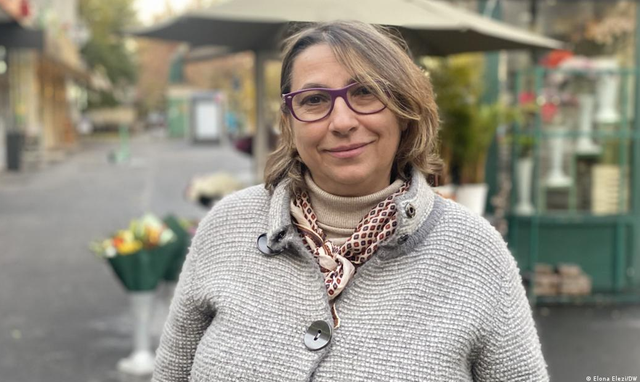
Renata herself visited Bucharest and her mother's cousins ??for the first time in 1991. Two years later, she was invited for a summer course and then settled in Romania, where she started teaching Albanian language after the opening of the chair. of Balkan languages ??at the University of Constanta. "I had no problem adapting because I knew the language and psychology of the Romanian people, which is very close to that of the Albanian people. I didn't feel so foreign here. In those years, Romania had a lot of similarities with Albania, because both had emerged from the communist system, the experiences were the same, the hopes were the same. Although I must say that Romania was far ahead in terms of the academic level, from the point of view of culture, linguistics, etc.," says Renata.
Creation of the first Albanian-Romanian dictionary
Living and working in Romania, he began to study more deeply the similarities between the two languages. "The similarities between Albanian and Romanian are surprising. Because they have to do with the structure of the language. They are not superficial similarities, so not only are there many common words between Albanian and Romanian that are found in other languages, but there are many phraseological expressions common, there are many common fixed structures".
The work as a linguistics lecturer made her help her mother, Ana Melonashi, to finalize the dream and several years of work of creating the first Albanian-Romanian dictionary. "The dictionary was an initiative of my mother when I entered the Faculty of Philology. When she saw that I finally entered this path, she thought of making a dictionary that was lacking in both Albanian lexicography and Romanian lexicography. The first contribution of belongs to her. Then later my contribution and my husband's is because we completed it, prepared it for publication. The whole process took a long time. My mother worked for 4-5 years and I helped her when I was a student. A multi-year work, at least around 20 years old. It was a reward of her life. Now we are working on the second dictionary" - says Topçiu./ DW



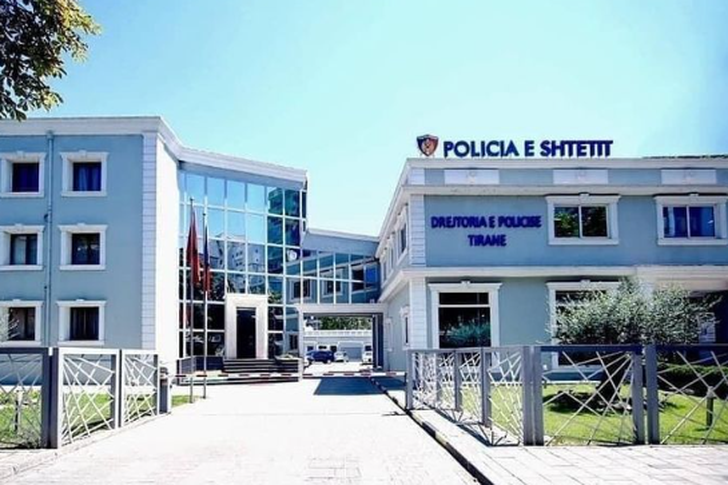
Two people have been arrested by the police and anothe...
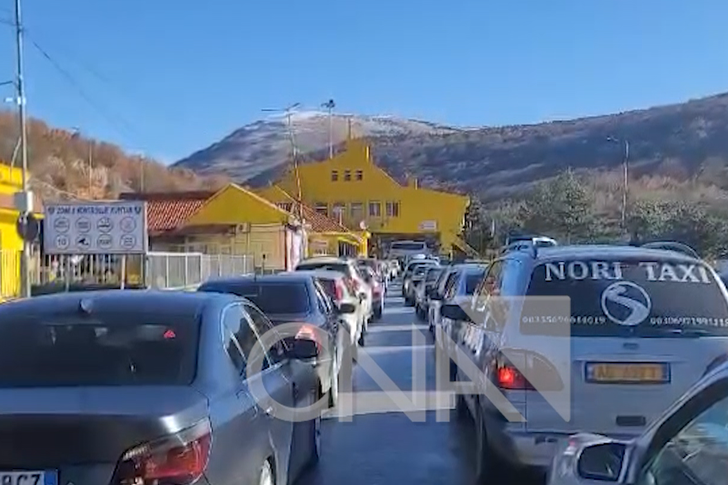
An influx of vehicles was observed this Saturday morni...
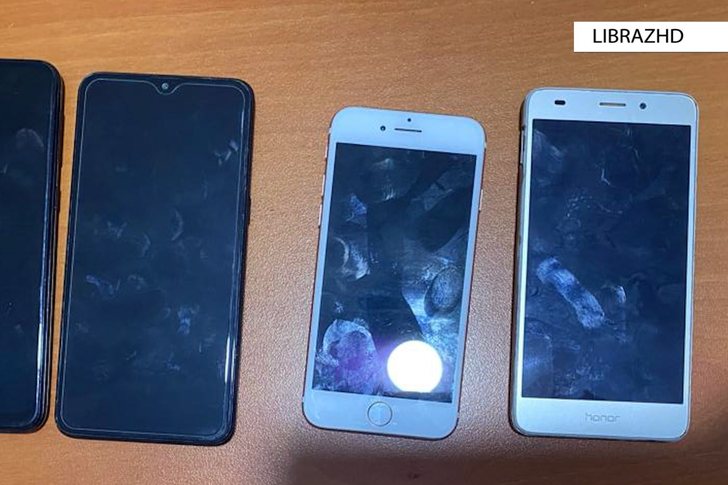
A 17-year-old in Librazhd has been arrested by the police ...
The chairman of the group of advisers of the Freedom P...
Defense Minister Niko Peleshi has announced that 11 ne...

A 26-year-old man has been arrested by the police afte...
The former competitor of "Love Island", Xhoana Kurti, ...

Albania received very poor results in the International S...
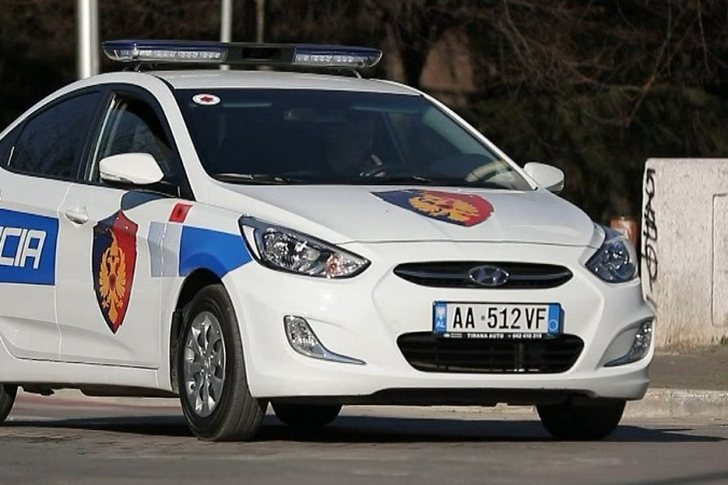
The car accident happened yesterday evening in Selitë....
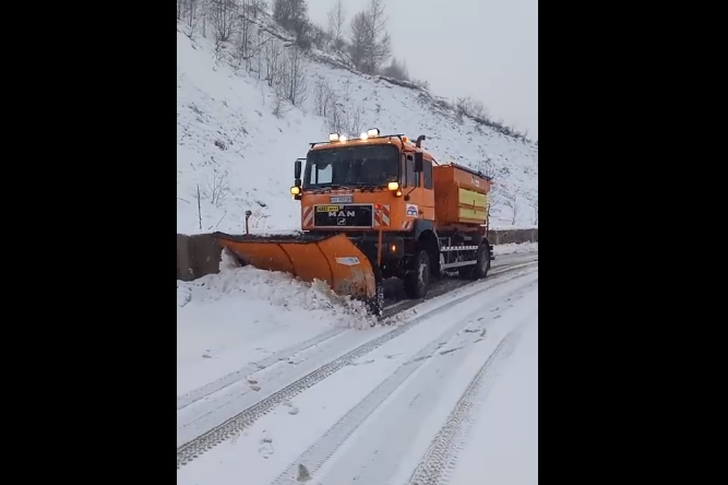
During today's day, the snowfall has returned in the m...
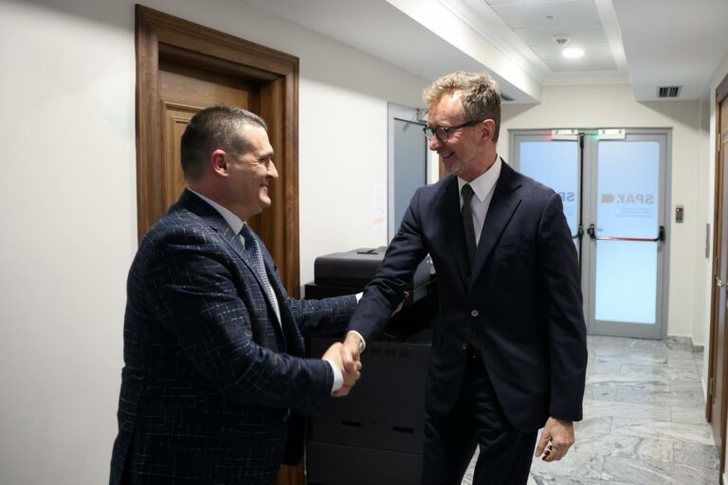
The ambassador of the European Union delegation in our...
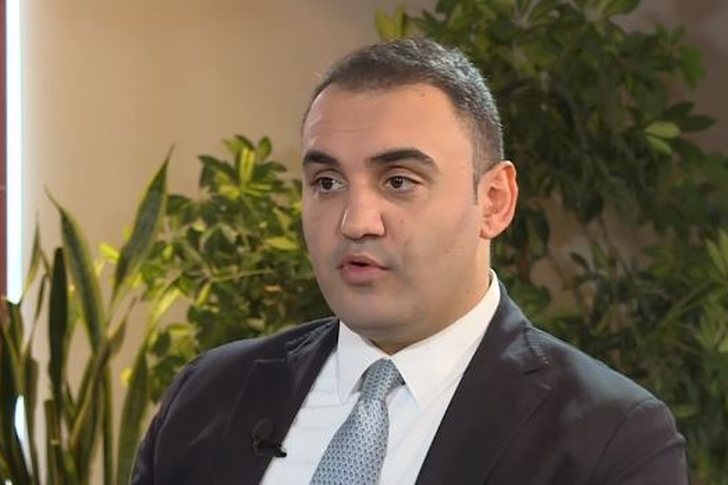
Former deputy and member of the Presidency of the DP, ...
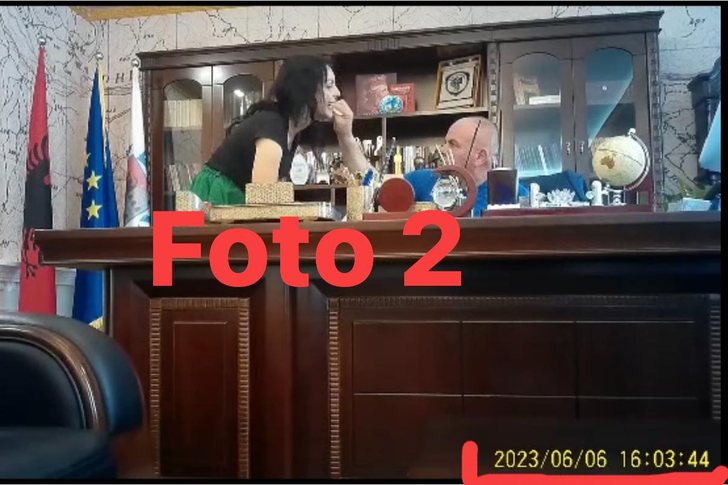
After the release of footage from Safet Gjic's office, con...
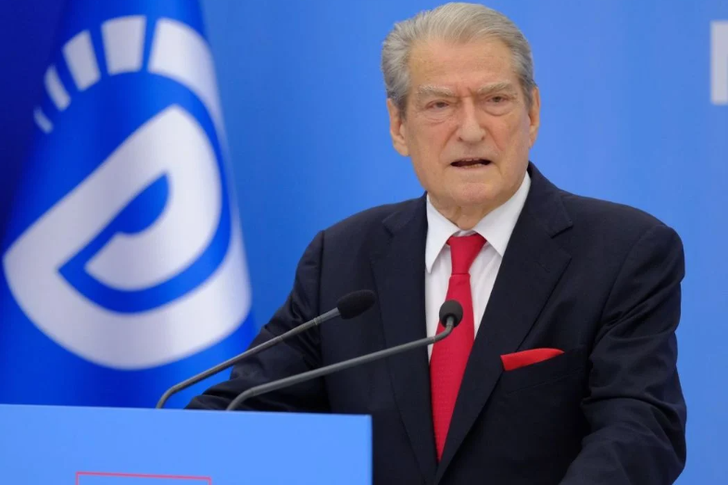
In Thursday's parliamentary session, the Assembly vote...
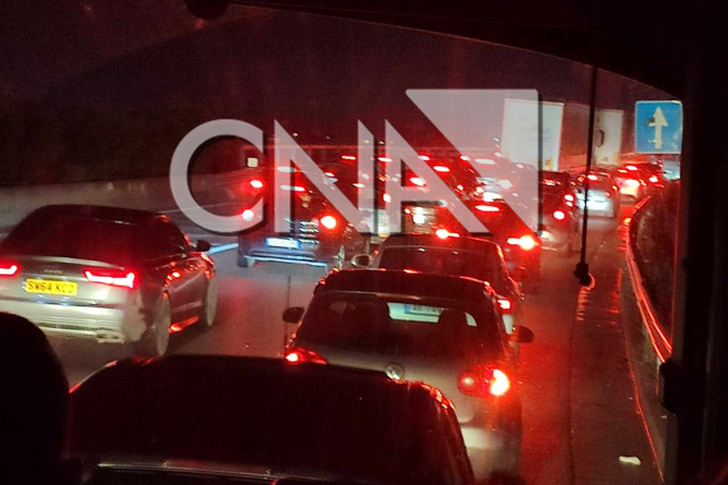
Heavy traffic appears at these moments at the entrance of ...
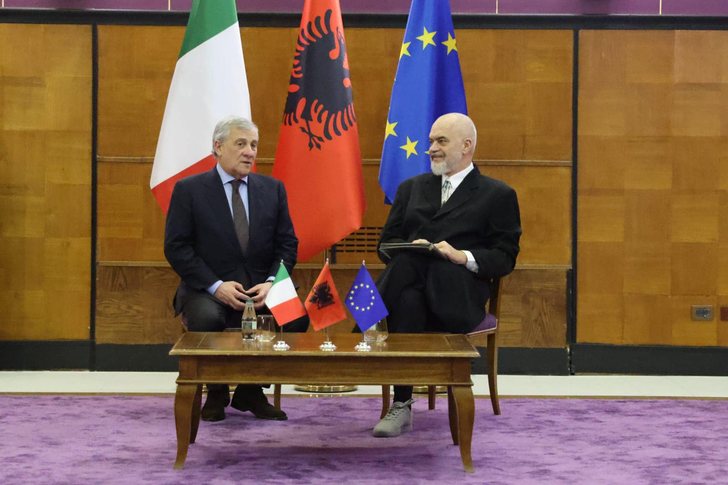
Prime Minister Edi Rama has shared with all Albanians the ...

The police have administered information that there wa...
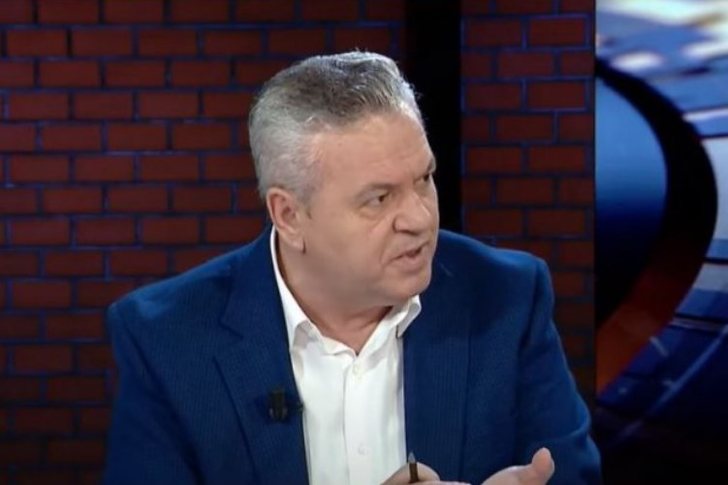
After the decision of the Constitutional Court to reje...
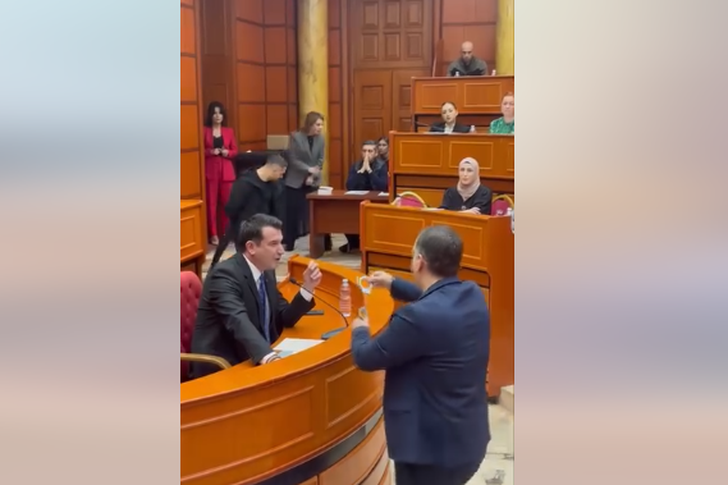
Today at the Municipal Council meeting, the 2024 budget fo...
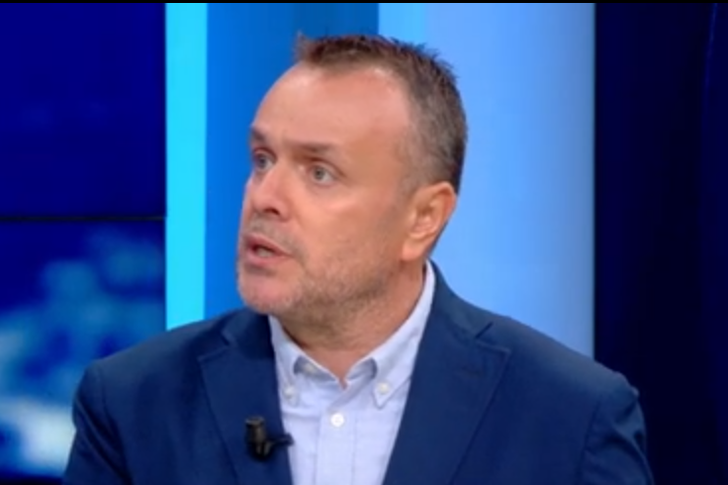
Criminalistics expert, Ervin Karamuço, taking the trig...

CNA has launched another investigation that could lead to ...

Irfan Hysenbelliu is a businessman that we call "Irfan the...

In March 2026, CNA launched another investigation centered...
The arrested mayor of Tirana, Erion Veliaj, with 13 charge...

The Special Board of Appeal (KPA) decided this Monday ...

The KPA vetting decided this Thursday to dismiss the p...

Suela Salavaçi, a prosecutor in the Prosecutor's Offic...

The Special Board of Appeal reinstated the prosecutor ...
New details have emerged from the serious accident that oc...
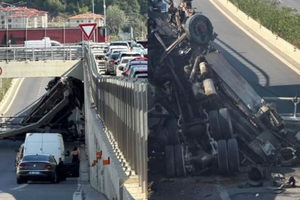
A serious accident occurred this Wednesday on the Elbasan-...
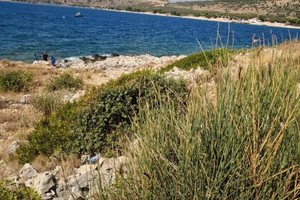
Citizen MH, 61, a fisherman, was found dead near the islan...
Another phase of the international operation, codenamed "T...

The Institute of Geosciences has shared a forecast for wea...
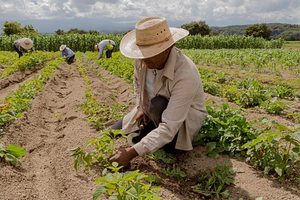
Rising energy and fertilizer prices are expected to contin...
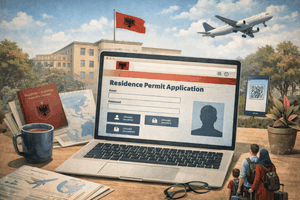
Over 18,000 foreign citizens from 140 countries have appli...
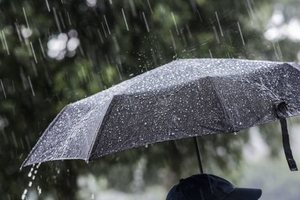
This Wednesday, our country will be under the influence of...
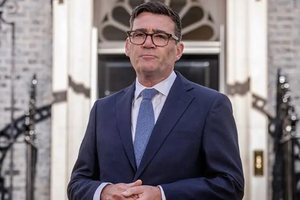
Prime Minister Andy Burnham has announced that most bus fa...
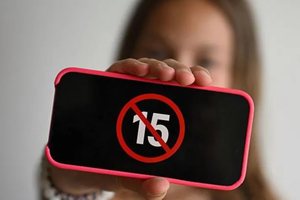
France's parliament has passed a law to ban social media f...

US Secretary of State Marco Rubio arrived in Manila on Jul...
In the space of a few days, Ukrainian President Volodymyr ...

At a time when industrial products are increasingly taking...

Trust among people is not just a three-syllable word. It c...

Master of humor Todi Llupi has passed away at the age of 7...
The ninth edition of "MIK Festival" kicked off with one of...

Businesses will no longer be required to simply register t...

Despite economic growth and income in recent years, Albani...

This Wednesday, one US dollar is bought for 81.4 lek and s...

Construction company licenses will have a validity period ...