

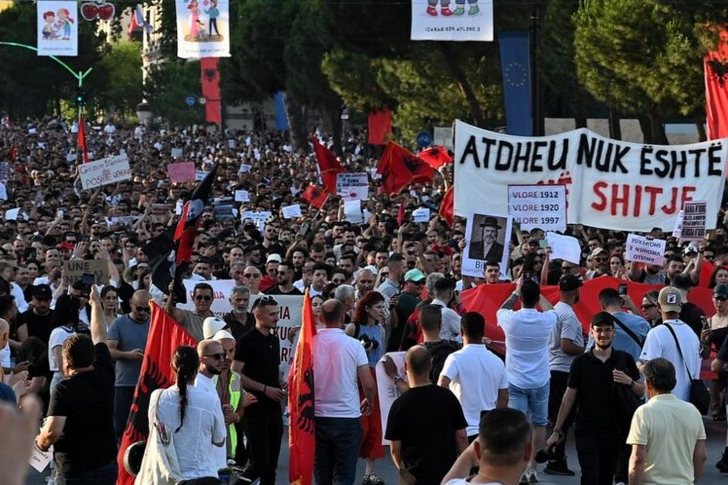
"Destabilization like in '97"/ Security expert clarifies the 'red line' of the protest
Criminalistics expert, Ervin Karamuço, today conducted a d...


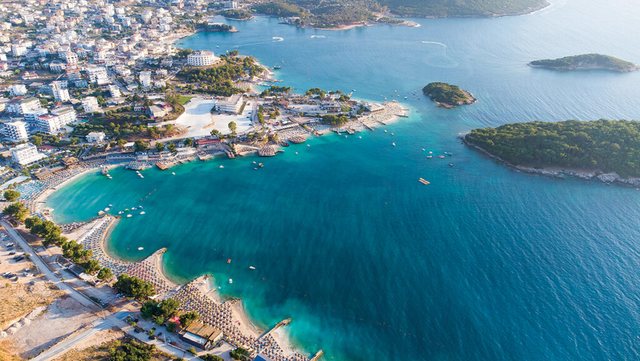
Summer has entered its peak and thousands of Albanians have started their vacations abroad. Travel is increasing year by year.
According to the latest INSTAT data, in the first quarter of this year, Albanians' trips abroad increased by 14.3%, with Italy and Greece remaining the main destinations, while interest in Turkey, Croatia, Spain and Portugal is also growing.
But before booking a ticket, the same question always arises: where do food and accommodation cost the least?
To answer this question, Monitor has prepared a comparative guide, based on the latest Eurostat data on the price level of restaurants and accommodation services according to purchasing power.
The index is based on the European Union average (=100). A country with an index of 120 is about 20% more expensive than the EU average, while an index of 60 means that prices are about 40% lower.
The icy island with "fiery" prices
At the top of the list is Iceland, where restaurants and hotels cost 73% more than the European average. A night in an average standard hotel in Reykjavik during the summer season usually costs 220-300 euros, while a meal for one person in an average restaurant ranges from 30 to 40 euros.
It is followed by Switzerland (163.1), Denmark (142), Norway (139.7), Sweden (123.4) and Finland (121.7), countries where a weekend can cost several times more than in Southeast Europe.
Even popular destinations such as the Netherlands, Luxembourg, Ireland, Belgium, Austria, France and Italy are above the European average. Italy, although one of the most preferred destinations for Albanians, has an index of 110.8, which means that restaurants and accommodation cost about 11% more than the EU average.
Greece, Croatia and Turkey remain the most economical alternatives
For Albanians choosing Greece, the good news is that prices are still below the European average. With an index of 86.1, restaurants and hotels are about 14% cheaper than the EU average. A meal in a taverna usually costs 15-20 euros, while a three-star hotel can be found in many tourist areas for 80-120 euros per night.
Even Croatia, although it has become more expensive after joining the euro, remains close to the EU average with an index of 89.6. In the summer season, a night in Split or Dubrovnik can cost 120-180 euros, while a lunch in a restaurant around 18-25 euros.
Turkey continues to be one of the most competitive destinations. With an index of 79.3, restaurant and accommodation prices are nearly 21% lower than the European average. The weakening of the Turkish lira has meant that holidays there remain attractive for European tourists.
Spain and Portugal, which are also gaining popularity among Albanians, are also cheaper than the EU average, with indices of 85.4 and 73.6 respectively. Portugal is among the surprises in the ranking, offering prices significantly lower than most Western European countries.
In the region, Montenegro has an index of 66.6, Serbia 65.5, Bosnia and Herzegovina 59.2 and Romania 59.4, while North Macedonia is the cheapest country in Europe for restaurants and accommodation, with an index of only 48.3.
It should be borne in mind that the Eurostat index measures the price level based on the purchasing power of each country.
So, a destination may seem cheap compared to the European average, but for an Albanian family the real burden depends on the income they have available. With salaries among the lowest in Europe, holidays must be measured not only by the prices of the destination, but also by the "pocket" of the traveler.
Albania, among the cheapest in Europe
Albania ranks among the most economical countries on the continent, with an index of 53.3, positioning itself as the second cheapest country in Europe after North Macedonia.
This means that restaurant and accommodation prices are about 47% lower than the European Union average.
This is one of the factors that is making the country increasingly attractive to foreign tourists. According to data from AirDNA (a data analysis company for short-term rentals, such as those on Airbnb and Vrbo platforms), Albania continues to offer one of the best price-quality ratios in the region, with apartments ranging from 43 euros per night in Tirana to 70-100 euros per night on the coast at the peak of the season.
Food also remains one of the country's competitive advantages, although prices have increased. According to Numbeo, in Tirana, a meal at a cheap restaurant costs an average of 800-900 lek, while a dinner for two at a mid-range restaurant, with three courses, costs 4,500 lek.
This is still less than in major European capitals and destinations: in Rome a simple meal costs 15 euros, while dinner for two costs 60 euros; in Greece, the average is 15 euros for a meal and 50 euros for two people; in Paris, 15 euros and 70 euros, respectively.
The cheap cost of food and the interest of foreigners in Albanian cuisine have brought back home cooking fashion, but they have also become culinary experiences that foreigners are eagerly seeking, such as trahana stuffed with yogurt, larkspur in a basket, and tava e yogurt, but the most consumed products still remain pie, meatballs, and bar Tymi, which have the highest ratings from tourists./Monitor.al

Criminalistics expert, Ervin Karamuço, today conducted a d...
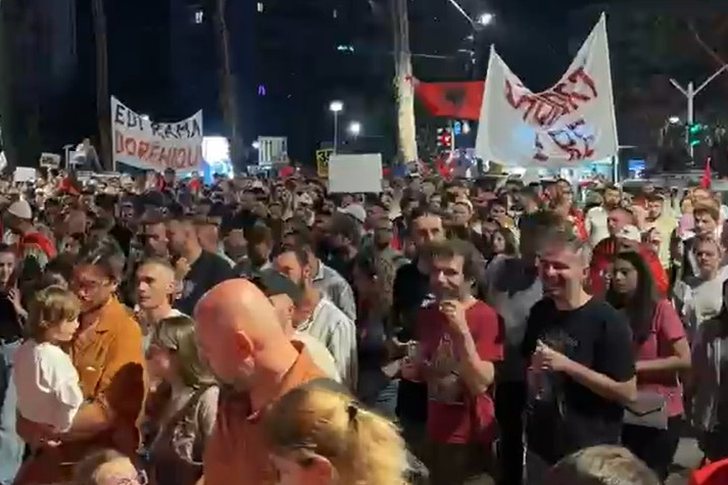
Protesters are marching through Tirana on the 31st day of ...
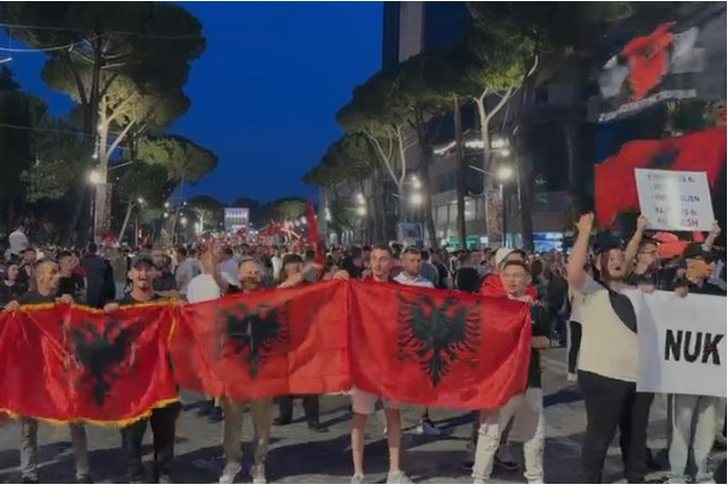
Një nga protestuesit që u shoqëruan sot në Komisariatin nr...
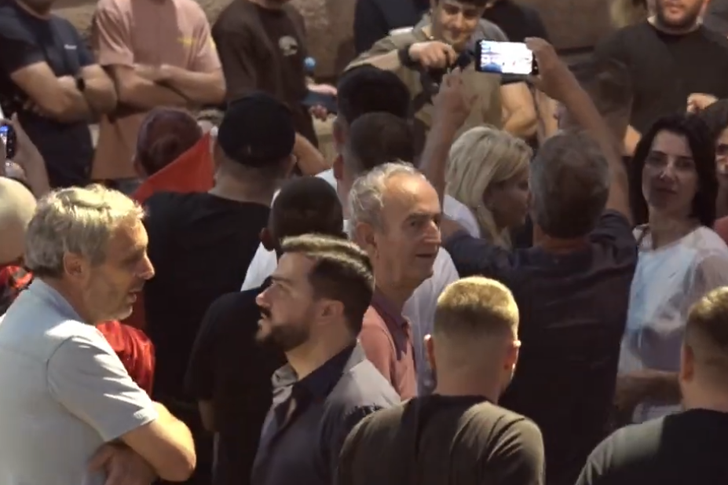
An incident occurred during this Tuesday's protest in fr...
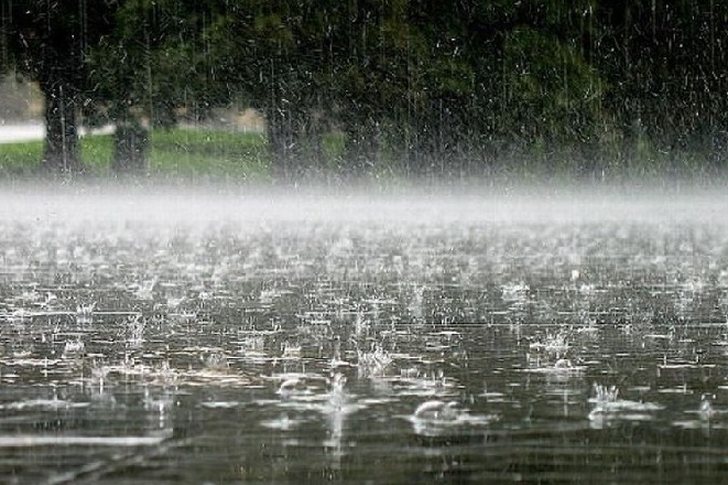
This Tuesday's heavy rainfall was accompanied by strong wi...
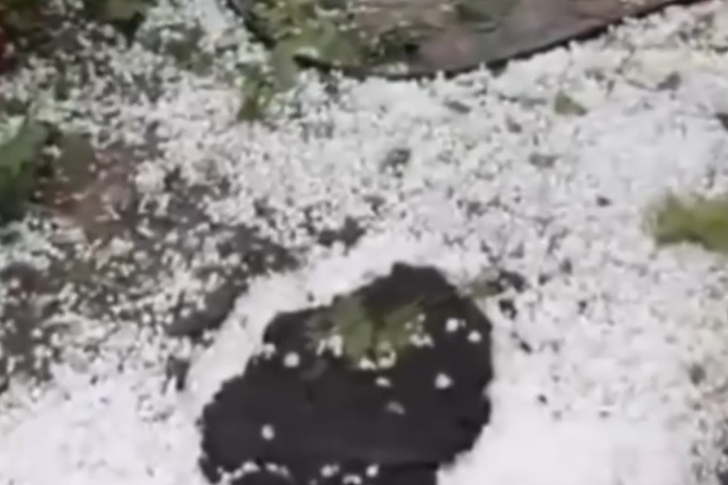
Cologne was hit this Tuesday by weather that was not only ...
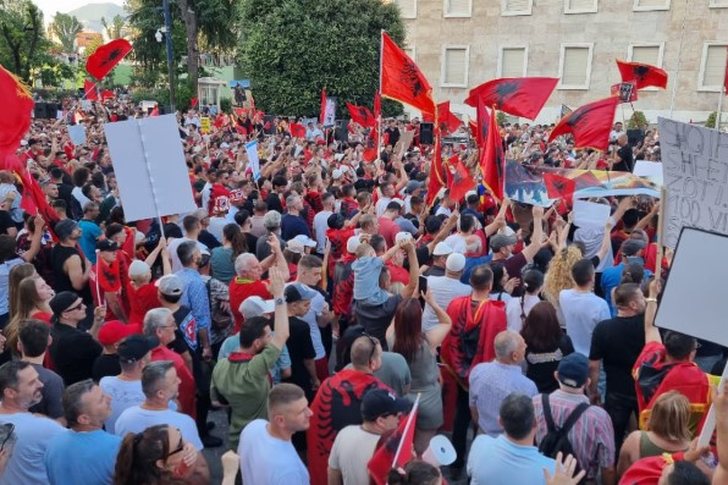
One of the protesters present today in front of the Prime ...
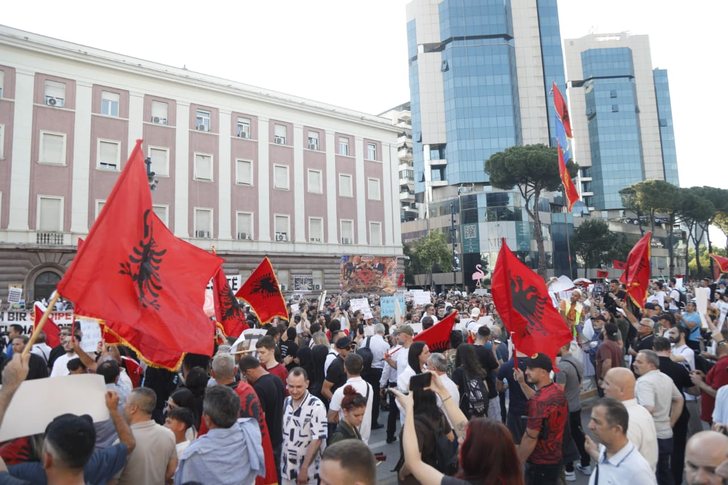
This Tuesday, the 31st civic protest against the governmen...
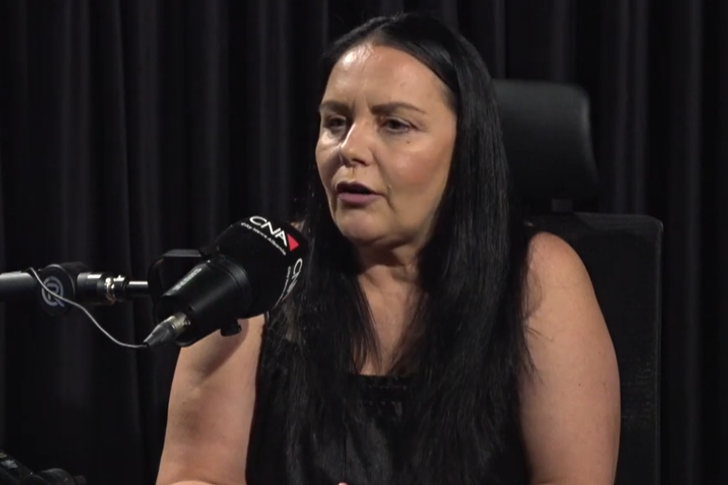
Therapist Enkelejda Zelaj was the guest of the latest epis...
Some protesters have not left out their well-deserved word...
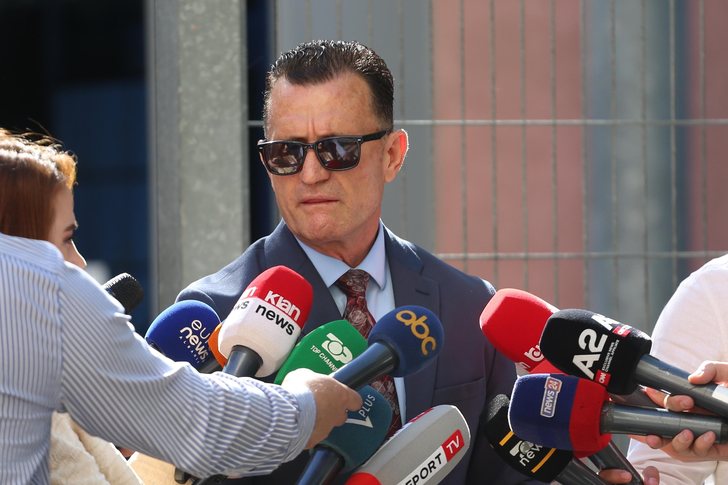
Kujtim Cakrani, former lawyer of former President Ilir Met...
After being escorted to Police Station No. 1 in Tirana by ...
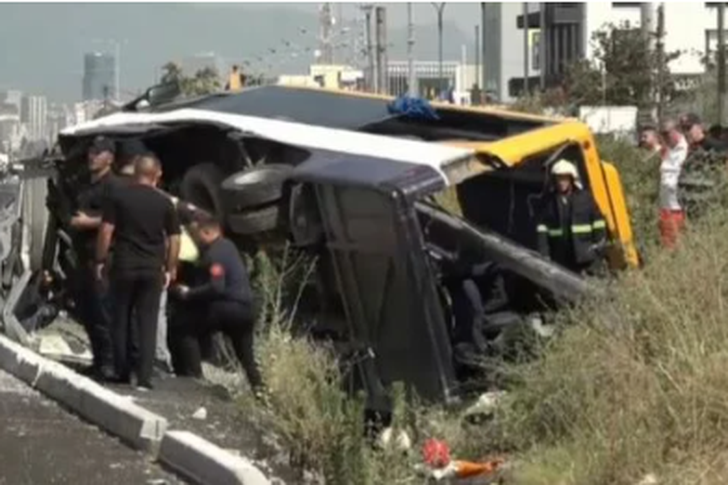
The Ministry of Health has shared official information on ...
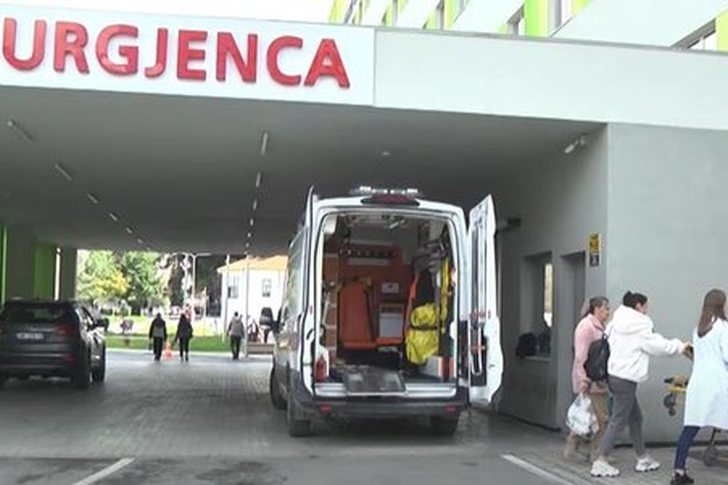
Kreu i Urgjencës Kombëtare, Skënder Brataj, dha disa detaj...
Gjykata e Fierit caktuar sot burgim të përjetshëm për Alt...
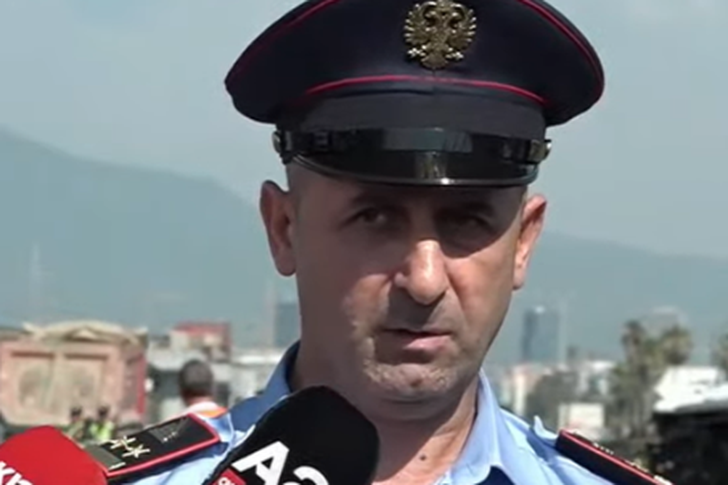
The Head of the Traffic Police, Perlat Vatoci, shared deta...

The civic protest held today in front of the Albanian Parl...
The Special Prosecution Office against Corruption and Orga...
After about two months on the run, Marjaldo Nela, wanted f...
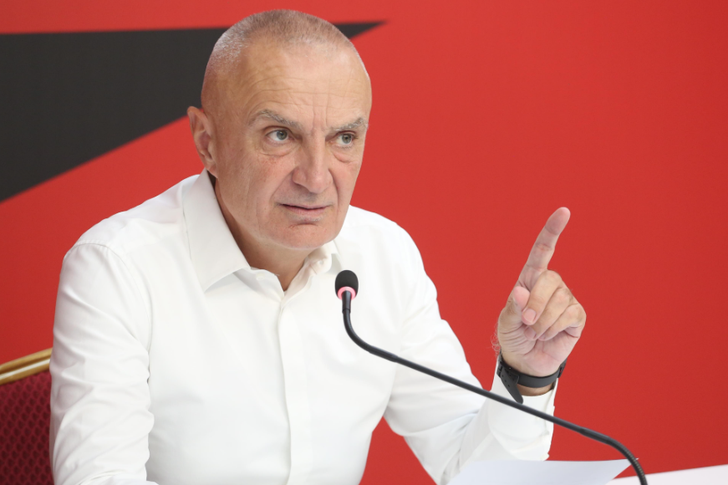
The Freedom Party published this Tuesday a letter from for...
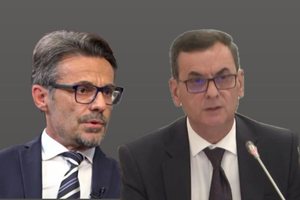
The Justice Reform and the vetting process were trumpeted ...
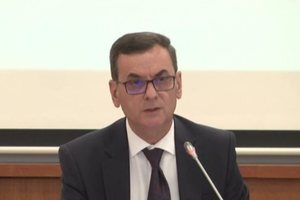
After revealing the property portfolio in Tirana, Kavaja, ...
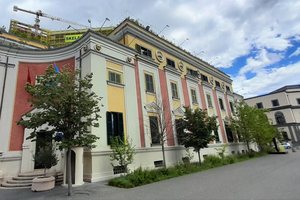
Four months ago, on March 11, CNA sent an official letter ...
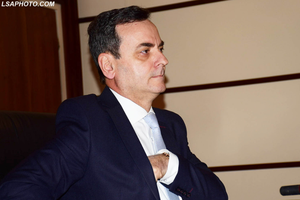
Sokol Sadushi, the president of the Supreme Court, is the ...

The Special Board of Appeal (KPA) decided this Monday ...

The KPA vetting decided this Thursday to dismiss the p...

Suela Salavaçi, a prosecutor in the Prosecutor's Offic...

The Special Board of Appeal reinstated the prosecutor ...
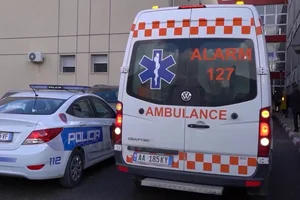
Analyst Ilir Demaliaj was raped today by two people. The n...
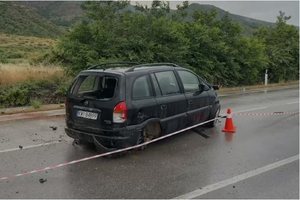
The accident resulting in the death of a 32-year-old man n...
Durrës Police have cracked down on a case of drug sales. ...
About 4 days ago, a camera was found near the Drenova pris...
On Wednesday, our country will be affected by relatively s...
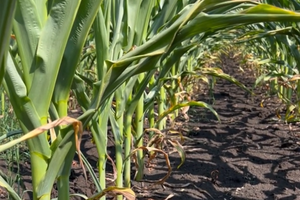
A field inspection has begun in the Maliq area, after the ...
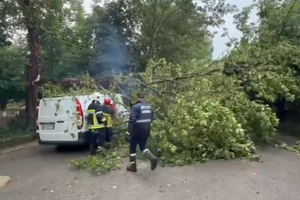
Heavy rainfall accompanied by strong winds has caused prob...
Albania will be affected this Tuesday by relatively stable w...
France will go to the polls to elect its next president on...
British Prime Minister Keir Starmer has hinted at an incre...
It's been four days since a small plane crashed into Beiji...
US special envoy Steve Witkoff and President Donald Trump'...
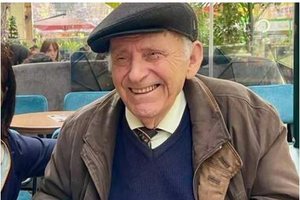
Professor and literature scholar Ali Xhiku has passed away...
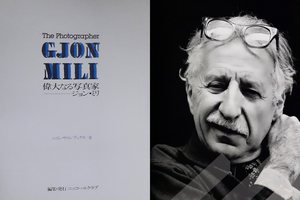
During my research into the life and artistic photographic...
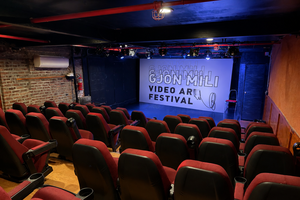
This year's edition of the Gjon Mili International Video A...
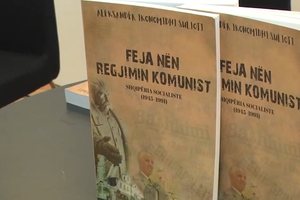
The promotion of the book by author Aleksandër Ikonomidhi ...
This Wednesday, one US dollar is bought for 81.8 lek and s...

The structure of Albania's Gross Domestic Product (GDP) fo...
Applications for VAT compensation for farmers begin today,...
Dairy prices in our country have become so expensive in th...