

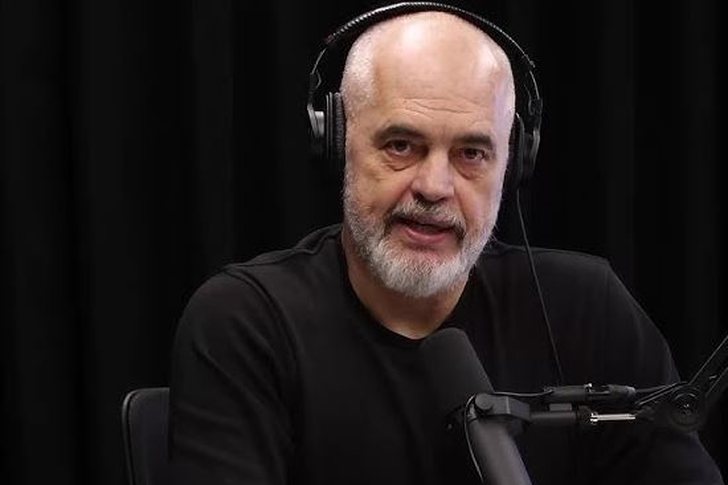
The "Oncological" scandal is not over/ Rama: Hospitals insult those who have not seen them in recent years
In the "Flasim" podcast, where the Prime Minister, Edi...


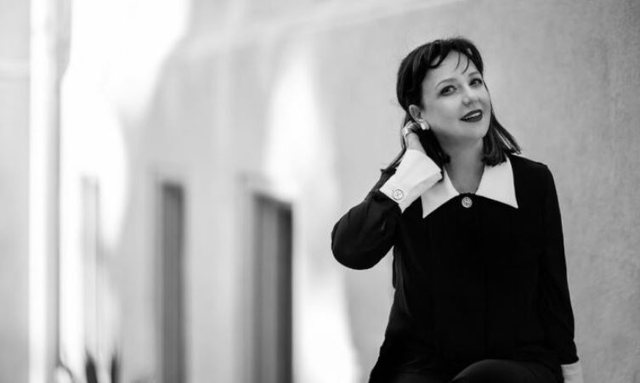
"It has the power to convince you!" This is how the French magazine "Soon" describes Linda Rama, the wife of Prime Minister Edi Rama.
Journalist Mário de Castro met with Linda Rama and the head of the government during a visit to our country, while in the article dedicated to Mrs. Rama he emphasized that she is always motivated by sensitivity towards the most vulnerable groups: women, children, the most fragile categories social, persons with disabilities, minorities.
Full article
LINDA RAMA HAS THE POWER TO CONVINCE
Mário de Castro x SOON Magazine
Special delivery to Tirana (Albania)
SOON Interviews Linda Rama
It has an essential ability to influence thoughts from one mind to another.
Passionate and well-educated, Linda Rama is always motivated by sensitivity towards the most vulnerable groups: women, children, the most vulnerable social categories, people with disabilities, minorities...
Linda's words are fresh and unique, and when she addresses you, it's like an invitation to come and discover Albania.
Who is Linda Rama, the wife of the Albanian Prime Minister, Edi Rama?
Linda is an economist, graduated in 1987 from the University of Tirana. She holds a Masters in Economics from New York University and the Central European University (1993) and a Doctorate in Economics (1996). She served as a lecturer in International Finance and Public Finance at the University of Tirana, as well as in Public Policy and Public Risk Management at the European University of Tirana.
From 1993 to 1999, Linda was Head of Privatization of Large and Strategic Companies and Director General of the National Privatization Agency, contributing significantly to mass privatization reform and developing privatization techniques for large and strategic companies, including financial reconstruction and risk management, as well as the establishment of the Stock Register and the Tirana Stock Market.
Linda is the co-founder and one of the first think tanks in Albania, the Center for the Promotion of Human Development (HDPC), and has contributed for a long time to its activities. She is author, co-author and expert in many studies, researches and political documents in the fields of Governance, Human Development, Labor Market, Education, Social Welfare and Private Sector Development in Albania and the surrounding region.
Linda Rama is also one of the co-founders of the Albanian Alliance for Children and advocate of the "Sky Say Yes For Children" initiative, with a long commitment to activism on human rights and civil society issues, especially regarding children's rights. and women.
LINDA RAMA, si mund ta shpjegosh këtë valë solidarizimi dhe interesi për Shqipërinë që po rritet jo vetëm në Evropë, por në mbarë botën? A ecin së bashku shqiptarët dhe solidariteti, dorë për dore?
Në këto 35 vjet tranzicioni, ne shqiptarët kemi arritur të përballojmë dy sfida historike: të hapim dyert e botës për veten tonë dhe të sjellim botën në derën tonë.
Faza e parë filloi në korrik 1990, kur mijëra shqiptarë mbushnin oborret e ambasadave në Tiranë dhe hipnin në anijet në Durrës për të shpëtuar nga izolimi komunist dhe varfëria. Më pas, për shumë vite, dhjetëra mijëra shqiptarë të tjerë çdo vit merrnin malet, detin dhe qiellin me padurim për të jetuar ëndrrën evropiane ose amerikane.
Pë rmes përpjekjeve të panumërta, ata arritën të fitonin të drejtën e qytetarisë në vendet që kishin zgjedhur të jetonin, duke përballuar male dhe dete paragjykimesh. Teorikisht, në vitin 1990, me rënien e izolimit komunist, Shqipëria hapi dyert e saj për botën. Të parët që erdhën ishin institucionet ndërkombëtare dhe disa të huaj që vinin për punë. Për më shumë se një çerek shekulli, turistët e vetëm në Shqipëri ishin shqiptarët që jetonin jashtë, kur vizitonin familjet e tyre, ose shqiptarët nga rajoni. Mbaj mend një bisedë mes kolegësh rreth vitit 2008, të shqetësuar që bota pothuajse nuk na njihte, dhe se çdo herë që përmendeshim në mediat ndërkombëtare, kjo ndodhte zakonisht për shkak të disa shkeljeve përtej kufirit. Po kërkonim mënyra për ta ndryshuar këtë imazh. Diskutuam gjate derisa një nga kolegët e mi tha: “Mos u përpiq të gjesh një zgjidhje; imazhi i Shqipërisë do të ndryshojë kur Shqipëria të ndryshojë.”
Shqipëria ka ndryshuar. Sot, Shqipëria është e vizitueshme, e reklamueshme dhe e jetueshme. Rritja e simpatisë dhe interesit për Shqipërinë në Evropë dhe në botë është rezultat i asaj që Shqipëria ofron sot: natyrë, histori, kulturë, shërbime, sport, argëtim, rehati, aventurë, infrastrukturë, arkitekturë, punë dhe siguri. Në Shqipëri, je i sigurt kudo dhe nuk ke arsye të ndihesh i pasigurt. Të sjellësh botën në derën e Shqipërisë dhe të bësh të njohur këtë vend të vogël në botë, besoj se ka qenë rrugëtimi më i paimagjinueshëm, më i vështirë dhe më i dhimbshëm i tranzicionit, që shënon gjithashtu fundin e izolimit ekstrem komunist. Deri para një dekade, ne ishim në rastin më të mirë një potencial; sot, jemi një realitet turistik me shumë mundësi të tjera ende të pashfrytëzuara. Ajo që ka ndodhur në dekadën e fundit është një produkt i prekshëm i vizionit zhvillimor të lidershipit politik dhe i punës së jashtëzakonshme të shqiptarëve, si brenda ashtu edhe jashtë vendit, gjatë këtyre tre dekadave postkomuniste.
Si një grua e lindur dhe e rritur në Shqipëri, ju keni bërë një kalim të suksesshëm pas-komunist. Cila është vizioni juaj për të ardhmen e grave në Shqipëri?
I grew up with a full-time stay-at-home grandmother who poured all of her talent, intelligence, and authority into the family, never having the chance to prove herself beyond those walls. My mother is the typical woman of socialist realism. She worked at work and at home, never taking her attention and care for our well-being, encouraging us to get an education and nurturing a sense of work and responsibility. Life for women during communism was difficult and arduous, to the point that every woman in those decades deserved to be called a heroine. My mother has only done one job her whole life, the one the state chose for her. Today, seeing her in her eighties, how she manages to exploit all the advantages that technology offers for information, communication and solutions, I feel sorry that she did not have the opportunity to discover herself and use her full potential. However, she was fortunate to see her daughters better educated than her, doing the work of their choice rather than what the state or ideology would have chosen for them, enduring an extremely difficult transition in every sense. As for my daughter and two granddaughters, the spectrum of rights is unparalleled, as are the opportunities where they can navigate and live their dreams and passions. What I described above has developed in very complex and difficult contexts, with gigantic efforts to reach the civilized world, struggling every day with the complicated Ottoman-communist past.
Today, there are still girls and women who face the consequences of this past, but there is also a large army of girls and women engaged in education, health, social services, justice, art and culture, up to the highest levels of administration. public, governance and policy making. Such clear progress and such great strength of this army leads me to believe that all girls and women of the future will have passed the threshold of submission and will be able to create the life they choose, not the one they is chosen for them. Meanwhile, no vision for the future of women can be separated from the vision for the future of boys. The time has come to talk about the future of girls and boys alike.

In the "Flasim" podcast, where the Prime Minister, Edi...

The decrease in the number of the population that resulted...
A survey conducted by the Balkan Barometer showed that 16%...
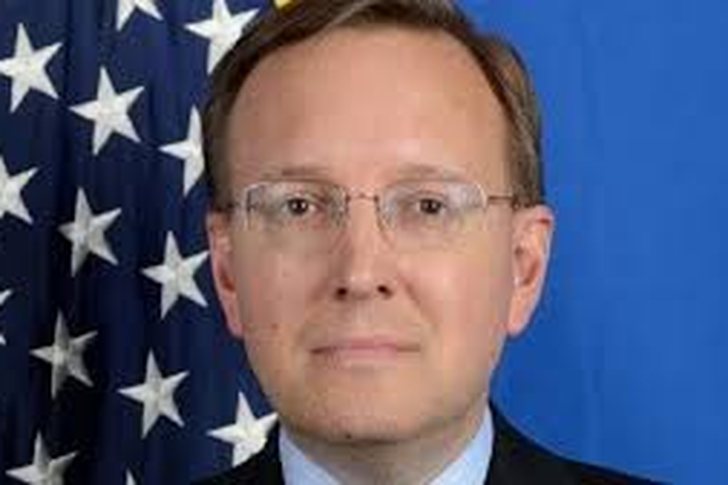
The nomination of President Biden David Kostelancik for am...
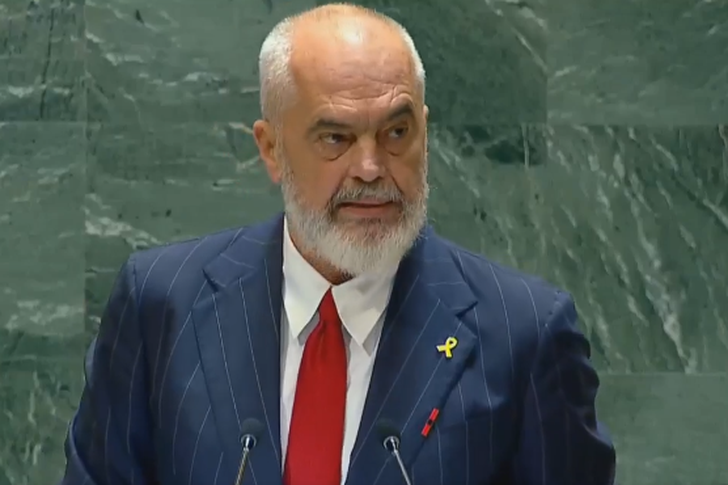
In his speech at the UN General Assembly, Prime Minist...

The Directorate of Prisons violated every procedure in esc...
Deputy Luan Baçi has made himself available to Ervin S...
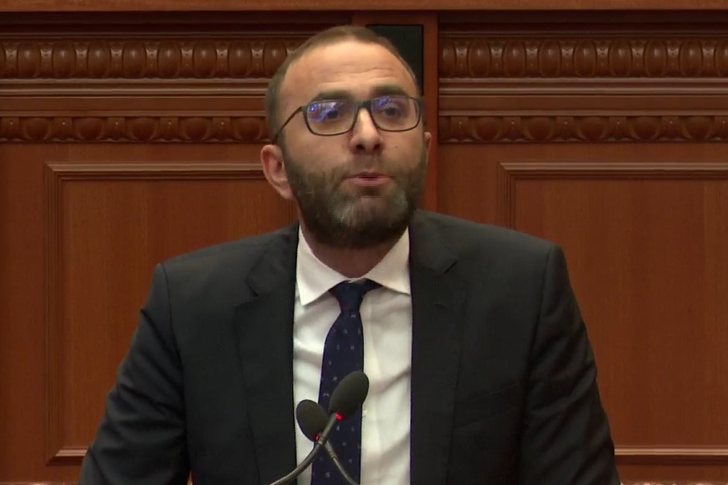
The virtual retorts between Gazment Bardhi and Prime M...
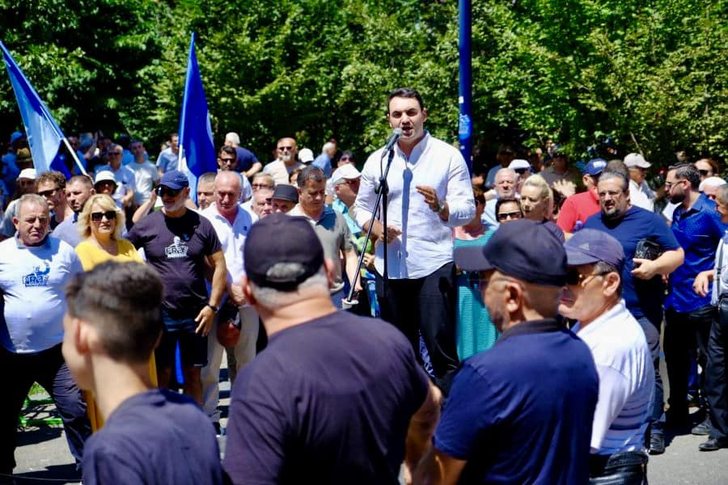
The political leader of the DP for Tirana, Belind Kell...
Former deputy Myslim Murrizi has commented on Ervin Salian...
The Regional Cooperation Council (RCC) organized yesterday...
CNA TV will broadcast live the two magical nights of the K...
Prime Minister Edi Rama has reacted again regarding the se...

Economy expert Brisida Shehaj has reacted after the de...
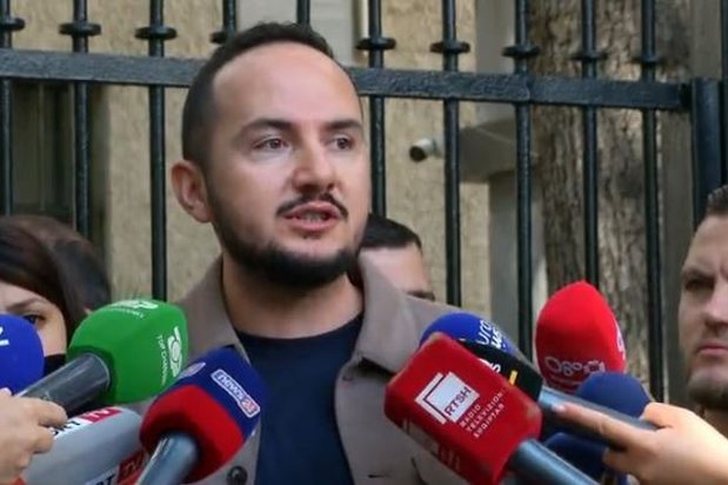
Ervin Salianji's lawyer, Ledio Braho, has stated to the me...
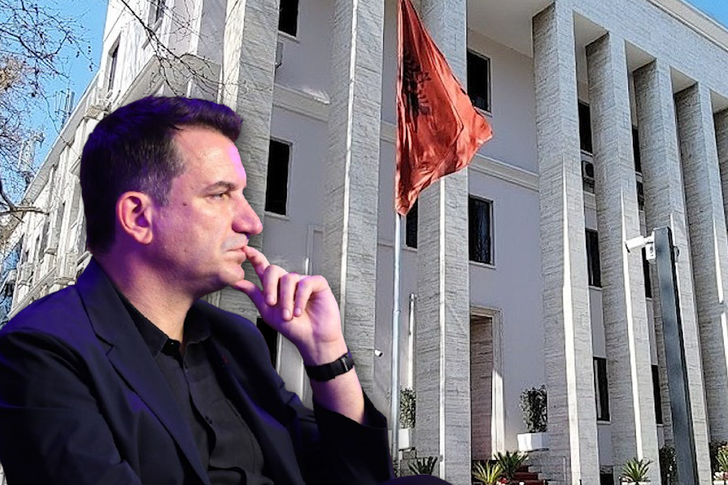
Gjithnjë e më shumë vendimet e drejtësisë në segmente të c...
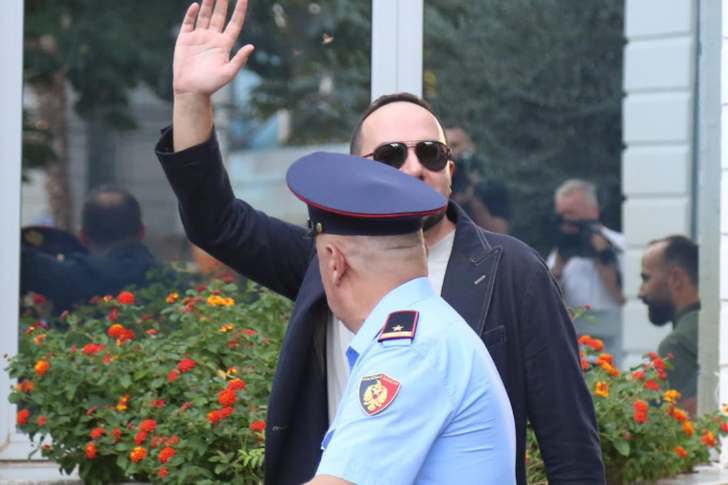
Ervin Salianji went to the Police Directorate with a 100 t...
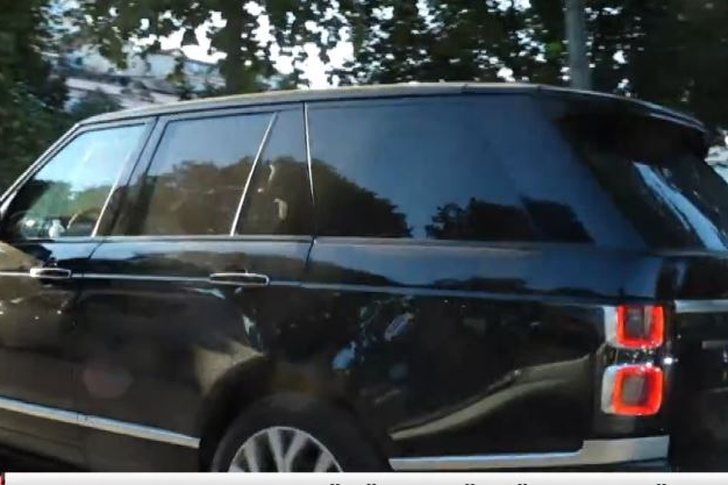
With a 100,000 euro Range Rover, Ervin Salianji left the D...
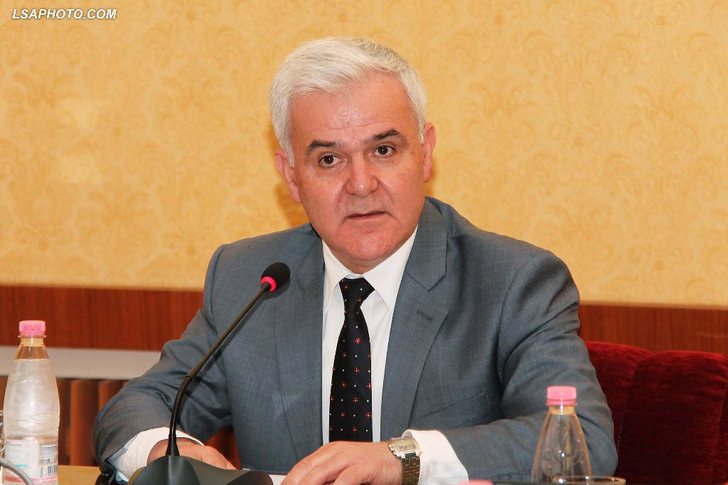
Activist and lawyer Adriana Kalaja filed a complaint w...
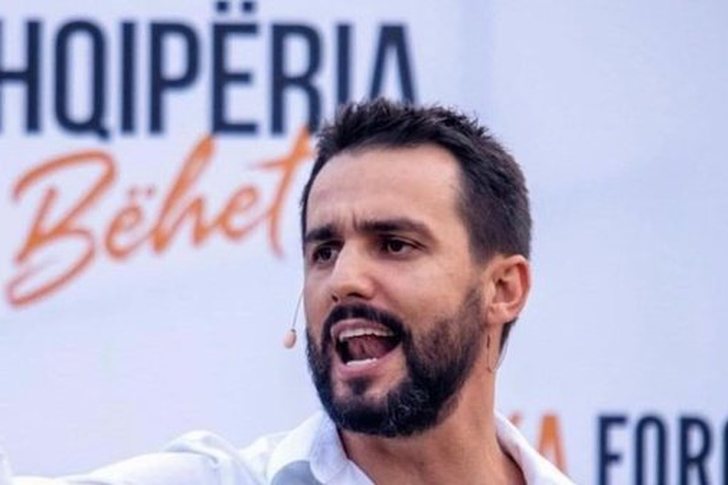
The Supreme Court has overturned the decision of the S...

CNA has launched another investigation that could lead to ...

Irfan Hysenbelliu is a businessman that we call "Irfan the...

In March 2026, CNA launched another investigation centered...
The arrested mayor of Tirana, Erion Veliaj, with 13 charge...

The Special Board of Appeal (KPA) decided this Monday ...

The KPA vetting decided this Thursday to dismiss the p...

Suela Salavaçi, a prosecutor in the Prosecutor's Offic...

The Special Board of Appeal reinstated the prosecutor ...
A person has died today on Orikum beach. According to repo...
Footage emerges from the serious accident that occurred th...

A Shkodra traffic police officer was hit with hard objects...
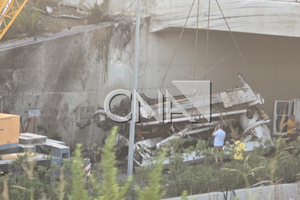
This Wednesday, around 4:00 PM, a serious accident occurre...
Children without parental care, for whom alternative famil...

On Thursday, our country will be under the influence of st...
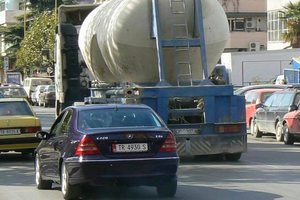
A serious accident that occurred this Wednesday with the c...

The Institute of Geosciences has shared a forecast for wea...

Artificial intelligence (AI) models from the American comp...
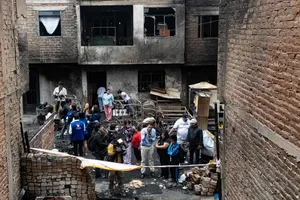
At least 10 people have died after a fire broke out in a h...
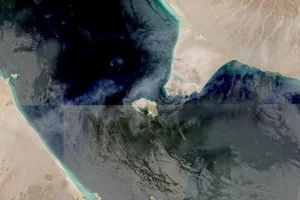
Yemen's Houthis have claimed to have attacked two Saudi oi...
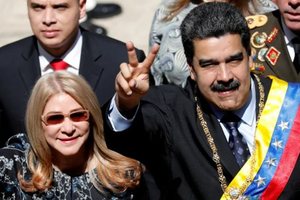
The trial of ousted Venezuelan President Nicolas Maduro on...

At a time when industrial products are increasingly taking...

Trust among people is not just a three-syllable word. It c...

Master of humor Todi Llupi has passed away at the age of 7...

The ninth edition of "MIK Festival" kicked off with one of...
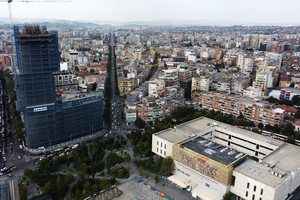
The average sale price of apartments in Tirana reaches rec...
This Thursday, one US dollar is bought for 81.5 lek and so...

The price of diesel reached 206 lek per liter from 198 lek...
Businesses will no longer be required to simply register t...