



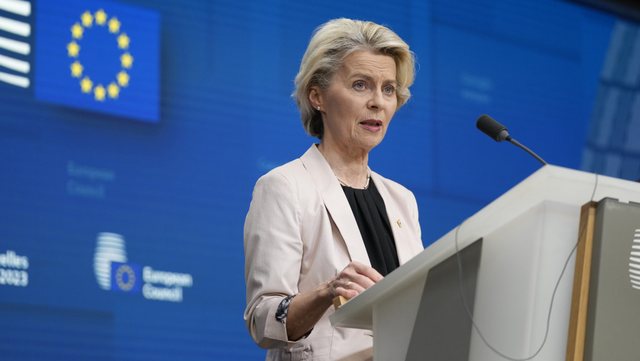
The re-elected president of the European Commission, Ursula von der Leyen, has warned that her new team with a five-year mandate will include an enlargement commissioner.
She said this to show that the expansion process will be given special importance and care.
Even in the current composition of the European Commission, there was a commissioner for enlargement, but he was also responsible for the EU's neighborhood policy. The expansion was only partially dealt with, as in his department he also had responsibility for countries in the neighborhood of the EU - from the east of Europe to the countries of North Africa.
The last time the European Commission had a Commissioner for enlargement was during the first mandate of the European Commission, led by Jose Manuel Barroso, from 2004 to 2009. At that time, Commissioner Olli Rehn had this role. Then, for three consecutive mandates of the Commission, the commissioner for expansion was also engaged with the policy towards the neighbors.
The directorate for expansion has also been transformed into a general directorate for neighborhood and expansion. Its abbreviation was NEAR, which means 'near' in English. This is explained by the fact that only a few countries have been in the process of expansion and most of them in the initial phase.
Now, with the inclusion of three Eastern European countries in the enlargement process - Ukraine, Moldova and Georgia - alongside six Western Balkan countries - Montenegro, Serbia, Albania, North Macedonia, Bosnia and Herzegovina and Kosovo - as well as Turkey - the number of countries in the process of expansion has increased to ten.
All, with the exception of Kosovo, formally have the status of a candidate country for EU membership.
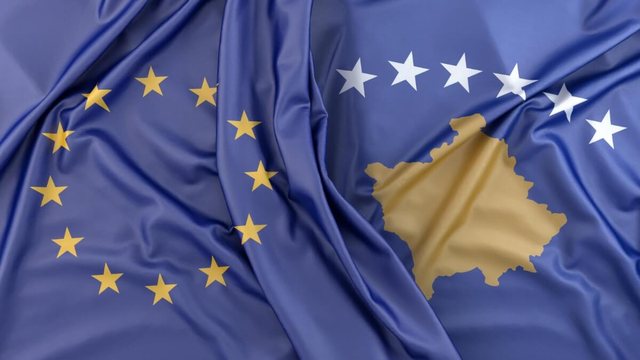
Kosovo applied for membership in this block as early as December 2022, but its request has not been reviewed so far.
In the EU, meanwhile, support for the enlargement process has increased and it is expected to accelerate.
The outgoing president of the European Council, Charles Michel, has mentioned the year 2030 as the deadline by which both the EU and the candidate countries should be ready for expansion.
Even other EU leaders have called for both parties, both the candidate countries and the European Union, to do their part of the work, to enable the realization of the goal of the enlargement process, namely the formal acceptance of the candidate countries. in the EU.
Montenegro, as the country that has advanced the most in the process of membership negotiations, is even more ambitious.
Its president, Jakov Millatovic, has expressed his belief that Montenegro will be able to become a member of the EU by 2028.
However, the EU says that no date can be set for when and which country can join, because it depends on the individual merits of the candidates and their results in meeting the membership criteria.
Diplomats in the EU admit that, if there is political will from both sides, then even the deadlines - especially the year 2030 - to admit new members to the EU, can be realistic.
The candidate countries should speed up the reform process, while the EU countries should agree on the faster opening and closing of the relevant chapters in the process of accession negotiations.
Von der Leyen has vowed to make enlargement a priority, but, as EU enlargement spokesperson Ana Pisonero claims, she has had this process among her priorities until now.
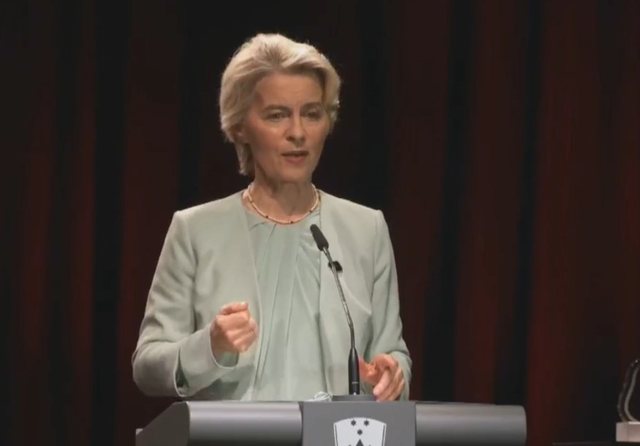
"EU enlargement was a priority during President von der Leyen's first term. She has made it known that she will have strategic priority in the future as well, advancing her goal to have a commissioner for expansion in the future composition of the college", says Pisonero for Radio Free Europe.
Even Jana Jurova, enlargement expert from the Institute for European policies, EUROPEUM, thinks that now there really is political will to accept new members in the bloc.
"I believe that we have a certain political will within the EU that priority should be given to enlargement. We have not seen this will in the last decade. If a candidate country demonstrates convincing progress in fulfilling the membership criteria, it is possible that we will see enlargement until 2030, or at least the conclusion of membership negotiations and the start of the process of ratification of the Membership Treaty," Jurova told the Radio. Free Europe.
Diplomats in Brussels admit that both the EU and the Western Balkans region, as well as Ukraine, Moldova and Georgia, need concrete evidence that EU expansion is real and possible.
And this, as they say, can be best demonstrated through the admission of some new member country.
For years, apart from the mention of enlargement as a priority, there has been no visible result in this process. The last country to join the EU was Croatia in 2013.
Since the founding of the European Union, so many years have not passed without enlargement. Moreover, the EU has meanwhile shrunk from 28 members to 27, as Great Britain has left it.
Now, despite the readiness of the European Commission for expansion, the fate of this process depends on the member countries, since the decisions in the Council are approved with the agreement of all 27 countries./ REL


Journalist Artan Hoxha has recently spoken about the r...

The latest report published by Gallup 1 for 2024 shows...
The Dutch journalist, Vincent van Gervein Oei, who has...
Analysts in Montenegro estimate that the requested cha...
For 10 days, Tirana has been covered with garbage. Th...
Yesterday, the opening ceremony of the College of Euro...

The Dutch journalist, Vincent van Gervein Oei, who has...
Prosecutor Vasjana Postoli has left the case of the mu...
154 dental cabinets have been opened in schools to ens...
CNA TV is the channel that broadcasts the latest informati...
In a reaction on social networks, journalist Fredinand...
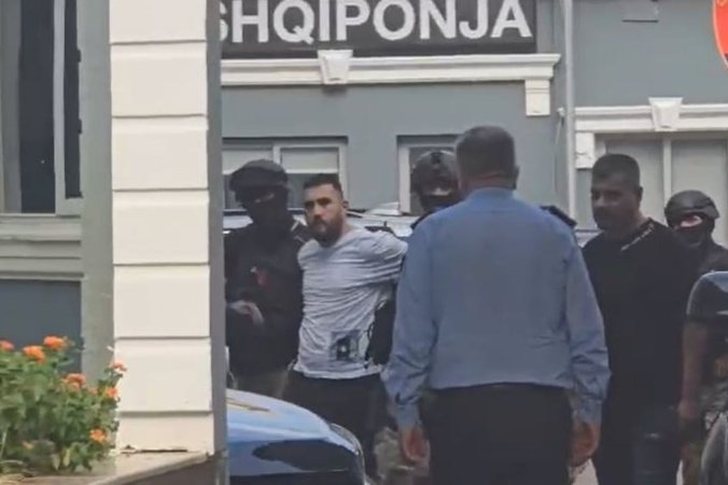
Marklen Haka, a member of the 'Nikla Gang', who was arrest...
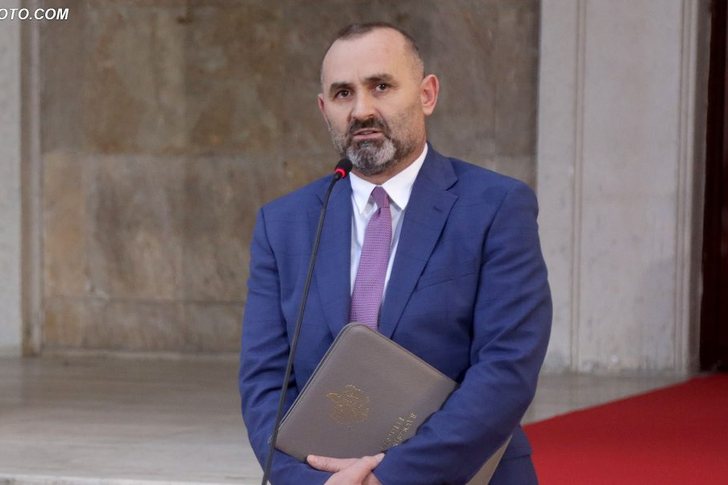
The Minister of Justice, Ulsi Manja, has announced thr...
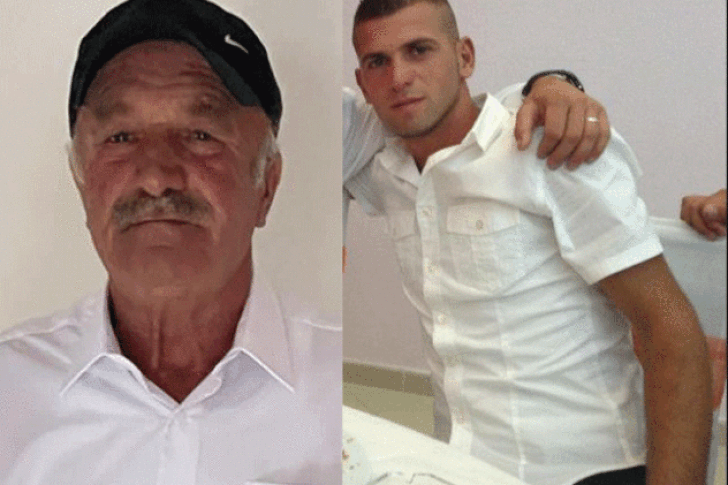
The Durrës court decided this Saturday the "arrest wit...
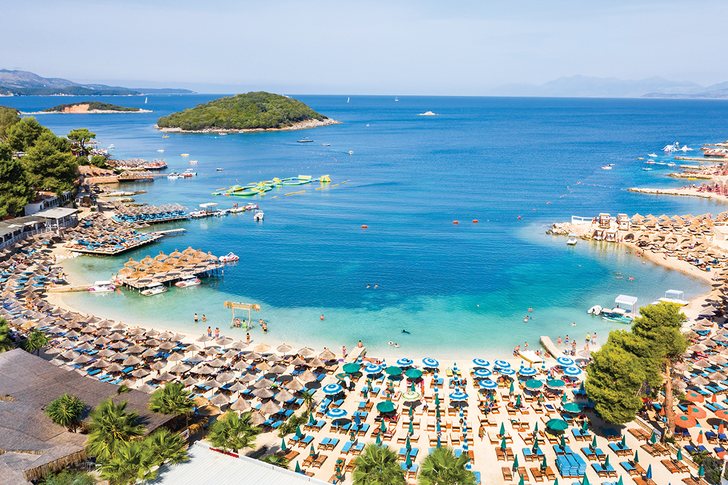
Albania, turned into a viral destination in 2023, has ...

This Saturday we are introducing you to some of the ma...
The eighth FAI European Paragliding Championship 2024 will...
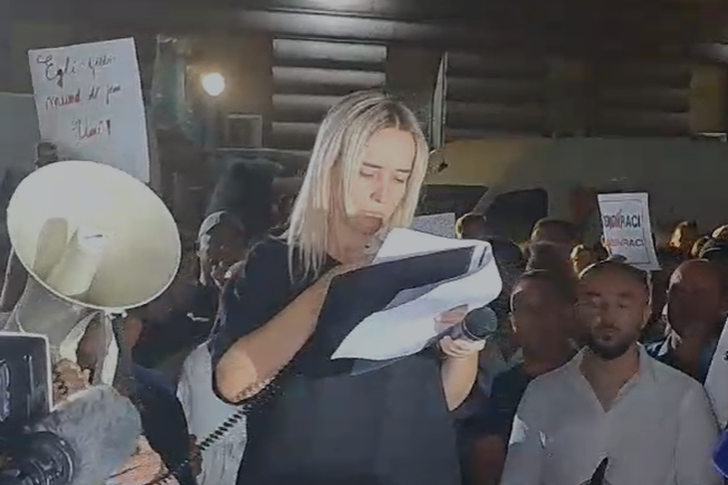
The sister of Egli Proga, who was killed in Pogradec, ...
Ermal Onuzi is appointed the new head of the Guard of the ...
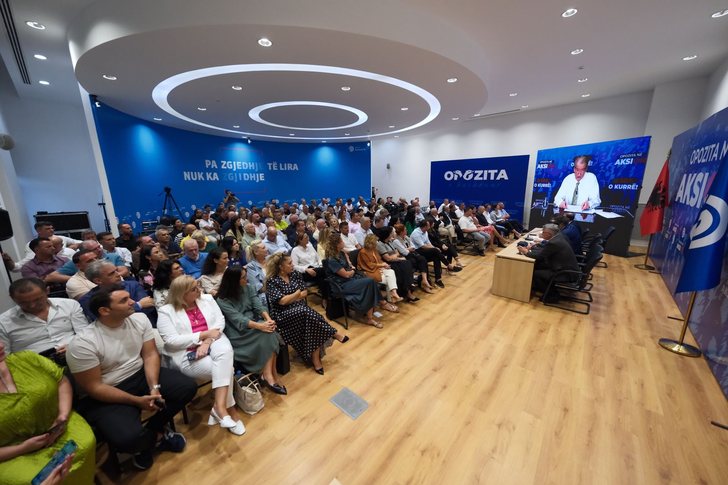
The head of the DP, Sali Berisha, in his speech at the mee...
There have been 12 days of protests in the capital, which ...
Dritan Prençi is the SPAK prosecutor who is sleeping on th...
The in-depth investigations that SPAK conducted into Ajola...
SPAK's standards, the way it investigates, how it secures ...

The Special Board of Appeal (KPA) decided this Monday ...

The KPA vetting decided this Thursday to dismiss the p...

Suela Salavaçi, a prosecutor in the Prosecutor's Offic...

The Special Board of Appeal reinstated the prosecutor ...
A passenger in one of the vehicles involved in the acciden...
A 25-year-old man was found dead in his Astir apartment in...
An explosion with explosives occurred in the early hours o...
A serious incident is reported to have occurred in the ear...

On Sunday, our country will be affected by stable weather ...
Today our country will be affected by stable weather condi...
A tragic accident occurred this Friday afternoon in Kameni...

Today our country will be affected by unstable weather con...
Israeli Prime Minister Benjamin Netanyahu is seeking an ur...
Serbian President Aleksandar Vučić announced that he plans...
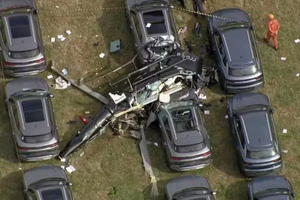
At least six people were killed on Sunday after two helico...
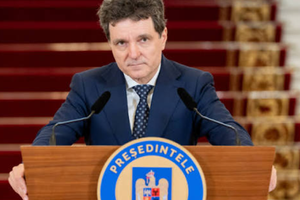
Romanian President Nicos Dan announced that he is nominati...
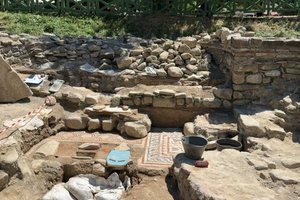
Several archaeological excavations conducted during this s...

At the Museum of Fine Arts in Chambéry, France, an exhibit...

Korça has transformed this weekend into the capital of cel...

Korça is ready to open the summer season with one of the c...

For the first time in history, the World Cup will be held ...
This Sunday, one US dollar is bought for 81.5 lek and sold...

The labor market is facing increasing polarization where w...
This Saturday, one US dollar is bought for 81.5 lek and so...