The third heat wave/ Here's when record temperatures will be set
Meteorologist Lajda Porja has warned that Albania will onc...

Meteorologist Lajda Porja has warned that Albania will onc...

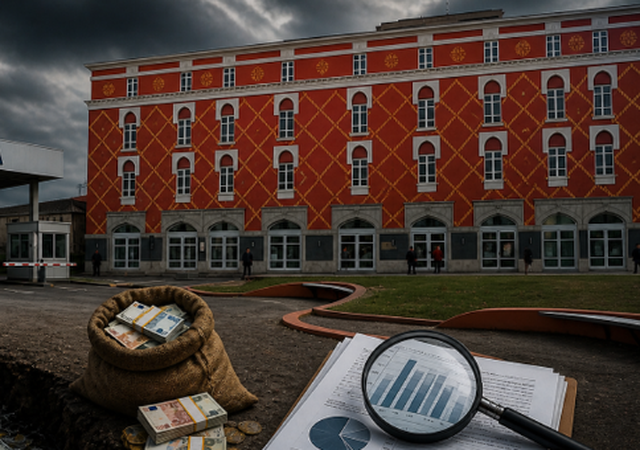
An unsealed road, a tender with inflated costs, an institution that violates procedures, a municipality that spends without results, a public company that loses millions. In these cases, the question arises that directly affects the citizen's pocket: is there an institution that carries out checks and can stop the abuse of public money?
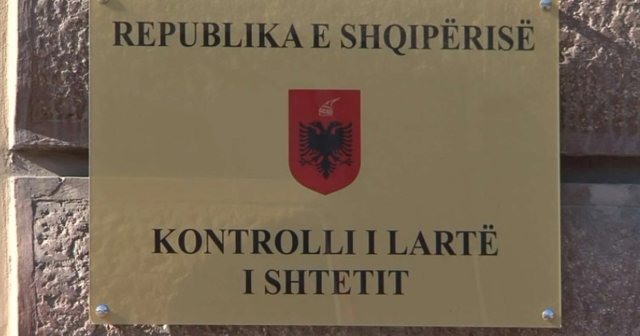
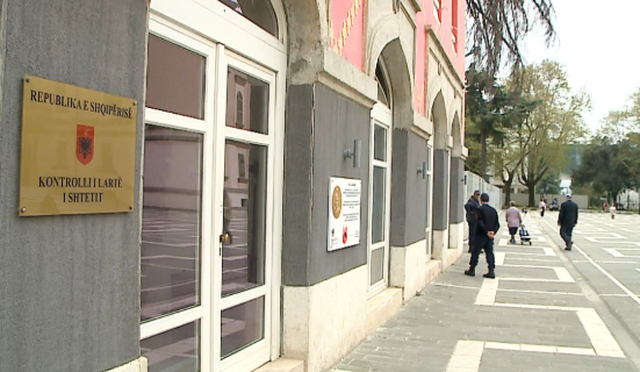
The short answer is the Supreme State Audit Office, or KLSH for short.
Established in May 1925, through a special legal basis, the then Financial Control Council, today the Supreme State Audit Office, is the main and highest public financial audit institution in Albania.
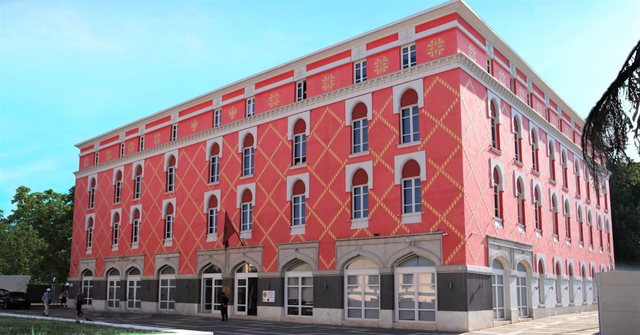
The Supreme Audit Office is an independent, constitutional institution, which, through expertise and qualitative audits, supports the Assembly and informs the public and stakeholders, in a continuous, impartial and complete manner, on the accountability that the government and public entities show in managing taxpayers' money, with the aim of improving public services.
The SAI is a model institution that leads by example, promoting increased accountability, transparency, and improvement of public services, through
quality audits and the fight against corruption, strengthening integrity and public trust in the institution.
Elected by Decision of the Assembly of Albania no. 34/2020, dated July 2, 2020, to head the SAI is Arben Shehu.
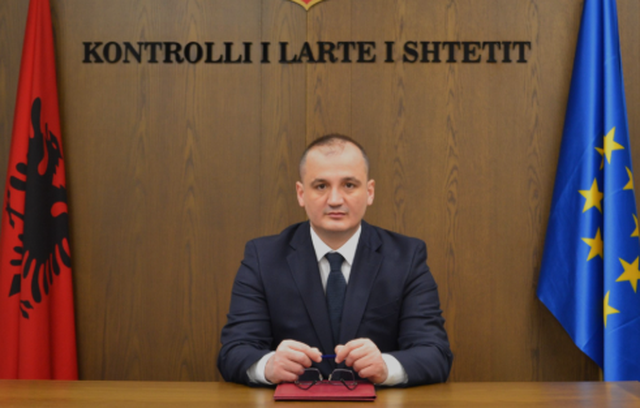
Shehu is a well-known name and contributor to the field of jurisprudence. He graduated from the Faculty of Law, University of Tirana in 2002 and holds the title of “Doctor of Science” in Criminal Law. From 2004 until his election as Chairman of the Supreme State Audit Office, he was a Lecturer of Criminal Procedure and Criminology at the Faculty of Law.
Arben Shehu also has a long academic experience, with quality qualifications in the field of criminal law and many publications as an author in several national and international journals, on legal and financial topics. During his professional career, he has participated in important scientific conferences, collaborating with prestigious academic institutions.
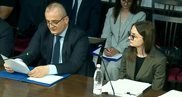
The SAI controls how public funds are collected, managed and spent. But the SAI is not a prosecutor, a court or a financial police. It does not impose prison sentences or issue criminal decisions. The role of this institution is to bring to light facts, violations, economic damage and administrative responsibilities, then to seek a response from the competent institutions.
Ky dallim nuk është thjesht teknik. Shpesh opinioni publik sheh një raport auditimi me shifra të rënda dhe pret arrestime të menjëhershme. Ndërsa raporti i KLSH-së është pika ku duhet të nisë llogaridhënia, jo fundi i saj.
KLSH auditon institucionet që përdorin para, pasuri ose burime publike. Këtu hyjnë ministritë, bashkitë, agjencitë shtetërore, ndërmarrjet publike, institucionet e varësisë dhe subjekte të tjera ku ekziston interes publik apo kapital shtetëror.
Në praktikë, auditimi nuk kufizohet te pyetja nëse një faturë është firmosur siç duhet. Auditimi i KLSH-së mund të shqyrtojë nëse procedurat e prokurimit kanë respektuar ligjin, nëse një investim është realizuar sipas kontratës, nëse fondet janë përdorur me ekonomi dhe nëse një program publik ka sjellë rezultatin që premtoi.
Kjo do të thotë se KLSH ka të drejtë të ngrejë pyetje që shpesh administrata përpiqet t'i kalojë në heshtje: Pse u ble një shërbim kaq shtrenjtë? Pse u ndryshua kontrata pas tenderit? Pse një projekt u pagua, por nuk u përfundua? Pse u mblodhën më pak të ardhura se sa duhej? Pse një pasuri publike mbeti e pashfrytëzuar ose u trajtua pa interesin e shtetit?
Auditimi është, në thelb, një kontroll mbi mënyrën si pushteti administron paratë e qytetarëve. Nuk ka rëndësi nëse fondi vjen nga taksat, tarifat, buxheti i shtetit, kreditë apo burime të tjera publike. Kur bëhet fjalë për para publike, transparenca nuk është favor nga institucioni. Është detyrim.
Shumë njerëz e lidhin KLSH-në vetëm me zbulimin e faturave të parregullta. Por puna e këtij institucioni mund të ketë disa drejtime, dhe secili prek një problem të ndryshëm të administrimit publik.
Auditimi financiar kontrollon nëse pasqyrat financiare, regjistrimet dhe përdorimi i fondeve pasqyrohen saktë. Auditimi i përputhshmërisë verifikon nëse institucioni ka zbatuar ligjet, rregullat dhe procedurat që e detyrojnë. Ndërsa auditimi i performancës shkon më tej: a u shpenzuan paratë me efektivitet, efikasitet dhe ekonomi?
Pikërisht auditimi i performancës është shpesh më i rëndësishëm për qytetarin e zakonshëm. Një projekt mund të jetë formalisht i rregullt në letra, por të mos ketë zgjidhur asnjë problem në terren. Mund të jenë shpenzuar miliona për një rrugë që prishet pas pak muajsh, për pajisje që nuk përdoren apo për një shërbim që nuk arrin te njerëzit që e kanë nevojë.

Ligjshmëria është minimumi. Rezultati është prova e vërtetë nëse paratë publike janë përdorur me mend.
Pas auditimit, KLSH harton gjetje dhe rekomandime. Në varësi të rastit, mund të kërkohet korrigjimi i procedurave, rikuperimi i dëmit ekonomik, marrja e masave administrative ose disiplinore, përmirësimi i kontrollit të brendshëm dhe rishikimi i praktikave që krijojnë hapësirë për abuzim.
Kur nga auditimi dalin indicie për vepra penale, materiali mund t'u përcillet organeve të ndjekjes penale, por duhet thënë qartë: përcjellja e një rasti nuk do të thotë automatikisht fajësi. Hetimi, mbledhja e provave dhe vendimi përfundimtar u takojnë prokurorisë dhe gjykatave.
Kjo nuk e zbut peshën e raportit. Përkundrazi, një raport auditimi serioz duhet të shërbejë si alarm publik dhe institucional. Problemi nis kur alarmi bie, titulli konsumohet për një ditë dhe rekomandimet mbeten në sirtar.
Raportet e KLSH-së kanë një peshë të veçantë politike dhe publike sepse bëjnë të dukshme atë që shpesh fshihet pas gjuhës burokratike; kush ka marrë vendime, çfarë procedure është ndjekur, ku ka dështuar kontrolli dhe sa mund të jetë pasoja për buxhetin.
Në një vend ku tenderët, koncesionet, investimet publike dhe administrimi i pronës shtetërore prodhojnë vazhdimisht debat, KLSH është një nga mekanizmat që mund ta kthejë dyshimin në dokument. Një denoncim publik mund të ngrejë dyshime. Auditimi duhet t'i vendosë përballë shkresave, kontratave, pagesave dhe përgjegjësive konkrete.
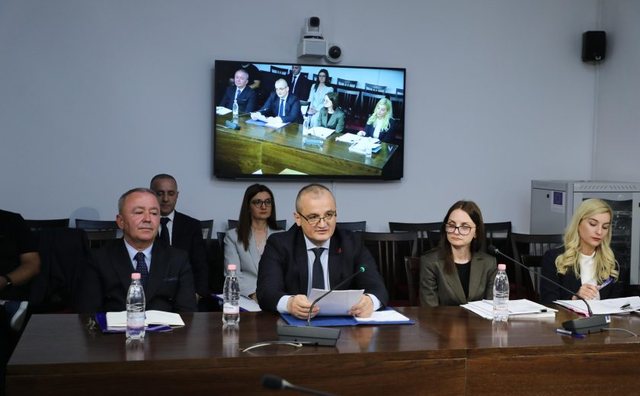
Raportet e hartuara nga Kontrolli i Lartë i Shtetit i shërbejnë edhe Kuvendit, i cili ka rol mbikëqyrës ndaj qeverisë dhe institucioneve publike. Kur një auditim evidenton shkelje, deputetët nuk duhet të mjaftohen me deklarata politike. Ata duhet të kërkojnë shpjegime, afate për zbatimin e rekomandimeve dhe përgjigje për dëmin e konstatuar.
Edhe mediat kanë një detyrë që nuk mbaron me publikimin e një shifre të bujshme. Puna e vërtetë është të ndiqet se çfarë ndodh më pas: a u rikuperuan fondet, a u ndryshua procedura, a u morën masa ndaj përgjegjësve, a e verifikoi institucioni zbatimin e rekomandimit? Pa këtë ndjekje, kontrolli rrezikon të shndërrohet në statistikë.
Kontrolli i Lartë i Shtetit nuk është një institucion që mund të shpallë fajtor një zyrtar dhe as të vendosë dënim penal, pra nuk mund të zëvendësojë drejtësinë Nuk mund të garantojë që çdo rekomandim i tij do të zbatohet, sepse zbatimi varet nga institucionet e audituara, organet e tjera shtetërore dhe, kur ka vend, drejtësia.
Ky është edhe kufiri që qytetarët duhet ta kuptojnë. Të kërkosh që KLSH të arrestojë dikë është t'i kërkosh të bëjë një punë që nuk është në kompetencën e tij. Por të pranosh që rekomandimet e tij të injorohen pa pasoja është po aq e gabuar. Institucionet nuk mund të fshihen pas justifikimit se raporti është vetëm një dokument teknik.
The independence of the SAI is crucial precisely for this reason. An auditor who cannot control the government, large contracts or local administration without pressure is useless. On the other hand, the SAI must also be clear, reasoned and based on evidence, because each of its findings affects reputation, public finances and trust in the state.
Don't just look at the alleged damage figure. Look at the institution audited, the period covered by the audit, the violation described, and the recommendation given. A large figure may be related to procedural shortcomings, uncollected obligations, poorly managed contracts, or consequences that require further verification.
The stronger question is not just “how much damage?” but “what was done to stop it and recover?” If an institution is repeatedly audited for the same problem, then we are dealing with an alarm that the administration has chosen to ignore.
The Supreme Audit Office does not replace citizens, journalists, the Parliament or the judiciary. But when its reports are read, challenged and followed to the end, they become a real tool against forgetting. Public money is not abstract numbers on a budget table, it is schools, hospitals, roads, salaries and services that citizens pay for every day. Therefore, any audit that highlights a problem deserves more than a title, but deserves an answer./CNA


The Brazilian Supreme Court has rejected the request for t...
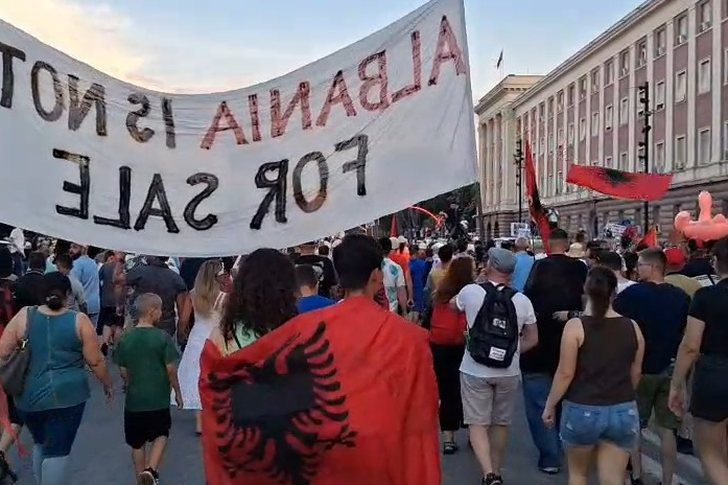
This Monday, the 58th civic protest against the government...
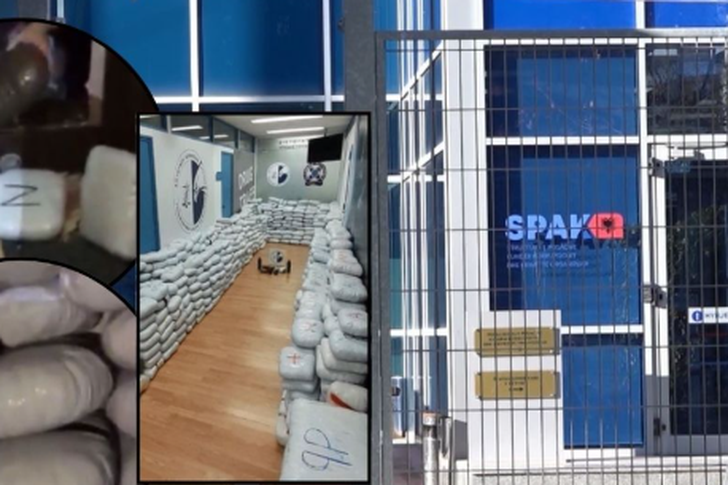
The Special Prosecution Office against Corruption and Orga...
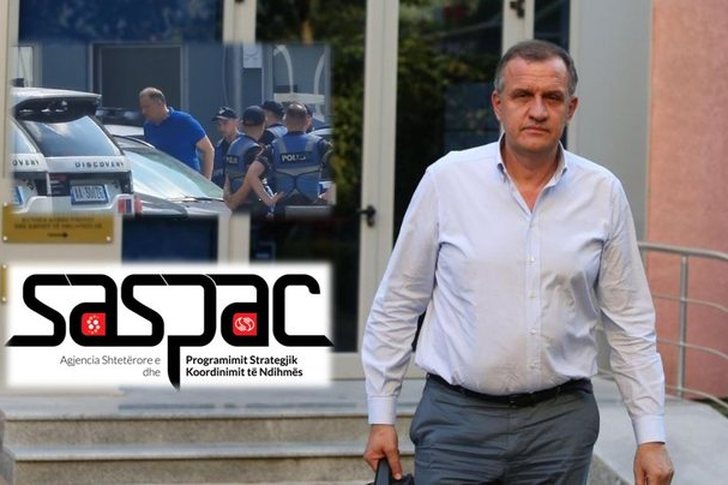
The Special Court has decided to return the "SASPAC" file ...
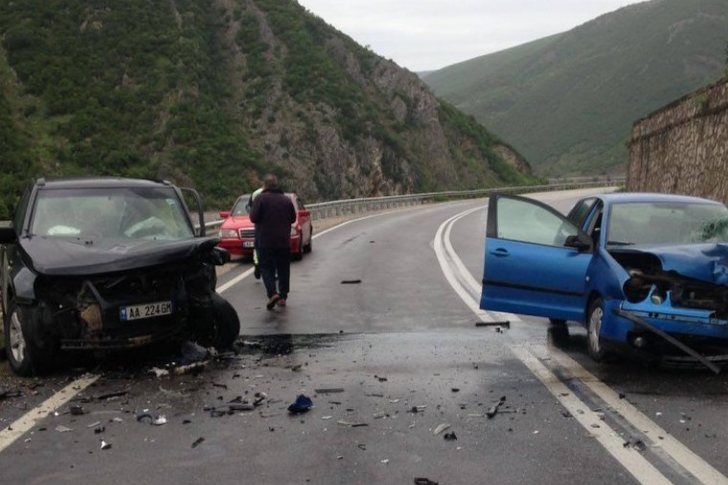
Road accidents in the country increased in June, while the...

Agron Shehaj, leader of the Opportunity party, has committ...
The Chairman of the Socialist Party Parliamentary Group, T...

CNA has provided footage showing that the fire in Harta Ba...

Residents of the village of Zvezda, in the Maliq Municipal...
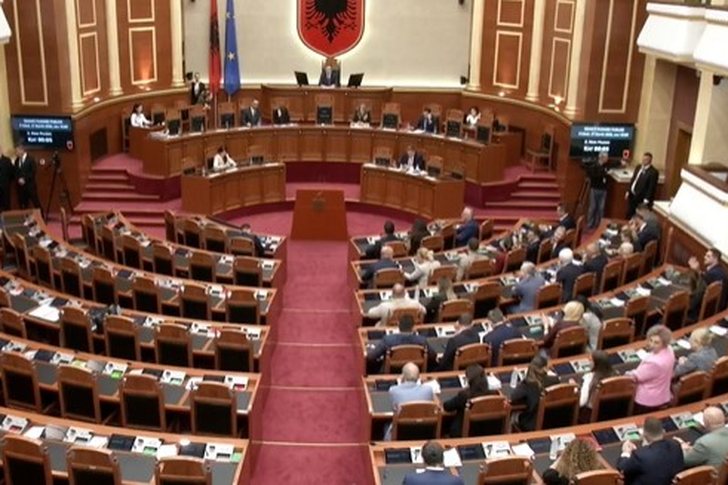
With 75 votes in favor, zero against and zero abstentions,...
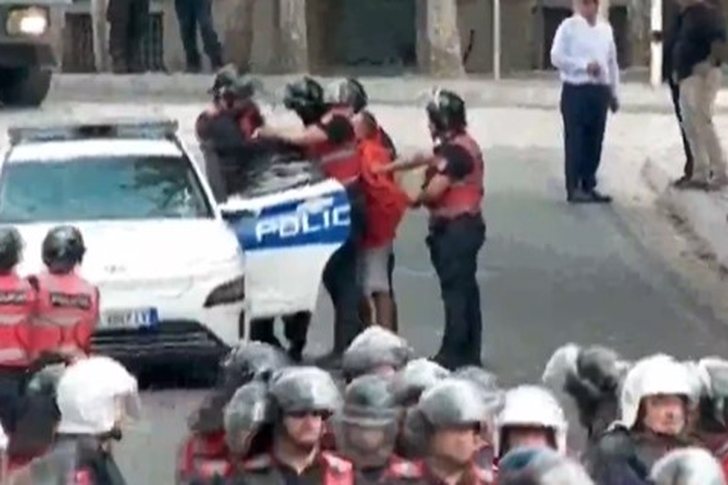
The police have begun the first escorts of protesters who ...
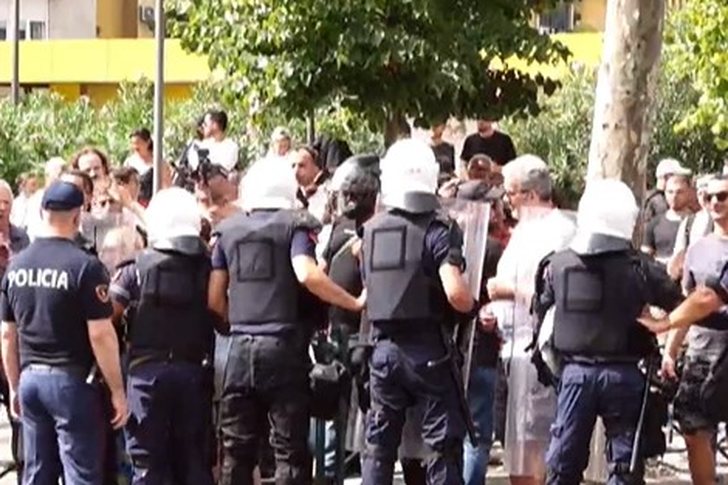
The area around the Parliament has been surrounded by nume...
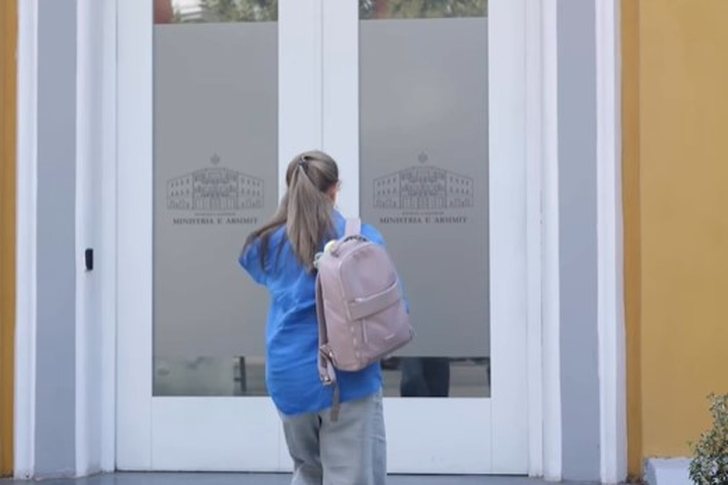
The online application for the selection of 10 study progr...
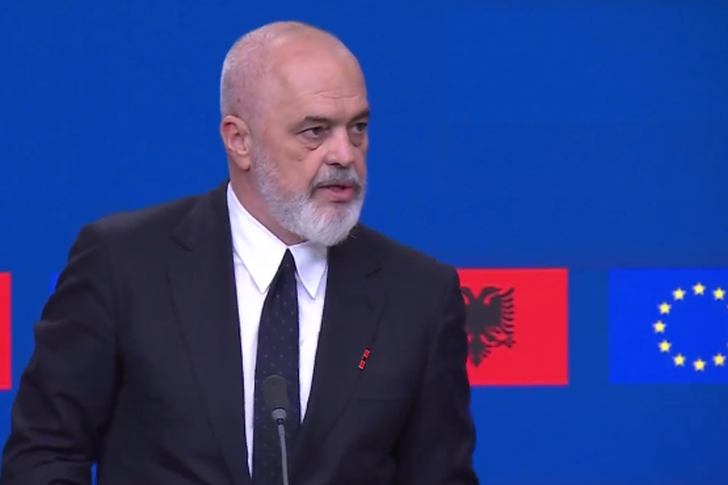
Prime Minister Edi Rama, at a conference organized by the ...
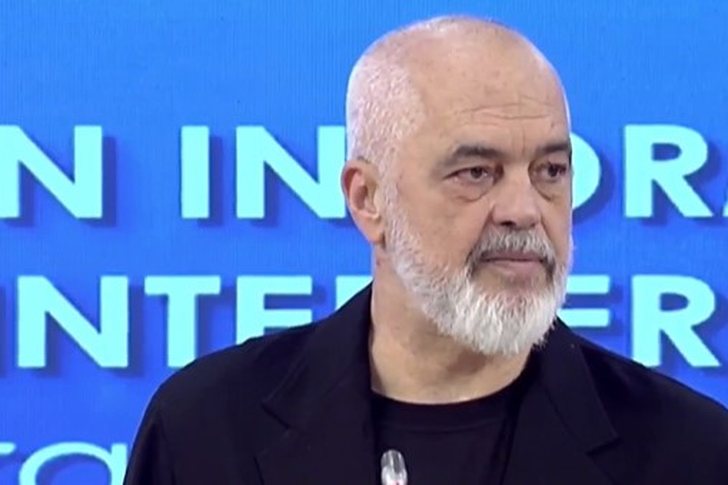
Prime Minister Edi Rama spoke about cyberattacks at a conf...

After the end of the movement suspension interval, the pas...

Protesters marched towards the Parliament where they were ...
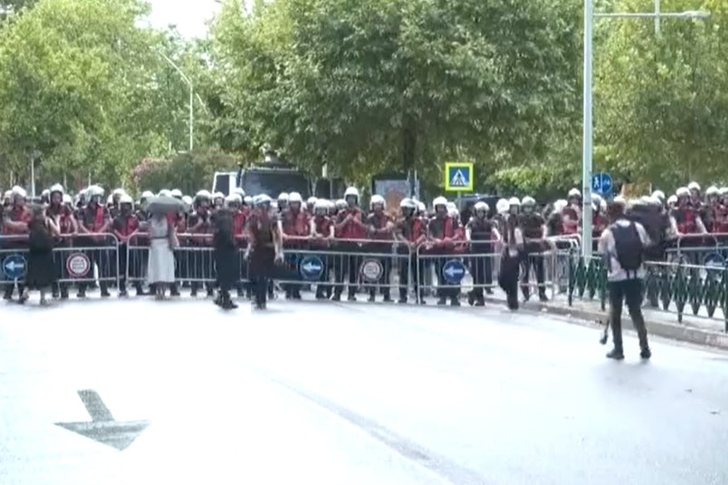
Numerous police forces have arrived on the scene for today...
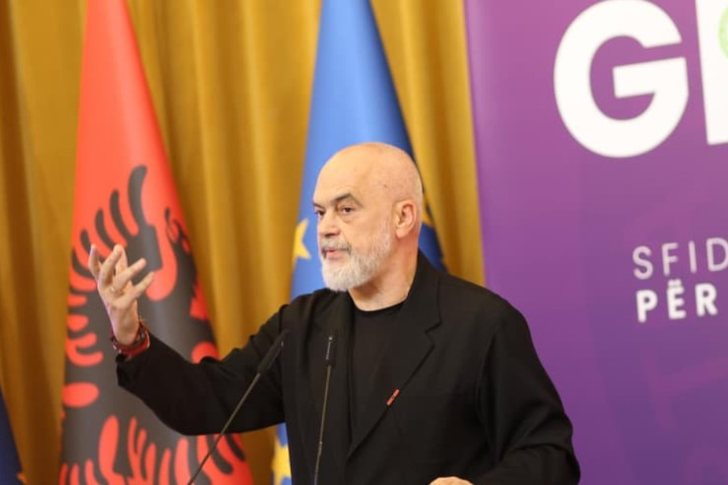
A session will take place in the Parliament today, while a...
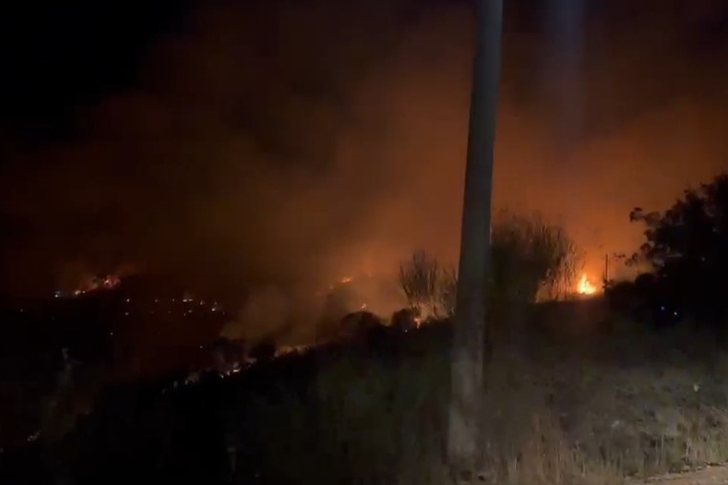
Another fire was recorded this Monday on the hill at the e...
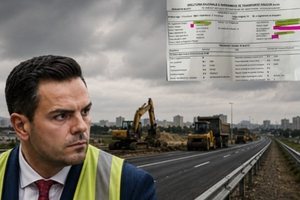
The 50 million euro tender for the maintenance of national...
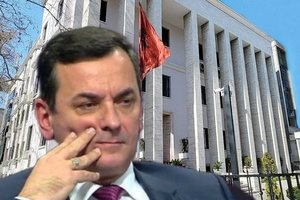
Today we will bring another article that breaks down the w...
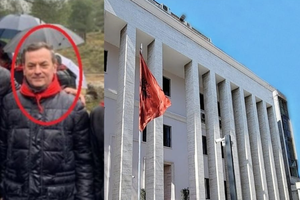
CNA has put under scanner the assets of Sokol Sadushi, the...
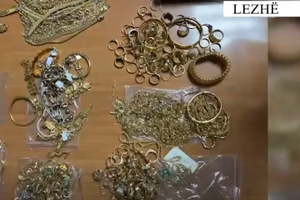
A 39-year-old citizen has been arrested in Lezha, after se...

The Special Board of Appeal (KPA) decided this Monday ...

The KPA vetting decided this Thursday to dismiss the p...

Suela Salavaçi, a prosecutor in the Prosecutor's Offic...

The Special Board of Appeal reinstated the prosecutor ...

A serious road accident occurred tonight on "Vllazërimi" s...
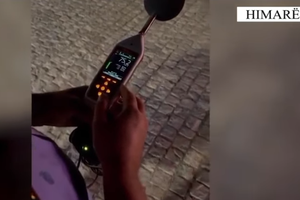
During the checks carried out by the State Police for envi...
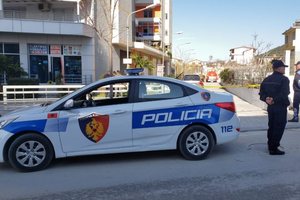
Police have revealed details of the incident that occurred...
According to preliminary information, a person in his 60s ...

Meteorologist Lajda Porja has warned that Albania will onc...
Ditën e sotme vendi ynë do të jetë në ndikim të masave ajr...

The public sector took the lead in absorbing the workforce...

Today, our country will be under the influence of unstable...

Police are "carrying out investigations" into an image sha...
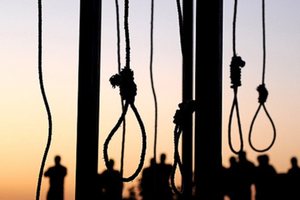
Iranian state media reports that Abolfazl Sepahi Badjani a...
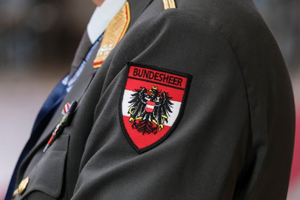
The Austrian government announced on Monday that it plans ...

Shots were fired outside the US consulate in Toronto today...
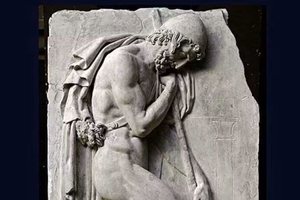
In the history of Western art and literature, few moments ...
Two windows, a century of history and the metaphysics of p...

In my research at the Central State Archives, specifically...

At a time when industrial products are increasingly taking...

This Tuesday, one US dollar is bought for 81.7 lek and sol...
The Ministry of Finance will hold the reopening of the 15-...

After strong savings growth in the years following the pan...

This Monday, one US dollar is bought for 81.5 lek and sold...