


Anila Hoxha narrates the tragedy of Mursali/ The immigrant who is struggling with life in Trauma
Journalist Anila Hoxha told about the life of an illeg...



When in 2019, for the first time, the lack of labor began to be felt, due to the new wave of immigration, businesses did not take it very seriously. In addition to the fact that the pandemic temporarily halted the flow of emigration (in 2020 and the first part of 2021), they had a back-up plan: To hire foreign workers from less developed countries.
The removal of restrictions after the pandemic opened the way for thousands of Albanians, mostly young people, to Europe. Data from Eurostat and the United Kingdom's immigration statistics office showed that asylum applications by Albanian nationals alone were 32,000 in 2022, the highest level since 2016.
Thousands more left with work contracts, mostly in Germany. The effect was almost immediate on the labor market. Companies were unable to find skilled and unskilled workers, forcing them to revise expansion plans, in addition to current difficulties in maintaining service production at planned levels.
The backup plan began to be widely implemented in 2022-2023. After pressure on the government, the latter eased the procedures for devices with work permits for foreigners. Bangladeshi workers, who were more available and willing to work for lower wages, were initially recruited.
It soon became clear that their goal was to use the country as a springboard to escape to Europe. The circle expanded with other countries, such as Vietnam, the Philippines, India, Nepal, etc.
Two years later, the experiment to hire foreigners seems to be proving costly and is not working for the most part , according to an observation made by "Monitor", with the enterprises that tried it and the employment agencies. There are several reasons:
- First, filling the shortages in the labor market with foreign workers is resulting in a process with high costs and low productivity. Bringing in foreign employees has additional administrative and monetary costs. Their salaries are turning out to be 20-30% higher than what was given to the locals.
And in a country where the main advantage is the free arm of the workforce, any addition is almost unaffordable. Added to these are the difficulties in documentation, which are being faced by subjects who want to hire foreigners.
-Secondly, the Albanian economy is dominated by small businesses. According to INSTAT, of the 104,000 enterprises in the country, only 1,400, or 1.4% of them, have more than 50 employees.
Unlike the big ones that can take advantage of economies of scale, small enterprises do not have skills in human resource management and with low productivity they cannot afford the minimum wage for foreigners, 550 euros per employee per month, plus costs 1200 euros for their behavior.
-Thirdly, even for the foreigners themselves, the market is not very attractive, with the possible exception of the favorable geographical position, close to other European countries, which is often the final goal of immigrants, encouraging other businesses, not so much legal!
The data for 2023 are not yet available, but the number of foreigners with work permits in the country does not exceed 8-10 thousand (about 18 thousand are foreigners with residence permits in total), a figure that does not even cover the escapes declared by asylum applications.
The lack of workers is further exacerbating the vicious circle the economy has entered. Enterprises are being forced to raise wages without increasing productivity, which in turn is reducing competitiveness. The outsourced industry was the first to suffer, and now not only is it not looking for employees, it is also cutting those it has.
Tourism, which has the best performance at the moment, jeopardizes the parameters of the service. Construction, which is again booming, can remain in the carabiners. The list is long and covers almost every sector.
The economy, as always, will find new balances by itself, but at least the mistakes of the past, which produced today's non-productive and non-competitive model, which encouraged mass immigration, should be avoided./ Monitor.al

Journalist Anila Hoxha told about the life of an illeg...

Shkodra is preparing for carnival. Prime Minister Edi Rama...

Invited to the Review show in Euronews Albania, the he...
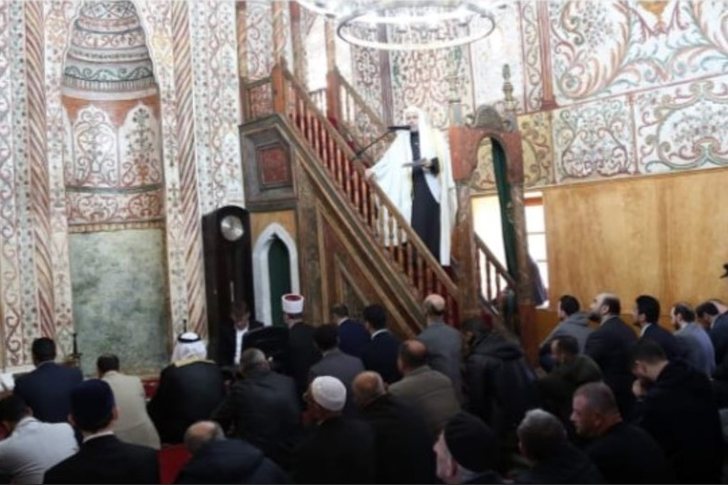
The Secretary General of the Islamic League, Dr. Muhamed A...
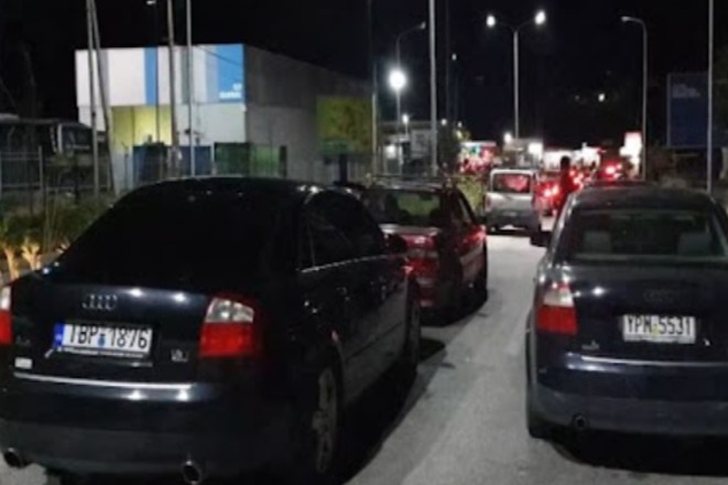
Farmers have started a protest on the national road Ka...
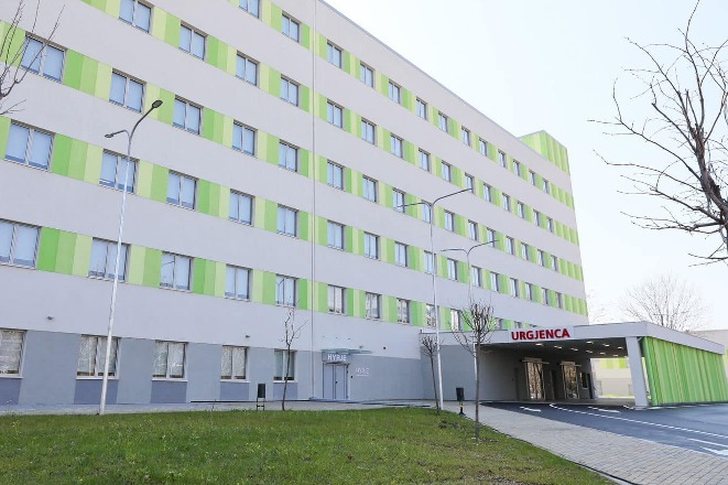
6 days ago there was a fire in the basement of the new Eme...

Dozens of citizens and supporters of former Prime Minister...

Businessman and entrepreneur, Gjergj Luca has brought anot...
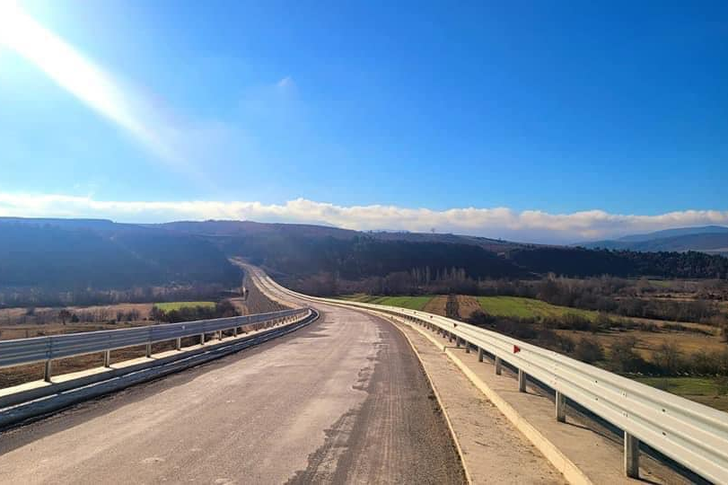
A part of the Korçë-Ersekë road axis collapses, in Qaf...

Gazetari Blendi Fevziu ka denoncuar nëpërmjet rrjeteve...

Baton Haxhiu accused Belind Kelliçi that there were in...

The area near the former Tec in Korça was covered by plume...
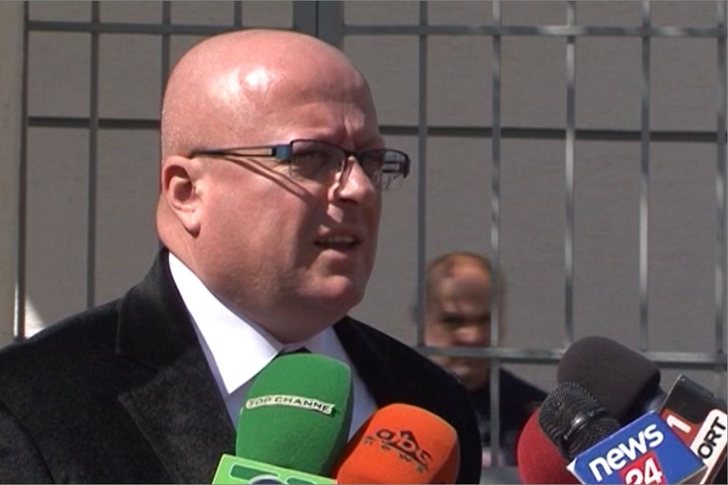
Avokati i ish-kryeministrit Sali Berisha, Genc Gjokuta...

The Washington federal court sentenced former FBI offi...

This Saturday, February 17, 2024, we are introducing you t...
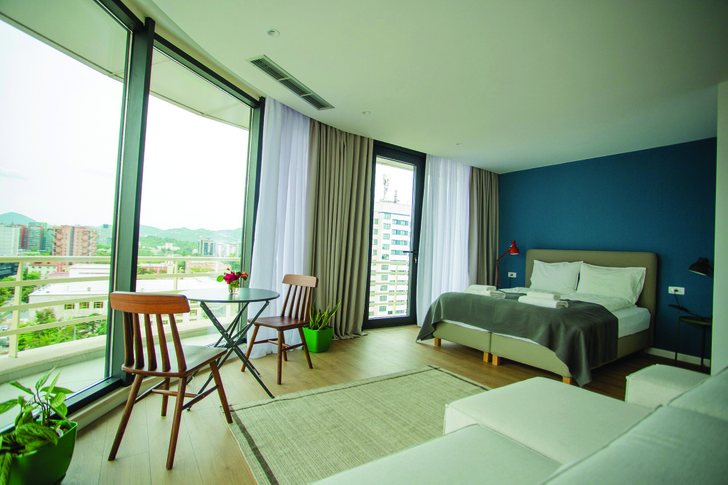
The city of Vlora leads the list of 10 cities with the hig...
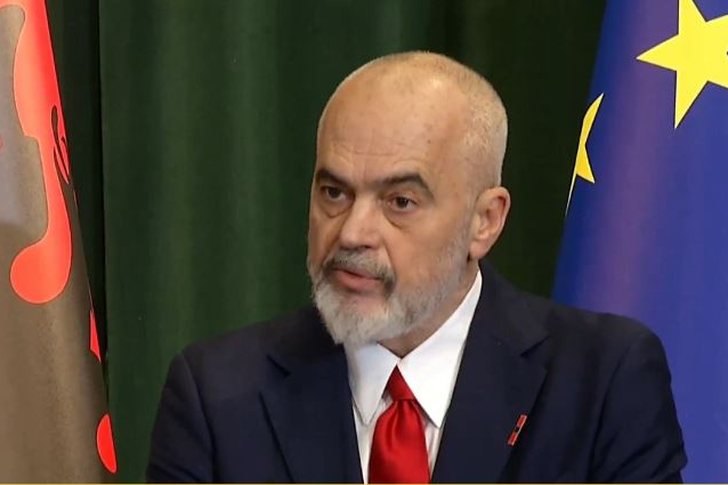
Prime Minister Edi Rama has reacted to the death of th...

Former Prime Minister Sali Berisha has published a vid...
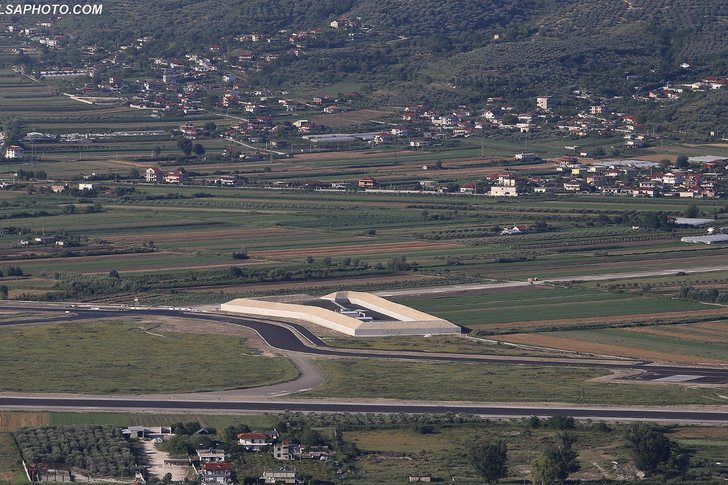
Sekretari Amerikan i Shtetit Antony Blinken gjatë vizi...

Gjykata Kushtetuese ka përcaktuar datën e seancës në lidhj...

A 39-year-old citizen has been arrested in Lezha, after se...

CNA has launched another investigation that could lead to ...

Irfan Hysenbelliu is a businessman that we call "Irfan the...

In March 2026, CNA launched another investigation centered...

The Special Board of Appeal (KPA) decided this Monday ...

The KPA vetting decided this Thursday to dismiss the p...

Suela Salavaçi, a prosecutor in the Prosecutor's Offic...

The Special Board of Appeal reinstated the prosecutor ...

A conflict for weak motives was recorded today in the vill...

An accident involving three vehicles occurred a few minute...

55-year-old Belere Plaka, who was injured today with a sho...
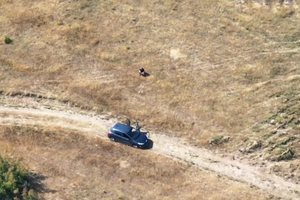
Police Announcement: Following preliminary information...

By noon, cloudiness is expected to prevail in almost all o...

Children without parental care, for whom alternative famil...

On Thursday, our country will be under the influence of st...
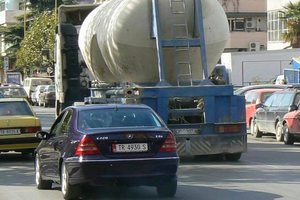
A serious accident that occurred this Wednesday with the c...

Peru and Venezuela will restore diplomatic relations, the ...

United States President Donald Trump has left open the pos...

Israeli Prime Minister Benjamin Netanyahu will travel to t...
A bipartisan group of US lawmakers is calling for a Europe...
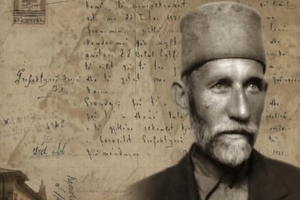
In my research at the Central State Archives, specifically...

At a time when industrial products are increasingly taking...

Trust among people is not just a three-syllable word. It c...

Master of humor Todi Llupi has passed away at the age of 7...

War, weather and supply disruptions could send gas prices ...
The number of active enterprises in Albania continued to g...
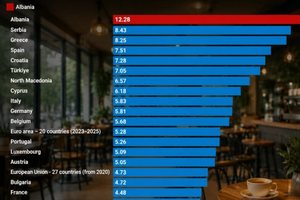
In Albania, the bar-cafe has long become an almost unique ...

This Friday, one US dollar is bought for 81.7 lek and sold...