


The colleague stares at SPAK
The mayor of Tirana, Erion Veliaj, is the man who, in ...



In Albania, the right to information has been stagnant for several years, journalists and representatives of non-governmental organizations report for the Voice of America. Journalists are encountering new forms of not providing information requested by public authorities, while taking it to court becomes more and more difficult due to the prolongation of processes, as a result of the problems that Vetting has brought to the justice system. They encounter the most obstacles in cases where the information is related to corrupt acts and the use of public funds.
A recent report by the Res-Publica center, which has been monitoring the implementation of the right to information in Albania for 10 years, estimates that there is no visible progress in this direction. Journalists, mainly investigative ones, face difficulties in obtaining information from official institutions, when it comes to the use of public money. Dorjan Matlia, head of the center, gives this overview in a general conclusion.
Regarding the reaction of the institutions after receiving a request for information, usually in 2/3 of the cases for any information requested, journalists receive a response after the initial request. They don't take it for 10 days as the law stipulates, but it lasts 23-24 calendar days, so it means about double the time. On the other hand, 1/3 of the requests go to the Commissioner for the Right to Information. A good part receive answers from the Commissioner, but still about 2% of requests for information remain, which, although it seems a small number, do not receive answers. It is exactly those hot questions that investigative journalists ask about procurements, concessions, construction permits or environmental permits, where it is thought that the level of corruption is higher, that do not receive answers. These are cases that go to court," Dorian Matlija, Executive Director of the Res Publica center, said to the Voice of America.
Even the Commissioner for the Right to Information told the Voice of America that the biggest problems are related to the management of public funds. About 1,000 complaints per year arrive at this institution and its intervention means that in 70% of cases requests for information are met immediately by the authorities. "But there are other phenomena when the right to information is damaged by public institutions," he says.
"Another phenomenon that does not help in this direction is the frequent change of coordinators for the right to information in institutions. In addition to being a professional loss, it represents an ongoing cost. Replacing him after he has done our trainings, after he was trained at the school of public administration and is replaced without any objective reason, without any reasonable reason, damages the right to information" - says Besnik Dervishi, Commissioner for the Right to Information.
Journalists say they are facing new forms of institutions trying to hide information. "At a time when information spreads rapidly and competition is great - says Aleksandra Bogdani, a journalist from Birn (Balkan Network of Investigative Journalism), - the institutions, in the best case, return answers at the end of the 10-day deadline".
"It's a trick that institutions follow more and more now. They return answers on the tenth day, in order not to face penalties of the law, but the answers are more and more deficient in terms of the value of the information they provide" - Ms. Bogdani, journalist from Birn, argues for the Voice of America.
While Klodjana Kapo, head of Faktoje.al, a fact-checking organization, emphasizes that public institutions avoid interviews to obtain the required information, and prefer written answers, which are incomplete.
"The journalist does not always have the information to exhaust every interest with questions within the request for information. This has meant that the person who has to return answers to the institutions does not manage to return complete and exhaustive answers, and the information is not always accurate and valuable for journalists who have to prepare a news story" - says Ms. Kapo, head of Faktoje.al .
Another moment is related to some legal restrictions, which, according to Mr. Matlija, are misused by public authorities to not provide information, mainly when it comes to contracts with large financial values.
"In general, when it's simple information, the institutions respect the right to information, but in complicated cases when they don't want to publish information, the issue becomes very difficult. They abuse a lot what are the limitations of the law. They remove entire data from contracts under the pretense of preserving trade secrets or personal data. In fact, it is not like that at all because we have won all the cases in court and we have seen that the justification was abusive" - ??continues Mr. Matlija.
Mr. Matlija singles out a new positive behavior of the Court of First Instance in Tirana, which in some cases has given immediately executable decisions, in the case of processes for the right to information. The vetting process has halved the judiciary and journalists have been wandering around the courts for 7-8 years. On the other hand, they are encountering obstacles in obtaining information even from the new justice bodies themselves.
"One of the issues we have is with the Independent Qualification Commission, the institution based in Vetting. So KPK refuses to make public the information related to a donation that this institution received to organize a seminar. It should have been public information. We have been in court for 4 years. After the decision of the Court of Appeal, the KPK again refused to implement the decision and spends all its energy until the Supreme Court to hide this information" - continues Aleksandra Bogdani, Birn journalist.
Speaking about a difficult time for journalism in the country, Koloreto Cukali, of the Albanian Media Council, said that delays in receiving information make it invalid.
"The most well-known practice is that of delay, exceeding deadlines. Using all the tools makes the information worthless. Which means when they give you the information after 4 months, or even more, that information should no longer be needed. It continues to be a bad experience in receiving information," Koloreto Cukali says for the Voice of America.
Although there is no turning back on the right to information, journalists appreciate that standing still is just as damaging when it comes to important information about the spending of public funds. This is where acts of corruption originate, they argue, and any shadow that hides such information increases suspicions of abuse of this money. The Voice of America asked the Media and Information Agency for a position on these issues raised by the journalist community, but did not receive a response./ VOA

The mayor of Tirana, Erion Veliaj, is the man who, in ...
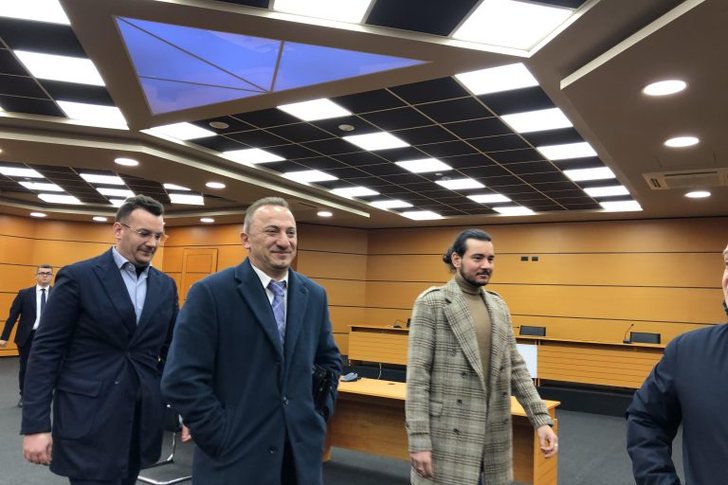
The Public Commissioner, within the legal deadline, filed ...
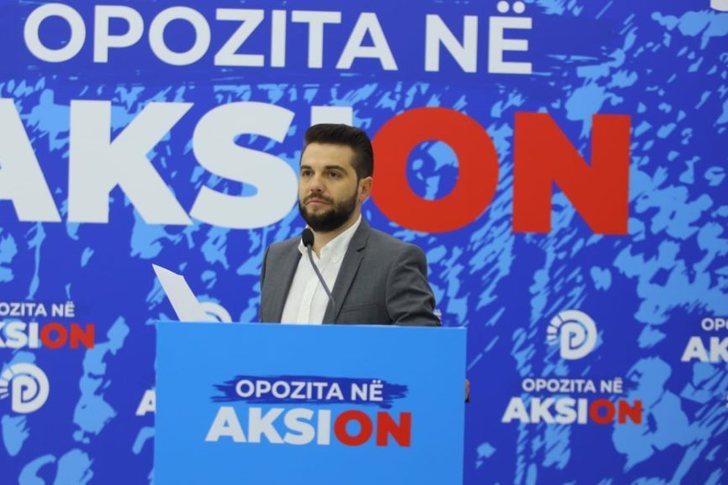
The member of the Presidency of the DP, Grigels Muçoll...

The Archbishop of Tirana, Durrës and all Albania, His Beat...

From year to year, the rate of decline of students in ...
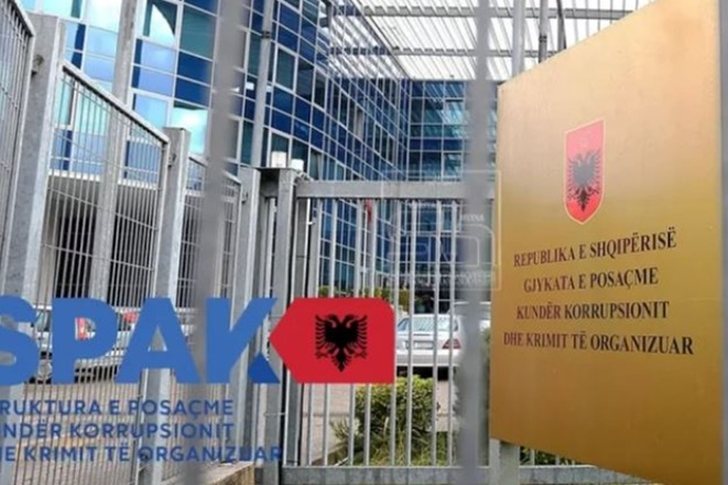
Apeli i Gjykatës së Posaçme ka rrëzuar kërkesën e drejtorë...
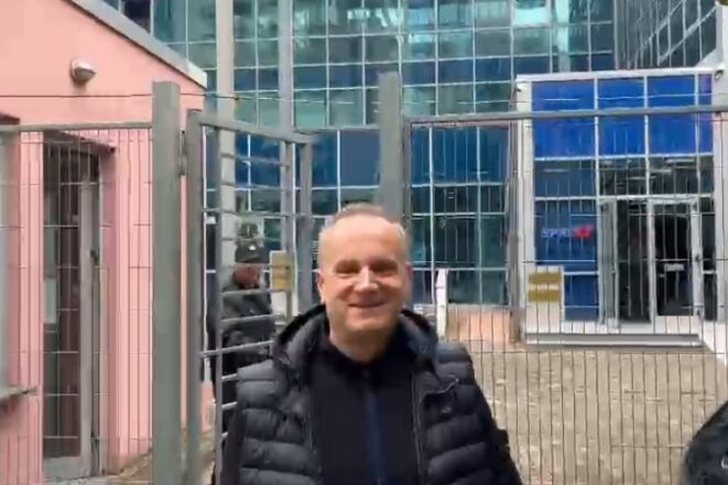
Të premten, bashkëshorti i Olta Xhaçkës, Artan Gaçi, ë...
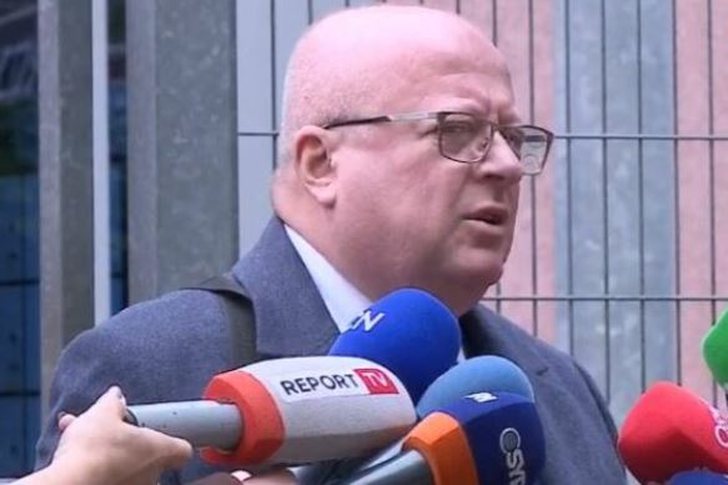
On Friday, the GJKKO again rejected the request of for...
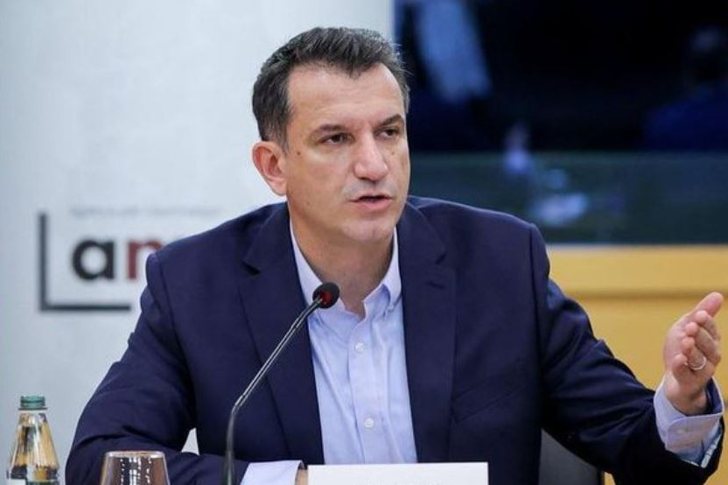
The political leader of the DP for Tirana, Belind Këll...
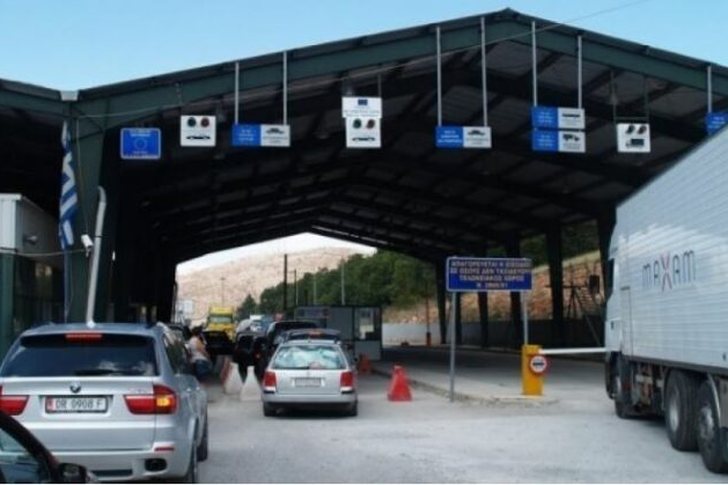
Festa e Pashkës Ortodokse ka sjellë fluks të shtuar në...

Këtë të premte po ju njohim me disa prej titujve kryes...
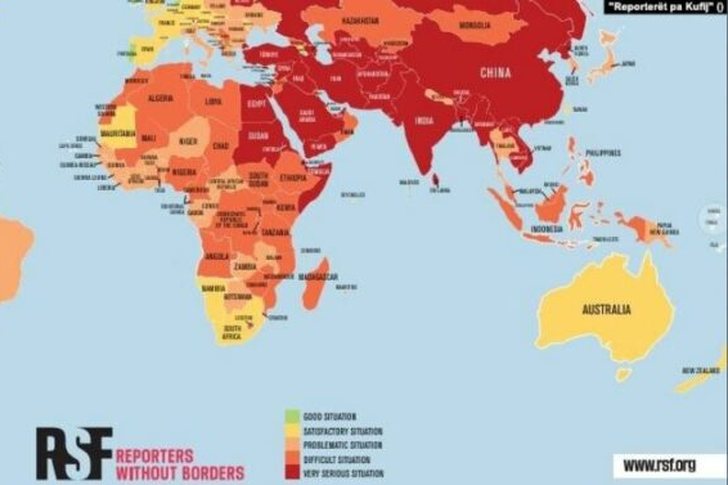
The organization "Reporters Without Borders" expresses con...
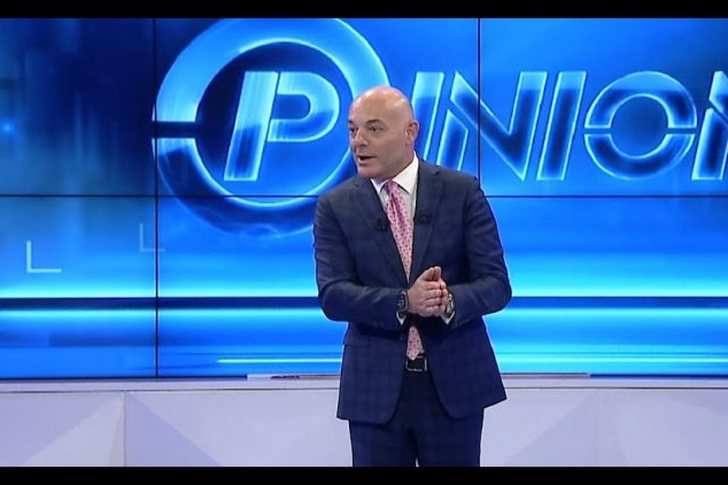
Drejtuesi i emisionit “Opinion” në Tv Klan, gazetari B...
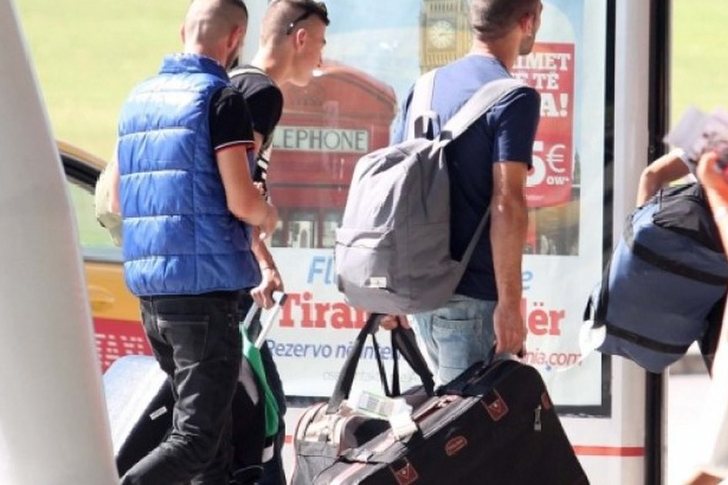
The rates of young people emigrating to Albania in the...
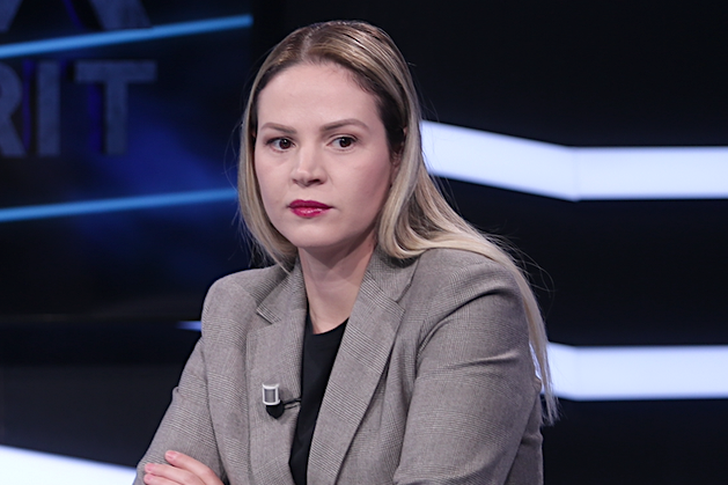
In the show "The Unexposed", journalist Ola Xama spoke...
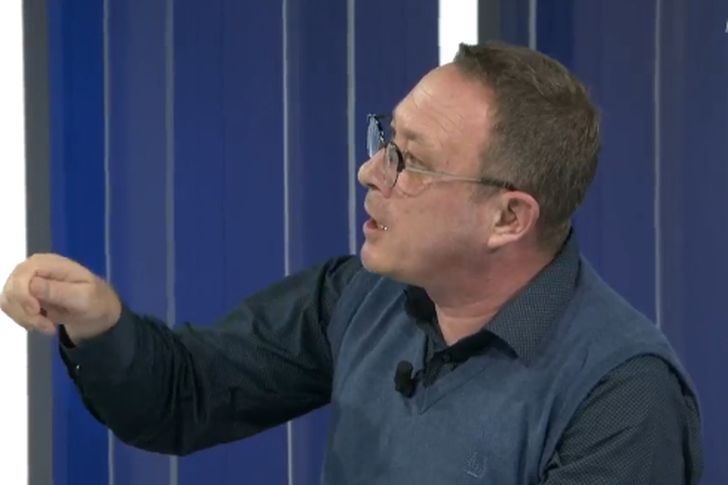
Journalist Elvi Fundo announced a few days ago that th...

Journalist Elvi Fundo revealed other schemes of the di...
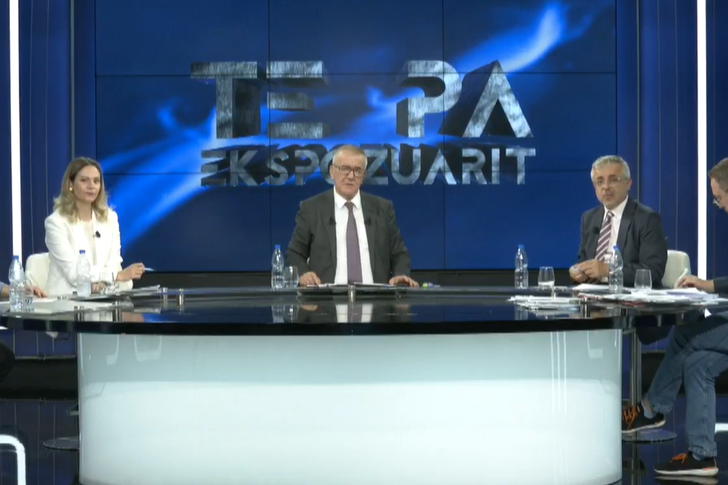
Journalist Elvi Fundo has read the court's decision re...

Journalist Klodiana Lala has discovered what the mayor of ...
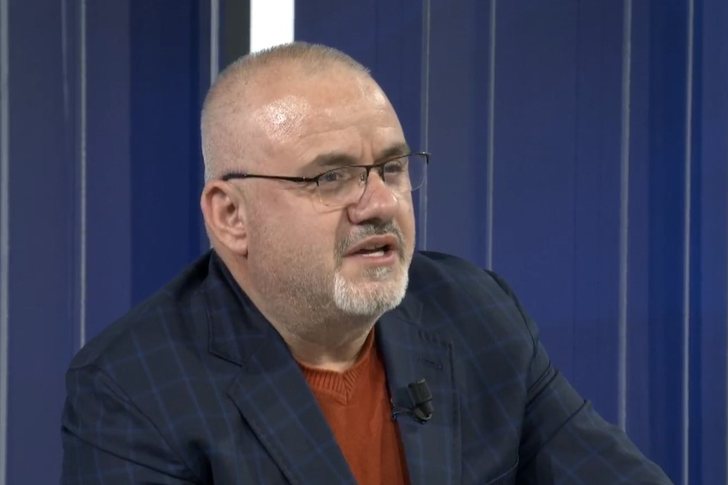
Journalist Artan Hoxha has informed that he received t...

CNA has launched another investigation that could lead to ...

Irfan Hysenbelliu is a businessman that we call "Irfan the...

In March 2026, CNA launched another investigation centered...
The arrested mayor of Tirana, Erion Veliaj, with 13 charge...

The Special Board of Appeal (KPA) decided this Monday ...

The KPA vetting decided this Thursday to dismiss the p...

Suela Salavaçi, a prosecutor in the Prosecutor's Offic...

The Special Board of Appeal reinstated the prosecutor ...
A person has died today on Orikum beach. According to repo...
Footage emerges from the serious accident that occurred th...

A Shkodra traffic police officer was hit with hard objects...
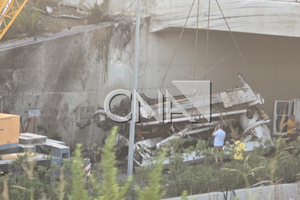
This Wednesday, around 4:00 PM, a serious accident occurre...

Children without parental care, for whom alternative famil...

On Thursday, our country will be under the influence of st...
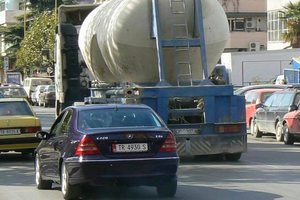
A serious accident that occurred this Wednesday with the c...

The Institute of Geosciences has shared a forecast for wea...

Artificial intelligence (AI) models from the American comp...
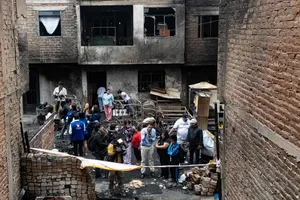
At least 10 people have died after a fire broke out in a h...
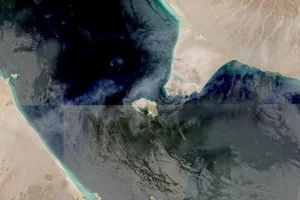
Yemen's Houthis have claimed to have attacked two Saudi oi...

The trial of ousted Venezuelan President Nicolas Maduro on...

At a time when industrial products are increasingly taking...

Trust among people is not just a three-syllable word. It c...

Master of humor Todi Llupi has passed away at the age of 7...

The ninth edition of "MIK Festival" kicked off with one of...
The average sale price of apartments in Tirana reaches rec...

This Thursday, one US dollar is bought for 81.5 lek and so...

The price of diesel reached 206 lek per liter from 198 lek...

Businesses will no longer be required to simply register t...