

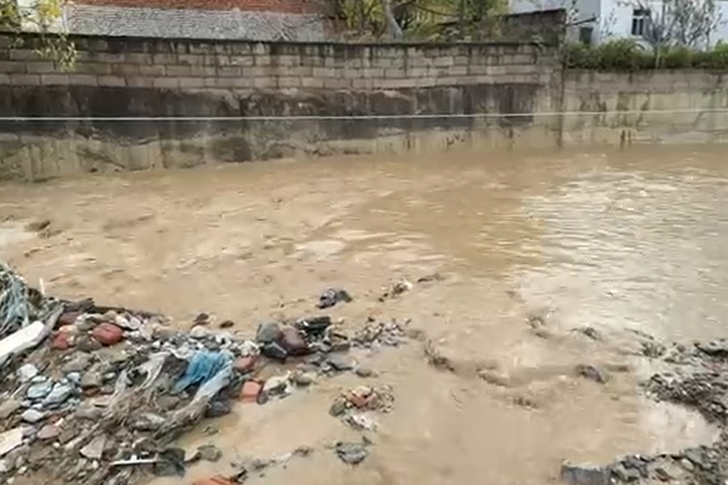
Heavy rainfall in Sheqeras/ Village at risk of flooding
Heavy rainfall has created a serious situation in the vill...


CNA TV has obtained exclusive rights from renowned professor and scholar of history and geopolitics, Stephen Kotkin, to broadcast his academic lectures.
This is one of the first cases in Albania where a media outlet broadcasts a university lecture of this level.
Tonight, CNA TV is airing the sixth part of the documentary titled "Challenges after the dictatorship".
Part six of the documentary
There is very little sustained state authoritarianism, very low. The legacy problem clearly shows this, but the information problem and the governance problem are many different structural reasons for the collapse of an authoritarian regime. We have not talked, but we should talk about the international environment and the ways in which it is or is not conducive to authoritarianism – the hand bites the hand that feeds it.
Big countries do whatever they want, they abide by international law, they take credit for respecting international law, and if they don't abide by the law, they say international law doesn't apply to them in this particular case. They can do really stupid things and go off to do stupid things another day. This is a big country. Small countries don't have those kinds of options, and most countries aren't big countries. Only one small country that I know of gets away with behaving like a big country - I won't name it, but I think you know who I'm talking about.
Intentional but self-destructive inefficiency, debilitating adverse selection – we didn’t even get to talk about the rampant nepotism in key agencies, like the running of the economy and the running of the police forces. Regimes, the more you study them, the more you realize that it’s a wonder they survive, because it’s their own success that undermines them; their very strengths threaten their survival.
Now just the last point – I see I'm running out of time. Is that correct? Yes, well, so on the subject, I thought I would talk about this more, but maybe we'll end here with the issue of what happens when they're done. When they're all smoke and mirrors, right? Mubarak is gone. They sack him, it took him a while, it took him a long time to get the courage, because there had been negative selection at the top of the Egyptian army, there was a bunch of cowards there, and even though they had no future with Mubarak, it took them a long time to get rid of him. It took the courage of all those people who were on the streets day in and day out, which they then used as a pretext to sack Mubarak. Then, of course, that interest group, that professional agency, that professional army is trying to survive, but they have the incompetence, the inability to rule and to run things. However, there are still courageous people in society. Egyptian history could go on like this for a while, or it could collapse, but if it did collapse, if brave people took to the streets again, or if the military panicked and took a plane and fled – that's what they usually did – they took a plane and fled, like that guy in North Africa did, right? I think there was a little bit of trouble, he took a plane and he was the first, the North African one – you remember, the Tunisian one, I think it was.
The problem is that you have to institutionalize alternatives to the authoritarian machine. That's the problem. You need a judicial system. How do you create a judicial system is really difficult – a successful, professional, autonomous judicial system. You overthrow the incompetent, and then where do you go? Say: are you going to open the closet and bring out a judicial system? It's difficult. You need a civil service that performs state functions without taking the money itself. That's a really difficult thing to achieve.
I could go on and on about the things you need. You need media that is not controlled by a single, coincidentally wealthy person, since when you privatize the station, because the dictator of the state has fallen, you have a controlled media again, but controlled in different ways. You have issues of institutions that need to be created, that the authoritarian regime does not have and does not want to have, and that are difficult to create immediately in a transition. That is one of the reasons why you have another incarnation – perhaps stupider, perhaps weaker, perhaps better from an authoritarian point of view – of the previous regime.
You often have a mess for long periods of time. For example, the case of Kyrgyzstan that I was talking about: those guys, they don't even have a police force, it's so pathetic. All that money that came through democracy aid, their interior ministry is still a mess. You often have this mess for a while before someone has the ability to consolidate, to establish consolidation and to maintain an authoritarian regime, which is a perverse achievement.
So it's very difficult to have an institutionalized alternative because the authoritarian regime, while it's alive, denies things like a judicial system or a civil service – the very key institutions that you need. You don't just need hope, you don't just need votes or elections. There are many countries that have parliaments. I remember when Slobodan Milosevic was elected, for example – if he hadn't lost four wars, he would still be there.
This is a difficult problem. It's very difficult to understand. I think that's why we're depending on you to solve this - smart young people who are going to be in situations like this: how do you go from an authoritarian regime that falls, or as in most cases it falls itself, and be replaced by something better, that is long-term and institutional./ CNA

Heavy rainfall has created a serious situation in the vill...
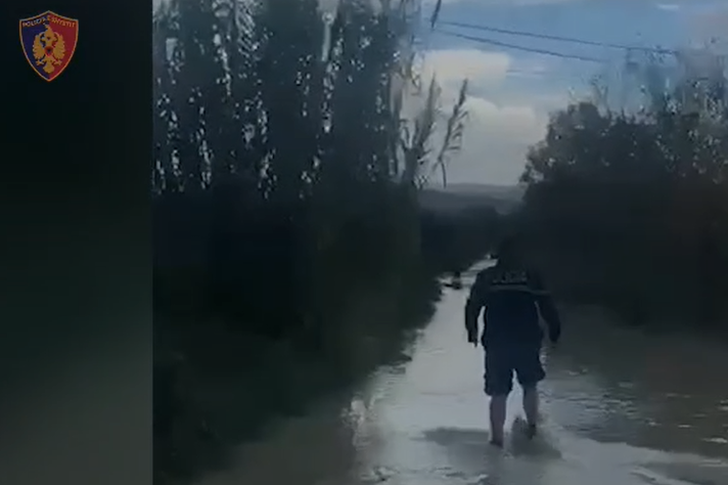
The services of the Berat Police Commissariat, in cooperat...
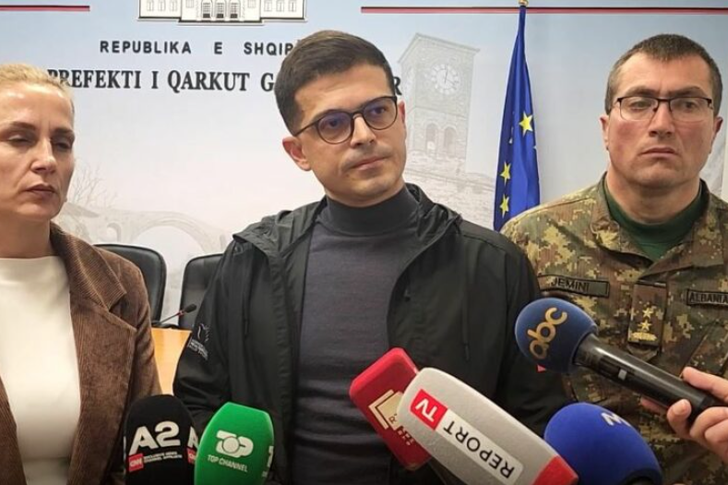
Defense Minister Pirro Vengu has provided details regardin...

According to the forecast of meteorological conditions by ...
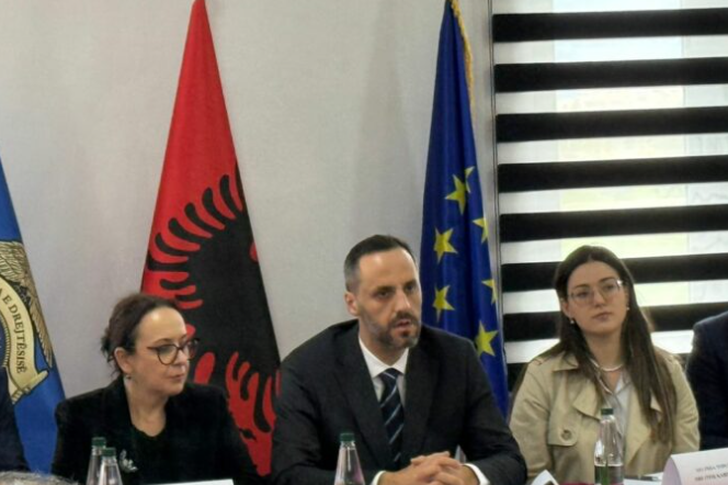
The Minister of Justice, Besfort Lamallari, held a meeting...
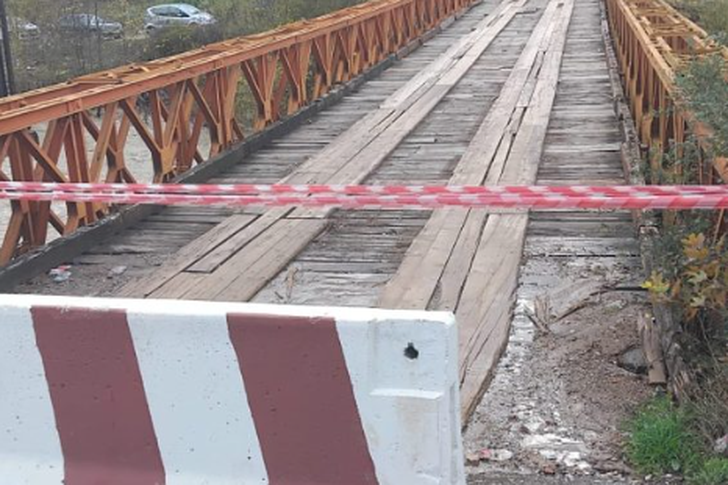
The main bridge connecting the area of the village of Xh...
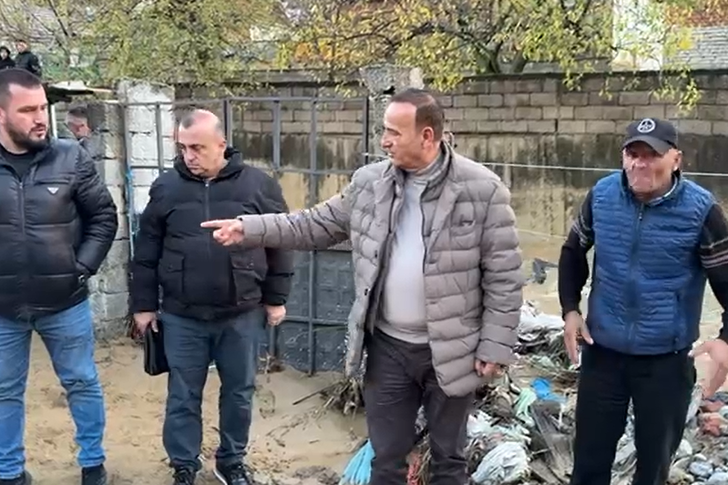
The Mayor of Pogradec, Ilir Xhakolli, has landed on the gr...
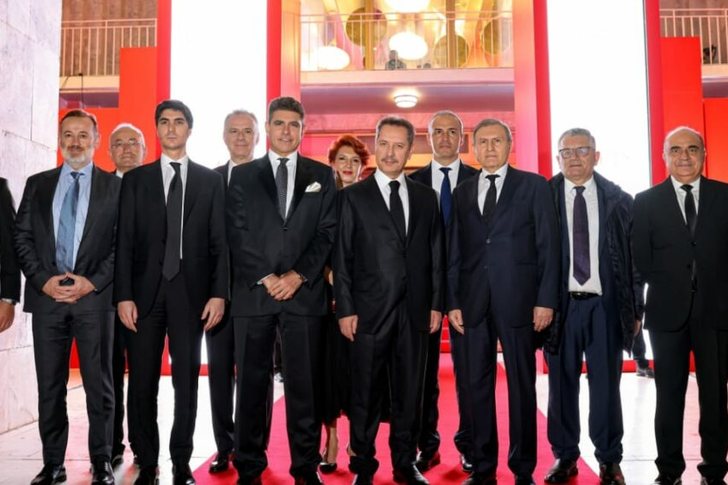
National Commercial Bank, the largest financial institutio...
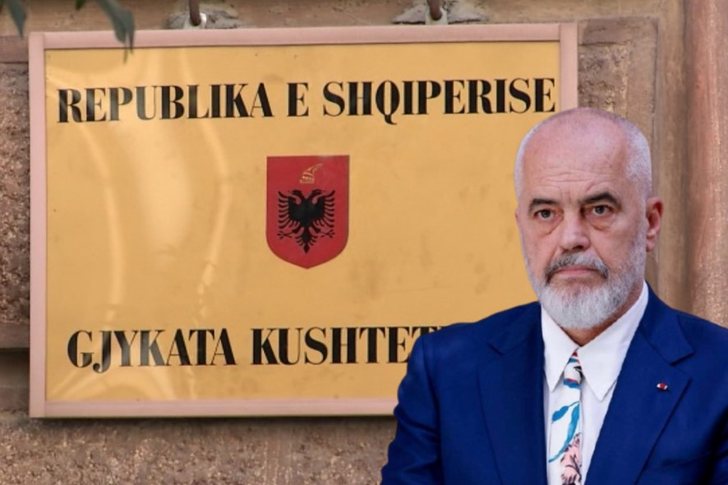
Prime Minister Edi Rama has sent to the Constitutional Cou...
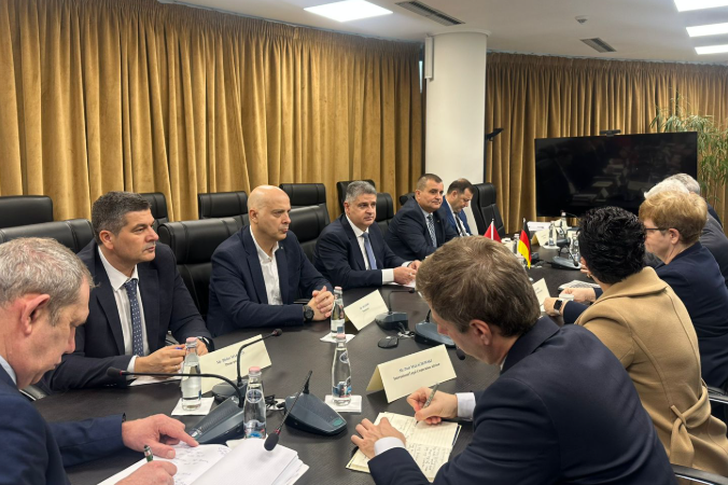
The Head of the Organized Crime Section at the Special Pro...

This weekend in the Italian championship will be electrify...
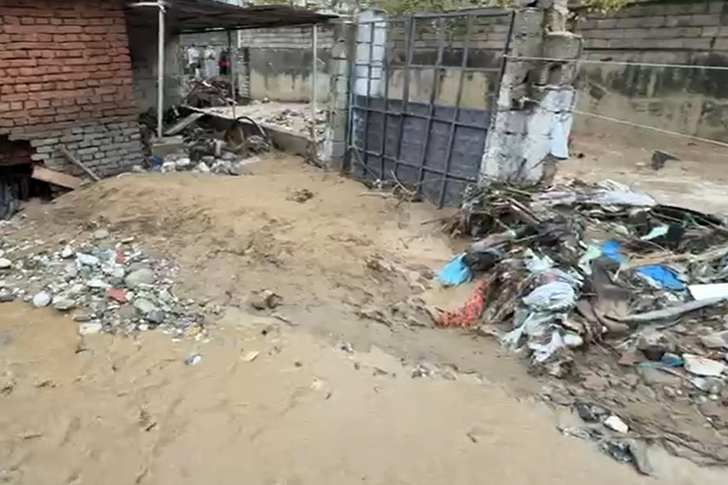
In the village of Rrëmenj in the municipality of Pogradec,...
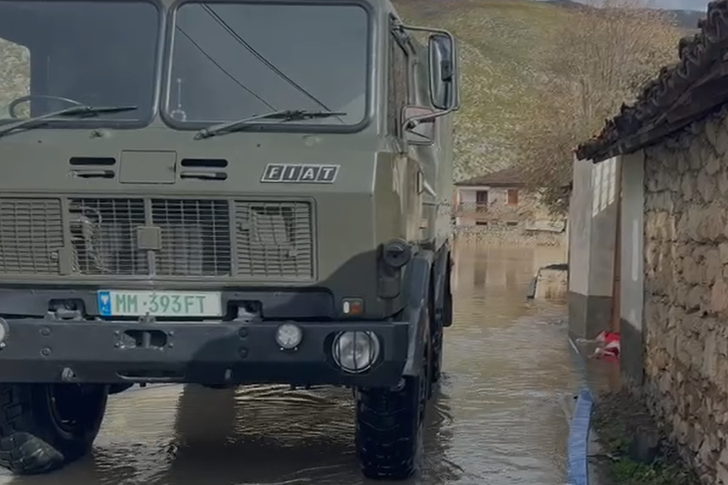
The Korça District Prefecture informs that during the nigh...
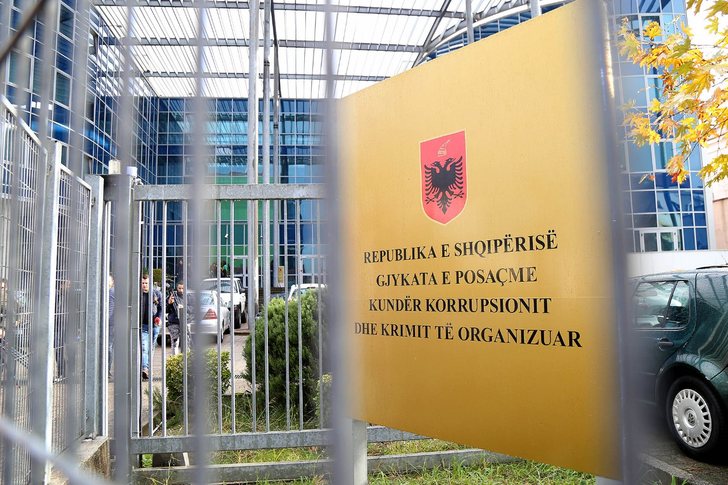
The Special Court today issued a verdict for 13 people acc...
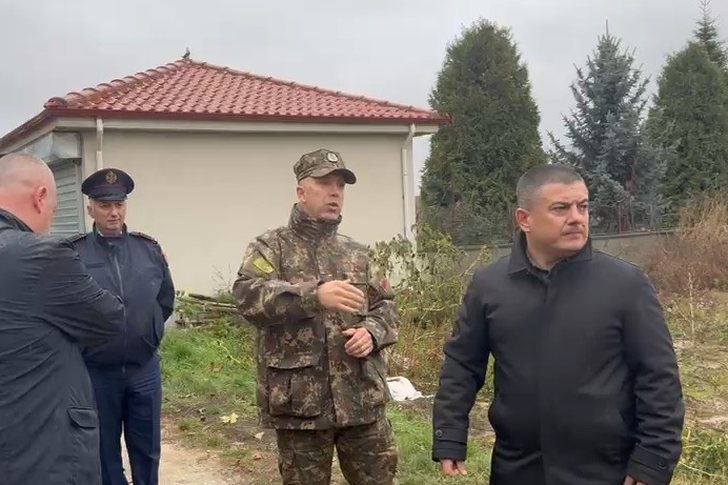
The director of the Korça police, Islor Islami, has also a...
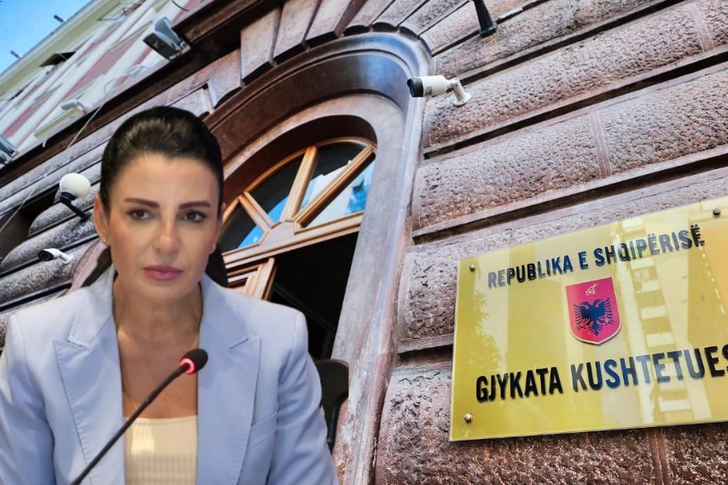
The Prime Minister's Office has sent to the Constitutional...
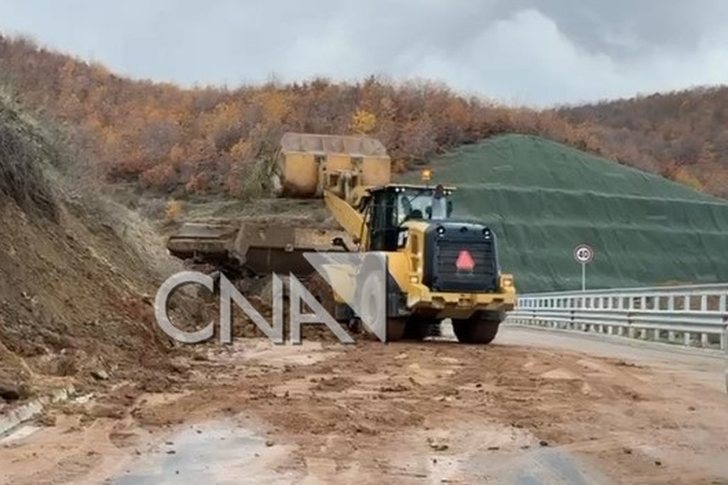
Landslides have been recorded on the Qukës-Qafë Plloçë axi...
The First Instance of the Special Court has announced that...
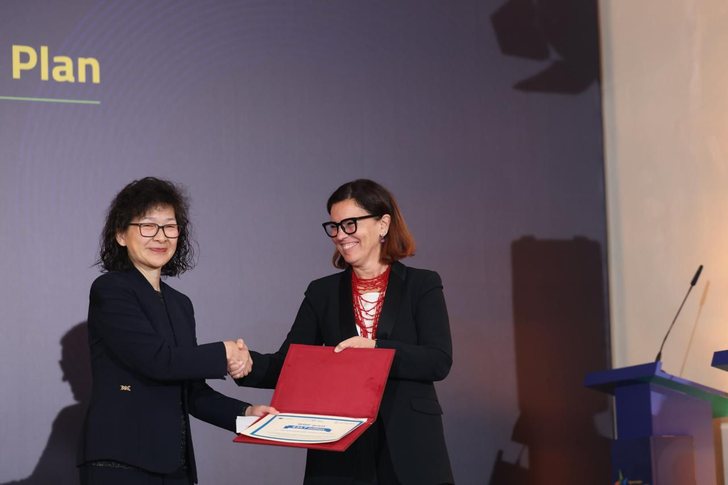
The agreement between the European Union and the World Ban...
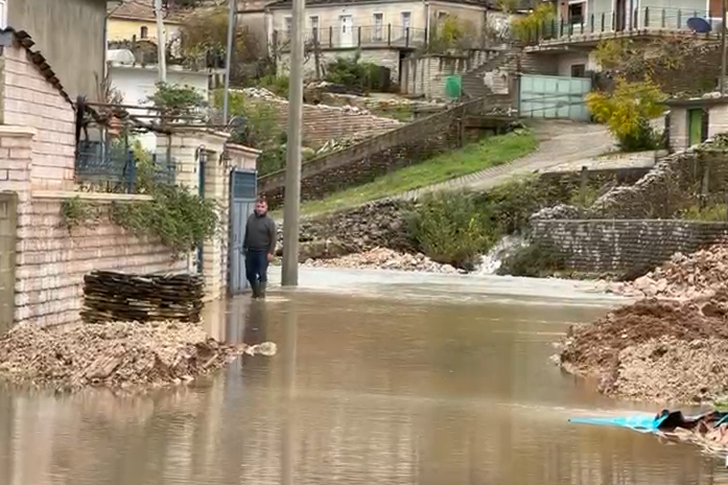
Civil Emergencies have published updated information regar...

CNA has launched another investigation that could lead to ...

Irfan Hysenbelliu is a businessman that we call "Irfan the...

In March 2026, CNA launched another investigation centered...
The arrested mayor of Tirana, Erion Veliaj, with 13 charge...

The Special Board of Appeal (KPA) decided this Monday ...

The KPA vetting decided this Thursday to dismiss the p...

Suela Salavaçi, a prosecutor in the Prosecutor's Offic...

The Special Board of Appeal reinstated the prosecutor ...
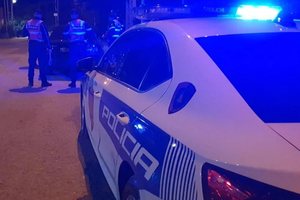
A conflict occurred this Thursday evening in the toy area ...
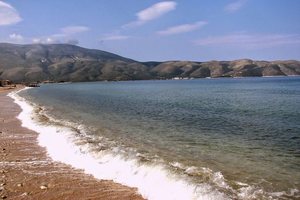
A person has died today on Orikum beach. According to repo...
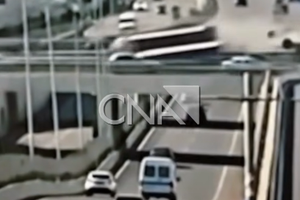
Footage emerges from the serious accident that occurred th...

A Shkodra traffic police officer was hit with hard objects...

Children without parental care, for whom alternative famil...

On Thursday, our country will be under the influence of st...
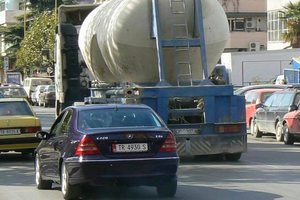
A serious accident that occurred this Wednesday with the c...

The Institute of Geosciences has shared a forecast for wea...
The European Union Office in Kosovo has called on all poli...
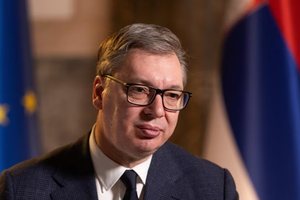
Serbian President Aleksandar Vučić, at a press conference ...
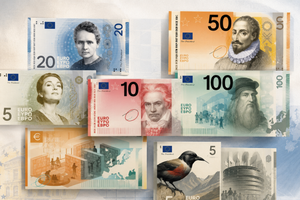
For the first time since the launch of the euro, European ...

Artificial intelligence (AI) models from the American comp...

At a time when industrial products are increasingly taking...

Trust among people is not just a three-syllable word. It c...

Master of humor Todi Llupi has passed away at the age of 7...

The ninth edition of "MIK Festival" kicked off with one of...
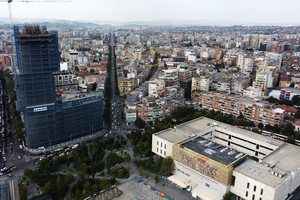
The average sale price of apartments in Tirana reaches rec...

This Thursday, one US dollar is bought for 81.5 lek and so...
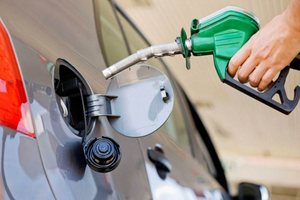
The price of diesel reached 206 lek per liter from 198 lek...

Businesses will no longer be required to simply register t...