

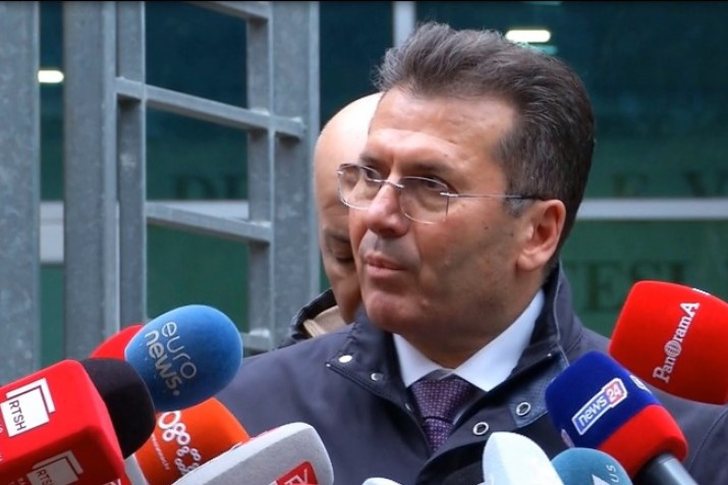
Çështja “Gërdeci”/ Sot, seanca gjyqësore ndaj ish ministrit Mediu
Sot do të zhvillohet seanca gjyqësore ndaj ish ministr...


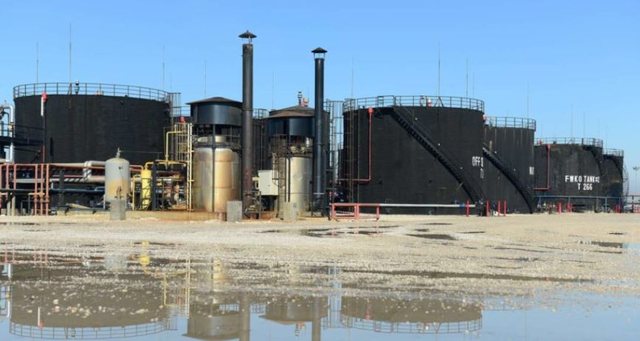
The Albanian oil refinery, ARMO, a facility inherited from the communist period for oil processing, has been dismantled for scrap in recent years, but dozens of requests from executors are still addressed to the National Business Center for blocking the company's quotas.
These days, the Fier Customs has submitted, through the bailiff, a request for seizure to the CKB against the ARMO entity.
It is about an amount of about 120 million lek (about 1.1 million euros). Records show that ARMO's debt to Fier customs was incurred as far back as 2013 and the enforcement order was issued in 2016. While the debt was incurred while the company was in operation, customs are seeking to collect it, although already the main line of ARMO, the refinery has been dismantled.
The data from the KKB show that throughout this year a series of requests from the enforcement are for the account of ARMO. Despite the situation on the ground, ARMO has an active status in the National Business Center.
In addition to customs, ARMO was on the list of large debtors in taxes with an accumulated liability of 8.4 billion lek by the end of 2020.
In 2021, over 800 company employees went on strike for almost 13 back wages. Two years ago, the bank it managed sold ARMO's assets for about 9 million euros to the company "Shijaku", which dismantled and sold it for scrap, one of the largest works of the Albanian industrial sector.
ARMO has a complicated history after the fall of communism. After being privatized in 2008, the company changed ownership many times, leaving millions of euros in debt, from salaries and employee insurance, obligations beyond taxes, customs, banks and many entities that were in business relationships.
Deep Oil Processing Plant in Ballsh started working in 1978 with two main lines: raw material processing and provision of oil by-products from a quantitative point of view and quality improvement. The plant was originally designed to have a production capacity of 1 million tons of crude oil and 250,000 tons of fuel that would come from refineries that had already been commissioned.
The Ballshi refinery at the time it was built had all the necessary modern technological plants for oil processing as well as auxiliary systems. 2,200 workers were employed in the plant before privatization and the profit amounted to about 10-15 million dollars before privatization./ Monitor magazine

Sot do të zhvillohet seanca gjyqësore ndaj ish ministr...

The Minister of the Interior, Taulant Balla, has held ...

During the January-July period of this year, 58,072 childr...

Journalist Artan Hoxha met this Thursday in Prague wit...
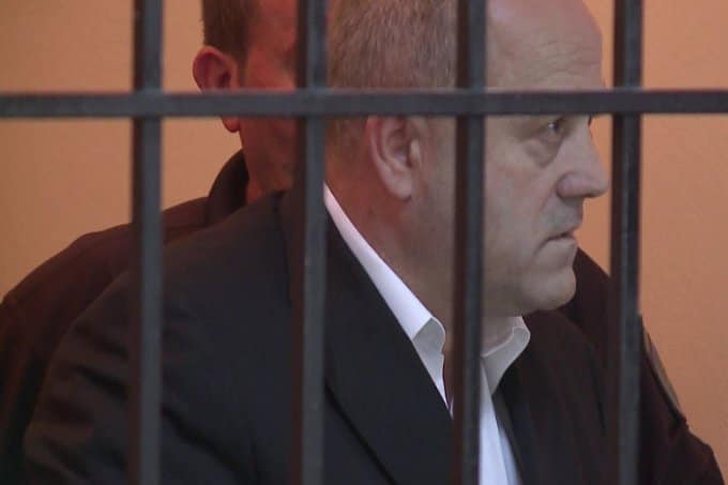
At noon this Thursday, businessman Kastriot Ismailaj, arre...
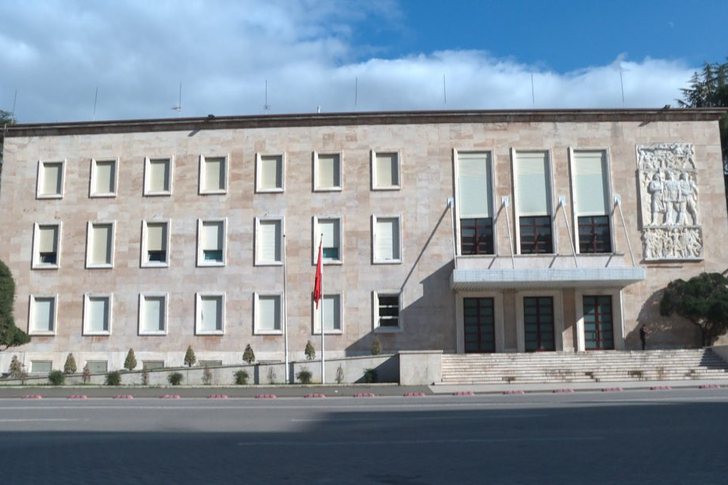
The government has decided to create a joint-stock company...

A 48-year-old resident of the village of Levan, Fier, ...
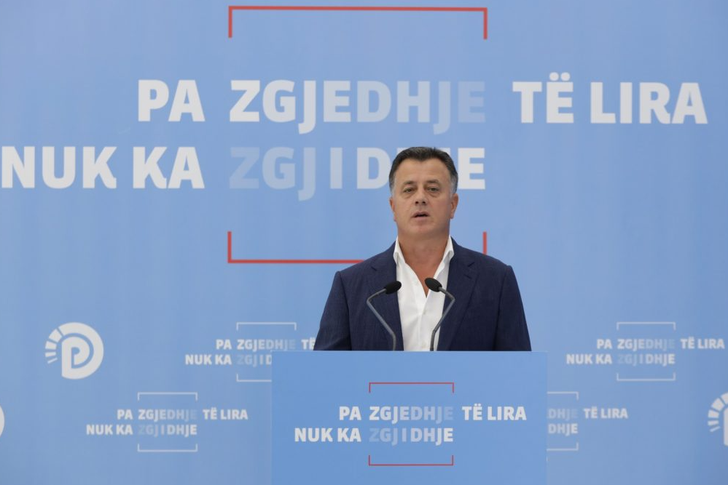
The General Secretary of the Democratic Party, Flamur Noka...
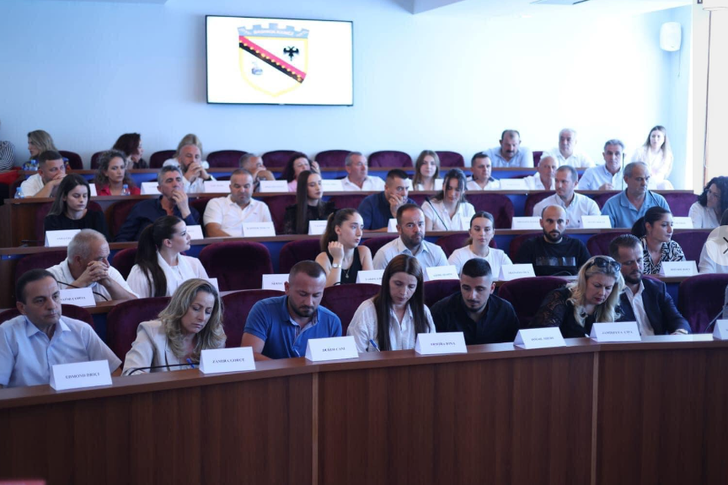
The head of the Freedom Party, Ilir Meta, says that the co...
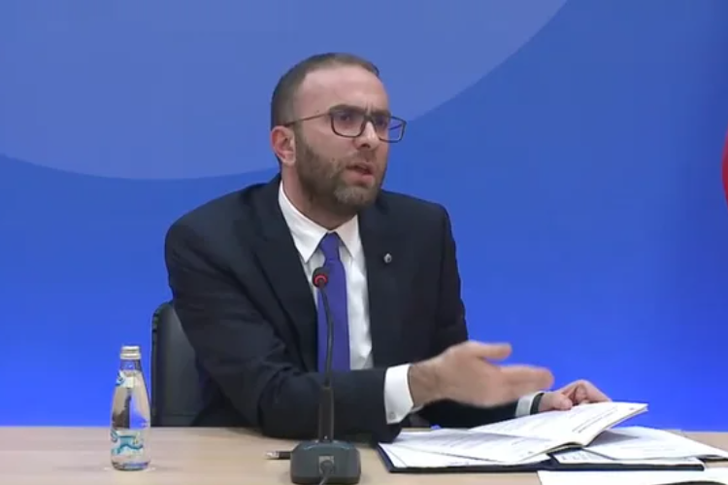
Deputy of the Democratic Party Gazment Bardhi says that he...

Deputy Gazment Bardhi has shown today that in 2020 he has ...
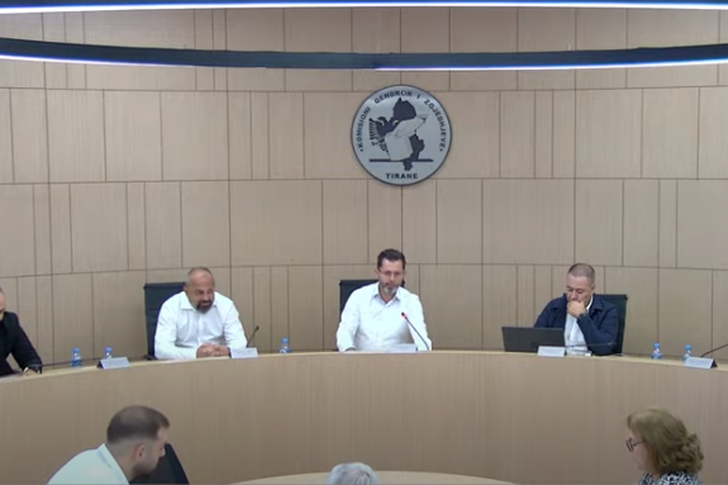
KAS rejected the opposition's request for the elections in...
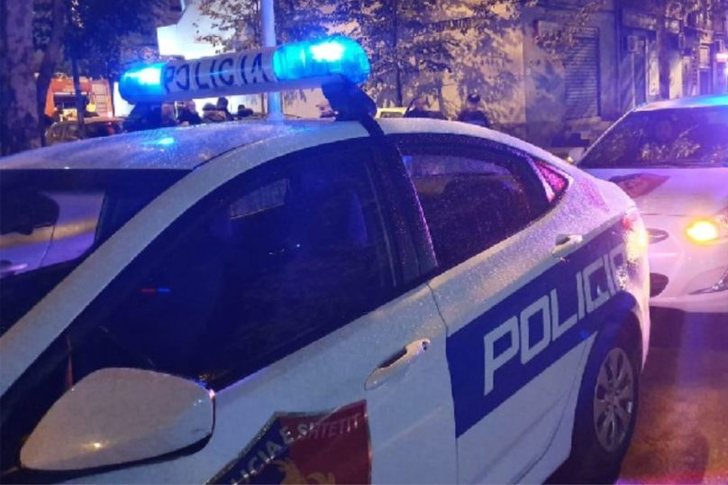
A 40-year-old man was arrested by the police after being a...
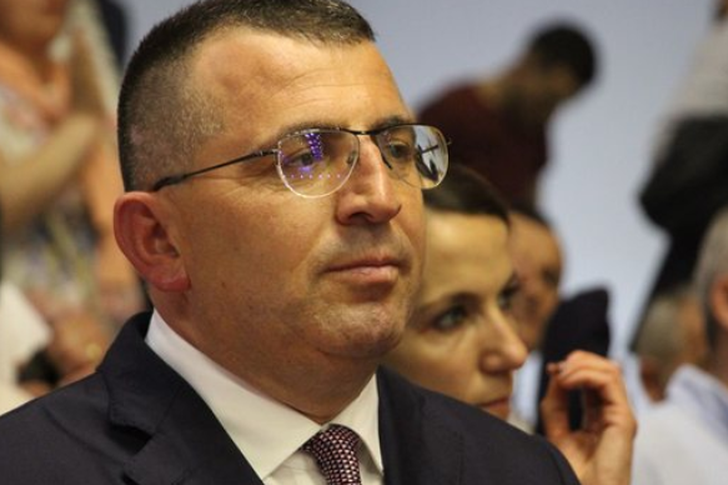
SPAK has closed the investigations against the former mayo...
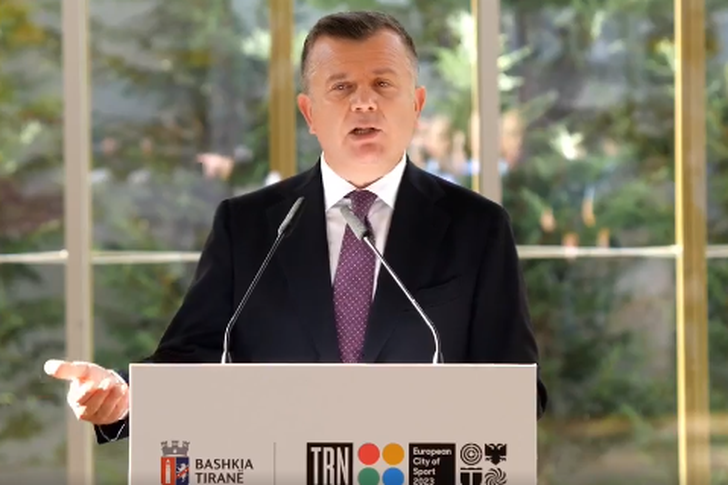
The Minister of the Interior, Taulant Balla, said that the...
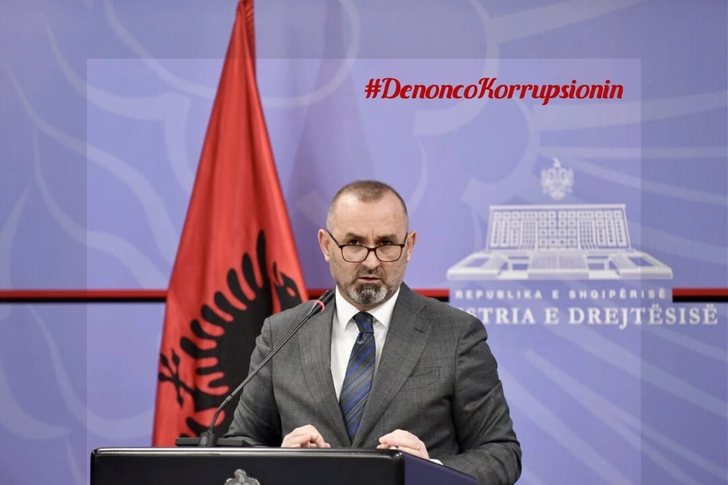
The Minister of Justice Ulsi Manja has informed that 7 emp...

The Deputy Prime Minister, at the same time the Minister o...

Prime Minister Edi Rama met today the organizers of FORMUL...

The two French tourists who were trapped in the place call...
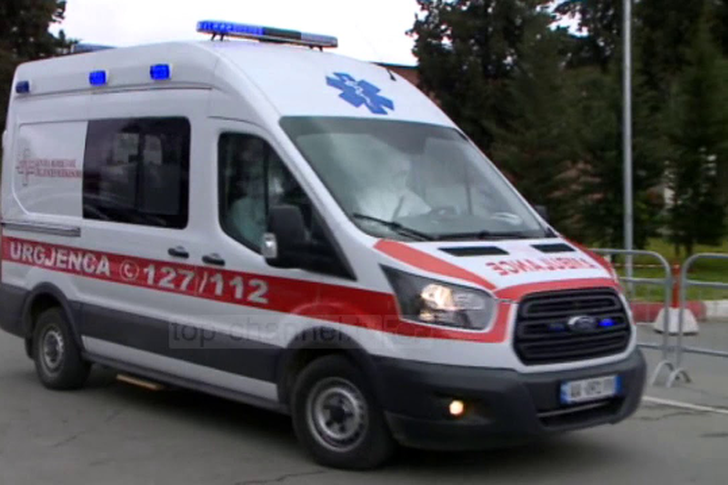
An accident happened this Thursday morning in Qaf Buall-Kr...
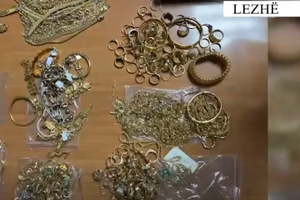
A 39-year-old citizen has been arrested in Lezha, after se...

CNA has launched another investigation that could lead to ...

Irfan Hysenbelliu is a businessman that we call "Irfan the...

In March 2026, CNA launched another investigation centered...

The Special Board of Appeal (KPA) decided this Monday ...

The KPA vetting decided this Thursday to dismiss the p...

Suela Salavaçi, a prosecutor in the Prosecutor's Offic...

The Special Board of Appeal reinstated the prosecutor ...

Several gunshots were reported today in the village of Gjo...

Following the successive operations carried out by the ope...

The Police Supervision Agency has seized the service weapo...

A serious incident occurred in Lushnje, where citizen IY, ...

As the year 2026 is in its second half, the world is exper...

Today, our country will be under the influence of stable a...

By noon, cloudiness is expected to prevail in almost all o...

Children without parental care, for whom alternative famil...
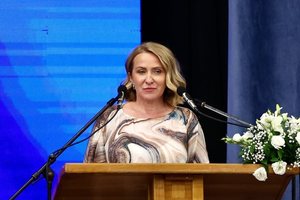
Serbia's Minister of State Administration and Local Self-G...
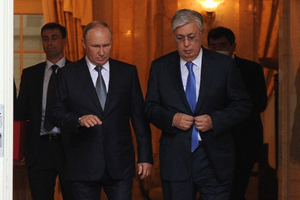
Kazakh President Kassym-Jomart Tokayev shared some critici...

Thirty-five people were killed and 30 others were injured ...

US President Donald Trump has announced that he will seek ...
Two windows, a century of history and the metaphysics of p...

In my research at the Central State Archives, specifically...

At a time when industrial products are increasingly taking...

Trust among people is not just a three-syllable word. It c...

This Saturday, one US dollar is bought for 81.7 lek and so...
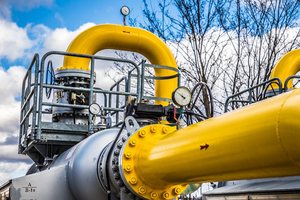
War, weather and supply disruptions could send gas prices ...
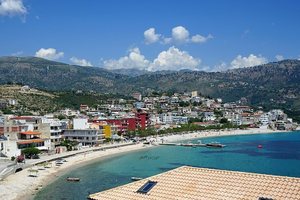
The number of active enterprises in Albania continued to g...
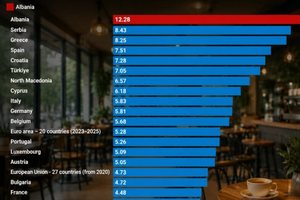
In Albania, the bar-cafe has long become an almost unique ...