


The history of the watch/ How technology advanced
The history of the watch spans thousands of years of techn...


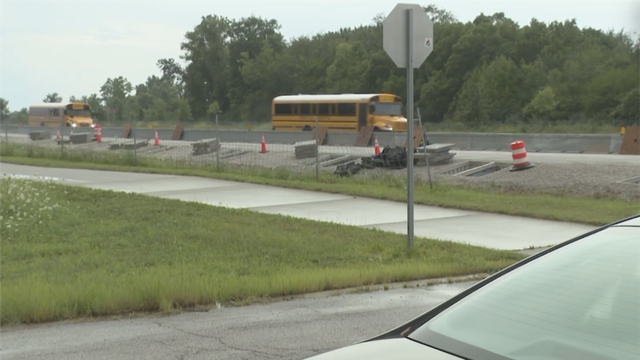
The state of Indiana is testing a stretch of road built specifically to charge electric car batteries. VOA correspondent Kane Frabaugh was in Lafayette to see firsthand how this technology is transforming the way electric vehicles are charged.
Engineers hope that the 400-meter segment on Highway 52 near Lafayette, Indiana, will be the starting point that will transform the future of electric car charging.
VOA spoke with Mr. Aaron Brovont, an electrical engineer with Purdue University.
"We are installing a prototype of a dynamic wireless power transfer system. In other words, remote charging".
The engineer explains that this technology that the team from Purdue University is developing is like wireless phone charging.
"It's basically the same idea," says the engineer, but on a much larger scale.
The cable system installed on Highway 52 aims to charge the vehicles' batteries as they travel to their destination.
"The long-term goal is for electrified highways that keep the batteries of high-tonnage trucks fully charged as they travel," says engineer Aaron Brovont.
"At the moment we are placing charging equipment in corridors with high truck traffic."
Civil engineering professor John Haddock designed and tested charging coils that go under asphalt at a Perdue University facility.
He says the trucking industry needs to adapt to this technology in order to afford the high cost of large-scale implementation. But the industry needs proof that the technology works before considering switching to electric truck fleets.
“The trucking industry needs to embrace this technology because charging ordinary electric cars alone will not be enough to finance it. Personally, from the contacts with them, this industry is ready as soon as we offer a product in which they have confidence", says Professor Haddock.
The engineer says that if these trials succeed in convincing the industry and this technology is implemented across the country, it will change the way electric cars are charged.
"If this technology was widespread everywhere, electric cars would not need very large batteries. It would reduce the price of electric cars as it is greatly affected by the high cost of batteries", says Mr. Haddock.
"Many people call it 'science fiction' becoming reality"
Blake Dollier with the Indiana Department of Transportation says he's proud to be involved in the first trial of its kind in the United States. He says he hopes drivers will no longer have to worry about charging their batteries.
"The success of this technology would reduce the driver's anxiety about the distance covered by an electric car. We hope that will be achieved," says Blake Dollier with the Indiana Department of Transportation.
"It's a huge achievement because it hasn't been done before, at least on this scale," says Professor Haddock.
Engineer Haddock believes that this technology could not only change the way a car is driven, but also who drives it, which would accelerate the development of autonomous vehicle technology.
"It has the potential to be a transformative technology. It could change the way we travel," says engineer Haddock.
The team hopes to start testing vehicles on the road in 2025./ VOA

The history of the watch spans thousands of years of techn...
"The risk of underinvestment is much greater than the ...

During the summer of 1956, a small but famous group of sch...

Telegram founder Pavel Durov under official investigation ...
On the hidden internet, known as the dark web, various act...
"Meta" has warned the campaigns of two candidates for pres...

AI leaders from around the world will gather for the third...
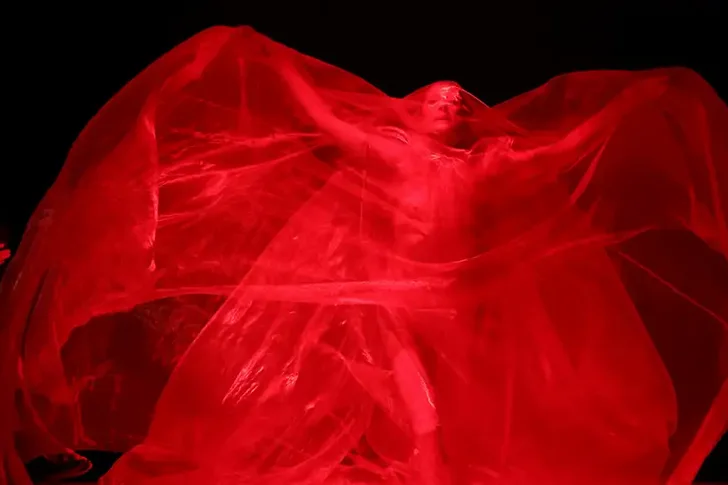
The year 2024 is already a historic year. For the firs...
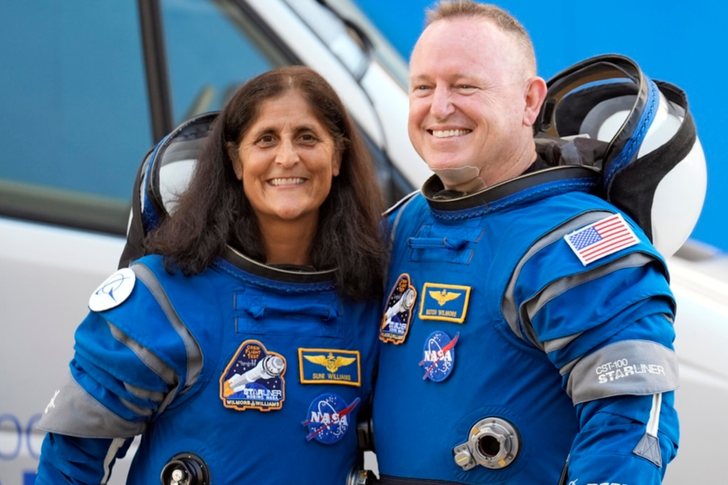
The eight-day trip of two American astronauts could tu...
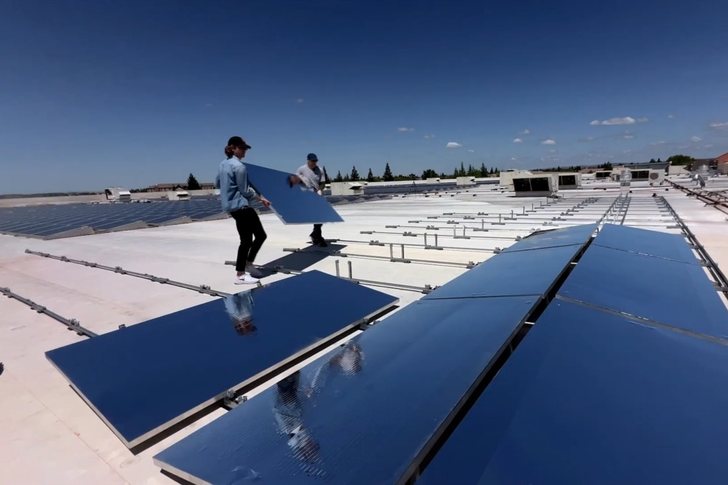
A company in California is producing a material that can a...
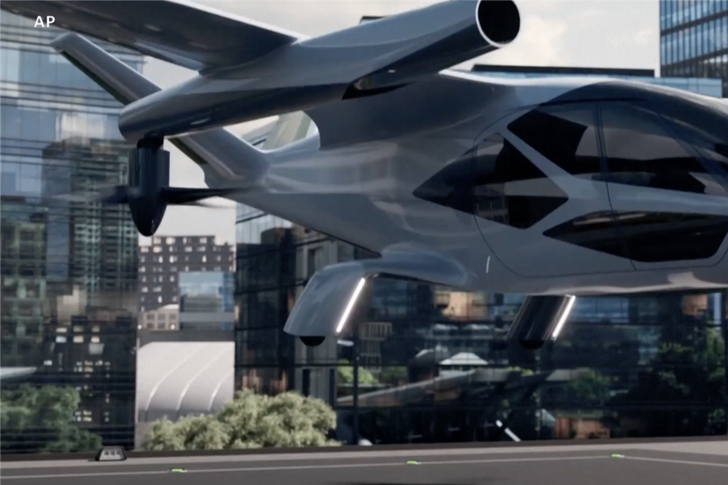
Taxi rides in the near future may be made with electric pl...
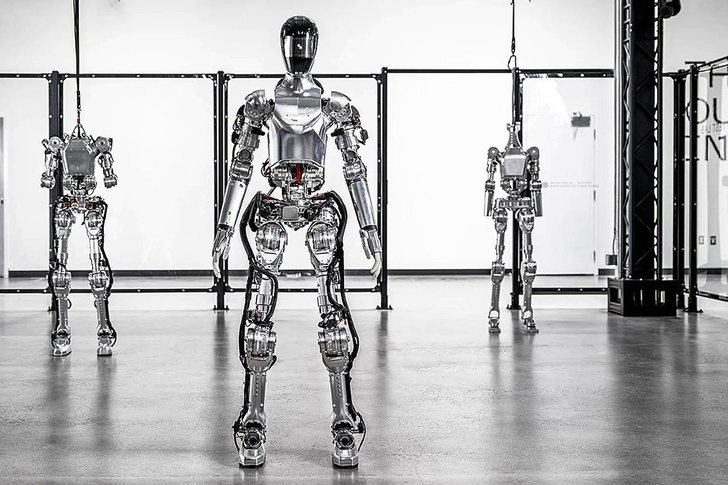
Artificial Intelligence is not just about ChatGPT, wri...
The Justice Department accused TikTok on Friday of col...

A significant part of the world faced major problems o...

Google, which has an ambitious plan against climate ch...

Images created through artificial intelligence can imi...
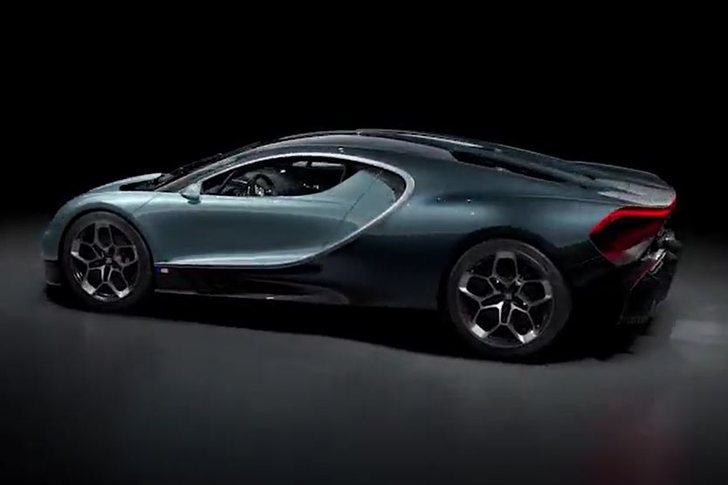
Bugatti has unveiled its new model, the Bugatti Tou...
Gjiganti i teknologjisë, Apple, do ta përditësojë aplikaci...
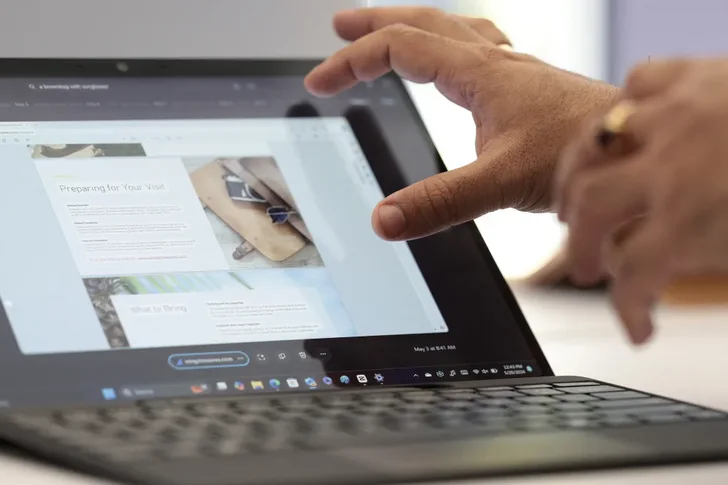
Microsoft's new Artificial Intelligence feature, calle...
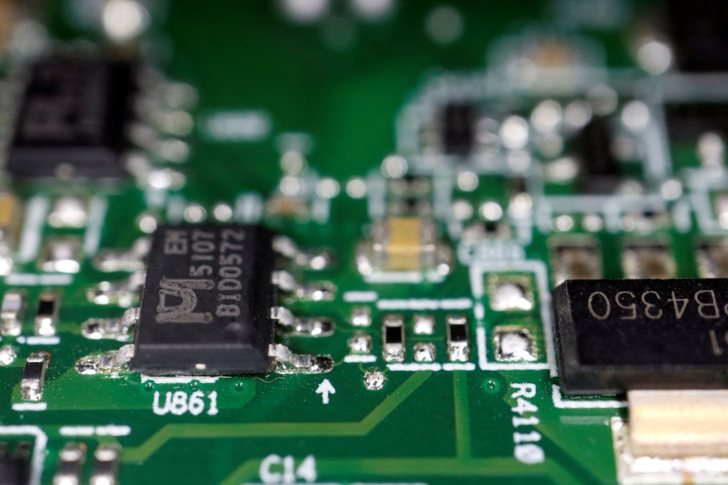
President Biden's administration last month announced a $6...

CNA has launched another investigation that could lead to ...

Irfan Hysenbelliu is a businessman that we call "Irfan the...

In March 2026, CNA launched another investigation centered...
The arrested mayor of Tirana, Erion Veliaj, with 13 charge...

The Special Board of Appeal (KPA) decided this Monday ...

The KPA vetting decided this Thursday to dismiss the p...

Suela Salavaçi, a prosecutor in the Prosecutor's Offic...

The Special Board of Appeal reinstated the prosecutor ...
A tourist has lost her life on Orikum beach, where she was...

Two people were arrested and two others were prosecuted af...

At around 08:40, in neighborhood no. 10, Korça, a "Benz" t...
New details are being learned regarding the incident that ...
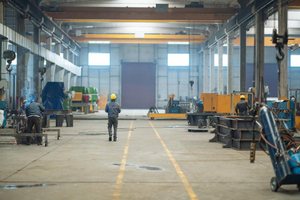
Albania has achieved a record for the employment of foreig...
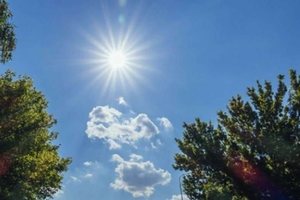
Today our country will be under the influence of relativel...
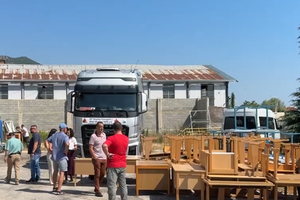
Another humanitarian aid shipment from Germany has arrived...
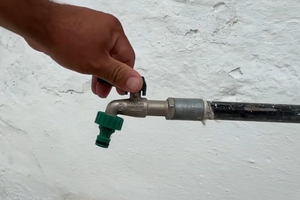
Residents of the village of Memëlisht in the Municipality ...
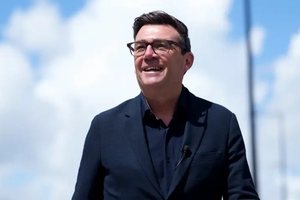
The United Kingdom's new Prime Minister, Andy Burnham, has...
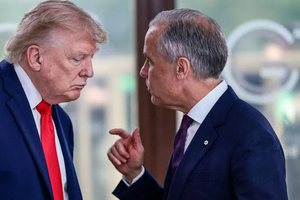
United States President Donald Trump has imposed 50% tarif...
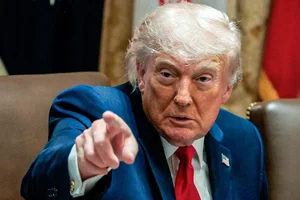
US President Donald Trump responded with harsh rhetoric to...
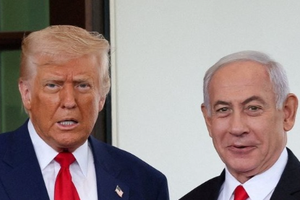
US President Donald Trump said on Monday that Israeli Prim...

At a time when industrial products are increasingly taking...

Trust among people is not just a three-syllable word. It c...

Master of humor Todi Llupi has passed away at the age of 7...
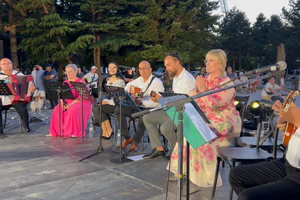
The ninth edition of "MIK Festival" kicked off with one of...

The new draft law "On the Bank of Albania" provides that t...
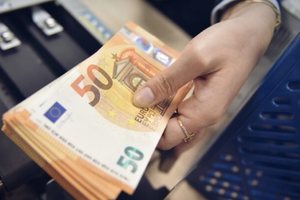
This Tuesday, one US dollar is bought for 81.2 lek and sol...
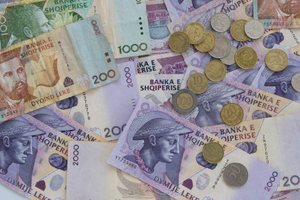
Deputy Minister of Economy and Innovation, Enkelejd Musabe...
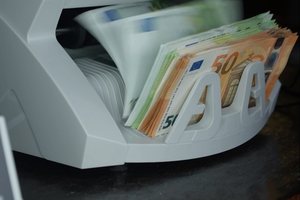
This Monday, one US dollar is bought for 81 lek and sold f...