

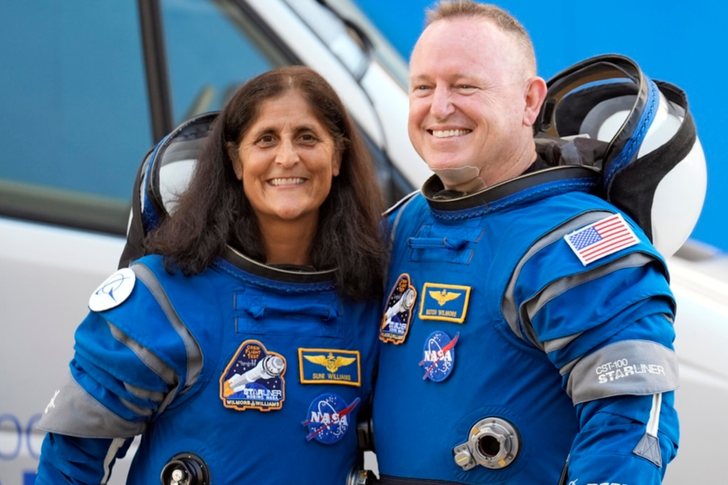
Problems with the "Starliner" probe/ The return of two astronauts to earth may be delayed until 2025
The eight-day trip of two American astronauts could tu...



The year 2024 is already a historic year. For the first time in the history of the Miss World beauty pageants, a computer-generated beauty queen was chosen this year. The world's first Miss Artificial Intelligence, AI is virtual influencer Kenza Layli, who won the competition against 1,500 other virtual contestants. The fictional Miss in a golden hijab was created by Myriam Bessa, founder and head of Moroccan IA agency Atelier Digital. She was announced as the winner on July 8 by the World Association of AI Creators Awards (WAICAS).
Are real models coming to an end soon? Even if this question cannot be definitively answered, one thing is certain: AI is revolutionizing the fashion industry. Spanish fashion brand Mango shows where it's going. For the new collection "Sunset Dream" no more real models appeared in front of the camera. Only the clothing in the photo is actually designed on the models of Artificial Intelligence. Mango's campaign was not the only innovation in this sector. Last year, it was the Levi's brand that grabbed media headlines with virtual models and a collaboration with Dutch startup Lalaland, which produces AI models for e-commerce.
"Artificial intelligence is causing tremendous change in the fashion industry," writes Max Dewood of US marketing agency Reverb, which specializes in AI. "Brands such as Zara, H&M, Nike, Levi's ASOS and Burberry are demonstrating how AI it's already being used to identify and leverage trends, improve customer care, optimize search and personalize shopper behavior."

Only one brand is deliberately refusing to follow the trend: Dove. In an announcement in May this year, the company, which is part of the British Unilever group, promises "to never display AI images of real women and never use digital fakery to show unrealistic, distorted looks and beauty flawless 'perfect' made possible by the use of image processing."
Reason: In a study conducted by the group entitled "The Real State of Beauty: A Global Report" it is proven that AI models and AI influencers put pressure especially on women and young girls with their perfect appearance. For example, most 14- to 17-year-old girls agreed with the statement, "Plastic surgery helps you feel more comfortable in your body." Approval rates were particularly high in Brazil (70%) and China (57%).
About 33,000 people in 20 countries were surveyed for the study. This included 14,000 women and 4,000 men aged 18 to 64, and 9,500 girls and 4,700 boys aged ten to 17.
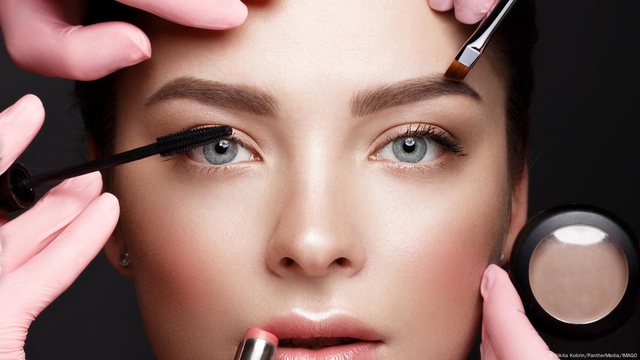
Men and boys are also under pressure to optimize their appearance. 79 percent of men and 74 percent of boys said they didn't think their bodies were muscular enough. On average worldwide, 68 percent of men and 59 percent of boys said they felt pressured to look more attractive.
Brazilian activist Beta Boeschat, who worked on this study, confirms that there is a growing general dissatisfaction with appearance. "The more tools available to change our appearance, the more the pressure increases to achieve the digital ideal of beauty physically and in reality," she told DW.
She sees proof of this in the growing number of cosmetic surgeries around the world. Surgical intervention has now become more affordable and easier. "It increases the pressure to optimize yourself not only for women, but also for men," says Boechat.
Helmut Leder, professor of empirical aesthetics in the psychology department at the University of Vienna, also expressed concern to DW about the pressure arising from the gap between ideals of digital beauty and the real world. "This is a very dramatic problem," says Leder.
He clarifies: "Artificially produced faces are of skin perfection, perfectly proportioned and almost all correspond to a general ideal of beauty." According to the psychologist, "in a world in which we are not faced with real people, but with many artificially decorated faces, the individual desire to be attractive and beautiful is very great."
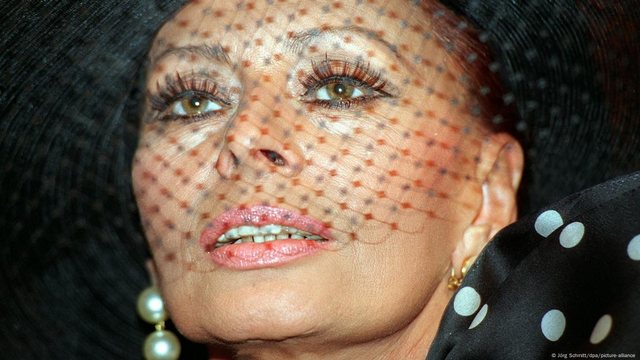
For artificial beauty developer Milla Sofia, virtual models aren't some big drama, but examples of social transformation fueled by artificial intelligence. On their website, they let the virtual model speak for herself trying to remove concerns about digital beauty. "The beauty filters popular on social media have increased the pressure on appearance," he says. "With AI, changes are simply easier; they are just another step in the already existing trend towards self-optimization." While British beauty expert Sally-Ann Fawcett sees the AI ??revolution in the fashion industry as an opportunity for more female presence. The author was a member of the jury at the competition of beauty "Miss IA 2024". "In the 70s, most beauty pageants were organized by men," she told Time magazine. "Now 95 per cent of all beauty pageants in Britain are run by women.
Activist Beta Boechat, on the other hand, fears a rollback of the "body positivity movement", which has campaigned for the removal of unrealistic and discriminatory beauty ideals for decades. Activists are finding this out now, she told DW. "AI is reaching society at a very sensitive moment," notes Boechat. "Aesthetic demands are increasing and movements against the power of the cult of the body have weakened"./ DW

The eight-day trip of two American astronauts could tu...
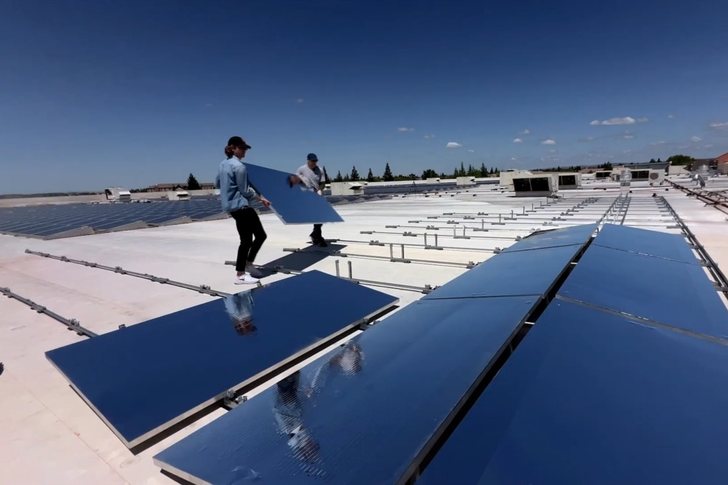
A company in California is producing a material that can a...

Taxi rides in the near future may be made with electric pl...
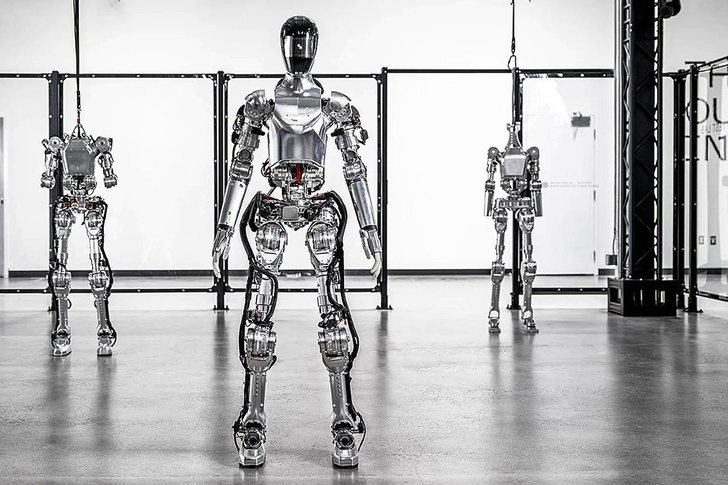
Artificial Intelligence is not just about ChatGPT, wri...

The Justice Department accused TikTok on Friday of col...
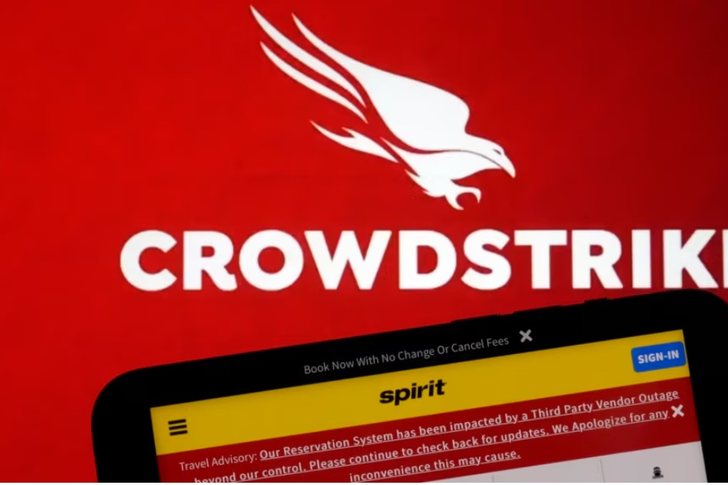
A significant part of the world faced major problems o...

Google, which has an ambitious plan against climate ch...

Images created through artificial intelligence can imi...

Bugatti has unveiled its new model, the Bugatti Tou...

Gjiganti i teknologjisë, Apple, do ta përditësojë aplikaci...
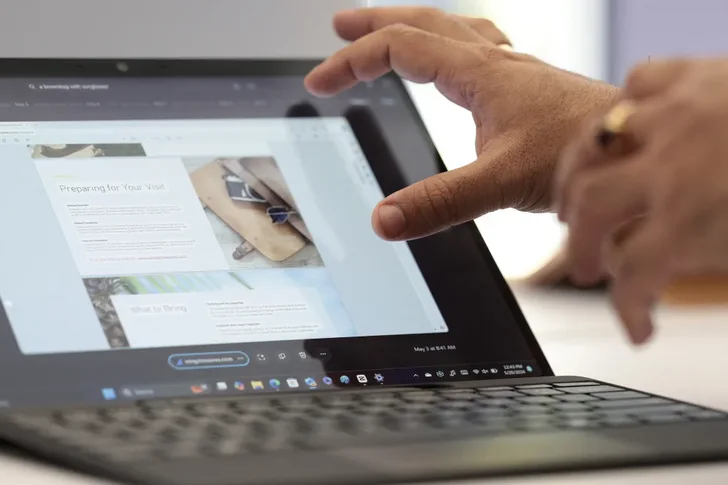
Microsoft's new Artificial Intelligence feature, calle...
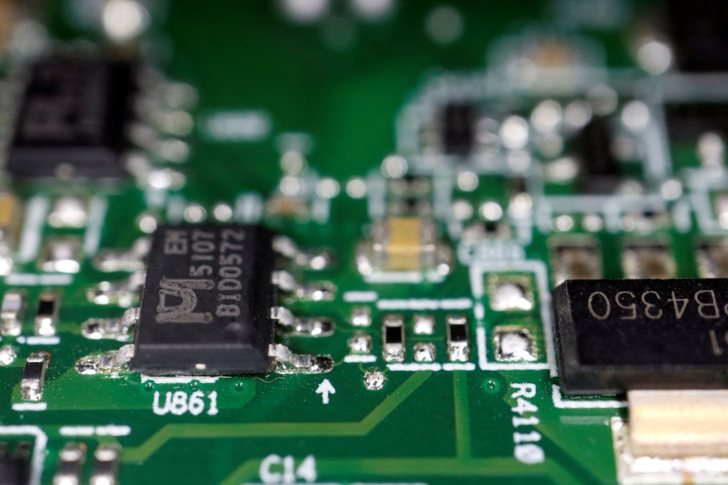
President Biden's administration last month announced a $6...
Google announced on Tuesday, May 14, that it will use arti...

One of the most popular apps for short and precise videos,...

Starlink is one of the main services for connecting the In...

A revolutionary change is coming to Apple's iPhone and iPa...
A chilling revelation shows just how vulnerable today's di...

Instagram announces major changes to its ranking algor...
In June of this year, a new social network, "Nospace",...
Ofcom has warned that social media sites could be banned f...

CNA has launched another investigation that could lead to ...

Irfan Hysenbelliu is a businessman that we call "Irfan the...

In March 2026, CNA launched another investigation centered...
The arrested mayor of Tirana, Erion Veliaj, with 13 charge...

The Special Board of Appeal (KPA) decided this Monday ...

The KPA vetting decided this Thursday to dismiss the p...

Suela Salavaçi, a prosecutor in the Prosecutor's Offic...

The Special Board of Appeal reinstated the prosecutor ...

A tourist has lost her life on Orikum beach, where she was...

Two people were arrested and two others were prosecuted af...

At around 08:40, in neighborhood no. 10, Korça, a "Benz" t...

New details are being learned regarding the incident that ...

Albania has achieved a record for the employment of foreig...

Today our country will be under the influence of relativel...

Another humanitarian aid shipment from Germany has arrived...

Residents of the village of Memëlisht in the Municipality ...

The United Kingdom's new Prime Minister, Andy Burnham, has...

United States President Donald Trump has imposed 50% tarif...

US President Donald Trump responded with harsh rhetoric to...

US President Donald Trump said on Monday that Israeli Prim...

At a time when industrial products are increasingly taking...

Trust among people is not just a three-syllable word. It c...

Master of humor Todi Llupi has passed away at the age of 7...

The ninth edition of "MIK Festival" kicked off with one of...

The new draft law "On the Bank of Albania" provides that t...

This Tuesday, one US dollar is bought for 81.2 lek and sol...

Deputy Minister of Economy and Innovation, Enkelejd Musabe...

This Monday, one US dollar is bought for 81 lek and sold f...