


The race for regional police chiefs ends, the ranking of candidates / The three names that top the list
The evaluation process for candidates who intend to take o...

The evaluation process for candidates who intend to take o...

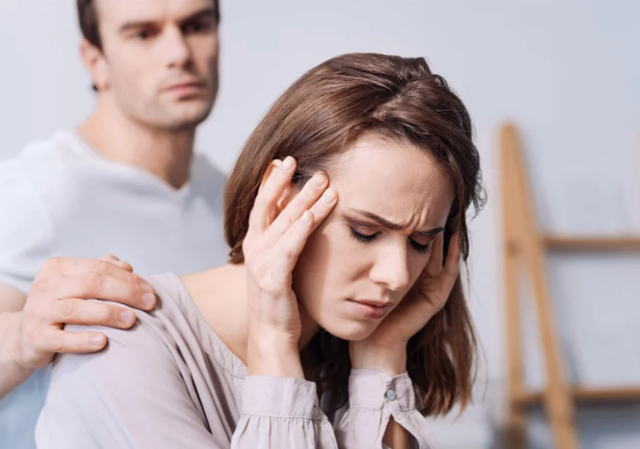
Although headaches occur equally in boys and girls until puberty, the discomfort seems to persist more in women as they get older, with factors such as hormones and menopause causing them.
About 800 million people worldwide suffer from headaches and migraines, according to the US National Institute of Neurological Disorders and Stroke. People who suffer from migraines and headaches experience a severe throbbing pain, usually on one side of the head. The pain may also be accompanied by nausea, vomiting and extreme sensitivity to light or sound. Such a crisis can last hours or days and to be relieved, isolation in dark, quiet rooms or with sedatives is required.
These headaches are more frequent and more intense in women. More specifically, women are 2 to 3 times more likely to suffer from headaches than men.
Headaches are most common in women ages 15 to 49, while migraines are more likely to occur during the productive decade around age 30.
In fact, many studies show that women's migraines are more frequent, more damaging and aggravating and last longer than men's migraines. In addition, women are more likely to seek medical attention and prescription drugs to manage pain. Therefore, women who suffer from migraines also tend to have more mental health problems, including anxiety and depression.
However, although decades ago, these headaches were attributed to women's inability to cope with stress, constituting, as many believed, a kind of hysteria, now experts have begun to discover the factors that cause this annoying phenomenon. Although female hormones are the most obvious culprit, other factors may also play an active role.
The role of estrogen
There are several factors why men and women experience migraine attacks differently. These include genetics, how certain genes are turned on or off, and the environment, all of which play a role in shaping the brain's structure, function, and adaptability when it comes to migraines.
So during childhood, both boys and girls are equally likely to experience migraines – with around 10% of all children experiencing them at some point. However, adolescence begins to differentiate this phenomenon.
Some girls experience their first migraine around the time of their first menstrual cycle, with headaches becoming more frequent and severe during a woman's reproductive years. This is mainly due to the fluctuating levels of female sex hormones associated with puberty.
More specifically, estrogen and progesterone, through different mechanisms, play a critical role in the regulation of many biological functions. They affect different chemicals in the brain and contribute to functional and structural changes in specific areas of the brain, leading to the development of migraine.
Migraine during pregnancy and menopause
For pregnant women, migraines can be even worse during the first trimester, a time when morning sickness is common. Also, lack of sleep, proper nutrition and hydration can make migraines more likely.
In addition, migraine attacks may increase during perimenopause, a woman's transition phase to menopause. Again, fluctuating hormone levels, especially estrogen, are the main culprits as they, along with chronic pain, cause the depression and sleep disturbances that can occur during this time.
The good news is that migraines generally tend to decrease during pregnancy. For some women, they even disappear as the pregnancy progresses. Therefore, as menopause progresses, migraines decrease and in some cases disappear completely./ CNA

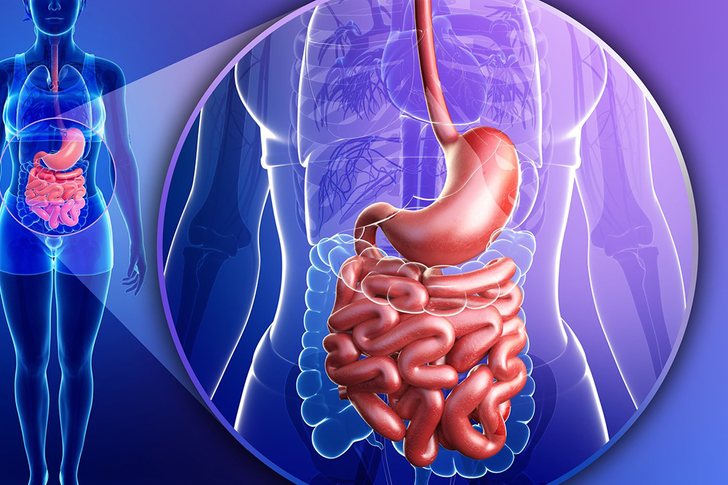
Slow and difficult digestion, also called indigestion,...
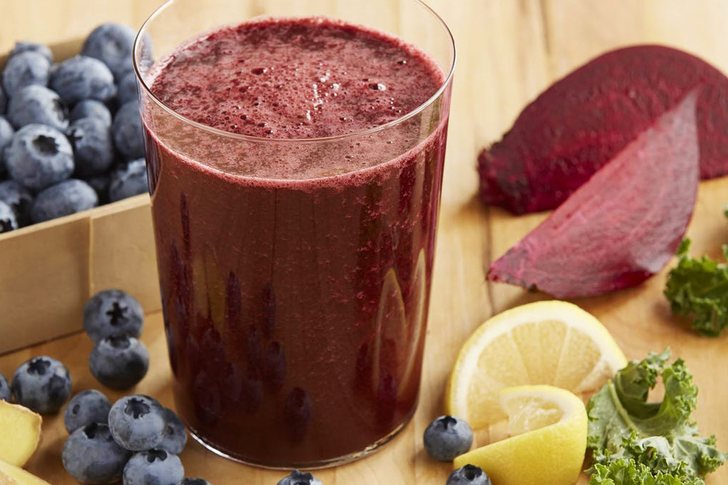
Indigestion and bloating are really uncomfortable and ...
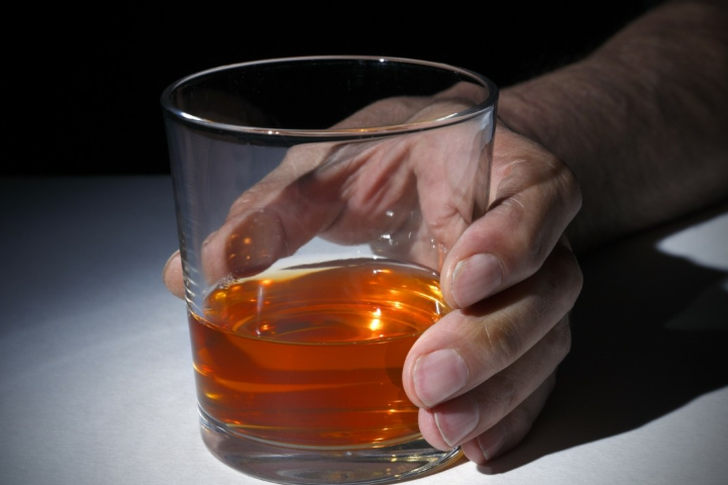
Konsumimi i tepërt i alkoolit është padyshim i dëmshëm për...
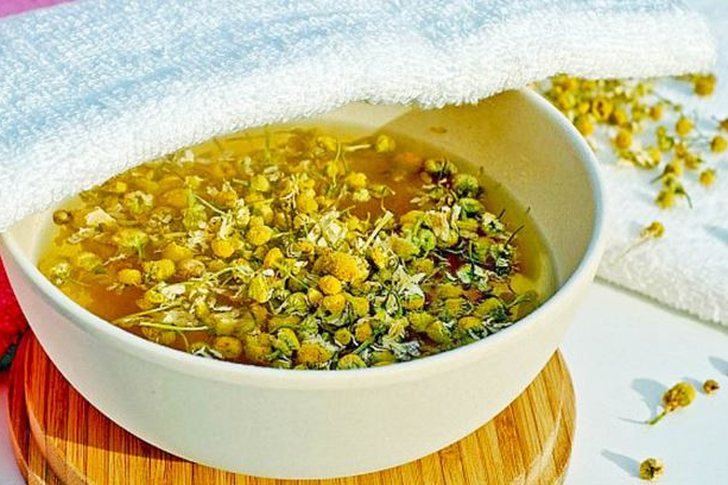
The uses of steam therapy date back to the time of anc...
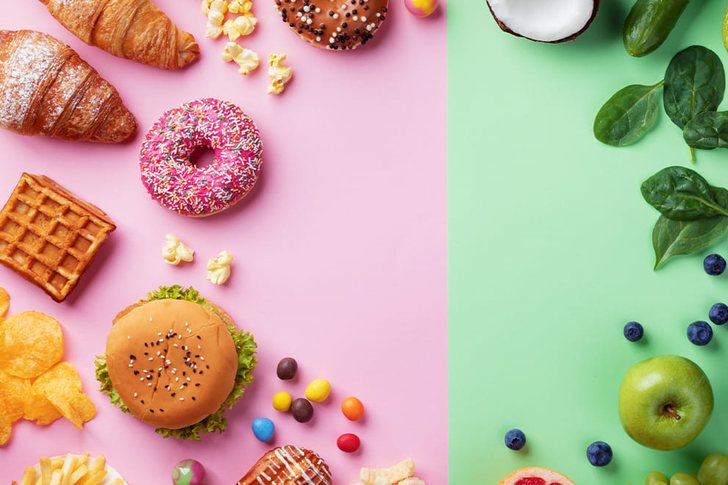
Some foods promote inflammation and cause discomfort and d...
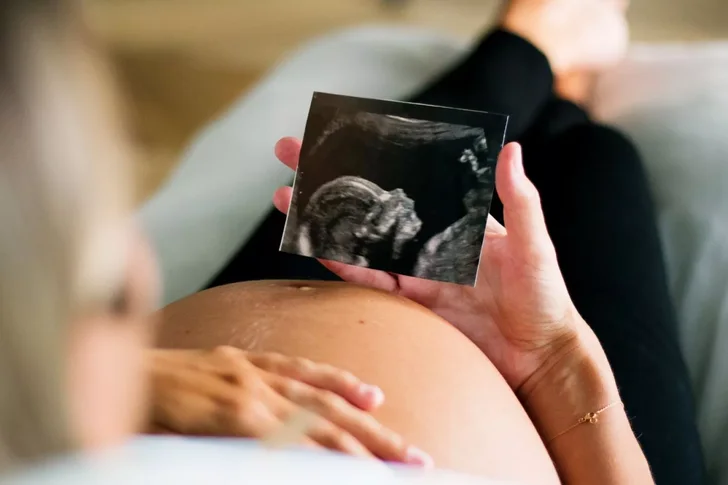
The acne medication isotretinoin is known to cause bir...
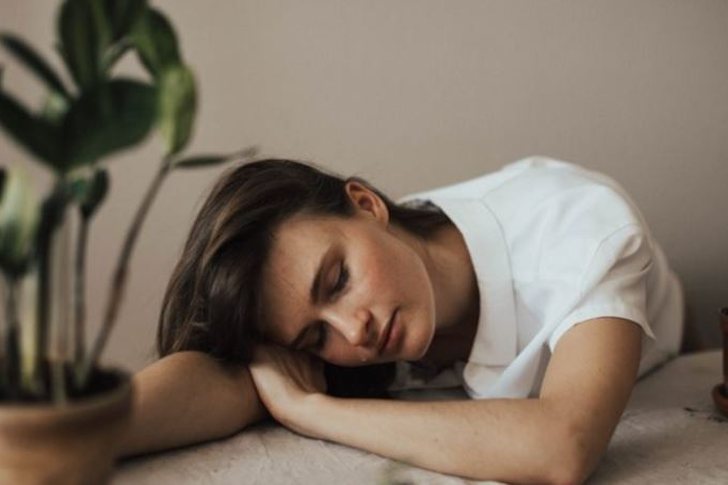
Diabetes is a serious disease that endangers human hea...
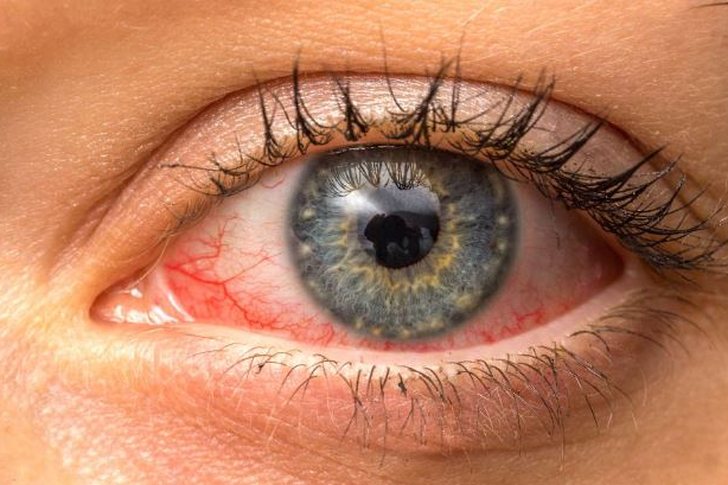
Dry eye is a health problem that affects many people i...
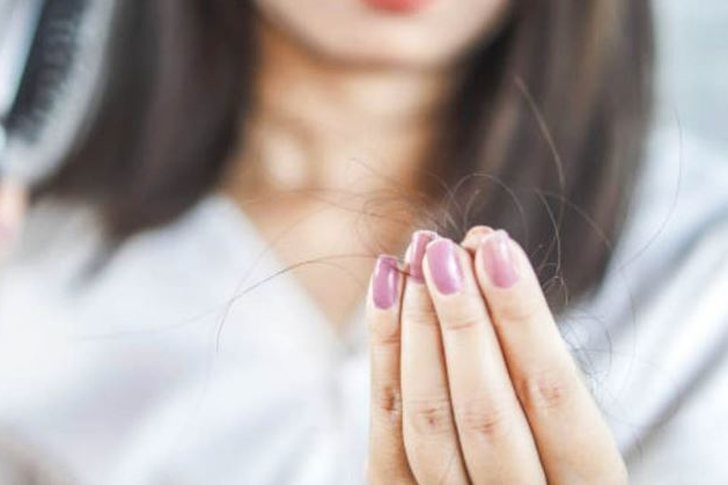
The good health of the organism is undoubtedly reflect...
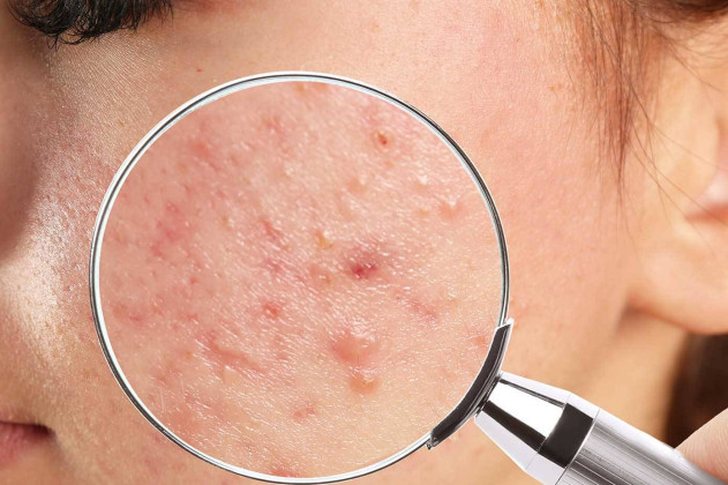
Acne is a complex inflammatory and infectious skin conditi...
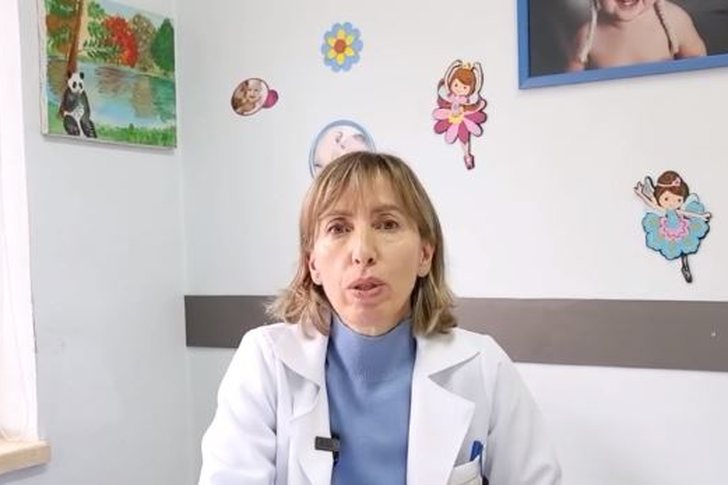
Ministrja e Shëndetësisë dhe Mbrojtjes Sociale, Albana Koç...
In general, the indoor air in the home, office contain...
Pirja e vetëm një pije energjike në muaj mund të rrisë...
Experts in healthy nutrition always emphasize the impo...
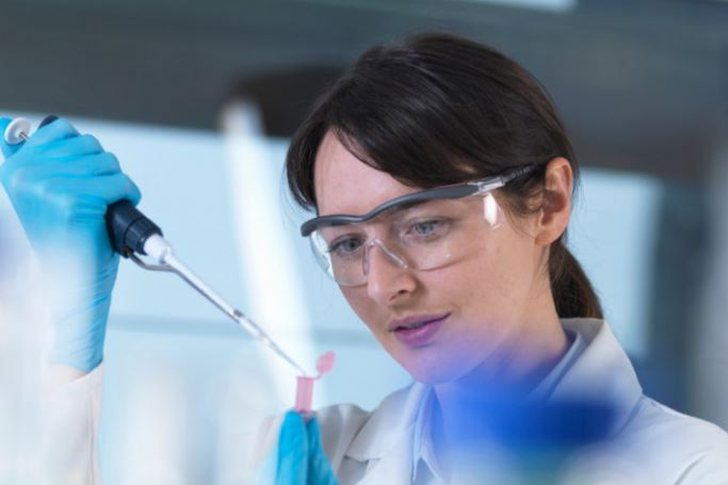
A new, accurate method for detecting Alzheimer's disea...

Every man over the age of 50 should do some planning f...
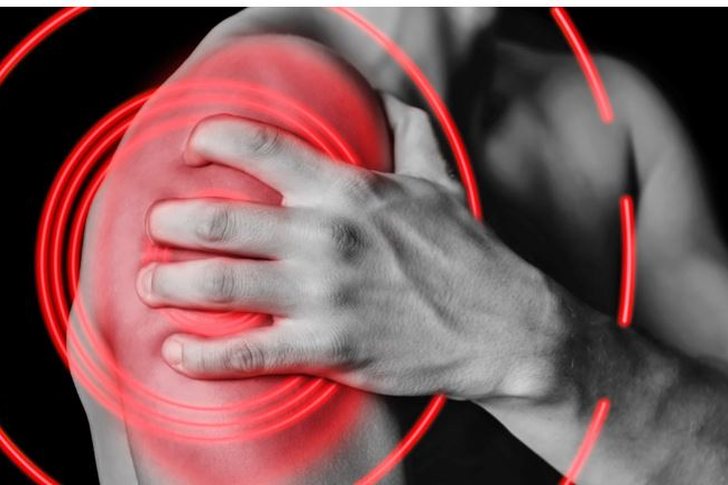
Muscle pains are often associated with body strain dur...
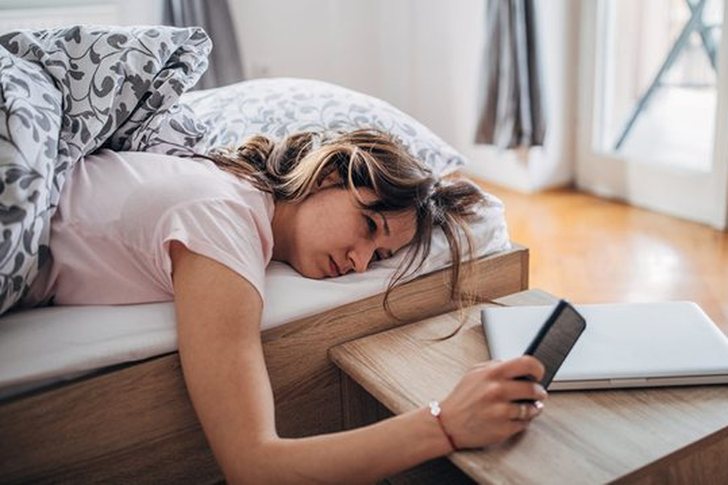
Many people complain that they have problems with chronic ...
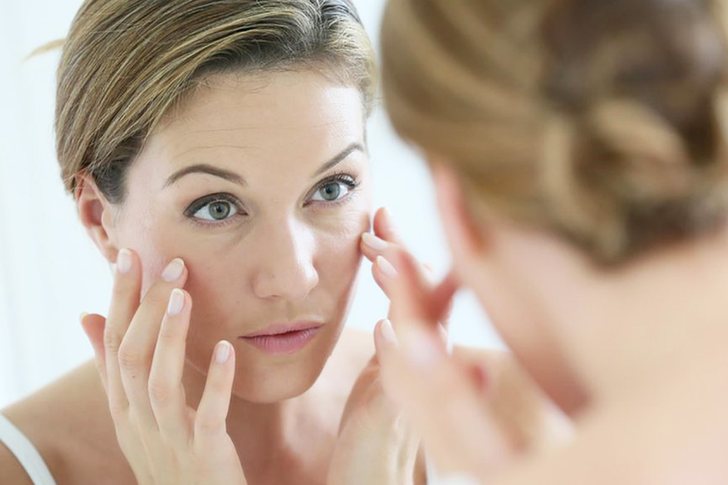
Sleep is very important for health, but also for beaut...

The Wall Street Journal reports that a Chinese laboratory ...

Irfan Hysenbelliu claims to be a big businessman, an hones...

The murder of officer Enea Mekolli in the line of duty has...

The next case broadcast on the show "Stop", this Thursday,...

The case published this Thursday, June 4, on the show "Sto...

The Special Board of Appeal (KPA) decided this Monday ...

The KPA vetting decided this Thursday to dismiss the p...

Suela Salavaçi, a prosecutor in the Prosecutor's Offic...

The Special Board of Appeal reinstated the prosecutor ...

An accident occurred this Saturday morning at Shkëmbi i Ka...

A TNT explosion occurred in Lezha in the early hours of th...

A massive brawl was recorded on Friday evening in Saranda,...

A 38-year-old man was arrested today near the Kamza turnof...

Albanians are officially the hardest working people in Eur...

This Saturday will be characterized by mostly clear weathe...
Today our country will be affected by stable weather condi...

For many children and teenagers, the long summer holidays ...

Millions of Europeans still apply for jobs without knowing...

Following the Covid-19 pandemic, the World Health Organiza...

Leaders of the European Union and Western Balkan countries...

On the eve of the EU-Western Balkans summit, Germany and F...

Korça is ready to open the summer season with one of the c...

Two years after his passing, the renowned Korçë poet Skënd...

The Ethnographic Museum of Berat has opened its doors to v...

The story of Harilla Bakalli is one of the most chilling t...

This Saturday, one US dollar is bought for 81.4 lek and so...

Despite years of efforts at regional cooperation and free ...

Albania is the country with the highest level of severe ma...

This Friday, one US dollar is bought for 81.3 lek and sold...