

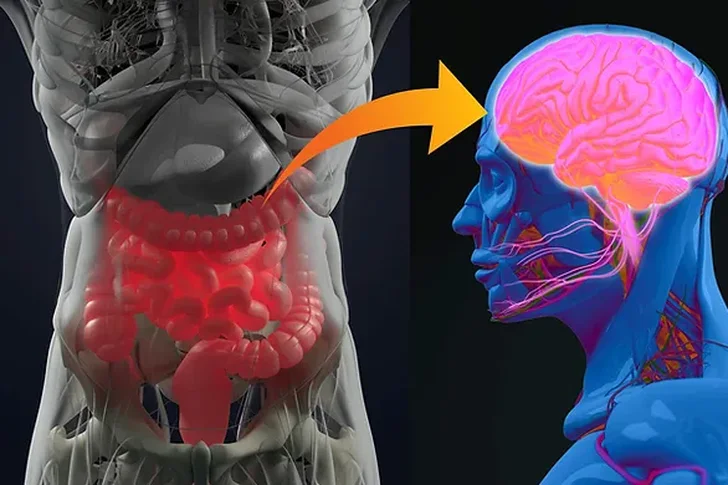
How stress affects the digestive system
It is a fact that for busy people, stress is an inevitable...


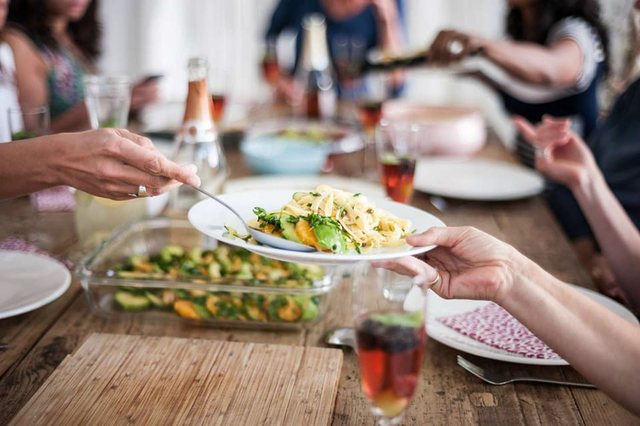
We all like vacations, picnics, eating out, etc., but not infrequently we and our family members suffer the consequences of food-borne illnesses.
In 1991, my hygiene professor said that there is a general rule that no food should be left out of the refrigerator for more than four hours in total, and that rule has not changed.
Below I am listing some of the questionable food that is served outside:
Hamburgers
Undercooked meat puts you at risk for potentially life-threatening illness from a subtype of E. coli bacteria.
Cooking hamburgers requires an internal temperature of at least 160 degrees to kill E. coli. A professional chef knows this, but are all chefs who serve on beaches professional?
wrong conceptions
Topping your burger with a handful of raw lettuce can set the stage for food poisoning. Seeds and grains need warm, moist conditions to grow, which are also ideal conditions for the growth of bacteria, including Salmonella, Listeria and E. coli. Even home-grown vegetables grown under sanitary conditions can produce harmful bacteria because the seeds are known to be contaminated.
If you're putting slaw in a salad or sandwich/burger, consider sauteing it first, slaw can easily harbor bacteria and when it mixes with moisture, the risk of food poisoning multiplies.
Caesar salad
Eating a Caesar salad can make you sick if the dressing is made the traditional way - with raw eggs that are often contaminated with salmonella, a highly dangerous bacteria that causes serious infections in the digestive tract.
It is recommended to thoroughly cook the eggs as well as wash all equipment that comes into contact with the eggs and your hands with hot soapy water.
Leafy green salads
After ordering a delicious dish of green salad, arugula, kale, spinach, etc., you should consider the hygienic habits of the person who prepared it. I learned from the chefs that even in 4-5 star restaurants, the salads are washed in a simple container by dipping in it.
There are several ways greens can be contaminated: on farms from organic manure or irrigation with contaminated water, when a sick person prepares a salad without washing his hands; and from cross-contamination at home (for example, using the same cutting board for raw meat and salad preparation). Wash the greens before eating by placing them in a large colander under your faucet, leaf by leaf.
Sea fruits
A summer trip to the coast always includes a stop at a restaurant, and often the order has raw seafood, crudo.
Consume with caution: Vibrio parahaemolyticus and Vibrio vulnificus can infect you if you eat raw shellfish, especially mussels, oysters, etc.
Ice creams
It sounds like a delicious treat, but ice cream can contain Salmonella, Escherichia coli, Listeria and more.
A good part of intoxications in the emergency room, including the pediatric one, come after the consumption of an ice cream.
Melons
Melon has been linked to Listeria outbreaks and watermelon can also cause problems. Listeria has been traced to some farms in Europe and the US.
Unlike other microbes, Listeria can grow at refrigerator-level temperatures.
Since germs live on the outer rind, rinse the entire melon or watermelon under running water and scrub with a produce brush before cutting. Cutting into contaminated skin can spread bacteria from the outside of the fruit to the inside.
chickens
Chicken is usually contaminated with salmonella and must be cooked thoroughly to kill the germs. Use a food thermometer when cooking meat and chicken to make sure you've heated them to a safe temperature. Chicken should be cooked to an internal temperature of 165 degrees and stored before consumption at 140 and 145 degrees.
tomatoes
Tomatoes are super healthy and can be tossed in salads or sliced ??into burgers. But because they are not cooked (which generally kills bacteria), they have been linked to foodborne infections.
It is important to wash your tomatoes thoroughly under running water, discard any suspicious, bruised or spoiled tomatoes.
egg
The risk of salmonella is higher in eggs, especially when they are not kept at the right temperature. Salmonella can live both inside and on the eggshell, and the egg can look perfectly normal.
But even if the eggs are safe, the health and habits of the person who cooks them are very important.
Pasta salad
Staphylococcal aureus is a type of bacteria found mainly on skin and hair and can cause food poisoning when a person preparing a dish contaminates it, so it is very important that chefs wear hats that collect all hair.
It is most common in foods that require handling but not cooking, such as pasta salad. Some strains of Staphylococcal aureus are capable of producing a highly heat-stable protein toxin, and unlike some germs that can take up to two weeks to cause symptoms, S. aureus can make you sick within 6 hours and sometimes even within minutes.
Leftover foods
Excess foods should also be handled properly. After everyone has eaten, place leftovers in the appropriate hot or cold environment. Left out food becomes a problem because it enters the temperature danger zone, the zone in which bacteria replicate rapidly.
Calculate how many hours the food has been out of the fridge in general. If it's close to or more than four hours, then throw it in the trash, never consume it. Better to waste food than your health.
Don't risk getting sick.
Roasted meat
Although most of summer's food hazards come from germs that cause food poisoning, here's one you may not have considered: Grilling meat has been shown to form cancer-causing substances, according to the American Institute for Cancer Research ( AICR). Studies have also shown that one of the potential cancer-causing substances can be reduced when meat, poultry or fish are marinated for at least 30 minutes in a mixture of vinegar, lemon juice or wine with herbs and spices. Cooking meat at a low temperature can often help reduce the formation of cancer-causing substances.
Potato salad
When you see potato salad on a table, you can probably assume that it is safe to eat: when the potatoes are cooked by the time they are consumed.
Spores of Clostridium botulinum - the group of bacteria that causes botulism - can survive the potato baking process. Leaving cooked potatoes wrapped in foil at room temperature creates perfect conditions for those spores to germinate and grow and release their deadly toxin.
I in no way want to scare you away from enjoying eating out, just be aware.
Take care of yourself!

It is a fact that for busy people, stress is an inevitable...
The Minister of Health, Ogerta Manastirliu is conducting i...
Esophageal cancer tends to be labeled now as a "silent kil...
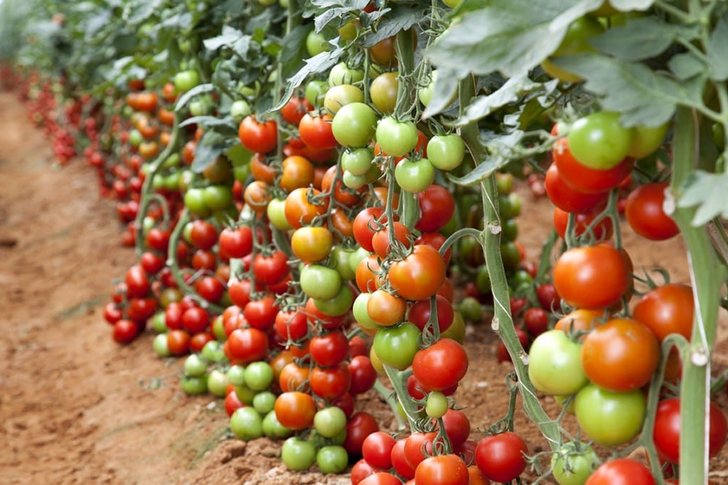
Tomatoes are a major dietary source of lycopene, an antiox...

The widespread use of mobile phones in recent decades has ...

When it comes to lowering blood pressure, studies have usu...

Ministrja e Shëndetësisë dhe Mbrojtjes Sociale Ogerta Mana...

In the Scientific Forum on 'Effective investments in surgi...
Endocrinologist Florian Toti has spoken about the negative...

The Minister of Health and Social Protection, Ogerta Manas...

Cardiologist Indrit Temali has stated that according to a ...

An endocrinologist suggests four simple movements we can d...
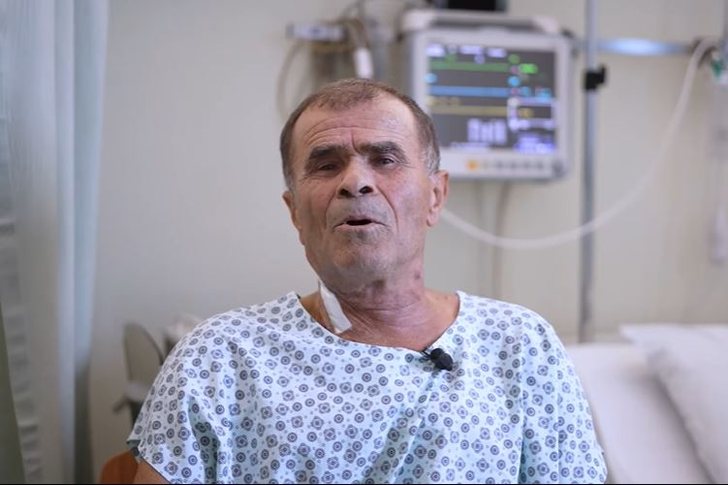
Petraqi, 71 years old from Durrës, is another success case...
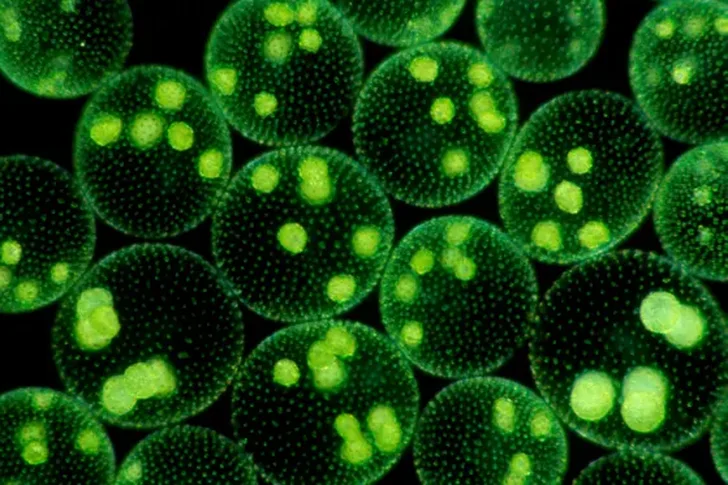
The popularity of meat- and dairy-free foods in Wester...

The Minister of Health and Social Protection, Ogerta Manas...
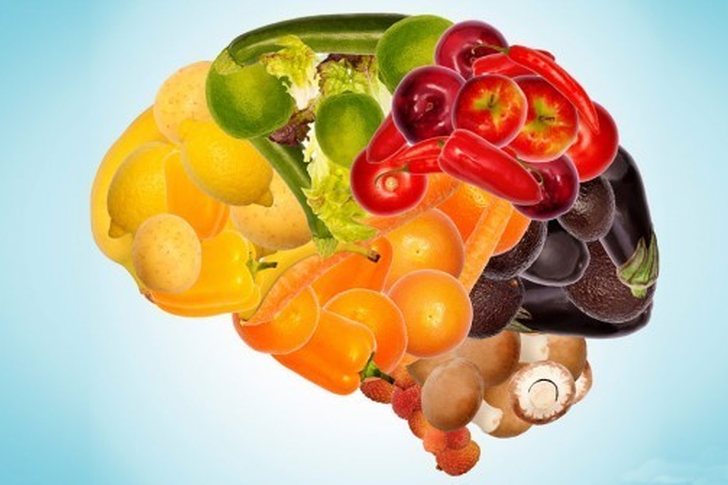
Think nutrition is the only area you should focus on when ...

The Minister of Health and Social Protection, Ogerta Manas...

Today we know how important physical exercise is for the p...

Although perhaps not as popular as watermelon, cantaloupe ...

Pesëmbëdhjetë minuta ecje në ditë janë të mjaftueshme për ...

There have been 12 days of protests in the capital, which ...

Dritan Prençi is the SPAK prosecutor who is sleeping on th...

The in-depth investigations that SPAK conducted into Ajola...

SPAK's standards, the way it investigates, how it secures ...

The Special Board of Appeal (KPA) decided this Monday ...

The KPA vetting decided this Thursday to dismiss the p...

Suela Salavaçi, a prosecutor in the Prosecutor's Offic...

The Special Board of Appeal reinstated the prosecutor ...

Policia e Vlorës ka finalizuar operacionin e koduar “Sigur...

New details have emerged regarding the serious accident th...

An Albanian businessman was arrested this afternoon in Gre...

A serious accident has occurred on the Korça-Ersekë axis, ...

Today our country will be affected by stable weather condi...

A tragic accident occurred this Friday afternoon in Kameni...

Today our country will be affected by unstable weather con...

On Thursday, our country will be affected by relatively un...

Switzerland will head to the polls this Sunday to decide o...
Good news for those who fly: After years of negotiations, ...

It took more than two years, but now the EU can begin acce...

US President Donald Trump announced that the US military h...

Several archaeological excavations conducted during this s...

At the Museum of Fine Arts in Chambéry, France, an exhibit...

Korça has transformed this weekend into the capital of cel...

Korça is ready to open the summer season with one of the c...

The labor market is facing increasing polarization where w...

This Saturday, one US dollar is bought for 81.5 lek and so...
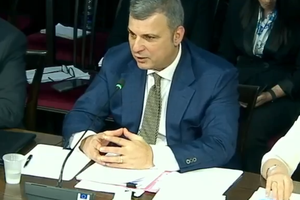
The Governor of the Bank of Albania, Gent Sejko, shared to...

Business lending has increased in the first half of this y...