

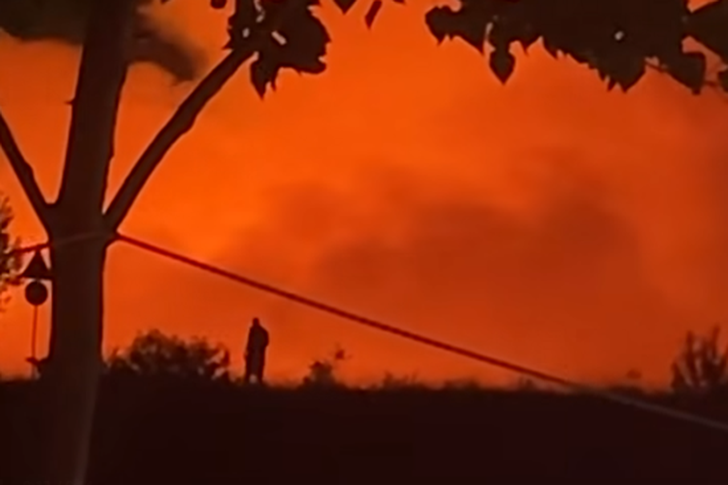
The smoke of Elbasan, as a symbol of gluttony and shamelessness
While Albania is "getting closer" to the European Union wi...


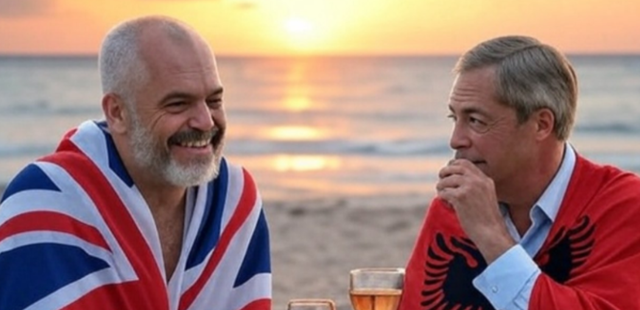
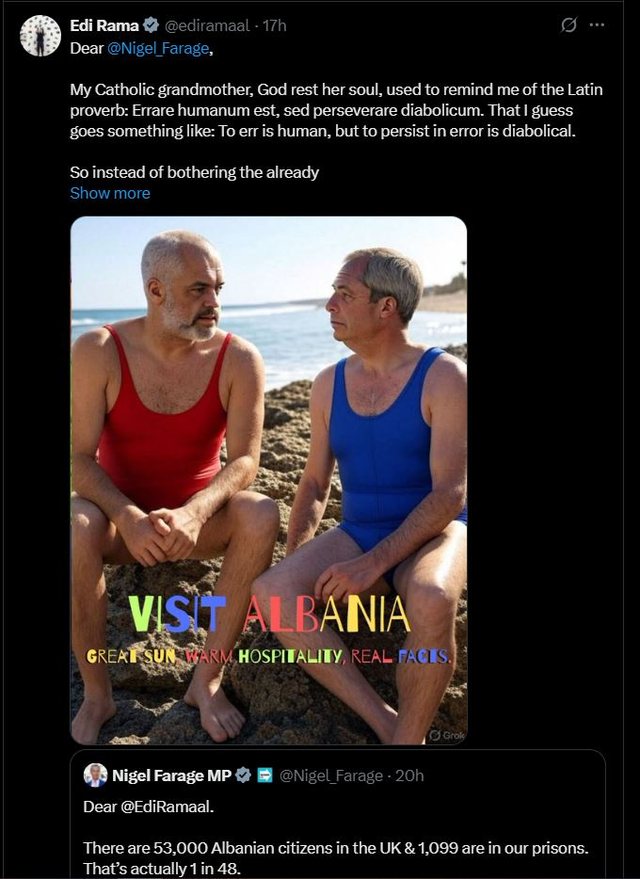
These days we have encountered a disturbing event, not only for me, but for all those who follow political developments and who take human sensitivity beyond nationalism .
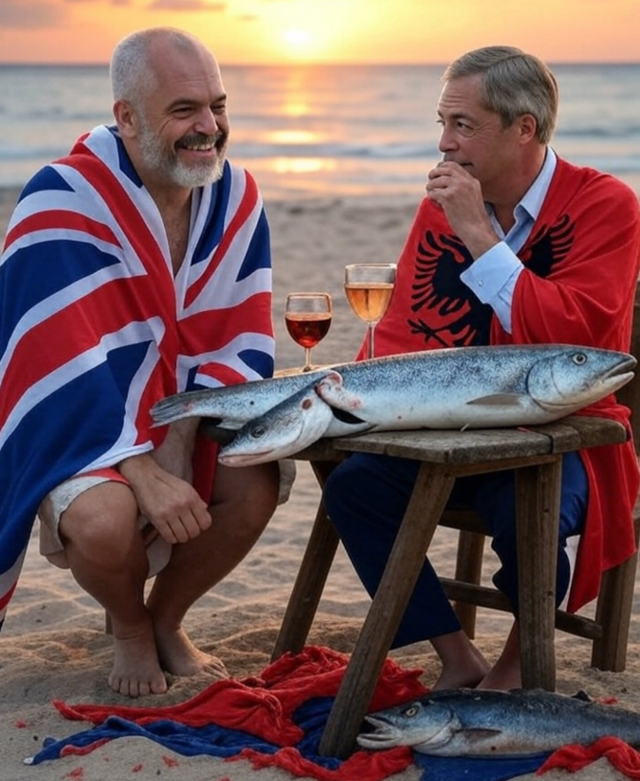
The statements and counter-statements between British MP Nigel Farage (the London-based leader of Brexit, which separated Britain from Europe, who is known for his nationalist and somewhat racist tones towards foreigners) and our Prime Minister Edi Rama, regarding the absurd claim of the former that in Britain we have "one criminal in fifty Albanians" and the evolution of the figure to: "Maybe it's one in three, maybe one in four, I don't know...".
Interestingly, these statements come immediately after Albania rejected the UK's request to open a migrant center. If it were an isolated case and the expression of a single person, it could be justified by a desire to score points in the national political game, or an inability to offer solutions to internal crises, but it is not the only case.
It brings to the reader's attention the statements made a few years ago by the British immigration minister, Robert Jenrick, "Find the Albanian, stop the Albanian!"; or by the British home secretary, Suella Braverman, who called Albanian immigrants who want to immigrate to Britain "terrorists" and "bandits".
At that moment, I really couldn't believe my ears and eyes, as these accusations were being made by a person whose family history was strongly linked to emigration, when in 1960 her family, originating from Mauritius and Kenya, arrived in Britain for a better life and education, just as Albanians do today.
Such accusations are not only unproven, but also dangerous propaganda, which lumps together, without any distinction, all Albanian immigrants - students, academics, builders, drivers, business owners and partners - who are part of the living and breathing fabric of British society.
"These are people who teach your children, build your houses, care for your elderly and sick. They are not meat for the teeth of the post-Brexit brainwashing propaganda. So, these statements are dangerous for honest Albanians, who work and study in this country and who fulfill their obligations to a host country."
In these circumstances, as a professional in the field, several questions naturally arise for me:
Are you saying that other nationalities are angels? Are you saying that the British themselves are not de facto the first orderers and consumers of drugs and other vices for which newcomers are pointed? Why don't they turn their attention to the efficiency and integrity of their law enforcement agencies, since it is impossible for such a large and dangerous criminal activity to take place and for anti-crime structures not to react, prevent and strike effectively? Are you saying that in a kingdom with 60 million inhabitants, 130 thousand Albanians (even if they were all criminals) can ruin it?
Crime has no nationality or citizenship, criminals are everywhere. I do not want to defend the myth of the good Albanian, who reserves the right to respond even when insulted, but the case in question brings to mind a noble behavior, but also insight in an analogous story with Monsignor Father Gjergj Fishta, during an interview for British newspapers in 1934.
When the English journalist asks him an ironic question, saying that he has heard that your Albanians are very thieves, Father Gjergji answers completely calmly:
"That's how we got our name, sir. But in London I've seen a bank robbed in broad daylight, but none of us (Albanians) think or say that you English are all thieves. Even if an Albanian steals, he does so out of great anxiety about whether he can get a sheep, a pig, or even a rifle!"
Meanwhile, the English journalist articulates the next question that, according to him, changing religious beliefs showed a weakness of the Albanian character, the venerable Father tells him about the reasons for the change of religious beliefs and the eventual separation of the Anglican Church from the dependence and jurisdiction of the Holy See in Rome, at the time of King Henry VIII of the Tudor dynasty.
Mr. Farage should know that no matter what path or manner he takes, the home of the Albanian is that of God and of his friend. He finds the arguments, among others, in Miss Edith Durham, who admired the bravery, patriotism and generosity of the Albanians.
She showed rare attention to the tragic fate of Albania and the Albanian people, who were threatened in those years by the numerous goals and bargains of the Great Powers, which called into question our very existence as a nation. For this reason, Albanians did not label her as an “immigrant” in our mountains, but felt her as their own daughter and honored her with the high title “Queen of the Mountains”.
Mr. Farage, you should read Lord Byron, who in "Child Harold" sings to Albania:
“Albania, let me turn my eyes upon you,/ O stern mother of strong men!” Albanians never labeled him an “adventurous wanderer,” but honored him as men of high mind and broad spirit are honored. Mr. Farage, you should read “The Diaries of a Landscaper in Albania,” by Edward Leary, to learn that Albania had an early civilization. See over 100 of his wonderful paintings of Albania. The architecture, the clothing, the attitudes of the people testify much about this nation, which today sends “criminals” to London.
Read also Lord Aubrey Herbert, a member of the English Parliament in 1911, who was the president of the “Anglo-Albanian Society”. Mr. Farage, read also about the activities of the honorable Lord Alan Watson of Richmond CBE, Lord Michael Bates, Sir Noel Malcolm, Lord Alexander Duma, Lord David Lloyd, Lord Stephen Nash, or Colonel Frank W. Sterling, who is one of the founders of the Albanian Gendarmerie. Mr. Farage, I want to remind you that this suffering nation is the one that opened its doors and protected the Jews during the Nazi terror, and today it welcomes without labeling and prejudging the Yugurs, the Mujahideen, the Afghans and the Ukrainians, when nations and states, much richer than us and “adherents of human rights”, rejected them, or thought so long about them that they forgot about them.
We do these things because we feel them and we do not seek retribution for all that has happened to us, because this is so great that it will never return, but I cannot help but agree with Bernard Shaw, who says: "I forgive theft as a disease and murder for passion, but not ingratitude."
Mr. Farage, ingratitude hurts me, so I cannot help but mention acts and positions such as that of 1913, the Gray declaration, the non-recognition of the borders between Albania and Greece during and at the end of World War II, the partiality in the Corfu Channel incident, the gold blocked for this incident that we have not yet withdrawn from Britain. I will end with that!
Although the statements of Mr. Farage and others leave a bitter taste, they do not affect the adoration that we Albanians have for the United Kingdom, so I think and wish that the priority of our foreign policy should be to strengthen relations with this kingdom.
In conclusion, I sincerely want to compliment the Prime Minister of my country (with whom, to be honest, I have not often agreed) for this dignified reaction in defense of his citizens, without listening to the sirens that advise him that, "...he should have avoided this debate, because Albania should not be critical of Great Britain."/ CNA

While Albania is "getting closer" to the European Union wi...

Pastor Akil Pano has taken aim at Blendi Gonxhes through a...
A political scientist friend of mine, who lives and works ...
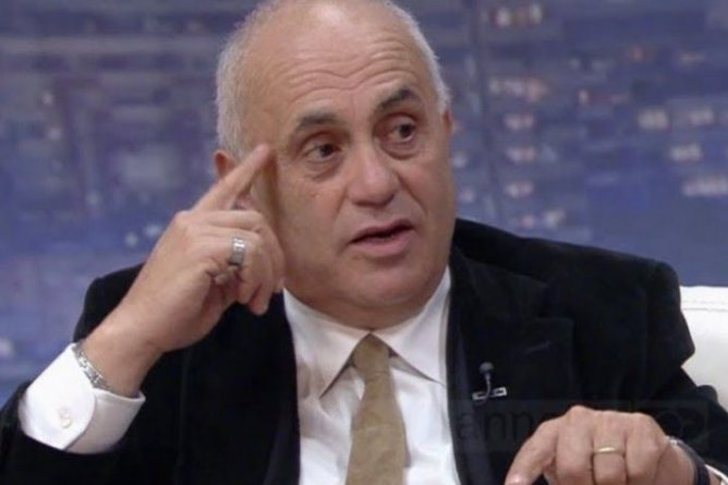
Good thing we still haven't found out who won the elec...

Sapo hap rrjetet sociale si Facebook, Instagram apo TikTok...
About a week after the May 11 elections, we published ...
The 2025 elections, as we had predicted, did not bring a c...
In December 2011, former President of the French Republic,...
Sot është një ditë e shënuar për shqiptarët e në veçanti p...
The reason for writing the following lines was a Facebook ...
Only 11 years have passed since the event of June 26, 2014...
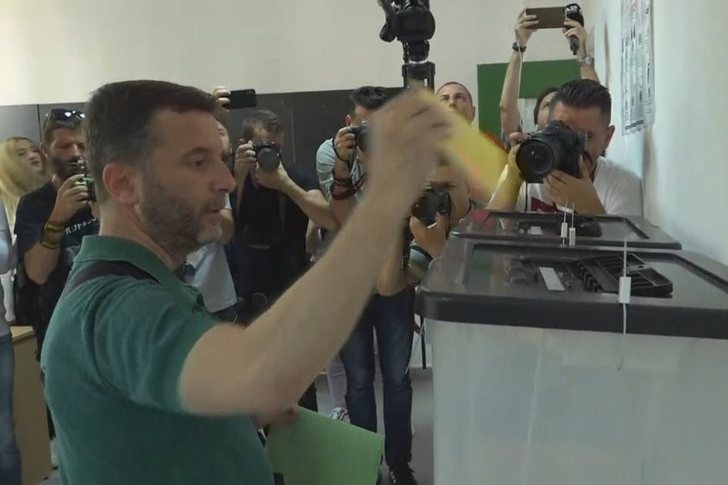
In the elections we just held, out of respect for my and m...
The elections are over, change was forcibly stopped and, a...
Art is not only represented by artists who create works su...
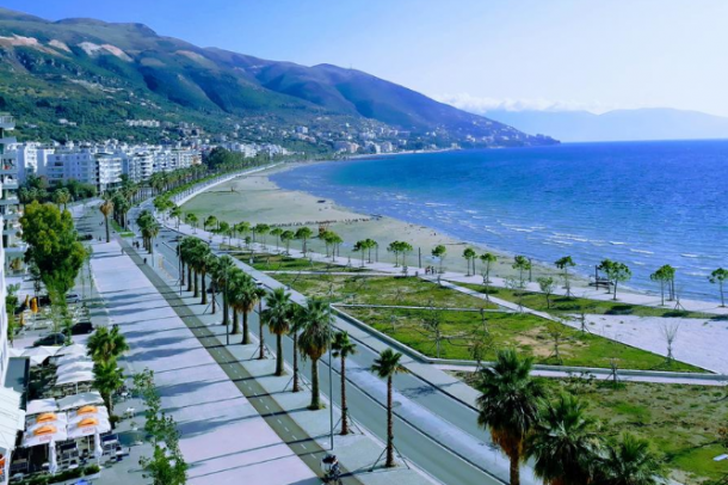
In the last decade, Vlora has transformed into an enviable...
The Albanian nation is facing a grim political crossroads ...
When asked in a television studio if the glasses he was wear...
The eyes/attention of chancelleries, institutions, institu...
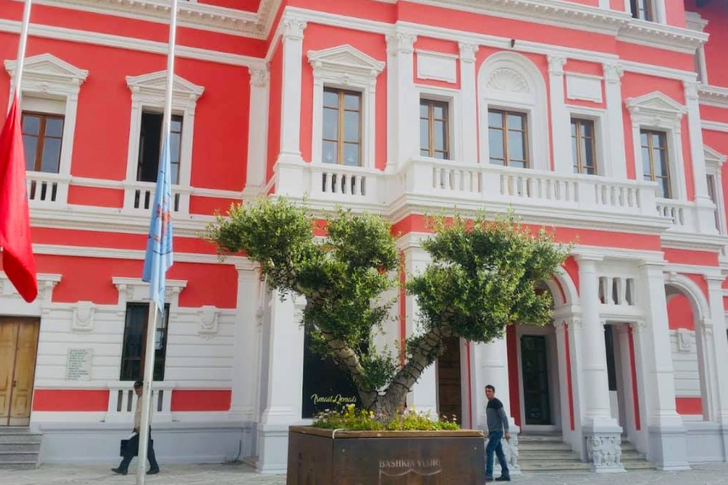
In any city, especially in those with strategic tourist an...
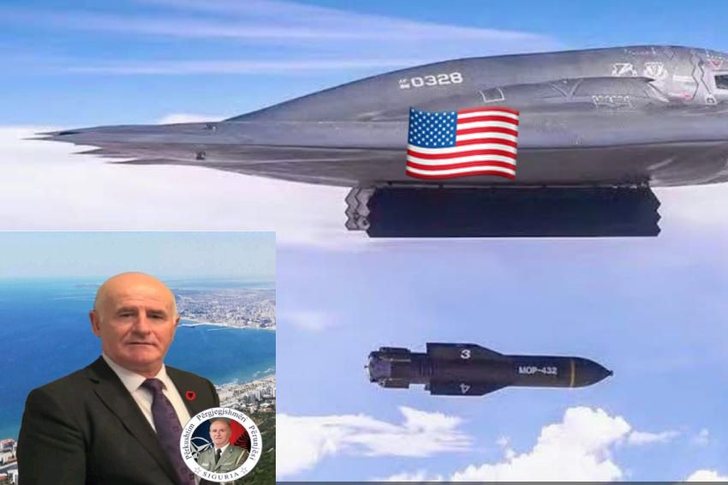
After all diplomatic efforts were exhausted, the unrivaled...
CNA has put under scanner the assets of Sokol Sadushi, the...
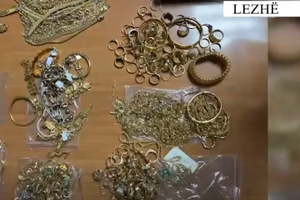
A 39-year-old citizen has been arrested in Lezha, after se...

CNA has launched another investigation that could lead to ...

Irfan Hysenbelliu is a businessman that we call "Irfan the...

The Special Board of Appeal (KPA) decided this Monday ...

The KPA vetting decided this Thursday to dismiss the p...

Suela Salavaçi, a prosecutor in the Prosecutor's Offic...

The Special Board of Appeal reinstated the prosecutor ...
Police have revealed details of the incident that occurred...
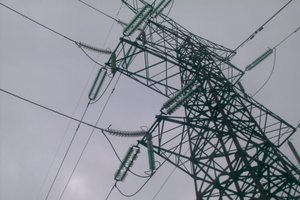
According to preliminary information, a person in his 60s ...
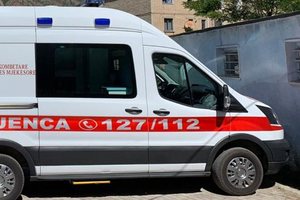
A triple accident occurred on the Peqin-Elbasan axis n...
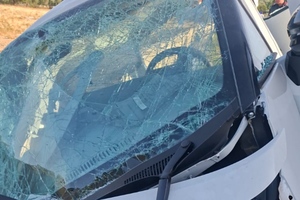
The police have provided details regarding the accident th...
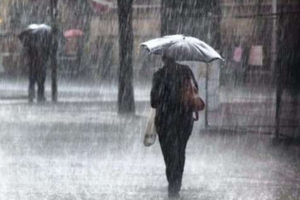
The Institute of Geosciences has today shared a forecast r...
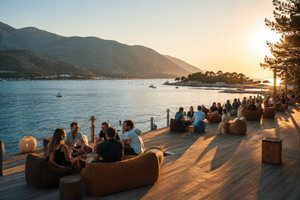
Company leaders can improve productivity by investing in a...
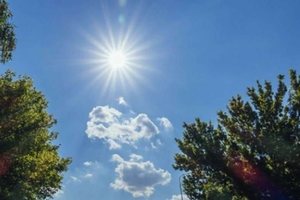
Today, our country will be under the influence of stable a...
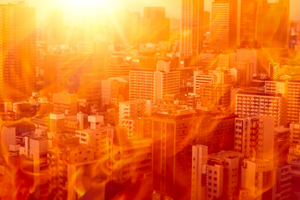
As the year 2026 is in its second half, the world is exper...
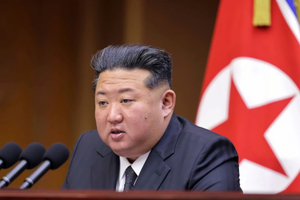
North Korea is said to have achieved some impressive resul...
US Ambassador to the United Nations, Mike Waltz, said toda...
The suspect in the Berlin Pride attack was shot and killed...
A tragic event occurred this Sunday on Mount Elbrus in the...
Two windows, a century of history and the metaphysics of p...
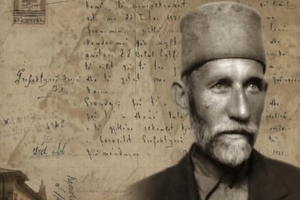
In my research at the Central State Archives, specifically...

At a time when industrial products are increasingly taking...

Trust among people is not just a three-syllable word. It c...
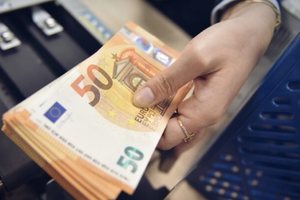
This Sunday, one US dollar is bought for 81.5 lek and sold...
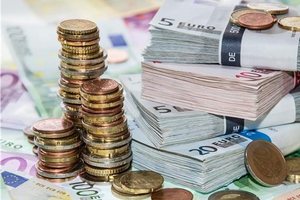
This Saturday, one US dollar is bought for 81.7 lek and so...
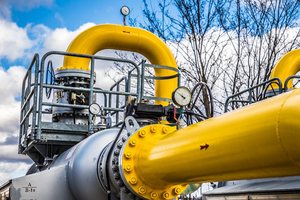
War, weather and supply disruptions could send gas prices ...
The number of active enterprises in Albania continued to g...