


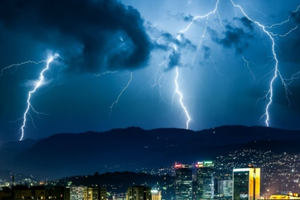
Bad weather grips the country/ How the situation is in Saranda, Durrës and Fier
Yesterday evening, several areas of the country were hit b...

Yesterday evening, several areas of the country were hit b...

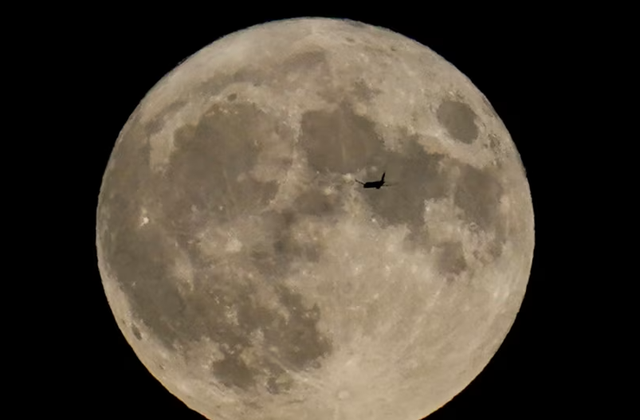
Scientists have confirmed the discovery of a cave on the moon, not far from where Neil Armstrong and Buzz Aldrin landed 55 years ago. Scientists believe that there are hundreds of other caves on the moon that could house astronauts in the future.
A team led by Italian scientists announced on Monday that they have evidence of a large cave whose entrance is in what is known to be the deepest hole on the moon and lies in the "Sea of ??Tranquility". , about 400 kilometers from the place where the 'Apollo 11' mission landed.
The depression, with about 200 others like it discovered there, was created by collapsing lava tubes, according to scientists.
The researchers analyzed radar measurements from the Lunar Reconnaissance Orbiter, which observes the Moon, and compared the results to lava veins on Earth. Their study was published in the journal "Nature Astronomy".
The radar data shows only the initial part of the lunar cavity, according to scientists. They estimate that the cave is at least 40 meters wide and several tens of meters long, and maybe more.
"The lunar caves have been a mystery for more than 50 years. So the proof of the existence of a cave was exciting," Leonardo Carrer and Lorenzo Bruzzone from the University of Trento said in an email.
Most of the craters appear to be located in the moon's ancient lava fields, according to scientists. Astronauts from NASA plan to land on the south pole of the Moon at the end of this decade, where there may be similar pits. It is believed that there is water in lunar craters that are never illuminated by the sun, which can be used for drinking water and rocket fuel.
During NASA's Apollo program, 12 astronauts landed on the moon, starting with Armstrong and Aldrin on July 20, 1969.
The findings suggest there may be hundreds of craters on the moon and thousands of lava tubes. They can serve as a natural shelter for astronauts, to protect them from cosmic rays and solar radiation, as well as from micrometeor impacts, particles as small as a grain of sand.
Building settlements from scratch would take more time and pose a challenge, even when considering the potential need to reinforce the cave walls to prevent collapse, the team said.
Rocks and other materials inside these caves, unchanged by the harsh conditions of the lunar surface over time, can also help scientists understand the evolution there, especially when it comes to volcanic activity./ Voa

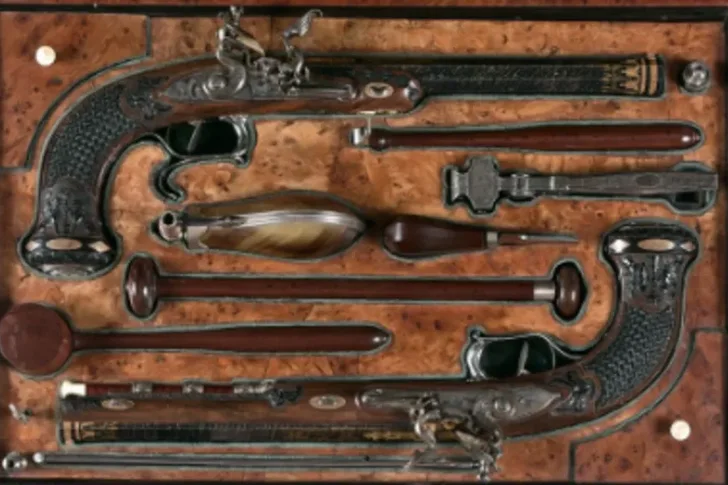
Two pistols owned by the French emperor Napoleon Bonap...

"A new discovery may provide some clues about Jesus' child...
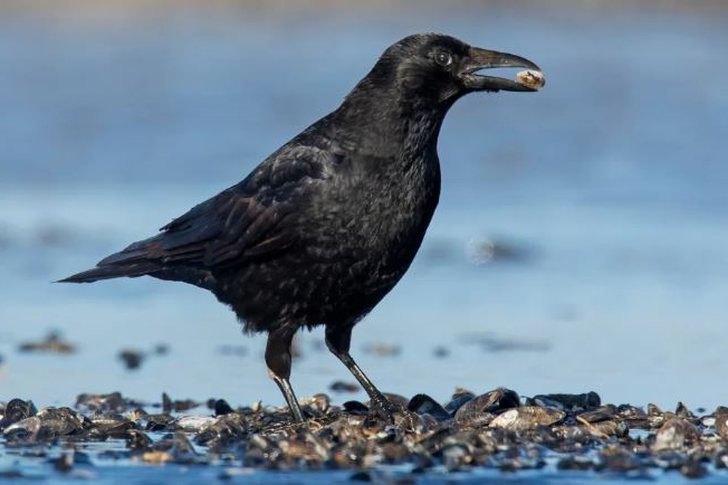
Crows, the ubiquitous urban bird, can vocally count to...
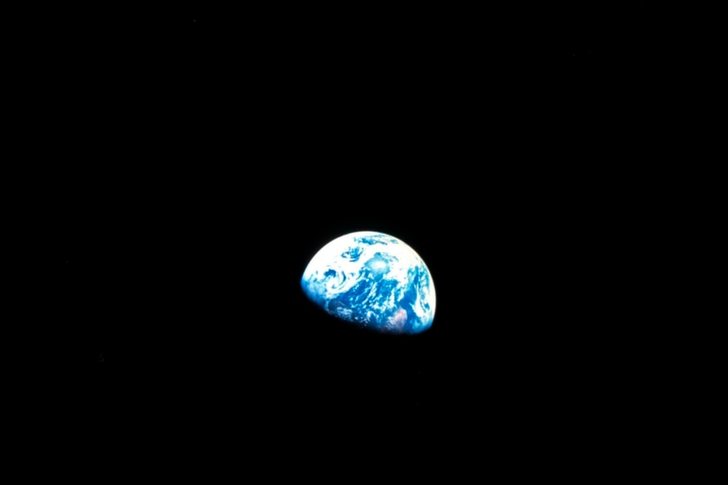
Climate change is not solely responsible for rising sea le...

Quhet cochineal dhe është një insekt që është endemik ...
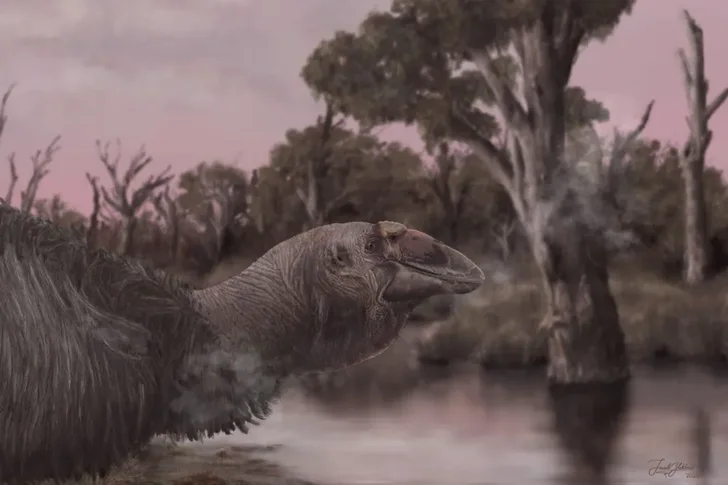
Researchers have discovered fossils of a prehistoric "gian...

Many of us use masks, oils and serums to nourish our hair,...
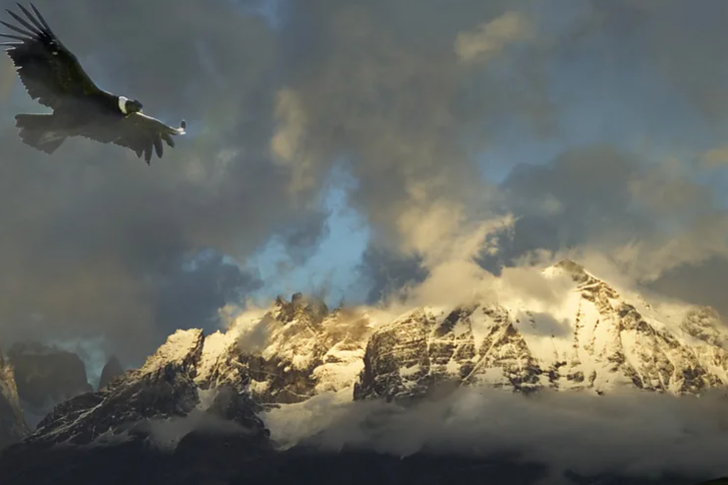
Researchers are examining how birds can help predict turbu...
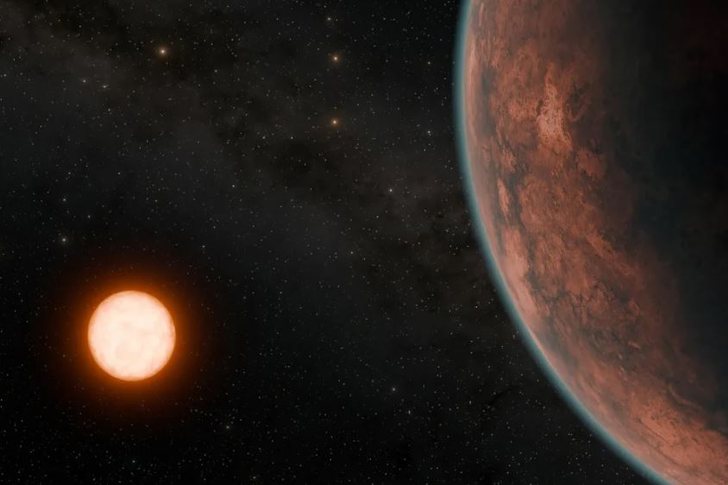
Two teams of scientists have discovered a theoretically ha...
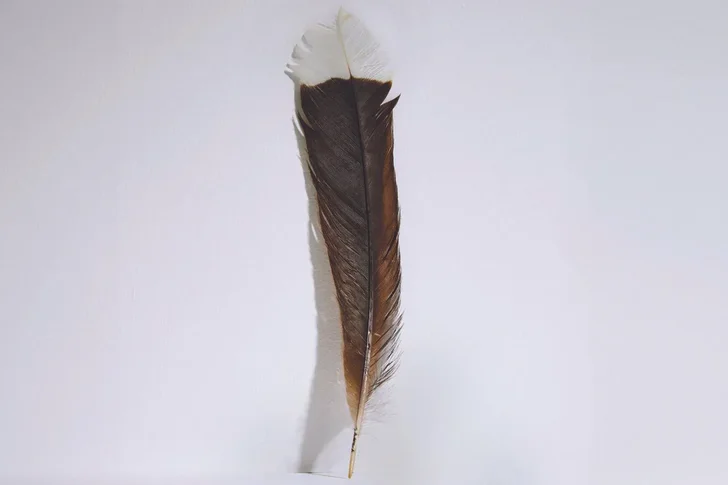
A single feather of New Zealand's now-extinct Huia bird ha...

A Harvard Business Review survey found that legal professi...

Eczema is one of the most widespread skin diseases that af...
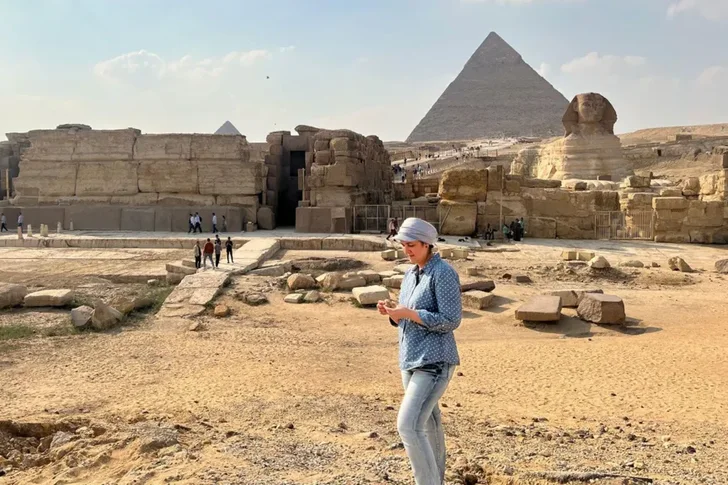
Scientists believe they may have solved the mystery of how...

Studying the names of the Earth's oceans, the Atlantic...
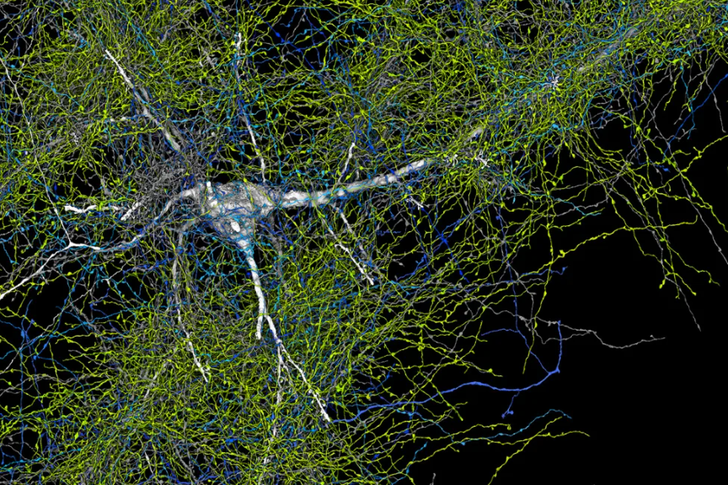
Ten years ago, Dr. Jeff Lichtma, a professor of molecular ...
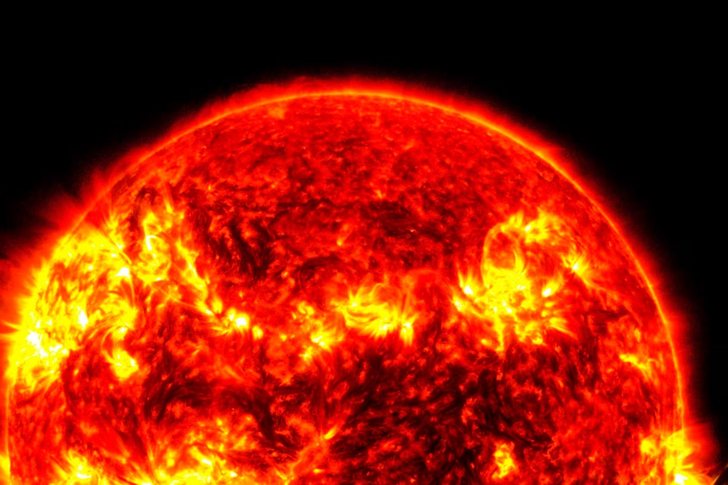
The National Oceanic and Atmospheric Administration, NOAA,...
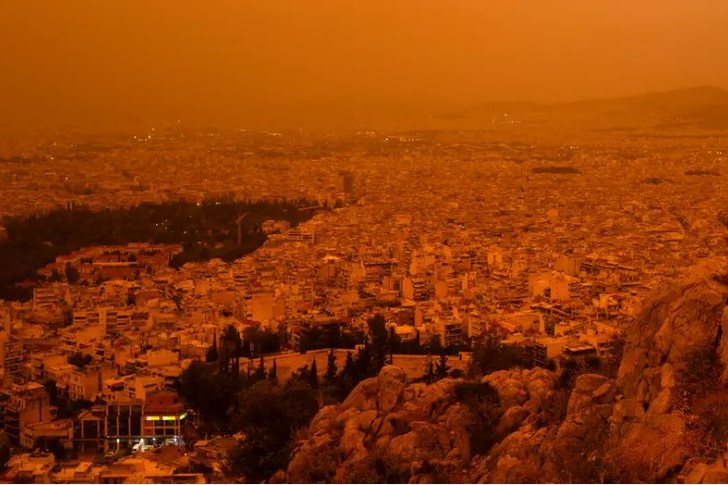
Nuk është më një ngjarje e rallë që stuhitë e pluhurit të ...
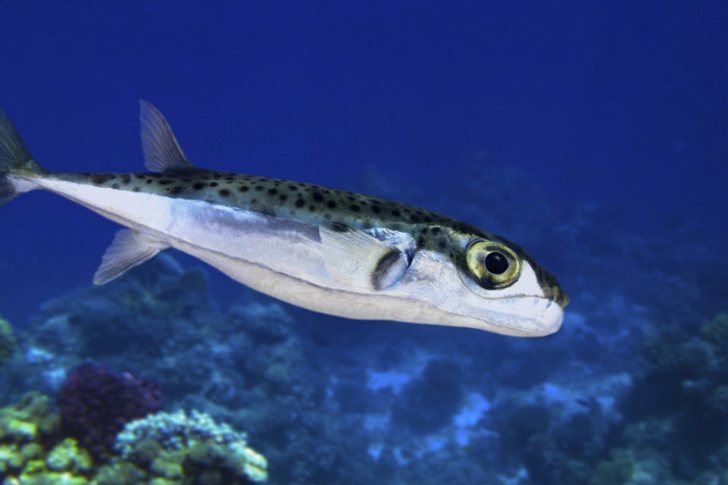
Seven silver-banded fish (Lagocephalus sceleratus) were sp...
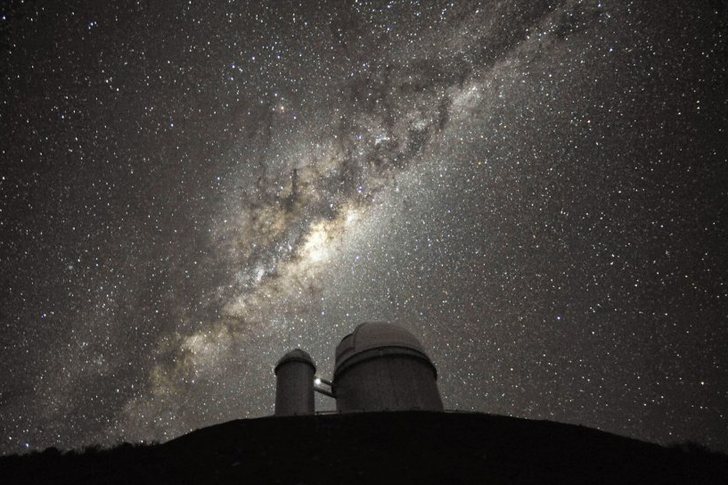
"Milky Way" is the beautiful and poetic name given to the ...

One of the common questions that comes up in skin care is ...

CNA has launched another investigation that could lead to ...

Irfan Hysenbelliu is a businessman that we call "Irfan the...

In March 2026, CNA launched another investigation centered...
The arrested mayor of Tirana, Erion Veliaj, with 13 charge...

The Special Board of Appeal (KPA) decided this Monday ...

The KPA vetting decided this Thursday to dismiss the p...

Suela Salavaçi, a prosecutor in the Prosecutor's Offic...

The Special Board of Appeal reinstated the prosecutor ...

A serious accident has occurred on the Lezhë-Shëngjin axis...

A serious incident has occurred in Morina, Kukes. Citizen...
The bad weather that swept the country on Tuesday evening ...

A road accident occurred this evening on Nikolla Zoraqi St...
This Wednesday, our country will be under the influence of...
All of Southern Europe will face changing weather conditio...
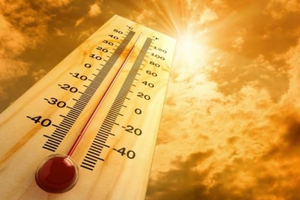
Albania was hit by temperatures significantly higher than ...

For the first time, Pogradec welcomed the Inter-Lake Chess...

Prime Minister Andy Burnham has announced that most bus fa...

France's parliament has passed a law to ban social media f...

US Secretary of State Marco Rubio arrived in Manila on Jul...

In the space of a few days, Ukrainian President Volodymyr ...

At a time when industrial products are increasingly taking...

Trust among people is not just a three-syllable word. It c...

Master of humor Todi Llupi has passed away at the age of 7...

The ninth edition of "MIK Festival" kicked off with one of...

Businesses will no longer be required to simply register t...

Despite economic growth and income in recent years, Albani...

This Wednesday, one US dollar is bought for 81.4 lek and s...
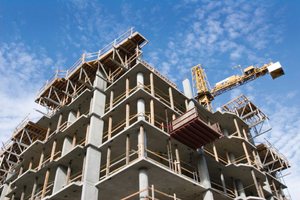
Construction company licenses will have a validity period ...