

During the period of Christmas and New Year it is noticed that people become obsessed with the color red and green. These two colors become dominant in the decoration of homes, businesses, gifts, clothing and even the underwear chosen for this holiday.
Of course, red and green are not only beautiful colors and their combination is also very harmonious in nature, but rather, they carry a deep symbolism that originates from ancient times.
Ancient pagans considered colors as messages from the "gods", while their combination was seen as a verbal password of the gods, which required special knowledge to decipher. The influence that colors had on the emotional and spiritual state of man made them obsessed with this phenomenon, compiling secret classification tables, which they fanatically guarded as occult knowledge.
For this reason, the symbolism of colors is closely related to astrology, magic, hermeticism, occultism and alchemy, as well as to the Kabbalah of the Jews, where according to it, through the mental visualization of a certain color, accompanied by the pronunciation of the password (formula) a supernatural state is reached that enables contact with higher divine levels.
In general, the ancient peoples classified colors into those with positive influences and those with negative influences. Colors that were considered positive included: purple, blue, red, green, white and yellow, while the color with a negative effect was black.
For this reason, in people's beliefs since ancient times, the color red symbolized value, power and health, while the color green symbolized hope, faith, victory, good luck.
But how did these two colors become the basic colors of Christmas?
First, we should know that Christmas began to be celebrated by Christians since the 4th century, on December 25 as a holiday that was accepted by Christians in the East and West. on the day of the feast of "Deus Sol Invictus" (God the Invincible Sun).
Christianity, which during the first three centuries was systematically persecuted by the Roman Empire and did not give much importance to the exact dates of the birth and death of Jesus Christ, because the Jews did not have a tradition of celebrating birthdays but this was a pagan tradition even though Christ commanded the apostles to remember His death and resurrection in the mystery of the Divine Eucharist (Luke 22-19) (1 Corinthians 11:23-26)

This happened also because at that time there were many different calendars that measured time, such as the Jewish, Roman, Egyptian and Asian, and this created a mismatch of fixed dates among the peoples.
Christmas, until the fourth century, was a joint holiday with the baptism of God, where Christians celebrated together the birth, circumcision, the visit of the Magi, the 12-year appearance of God in the temple and His baptism, that is, the appearance of the Son of God in the flesh (Theophany)
After the 4th century, when Christianity became the official religion of the Roman Empire by the Apostolic Church, it was decided that the celebration of Christmas should be separated from baptism and celebrated separately on December 25.
The entire Liturgical Calendar of that period was adjusted to have a logical flow and to correspond, for example, the Annunciation of the Virgin Mary on March 25 with Christmas on December 25, that is, a time distance of 9 months as long as an embryo needs to form and born as a man.
Thus, the Church, through the liturgical calendar, tells us that the Son and Word of God stayed 9 months in the womb of the Virgin Mary and was born as God-man in Bethlehem of Judea.
Setting Christmas on this date was a pedagogical wisdom of the Apostolic Church, which intended that idolatrous people worship the Lord Jesus Christ "the Sun of Righteousness" (Malachi 4-2) and thus give up worshiping the sun (Deus Sol Invictus) which was celebrated in Roman Empire by order of Emperor Aureliano in the year (274 AD), who wanting to unite the multicultural citizens of Roman Empire, placed this imperial holiday of the sun on the winter solstice from December 21-25.
Some say that Christ was indeed born on December 25th and that the sun festival did not exist, but was introduced by Julian the Apostate in the 4th century to eclipse the Christmas holiday.
However, what we can say unanimously is that the Apostolic Church since the fourth century decided that Christmas should be celebrated on December 25 and this date was unanimously accepted both in the East and the West. Christmas is celebrated with different calendars such as the Julian calendar of the first century and the Gregorian calendar of the 16th century. The calendars have a difference of 13 days. The Orthodox Church uses both of these calendars during the liturgical year, so Christmas in Orthodox churches is celebrated on December 25 and January 7, which is again December 25 with the Julian calendar.
But let's get back to the topic of Christmas colors.
In these last days of December, which corresponded to the winter solstice, where the night became equal to the day and the day took over the night, the Scandinavian peoples, who were going through a wild winter, looked at red as the color of the sun. They believed in the sun as a fiery and light god, who begins at the solstice to defeat the evil god, the dark, cold god of winter.
Meanwhile, they looked at the trees and bushes that did not wither during the winter, such as fir, laurel, ash, etc., the green color that represented the life of the immortal "gods" who helped in human and animal fertility.
Thus, these two colors were dominant among the Scandinavian peoples, and they used not only colors, but also plants where the combination of red and green was natural, to decorate their homes during the winter solstice.
This was a symbolic act, to bring protection and good luck, fertility to their families in the coming year.
Unlike paganism, Christianity did not give much importance or fixate on colors even though the Bible does not deny the symbolism of colors even though they are part of creation that glorify God (Psalm 148).
Although in iconographic art colors have their symbolism and meaning different from alchemy, such as white is a symbol of light and purity, black symbolizes mystery, blue color freshness and clarity, green hope, yellow glory and divine radiance, red the flame and warmth of mystery, and blue the rays of divine light, again in orthodox Christianity these colors have never been seen as auspicious, magically bringing life, health and fertility, as pagans believed.
Orthodox Christianity emphasized the Biblical message that; "every good thing that is given to us and every perfect gift is from above and comes down from the Father of lights, with whom there is no variation or shadow of change" (James 1:17).
According to the iconographic canons, red symbolizes the divine nature, or the fiery grace of God, because in the Bible it is written: For the Lord your God is a fire that consumes you" (Deuteronomy 4:24), this was also the tradition of the Israelites who were commanded by Moses to make fringes on the corners of the clothes, in red color as a reminder of the special relationship with God, (YAHWEH) (Numbers 15:38-40) The Hebrew words for colors tekhelet, a shade of blue, and 'argamán, usually translated "purple," were associated with the garments of the high priest and other ornaments in the tabernacle and temple.
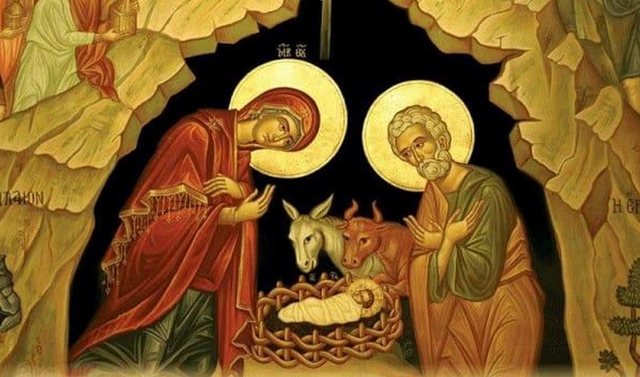
Even in the Christmas icon, red and blue on green are dominant, because, in combination with persons and nature, they express iconographically the great mystery of God becoming man in the person of Jesus Christ, that is, a person with two natures: "And The Word became flesh and dwelt among us; and we beheld his glory, as the glory of the only begotten of the Father, full of grace and truth. (John 1-14).
As we pointed out, these two natures are expressed in iconographic art with two colors: red for divine nature and green in blue for human nature, and this iconographic canon continues to this day in Orthodox icons.
Por rishfaqja e fiksimit dhe bestytnisë pagane i ngjyrave të kuqes dhe të së gjelbrës jashtë konteksit të krishterë shpëtimtar në Krishtin, u rishfaq në Evropën Perëndimore, kur Reforma Protestante me Martin Luterin shekulli 16 hoqi dorë nga ikonografia dhe grazhdi, që prej shekujsh simboli autentik i Krishtlindjes dhe në vend të grazhdit vendosi pemën e bredhit, ngjyrë jeshile simboli i pavdeksisë dhe e dekoruar me qiri ose topa të kuq, simboli i djellit.
Më vonë shekulli 19-20 ky kombinim ngjyrash, e kuqe dhe e gjelbër, filloi të përdorej për figurat mitike si Santa Klaus, apo e thënë ndryshe Plaku i Vitit të Ri edhe për marketing nga kompani si “Coca Cola “që krijonin reklama fitimprurëse, si në veshje, paketime, ushqime për Krishtlindje dhe sot është bërë një trend gjithëpërfshirës .

Ngjyrat dhe çdo krijesë e natyrës janë të mira në thelbin e tyre, sepse çfarë ka krijuar Zoti është e mirë (Zanafilla 1).
Problemi lind kur njerëzit duke u udhëhequr nga mentaliteti i turmës nuk e vënë mendjen në punë, ku edhe pse nuk e kuptojnë kuptimin ose simbolikën e ngjyrave, i mbajnë ato me fanatizëm si fatsjellëse, besëtytni.
Ajo që njerëzit shpesh harrojnë ose nuk e dinë është se çdo gjë e krijuar, qoftë inteligjente apo jo, kur ndahet nga Krijuesi dhe nuk i jep lavdi Atij, humb të mirën e saj thelbësore dhe kthehet në qenie apo objekte që mbartin negativitet, e kjo vlen edhe për ngjyrat kur ato përdoren nga njeriu si fatsjellëse.
Prandaj ngjyrat, por si e kuqja dhe e gjelbra, kanë një konotacion pozitiv edhe negativ, varet si edhe pse i përdorim.
Sipas okultistëve ato mund të kenë edhe anën e kundërt, atë negative, armiqësore dhe degjenerimit moral.
P.sh, e kuqja konsiderohet në urtësinë ezoterike si ngjyrë e luftës, gjakut, shqetësimeve kolektive, emocioneve, urrejtjes dhe epshit (libidosë). Të gjithë magjistarët, gjatë ritualeve të tyre magjike, vishnin pelerinat me ngjyrë të kuqe. Madje, edhe në Bibël na thuhet për laviren e kombeve (Babiloninë) që përfaqëson sistemet politike, ekonomike ,kulturore, antikrishte, ishte veshur me të kuqe: “Edhe erdhi një nga të shtatë engjëjt që kishin të shtatë kupat, edhe foli bashkë me mua, e më tha: “Eja, do të të tregoj gjyqin e lavirës së madhe që ka ndenjur mbi shumë ujëra, me të cilën kurvëruan mbretërit e dheut, dhe banorët e dheut u dehën me verën e kurvërisë së saj.” Edhe më çoi në frymë në një vend të shkretë; edhe pashë një grua që po rrinte mbi një bishë të kuqe, plot me emra blasfemie, që kishte shtatë krerë e dhjetë brirë. Edhe gruaja ishte veshur me purpur e me të kuq të ndezur, edhe praruar me ar e me gurë të çmuar e me margaritarë, edhe kishte në dorën e saj një kupë të artë mbushur me neveritë dhe ndyrësitë e kurvërimit të saj.Edhe mbi ballin e saj ishte shkruar një emër: Mister, Babilona e madhe, nëna e lavirave dhe e neverive të dheut”. (Zbulesën 17:1-6)
Ngjura e kuqe është edhe ngjyra e djallit që banon në flakët e Ferrit ,i cili kërkon të imitojë Zotin me dritën e pakrijuar.
Po ashtu, edhe jeshilja në tradita të ndryshme popullore konsiderohet si ngjyrë e paaftësisë dhe si ngjyrë e “njerëzve të vegjël”, dmth po integritet.Në këto besime, ajo shihet si një ngjyrë e pafat, veçanërisht tek të dashuruarit, të cilët mund të mbajnë veshje apo sende të kësaj ngjyre. Për më tepër, jeshilja shikohet si një ngjyrë erotike që ka ndikim në erosin, pasi, sipas alkimisë, ata që e adhurojnë këtë ngjyrë, gjithnjë janë të freskët dhe të virgjër në qasje ndaj seksit. Në fushën psikologjike, ngjyra e gjelbër lidhet me ndjenja të tilla si papjekuria dhe zilia. Ky kontekst lidhet me natyrën e dyshimtë dhe shpesh të errët të ngjyrës jeshile, duke përfshirë aspekte të pasigurisë, magjisë dhe ndikimet e saj në emocionet dhe dëshirat njerëzore.
Ngjyra jeshile është edhe ngjyra e “Panit” demonit të pyjeve.
Duhet të kuptojmë se prapa çdo simbolike edhe e ngjyrave, fshihet dhe përçohet një energji, qoftë pozitive apo negative. Ngjyrat nuk janë diçka në vetvete, por kuptimi dhe ndikimi emocional varet kujt ia dedikojmë, sepse energjia nuk është diçka impersonale, por personale, pra energjia është e përçuar nga qenie mbinatyrore mendore që ndikojnë në mirëqenien mendore dhe trupore të njerëzve.
Energjitë pozitive, si drita e pakrijuar, vijnë nga Perëndia, engjëjt dhe shenjtorët, të cilët veprojnë si pasqyrime të kësaj drite jetike, ose “drita të dyta” dhe kjo në gjuhën teologjike quhet hir.
Ndërsa energjitë negative, si e kundërta e të mirës, të errëta burojnë nga djalli dhe demonët, të cilët janë engjëj të rënë nga lavdia e Perëndisë dhe janë pozicionuar si armiq të Zotit dhe të njeriut dhe botës.
Prandaj, nëse këto dy ngjyra (e kuqja dhe jeshilja) do t’ia dedikojmë Krishtlindjes, domethënë Krishtit që lind si Zot dhe njeri, atëherë energjitë pozitive të Zotit do të vijnë tek ne dhe vetë ngjyrat që ne i personifikojmë do të na përcjellin në heshtje mesazhin e Krishtlindjes se Biri i Zotit u bë bir njeriu për shpëtimin e botës.
Kjo performancë ngjyrash e personalizuar Krishtlindjes do të ndikojë pozitivisht në psikikën tonë, në shëndetin dhe në marrëdhëniet shoqërore, sepse besimi shpërblehet me hir hyjnor.
Por, nëse i shikojmë këto ngjyra thjeshtë si fatsjellëse, të shkëputura nga Zoti, atëherë ato kthehen në idhuj djallëzor. Në këtë mënyrë, njerëzit bien në grackë, duke u futur në lojën e demonëve, të cilët, si regjisorë të padukshëm, punojnë për të ngatërruar njerëzit dhe për t’i çuar në labirintet e besëtytnive, alkimisë dhe magjisë.
Kjo bestytni shpesh shoqërohet me një adrenalinë epshore, që josh njerëzit dhe i bën të mbeten të ngatërruar në rrjetat e mashtrimit djallëzor, ashtu siç thuhet: “Festa e Kuqe e Demonit Jeshil”
It is not for nothing that the costume of Peter Pan (demon of the forest), the character that children enjoy today, is wearing a reddish tunic and a dark green sweater, or even the red and green clothes of Santa Claus, the blasphemous incarnation of Saint Nicholas (6 December), which seems to enter people's dwellings from the chimney and this performance is of pre-Christian pagan origin, of the "god" Odin, who often entered chimneys in the season of winter, this work of demons who do not enter through the door but as thieves of souls entered through the dark chimneys, together with the green elves, or demons, or the red and green costume of the "Old Man of the New Year" and this is also a re-appearance of the shamans, Scandinavian magicians.
So to whom do we dedicate colors without realizing they affect, for better or for worse, the psyche in our inner world, just as the contemporary psychiatrist Karl Gustav Jung has found that in the concept of psychoanalysis, colors unfold the basic psychic functions of man .
Therefore, people, and especially we Christians, let us know the symbols and colors and use them for the glory of God and celebrate Christmas with meaning and distinction, using the symbols and colors, such as red and green to give the Christmas message: "God became man, so that man might become God, according to grace" (St. Athanasius the Great), just as the apostle of the nations Paul tells us: "So whether you eat, or drink, or do anything else, do all to the glory of God" (1 Corinthians 10:31).
But if these colors red and green are used without purpose and disconnected from the birth of Christ, being treated as auspicious as the pagan nations believed and acted, they no longer remain simple colors, but turn into idols, which rival God and bind us with evil demons. Therefore, even though we decorate the house with green fir trees, with red balls, we pack gifts and dress in a combination of red and green, even if we wish for luck "Merri Crismas" but we do not consider Christ nor make room for him in our home and our hearts, we are sacrificing to demons like the pagans, just as the apostle Paul writes again: "No, but I say that the things that the nations sacrifice , they sacrifice to demons and not to God. Therefore, I do not want you to take part with demons" (1 Corinthians 10:20).

It may be the job of an archaeologist to uncover surpr...

A few days ago, the American Congress by a majority of vot...

Lejla remembers in detail that day many years ago. Eve...
There are many misrepresentations and even falsehoods ...

With brown and spotted fur, a special species of cat c...

The Christmas tree is a tradition that warms the heart...
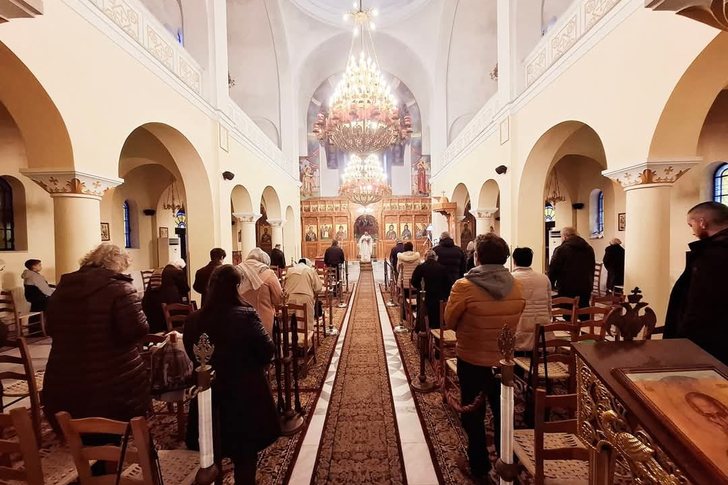
On December 6, it was celebrated in all the Mitopolises of...

When I opened the door, the chick appeared in front of me....
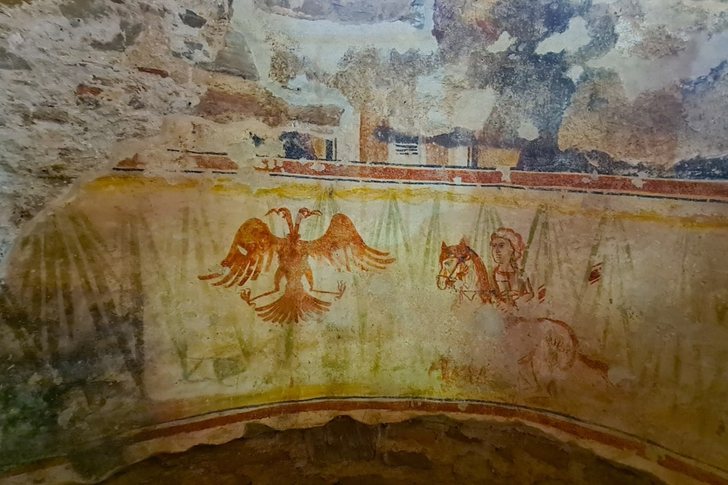
New wall paintings have come to light in some cult objects...
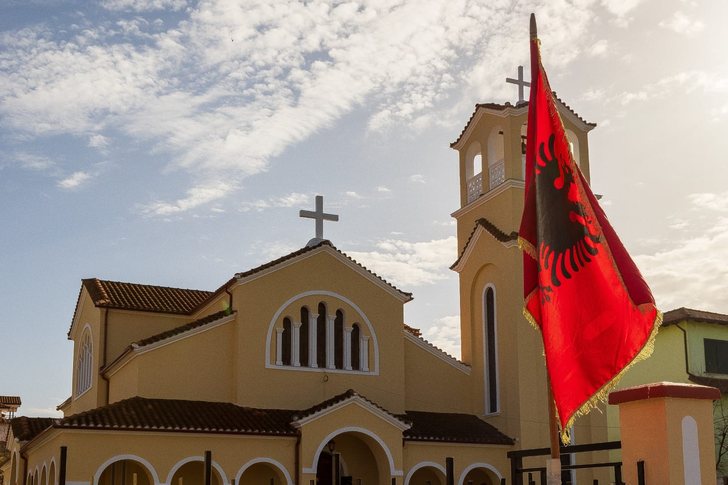
To the outstanding patriot Themistoklis Gërmenji, befo...

We found all the elderly people of the palace in Korça to ...
“Don't prioritize looks my friend, as they won't last your...
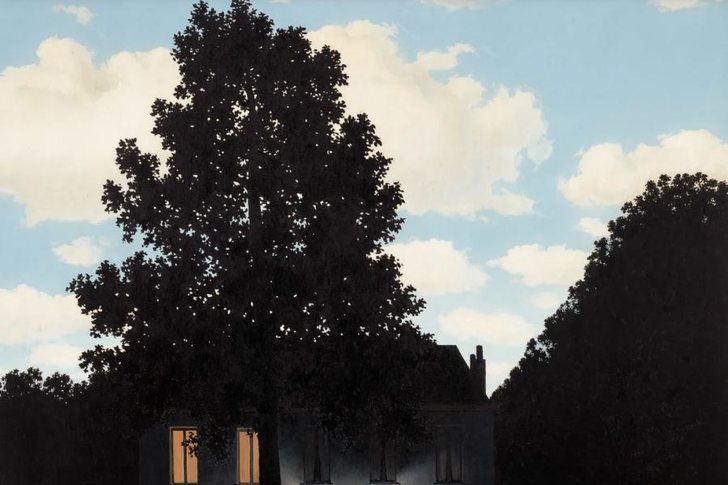
A painting by René Magritte depicting a slightly eeril...
Today I remember it with a smile, but my going to school w...
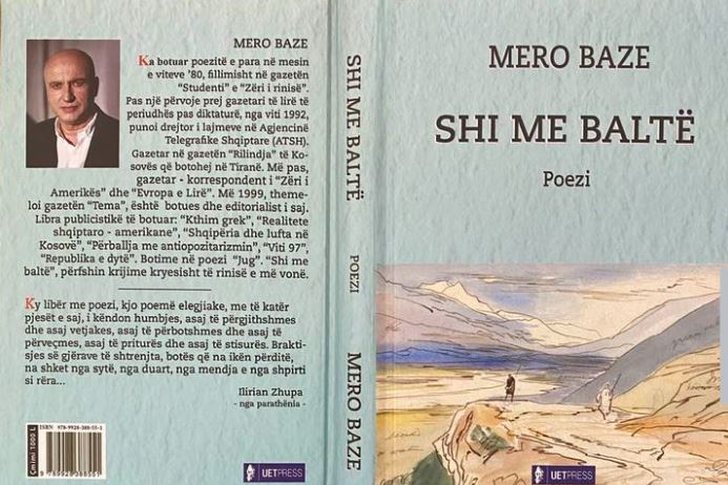
THE MERO BASIC MANUAL FOR LOVE A tribal sorrow, a heartbre...
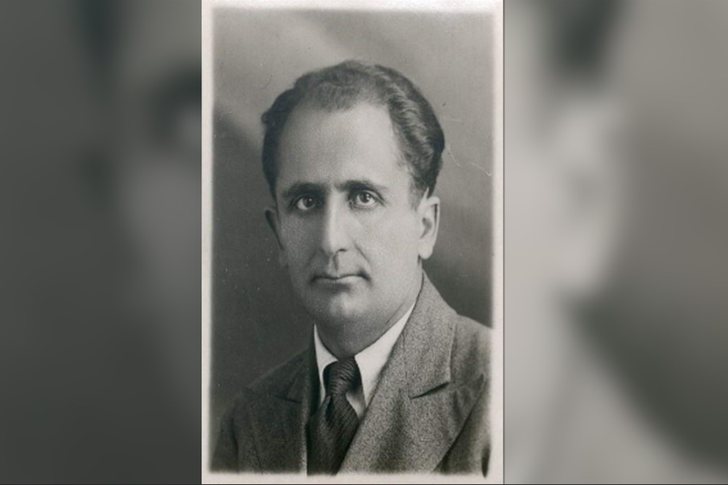
On October 31, this year, which coincides with the 80t...
The flower stayed by the window during those few moments o...
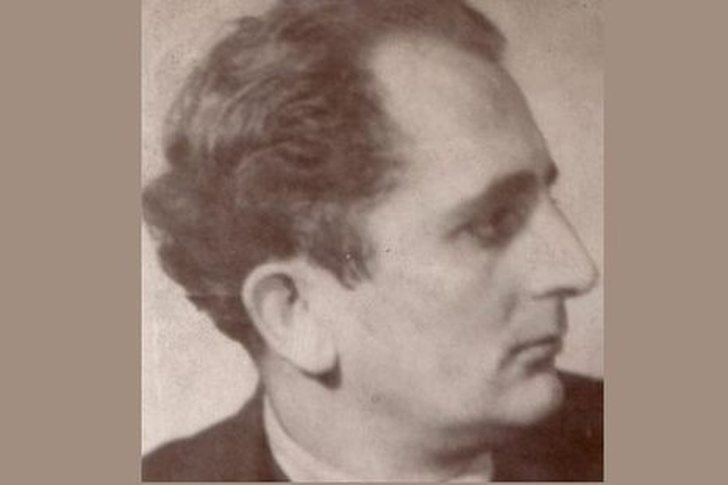
Llazar Fundo, the intellectual of Korça, one of the co...

Educator and political scientist Ermal Hasimja brings his ...
Every time I have a meeting with the publisher, I go half ...

CNA has launched another investigation that could lead to ...

Irfan Hysenbelliu is a businessman that we call "Irfan the...

In March 2026, CNA launched another investigation centered...
The arrested mayor of Tirana, Erion Veliaj, with 13 charge...

The Special Board of Appeal (KPA) decided this Monday ...

The KPA vetting decided this Thursday to dismiss the p...

Suela Salavaçi, a prosecutor in the Prosecutor's Offic...

The Special Board of Appeal reinstated the prosecutor ...

A serious incident has occurred in Morina, Kukes. Citizen...

The bad weather that swept the country on Tuesday evening ...

A road accident occurred this evening on Nikolla Zoraqi St...

Three people were shot and wounded in Elbasan last night b...

This Wednesday, our country will be under the influence of...

All of Southern Europe will face changing weather conditio...

Albania was hit by temperatures significantly higher than ...

For the first time, Pogradec welcomed the Inter-Lake Chess...

Prime Minister Andy Burnham has announced that most bus fa...

France's parliament has passed a law to ban social media f...

US Secretary of State Marco Rubio arrived in Manila on Jul...

In the space of a few days, Ukrainian President Volodymyr ...

At a time when industrial products are increasingly taking...

Trust among people is not just a three-syllable word. It c...

Master of humor Todi Llupi has passed away at the age of 7...

The ninth edition of "MIK Festival" kicked off with one of...

Businesses will no longer be required to simply register t...

Despite economic growth and income in recent years, Albani...

This Wednesday, one US dollar is bought for 81.4 lek and s...

Construction company licenses will have a validity period ...