


Armë, kokainë dhe cannabis në zonat bregdetare/ Arrestohen dy persona
Policia e Vlorës ka finalizuar operacionin e koduar “Sigur...

Policia e Vlorës ka finalizuar operacionin e koduar “Sigur...

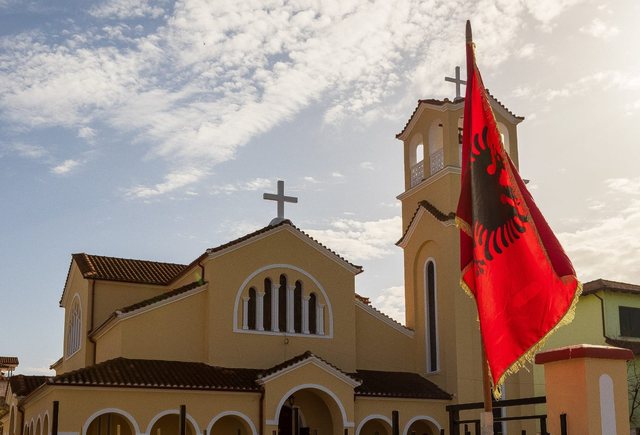
To the outstanding patriot Themistoklis Gërmenji, before he went to Thessaloniki for the issue of Albania, his wife said: "Don't go because you will pay for it with your life". "If my blood will be shed (for this issue) - says Themistocles - then Albania will be". As is known, Themistocles then went to Thessalonica and was killed there for the cause of his homeland.
His sacrifices and blood shed and that of many Orthodox and non-Orthodox Albanians for the protection and prosperity of their country and ours, keeps alive the historical memory and the consciousness of the generations to remember with respect these contributors and martyrs on these festive days of the nation and our homeland.
As is known, at any time the Orthodox were important figures because they worked with flesh and soul so that they and we today can enjoy our sacred rights, to live freely in our earthly homeland. Their patriotic contribution in the period of the National Renaissance definitely alternates with the contribution of other non-orthodox Albanian patriots who aspired to the same wishes for their country.
Throughout history, as in every nation that breathed the air of Christianity from an early age, also in us, from the bosom of the local church that witnessed Christianity in today's Albanian territory, there were saints and figures who blessed our people and our country with the Christian spiritual values ??that were were until recently a factor in the formation, consolidation and continuous progress of the Albanian Nation and State.
In other words, our Church through the Orthodox doctrine and from the members of its community, in the geographical space of Albania today and abroad, produced saints, martyrs, emperors, patriarchs, teachers, scholars and believers protected by the values ??of Christian doctrine. They contributed to the preservation and promotion of Christian identity and became an important factor in medieval society, especially after the great schism where the Orthodox in the country were the dominant part and factor. I am mentioning some of them: Saint Constantine the Great, declared Christianity a free religion; Justinian the Great built churches and dealt with the affairs of their believers; Gjergj Kastriot Skenderbeu, our national hero, resisted the Ottoman hordes with his people; Onufer Neokastritis, cleric Protopape and enlightened Iconographer of the Church. Constantin Shpataraku, excellent iconographer of the Church and martyred for his church activity. Then I mention Joasaf Korcari, Patriarch of the Patriarchate of Ohrid; He gave everything for Christ and for all those for whom Christ was crucified. Hierarchs of the church, philanthropists, benefactors, Orthodox Albanians proved to be true patriots, men of word and faith, of resistance and bravery who sacrificed to preserve their Orthodox identity and the independence of our country from the darkness of ignorance and the yoke of the conqueror . It is worth noting that their spiritual awakening became the inspiration for the awakening for independence.
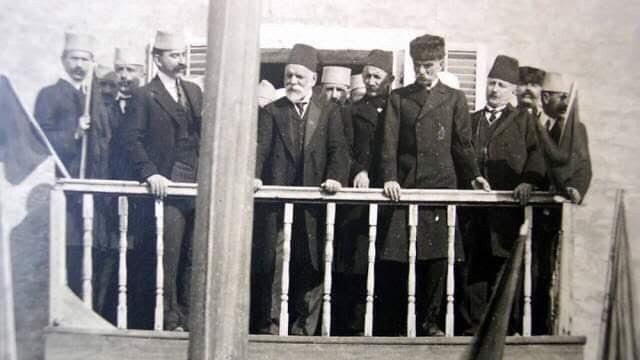
The role of Orthodox and Albanian figures inside and outside the country is best observed in the history of our country, "throughout the entire historical passage of national development", where the contribution made in every field by many Orthodox spiritual figures led not only to spiritual independence, mental clarity , preserving our Orthodox and Albanian identity, but until the independence of the country from every invader who tried in every way to enslave and enslave spiritually and physically our nation, as had happened in the last five centuries before the declaration of the independent Albanian state on November 28, 1912.
The resistance of the Arber people against the Ottoman Turks in the 15th century intensified and for a quarter of a century it resisted mainly because the Orthodox Christian identity and Christian consciousness prevailed over the Dacians of the medieval Arber principalities and made it possible for them to join the call for resistance of Gjergj Kastriot Skënderbeu , an orthodox prince who became the protector of the Christian identity of Arberia and of Christian Europe.
Mainly from the 18th century onwards, saints, scholars, dhaskals, philanthropists, priests and orthodox hierarchs in our country raised the cultural and educational level and morale, which had largely fallen to the ground before independence. The forerunners of ecclesiastical independence such as the good speakers of the Albanian language such as Hieromonk Kostë Beratasi, who around the year 1800 translated many prayers of the Church into Albanian; Theodhor Haxifilipi or Dhaskal Todri, teacher and preacher of the church in Elbasan, at the same time interpreter of the Mass of Saint Joan Gojarti; The bishop of Euboea, "Grigor Gjirokastriti, a man of high theological culture, who edited and published (1924) in the Albanian language the New Testament, translated by Vangjel Meksi" and many others who we do not mention due to time, contributed significantly in the cultural and educational growth of the country. In this way, the suitable terrain of the National Renaissance movement was created from the second half of the 19th century to the beginning of the 20th century.
Mainly the Albanian Orthodox, not in times of peace, but during rule and occupation, proved to be honest workers and contributors to a free and independent Albania. Before talking briefly about some significant contributions of some Orthodox figures, who at home and abroad contributed significantly to the independence of the Albanian State, it is of interest to mention the Albanian patriotic activity on the Holy Mountain (Ajon Oros) at the beginning of the 20th century - about which I believe we know little or nothing.
The most fruitful struggle for national liberation can be seen in the Albanian colonies. The best ground for Albanians to exercise their patriotic activity was not Albania, which was still under the yoke of the Turks, but would be the places where Albanians had emigrated and gathered in the community, were concerned and sensitive about the fate of the people and their country.
In this period from the end of the 19th-20th centuries, about 2000-4000 mostly Orthodox Albanians from the southern areas of Albania worked in Malin e Shënjte. In the first decade of the 20th century, even in the Holy Mountain, it is observed that some monks and laymen not only preserved the Albanian-Orthodox identity but exercised their patriotic activity until the "Albanian Patriotic Committee in the Holy Mountain (Ajon Oros)"
The newspaper "Liria" that was published in Thessaloniki on May 16, 1909 writes: "The number of our parishioners in Ajnoros is about 2,000, of which only 20-30 are monks" We also mention that in these years the Abbot of Zografi Monastery was Galaktion Turtulli, a patriot from Korca.
Shefki Aliko, at the time when he was appointed customs officer in the Holy Mountain, wrote about the Albanians and their patriotic activity there: "Everywhere I went through the different villages of the Holy Mountain, I heard Albanian being spoken. Among those Albanians there were Oshnars with national sentiments, such as Oshnar Gjergji, who came from the village of Panarit i Vakëfeve, Oshnar Sofroni, formerly from Borova e Kolonje (who later returns to Albania, serves as a priest and exercises patriotic activities and surrenders to the bishop and serves 5 years as the Metropolitan of Korca and then is appointed assistant bishop in the Archdiocese of Tirana, "for his patriotic merits he is decorated with the "order for patriotic activity" of the second class and the Medal "for patriotic activity", etc.
Before 1901, these Oshnars, being closely related to the patriot Shahin Kolonja, who had been appointed by the Turkish Empire as kajmekam on the Holy Mountain, also started the movement for national liberation in this part of the Balkans... Shahin Kolonja left there in 1900 The holy mountain, but the national movement, planted long ago, did not fall, because Gjergj Panariti took over its leadership".
The latter in 1907 "to better organize the Albanians there" with other patriots set up a committee headed by Gjergj Panarit himself, Vice-President Sofron Borova and Secretary Shevki Aliko.
"The leadership consisted of: Papa Kozma Zdruli, Nikola Toto Koci, Dhimitër Rehova, Ilo Zicishti, Kosta Dardha, Gjergj Toroman Shalesi and Aqile Toto Koci... The Committee had its headquarters in a room of the Scythian church of Panarit..."
The members of the Committee undertook to develop national consciousness among Albanians on the Holy Mountain. Their activity did not remain separate plans, as it was not limited to the Holy Mountain but was combined with the patriotic activity and in aid of other colonies of the Kurbet as they helped in the national press. For example
The "Kombiar Calendar" published in Sofia publishes the names of the oshnars and helpers of the Holy Mountain, who had also pushed Greek, Bulgarian and Russian oshnars for this special help. Shefki Aliko writes: "The committee also organized a course to teach the Albanians of this peninsula how to write and sing their native language. They received primers and printed chants through Thessaloniki from the national society of Sofia. It should be noted that those who learned the primer of our mother tongue became ardent patriots".

Before them, one of the most important figures of the 19th century, of the Church and of the Nation, is Konstandin Kristoforidhi, called "the father of the Albanian language", but we could also call him the Helmsman of the National Renaissance. He who in 1960 had translated the New Testament into both dialects of Albanian. Compiler of the first primer in Georgian and then in Tuscan", respectively in the years 1867, 1868. Participant together with Koto Hoxhi in the Congress of Prizren and collaborator with Nikola Naco. The biblical translations with Christopher's alphabet and his works became a great treasure for increasing the spiritual and cultural level in the period of the National Renaissance. Also, then we see him teaching the subject of religion at St. Prokop's school in Tirana, teaching Albanian writing and singing with examples of church prayers translated by him into Albanian.
Albanian Orthodox patriots preached in difficult times the coexistence between Christians and Muslims, which in the years of renaissance was very fragile and necessary for independence, as it is known that the differences created by the characterization of ethnicity based on religious affiliation had to be overcome. For example Baba Dudë Karbunara (otherwise known as Jorgji Karbunara) from Berat considered Christians and Muslims one people when he said that "both are branches of the same trunk". With his work, he "developed national consciousness by teaching Albanian writing" and became a symbol of liberation and national unity. Let us mention here that these patriots were Orthodox, great religious people, often members of the Orthodox Church administration of the time. In his diary, Jorgji Karbunara writes that on September 10, 1903, he was appointed chief secretary and interpreter of the Metropolis of Berat.
While another Orthodox patriot Koto Hoxhi saw the factor of the union and coexistence of Albanians with two different religions as "two hands that wash each other and then the face" - "What can a person do with one hand?" - he said.
In the Albanian Encyclopedic Dictionary we read "In the Albanian colonies of Bucharest and Sofia, the first national printing presses were founded, a large number of works by renaissance writers such as N. Frashër, S. Frashër, etc. were published. Their publication would be extremely difficult if the great philanthropist Anastas Lakce did not provide the necessary monetary funds.
The latter leads among the Orthodox contributors of the "Drita" Society in Bucharest, where among them, you rarely find any non-Orthodox. The presence of the Orthodox and their contribution to the creation of societies abroad shows that in this composition, the factor and the great role to achieve, not only the spiritual and educational awakening of the people but also the national awakening until independence, was largely the Albanian Orthodox . This contribution, where the Orthodox presided or made up the whole, can be seen in all the societies created such as: "Albanian Society of Egypt", "Dêshira Society" in Sofia, "Malli i Mëmëdheut" Societies, "Alilovoithia", "Vatra" in the USA, etc.
Also, in the term Christianity in the Albanian Encyclopedic Dictionary, among other things, it is written: "Even during the National Renaissance, many clergy came from the ranks of both branches of Christianity who put themselves at the service of the National movement and gave valuable help in the development of language and culture Albanian". (close quote).
Orthodox clerics such as Pope Kristo Negovani, Father Stath Melani worked for Albanians and for the liberation of the homeland. Finally, we are mentioning some Orthodox figures who worked for the declaration of independence, such as the aforementioned Jorgji Karbunara, Dhimitër Tutulani, Lef Nosi, Jani Minga, Dhimitër Zografi, Dhimitër Mborja (Emanuil), Dhimitër Berati, Pandeli Cale, Athanas Floqi, Spiro Ilua, Kristo Meksi, Petro Poga, Jan Papadhopullo, Dhimitër Ilo, Aristidh Ruci and many others who helped in ways different independence of the country whom we honor today because they put to work the talent that God gave them and added it not only to their good but to the good of all.
* Wrote: Dr. Thomas Shkira
The speech held in the festive program at the Theological Academy "Resurrection of Christ" Saint Vlas, Durrës, on the occasion of the November Holidays.
Photo: "Birth of Christ" Church, Cërrik.
A. Poshnjar

We found all the elderly people of the palace in Korça to ...
“Don't prioritize looks my friend, as they won't last your...
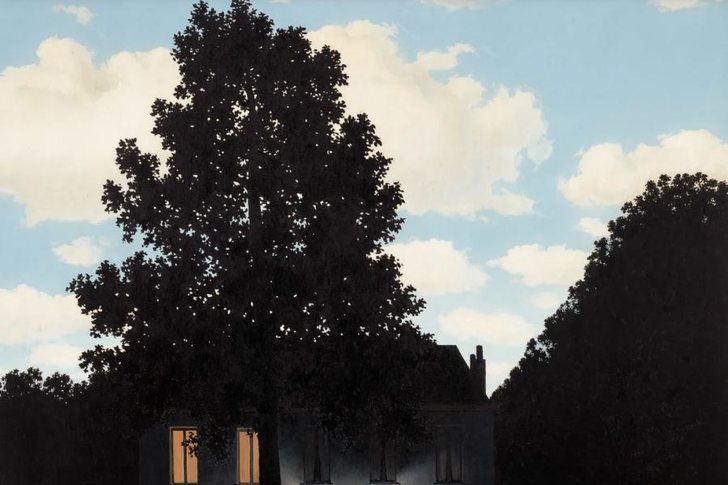
A painting by René Magritte depicting a slightly eeril...

Today I remember it with a smile, but my going to school w...
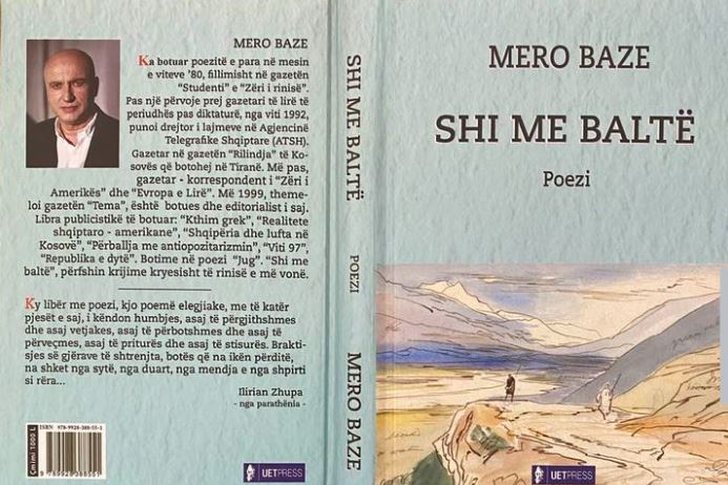
THE MERO BASIC MANUAL FOR LOVE A tribal sorrow, a heartbre...
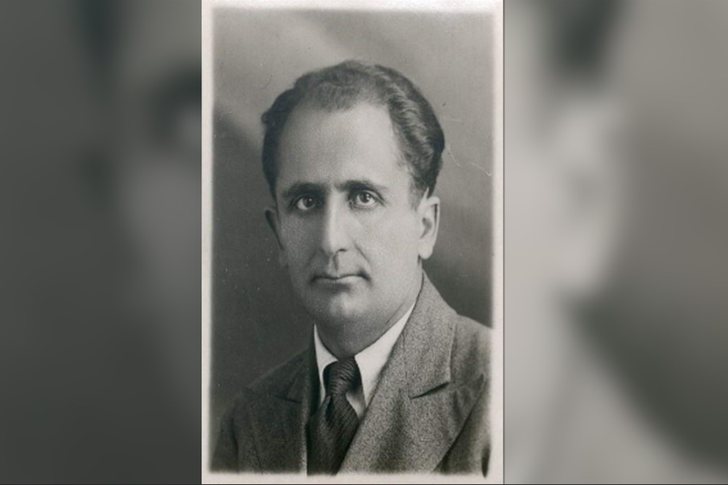
On October 31, this year, which coincides with the 80t...
The flower stayed by the window during those few moments o...
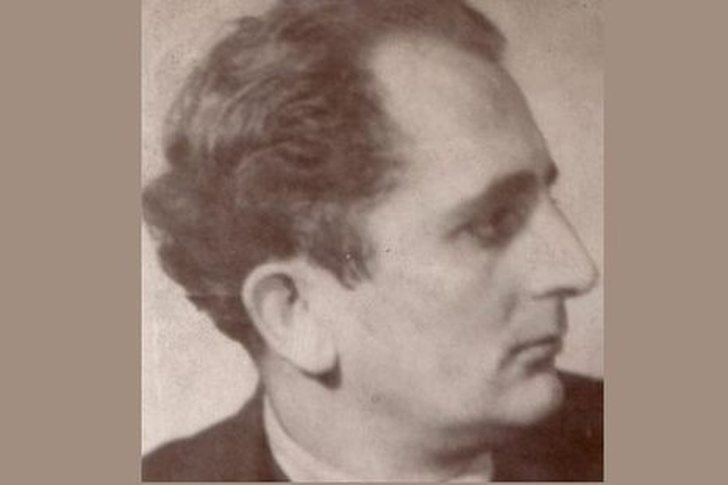
Llazar Fundo, the intellectual of Korça, one of the co...
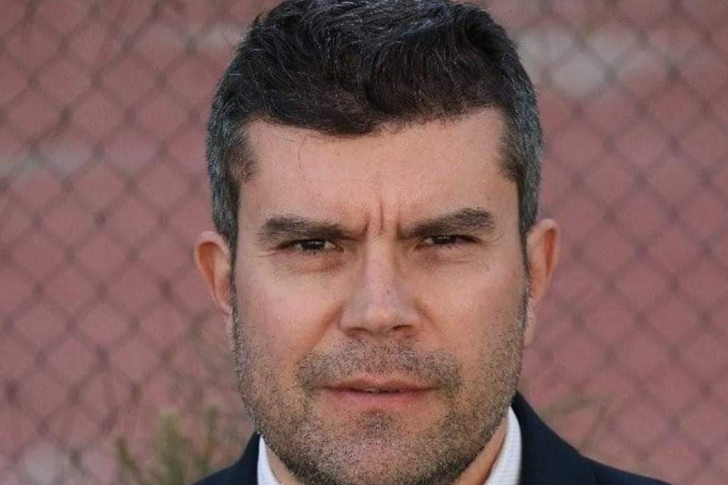
Educator and political scientist Ermal Hasimja brings his ...
Every time I have a meeting with the publisher, I go half ...
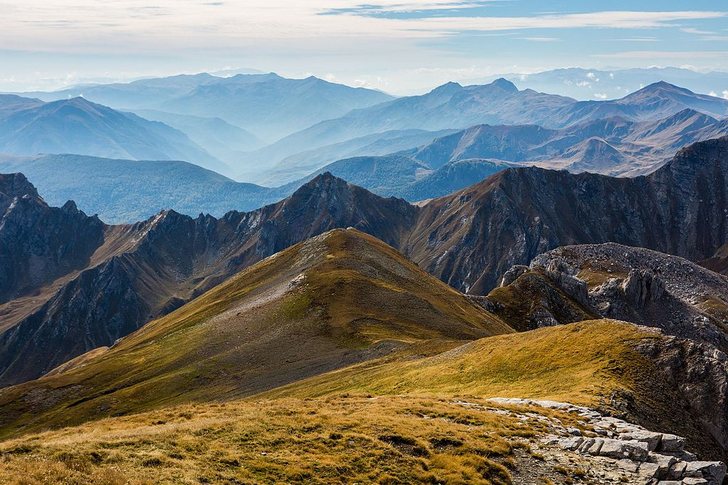
Mount Korabi is the highest mountain in Albania and one of...
I don't know why at home I went to the little box I ha...
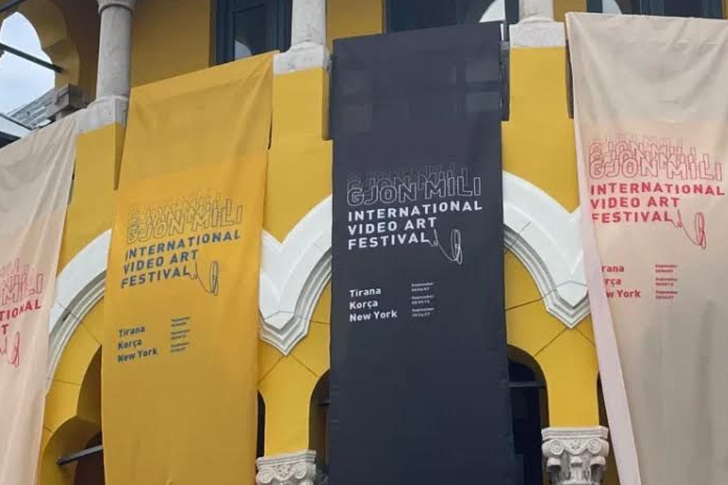
The International Video Art Festival "Gjon Mili" has attr...

It was a warm June evening. From those when you can fe...
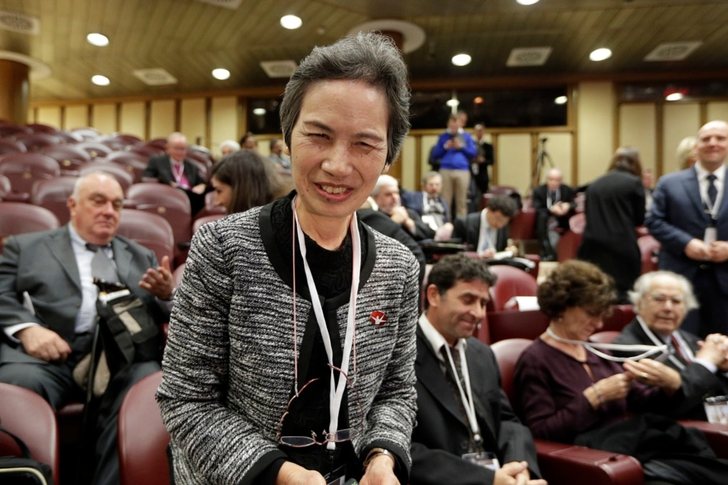
The Nobel Peace Prize this year has been awarded to the Ja...
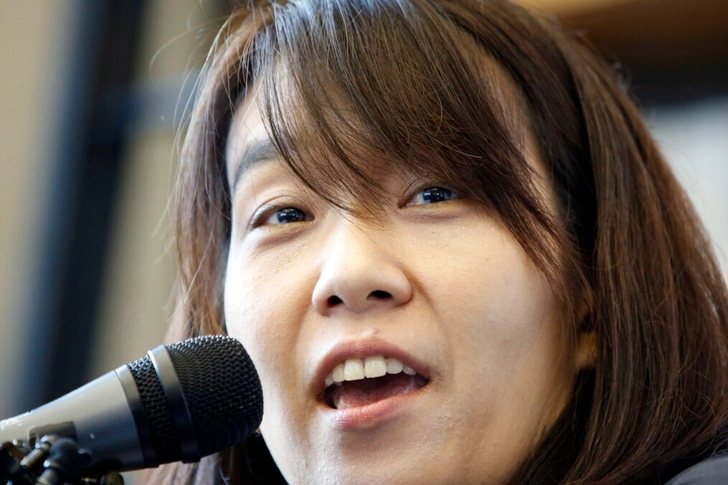
The Nobel Prize for Literature has been awarded to H...
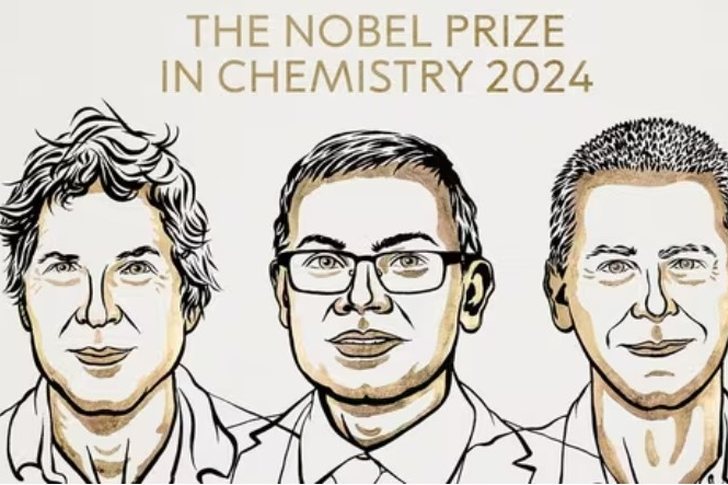
The Nobel Prize in Chemistry is divided into two parts. On...
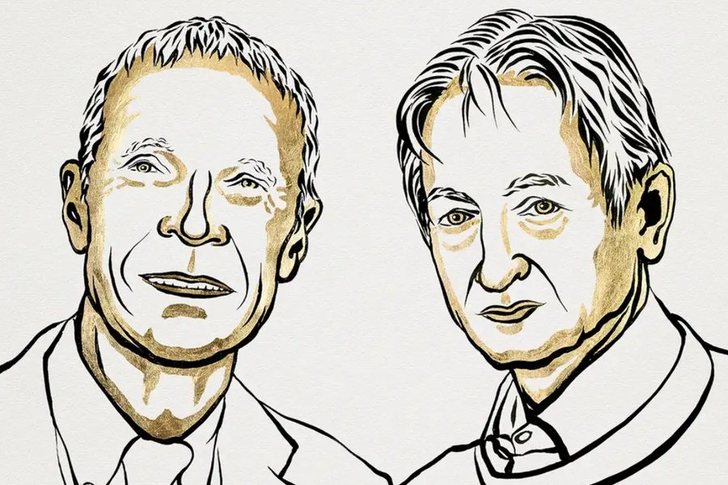
John Hopfield and Geoffrey Hinton won the 2024 Nobel P...
I was surprised when the girl at the bank teller told ...
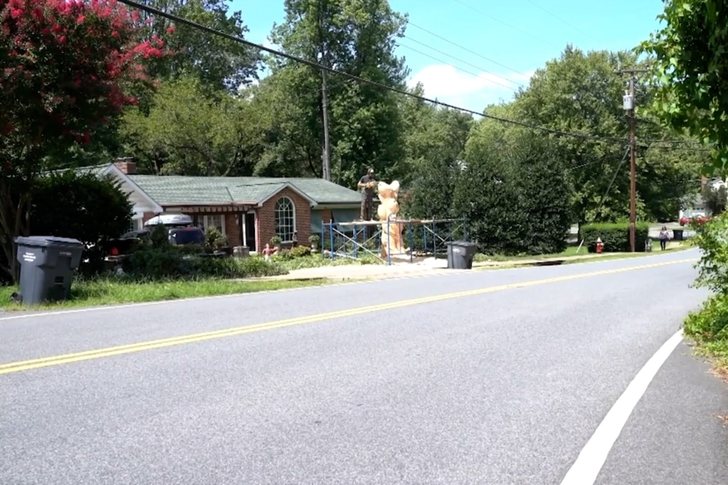
What can be called art? This is an age-old question with m...
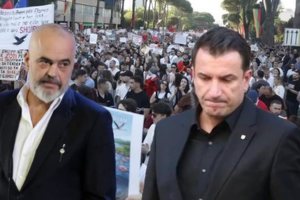
There have been 12 days of protests in the capital, which ...
Dritan Prençi is the SPAK prosecutor who is sleeping on th...
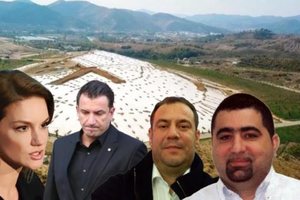
The in-depth investigations that SPAK conducted into Ajola...
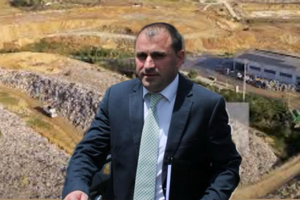
SPAK's standards, the way it investigates, how it secures ...

The Special Board of Appeal (KPA) decided this Monday ...

The KPA vetting decided this Thursday to dismiss the p...

Suela Salavaçi, a prosecutor in the Prosecutor's Offic...

The Special Board of Appeal reinstated the prosecutor ...
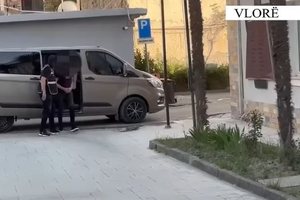
Policia e Vlorës ka finalizuar operacionin e koduar “Sigur...
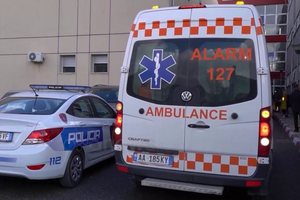
New details have emerged regarding the serious accident th...
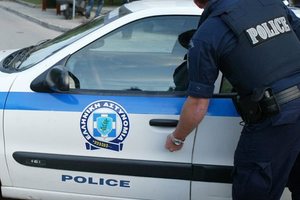
An Albanian businessman was arrested this afternoon in Gre...
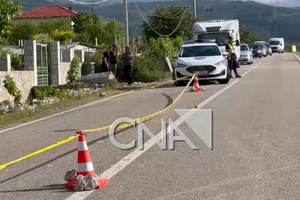
A serious accident has occurred on the Korça-Ersekë axis, ...
Today our country will be affected by stable weather condi...
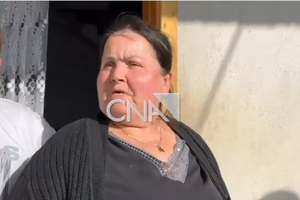
A tragic accident occurred this Friday afternoon in Kameni...

Today our country will be affected by unstable weather con...
On Thursday, our country will be affected by relatively un...
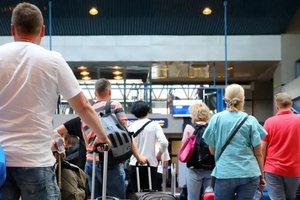
Good news for those who fly: After years of negotiations, ...
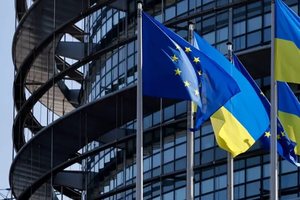
It took more than two years, but now the EU can begin acce...
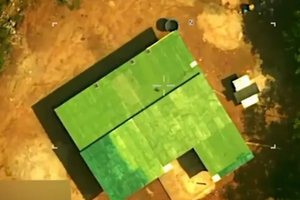
US President Donald Trump announced that the US military h...
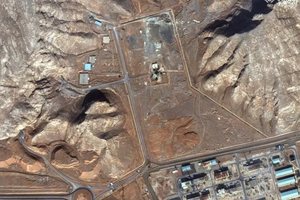
Iran has taken new measures to strengthen the protection o...
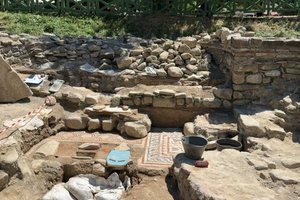
Several archaeological excavations conducted during this s...
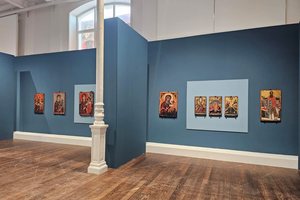
At the Museum of Fine Arts in Chambéry, France, an exhibit...
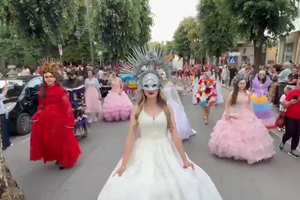
Korça has transformed this weekend into the capital of cel...
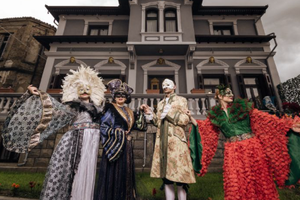
Korça is ready to open the summer season with one of the c...
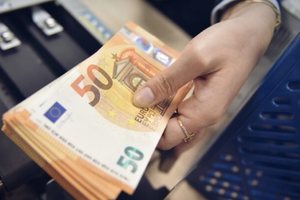
This Saturday, one US dollar is bought for 81.5 lek and so...
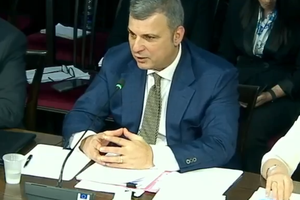
The Governor of the Bank of Albania, Gent Sejko, shared to...
Business lending has increased in the first half of this y...

The labor market has shown worrying trends in early 2026. ...