


Tehran claims closure of the Strait of Hormuz/US-Iran talks take place in Switzerland
Direct talks between the United States and Iran are expect...

Direct talks between the United States and Iran are expect...

Diplomats making Western foreign policies are deeply concerned about Russia and China. But the international issue that most worries their political superiors is immigration.
As a close aide of US President Joe Biden says: "If we lose the next election, it will happen because of the migrant crisis on our southern border and not because of supporting Ukraine."
The political pressure caused by illegal immigration will only increase this week in the US due to the expiration of Title 42, the pandemic-era policy that enabled the swift deportation of undocumented immigrants on public health grounds.
US officials are prepared for the entry of up to 13,000 illegal immigrants each day, more than double the current number. To show its determination against this phenomenon, the White House is sending troops to the border. But Biden is also preparing for a political blow that could come from Republicans.
On the other hand, the issue of refugees and immigrants has turned into a delicate argument in Europe as well. Italy's Prime Minister, Giorgia Meloni, promised during last year's campaign to curb the arrival of migrants through the Mediterranean Sea. But the numbers of immigrants currently landing in Italy are 3 times higher than the same period last year. Nearly 40,000 people have arrived in Italy since the start of this year, and the numbers will only increase as the weather warms and the sea calms.
As in the US, the end of legal restrictions due to the pandemic is playing a large role in increasing the flow of immigrants. In Britain, the promise to "stop the boats" of refugees crossing the Channel is one of the 5 main promises of the Sunak government for this year.
Sure the numbers may be small compared to those in the US, with 45,000 arriving in Britain last year, but they still grab the headlines. War, social collapse and poverty are the main factors driving refugee flows.
But bitter experience in countries such as Libya, Lebanon, Mali and Afghanistan has made Western countries increasingly wary of committing troops to try to stabilize failing states. No one is likely to suggest foreign intervention in Sudan, as civil war has once again engulfed the African country.
The reality is that most refugees from countries such as Sudan, Syria, Venezuela or Myanmar are likely to end up in neighboring countries rather than the US or the EU. And the arrival of millions of refugees fleeing war or economic collapse can destabilize the host country.
The pressure to "do something" is great; and so is the lack of realistic solutions. Safe and legal routes for migration are clearly desirable. But the number of potential immigrants is always likely to exceed the number of visas available.
Governments of all stripes try to reach agreements with countries that agree to act as unofficial holders of refugees such as Turkey, Mexico or Libya. But in doing so, they increase the burden on those countries and give great political leverage to leaders they are often uncomfortable with, such as Turkey's Recep Tayyip Erdogan.
But there is little evidence that more punitive solutions work better. Donald Trump was much more successful in reducing legal immigration than illegal immigration. Hard-line policies in Australia have inspired the UK government to do the same.
But expelling illegal immigrants from Australia depended on the cooperation of much weaker neighbors such as Papua, New Guinea and Nauru. Meanwhile, France will not be so welcoming to the immigrants Britain intends to deport.
When a country succeeds in implementing tough policies on refugees, it often succeeds only in displacing the problem. The violent expulsion of refugees from Hungary in 2015 was part of the reason that convinced Germany to open its borders. A visit to France by Italy's foreign minister has just been canceled after a bitter clash between the two countries over immigration.
But instead of fighting, countries should cooperate even more. For them to have any chance of doing so, cooperation must involve countries of origin, countries of transit and countries of destination. Meanwhile, there is a need for a mix of liberal and conservative measures.
Law enforcement and intelligence services have an important role to play in addressing the problem of human traffickers. And while talking about development doesn't really help anyone, targeted projects can work.
The Vice President of the USA, Kamala Harris, is often accused of failing to solve the problem on America's southern border. But it has helped create some unheralded public-private partnerships that have led to billions of dollars in investment in Central America, giving some would-be immigrants a reason not to leave home.
Reducing the number of refugees in a humane and effective way requires a difficult combination of diplomacy, law enforcement and targeted development. Deportations and walls make better headlines for the media, but create worse policies./ Adapted from CNA.al

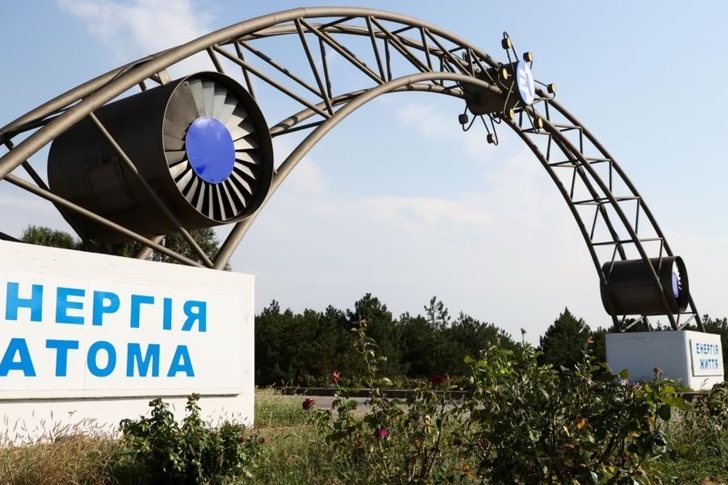
Enerhoatom, the operator of Ukraine's Zaporizhzhia Nuc...

Palestinian extremists fired hundreds of rockets from ...
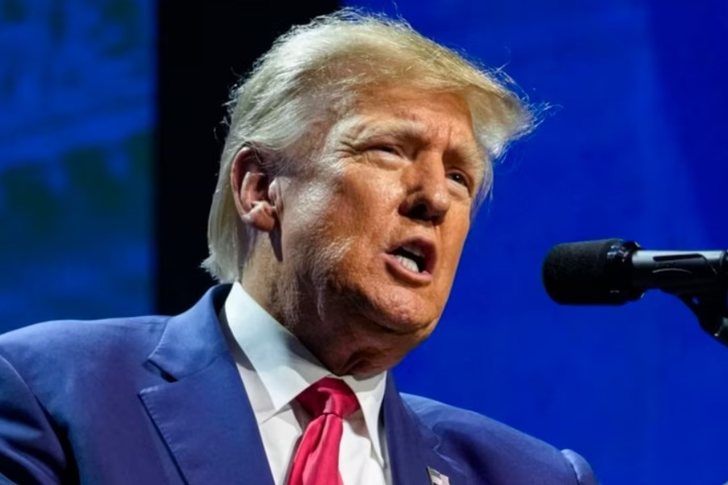
Former President Donald Trump stood by his stance on t...

The Prime Minister of Kosovo, Albin Kurti, will host t...
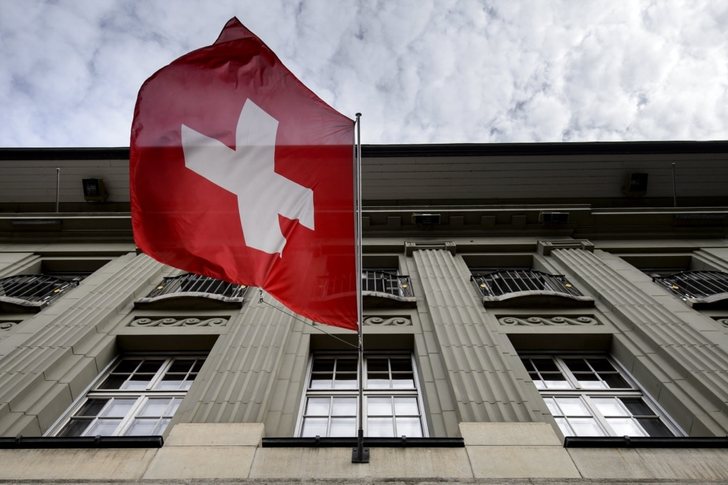
A total of 8.3 billion dollars of reserves and assets ...

Former Fox News anchor Tucker Carlson, who was taken o...
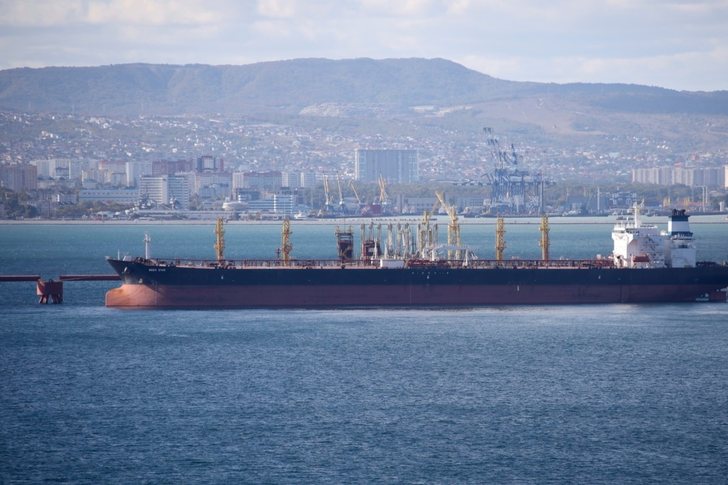
Russian crude oil shipments have hit their highest levels ...
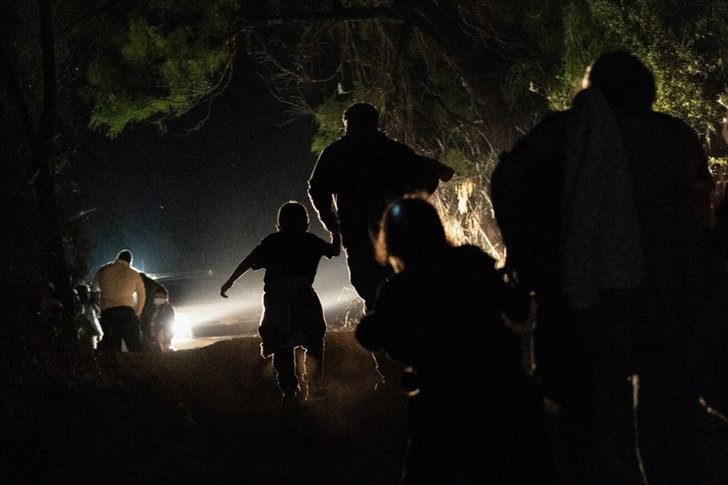
US President Joe Biden's administration will begin den...

A spectacular theft has taken place at a jewelery store in...
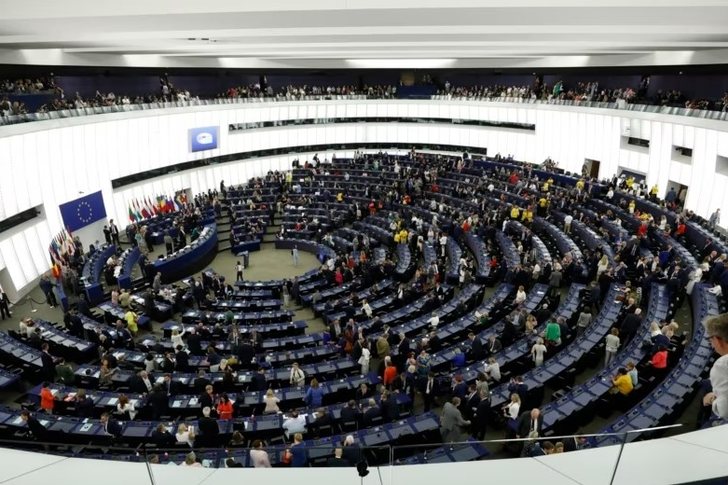
The European Parliament has approved two annual resolu...
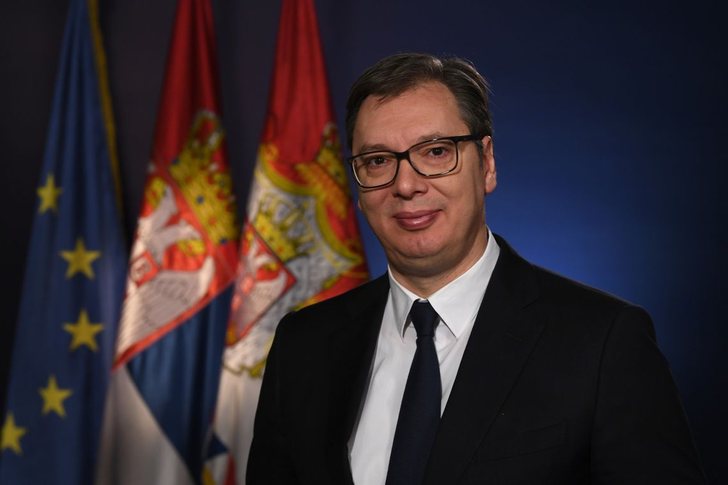
After the attacks in Serbia a few days ago where 17 people...

A 32-year-old French journalist has been killed while repo...

The EU states that the draft statute for the Association p...

The European Union is preparing for the joint purchase...
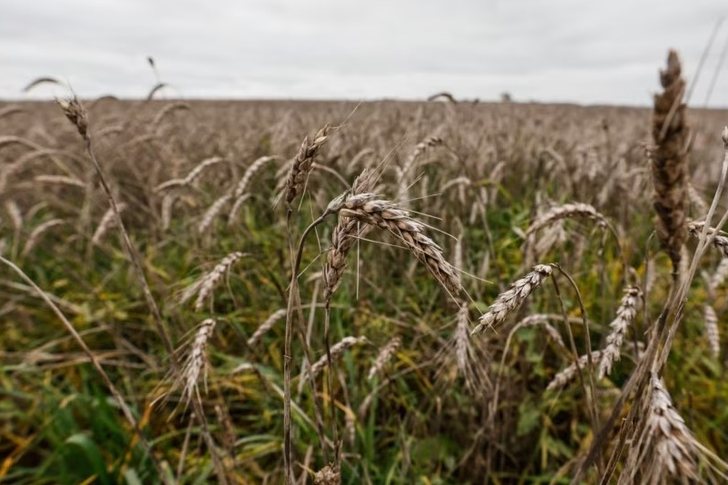
The European Commission has imposed some restrictions ...
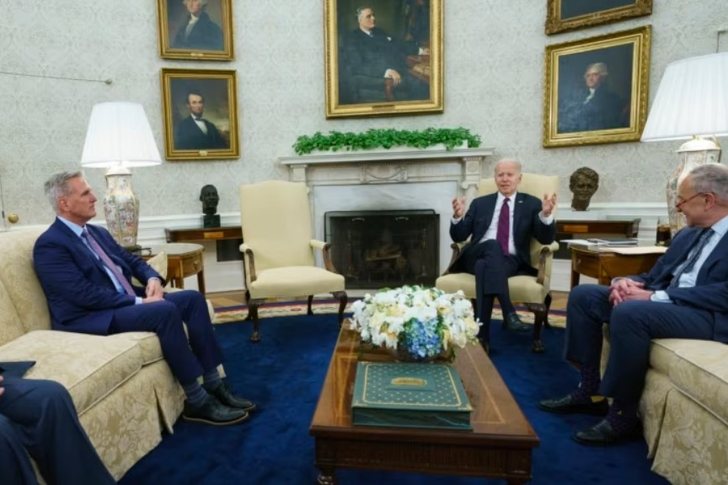
House Speaker Kevin McCarthy said Tuesday after meetin...
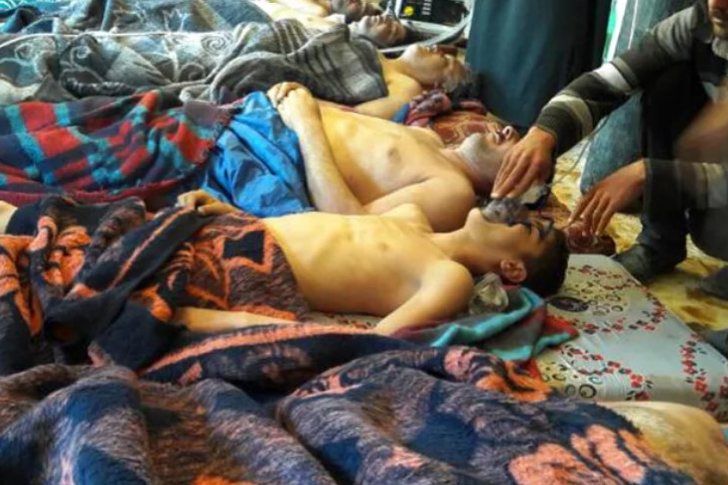
An expert has warned that Russia could use "terrible" ...
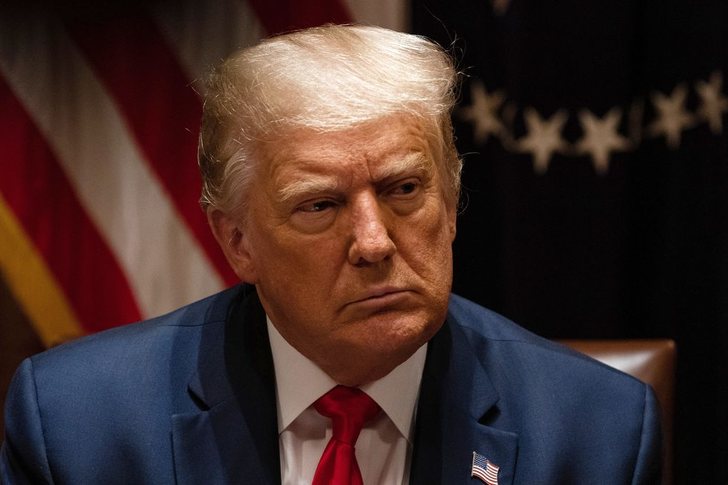
The Manhattan federal court found former US president ...
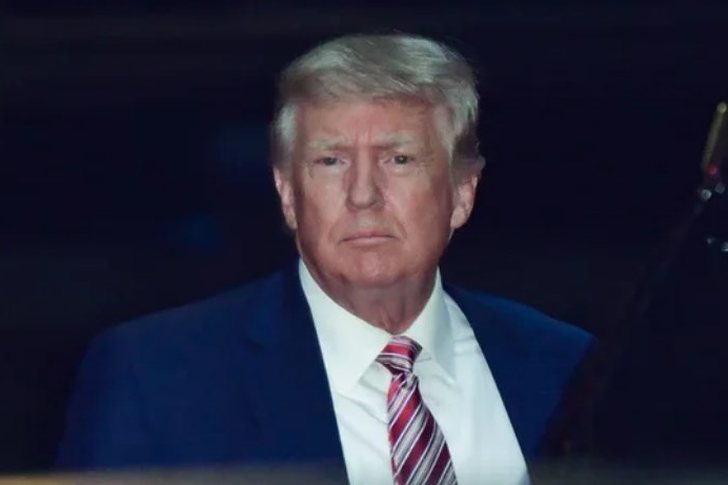
Gjykata federale të Manhatanit shpalli këtë të martë f...

According to a poll conducted by the well-known newspa...

A mountain of documents for a flagrant case, in the na...

The Democratic Party has denounced a tender held by the Hi...

Since the summer of 2020, the Mayor of Tirana, Erion Velia...

The leader of the Democratic Party, Sali Berisha, denounce...

The Special Board of Appeal (KPA) decided this Monday ...

The KPA vetting decided this Thursday to dismiss the p...

Suela Salavaçi, a prosecutor in the Prosecutor's Offic...

The Special Board of Appeal reinstated the prosecutor ...

A 60-year-old man lost his life this evening in Rrogozhina...

Following intensive controls and work based on police inte...

A road accident was recorded on Saturday morning on the Le...

A serious incident is reported to have occurred today in G...

Today, the country will be engulfed by a heat wave, with t...
Today our country will be affected by stable weather condi...

Albania is leading a painful demographic process that plac...

On Friday, our country will be affected by stable weather ...

Direct talks between the United States and Iran are expect...

US President Donald Trump announced in a post on the Truth...

A serious rail accident occurred today in Munich, Germany....
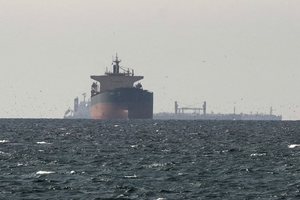
The Iranian Central Military Command, Khatam al-Anbiya, an...

The promotion of the book by author Aleksandër Ikonomidhi ...

The Albanian Embassy in Switzerland has organized an eveni...

This Wednesday, the prominent actor of Albanian cinema, Gj...

Several archaeological excavations conducted during this s...

For almost a decade, the construction sector in our countr...

This Sunday, one US dollar is bought for 81.4 lek and sold...

In the Balkans, few tourism markets are expanding at the p...

Demographic experts Ilir Gëdeshi and Russell King conclude...