

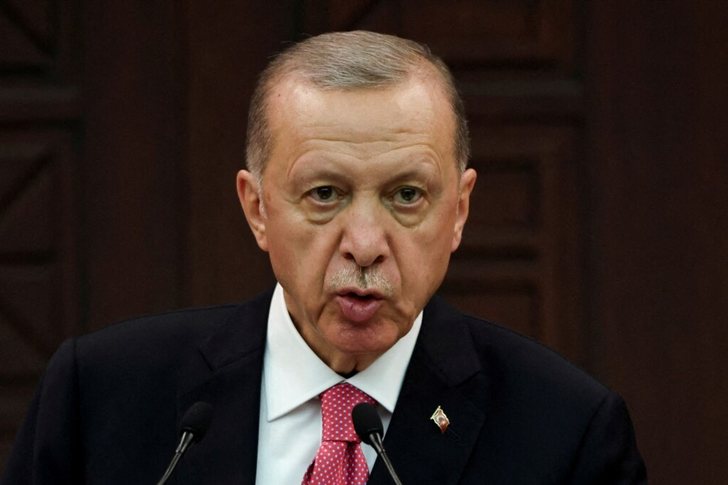
President Erdoğan's comments, a turn from the first attitudes towards the Israel-Hamas conflict
Turkish President Recep Tayyip Erdogan's growing suppo...


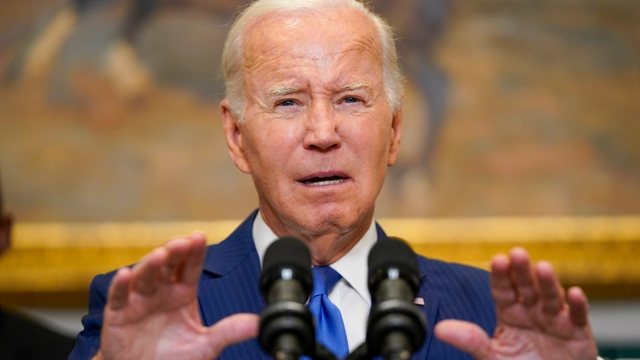
President Joe Biden on Monday signed an executive order on artificial intelligence that covers a range of issues ranging from national security, consumer privacy protections, human rights and commercial competition. The US administration said that through this order "vital steps are being taken towards the United States' goal of making artificial intelligence safe and reliable".
The order forces federal government departments and agencies to come up with policies to set rules and standards in an industry that is developing new and powerful systems at such a rate that it has fueled concerns that they will overwhelm the current regulatory framework.
"In order to keep the promise of artificial intelligence and avoid this risk, we need to establish oversight rules for this technology," Mr. Biden said during the order signing ceremony at the White House. He added that this order represents "the strongest measure taken by a government in the world to make artificial intelligence safe and reliable".
One of the key requirements of the new order is that companies developing advanced artificial intelligence systems conduct rigorous testing of their products to prevent them from being used for cyber attacks.
Through this process, among other things, "threats from artificial intelligence systems to critical infrastructure, as well as chemical, biological, radiological, nuclear and cyber security risks" will be assessed.
The rules for conducting these tests will be set by the National Institute of Standards and Technology, and AI companies must report the findings of the tests to the federal government before they can market the product to consumers.
To avoid the risk of creating and distributing false information, including technology-generated images and fake news videos, the Commerce Department will develop guidelines to create standards that facilitate the identification of technology-generated content.
The order also calls for the White House chief of staff and the National Security Council to draft a set of guidelines for the ethical and responsible use of artificial intelligence systems by US intelligence and national defense agencies.
The order provides a series of steps aimed at protecting the privacy of Americans in cases where artificial intelligence systems have access to their data. This includes the development of privacy protection technologies and the establishment of rules on the use of personal data by government agencies.
However, the order notes the need for the adoption of legislation that unifies the rules for the protection of personal data.
Currently, the United States is far behind Europe in setting these rules, and the executive order calls for bipartisan approval by Congress "of legislation to protect the personal data of all Americans, especially children."
The order covers a number of other areas, promising measures to protect Americans who could be put at risk or losing their jobs by the use of artificial intelligence technology, as well as maintaining the United States' leading role in creating intelligence systems. artificial.
Experts say that while the executive order is broad in scope, it remains unclear how Mr. Biden's administration will put artificial intelligence regulatory norms into practice.
Benjamin Boudreaux, a policy fellow at the RAND Research Institute, told VOA that while it's clear the administration is trying to address all the challenges and risks of artificial intelligence, there's still a lot of work to be done.
"The devil is hidden in the details. I'm talking about the financial resources and other resources that will be made available to the agencies under the executive to actually implement most of these guidelines and which of these norms and guidelines that have been suggested will be implemented," he said. .
In the international context, the order states that the administration will work to be at the forefront of "efforts to create strong international norms aimed at harnessing the benefits that artificial intelligence brings, managing its risks and ensuring security."
James A. Lewis, vice president and director of the strategic technologies program at the Center for Strategic and International Studies, told VOA that the executive order has a positive impact on defining the role of the United States on a number of important issues related to the global development of artificial intelligence.
"It addresses all the necessary issues," says Mr. Lewis. "It's not groundbreaking in many ways, but it makes clear to companies and other countries how the United States will approach artificial intelligence," he says.
This, he says, is because the United States is likely to play a leading role in developing international rules and norms around technology.
"Like it or not, of course some countries don't like it, we are at the vanguard of the development of artificial intelligence", he says.
Not all experts are convinced that President Biden's administration is focusing on the real dangers that artificial intelligence can pose to consumers and citizens.
Louis Rosenberg, CEO of US technology company Unanimous AI, told VOA that the administration may have undertaken "the last fight".
"I think it's good that they're making a bold statement that this is a very important issue," Mr. Rosenberg said. "It shows that the administration is taking it seriously and that they want to protect the public from artificial intelligence."
However, he adds, when it comes to consumer protection, the administration appears focused on ways artificial intelligence can be used to strengthen protections against existing risks consumers face, such as fake images and videos and misinformation, issues that already exist.
He said he is more concerned about new ways of using artificial intelligence to influence people. For example, he says, artificial intelligence systems are being built to simulate human communication.
"Pretty soon we won't be doing Google searches. We will communicate through computer programs that simulate human communication. Artificial intelligence systems will be very effective in manipulating and possibly stalking people through this "conversation" for the benefit of anyone using this computer system. This is a new and completely different kind of risk, which did not exist before artificial intelligence", he emphasizes./ VOA

Turkish President Recep Tayyip Erdogan's growing suppo...

Serbian President Aleksandar Vucic reacted again this ...
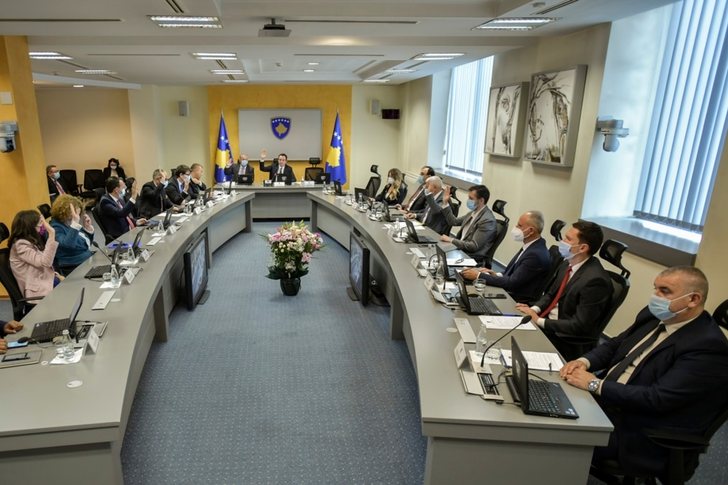
On Tuesday, the Kosovo government approved the draft law f...

Israeli military operations in Gaza continue as the humani...

Another serious event took place in Paris, where the autho...

Ish-kryeministri i Malit të Zi, Dritan Abazoviç i ka dorëz...
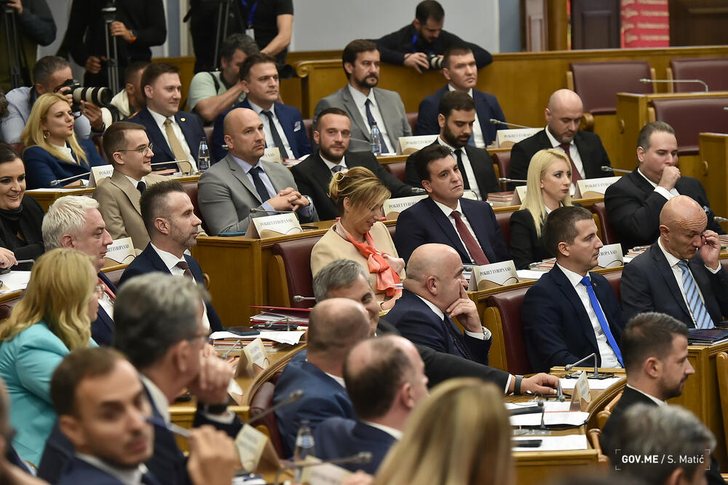
The Parliament of Montenegro has elected the 44th Gove...
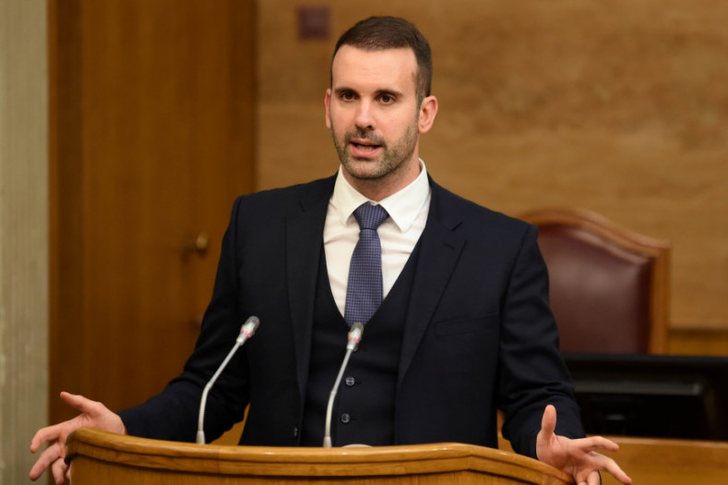
The Parliament of Montenegro has elected the 44th Governme...

Another night of war between Israel and Palestine. Militar...

Një sulm me armë zjarri ka ndodhur në një psital të Japoni...

It's common and polite to hold a sneeze or put your el...
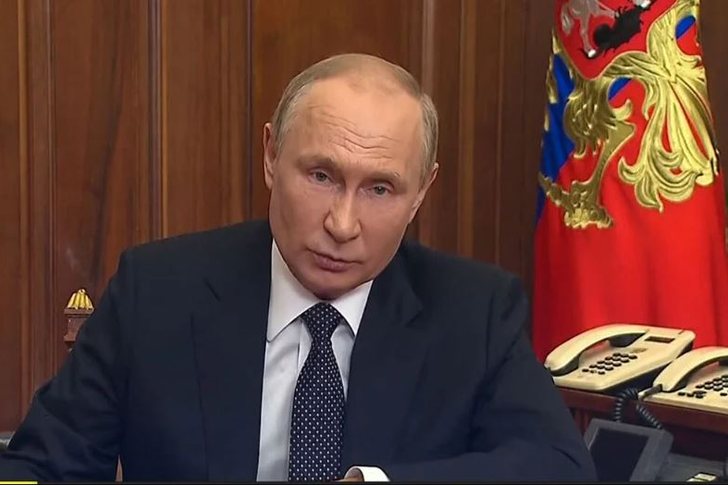
Russian President Vladimir Putin accused the "American...
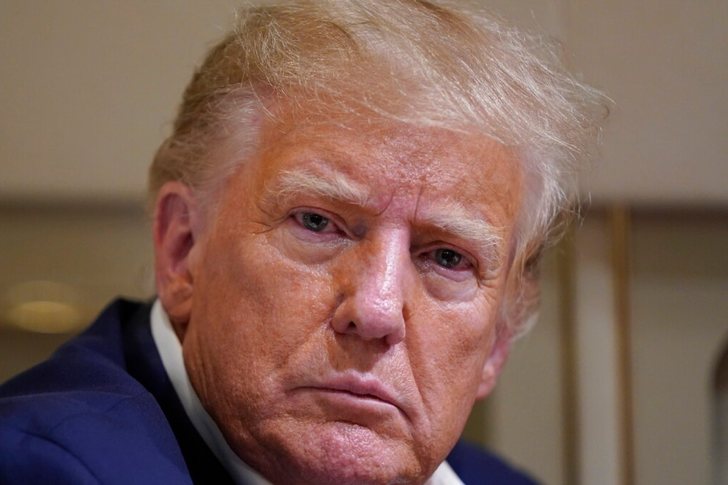
Today in a court in Colorado, the presentation of legal ar...

Renan Gome chose to share the experience of her children -...
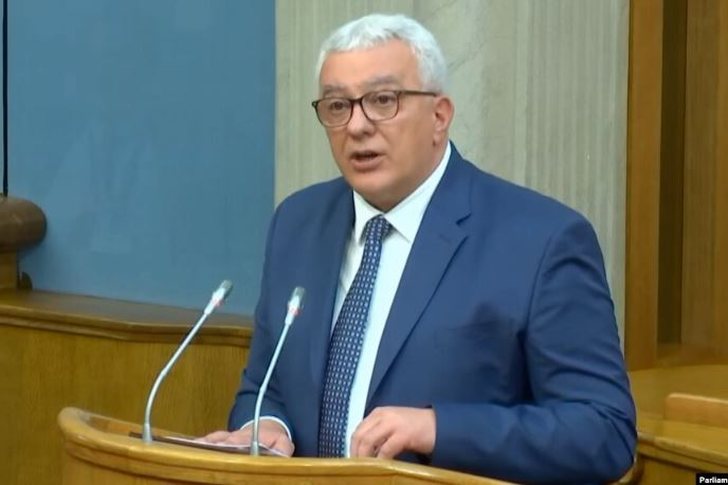
Andrija Mandiq is the new Speaker of the Parliament of Mon...
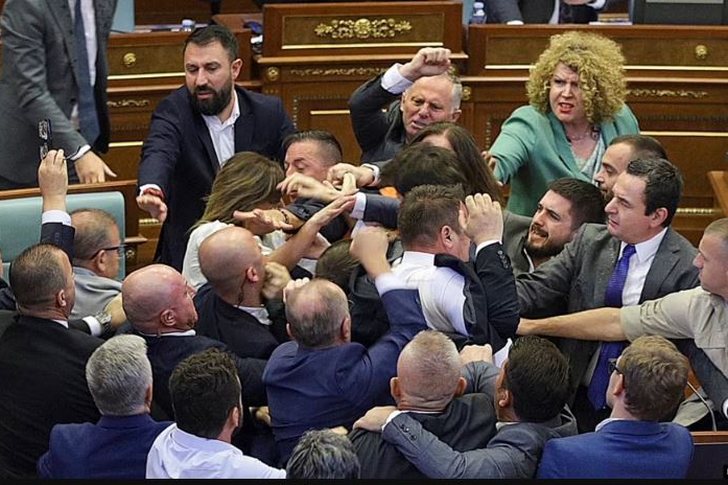
The Basic Prosecutor's Office in Pristina filed an ind...

Women have rarely taken on front-line combat roles within ...
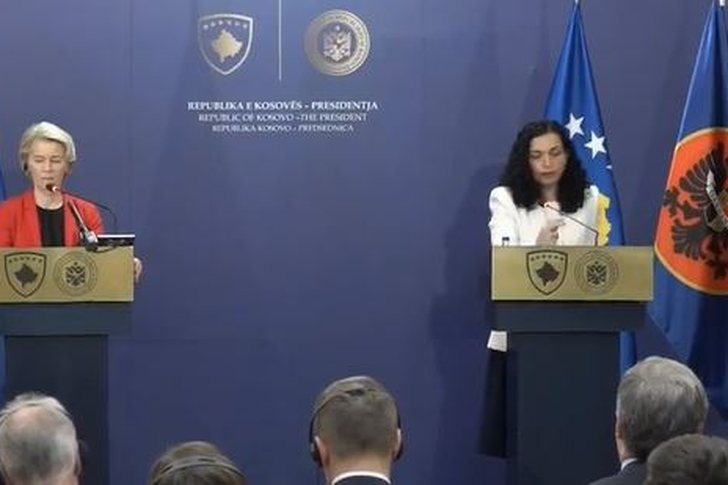
The President of the EC, Ursula von der Leyen, in the join...

Shani Louk, një grua gjermano-izraelite e rrëmbyer nga...
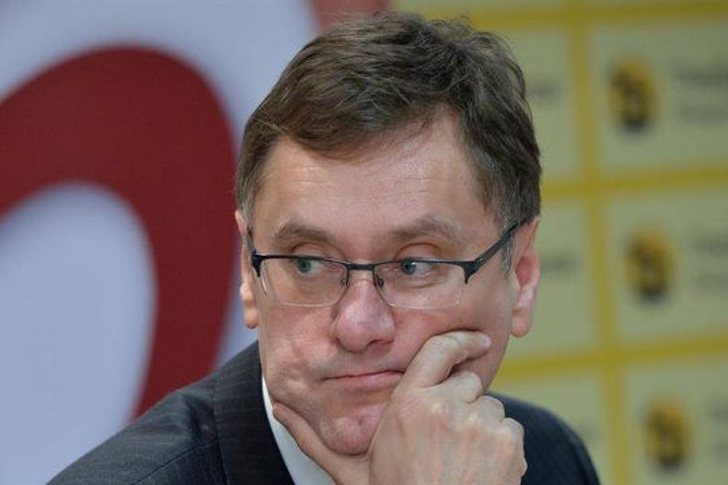
On Monday morning, with the decision of the Special Co...

A 39-year-old citizen has been arrested in Lezha, after se...

CNA has launched another investigation that could lead to ...

Irfan Hysenbelliu is a businessman that we call "Irfan the...

In March 2026, CNA launched another investigation centered...

The Special Board of Appeal (KPA) decided this Monday ...

The KPA vetting decided this Thursday to dismiss the p...

Suela Salavaçi, a prosecutor in the Prosecutor's Offic...

The Special Board of Appeal reinstated the prosecutor ...

Several gunshots were reported today in the village of Gjo...

Following the successive operations carried out by the ope...

The Police Supervision Agency has seized the service weapo...

A serious incident occurred in Lushnje, where citizen IY, ...

As the year 2026 is in its second half, the world is exper...

Today, our country will be under the influence of stable a...

By noon, cloudiness is expected to prevail in almost all o...

Children without parental care, for whom alternative famil...
Ukrainian President Volodymyr Zelensky said Russia wants t...

Iran is adapting and enhancing the capabilities of its bal...
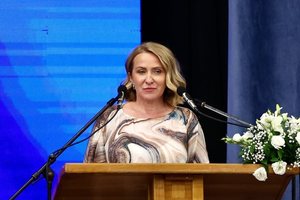
Serbia's Minister of State Administration and Local Self-G...
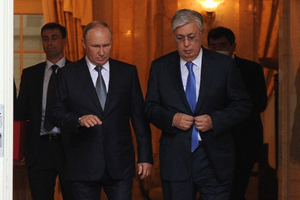
Kazakh President Kassym-Jomart Tokayev shared some critici...

Two windows, a century of history and the metaphysics of p...

In my research at the Central State Archives, specifically...

At a time when industrial products are increasingly taking...

Trust among people is not just a three-syllable word. It c...

This Saturday, one US dollar is bought for 81.7 lek and so...

War, weather and supply disruptions could send gas prices ...

The number of active enterprises in Albania continued to g...
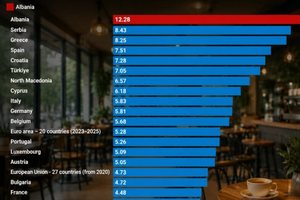
In Albania, the bar-cafe has long become an almost unique ...