


Report on Trump/ "He escaped punishment after being re-elected President"
Donald Trump's fate would have been very different if ...


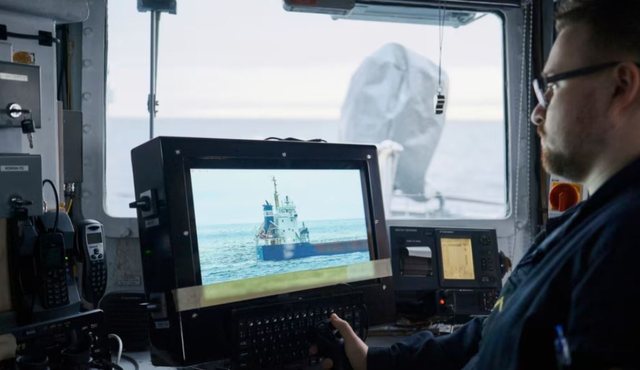
NATO is launching a new mission to protect undersea cables in the Baltic Sea region after a series of incidents that have raised fears of sabotage and espionage by Russia in the strategic region, the head of the alliance said on Tuesday.
NATO Secretary-General Mark Rutte said the mission, codenamed "Baltic Guard," would include frigates, patrol aircraft and a fleet of naval drones to provide "enhanced surveillance."
"Across the alliance, we have seen elements of a campaign to destabilize our societies through cyberattacks, assassination attempts and sabotage, including the possible sabotage of undersea cables in the Baltic Sea ," Rutte told reporters at the end of a meeting in Helsinki with the leaders of the Baltic states.
While announcing this new mission, the NATO chief noted that more than 95 percent of internet traffic is provided via undersea cables and 1.3 million kilometers of cables guarantee financial transactions worth $10 trillion every day.
Just as Mr. Rutte was meeting in Helsinki with the leaders of the Baltic countries, Polish state television TVP World reported that a ship belonging to Russia's "shadow fleet" had been seen sailing around a natural gas pipeline that runs from Norway to Poland.
Russia's "shadow fleet" is a reference to hundreds of aging tankers that are routinely used to evade Western sanctions on Russian oil exports. It is often unclear who owns these ships and what safety practices they have.
Polish Prime Minister Donald Tusk, speaking at a conference later in Helsinki, said he had not yet received a report on the matter but would inform the public as soon as he learned more.
Rutte said that NATO's opponents should know that the alliance will not allow attacks on its critical infrastructure.

The meeting was attended by leaders of Finland, Germany, Poland, Denmark, Sweden, Latvia, Lithuania and Estonia.
Through a statement, the Baltic Sea allies warned that they have the right, in accordance with international law, to take action against any ship suspected of evading sanctions and threatening security.
They said that Russia's use of the so-called shadow fleet poses a threat to maritime and environmental security. They also stressed that beyond the threat to underwater infrastructure, this reprehensible practice significantly supports the financing of Russia's large-scale attack on Ukraine.
To respond to this situation, leaders pledged to implement creative solutions, developing new technologies for surveillance, tracking suspicious vessels, and underwater surveillance.
They also pledged to explore new legal forms to address this challenge and to increase information sharing. The allies said their effort would include expanded partnerships with the private sector, in particular infrastructure operators and high-tech companies.
A series of incidents have raised security concerns.
On December 26, Finnish authorities detained a Russian-bound ship named "Eagle S" while investigating whether it had damaged an electrical cable in the Baltic Sea and several internet cables.
Chancellor Olaf Scholz told reporters in Helsinki that Germany will participate in the "Baltic Guard" mission.
Sweden also announced on Sunday that it plans to contribute up to three warships to increase the alliance's presence in the Baltic Sea, as it tries to protect against sabotage of underwater infrastructure.
Asked for more details on this new operation, NATO chief Rutte declined to provide data on the number of ships, saying the figure could change from week to week.
"We will use the full range of possibilities we have as an alliance," Rutte said./ VOA

Donald Trump's fate would have been very different if ...
US Secretary of State Antony Blinken presented the pla...

With forty-eight kilometers of temporary fencing, 25,000 p...

After the announcement that future US president Donald Tru...
Ukraine has struck several regions of Russia during the ev...
The massive fires that have engulfed numerous areas in the...

The fires continue to be massive in Los Angeles, where Hol...

Hamas has accepted the draft agreement for a ceasefire in ...

The European Union Rule of Law Mission in Kosovo (EULE...
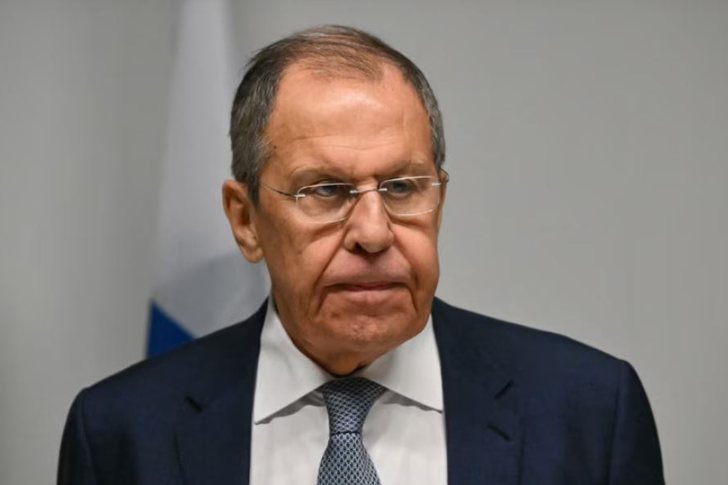
Russian Foreign Minister Sergei Lavrov said on Tuesday...
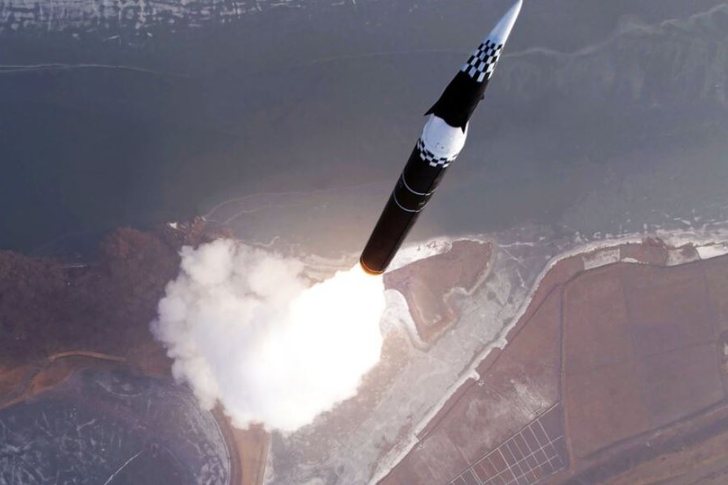
North Korea launched several short-range ballistic missile...
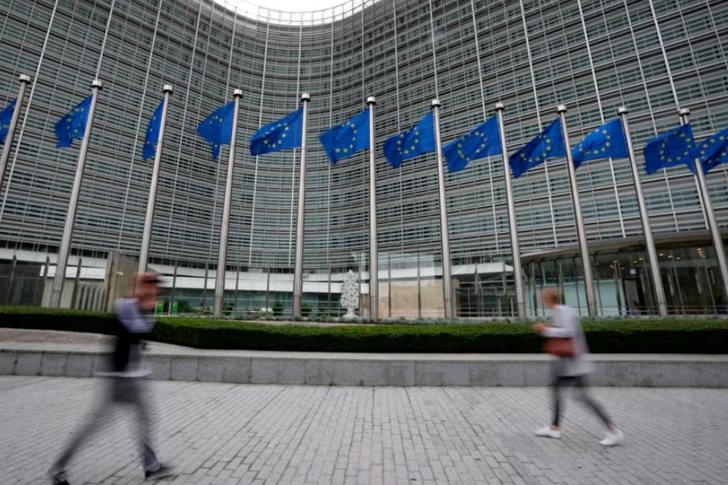
It is difficult to overlook the inauguration of US Preside...

Germany, Poland, Britain, France and Italy will implem...

Five days before the expiration of the Congressional u...
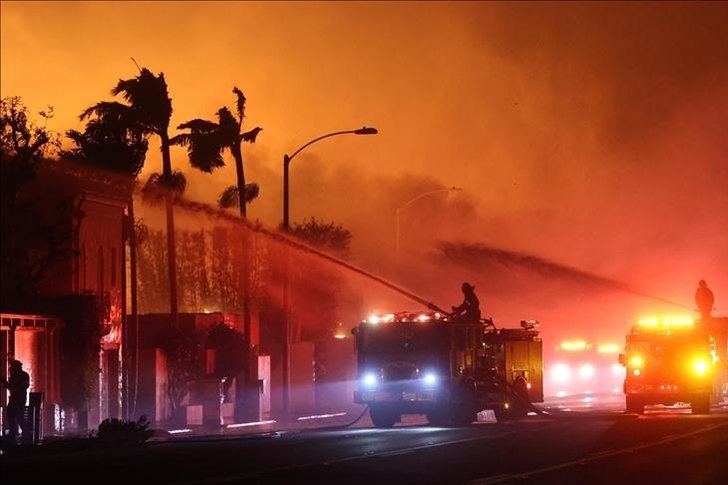
Los Angeles residents are bracing for further destruction ...

Outgoing President Joe Biden sought on Monday to impro...

German police said they have launched an investigation...

In Albania, the protection of children and teenagers in th...

American and Arab mediators have made significant progress...
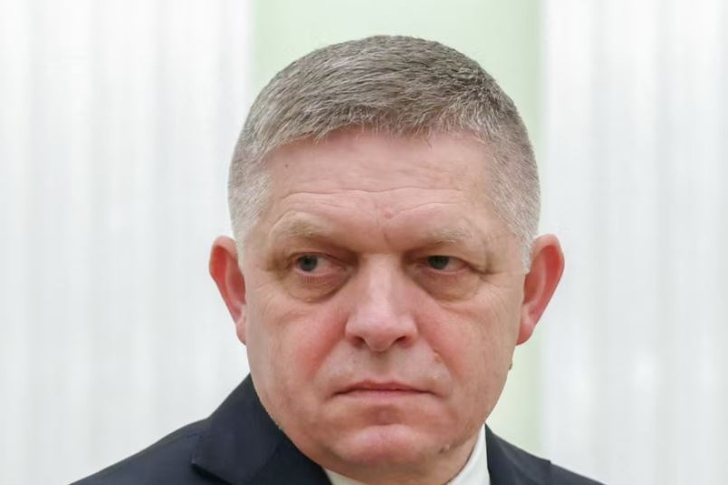
Slovak Prime Minister Robert Fico has invited Ukrainia...

CNA has launched another investigation that could lead to ...

Irfan Hysenbelliu is a businessman that we call "Irfan the...

In March 2026, CNA launched another investigation centered...
The arrested mayor of Tirana, Erion Veliaj, with 13 charge...

The Special Board of Appeal (KPA) decided this Monday ...

The KPA vetting decided this Thursday to dismiss the p...

Suela Salavaçi, a prosecutor in the Prosecutor's Offic...

The Special Board of Appeal reinstated the prosecutor ...
The bad weather that swept the country on Tuesday evening ...

A road accident occurred this evening on Nikolla Zoraqi St...

Three people were shot and wounded in Elbasan last night b...

A serious incident occurred this Tuesday in the Yrshek are...

This Wednesday, our country will be under the influence of...

All of Southern Europe will face changing weather conditio...

Albania was hit by temperatures significantly higher than ...

For the first time, Pogradec welcomed the Inter-Lake Chess...

Prime Minister Andy Burnham has announced that most bus fa...

France's parliament has passed a law to ban social media f...

US Secretary of State Marco Rubio arrived in Manila on Jul...
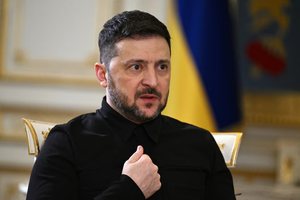
In the space of a few days, Ukrainian President Volodymyr ...

At a time when industrial products are increasingly taking...

Trust among people is not just a three-syllable word. It c...

Master of humor Todi Llupi has passed away at the age of 7...

The ninth edition of "MIK Festival" kicked off with one of...

Businesses will no longer be required to simply register t...

Despite economic growth and income in recent years, Albani...

This Wednesday, one US dollar is bought for 81.4 lek and s...

Construction company licenses will have a validity period ...