

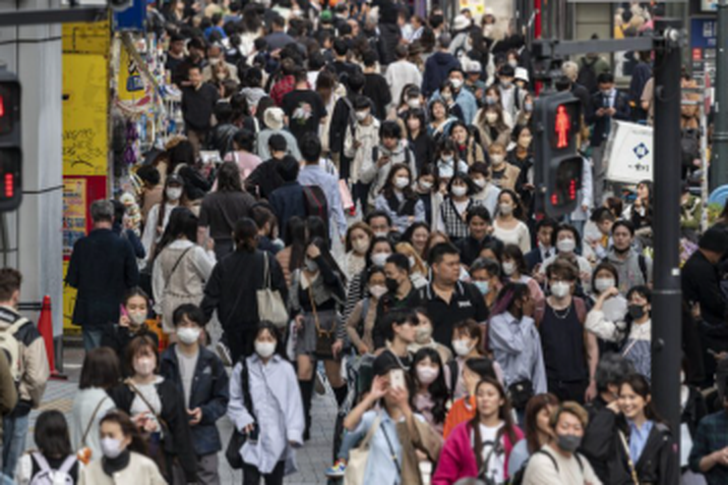
The severity of the demographic crisis/ Japan lost 3 million inhabitants in 5 years
Japan's population has fallen by more than 3 million in th...


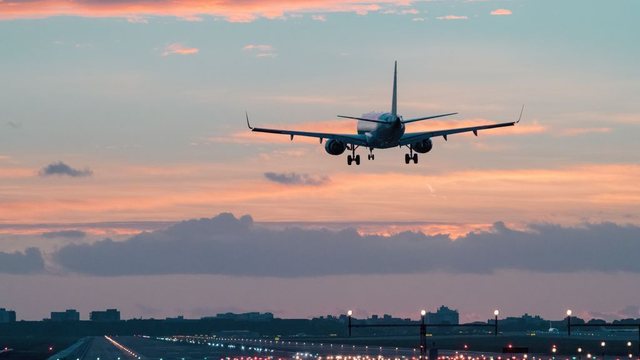
A passenger plane flying at 500 knots (575 miles per hour) and an oil tanker moving slowly at 15 knots travel the route from the Persian Gulf to Europe in a few hours or a few weeks, respectively.
This contrast hides a crucial connection. The near-total closure of the Strait of Hormuz has blocked both jet fuel and the crude oil from which it is produced, causing prices to rise rapidly.
Since the conflict with Iran began, the cost of refueling aircraft has skyrocketed. This has already caused the first casualty in the industry. Spirit Airlines, an American low-cost carrier that was under bankruptcy protection, suspended operations on May 2.
Its finances, weakened by increasingly fierce competition from major airlines, could not withstand rising fuel costs.
Other airlines have raised ticket prices, added fuel surcharges and canceled flights that would no longer be profitable.
Among the companies that have cut flights are Lufthansa and Air France-KLM in Europe; United Airlines and Delta Air Lines in the US; and Vietjet Air and AirAsia in Southeast Asia. In the second half of April, the global number of flights scheduled for May fell by 13,000, according to data company Cirium.
However, as the summer season approaches, the number of flights is still expected to increase by 3% to 6% compared to last year, according to Goldman Sachs. This does not match the availability of jet fuel.
Average demand in 2025 was around 7.8 million barrels per day, according to Société Générale. Of this amount, 2 million barrels were traded internationally, while 360,000 passed through the Strait of Hormuz.
The supply shortage for Asian refiners that rely on Gulf oil to make jet fuel could create an additional 800,000 barrels per day (bpd) shortfall in May, the bank said. In total, that represents about 15% of global demand.
What explains this contrast between the looming shortages and the increase in flights? As Andrew Charlton of Aviation Advocacy, a consultancy, explains, the last thing that will change is the “optimistic messaging” of airlines, which must continue to sell tickets to maintain revenue streams.
But it still remains unclear where the shortages will hit first and hardest.
The US, the world's largest aviation market, should generally remain well-supplied. The country is a major oil producer and refiner. However, it is not completely protected.
Reserves are dwindling on the West Coast, which is not connected to the network of jet fuel pipelines that connects refineries to airports east of the Rockies.
Imports to that part of the country account for almost a fifth of supplies, with 85% coming from South Korea, which is now facing a shortage of crude oil from the Gulf.
The impact in Europe and Asia, which are more exposed than the US, is also uneven. Europe consumes 1.6 million barrels of jet fuel a day and imports about a third of its needs, three-quarters of which have come from the Gulf. However, while Britain imports about 65% of its needs, Greece and the Netherlands are net exporters. The situation in Asia is also mixed.
China is a major exporter, but trade restrictions could leave countries like Australia and Vietnam facing shortages unless they pay more for alternative supplies.
Reserves also vary significantly, as the case of Europe shows. The continent has commercial reserves for 38 days, which increase to 57 days if state reserves are included.
But Britain, which has no strategic reserve, now has just 29 days of jet fuel reserves, according to Goldman Sachs. For Portugal, that figure has fallen to 23 days. That's the level at which the International Energy Agency estimates the need for supply restrictions begins.
Changes in trade flows since the start of the war have further complicated the situation. High prices have prompted American refineries to produce more jet fuel.
Seaborne exports from the US have risen by three-fifths to 280,000 barrels per day, with an average of 110,000 barrels per day going to Europe in March and April, up from record lows. With European companies willing to pay more, US exports to Asia have all but ground to a halt.
Airlines in the region could get some relief from Indian refineries, which are unable to supply European customers because of their use of sanctioned Russian crude. But the Indian government could restrict exports.
As the busy summer season approaches, it is difficult to know whose vacations will be affected by the lack of jet fuel. The reopening of the Strait of Hormuz would bring some hope, although returning trade to normal would take time, especially since infrastructure has been damaged during the conflict.
If it remains closed for an extended period, the price of jet fuel would have to rise to levels that would discourage many passengers from flying. It would not be surprising if other airlines followed Spirit into bankruptcy. /Monitor

Japan's population has fallen by more than 3 million in th...
Four European Union countries are asking the European Comm...
Presidenti amerikan, Donald Trump, ka njoftuar pak minut...

A fire in a train car near New York's Penn Station injured...

Much of Western Europe is suffering from an intense spring...
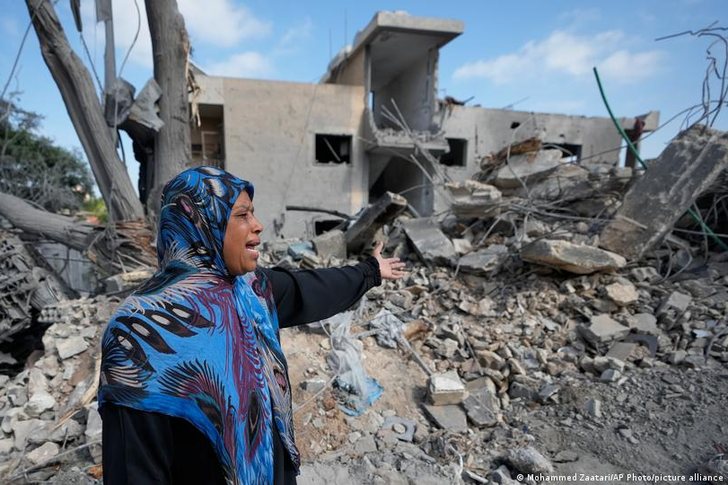
Israeli and Lebanese military officials will hold security...
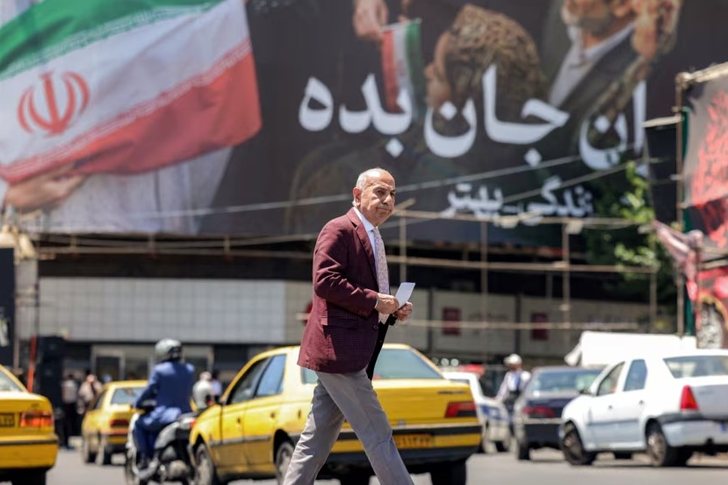
Several American and international media outlets have repo...
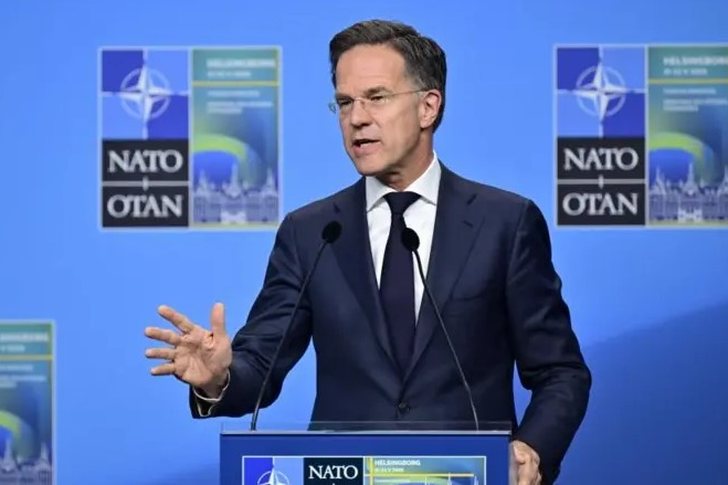
NATO Secretary General Mark Rutte has reacted to the Russi...
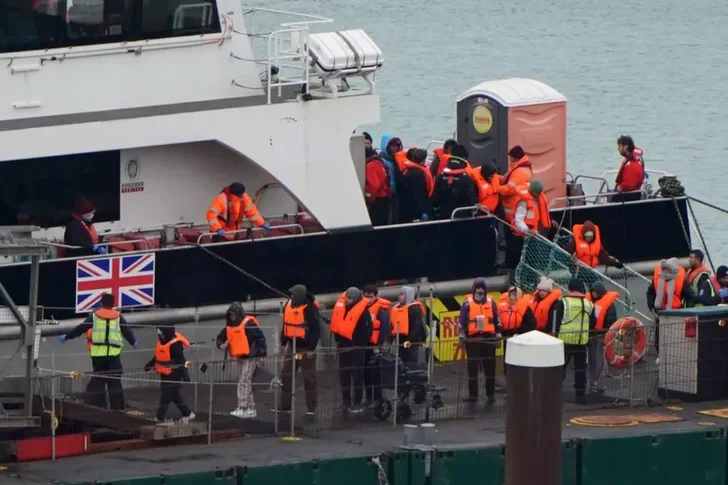
The UK will start using artificial intelligence technology...
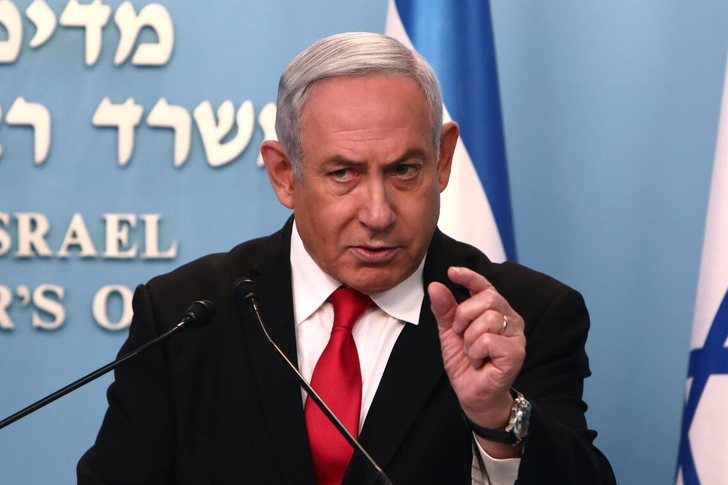
Kryeministri i Izraelit, Benjamin Netanyahu ka njoftuar se...

Disa herë tashmë është thënë se SHBA-ja dhe Irani ndodhen ...

Funding for development aid, and therefore for disease pre...
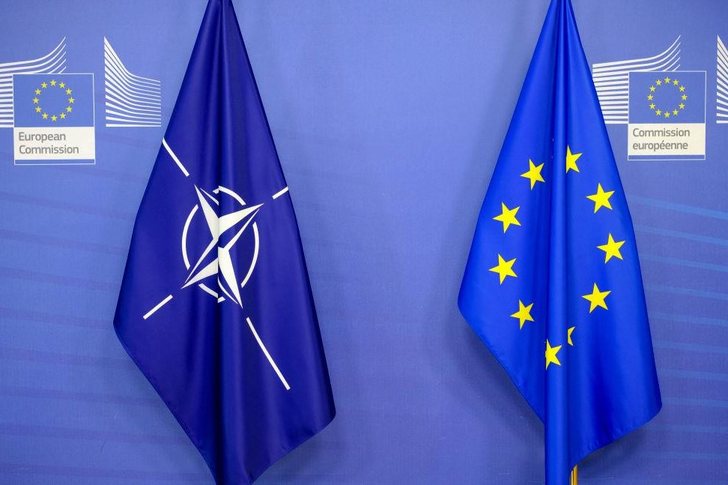
NATO dhe Bashkimi Europian kanë dënuar sulmin me dron rus ...

A Russian drone has entered Romanian airspace and crashed ...

When a government distributes public money on the eve of e...
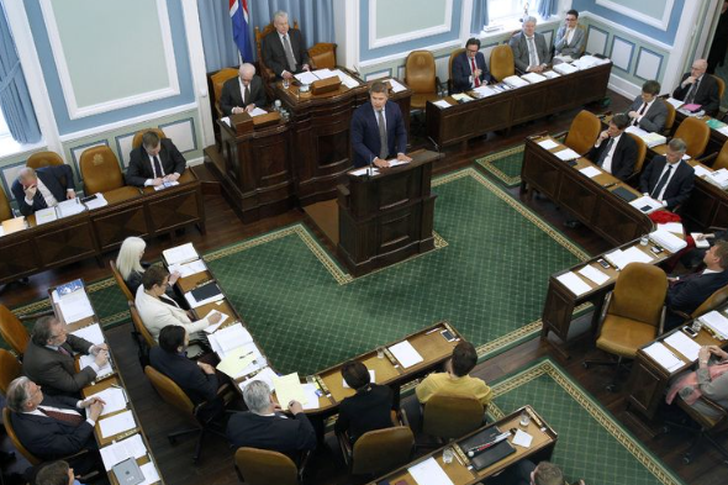
Iceland's parliament approved a referendum on August 29 on...
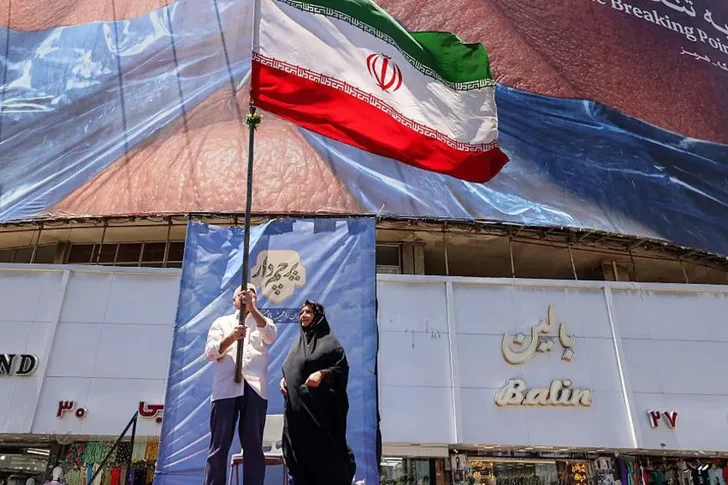
US and Iranian negotiators have agreed to a deal that will...
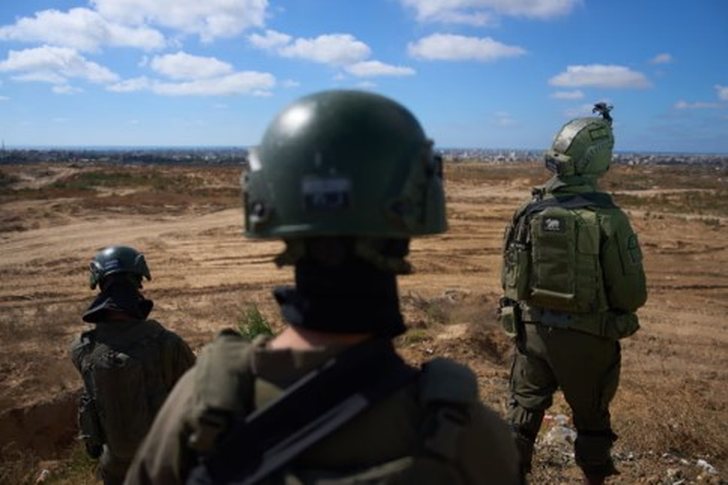
Benjamin Netanyahu has said he has ordered the Israeli mil...

France will begin reimbursing weight loss drugs, such as W...

Portugal has recorded a new hottest day in May with 40.3 d...

A 39-year-old citizen has been arrested in Lezha, after se...

CNA has launched another investigation that could lead to ...

Irfan Hysenbelliu is a businessman that we call "Irfan the...

In March 2026, CNA launched another investigation centered...

The Special Board of Appeal (KPA) decided this Monday ...

The KPA vetting decided this Thursday to dismiss the p...

Suela Salavaçi, a prosecutor in the Prosecutor's Offic...

The Special Board of Appeal reinstated the prosecutor ...

Following the successive operations carried out by the ope...

The Police Supervision Agency has seized the service weapo...

A serious incident occurred in Lushnje, where citizen IY, ...

As a result of the investigative and procedural actions ca...

As the year 2026 is in its second half, the world is exper...

Today, our country will be under the influence of stable a...

By noon, cloudiness is expected to prevail in almost all o...

Children without parental care, for whom alternative famil...

Serbia's Minister of State Administration and Local Self-G...
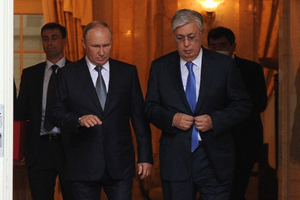
Kazakh President Kassym-Jomart Tokayev shared some critici...

Thirty-five people were killed and 30 others were injured ...

US President Donald Trump has announced that he will seek ...
Two windows, a century of history and the metaphysics of p...

In my research at the Central State Archives, specifically...

At a time when industrial products are increasingly taking...

Trust among people is not just a three-syllable word. It c...

This Saturday, one US dollar is bought for 81.7 lek and so...
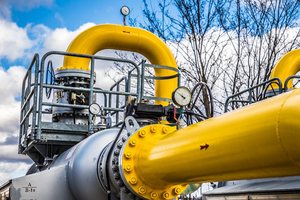
War, weather and supply disruptions could send gas prices ...
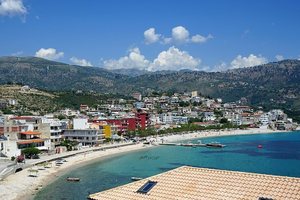
The number of active enterprises in Albania continued to g...
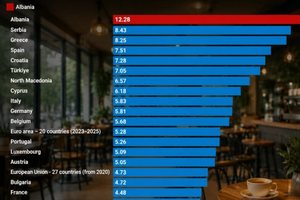
In Albania, the bar-cafe has long become an almost unique ...