


Abandoned villages, the Albanian reality that is deepening
As you move through the villages of Albania, the pleasant ...

As you move through the villages of Albania, the pleasant ...

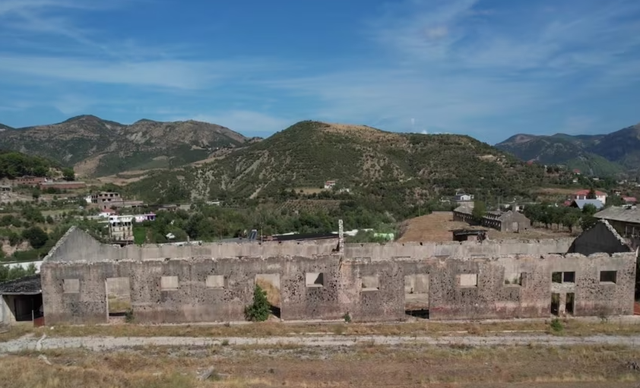
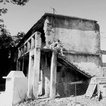
The Ministry of Culture announced 5 years ago the protection of the former internment camp of Tepelena as part of efforts to turn it into a national museum.
In these years, small efforts have been made to turn the former military barracks into evidence of memory, while the ruins continue to find interest from hundreds of local and foreign visitors.
Researchers estimate that Albania lacks a deep reflection on the communist past and despite legal initiatives there is still no museum for the victims of communism and for those who suffered internment and forced labor.
The witnesses who come to the former internment camp in Tepelena where they suffered the stay under survival from 1949 to 1954 are fewer and fewer.
Gjoka Paloka from Ka?inari i Mirdita told her relatives that she wanted to come again this year as age will probably not allow her to visit again the place where she spent the darkest period of her life.
Many of his co-sufferers are no longer alive today or are unable to come to this place of remembrance.
About 3,000 people suffered internment in this camp, about 500 of them lost their lives, including about 300 children.
Gjoka came when he was only six months old with his mother after the communist regime executed his father by hanging and spent four and a half years in this camp amid great suffering.
"After they killed my father on August 7, on August 12, they brought us here to Tepelena. I was only six months old and spent four and a half years with my mother."
While Mark Nikolla, 86 years old, is another witness who bears the weight of a great pain after losing his mother and brother, only one and a half years old, in deportations, and his father was killed by the pursuit forces in the Mirdita highlands.
Mark was 11 years old when he was brought to this camp. He well remembers the barracks where they were sheltered and the escape of his brother who died from the cold. The brother was buried with the entire cradle and his remains have not been found even today, as the grave was changed three times, says Marku.
"I came 11 years old, the ninth myself, 2 died in internment, mother in the Berat camp and my younger brother here in the Tepelena camp. The rest of us were released when the camp closed and sent home."
Despite the fact that nearly 32 years have passed since the fall of communism in Albania, the communist past has still been scratched, says the history pedagogy at the University of Tirana, Enriketa Pandalejmoni.
"Especially the youth, the new generation, in terms of textbooks, educational programs in schools, they don't know and Communism is treated very little. This is due to the limited hours that have been left available in the textbooks."
Ms. Pandalejmoni says that although there are some legal initiatives, there are still no concrete steps, especially in terms of museumization.
We have several legal initiatives such as the creation of the Files Authority, the creation of the Institute for the Study of Crimes and Consequences of Communism, but regardless of the existence of these laws, be it from 2010 or 2015, we still do not have a memorial for victims, we still don't have a museum, which are taxes written in the law. Also, the public discourse about the past of communism has these dilemmas in terms of the relativization of the past, nostalgia, amnesia".
One of the projects of restructuring the ruins that is still not materializing is that of the former internment camp in Tepelna, proposed to turn into a museum that symbolizes the pain of people who spent their lives in internment camps, deportations and forced labor. .
The Ministry of Culture announced 5 years ago the protection of the former internment camp of Tepelena as part of efforts to turn it into a national museum and also approved the construction of a memorial for the approximately 330 children who lost their lives in this camp.
Although the 300 symbolic cypress trees grow, the creation of the museum is not becoming a reality.
The municipality of Tepelena has included the former camp in virtual tours and in the main itineraries of visitors. The former camp is one of the areas visited especially by tourists from Eastern and Western European countries, but also by local visitors, says Aleksandër Toti, coordinator of projects in the municipality of Tepelena.
The process started five years ago when the history of the museum camp of Tepelena and the events belonging to the period 1949-1954 on the victims of the totalitarian regime of communism in Albania began to be known or presented. The municipality of Tepelena supported it and it was not an easy process due to the opinion and influence of the previously known history in relation to the public and citizens. It has been accepted and the area has turned into a "small" destination, I would call it, since it is still too early to talk about a sustainable tourism destination.
The Authority of the Files of the former State Security and the municipality have placed several information panels in the territory of the former camp, but the ruins are meanwhile going towards degradation.
A group of opposition MPs have proposed this year to the parliament the return of Spaç prison and the former Tepelena camp to a museum, and the request is expected to be examined.
The former internment camp in Tepelena, a place that preserves great pain and suffering from a dark period of Albania, today still sheds much less light on human endurance./ VOA





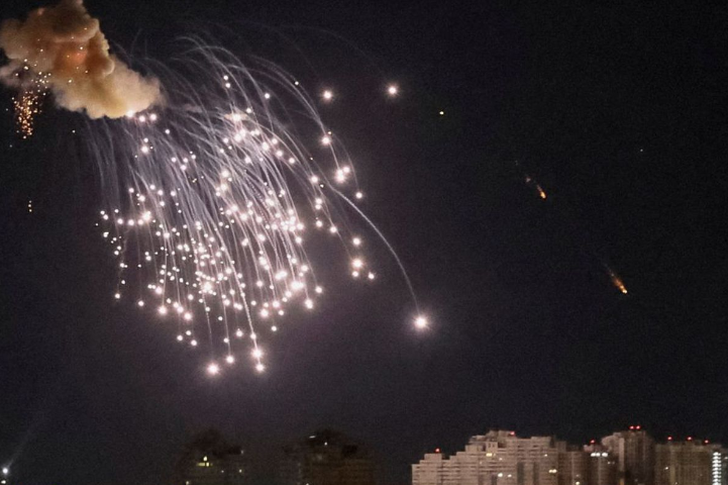
Ukraine's air force has said Russia launched more than 30 ...
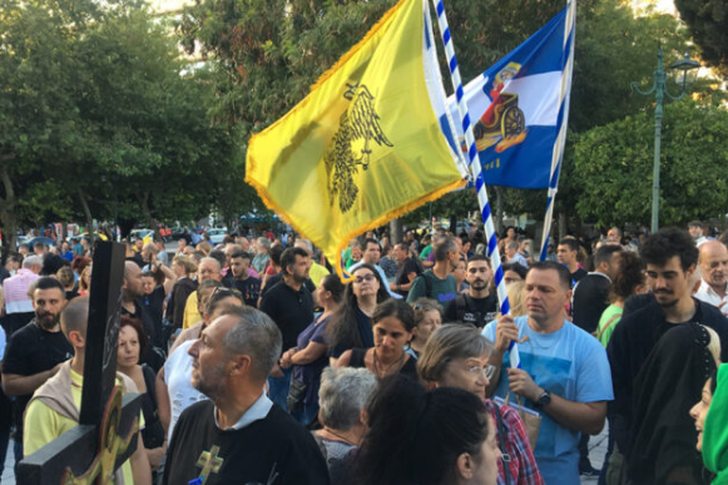
Greek citizens have held a rally in Syntagma Square in Ath...
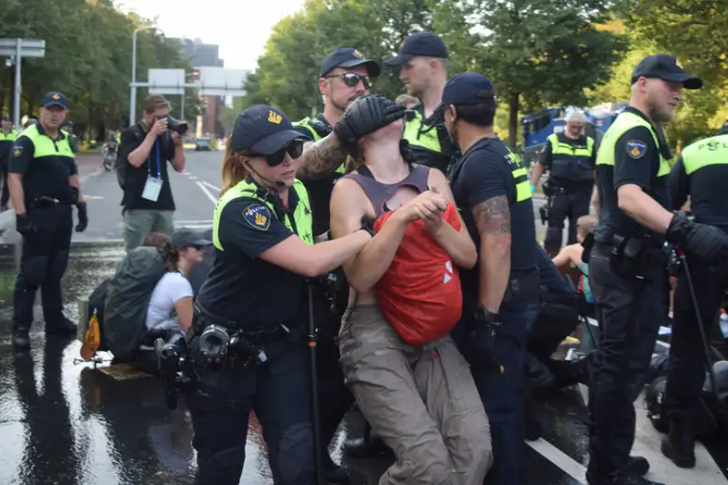
Police in the Netherlands arrested thousands of climate ac...
Survivors of Morocco's deadliest earthquake in more than s...
At least 35 people have been killed after a crowded market...
The Prime Minister, Albin Kurti, in an interview with the ...

Anti-Islam activists in Sweden and Denmark have recently b...
Research from Oregon State University has revealed a possi...
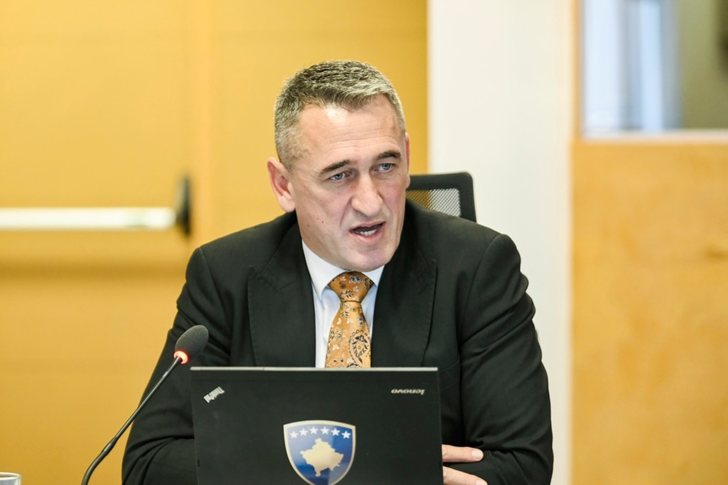
The Minister for Communities and Return in the Government ...
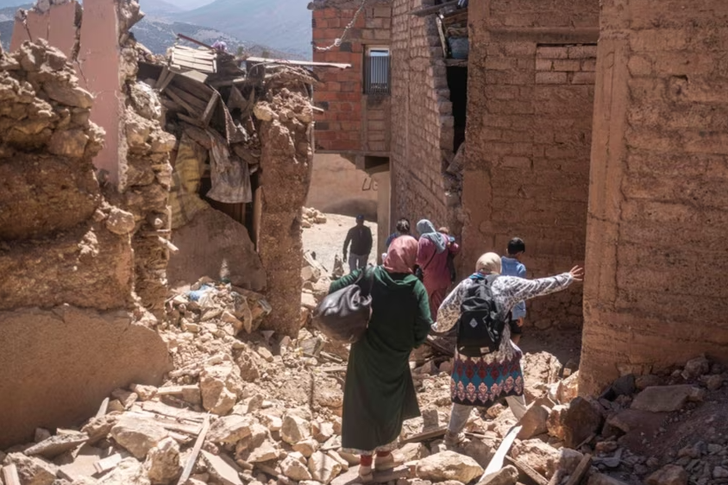
The number of victims from the earthquake in Morocco has r...

As children in Sweden returned to school for the start of ...
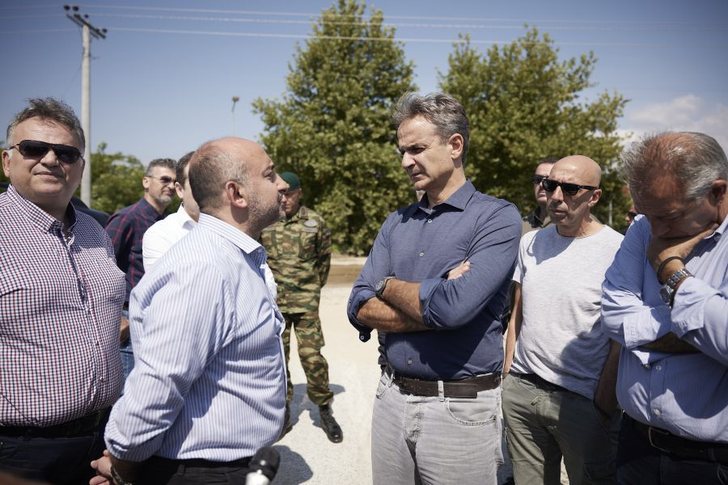
Greek Prime Minister Kyriakos Mitsotakis will visit th...
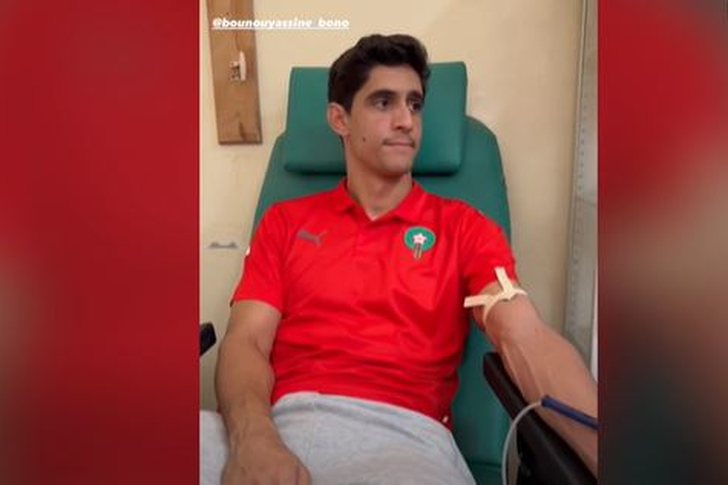
Morocco's national team players have donated blood to help...
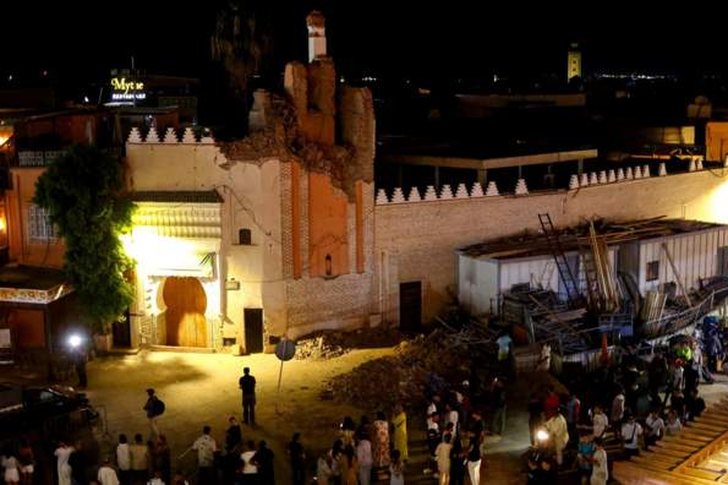
The powerful earthquake that hit Morocco has caused over 2...
The head of the Alliance for Albanians in North Macedonia,...

Britain recorded its hottest day of the year so far on Sat...
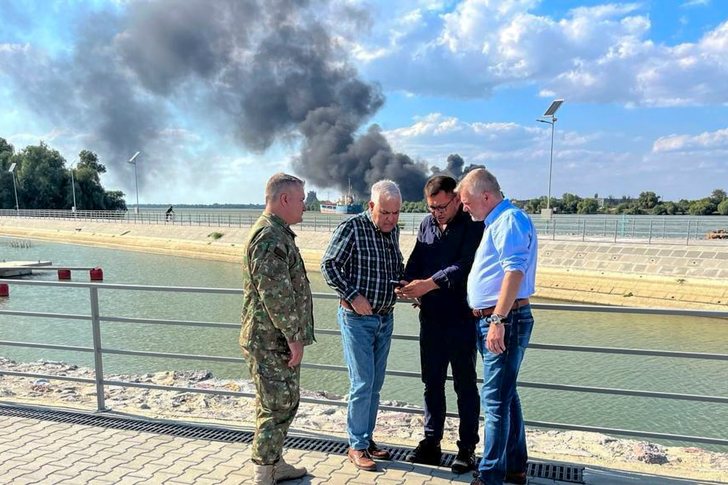
Romania's Defense Ministry said on Saturday it had found n...
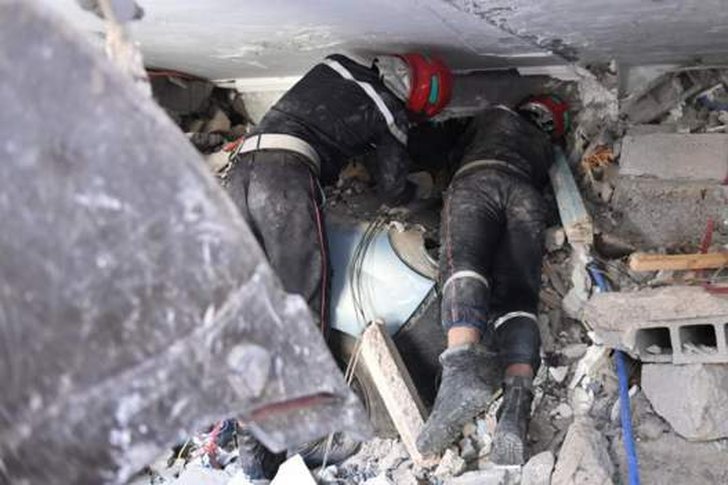
Three days of national mourning have been announced in Mor...
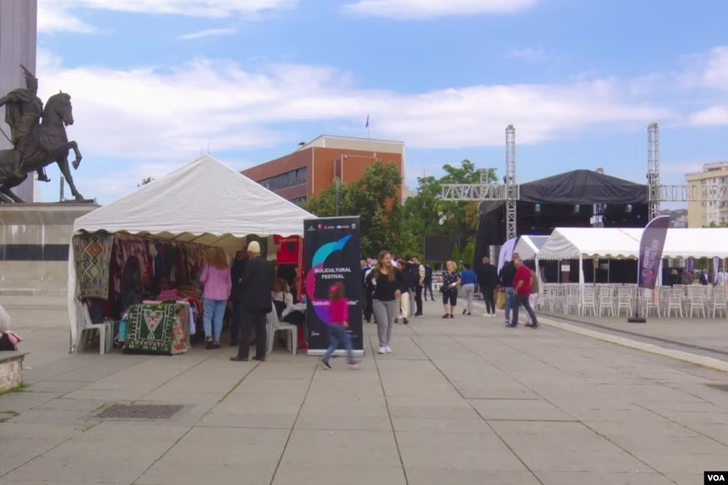
In Kosovo, the "Multicultural" festival was held with nume...
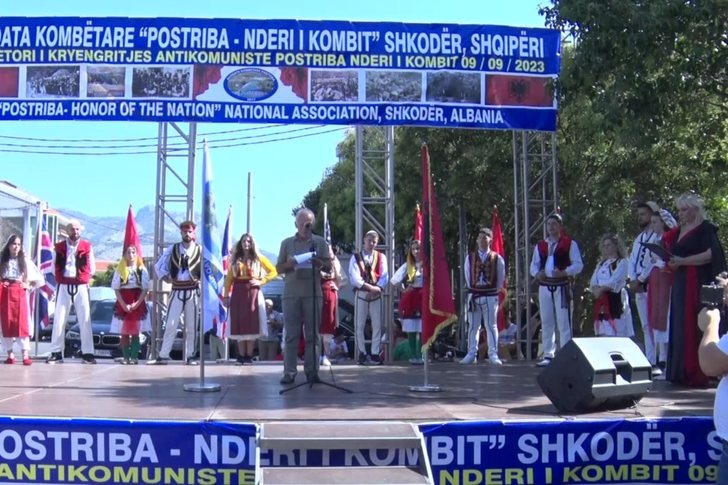
77 years have passed since the Anti-Communist Uprising of ...
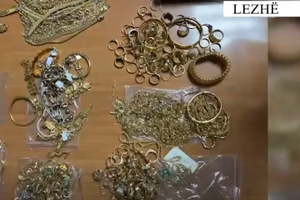
A 39-year-old citizen has been arrested in Lezha, after se...

CNA has launched another investigation that could lead to ...

Irfan Hysenbelliu is a businessman that we call "Irfan the...

In March 2026, CNA launched another investigation centered...

The Special Board of Appeal (KPA) decided this Monday ...

The KPA vetting decided this Thursday to dismiss the p...

Suela Salavaçi, a prosecutor in the Prosecutor's Offic...

The Special Board of Appeal reinstated the prosecutor ...
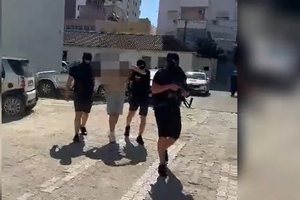
Following the successive operations carried out by the ope...
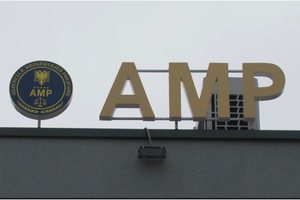
The Police Supervision Agency has seized the service weapo...
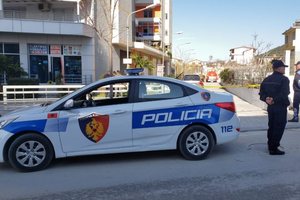
A serious incident occurred in Lushnje, where citizen IY, ...
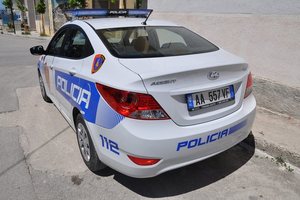
As a result of the investigative and procedural actions ca...

As the year 2026 is in its second half, the world is exper...

Today, our country will be under the influence of stable a...

By noon, cloudiness is expected to prevail in almost all o...

Children without parental care, for whom alternative famil...
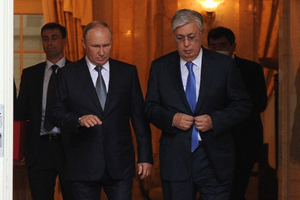
Kazakh President Kassym-Jomart Tokayev shared some critici...
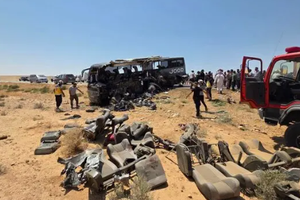
Thirty-five people were killed and 30 others were injured ...

US President Donald Trump has announced that he will seek ...

Almost half of people living in France, Germany, Italy and...
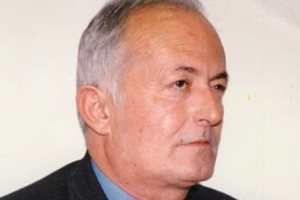
Two windows, a century of history and the metaphysics of p...
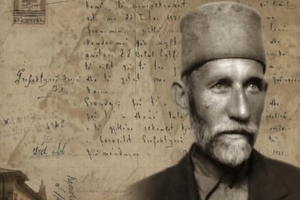
In my research at the Central State Archives, specifically...

At a time when industrial products are increasingly taking...

Trust among people is not just a three-syllable word. It c...

This Saturday, one US dollar is bought for 81.7 lek and so...
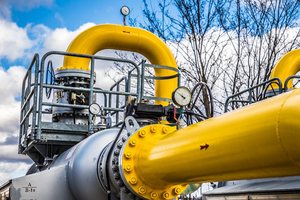
War, weather and supply disruptions could send gas prices ...
The number of active enterprises in Albania continued to g...
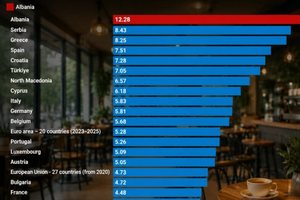
In Albania, the bar-cafe has long become an almost unique ...