

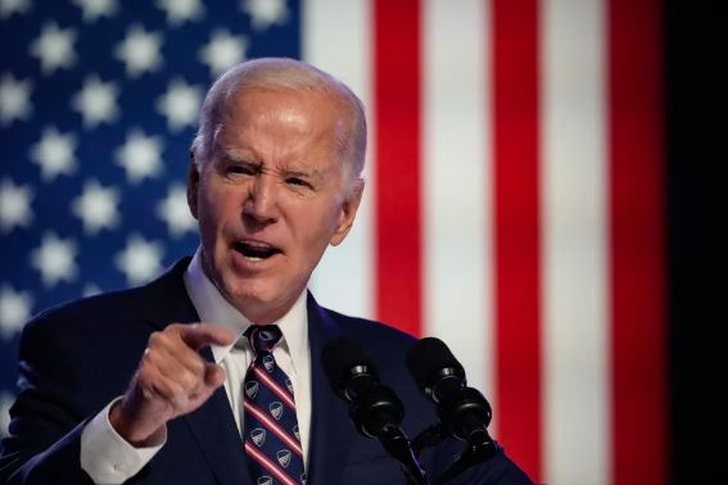
Biden: We will not bow to Putin
United States President Joe Biden criticized his potential...


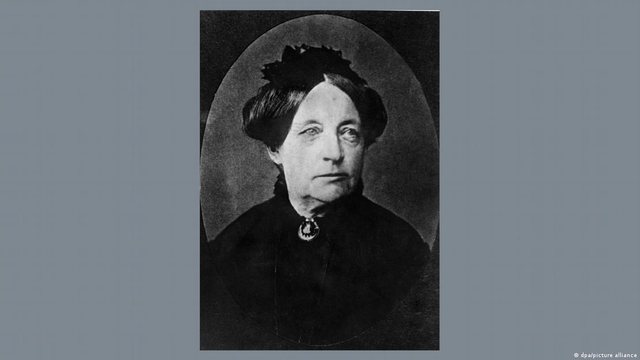
At the end of the 18th century, women in Europe began to demand more and more rights. From that time they began to participate in revolutionary actions, especially in France where after the revolution of 1789, the environment was prepared for human rights, participation in decision-making and equal rights. In Germany, it took half a century before a significant number of women became politicized and began to articulate their demands.
Our guide
In 1843, a woman named Louise Otto-Peters appeared in public and spoke her mind openly. Her doctrine was that the participation of women in the interest of the state "is not only right, but also a duty".
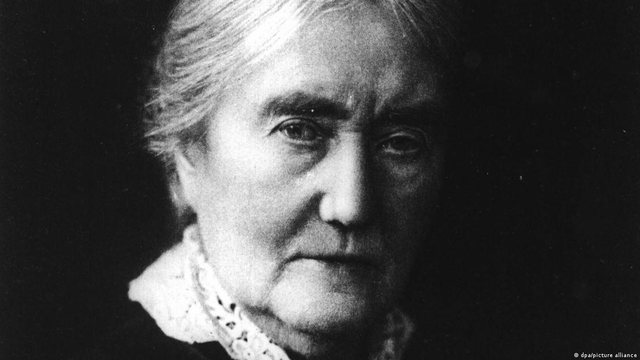
24-year-old Luise Otto-Peters was orphaned at the age of 16, and as a teenager took up her own business. After the death of her parents, she inherited a large fortune. She realized her dream of becoming a writer and wrote poetry, essays, social-critical novels and journalistic articles. The latter she published under the pseudonym Otto Stern. She caught the eye of the government, which tried to silence her. But Louise did not submit and founded in 1865 the "Leipzig Society for the Education of Women".
In the same year, a large women's conference took place in Leipzig. Newspapers wrote disparagingly about the "Leipzig Women's Battle", but the 120 participants paid no attention to this fact. They founded the General Association of German Women (ADF), whose president was Louise Otto-Peters for 30 consecutive years. An initial initiative that was accompanied by the creation of women's associations throughout Germany.
School education for girls
The main and most important goal was the education of women and girls. While proper education for boys was quite normal, girls from the working class had to start working at a young age to earn money, while girls from bourgeois families had to prepare for married life. Girls who could read and write were lucky. Teacher Helene Lange took this problem into her own hands and addressed a plea to the Prussian Ministry of Schools. She wanted to improve the education of girls, to increase the influence of teachers in the education of female students, to improve the education of teachers. But women's rights activists had to wait a long time. Finally, in 1899 and 1900, women were allowed to attend German universities. And in 1908, the girls' education system was placed under the responsibility of the state.
Political awareness increases
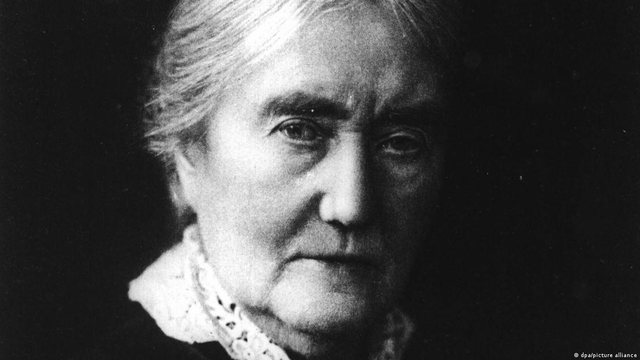
Young Clara Eißner was attending a seminar for teachers in Leipzig when she learned about the founding of the General Association of German Women and began to become involved in the association. At that time, the fact that she lived with the Russian Ossip Zetkin, without being married to him, took his surname and gave birth to two sons was considered scandalous. Being an educator, she joined the Socialist Labor Party, the party that later turned into the Social Democratic Party and began to fight for women's equal rights both in the profession and in society. She founded the women's magazine "Equality". Clara Eißner-Zetkin is a representative of the proletarian women's movement, and unlike the bourgeois women's movement, in this movement we were mainly concerned with the rights of working women.
With the initiative taken in 1910 for an international women's day, it initiated a day for the struggle of women's equality, democracy, peace and socialism. This day began to be celebrated for the first time in 1911. Under the motto "Give women the right to vote!"
The right to participate in politics
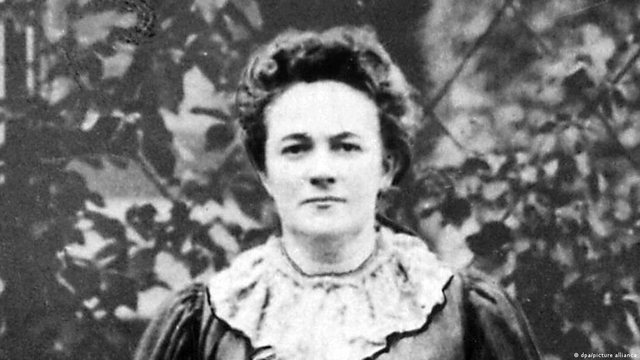
Fellow fighters who demanded the right to vote for women in Germany were Anita Augspurg and her cohabiting partner, Lida Gustava Heymann. They had founded in 1902 the German association "For the right of women to vote". Augspurg and Heymann were less peace-loving than the other German "sisters". They sought to win their rights using the same brutal means used by the Suffragettes in England, we accompanied their demands by pressuring them with hunger strikes, vandalism and large demonstrations.
Augspurg studied law in Switzerland, which was unthinkable in 19th-century Germany. She received her doctorate and thus had the right legal knowledge to fight for reforms in the German parliament.
The war bore fruit
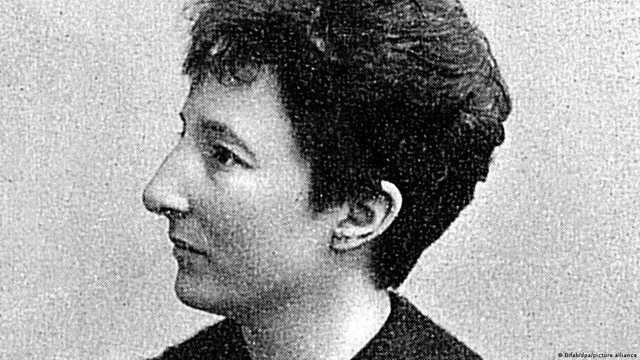
Meanwhile, collaborations with associations in other European countries began, the suffragette movement in England had strengthened so much that no one could ignore it. While women in the Netherlands and Scandinavia had been allowed to vote for years, women in Germany, Austria, Poland and England waited until 1918 to get the right to vote, in other countries they waited even longer.
On November 30, 1918, nearly three weeks after the end of World War I, the new German "Reich" government announced: "All elections for public institutions must be held by universal, equal, secret, and direct law. of voting, based on the proportional voting system of all male and female persons over the age of 20."
This new law was implemented for the first time a little later, in January 1919./ DW

United States President Joe Biden criticized his potential...
The Office of the Specialized Prosecutor in The Hague said...
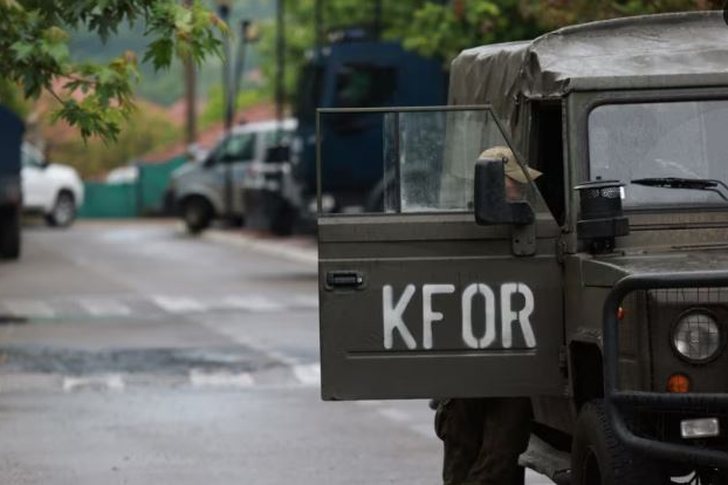
The NATO peacekeeping mission in Kosovo, KFOR, announced o...
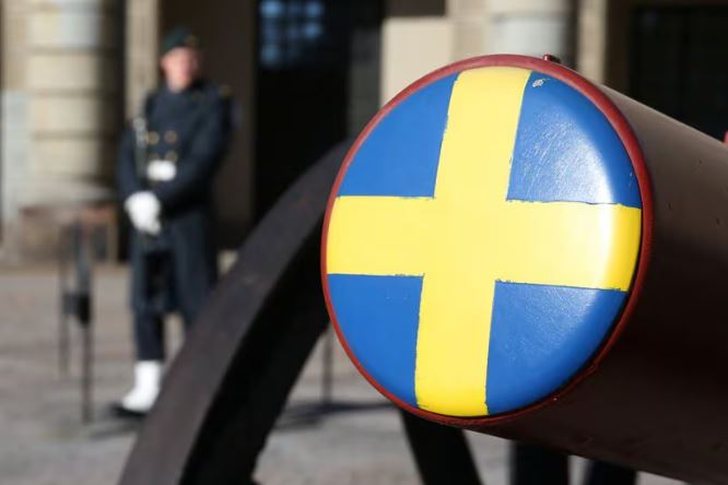
Suedia është anëtarësuar në NATO, dy vjet pasi pushtimi ru...

Kuvendi i Kosovës e ka miratuar të enjten në lexim të parë...

Franca dhe Programi për Mjedis i Kombeve të Bashkuara orga...
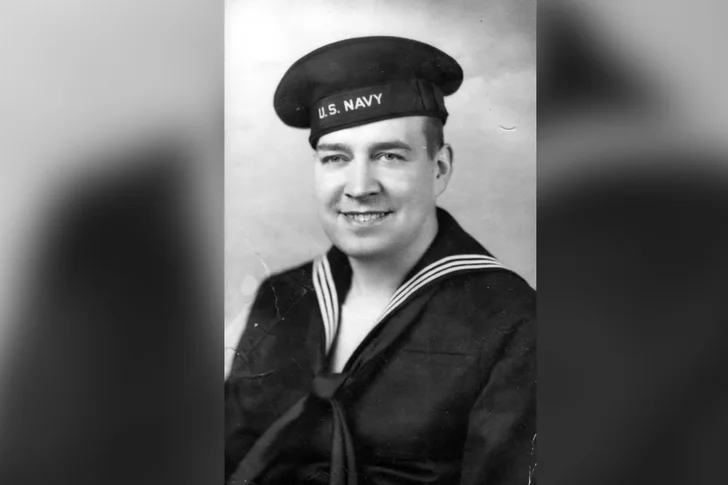
On March 6, 1944, German-American Willy Hitler joined ...
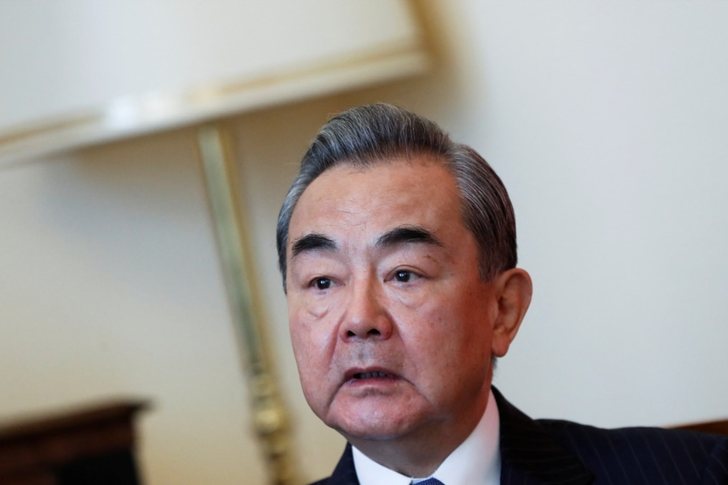
China has described the war in Gaza as a "disgrace to civi...

The Vetëvendosje movement in Kosovo has attacked the o...
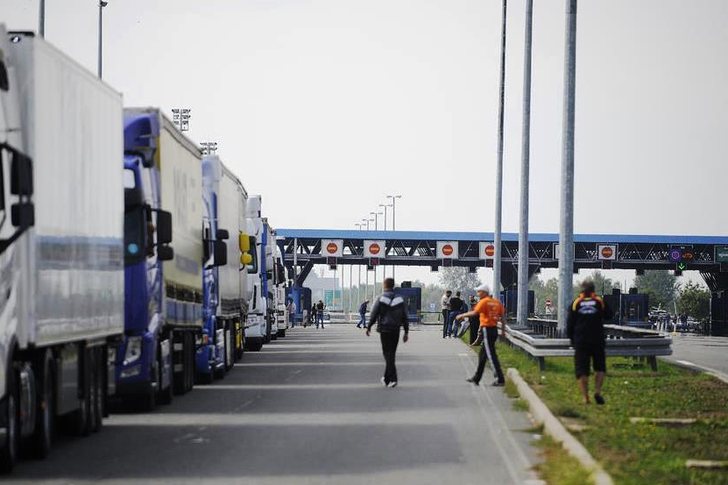
In Kosovo, trading of Serbian goods prevailed, occupying t...

For the first time, the city of Frankfurt will decorate a ...

An attack by Yemen's Houthi militants has damaged a ship i...

The member countries of the European Union (EU) agreed on ...
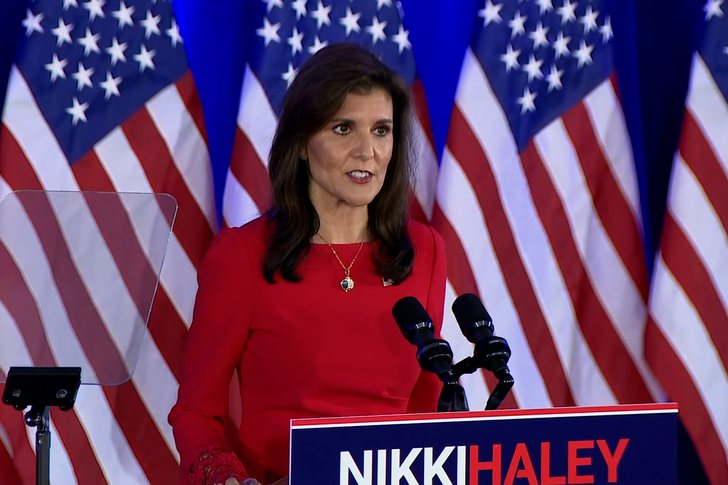
Nikki Haley has officially announced that she is ending he...
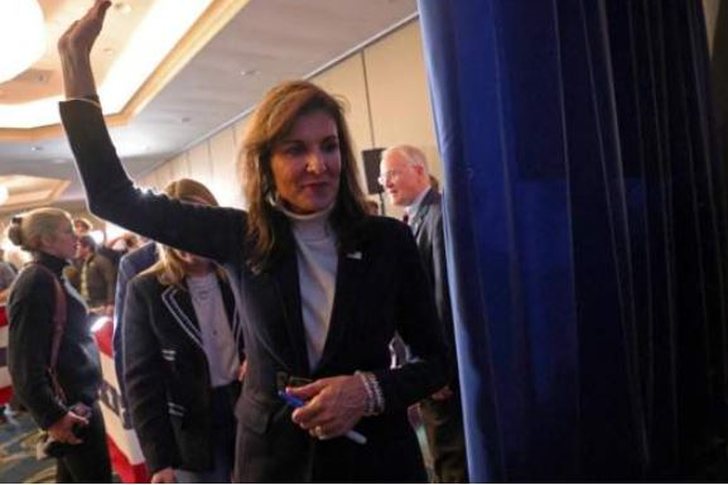
Nikki Haley is suspending her presidential campaign, makin...

The motorcade of Ukrainian President Volodymyr Zelensky, w...

An explosion occurred near the motorcade that was transpor...

The European representative, Matjazh Nemec, was appointed ...
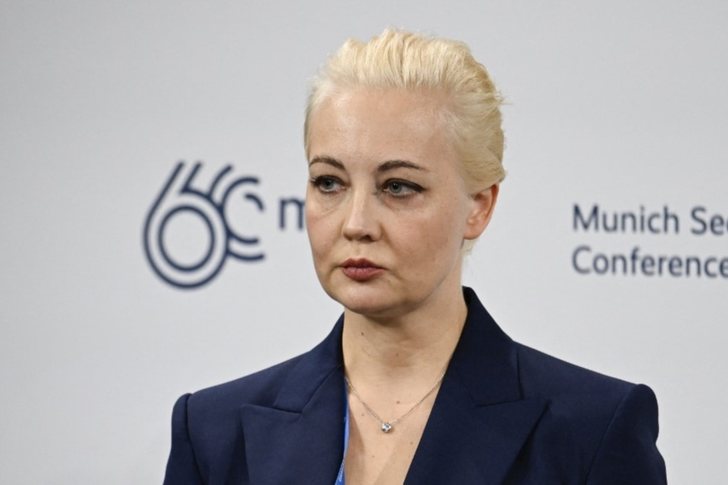
The widow of Russian opposition leader Alexei Navalny has ...
Ukrainian President Volodymyr Zelensky never asked for Wes...

CNA has launched another investigation that could lead to ...

Irfan Hysenbelliu is a businessman that we call "Irfan the...

In March 2026, CNA launched another investigation centered...
The arrested mayor of Tirana, Erion Veliaj, with 13 charge...

The Special Board of Appeal (KPA) decided this Monday ...

The KPA vetting decided this Thursday to dismiss the p...

Suela Salavaçi, a prosecutor in the Prosecutor's Offic...

The Special Board of Appeal reinstated the prosecutor ...

Footage emerges from the serious accident that occurred th...

A Shkodra traffic police officer was hit with hard objects...

This Wednesday, around 4:00 PM, a serious accident occurre...

Tirana Police have shared details regarding the accident t...

A serious accident that occurred this Wednesday with the c...

The Institute of Geosciences has shared a forecast for wea...

Rising energy and fertilizer prices are expected to contin...

Over 18,000 foreign citizens from 140 countries have appli...
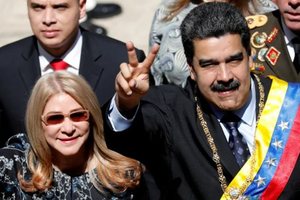
The trial of ousted Venezuelan President Nicolas Maduro on...

US President Donald Trump has issued another warning to Ir...

Prime Minister Andy Burnham has announced that most bus fa...

France's parliament has passed a law to ban social media f...

At a time when industrial products are increasingly taking...

Trust among people is not just a three-syllable word. It c...

Master of humor Todi Llupi has passed away at the age of 7...

The ninth edition of "MIK Festival" kicked off with one of...

The price of diesel reached 206 lek per liter from 198 lek...

Businesses will no longer be required to simply register t...

Despite economic growth and income in recent years, Albani...

This Wednesday, one US dollar is bought for 81.4 lek and s...