


Serious accident on the Tirana-Elbasan axis/ Concrete mixer falls from a height, suspected victims
A serious accident occurred this Wednesday on the Elbasan-...

A serious accident occurred this Wednesday on the Elbasan-...

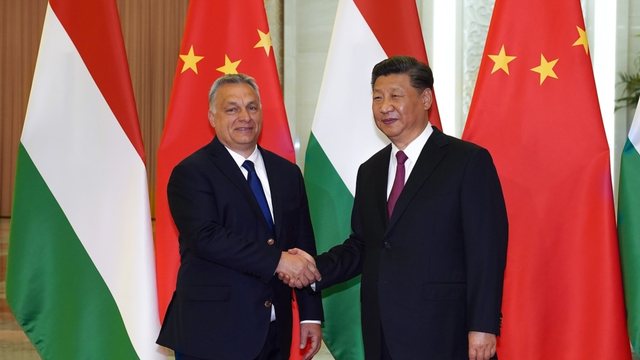
Chinese leader Xi Jinping will spend most of his five-day tour of Europe in two small countries in the eastern half of the continent, a region Beijing has used as a foothold to expand its economic ambitions in Europe. . After staying in Paris on Monday, where he embarked on his first trip to Europe in five years, President Xi will visit Hungary and Serbia, two countries with autocratic leaders seen as friendly to China and close to the Russian president. Vladimir Putin. While key European leaders have pursued protectionist policies to limit Beijing and Moscow's influence on the continent, the governments of nationalist leaders Viktor Orban in Hungary and Aleskander Vucic in Serbia have boosted economic ties with China, paving the way for major infrastructure investments. energy and technology. The only European Union country part of President Xi's "One Belt, One Road" initiative, Hungary has maintained an intermediate position between its EU and NATO membership and an unusually open stance for diplomatic and trade relations with eastern autocracies.
Tamas Matura, an expert on China affairs and a professor at the "Corvinus" University in Budapest, says that there are large Chinese investments and manufacturing plants in Hungary and that its antagonism to conduct trade with countries that are marked for problems with democracy and human rights. man, has opened a main path for China to Europe.
"The Hungarian government is really the last real partner of China in all of Europe" , says Mr. Matura. "It is extremely important for the Chinese to settle in a country that is within the borders of the European Union and friendly to the Chinese political system." One of the big benefits of China establishing a base within the European Union is avoiding the cost of tariffs. The European Commission is considering the possibility of raising tariffs on the import of Chinese electric vehicles, currently at the level of 10 percent, in order to protect the European market for the production of automobiles, a main pillar for Germany, the largest economy of the European bloc of 27 members. However, in December, Hungary announced that one of the biggest electric car makers, Chinese manufacturer BYD, will open its first factory in Europe, in southern Hungary, a surprise move that could upend competition in the auto industry in continent. The change is beginning to be felt in Budapest, where a car company has begun to shrink the supply of European vehicles by introducing models from the Chinese electric car manufacturer BYD. Mark Schiller, director of marketing and strategy at car dealership Schiller Auto Group, said European manufacturers are "far behind" China in the transition to electric car production. His company has recently stopped selling cars of the German manufacturer Opel and has returned to the products of the Chinese company BYD. "It was a big change," Mr. Schiller said.
Hungary's state television appeared to confirm earlier reports on Monday that President Xi and Prime Minister Orban would travel to the southern city of Pecs to publicize another investment in the electric car manufacturing industry involving China's Great Wall Motor. At a press conference, Hungarian Foreign Minister Peter Szijjarto sharply criticized journalists for reporting on the potential deal, saying that those who mention specific companies before deals are finalized are "clearly acting against Hungarian national interests." The announcement of President Xi's possible trip to the city of Pecs was later removed from the state television website. As of this writing, Hungarian Prime Minister Orban's office had not responded to a series of requests for information on Mr. Xi's agenda. In Serbia, China has bought mines and factories, while billions of dollars in loans have financed investments in roads, bridges and new buildings.
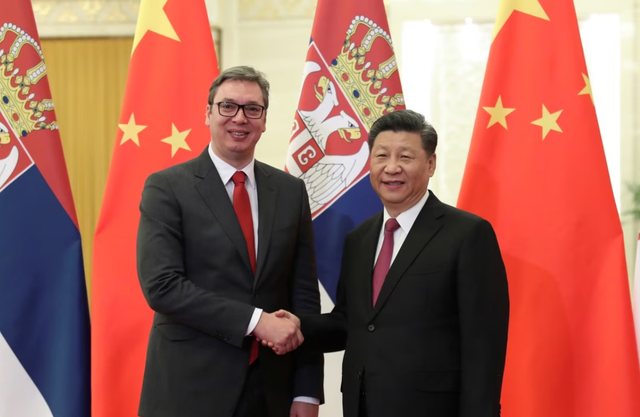
Hungary and Serbia have an agreement with Beijing to modernize the railway connecting the two capitals Budapest and Belgrade, part of the "One Belt One Road" initiative, to connect with the port of Piraeus in Greece, which is controlled by a Chinese company. The port represents a major entry point for Chinese goods to Central and Eastern Europe. Much of the project, which after a series of delays is expected to be completed in 2026, has been financed through loans from Chinese banks, a type of capital that Hungary and Serbia have been eager to tap. According to data from the AidData research center at the College of William & Mary in Virginia, Chinese leaders have provided loans worth more than $22 billion to nine countries in Central and Eastern Europe between 2000 and 2021. Of this amount, 9.4 billion dollars went to Hungary and 5.7 billion dollars to Serbia, shrinking capital for other countries in the region. President Vucic has said that he is "honored" that Mr. Xi, whom he often describes as a "friend", is visiting him on Tuesday. He said before the visit that Serbia will seek further Chinese investments, especially in advanced technologies. But the economic analyst, Mijat Laki?evi?, said that he did not expect big agreements or investments because "everything that Serbia does with China has already been agreed upon".
Hungary has also created a favorable economic environment for China, providing Chinese companies with generous tax breaks, subsidies and infrastructure support, as well as helping them bypass Hungarian bureaucracy. "The red carpet is laid out for them and the government takes actions that suit these companies. This is a big lead," says China affairs analyst Tamas Matura.
In the vicinity of Debrecen, Hungary's second largest city, work continues on the construction of the plant for electric car batteries, which will be run by the Chinese giant CATL, worth 7.3 billion euros on a territory of 222 hectares, the most investment major foreign direct in Hungary. These investments come at a time when Hungary's sluggish economy has been further hampered by high inflation and a freeze of billions of dollars worth of funding by the European Union, due to Prime Minister Orban's track record of weakening democracy and the state of of the right. While European funds have been frozen, Mr. Matura says, China has been able to fill holes in Hungary's budget. EU funds have almost stopped financing Hungary's economy , "so now there is a desperate need to look at other alternatives, other sources of financial capital," he said.
Mr. Orban has been open about the reasons why priority has been given to Chinese investments; he believes that Western economies are declining and that China is growing./ VOA


Russia has declared the human rights group, Freedom House,...
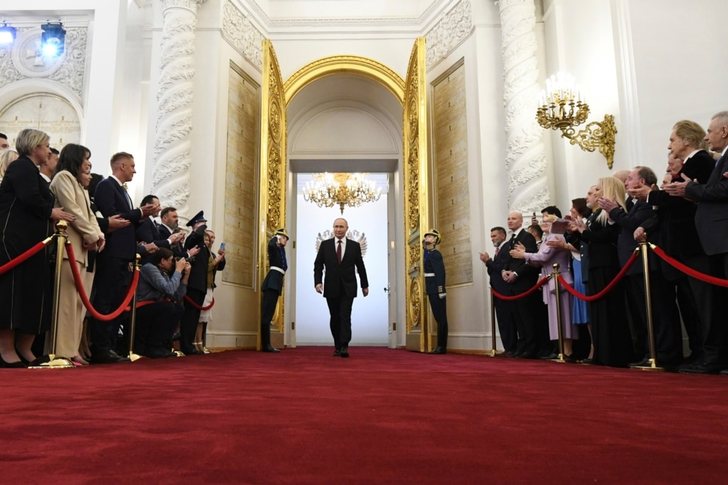
Vladimir Putin began his fifth term on Tuesday as Russia's...

US officials say foreign countries like China intimidate, ...
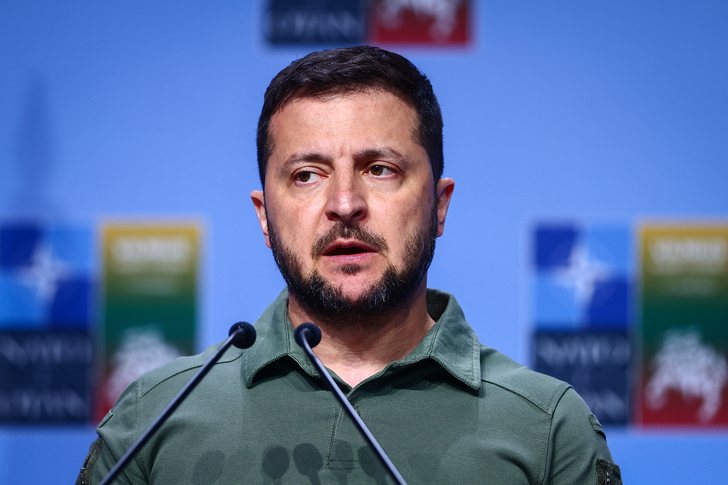
Ukrainian counterintelligence investigators have foile...
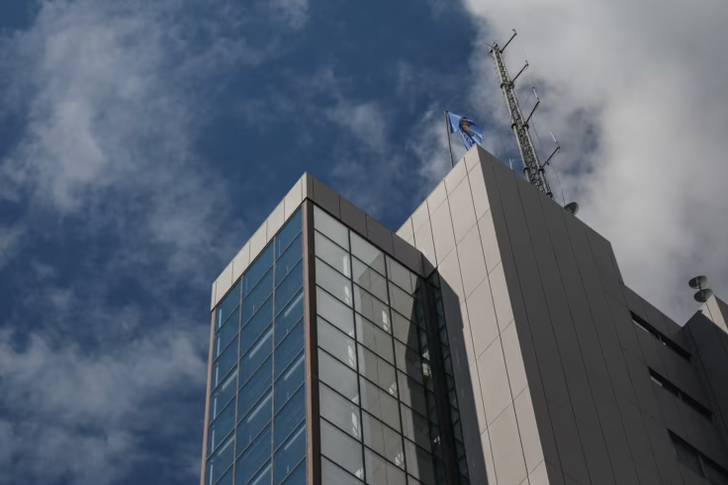
The Government of Kosovo has announced that the Ministry o...
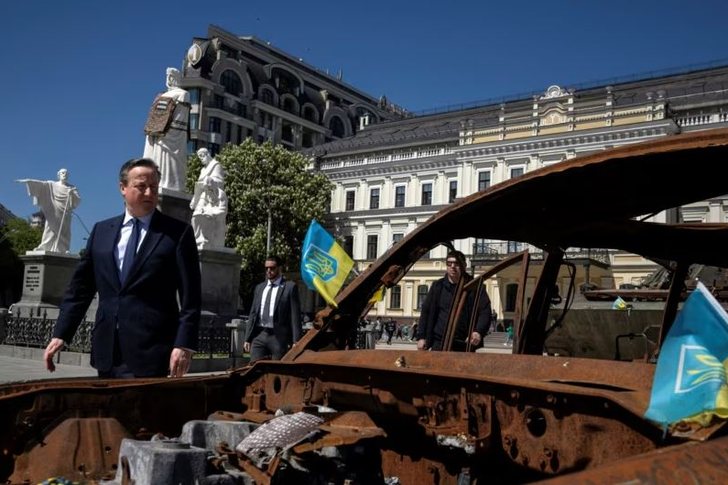
Moscow warned on Monday that it would strike British m...
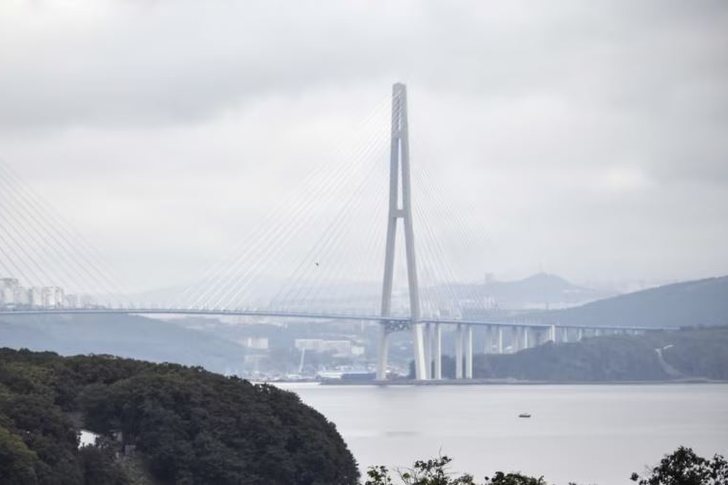
Një gjykatë në lindjen e largët të Rusisë, qytetin Vla...
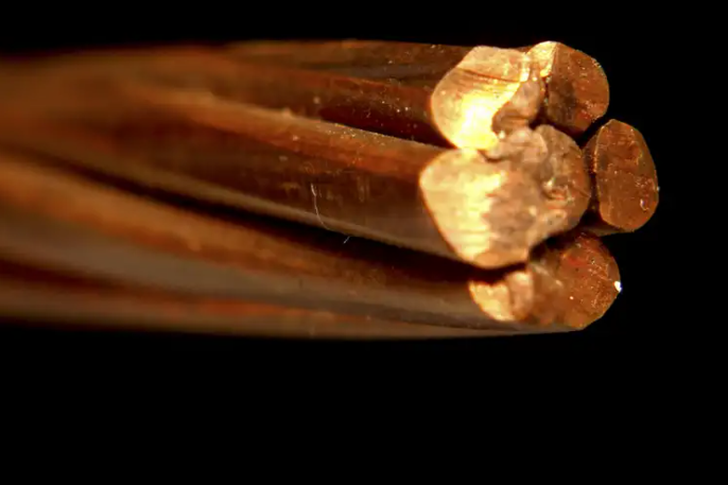
Many experts say the copper trade is facing a "supercycle"...
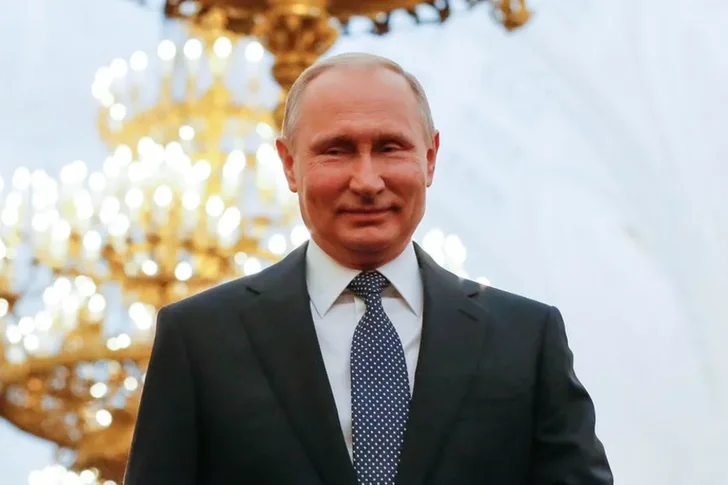
For the fifth time, Vladimir Putin will take a long wa...
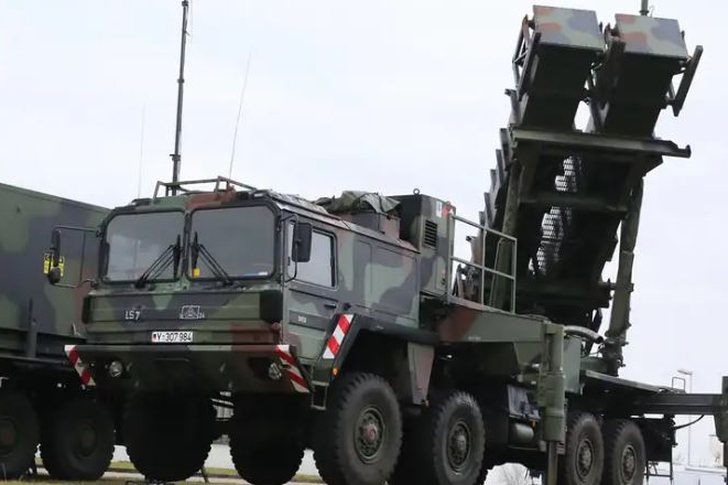
Orthodox Easter was celebrated on Sunday - but there w...
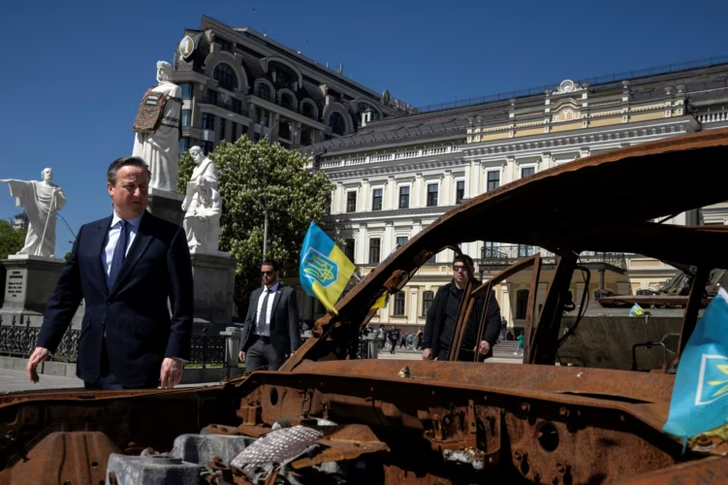
Moscow warned on Monday that it would strike British m...
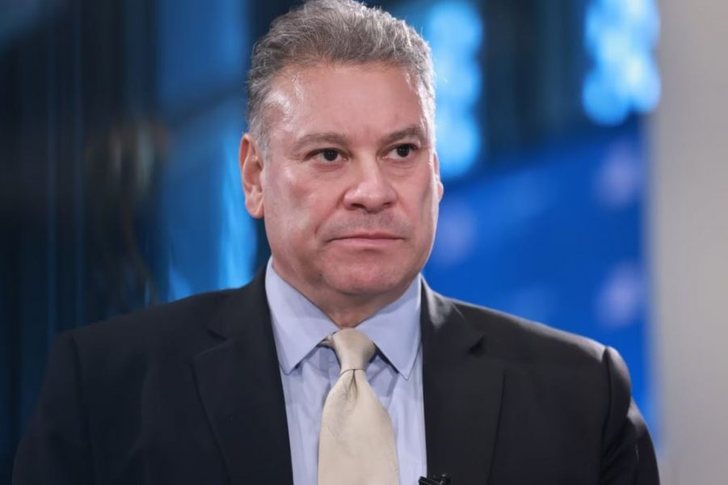
A spokesperson for the US State Department told VOA th...
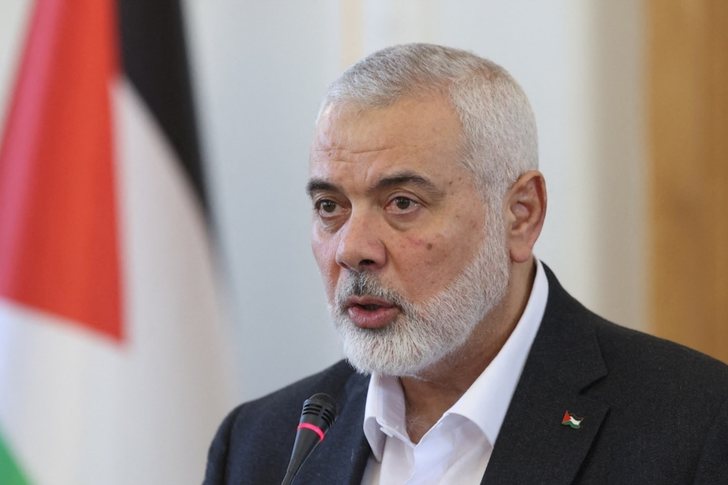
The militant group Hamas says it has accepted a ceasefire ...
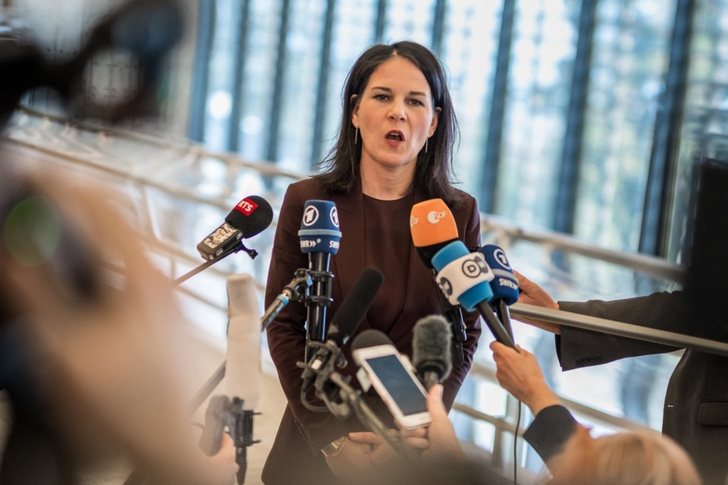
Germany summoned its envoy to Moscow for consultations aft...

Chinese President Xi Jinping will visit Serbia this week, ...
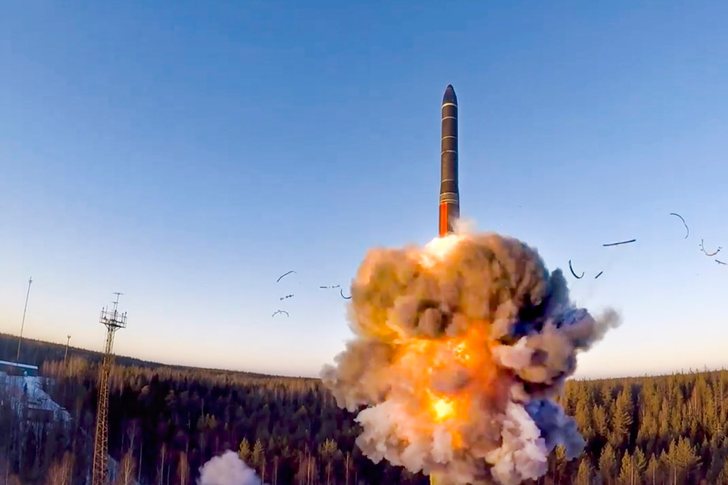
Russia plans to hold exercises simulating the use of nucle...
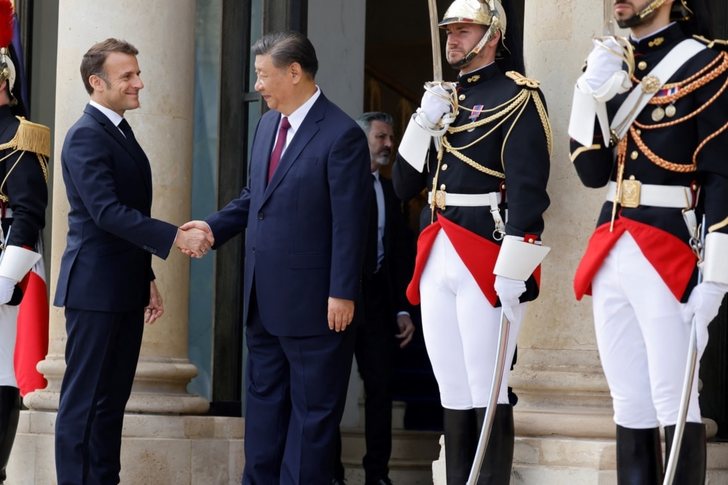
French President Emmanuel Macron today hosted his Chinese ...
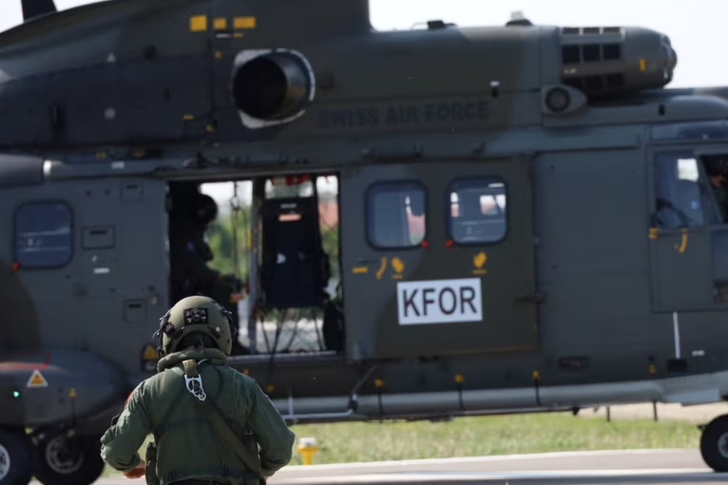
The NATO mission in Kosovo, KFOR, that of the European...

Ushtria izraelite thotë se po inkurajon njerëzit në qy...

Më shumë se 60 për qind e popullsisë së botës u beson ...

CNA has launched another investigation that could lead to ...

Irfan Hysenbelliu is a businessman that we call "Irfan the...

In March 2026, CNA launched another investigation centered...
The arrested mayor of Tirana, Erion Veliaj, with 13 charge...

The Special Board of Appeal (KPA) decided this Monday ...

The KPA vetting decided this Thursday to dismiss the p...

Suela Salavaçi, a prosecutor in the Prosecutor's Offic...

The Special Board of Appeal reinstated the prosecutor ...
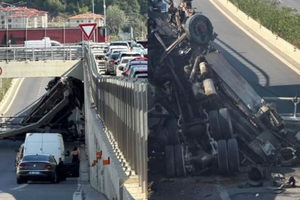
A serious accident occurred this Wednesday on the Elbasan-...
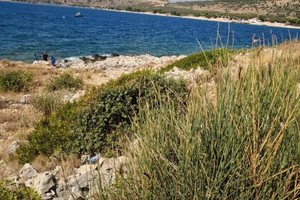
Citizen MH, 61, a fisherman, was found dead near the islan...
Another phase of the international operation, codenamed "T...

Police have arrested a 34-year-old woman at Rinas Airport ...

The Institute of Geosciences has shared a forecast for wea...
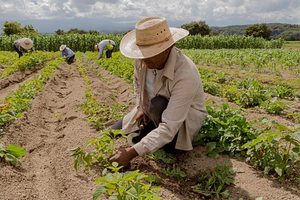
Rising energy and fertilizer prices are expected to contin...

Over 18,000 foreign citizens from 140 countries have appli...

This Wednesday, our country will be under the influence of...
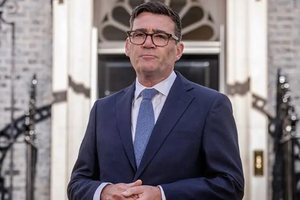
Prime Minister Andy Burnham has announced that most bus fa...

France's parliament has passed a law to ban social media f...
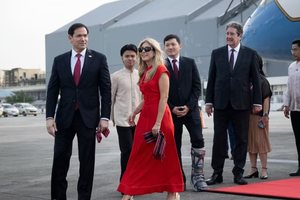
US Secretary of State Marco Rubio arrived in Manila on Jul...
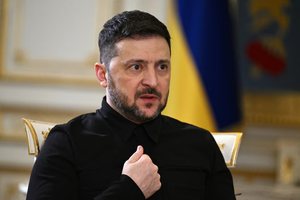
In the space of a few days, Ukrainian President Volodymyr ...

At a time when industrial products are increasingly taking...

Trust among people is not just a three-syllable word. It c...

Master of humor Todi Llupi has passed away at the age of 7...
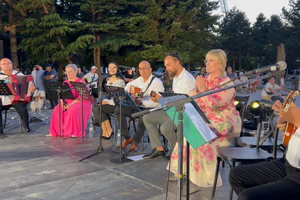
The ninth edition of "MIK Festival" kicked off with one of...

Businesses will no longer be required to simply register t...

Despite economic growth and income in recent years, Albani...
This Wednesday, one US dollar is bought for 81.4 lek and s...

Construction company licenses will have a validity period ...