


Serious accident on the Tirana-Elbasan axis/ Concrete mixer falls from a height, suspected victims
A serious accident occurred this Wednesday on the Elbasan-...

A serious accident occurred this Wednesday on the Elbasan-...

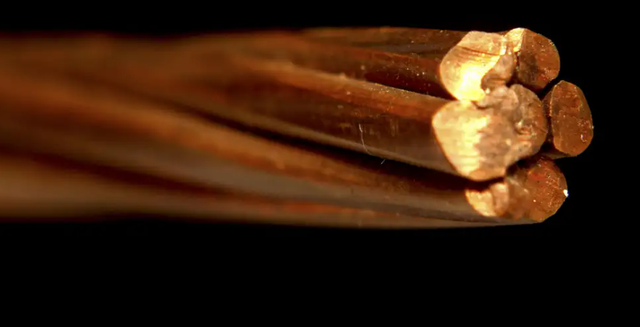
Many experts say the copper trade is facing a "supercycle". To move from a fossil fuel-powered economy to an electricity-powered economy, you need above all else: copper.
For a long time, the price of copper did not fluctuate much in the markets and did not play a big role for investors. That seems to be changing. The red metal has reached $10,000 per ton since April. Until then, there had been a reliable correlation between global economic growth and demand for copper. But now demand is picking up sharply despite weak global growth data.
The price of the key raw material on the London Metal Exchange rose as much as 1.7 percent to $10,033.50 a tonne on May 1. This made it more expensive than it has been since April 2022.
What is copper used for?
If you want to decouple energy production from fossil fuel consumption, the only way to do that is through changes in the economy - where copper is indispensable. "Because of its physical properties - especially its electrical conductivity - copper is the most important raw material for the energy transition," Joachim Berlebach of Earth Resources Investments in Zurich told DW. "If we really want to move away from materials fossil fuels, we will need approximately the same amount of copper in the next three decades." Michael Widmer, commodities strategist at Bank of America (BofA), also pointed out to Handelsblatt that the decarbonisation of the economy was the main reason for the price increase: "Copper is used in almost every industry and is therefore considered an economic indicator."
The trend fell asleep
Not only is demand increasing, but supply is stagnating and falling, which is also driving up prices. Raw materials expert Berlebach is not surprised: "Due to the lack of investment in new mines over the past 10 years, there are not enough copper mines."
Even the BofA analyst complains about the lack of investment. Using data collected by the International Energy Agency, Widmer said, "we can estimate what the annual demand for copper will be until 2050. We can then calculate how much we need to invest in new mines: at least $127 billion a year Last year it was just $104 billion - since 2012, investment has continued to decline.
Still far away
But that's not all, the problem cannot be solved quickly, says Berlebach: "Even if the price of copper continues to rise, production cannot increase quickly, because it takes up to 15 years from the first extractions to production. of declining ore grades, new mines must also be designed to be larger."
However, according to Michael Widmer, new mines often meet resistance because "copper mining pollutes the environment". He points to an example from Central America for Handelsblatt: Last year, mining company First Quantum had to close the country's largest copper mine. At first there was a conflict between the government and First Quantum. Then there were protests from the locals. Eventually the government shut down the mine and said it would never go back on the market."
OUTLOOK
When it comes to ores or metals, we often hear the suggestion that this or that raw material exists here too, we just have to extract it. Joachim Berlebach doesn't see it that way. Copper mining in Germany is uneconomical, relatively unproductive and "only theoretically" possible.
"In my opinion, large-scale mining is not possible in Germany due to the lack of large deposits and long-term bureaucratic processes. We are dependent on deposits in South America or the Congo." His answer to our question about whether Germany can change its dependence on copper imports was short and clear: "No!"
You can't do without copper, wherever it comes from: "You can use aluminum for overhead lines, but once you need a coil, like in a wind turbine or an electric car, you can't avoid copper. Aluminum only has about 65% of the conductivity of copper, the cables become very thick."
The high level remains
Bank of America analyst Michael Widmer believes the high price level is permanent. "Of course," he admits, according to Handelsblatt, "there may be short-term corrections, but in the long term I see price increases." The metal is facing what is likely to be a long-term "supercycle".
Joachim Berlebach also does not expect prices to fall: "The markets are currently showing price increases." The news from Oslo looks like a small light at the end of the tunnel: The Norwegian government is preparing to start deep-sea mining. As early as 2023, the authorities announced that there were "significant amounts of minerals" in Norwegian waters. Not only zinc and cobalt, but also copper. But it seems unlikely that this can satisfy the current hunger for red gold./ DW

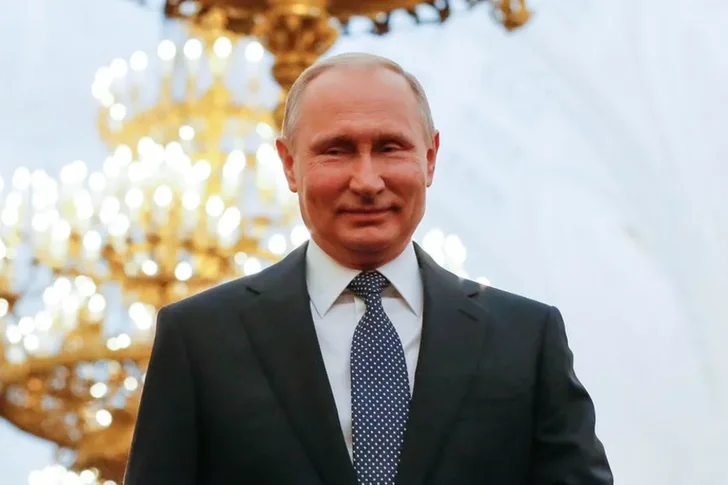
For the fifth time, Vladimir Putin will take a long wa...
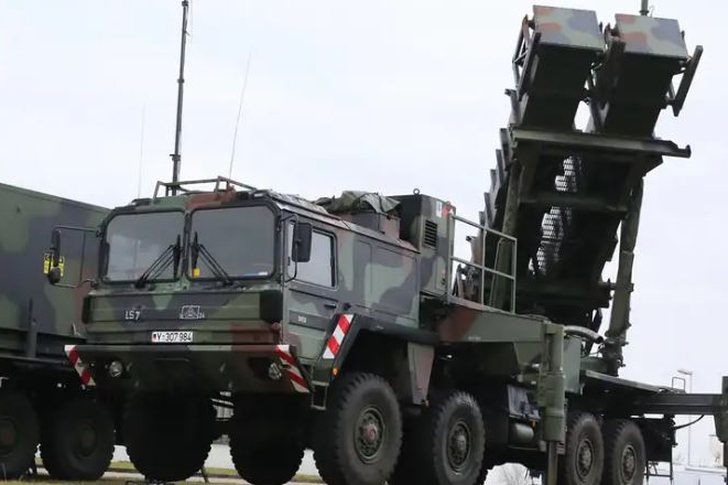
Orthodox Easter was celebrated on Sunday - but there w...
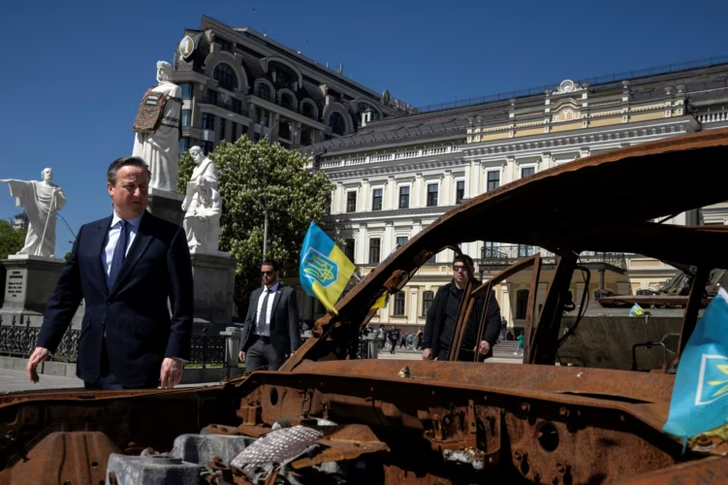
Moscow warned on Monday that it would strike British m...
A spokesperson for the US State Department told VOA th...
The militant group Hamas says it has accepted a ceasefire ...
Germany summoned its envoy to Moscow for consultations aft...

Chinese President Xi Jinping will visit Serbia this week, ...
Russia plans to hold exercises simulating the use of nucle...
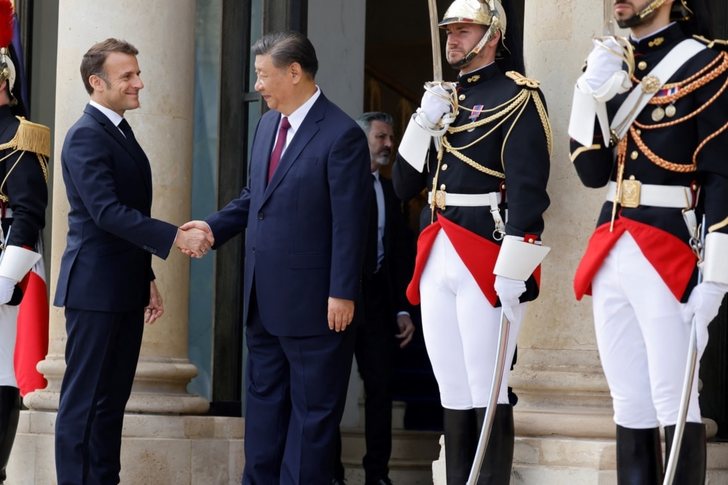
French President Emmanuel Macron today hosted his Chinese ...
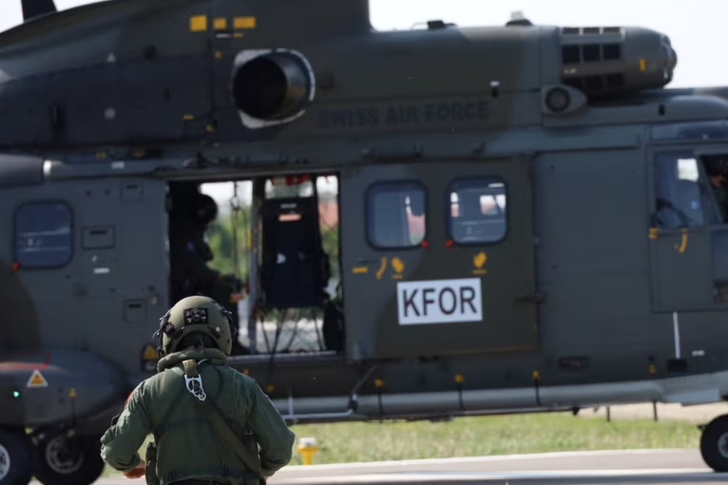
The NATO mission in Kosovo, KFOR, that of the European...

Ushtria izraelite thotë se po inkurajon njerëzit në qy...

Më shumë se 60 për qind e popullsisë së botës u beson ...
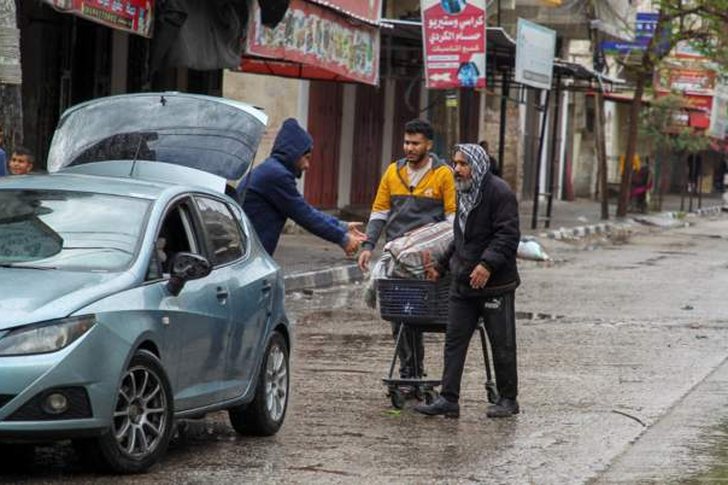
Ushtria izraelite ka kërkuar nga njerëzit në qytetin jugor...
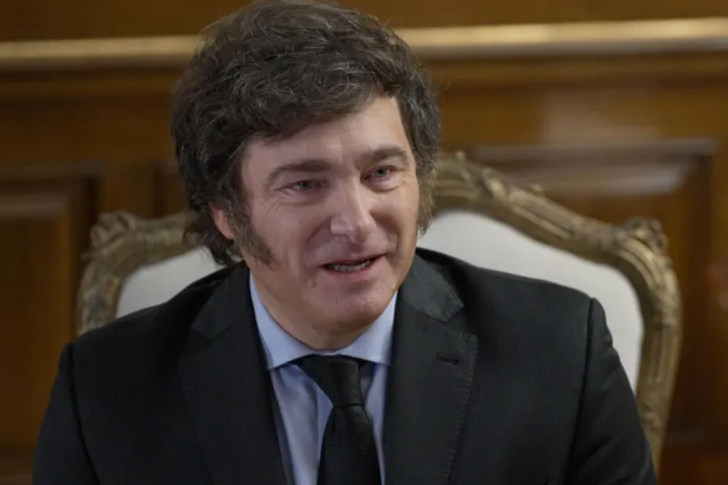
Argentine President Javier Milei admits that the Falkland ...
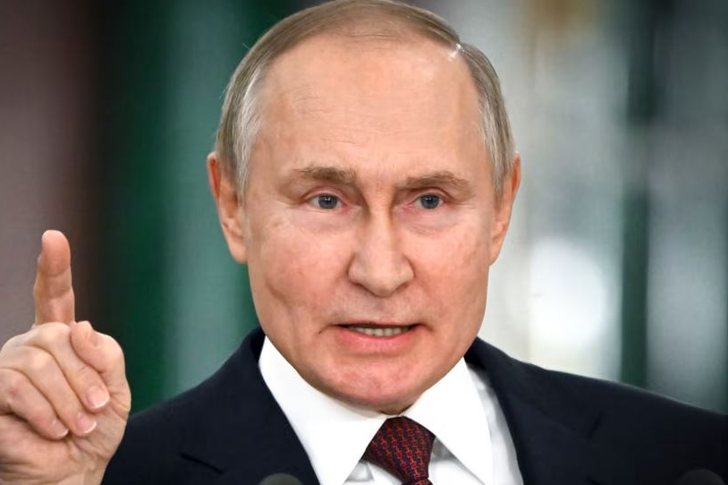
Just a few months shy of a quarter of a century as Rus...
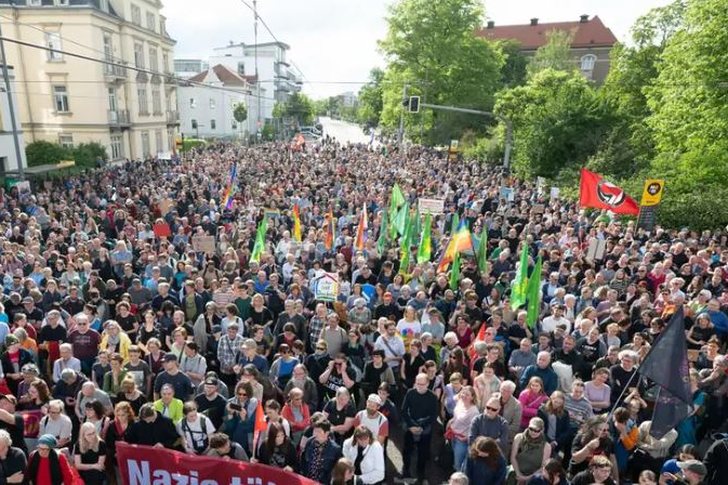
Protests were also held in Berlin and Dresden on Sunda...

Talks between Israel and Hamas on a Gaza ceasefire broke d...
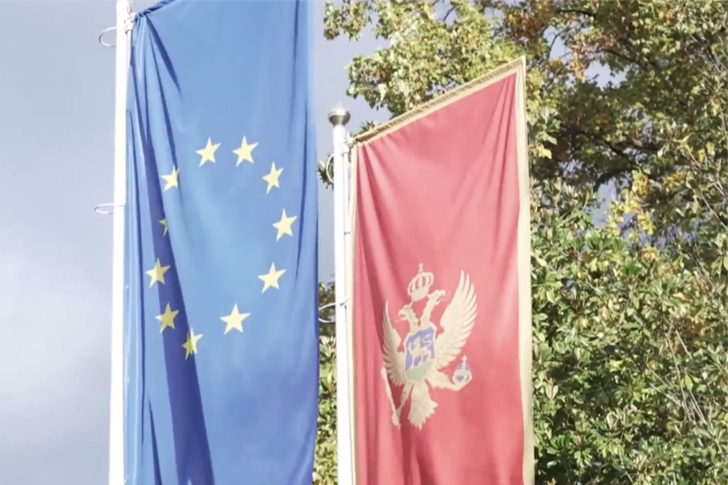
Analysts estimate that in Montenegro there should be an un...
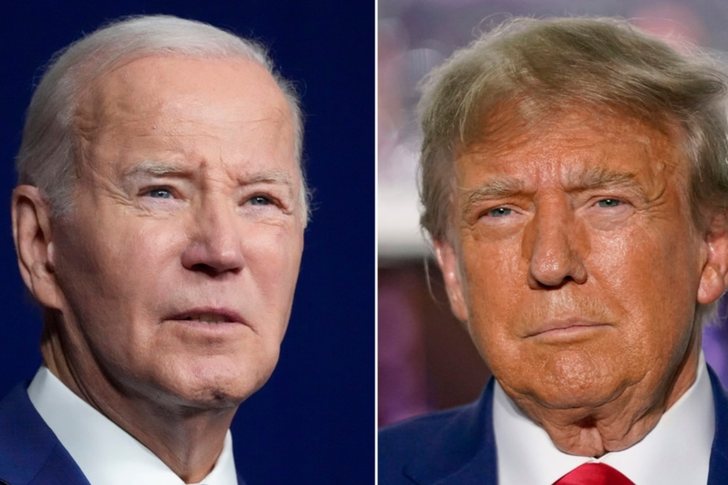
The candidate who is expected to secure the nomination...

As Ukraine marked its third Easter at war, Russia attacked...

CNA has launched another investigation that could lead to ...

Irfan Hysenbelliu is a businessman that we call "Irfan the...

In March 2026, CNA launched another investigation centered...
The arrested mayor of Tirana, Erion Veliaj, with 13 charge...

The Special Board of Appeal (KPA) decided this Monday ...

The KPA vetting decided this Thursday to dismiss the p...

Suela Salavaçi, a prosecutor in the Prosecutor's Offic...

The Special Board of Appeal reinstated the prosecutor ...
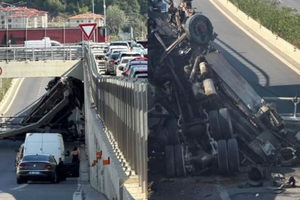
A serious accident occurred this Wednesday on the Elbasan-...
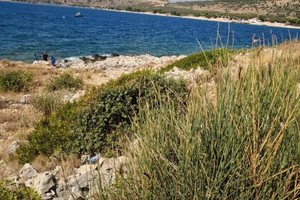
Citizen MH, 61, a fisherman, was found dead near the islan...

Another phase of the international operation, codenamed "T...

Police have arrested a 34-year-old woman at Rinas Airport ...

The Institute of Geosciences has shared a forecast for wea...

Rising energy and fertilizer prices are expected to contin...

Over 18,000 foreign citizens from 140 countries have appli...

This Wednesday, our country will be under the influence of...

Prime Minister Andy Burnham has announced that most bus fa...

France's parliament has passed a law to ban social media f...

US Secretary of State Marco Rubio arrived in Manila on Jul...

In the space of a few days, Ukrainian President Volodymyr ...

At a time when industrial products are increasingly taking...

Trust among people is not just a three-syllable word. It c...

Master of humor Todi Llupi has passed away at the age of 7...

The ninth edition of "MIK Festival" kicked off with one of...

Businesses will no longer be required to simply register t...

Despite economic growth and income in recent years, Albani...

This Wednesday, one US dollar is bought for 81.4 lek and s...
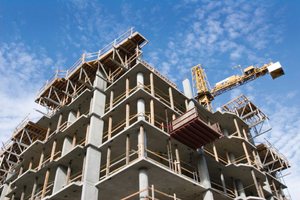
Construction company licenses will have a validity period ...