Serious accident on the Tirana-Elbasan axis/ Concrete mixer falls from a height, suspected victims
A serious accident occurred this Wednesday on the Elbasan-...

A serious accident occurred this Wednesday on the Elbasan-...

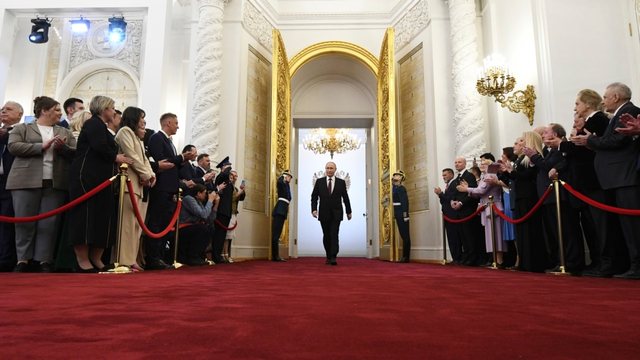
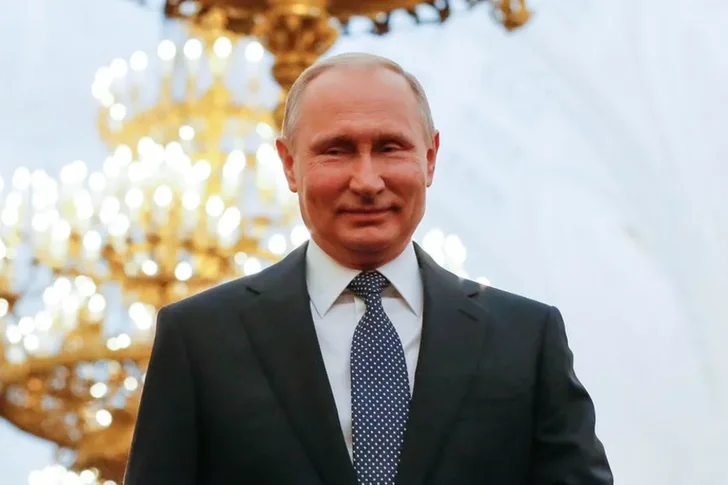
Vladimir Putin began his fifth term on Tuesday as Russia's leader with a pompous ceremony at the Kremlin. He begins another six-year term after eliminating his political opponents, launching a devastating war in Ukraine and concentrating all power in his hands.
At the ceremony inside the Kremlin's Grand Palace, Mr Putin laid his hand on the Russian constitution and vowed to defend it as select attendees looked on.
"We are a united and great people. Together we will overcome all obstacles, we will realize all plans, together we will win", said Mr. Putin after taking the oath.
Since taking office from President Boris Yeltsin in the final hours of 1999, Vladimir Putin has transformed Russia from a country recovering from a battered economy to one that threatens global security. After the 2022 attack on Ukraine, which has turned into Europe's biggest conflict since World War II, heavy Western sanctions have been imposed on Russia. Russia has increasingly turned to regimes such as China, Iran and North Korea to gain their support.
Now in power for almost a quarter of a century and becoming the Kremlin's longest-serving leader since Joseph Stalin, Mr Putin's term runs until 2030, when he will be eligible to run again.
According to a well-established script, Mr. Putin first appeared in his office reading documents, before beginning to walk the long corridors of the Kremlin. As he walked the distance to the inauguration ceremony, he stopped for a moment in front of a painting.
The guard of honor waited in the freezing rain for hours, in temperatures just above 0 degrees Celsius, for Mr. Putin to make the journey to the Grand Kremlin Palace in the Auras limousine.
Mr. Putin used the first moments of his fifth term to thank the "heroes" of the war in Ukraine and attack the West.
Russia "does not reject dialogue with Western countries", he said. In fact, added Mr. Putin, "the choice is in their hands: will they continue to try to restrain Russia, will they continue the policy of aggression, of continuous pressure on our country for years, or will they seek a path towards cooperation and peace".
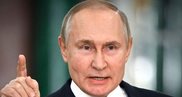
The Russian leader was greeted with applause as he entered the lobby where about 2,500 guests were attending the ceremony, his spokesman Dmitry Peskov said. Among the guests were high officials of the Russian government, as well as well-known names such as the American actor Steven Seagal.
A French diplomat confirmed that the French ambassador also attended the ceremony. The diplomat spoke on condition of anonymity.
US Ambassador to Russia Lynne Tracy did not attend, and Russia's state news agency Tass reported that she was out of the country.
The question is already being asked what the 71-year-old Putin will do during the next six years in the Kremlin, both domestically and internationally.
Russian forces are gaining ground in Ukraine, using scorched-earth tactics, as Kiev faces shortages in recruits and ammunition. Both sides have suffered heavy losses.
Ukraine has shifted the battle to Russian soil, attacking with drones and missiles, particularly in border regions. In a speech in February, Mr Putin vowed to meet Moscow's objectives in Ukraine and do whatever was necessary to "protect our sovereignty and the security of our citizens".
Shortly after his orchestrated re-election in March, Mr Putin suggested a clash between NATO and Russia was possible. He announced that he wants to create intermediate security zones in Ukraine in order to protect his country from attacks from across the border.
Domestically, Mr Putin's popularity depends heavily on living standards for ordinary Russians.
On Tuesday, Mr. Putin again promised Russians a prosperous future, but since the attack on Ukraine began, many have experienced rising living costs.
Mr Putin began his 2018 term promising to make Russia one of the world's five largest economies and pledging a "more modern and dynamic" economy. In fact, Russia's economy is oriented towards a war economy and the authorities are spending record amounts on the defense sector.
Analysts say that now that Mr. Putin has secured the next six years in power, the government may take unpopular measures to raise taxes to finance the war and increase pressure for men to join the military.
At the start of the new term, the Russian government automatically dissolves and Mr. Putin can choose a new prime minister and government cabinet.
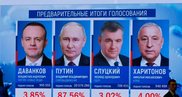
One of the key sectors that must be kept in mind is the Ministry of Defense.
Last year, Defense Minister Sergei Shoigu came under pressure to lead the war as mercenary leader Yevgeny Prigozhin criticized him over ammunition shortages for private contractors fighting in Ukraine. Mr. Prigozhin's short-lived rebellion in June against the defense ministry became the biggest threat to Mr. Putin's rule.
After Mr. Prigozhin was killed two months later in a mysterious plane crash, Mr. Shoigu appeared to have survived the civil war. But last month, his deputy defense minister, Timur Ivanov, was arrested on bribery charges amid reports of massive corruption.
Some analysts have suggested that Mr. Shoigu could step down as part of a government reshuffle, but that would be a bold move as the war in Ukraine continues.
In the years since the attack began, authorities have cracked down on all forms of dissent with a ferocity not seen since the Soviet era.
Mr Putin signaled on Tuesday that he would continue to silence critical voices.
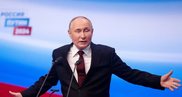
He told the audience gathered at the Grand Palace in the Kremlin to bear in mind the "tragic cost of internal turmoil and problems" and said Russia "must be strong and absolutely resistant to all challenges and dangers".
Mr. Putin begins his fifth term as president, practically without any kind of opposition within the country.
His main political opponent, Alexei Navalny, died in an Arctic prison in February. Other prominent critics have been imprisoned or fled the country. Even some of his opponents who remain in asylum in other countries, continue to fear for their safety.
In Russia, laws have been passed that provide for long prison sentences for people who discredit the military. The Kremlin also attacks independent media, human rights organizations, activists of the LGBTQ+ community and others who do not submit to what Mr. Putin has highlighted as Russian "traditional family values"./ VOA

US officials say foreign countries like China intimidate, ...
Ukrainian counterintelligence investigators have foile...
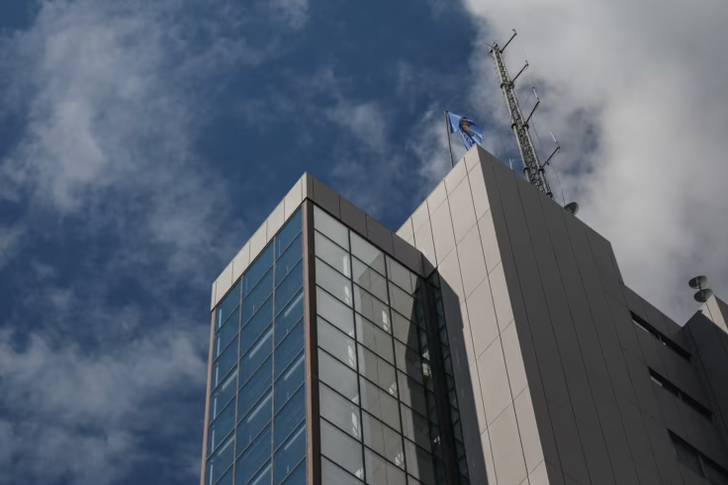
The Government of Kosovo has announced that the Ministry o...
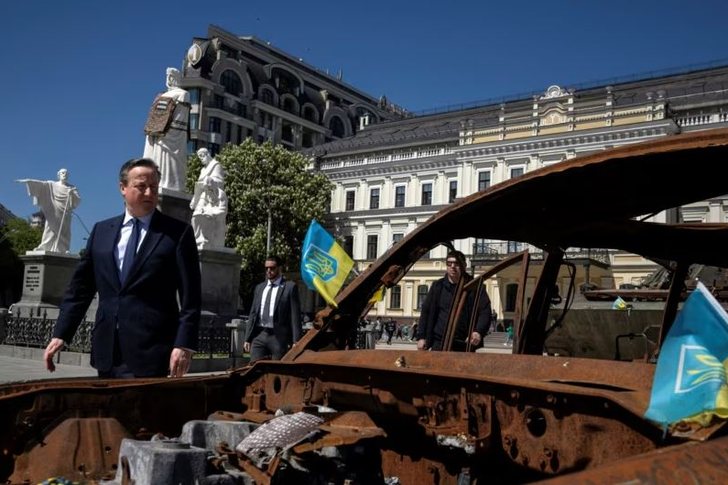
Moscow warned on Monday that it would strike British m...
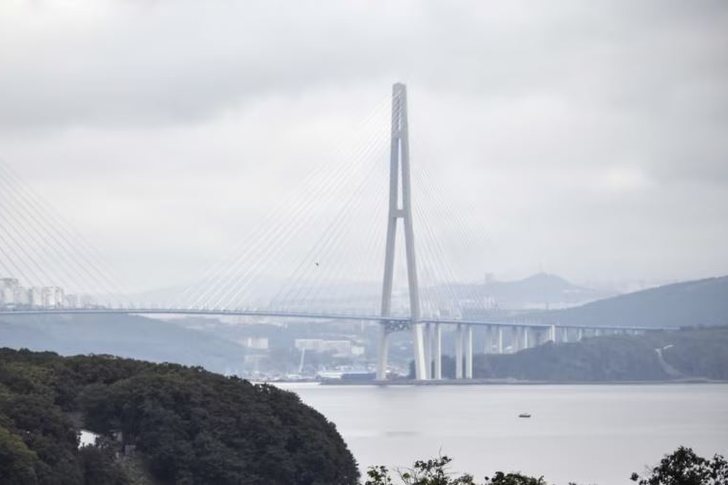
Një gjykatë në lindjen e largët të Rusisë, qytetin Vla...
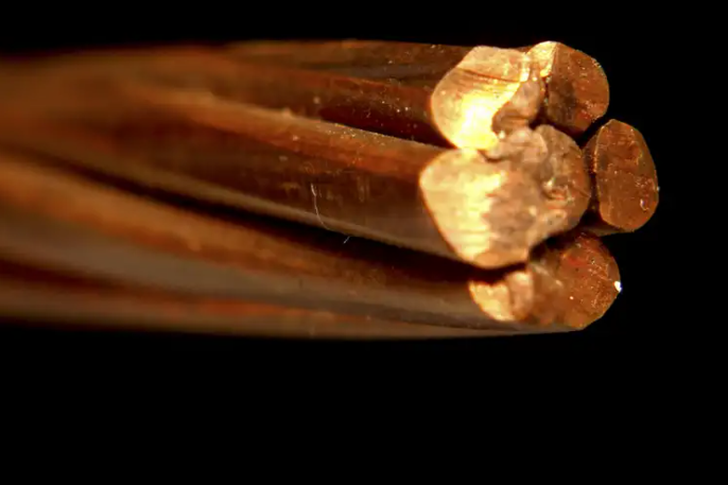
Many experts say the copper trade is facing a "supercycle"...
For the fifth time, Vladimir Putin will take a long wa...
Orthodox Easter was celebrated on Sunday - but there w...
Moscow warned on Monday that it would strike British m...
A spokesperson for the US State Department told VOA th...
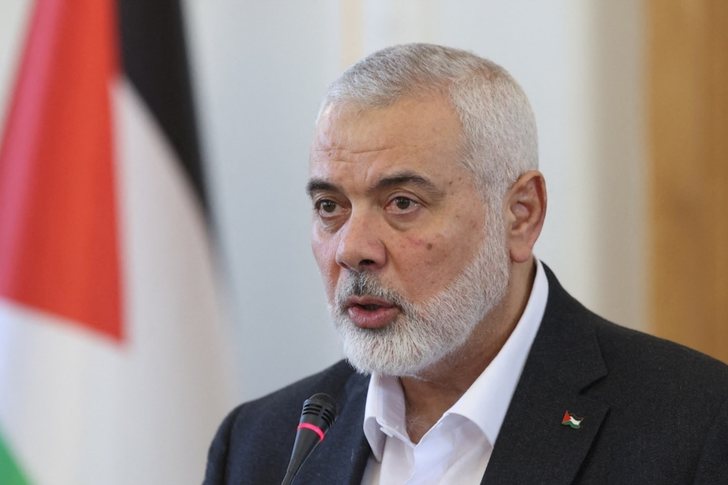
The militant group Hamas says it has accepted a ceasefire ...
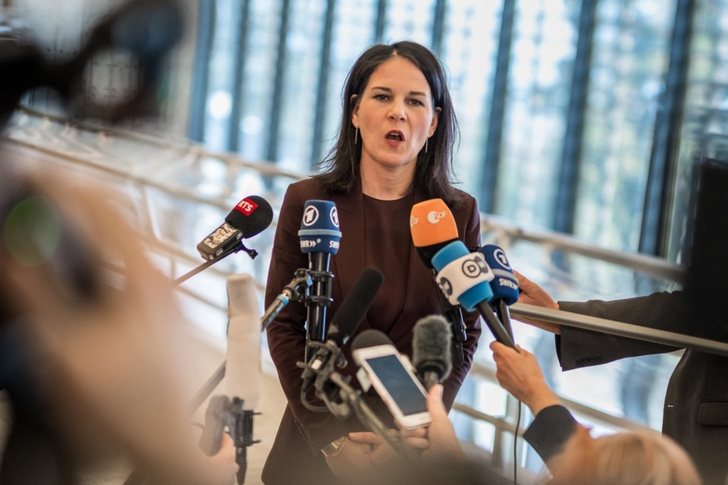
Germany summoned its envoy to Moscow for consultations aft...

Chinese President Xi Jinping will visit Serbia this week, ...
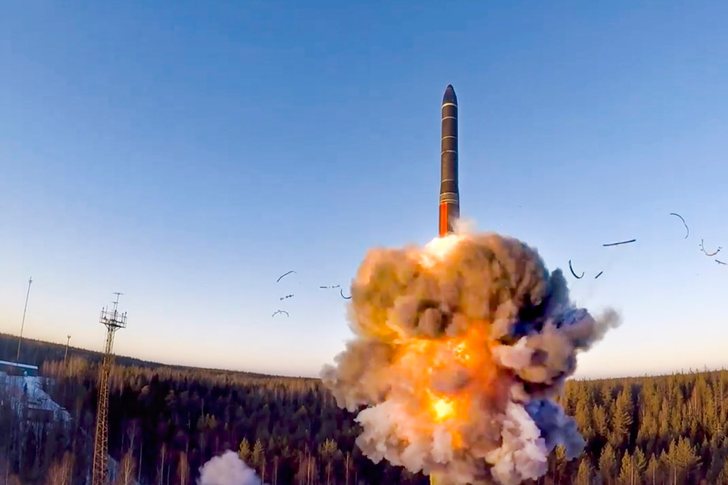
Russia plans to hold exercises simulating the use of nucle...
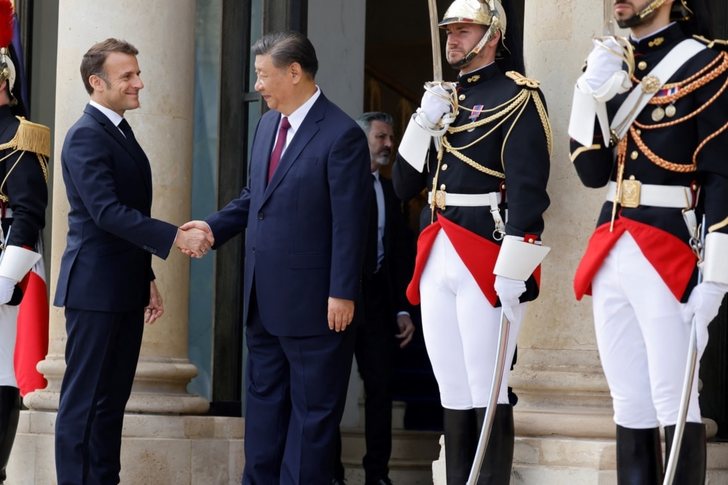
French President Emmanuel Macron today hosted his Chinese ...
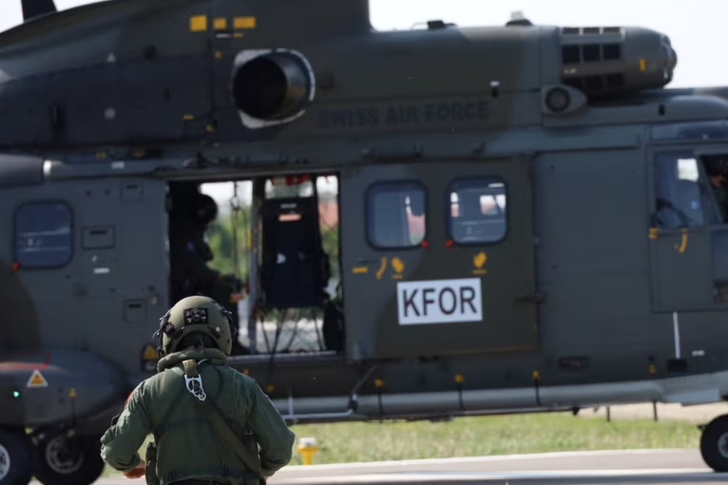
The NATO mission in Kosovo, KFOR, that of the European...
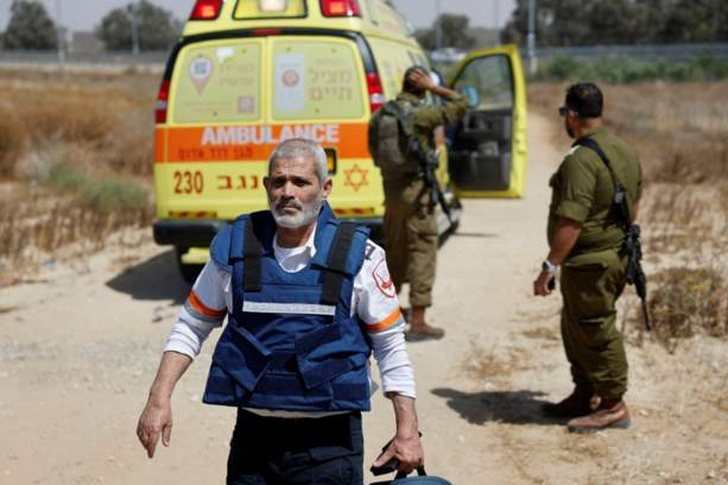
Ushtria izraelite thotë se po inkurajon njerëzit në qy...
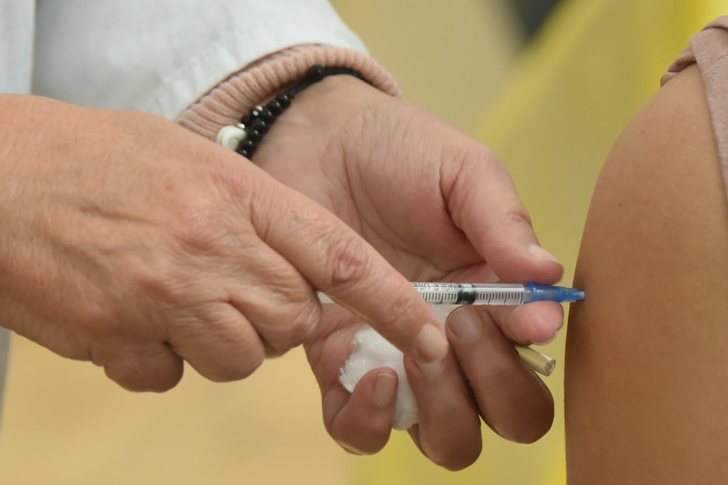
Më shumë se 60 për qind e popullsisë së botës u beson ...
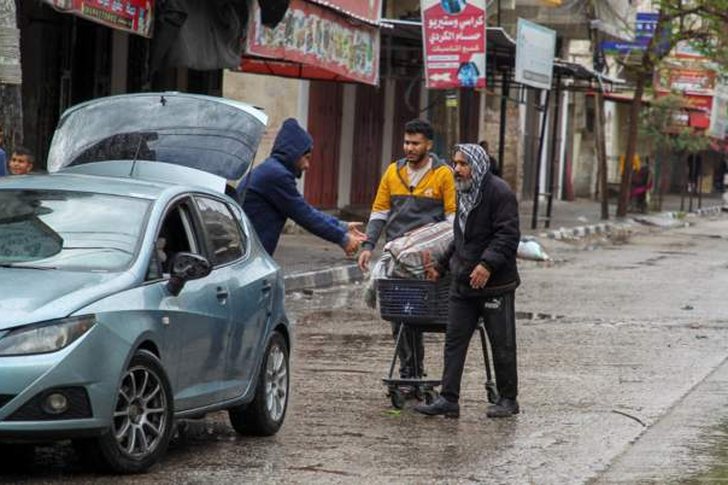
Ushtria izraelite ka kërkuar nga njerëzit në qytetin jugor...
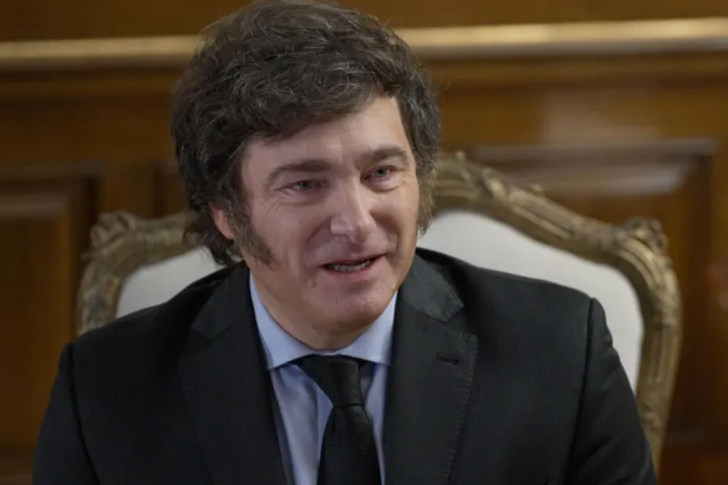
Argentine President Javier Milei admits that the Falkland ...

CNA has launched another investigation that could lead to ...

Irfan Hysenbelliu is a businessman that we call "Irfan the...

In March 2026, CNA launched another investigation centered...
The arrested mayor of Tirana, Erion Veliaj, with 13 charge...

The Special Board of Appeal (KPA) decided this Monday ...

The KPA vetting decided this Thursday to dismiss the p...

Suela Salavaçi, a prosecutor in the Prosecutor's Offic...

The Special Board of Appeal reinstated the prosecutor ...
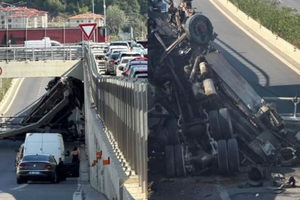
A serious accident occurred this Wednesday on the Elbasan-...
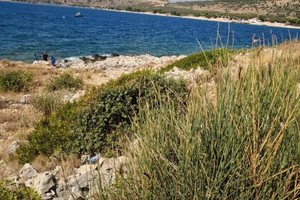
Citizen MH, 61, a fisherman, was found dead near the islan...
Another phase of the international operation, codenamed "T...
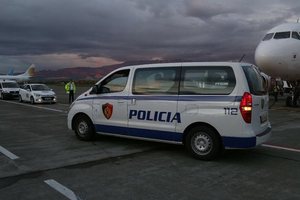
Police have arrested a 34-year-old woman at Rinas Airport ...

The Institute of Geosciences has shared a forecast for wea...
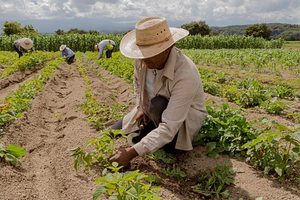
Rising energy and fertilizer prices are expected to contin...

Over 18,000 foreign citizens from 140 countries have appli...

This Wednesday, our country will be under the influence of...
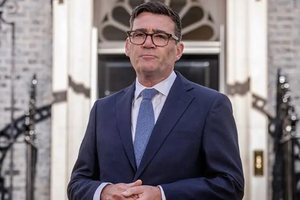
Prime Minister Andy Burnham has announced that most bus fa...

France's parliament has passed a law to ban social media f...
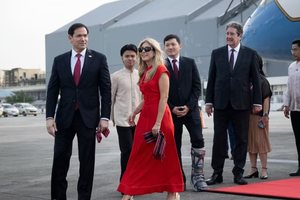
US Secretary of State Marco Rubio arrived in Manila on Jul...
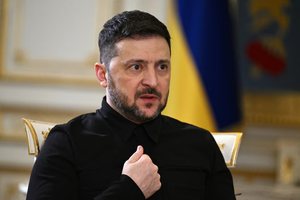
In the space of a few days, Ukrainian President Volodymyr ...

At a time when industrial products are increasingly taking...

Trust among people is not just a three-syllable word. It c...

Master of humor Todi Llupi has passed away at the age of 7...

The ninth edition of "MIK Festival" kicked off with one of...

Businesses will no longer be required to simply register t...

Despite economic growth and income in recent years, Albani...
This Wednesday, one US dollar is bought for 81.4 lek and s...
Construction company licenses will have a validity period ...