


Shooting in Shkodra/ 2 people arrested
The Crime Investigation Specialists of the Shkodra Police ...

The Crime Investigation Specialists of the Shkodra Police ...

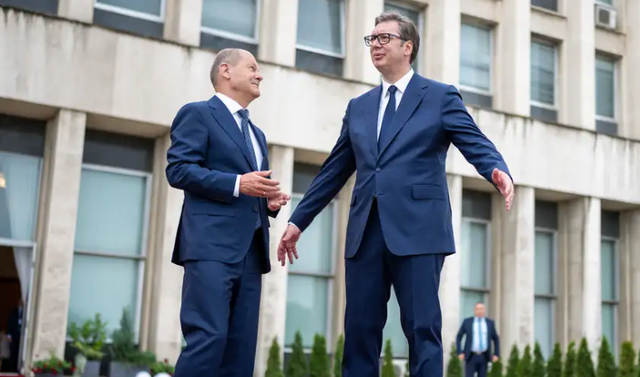
The German public was somewhat surprised when on Wednesday morning, federal government spokesman Steffen Hebestreit announced that German Chancellor Olaf Scholzdo will meet with Serbian President Aleksandar Vucic later this week in Belgrade. Such short notice of the chancellor's international travel is very unusual, travel and activities are coordinated weeks in advance of the trip.
The real reason for Scholz's visit
The announcement states that Scholz will discuss "bilateral relations" with Aleksandar Vu?i?, as well as issues related to "European and international politics". So the information is very general. No word on the recent cooling of relations between Berlin and Belgrade over the UN resolution on Srebrenica, which was largely initiated by Germany and served Vu?i?'s multiple attacks on Berlin, which went as far as talking for a "paradox". Vucic and Serbia even said that it is very paradoxical that Germany talks about genocide, "after the First and Second World War".
There are big problems in the relations between them also because of the frozen process in the normalization of relations between Kosovo and Serbia, which is not going well, despite the commitment of Germany. There are also other very controversial topics, such as Serbia's relationship with Russia.
However, this unexpected visit shows that Belgrade and Berlin do not want to dig into open wounds, but want to talk about bilateral relations. "Both statesmen, after bilateral talks, will participate in the 'Critical Raw Materials Summit'. Among the participants will be the vice president of the European Commission, Marosh Shefçovi?, as well as representatives of the economy. As part of the summit, Serbia will sign a memorandum of understanding with the European Union for a strategic partnership regarding sustainable raw materials, battery supply chains for electric cars," it was announced. The conference in Belgrade was officially named "Serbia, its role in the green future of the world."
Kuban: "Serbia solves the problems"
Asked by DW, representatives of the parties represented in the Bundestag have mixed reactions to the news of Scholz's announced short-term trip to Belgrade to secure important raw materials. The representative of the parliamentary group of Christian Democrats (CDU/CSU) for Serbia, Tilman Kuban, who recently visited Belgrade, is satisfied with this initiative. As a representative of the parliamentary opposition, he obviously criticized the German chancellor because, he says, "he has ignored the countries of the Western Balkans for a long time". But he adds that it is good that he is now taking the initiative again "in the interest of the economy German".
"With this project, Serbia shows that it wants to solve problems in Europe, not create them. Anyone who wants to expand the use of renewable energy resources and more electromobility should not hinder the use of lithium. Because we we Europeans can assert ourselves in the geopolitical competition only with our raw materials", Kuban emphasized to DW.
Juratovic: Vucic will sell the deal as a victory over Germany
Liberal Party (FDP) parliamentary committee member for European affairs Thomas Hacker is less euphoric than his Christian Democrat colleague. "We will carefully monitor Chancellor Scholz's planned trip to Serbia. In the past, President Vucic has repeatedly presented himself as a partner of Mr. Orban and Mr. Putin, thereby jeopardizing sustainable rapprochement with the European Union," Hacker told DW. He noted the worsening of the situation with the state of democracy in Serbia, as well as the frozen rapprochement process between Serbia and Kosovo. "The chancellor must clearly address these issues during his trip. The important economic cooperation does not dare to overshadow the political cooperation", concluded the representative of the FDP, the party in power which is normally seen as the defender of the interests of the economy.
The most critical of Scholz's trip to Belgrade is Josip Juratovic, a senior lawmaker from the ruling Social Democratic Party of Germany (SPD) and an expert on the situation in Southeast Europe. "Vucic will likely sell this deal in Serbia, the old-fashioned way, as his great political victory over Germany. In reality, however, it is a shame for his politics in Serbia that to avoid pressure from the street, he has to to provide standards from abroad", Juratovic said in a statement that was also reported by other media.
Juratovi? believes that for this speed in taking the initiative, the fact that Vu?i? has already "put the Chinese into the game" should be thanked. "It is clear that the EU cannot leave the exploitation of lithium in Serbia to Chinese standards. To guarantee jobs in Germany and the EU, and at the same time to achieve the climate goals we have set ourselves, we must we provide resources outside the EU, but under the same ecological and social conditions", concluded Juratovi?.
The Lithium Treaty – an important step in rapprochement with the EU
The German media write that the German chancellor is traveling to the "friend of Putin and Orban", who has recently been "more or less isolated internationally" precisely because of his open friendship with the declared opponents of the EU. But for representatives of the economy, what is important is what Scholz will return home with: the contract for the supply of the most important raw material for the currently struggling auto industry.
Matthias Wechter, director of the international cooperation department of the Association of German Industrialists (BDI), believes that the signing of an agreement on raw materials between the EU and Serbia would be a very important step towards the goal of diversifying German industry and European. He cites data (backed by the company Rio Tinto) that 58,000 tons of lithium can be used annually in the Jadra valley, which would cover 17 percent of European needs.
Vechter specifically emphasizes why the agreement with Serbia would be a big plus for the European industry, above all, the automotive industry. "Until now, German industry has bought lithium, which is important for batteries, mainly from South America and Australia. The central problem is the dependence on China for the further processing of lithium. In this context, it is very welcome that a a large part of the further processing to be done directly in Serbia, and therefore in Europe".
One of the leaders of DUI believes that Serbia can also benefit politically from this economic agreement. "It would also be an important step for the rapprochement of Serbia with the European Union. Cooperation in the field of raw materials would be a strong signal", concludes Vechter. Aleksandar Vu?i? and Javier Milei
Anja Quiring, director of the Department for Southeast Europe at the German Economic Committee for Eastern Europe (Ost Ausschuss), in an interview for DW, expresses the hope that the chancellor will use this visit to deepen political relations and accelerate the process of rapprochement with the European Union , so it will be a kind of preparation for the Berlin Process summit.
"We assume that the chancellor will also prepare a summit in his talks in Belgrade and will above all emphasize the importance of regional cooperation for further economic development," says Quiring. She added that in addition to bilateral relations, mutual cooperation between the countries of the region is also important, and this is something that the Berlin Process has been working on for ten years.
In an interview with the German daily "Handelsblat", Vucic said that China will not have access to Serbian lithium. "We are loyal to Europe", said the president of Serbia.
Chancellor Scholz has already indicated once, a few weeks ago, that he is ready to step over his shadow and accept talks with controversial politicians when it comes to securing lithium for the auto industry. Finally, he also hosted the new president of Argentina, Javier Milea, in Berlin. Both Argentina and Serbia have large deposits of this precious metal./ DW


Yemen's Houthi rebels have claimed responsibility for ...
An Italian journalist has been ordered to pay Prime Mi...
The former American president, Donald Trump, accepted ...
Israeli Prime Minister Benjamin Netanyahu met with Isr...
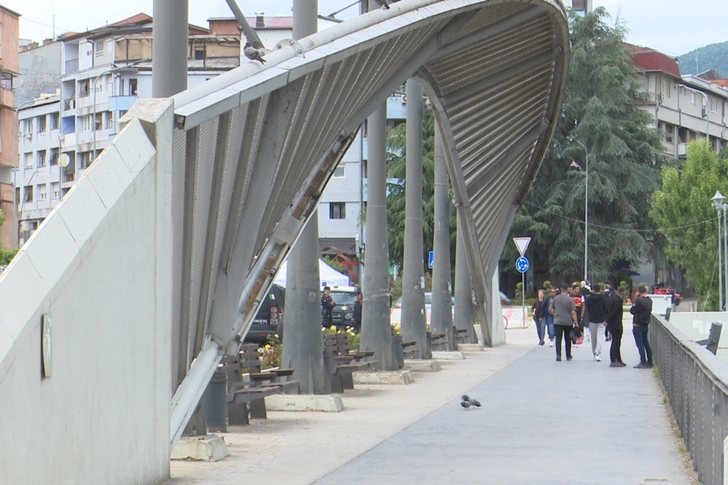
The Prime Minister of Kosovo, Albin Kurti, said on Thursda...
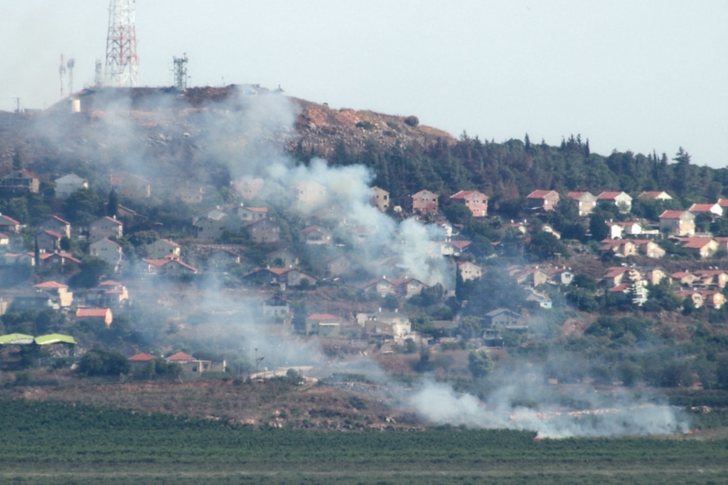
Three people have been arrested in Spain and another i...
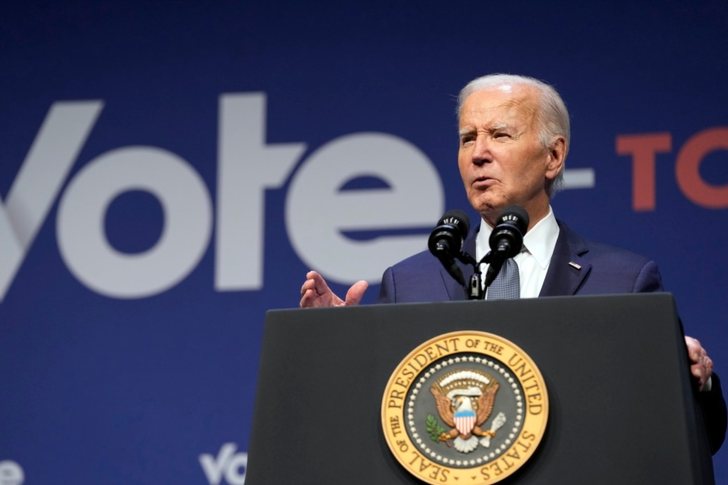
Concerned about President Joe Biden's ability to win t...
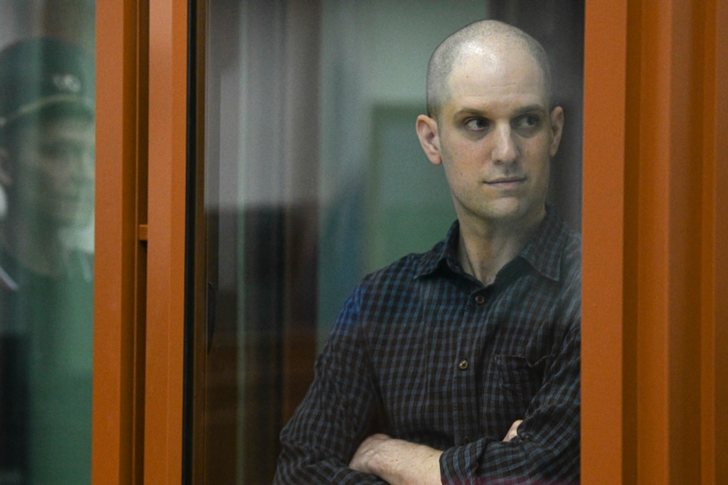
American journalist Evan Gershkovich appeared in the s...
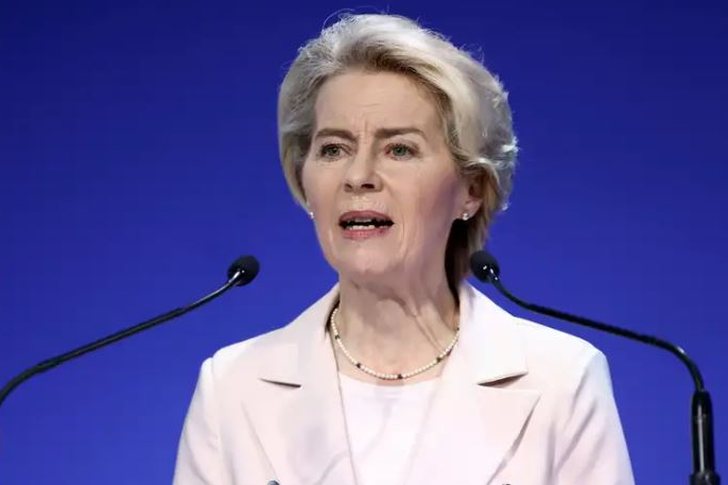
Ursula von der Leyen është rizgjedhur si presidente e ...
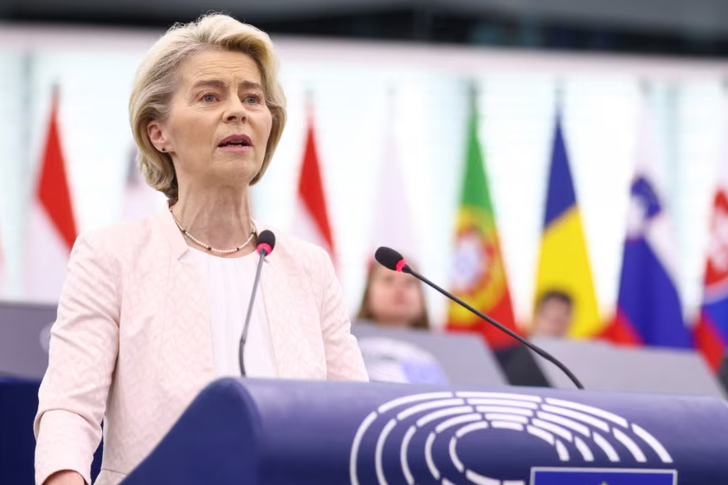
The President of the European Commission, Ursula von d...
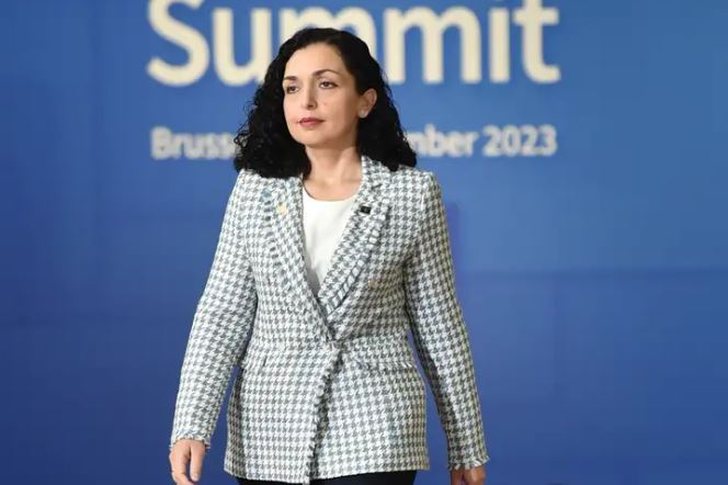
Official Pristina is constantly under pressure to esta...
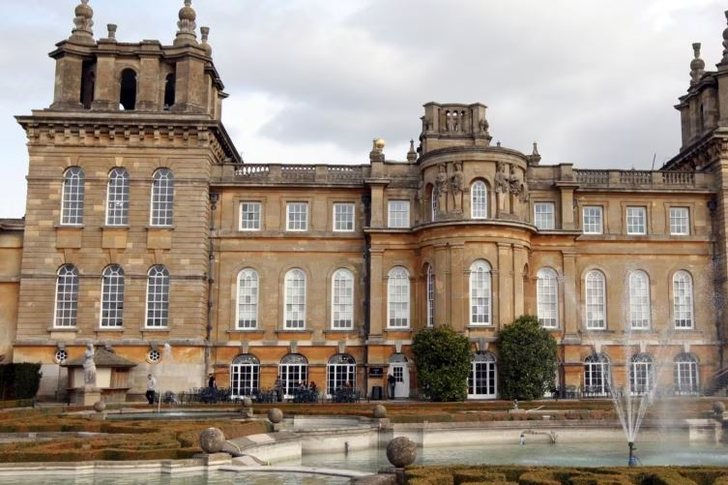
A week after the NATO meeting in Washington, another meeti...
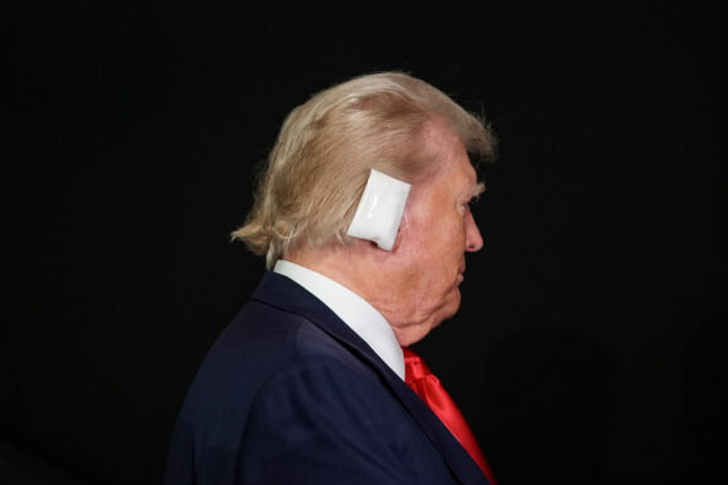
A few days ago, ex-President Trump was assassinated by...
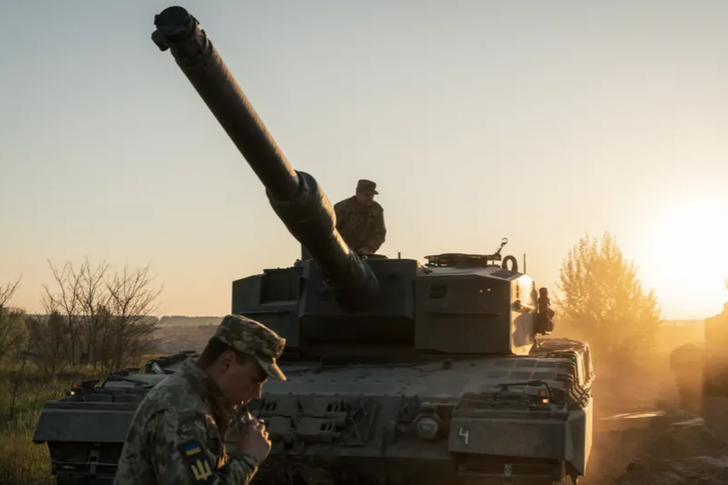
Germany is planning to halve military aid to Ukraine n...
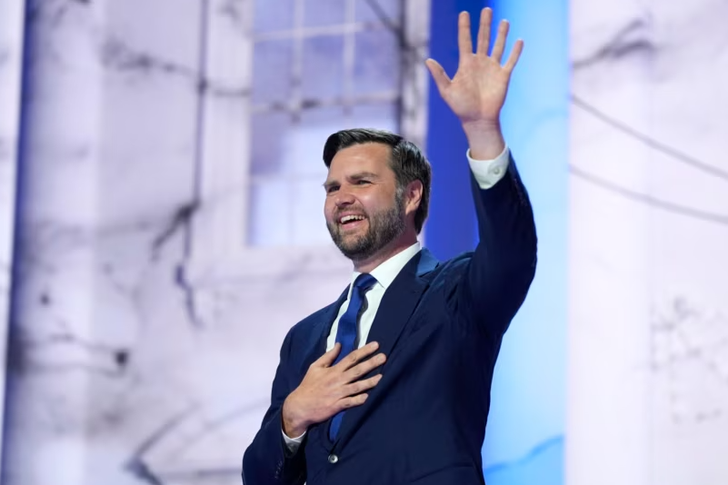
The Republican candidate for vice president, Senator J...
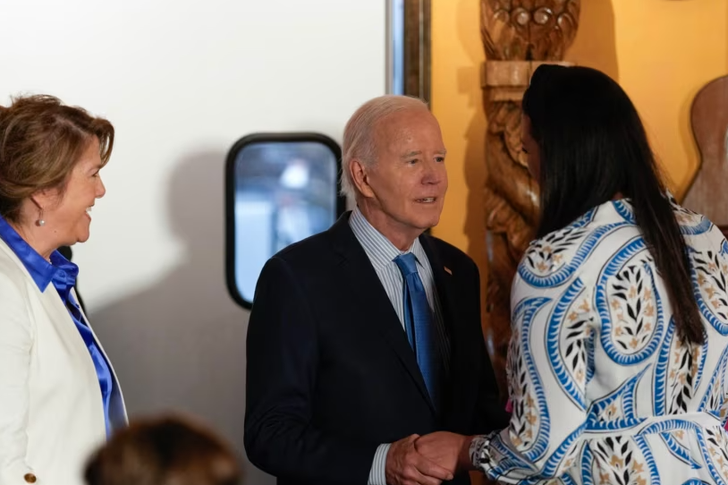
US President Joe Biden was diagnosed with COVID-19 whi...
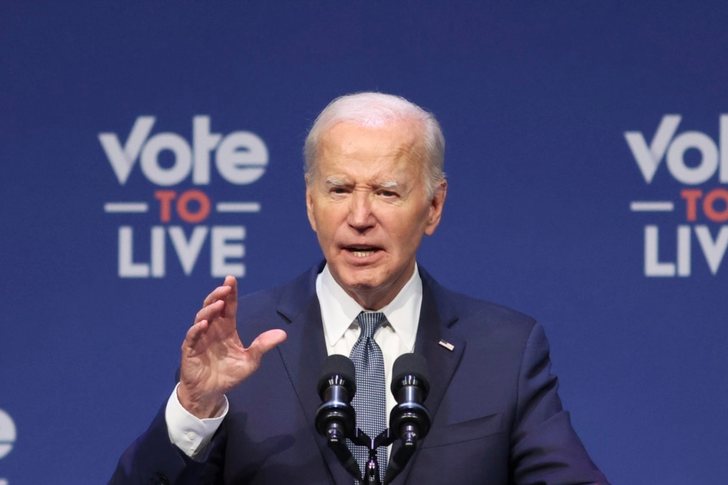
Nearly two-thirds of Democrats say President Joe Biden...
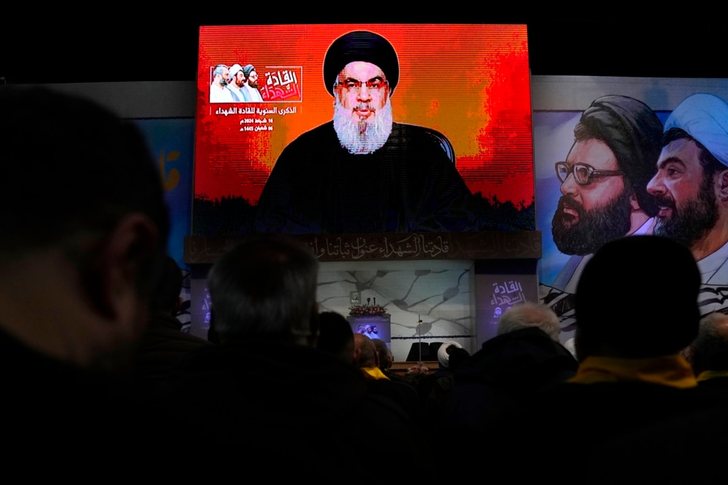
Lebanese militant group Hezbollah will strike new Israeli ...
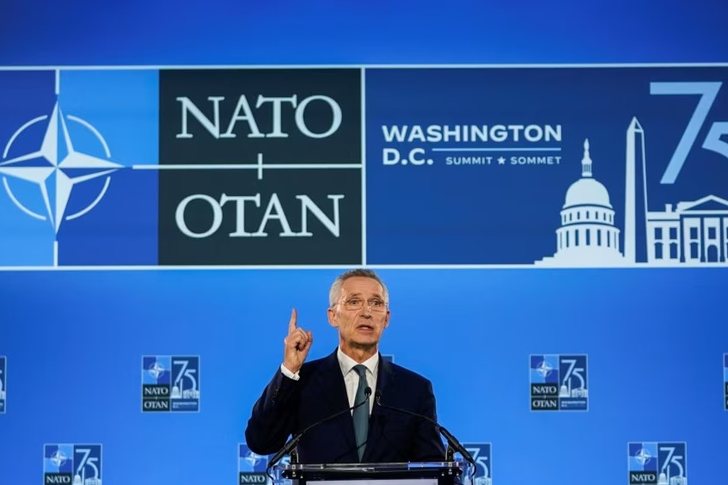
NATO Secretary General Jens Stoltenberg announced that...
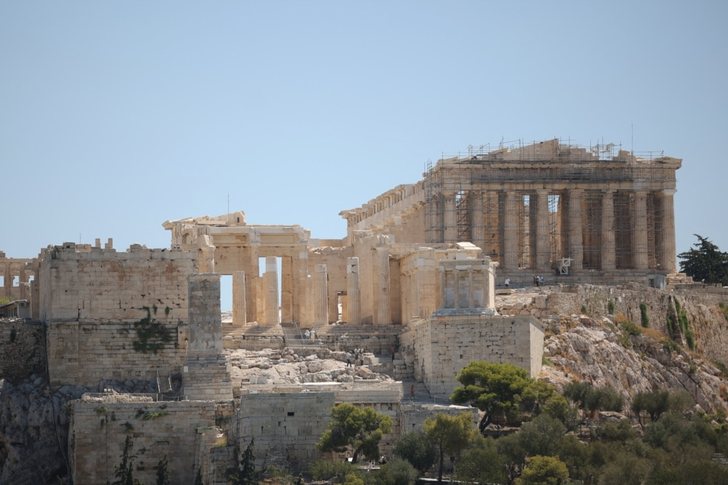
Greece's culture ministry ordered the closure of the A...
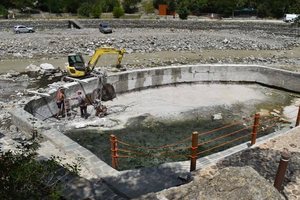
Journalist Elton Qyno has made a complaint regarding the w...

After the first denunciation, the Plug show has continued ...
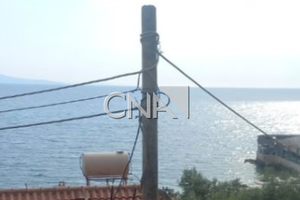
Today, CNA has published a complaint from residents of the...
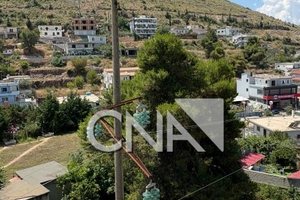
A complaint from residents of the village of Gjashtë in Sa...

The Special Board of Appeal (KPA) decided this Monday ...

The KPA vetting decided this Thursday to dismiss the p...

Suela Salavaçi, a prosecutor in the Prosecutor's Offic...

The Special Board of Appeal reinstated the prosecutor ...
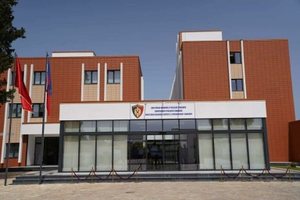
The Crime Investigation Specialists of the Shkodra Police ...
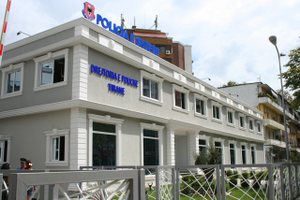
Tirana Police announce that 11 citizens have been identifi...
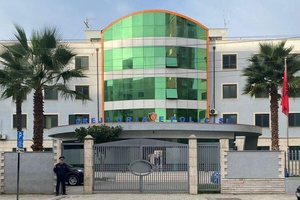
A police officer at Durres prison has been arrested in fla...

An accident occurred this afternoon on the Elbasan-Peqin a...
Today, mainly stable weather conditions. According to the...

Today, our country will be affected by almost the same met...
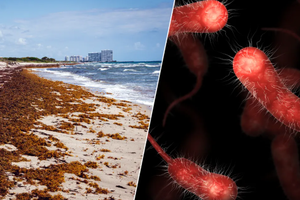
As climate change warms coastal waters in northern Europe,...
Today, our country will be affected by almost the same met...
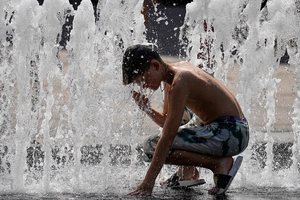
A severe heatwave is expected to sweep across Central Euro...
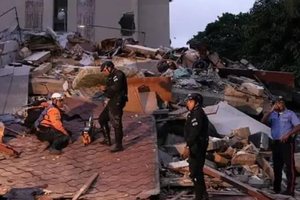
At least 235 people have been killed and more than 4,300 i...
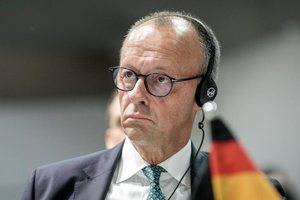
Is the Chancellor at a loss for words? What do experts say...
Multiple explosions are reported by foreign media in the U...

The promotion of the book by author Aleksandër Ikonomidhi ...
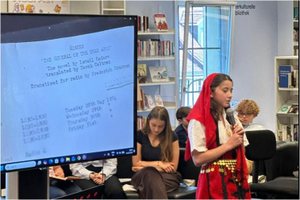
The Albanian Embassy in Switzerland has organized an eveni...

This Wednesday, the prominent actor of Albanian cinema, Gj...
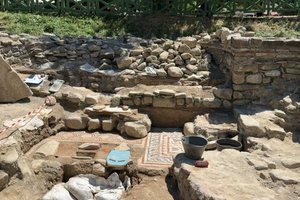
Several archaeological excavations conducted during this s...

This Friday, one US dollar is bought for 82.2 lek and sold...
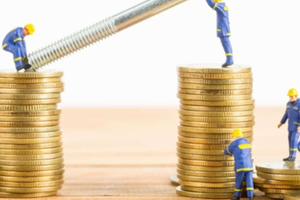
Austria was the leading foreign investor in Albania in the...

Between 2015 and 2025, residential construction prices inc...
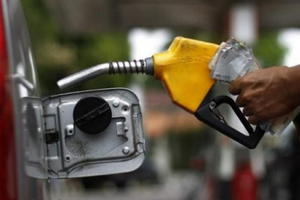
Oil prices have fallen to levels not seen since before the...