

Russia says Ukraine attacked oil processing complex
Two Ukrainian drones have attacked the Gazprom Neftekhim S...


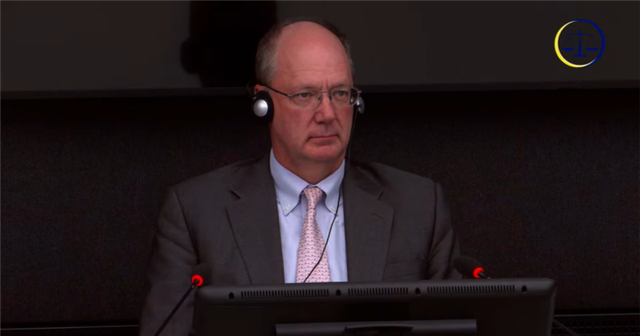
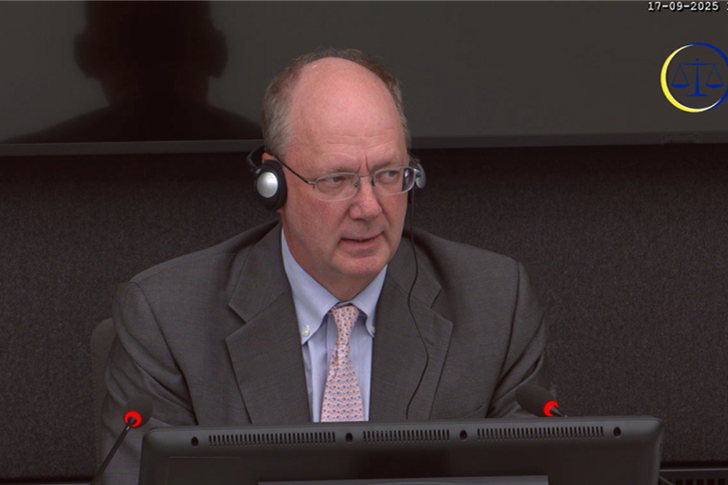
Paul Williams, who was legal advisor to the Kosovo delegation during the Rambouillet negotiations in 1999, has completed two days of testimony before the Kosovo Specialist Chambers in The Hague, where he spoke about the role of the Kosovo Liberation Army in Rambouillet, Hashim Thaçi's position in the delegation and the decision-making process within the KLA structures.
Williams was the second defense witness for former Kosovo President Hashim Thaçi, who, along with two former parliamentarians Jakup Krasniqi and Kadri Veseli and former MP Rexhep Selimi, are accused of war crimes and crimes against humanity.
All four former KLA superiors have pleaded not guilty.
During the second day of testimony, Williams answered questions from the trial panel. He said that the Kosovo delegation to Rambouillet had about 16 members, mentioning among others Ibrahim Rugova, Blerim Shala, Hashim Thaçi, Rexhep Qosje, Bujar Bukoši, Edita Tahiri, Jakup Krasniqi and Bajram Kosumi.
He added that the chairman was elected by a majority vote and that Thaçi was selected as the head of the delegation. Asked why Thaçi was elected to this position, Williams said that the delegation needed someone representing the KLA.
“The process of Kosovo’s independence was multidimensional. Rugova was the pacifist who would not open his mouth without mentioning independence. Bukoshi was working in a more nuanced way with the Americans and Europeans. Meanwhile, the action of armed non-state actors mattered, as in any movement for self-determination. And then there was the dimension of peace negotiations – there was a need for a figure who represented the KLA, but who looked and acted like a diplomat, a negotiator, a reliable partner,” he testified.
One of the trial panel's main questions for Williams was whether, from a legal perspective, the approval of local or regional KLA commanders was necessary for Thaçi to sign an agreement.
Williams said he was not aware of any such provision or rule, adding that he would be “very surprised” if there was anything written down. According to him, the process was “more normative, cultural, based on authority and power, and less on written rules.”
The American lawyer was also asked by the panel about Rugova's role in the Rambouillet process. He said that he became a pro bono advisor to the delegation, at the request of Rugova - who he described as a respected figure.
"Every conversation an international had with him began and ended with two sentences: independence and non-use of force. Rugova played an important role in Rambouillet by representing the people of Kosovo. He embodied pacifism and the aspiration for independence, but he was not a negotiator," the American lawyer said.
Në ditën e parë të dëshmisë, Williams e kishte përshkruar veprimtarin politik dhe aktivistin për të drejtat e njeriut, Adem Demaçi, si person me “peshë ideologjike” në UÇK.
Demaçi e kishte kundërshtuar marrëveshjen, duke kërkuar që të përfshihej edhe pavarësia e Kosovës.
*Video: Momentet më të rëndësishme të dëshmisë së James Rubinit
Ndërkaq, në ditën e dytë të dëshmisë ai tregoi se gjatë procesit në Rambuje, anëtarët e delegacionit e kishin informuar se Thaçi kishte udhëtuar për në Slloveni për t’u takuar me Demaçin, një hap që e përshkroi si “të domosdoshëm politikisht dhe kulturalisht” për të zbutur kundërshtimet ndaj marrëveshjes.
“Kjo ishte e domosdoshme sepse Demaçi fliste shumë nga jashtë si figurë ideologjike. Thaçi duhej të tregonte se po e angazhonte atë. Nuk kam krijuar përshtypjen se kërkohej miratimi i tij ose një konsultim formal – ishte një hap i nevojshëm për të vazhduar përpara”, tha Williams, duke shtuar se largimi i Thaçit nga kështjella shkaktoi shqetësime.
Gjatë seancës më 18 shtator, gjykata citoi edhe pjesë nga një dokument i përgatitur nga Williams dhe Mark Weller – po ashtu këshilltar ligjor i delegacionit të Kosovës në Rambuje – ku kërkohej bashkëpunim i plotë me Tribunalin për ish-Jugosllavinë (ICTY), përfshirë arrestimin dhe transferimin e personave të akuzuar dhe qasje të pakufizuar për hetime.
Williams konfirmoi se Thaçi e kuptonte dhe e mbështeste këtë, madje edhe nëse kjo do të përfshinte hetimin e pjesëtarëve të UÇK-së. Por, i pyetur nëse UÇK ose qeveria e përkohshme kishin bashkëpunuar realisht me Tribunalin për arrestime apo transferime, ai tha se nuk mban mend shembuj konkretë dhe shtoi se nuk dëshiron që të spekulojë.
Gjykata i paraqiti gjithashtu Williamsit deklarata publike nga fundi i vitit 1998 dhe fillimi i vitit 1999, përfshirë intervista në “Zërin e Kosovës”, ku udhëheqës të UÇK-së kritikonin kryeministrin në mërgim të Kosovës, Bujar Bukoshin dhe “institucionalistët” për menaxhimin e fondeve nga diaspora dhe mungesën e mbështetjes për UÇK-në. Williams tha se nuk kishte prova për keqpërdorim ose për financim të dezertimeve, por pranoi se tensionet për çështjen e fondeve ekzistonin dhe se Lidhja Demokratike e Kosovës i kishte mbledhur kryesisht për sektorin e arsimit dhe shëndetësisë në sistemin paralel.
Gjatë ditës së parë të dëshmisë së tij, Williams deklaroi se Thaçi nuk kishte ndikim mbi komandantët lokalë të UÇK-së. Sipas tij, Thaçi “nuk kishte autoritet të nënshkruante marrëveshjen pa miratimin e komandantëve rajonalë”.
Edhe dëshmitari i parë i thirrur nga mbrojtja e Thaçit, ish-ndihmësi i sekretarit amerikan të Shtetit, James Rubin, gjatë dëshmisë treditore tha se ish-presidenti i Kosovës kishte rol kryesisht politik dhe se i duhej të merrte miratimin e komandantëve për çdo vendim të rëndësishëm ushtarak.
Gjykimi i katër ish-eprorëve të UÇK-së nisi në vitin 2023.
Thaçi was the political leader of the KLA before and during the 1998-99 war, Veseli was the head of the KLA's intelligence service, Krasniqi was the spokesman, and Selimi was among the general staff.
The indictment against them includes charges of illegal detention, torture, murder, crimes against humanity, enforced disappearance and persecution of hundreds of civilians and people who did not want to take part in the fighting.
Several other witnesses, in addition to Rubin and Williams, are expected to testify in defense of the former KLA superiors.
The next witness called by Thaçi's defense team will appear before the court on September 22.
The defendants' defense told Radio Free Europe last week that the list of those who will testify on their side is confidential.
In the media, however, several names circulated - among them: Wesley Clark, William Walker, Bernard Kouchner and others.
The same were also mentioned in a list that the defense revealed in 2022.
The Special Court expects the trial against former KLA leaders to be concluded by the end of December./ REL

Two Ukrainian drones have attacked the Gazprom Neftekhim S...
China has spoken out against interference in its affairs a...
Ushtria izraelite ka intensifikuar ofensivën e saj tokësor...
Emmanuel Macron and his wife, Brigitte, are planning to pr...
Today, US President Donald Trump will hold a meeting with ...
The wife of the late Russian opposition leader Alexei Nava...
German Chancellor Friedrich Merz said on Wednesday that cr...
Ukraine expects to have about $3.5 billion in a fund next ...
Pope Leo XIV said today that the situation in Eastern Euro...
The European Commission has called for the suspension of f...

Medicine shortages across the EU have increased and reache...
Paul Williams, who was legal advisor to the Kosovo delegat...
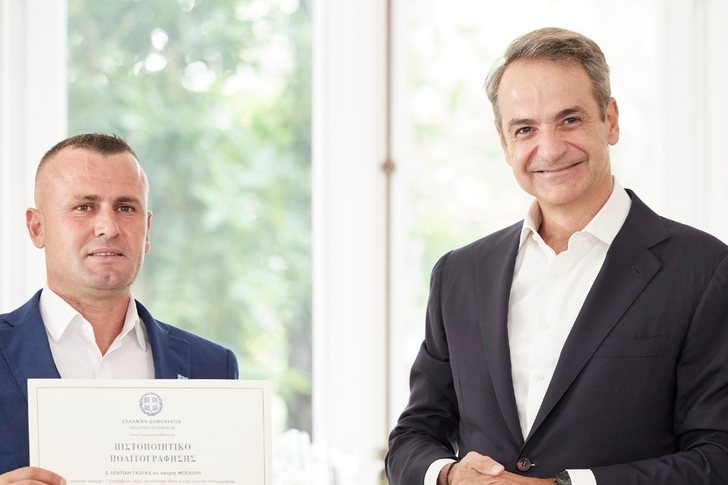
Ledian Goga, the Albanian who in June of this year saved t...
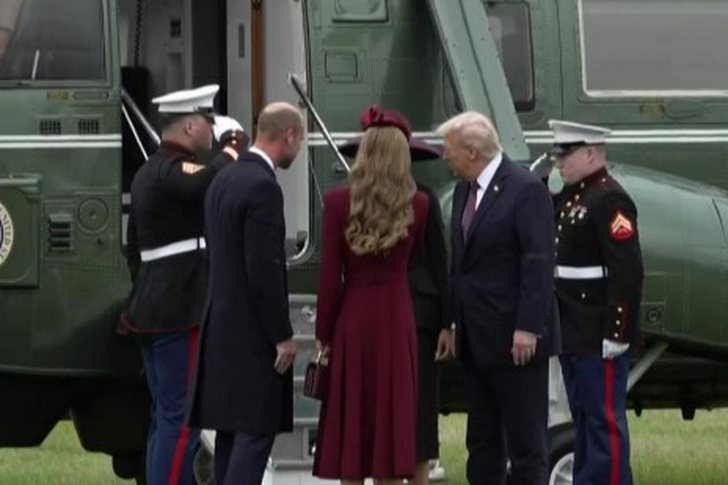
The Prince and Princess of Wales are hosting US President ...
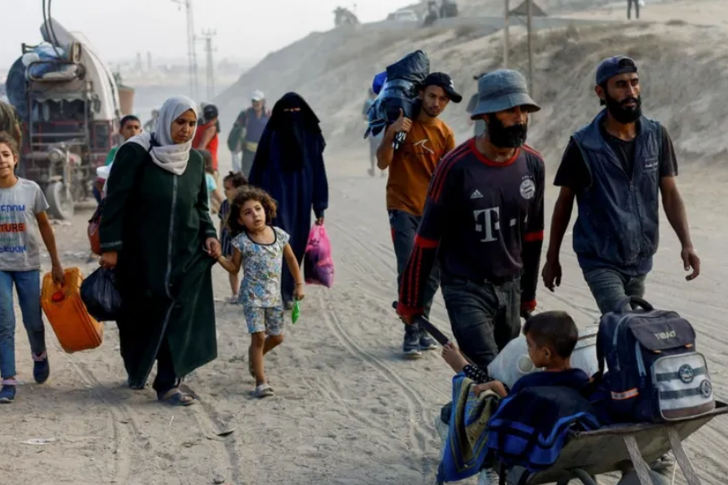
Thousands of Palestinians are continuing to flee Gaza City...
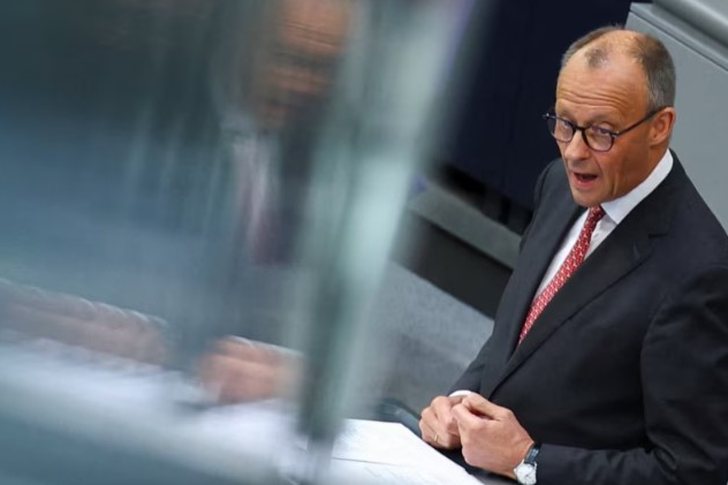
German Chancellor Friedrich Merz urged Europe not to allow...
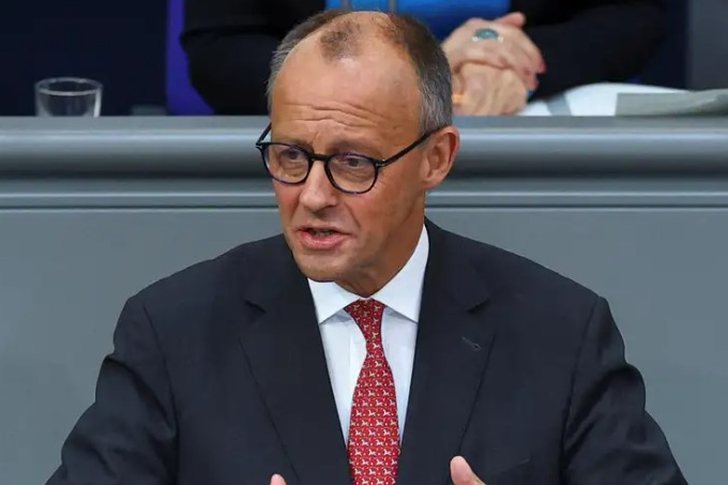
German Chancellor Friedrich Merz declared in Parliament th...
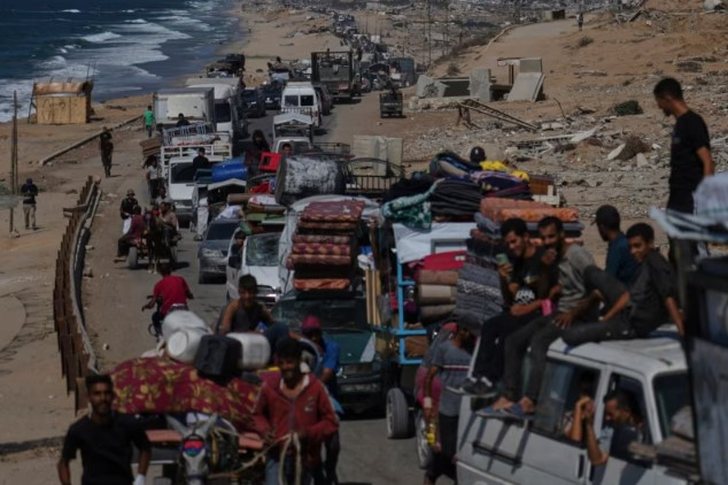
The Israeli military said it would open a new temporary ro...
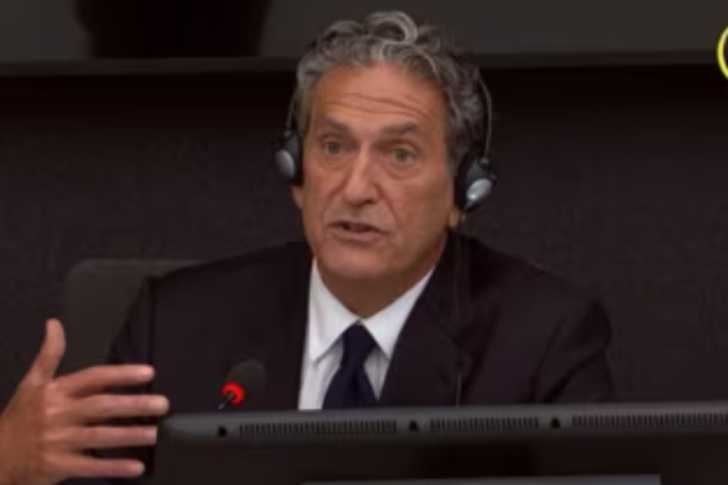
Today is the third day of James Rubin's testimony in The H...
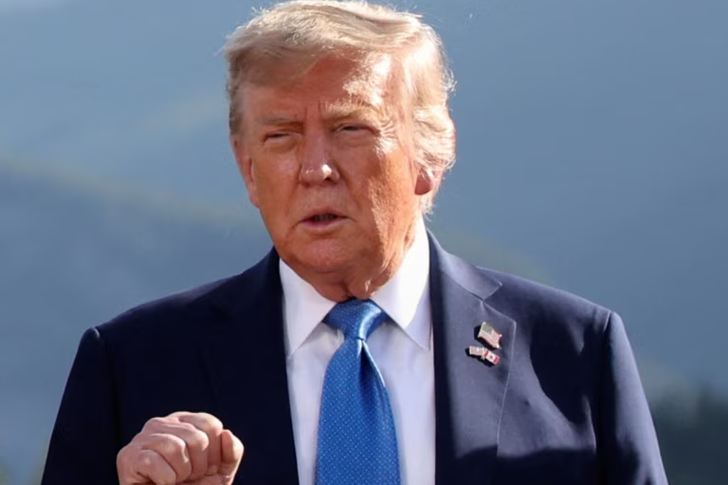
US President Donald Trump and First Lady Melania Trump are...

CNA has launched another investigation that could lead to ...

Irfan Hysenbelliu is a businessman that we call "Irfan the...

In March 2026, CNA launched another investigation centered...
The arrested mayor of Tirana, Erion Veliaj, with 13 charge...

The Special Board of Appeal (KPA) decided this Monday ...

The KPA vetting decided this Thursday to dismiss the p...

Suela Salavaçi, a prosecutor in the Prosecutor's Offic...

The Special Board of Appeal reinstated the prosecutor ...

Footage emerges from the serious accident that occurred th...
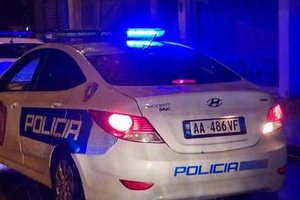
A Shkodra traffic police officer was hit with hard objects...
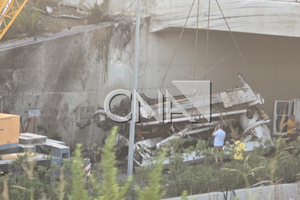
This Wednesday, around 4:00 PM, a serious accident occurre...
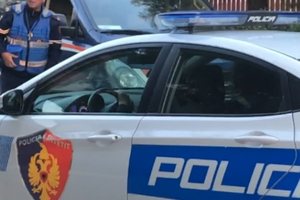
Tirana Police have shared details regarding the accident t...
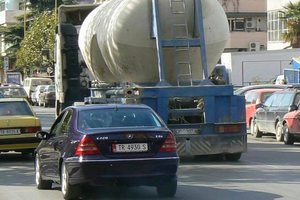
A serious accident that occurred this Wednesday with the c...

The Institute of Geosciences has shared a forecast for wea...
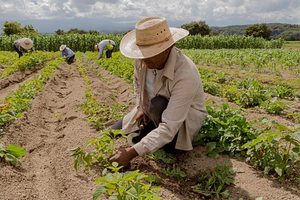
Rising energy and fertilizer prices are expected to contin...

Over 18,000 foreign citizens from 140 countries have appli...
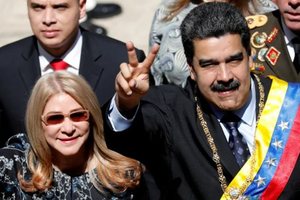
The trial of ousted Venezuelan President Nicolas Maduro on...
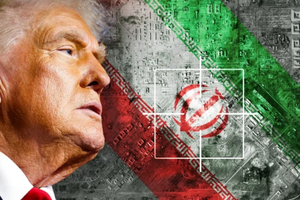
US President Donald Trump has issued another warning to Ir...
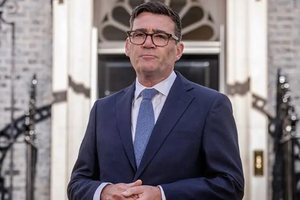
Prime Minister Andy Burnham has announced that most bus fa...

France's parliament has passed a law to ban social media f...

At a time when industrial products are increasingly taking...

Trust among people is not just a three-syllable word. It c...

Master of humor Todi Llupi has passed away at the age of 7...

The ninth edition of "MIK Festival" kicked off with one of...

The price of diesel reached 206 lek per liter from 198 lek...

Businesses will no longer be required to simply register t...

Despite economic growth and income in recent years, Albani...

This Wednesday, one US dollar is bought for 81.4 lek and s...