

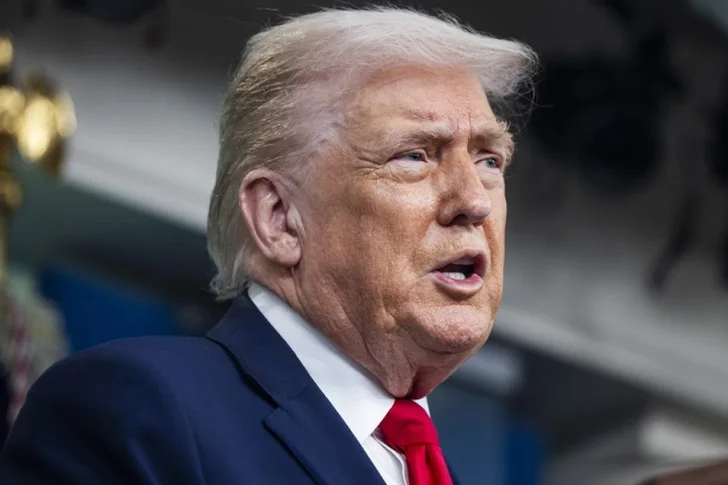
"We destroyed their naval headquarters"/ Trump shares details of US attacks: We sank 9 Iranian ships
US President Donald Trump announced in a post on social me...


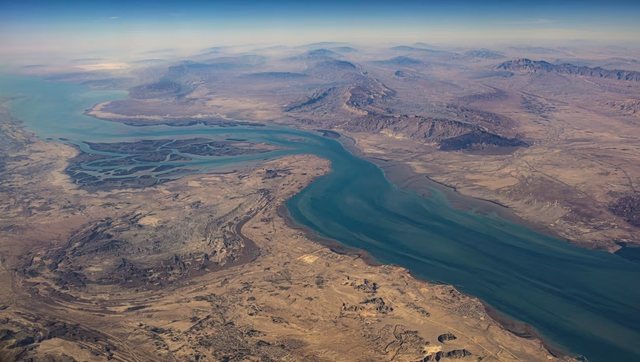
The US-Israeli war against Iran has sparked fears that escalating military aggression in the Middle East could drive up oil prices and trigger a global economic downturn.
The US began major combat operations in Iran on Saturday morning, shortly after Israel launched an attack on Tehran. Within hours of the US-Israeli attacks, Iran's Revolutionary Guard reportedly warned tankers in the Strait of Hormuz that no ships would be allowed to pass through the world's most critical oil trade route.
Iran has not officially confirmed the blockade of the narrow waterway, which would be an unprecedented escalation in the region, but ships appear to be avoiding the strait after an attack on a ship near Oman. At least 150 tankers carrying crude, liquefied natural gas and petroleum products had dropped anchor in open waters along the Gulf, beyond the strait, on Sunday, Reuters reported.
If the ban continues, it could block up to 15 million barrels of crude oil per day from reaching their destinations.
In a worst-case scenario, experts have said that market oil prices could rise from around $67 a barrel on Friday evening to $100. That would spell trouble for many developed economies, including the United States, which have struggled to offset the impact of inflation on growth and productivity. It has also left families facing a cost-of-living crisis.
How much oil does Iran have?
Iran is the world's fourth-largest proven oil reserve, with up to 170 billion barrels of oil, or about 9% of all global crude oil. It ranks after Venezuela, Saudi Arabia, and Canada as the country with the largest domestic oil reserves.
It is the fourth-largest oil producer in OPEC and one of the world's largest exporters of crude oil. It also has the second-largest proven gas reserves in the world, with about one-sixth of global gas.
Decades of political turmoil, war and sanctions have reduced its crude output from a peak in 1974 of about 6 million barrels of oil per day to about 3.5 million barrels. In recent months, its output has reached historic levels, despite US sanctions and Israeli bombings, due to close ties with China. Beijing imports about 90% of Iran's crude, which is subject to international sanctions.
Although Iran's crude oil exports account for about 3-4% of the global market, its importance to global oil markets extends beyond its own production, according to experts.
Pse është kaq e rëndësishme Ngushtica e Hormuzit?
Ngushtica e Hormuzit është një nga arteriet më të rëndësishme për tregtinë globale. Rreth 20% e të gjitha furnizimeve me naftë dhe rreth 20% e cisternave të gazit në det kalojnë nëpër të.
Ngushtica shtrihet midis Omanit dhe Iranit. Ajo lidh Gjirin në veri me Gjirin e Omanit në jug dhe Detin Arabik përtej tij. Është 20 milje (33 km) e gjerë në pikën e saj më të ngushtë, me korridoret e transportit detar vetëm 2 milje (3 km) të gjera në të dyja drejtimet.
Kjo vendndodhje e bën atë një pikë kyçe për furnizimet e naftës nga vendet e OPEC-ut tek klientët në Azi. Mundësitë për të anashkaluar ngushticën janë
A do ta mbyllë zyrtarisht Irani ngushticën?
Për vite me radhë, Teherani ka paralajmëruar se mund ta mbyllë ngushticën në shenjë hakmarrjeje ndaj çdo agresioni ushtarak, por nuk ka ndërmarrë një bllokim të zgjatur të rrugës tregtare.
Me anijet cisternë të ankoruara dhe ekuipazhin që pret jashtë ngushticës për të parë se si do të zhvillohen ngjarjet, ndikimi në tregti tashmë po ndihet, ndonëse nuk ka një njoftim zyrtar nga autoritetet iraniane për mbylljen totale.
Anijet cisterna në pritje përfshijnë një anije të marrë me qira nga Centrica, pronarja e British Gas, që përmbante një ngarkesë gazi natyror të lëngshëm (LNG) nga Katari, në tregun spot. Destinacioni i anijes nuk është i sigurt, megjithëse mund të ketë qenë duke udhëtuar për në Azi. Një anije nigeriane që duhej të mbërrinte në Katar më 5 mars përpara se të importonte LNG në Evropë, e ndërpreu udhëtimin përpara se të mbërrinte në ngushticë.
Tamsin Hunt, një analist i lartë në S-RM, një konsulencë globale për inteligjencën dhe sigurinë kibernetike, tha: “Mbyllja e plotë e ngushticës do të ishte shkatërruese për ekonominë e vetë Iranit, pasi do të thoshte ndalimin e të gjitha eksporteve të naftës dhe mallrave të tjera. Irani ka të ngjarë ta mbyllë ngushticën vetëm si mjetin e fundit nëse regjimi ndien se mbijetesa e tij thelbësore është nën kërcënim.”
Një mbyllje e plotë e ngushticës nuk është taktika e vetme në dispozicion të Iranit.
“Anijet mund të përballen me bllokim të mundshëm të sinjalit, ndalime të anijeve dhe ekuipazhit, të shtëna paralajmëruese dhe mina detare që do ta bllokonin pjesërisht ngushticën. Edhe ndërprerjet e vogla do të kishin një ndikim të madh në sektorin global të naftës, me vonesa, devijime dhe rritje të kostove të sigurimeve dhe transportit të mallrave që ka të ngjarë të rrisin çmimet globale”, tha Hunt
Çfarë do të thotë sulmi amerikan për tregjet globale të naftës?
Përpara sulmeve, vëzhguesit e tregut të naftës kishin pritur që skenarët që përfshinin veprime të kufizuara ushtarake do t’i shtonin çmimit global të naftës rreth 10 dollarë për fuçi.
Tregjet financiare tani presin një rritje prej 9% të çmimit të naftës së papërpunuar Brent në 73 dollarë për fuçi vetëm të hënën.
Rystad Energy said the price could rise by as much as $20 early in the week to around $90 a barrel unless there is a rapid easing of tensions on Sunday before the New York futures market resumes trading at 11pm UK time. The price is expected to rise despite OPEC countries and other oil producers such as Russia agreeing to a larger-than-planned increase in output when they met on Sunday to counter the effects of the conflict.
A prolonged disruption of the Strait of Hormuz could push oil prices above $100 a barrel, analysts said. Even in the scenario of a short and targeted US campaign, Hunt said, any attack on Iran's oil production and supply lines would disrupt flows to its main trading partner, China, pushing up global prices as China competes in the global market to replace its losses from other sources. /Taken from The Guardian.

US President Donald Trump announced in a post on social me...
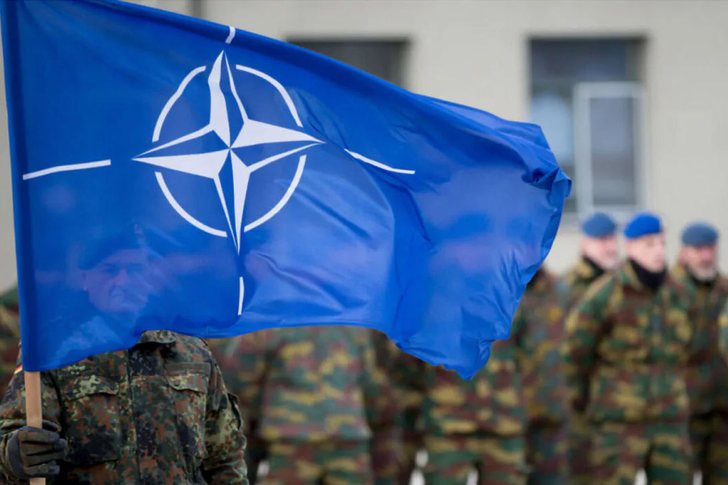
NATO vazhdon të ndjekë nga afër zhvillimet në Iran dhe raj...
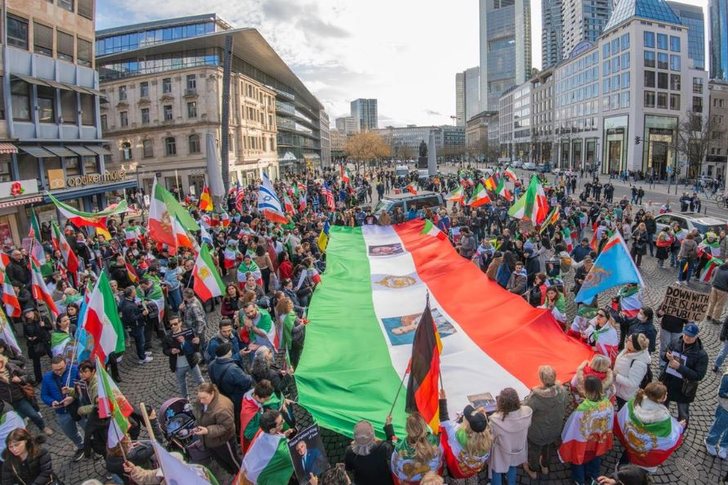
Protesta në mbështetje të Iranit janë zhvilluar edhe në Fr...
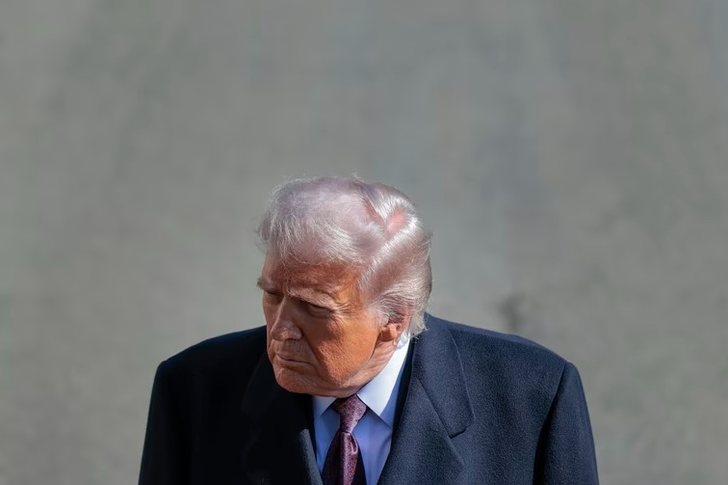
A day after attacks on Iran killed Ayatollah Ali Khamenei,...
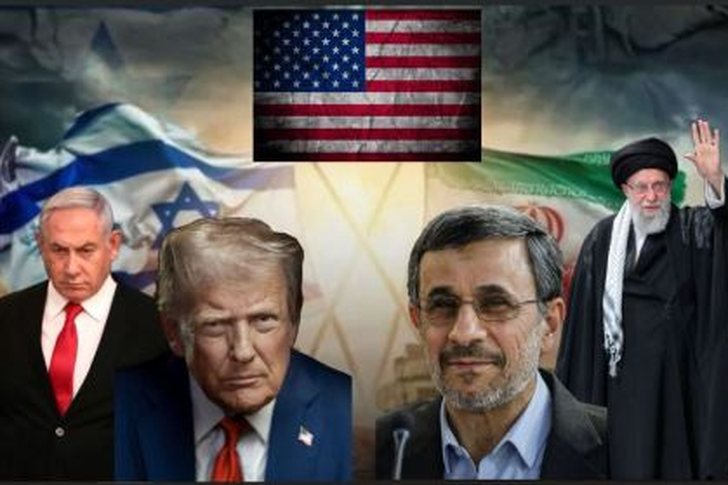
Tensions in the Middle East reached a peak on Saturday aft...
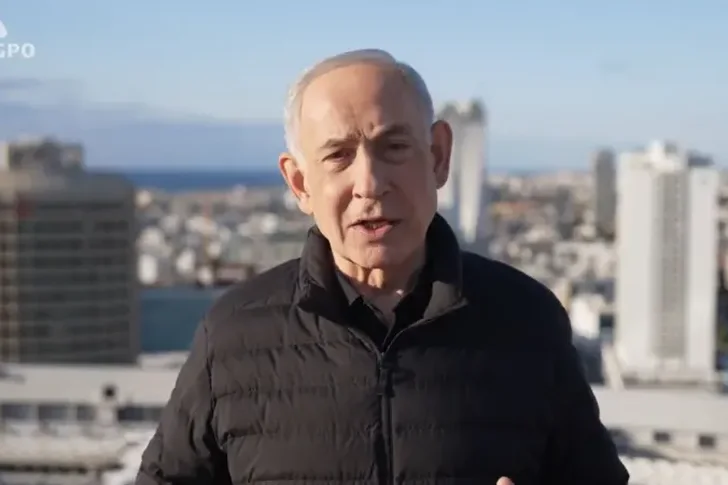
Israeli Prime Minister Benjamin Netanyahu recently stated ...

Një protestë madhështore ka filluar në Dusseldorft të Gjer...
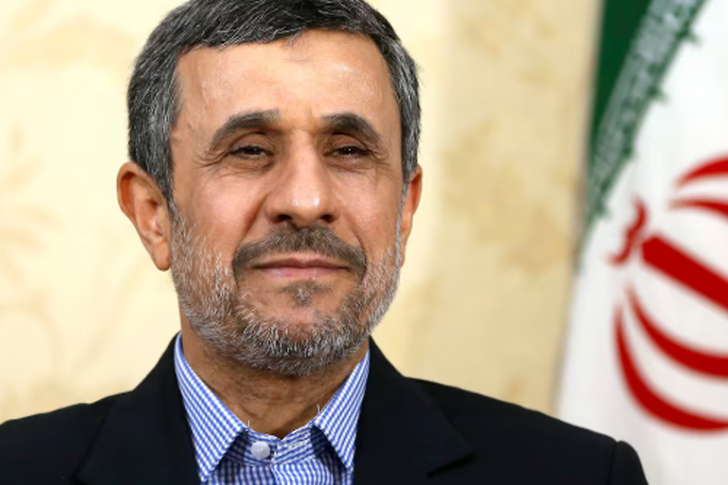
Foreign media reports that former Iranian President Mahmou...
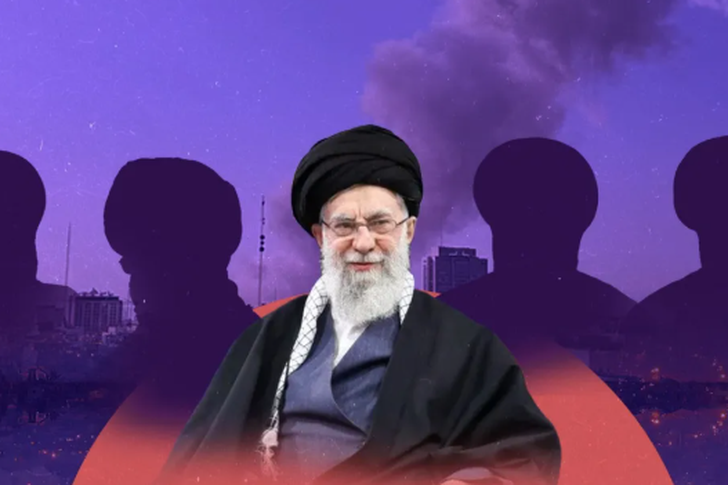
Following the official announcement of the death of Iran's...
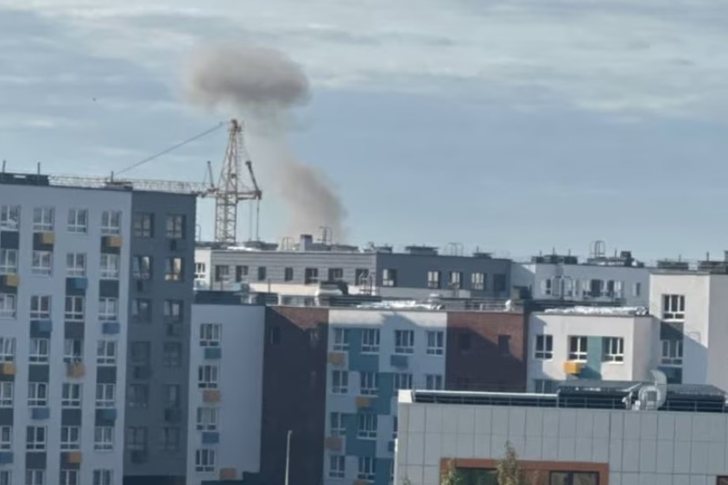
Loud explosions were heard over Dubai and Doha this Sunday...
China is calling for an immediate ceasefire following US a...
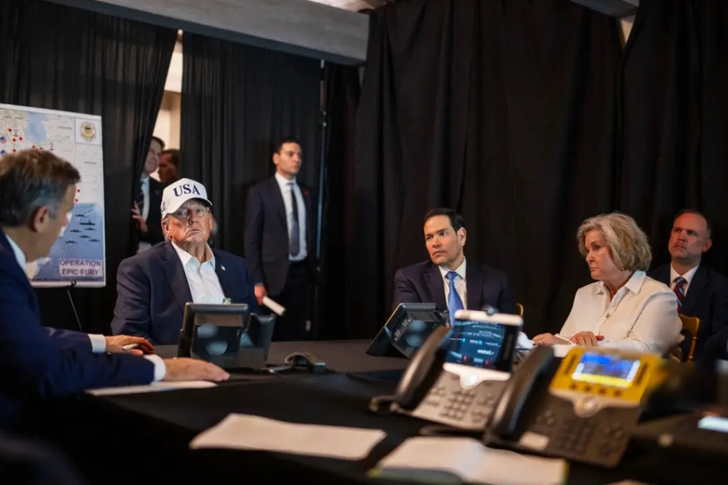
'Operation Epic Fury' was a series of coordinated air and ...
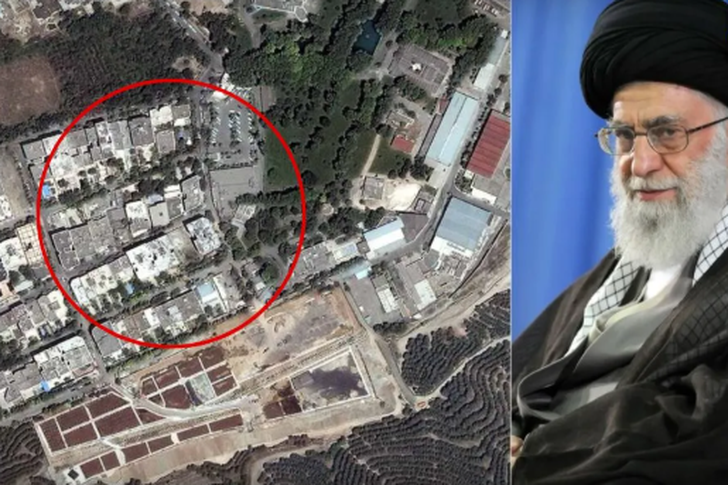
The US CIA had been monitoring the movements and whereabou...

An Iranian state television journalist appeared extremely ...
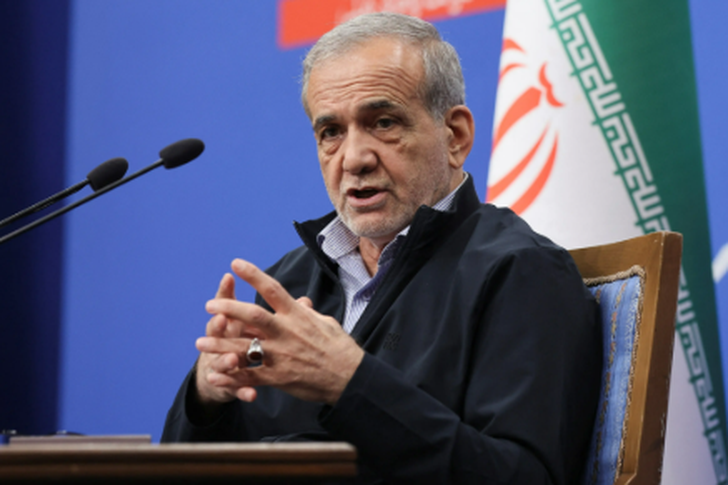
Iranian President Masoud Pezeshkian has vowed to avenge th...
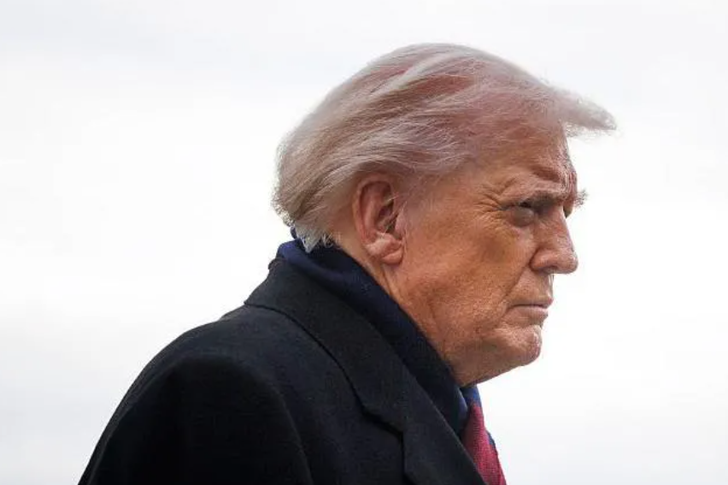
US President Donald Trump, through a post on the social ne...

The White House has announced that US President Donald Tru...
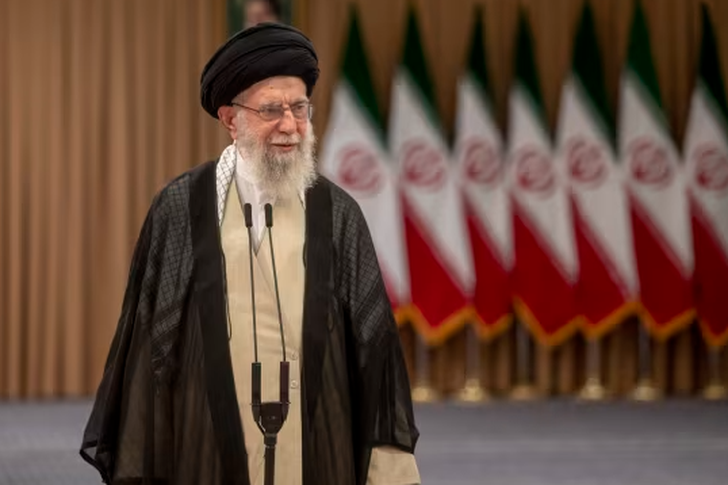
After Israeli Prime Minister Benjamin Netanyahu said there...
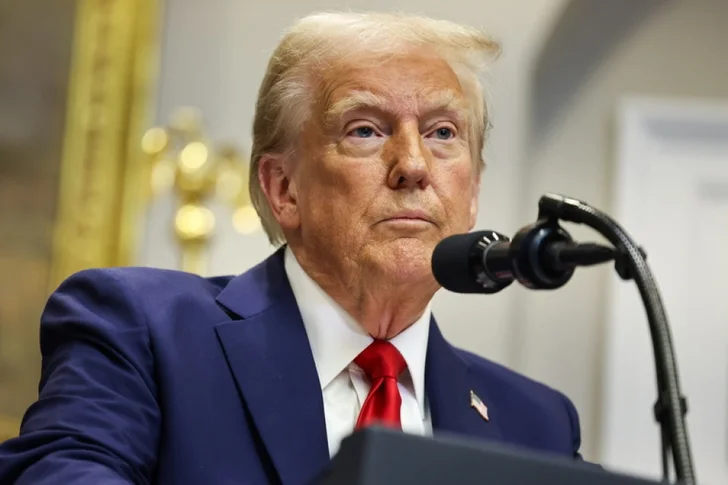
US President Donald Trump has commented for the first time...
The US military has announced that there were no reports o...

CNA has launched another investigation that could lead to ...

Irfan Hysenbelliu is a businessman that we call "Irfan the...

In March 2026, CNA launched another investigation centered...
The arrested mayor of Tirana, Erion Veliaj, with 13 charge...

The Special Board of Appeal (KPA) decided this Monday ...

The KPA vetting decided this Thursday to dismiss the p...

Suela Salavaçi, a prosecutor in the Prosecutor's Offic...

The Special Board of Appeal reinstated the prosecutor ...
A person has died today on Orikum beach. According to repo...
Footage emerges from the serious accident that occurred th...

A Shkodra traffic police officer was hit with hard objects...
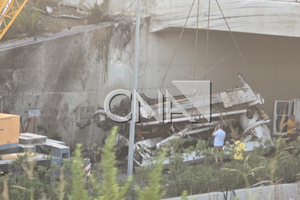
This Wednesday, around 4:00 PM, a serious accident occurre...

Children without parental care, for whom alternative famil...

On Thursday, our country will be under the influence of st...
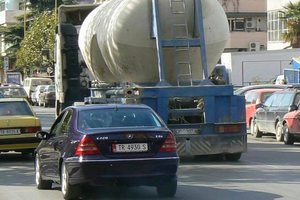
A serious accident that occurred this Wednesday with the c...

The Institute of Geosciences has shared a forecast for wea...

Artificial intelligence (AI) models from the American comp...
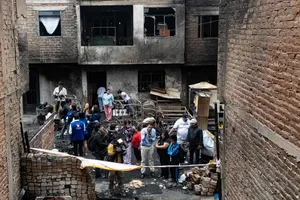
At least 10 people have died after a fire broke out in a h...
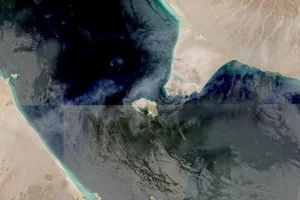
Yemen's Houthis have claimed to have attacked two Saudi oi...

The trial of ousted Venezuelan President Nicolas Maduro on...

At a time when industrial products are increasingly taking...

Trust among people is not just a three-syllable word. It c...

Master of humor Todi Llupi has passed away at the age of 7...

The ninth edition of "MIK Festival" kicked off with one of...
The average sale price of apartments in Tirana reaches rec...

This Thursday, one US dollar is bought for 81.5 lek and so...
The price of diesel reached 206 lek per liter from 198 lek...

Businesses will no longer be required to simply register t...