


Currency crisis, the euro does not recognize growth / Exchange rate, December 7, 2024
Today, on December 7, 2024, in the foreign exchange market...


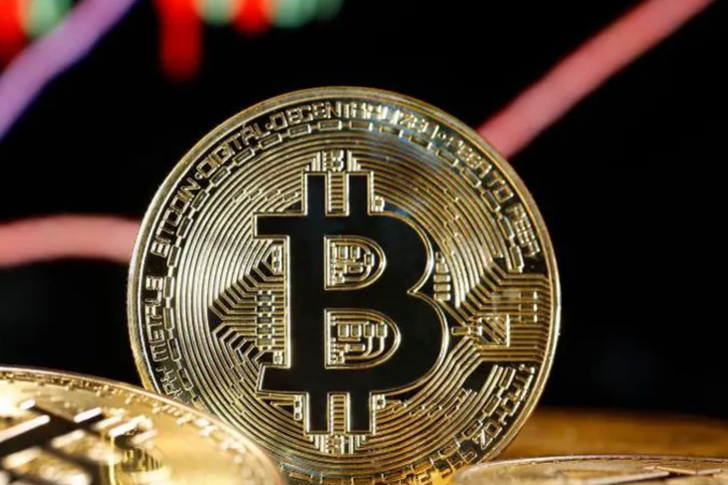
Are bitcoin fans right to be so excited about Donald Trump's victory?
Donald Trump's victory has the taste of revenge, not only for himself, but also for cryptocurrency users and their assets, writes The Economist.
On election night, as it became clear that Trump had emerged victorious, the price of bitcoin, the world's most traded cryptocurrency, rose by 10%.
On November 13, just before Republicans took control of Congress, the price went to over $93,000. Since mid-October, it has increased by nearly 50% (see chart), reaching nearly $100,000.
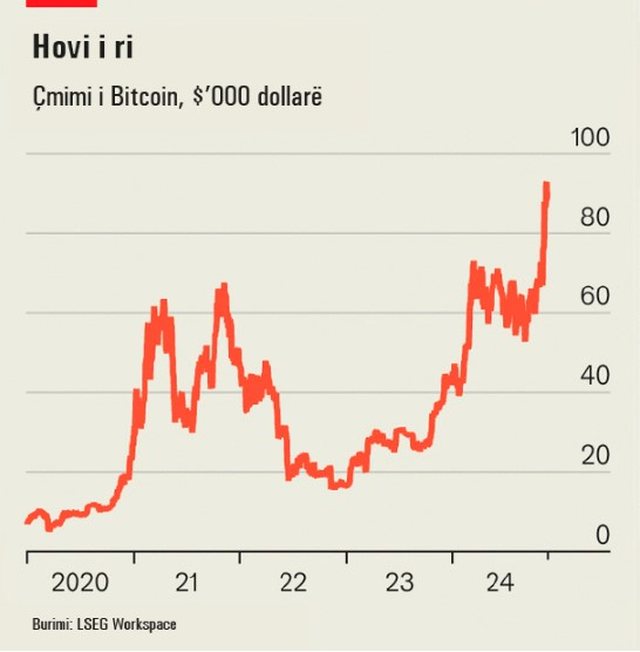
It's not just Bitcoin that has seen growth. Excluding stablecoins, which are designed to avoid price fluctuations, the top 20 cryptocurrencies have risen even faster in value than bitcoin over the past week.
Dogecoin, a coin often touted by Trump supporter-turned-advisor Elon Musk, is up 140% since Election Day. The value of the global cryptocurrency market reached $3 trillion for the first time on November 12.
This marks a stunning rebound from 2022-23, when a perfect storm sent cryptocurrencies crashing from the peaks they reached during the mania of 2021. At the time, the Federal Reserve was rapidly raising interest rates, cooling speculation. that had invaded the markets after the Covid-19 pandemic.
Due to poor management and scams, several cryptocurrency companies that previously had great prestige collapsed, including FTX, one of the systems that enable the largest cryptocurrency exchanges, thus tarnishing the entire industry. Financial supervisors began to flock.
At the end of 2023, when the mid-term elections in America were to be held, the cryptocurrency industry saw an opportunity to turn the page.
In the months that followed, Trump turned into a champion of cryptocurrencies. On the Internet he advertised the project World Liberty Financial, supported by his family.
At rallies, he promised to make America "the world's bitcoin superpower." Cryptocurrency lobbyists spent more than $100 million to support their favored candidates during the midterm elections for Congress.
Campaign support is one reason cryptocurrency investors are cheering for Trump's return to the White House. They also hope that the change of government will also lead to a relaxation of the regulatory laws towards cryptocurrencies.
In July, when Trump addressed a large crowd of cryptocurrency fans, loud cheers erupted when he promised to fire Gary Gensler, the chairman of the Securities and Exchange Commission (SEC). "From now on, the rules will be written by people who love your industry," he said.
In fact, Trump cannot fire Gensler without cause before his term ends in 2026, even though it is customary for SEC chairmen to resign when a new president takes office.
Mr. Gensler's departure would rid the industry of a perfect enemy. He is not convinced of the merits of cryptocurrencies and does not think they will ever gain acceptance among traditional currencies. Rightfully so, he has described the cryptocurrency world as a field full of scammers and thieves.
And it has sued a long list of prominent cryptocurrency companies, such as Kraken and Coinbase (two cryptocurrency exchanges), Ripple (a cryptocurrency issuer), and Cumberland DRW (a trading broker).
This has forced many cryptocurrency ventures to pay huge legal fees and spend a lot to reach a settlement. Legal problems and huge expenses have cast a dark cloud over the industry's future.
Much of the animosity toward Mr. Gensler comes from his assertion that many digital currencies are actually securities, the regulation of which falls under the purview of the Securities and Exchange Commission, and that the firms that issue, trade, or offer them for sale, must be registered with the commission.
Securities issuers and dealers must disclose more information to regulators and provide greater protection for clients than digital asset firms would like.
They would prefer cryptocurrencies to be regulated under a separate (and more lenient) regime, or to be treated as commodities, which are overseen by the much less stringent Commodity Trading Commission (CFTC).
During Donald Trump's second term, the regulatory laws governing digital assets may not only be softer, but also more stable.
In recent years, the Securities and Exchange Commission and the Commodity Trading Commission have been constantly at loggerheads over deciding which crypto-assets should fall under each other's purview.
For example, in the past, both have claimed jurisdiction over ether, the second most popular cryptocurrency, which eventually submitted to the Commodity Trading Commission after the Securities and Exchange Commission backed off (bitcoin is also called a commodity).
Cryptocurrency firms have accused Mr. Gensler of constantly changing the commission's rules on digital assets.
Clarity is the best hope for those hoping to develop cryptocurrency into an asset class favored by institutional investors, who, in the absence of consistent rules and endless controversy, have stayed away from cryptocurrencies. It is not yet known whether there will be clarity.
Trump may praise cryptocurrencies at rallies, but his love for them doesn't go far. In 2021, he called bitcoin a "fraud against the dollar". The dream of stability under a second term of Trump may be unrealizable./ Monitor.al

Today, on December 7, 2024, in the foreign exchange market...
Today, December 6, 2024, in the foreign exchange market, t...
Banks' income from commissions is increasing for the fourt...

Production costs continued to rise in the third quarter, b...
The price of Bitcoin has crossed the $100,000 mark for the...

Sot, më 5 dhjetor 2024, në tregun valutor, dollari amerika...

The reconstruction of the road from the village of Sinë to...
At least seven contracts have already been concluded with ...
In 2025, residents and businesses of the capital are expec...
Today, on December 4, 2024, in the foreign exchange market...
Today, on December 3, 2024, in the foreign exchange market...
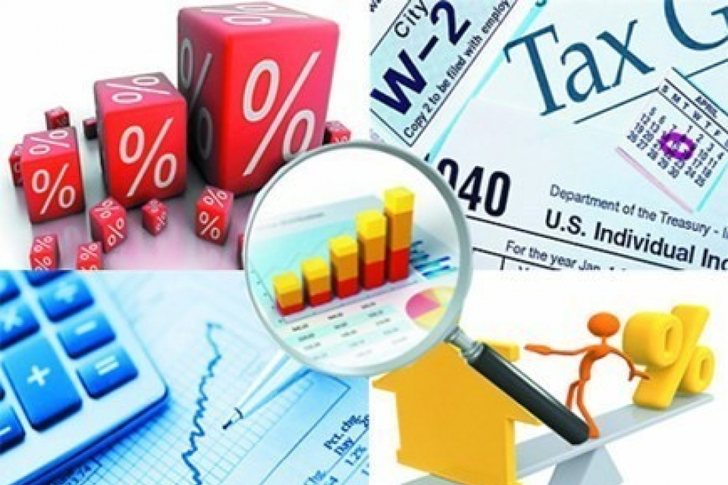
Public debt risk indicators this year fell further in the ...

The distribution of the year-end bonus for pensioners,...
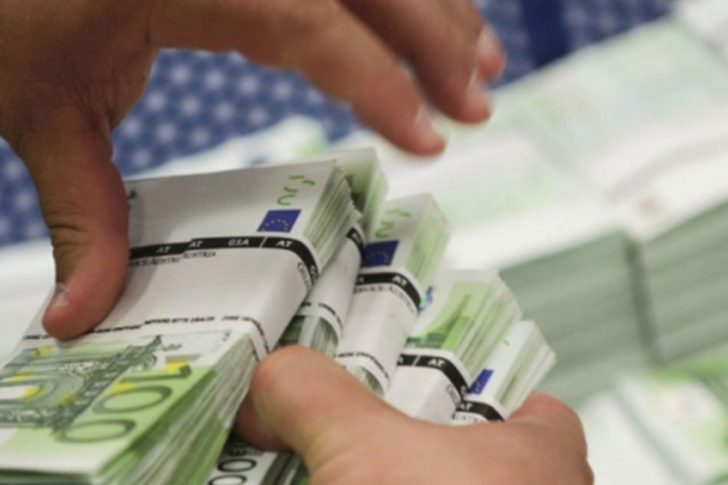
The value of the foreign exchange reserve of the Bank of A...
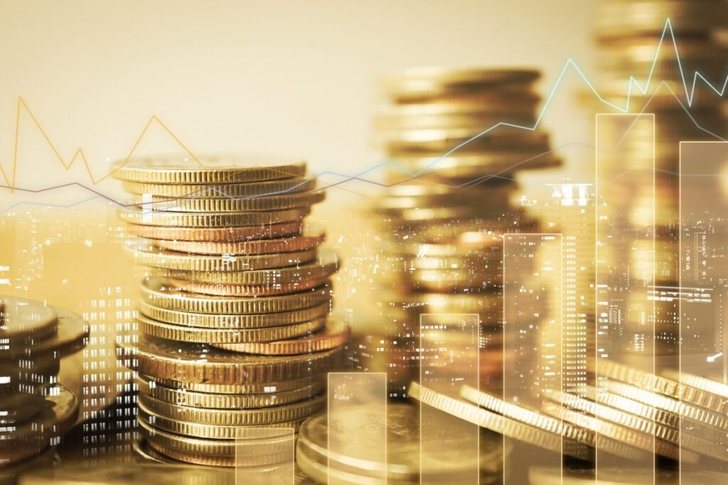
Year after year, the state budget is increasing the concen...
Today, on December 2, 2024, the US dollar is bought at 92....
Today, on December 1, 2024, the US dollar is bought at 92....

After retirement, after 40 years working as a midwife, Mrs...
Today, on November 30, 2024, the US dollar is bought at 92...

Kosovo has imported over 200 million euros of goods from A...

CNA has launched another investigation that could lead to ...

Irfan Hysenbelliu is a businessman that we call "Irfan the...

In March 2026, CNA launched another investigation centered...
The arrested mayor of Tirana, Erion Veliaj, with 13 charge...

The Special Board of Appeal (KPA) decided this Monday ...

The KPA vetting decided this Thursday to dismiss the p...

Suela Salavaçi, a prosecutor in the Prosecutor's Offic...

The Special Board of Appeal reinstated the prosecutor ...

Footage emerges from the serious accident that occurred th...

A Shkodra traffic police officer was hit with hard objects...

This Wednesday, around 4:00 PM, a serious accident occurre...

Tirana Police have shared details regarding the accident t...

A serious accident that occurred this Wednesday with the c...

The Institute of Geosciences has shared a forecast for wea...

Rising energy and fertilizer prices are expected to contin...

Over 18,000 foreign citizens from 140 countries have appli...

The trial of ousted Venezuelan President Nicolas Maduro on...

US President Donald Trump has issued another warning to Ir...

Prime Minister Andy Burnham has announced that most bus fa...

France's parliament has passed a law to ban social media f...

At a time when industrial products are increasingly taking...

Trust among people is not just a three-syllable word. It c...

Master of humor Todi Llupi has passed away at the age of 7...

The ninth edition of "MIK Festival" kicked off with one of...
The price of diesel reached 206 lek per liter from 198 lek...

Businesses will no longer be required to simply register t...

Despite economic growth and income in recent years, Albani...

This Wednesday, one US dollar is bought for 81.4 lek and s...