


Pound at historic low/ Exchange rate, July 1, 2025
Today, in the foreign exchange market, one US dollar will ...


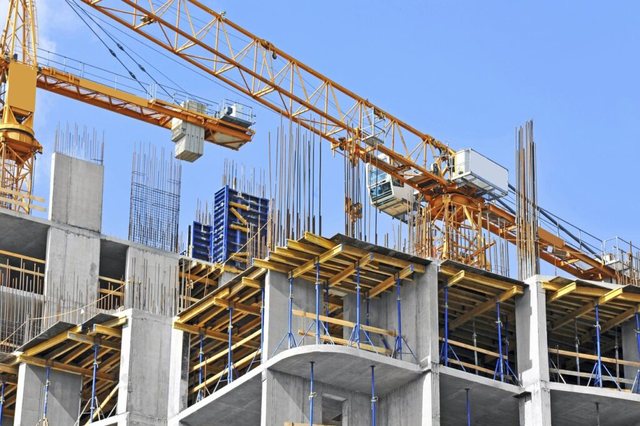
Tirana Municipality's revenues have marked a significant contraction in the first 5 months of this year, reflecting the capital's high dependence on the issuance of construction permits.
According to the Tirana Municipality's budget execution report for the period January-May 2025, total revenues from taxes and fees were 7.4 billion lek, or about 75 million euros. Compared to the same period a year ago, when they were 12.5 billion lek, revenues have decreased by 41.5%.
The main impact on this performance was the infrastructure impact tax, which the Municipality collects from the issuance of building permits and which is 8% of the value of residential construction. This item has brought to the budget only 1.3 billion lek, from 6.3 billion lek in the same period a year ago, with a contraction of almost 80%.
The infrastructure impact tax contributed to 18% of revenue in January-May 2025, down from 50% in the first five months of 2024.
The decline in this item is in line with the contraction of the area of ??construction permits. Other INSTAT data revealed that in the capital in the period January-March 72 construction permits were granted, with an area of ??about 201 thousand square meters. Compared to the same period a year ago, the area has decreased by 13.3%. Together with the first quarter of 2023, these are the lowest levels that have been granted since 2018.
In recent years, the municipality has significantly increased its dependence on the tax it receives from issuing building permits. In 2024, the area of ??building permits reached a record level of over 1.9 million square meters, while the municipality collected the highest historical level from the infrastructure impact tax of 14.3 billion lek (145 million euros), corresponding to a construction value of 1.8 billion euros.
Revenues from the infrastructure impact tax accounted for about 54% of total tax and non-tax revenues generated for 2024. This dependence has been viewed with concern by local finance experts. This tax, closely linked to construction activity, exposes the municipality to fiscal risk, as any slowdown in the construction sector brings an immediate drop in revenues.
Co-PLAN and the Ministry of Finance reports warn that this excessive dependence creates a lack of long-term financial sustainability and exacerbates inequalities between municipalities, as the vast majority of this tax is collected in Tirana, while other municipalities are left with limited resources for development. The reports recommend diversifying revenue sources and strengthening local autonomy for a more balanced and sustainable financial system.
Revenue from taxes and other fees
The item that brought in the most revenue in the first five months of the year was the real estate tax, with 1.722 billion lek, an increase of 11% on an annual basis. Next is the cleaning fee with 1.45 billion lek, an increase of 10%. The infrastructure impact tax passed for the first time in recent years, as the third largest contributor.
Expenses, personnel increase, investments are affected
For the first 5 months, the Municipality has spent 10 billion lek, with an increase of 7.5% on an annual basis. The Municipality secures funds for expenses from its own revenues, unconditional and conditional transfers it receives from the central budget, reconstruction, and donations.
The largest share of them went to current expenses, of 4.6 billion lek, with an increase of 13% on an annual basis. Personnel expenses were 3.9 billion lek, with an increase of 17% on an annual basis.
Capital expenditures decreased, reaching 1.48 billion lek, a contraction of 20% on an annual basis.
According to the Municipality's report, among the factors that have influenced the failure to realize the funds planned mainly for capital expenditures are mainly related to procurement procedures, the time limits necessary to complete the procedures and to conclude contracts.
The first 5 months of the year always have a low realization of procurements, as during the first two months, referred to the budget implementation instruction or the previous year's account closing instruction, the reconciliations of the previous year's income and expenses are closed, ongoing contracts are transferred to the Treasury system in accordance with the approved budget, the preparation of the realization of the previous year's procurement register and the creation of a new procurement register in accordance with the approved 2025 budget are continued./ Monitor Magazine

Today, in the foreign exchange market, one US dollar will ...

The current account deficit narrowed in the first quarter ...
The ratio between contributors and pension beneficiaries i...
Albania is facing a severe energy situation as a result of...

The economies of the Western Balkans continue to face low ...

The value of the Bank of Albania's gold reserves has reach...
In the first half of 2025, Albania has marked a significan...

Today, in the foreign exchange market, one US dollar will ...

The summer of 2025 comes with higher prices, but also with...
Today, in the foreign exchange market, one US dollar will ...
Today, in the foreign exchange market, one US dollar will ...
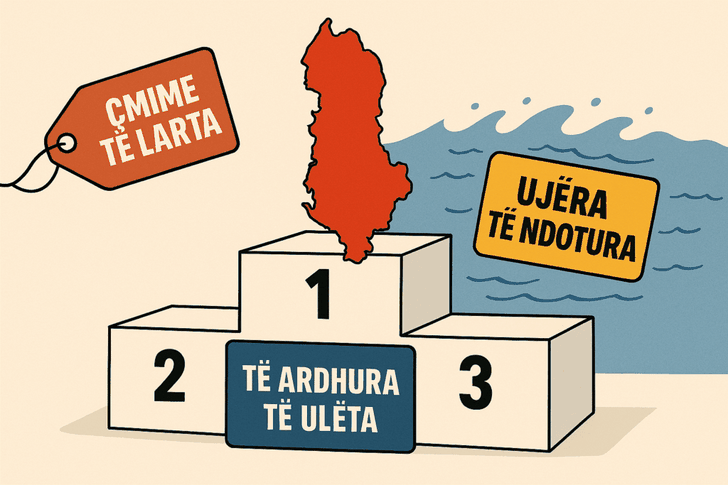
In a continent that measures progress with statistics, ran...
Currently, the world is facing new geopolitical, geoeconom...
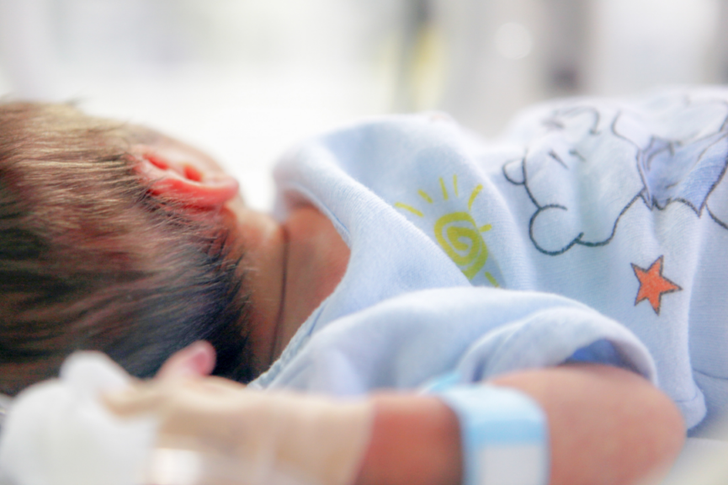
The number of babies who received the bonus for the period...

The country's productive sectors, industry and agriculture...
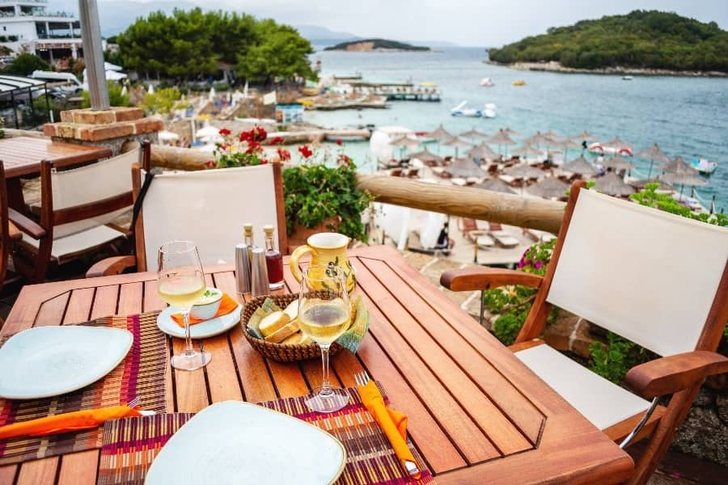
From Shkëmbi i Kavajës, to Vlora, Qeparo, Dhërmi and even ...

Today, in the foreign exchange market, one US dollar will ...
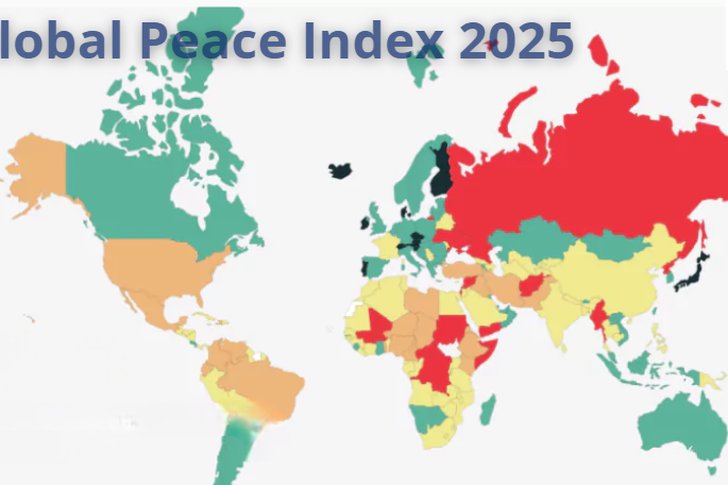
Kosovo has dropped three places in the Global Peace Index,...

Final consumption of the population increased by only 2.45...

Today, in the foreign exchange market, one US dollar will ...

CNA has launched another investigation that could lead to ...

Irfan Hysenbelliu is a businessman that we call "Irfan the...
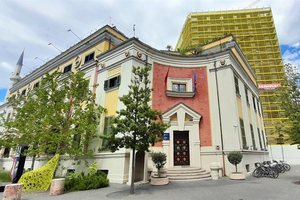
In March 2026, CNA launched another investigation centered...
The arrested mayor of Tirana, Erion Veliaj, with 13 charge...

The Special Board of Appeal (KPA) decided this Monday ...

The KPA vetting decided this Thursday to dismiss the p...

Suela Salavaçi, a prosecutor in the Prosecutor's Offic...

The Special Board of Appeal reinstated the prosecutor ...
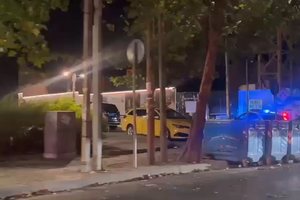
A road accident occurred this evening on Nikolla Zoraqi St...
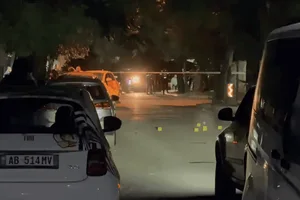
Three people were shot and wounded in Elbasan last night b...
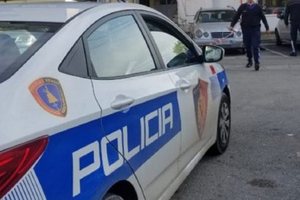
A serious incident occurred this Tuesday in the Yrshek are...
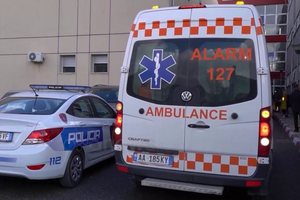
An accident occurred this Tuesday on "Dituria" street in K...
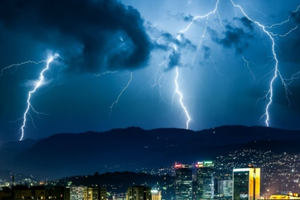
All of Southern Europe will face changing weather conditio...

Albania was hit by temperatures significantly higher than ...

For the first time, Pogradec welcomed the Inter-Lake Chess...
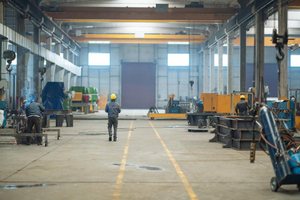
Albania has achieved a record for the employment of foreig...

US Secretary of State Marco Rubio arrived in Manila on Jul...

In the space of a few days, Ukrainian President Volodymyr ...
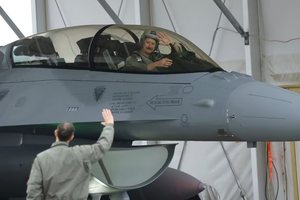
The spokesman for the Iranian Foreign Ministry warned Bulg...

Autoritetet italiane sekuestruan pako me afër 800 kilogram...
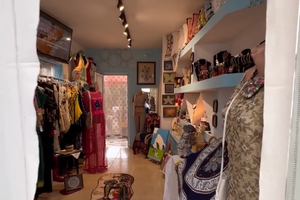
At a time when industrial products are increasingly taking...

Trust among people is not just a three-syllable word. It c...

Master of humor Todi Llupi has passed away at the age of 7...

The ninth edition of "MIK Festival" kicked off with one of...
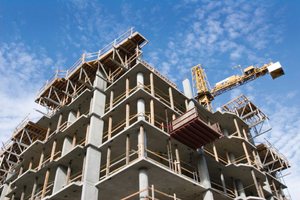
Construction company licenses will have a validity period ...
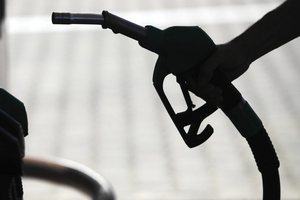
The Centralized Purchasing Operator recently opened a tend...
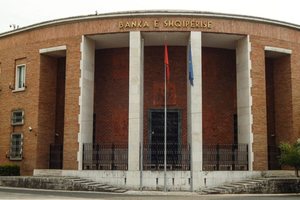
The new draft law "On the Bank of Albania" provides that t...
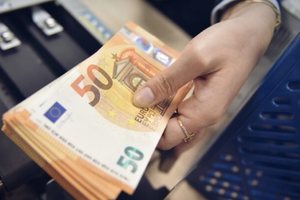
This Tuesday, one US dollar is bought for 81.2 lek and sol...