


"With fake but original FB"/ Rama stings Qori, Lapaj and Shehaj
Prime Minister Edi Rama has ironically mocked the infiltra...

Prime Minister Edi Rama has ironically mocked the infiltra...

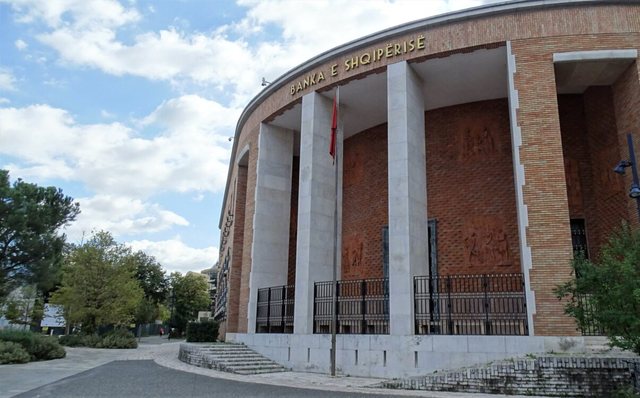
The Bank of Albania decided at today's meeting to keep the key interest rate unchanged, at 2.5%.
In his speech after the Supervisory Council meeting, Governor Gent Sejko said that the Albanian economy has continued to grow, while the main parameters of the country's economic, monetary and financial stability remain consolidated.
The Bank of Albania estimates that the expansion of economic activity was supported by the growth of household consumption, private sector investment and service exports. On the other hand, fiscal policy has continued to show a consolidation nature, while exports of goods have declined.
This demand profile has driven the expansion of the services and construction sectors, while the agriculture and industry sectors have continued to contract. Indirect information available, according to him, suggests similar growth rates and structure during the second half.
The increase in demand for goods and services is also reflected in the labor market. Employment in the non-agricultural private sector increased by 3.4% in the second quarter, the average wage increased by 9.5%, while the unemployment rate remains at a historically low level of 8.5%.
"The rapid increase in wages has not been fully reflected in price increases, as a result of its absorption by productivity and business profit margins. However, high demand for labor from businesses and a lack of supply continue to keep the labor market under tension."
"From a macroeconomic perspective, economic growth has been supported by sound private sector balance sheets, confidence in the future of families and businesses, expanding tourism revenues, and favorable financing conditions," said Sejko.
Inflation has marked a slight increase during the third quarter, but it continues to remain at low levels and below the Central Bank's target.
According to the Governor, the increase in inflation this quarter was dictated by the relatively rapid increase in rental prices, the slight increase in services inflation, and the stabilization of oil prices. On the other hand, food price inflation decreased, while inflation of other basket items appeared relatively stable.
From a macroeconomic perspective, the upward trend in inflation during the third quarter reflected the increase in core and domestic inflation, versus the decline in non-core and imported inflation.
Thus, core inflation increased to 2.9% in the third quarter, an increase almost entirely driven by the increase in rental prices. On the other hand, non-core inflation decreased to 1.2%, reflecting the significant reduction in food inflation.
“In the longer term, the low and below-target inflation rate reflects the dampening effect that the exchange rate appreciation has had on imported inflation and supply shocks, which have kept food inflation low.
On the other hand, domestic inflationary pressures remain in line with our inflation target, as a result of the stable performance of labor and production costs, profit margins and inflation expectations," said Sejko.
According to him, the prudent monetary policy of the Bank of Albania has played an essential role in controlling inflation, enabling the overall reduction of risk premiums in financial markets and contributing to the improvement of financing conditions.
In particular, the easing of the monetary policy stance in July has brought about a further reduction in interest rates on new loans and reduced the servicing costs of existing ones.
Likewise, the increased presence of the Bank of Albania in the domestic foreign exchange market has helped reduce upward pressures on the exchange rate, enabling a more stable level.
As a result, financial markets continue to be characterized by ample liquidity, low interest rates, sound banking sector balance sheets, and a positive approach to lending.
Credit to the private sector continued to grow at double-digit rates during the third quarter. The loan portfolio grew by 14%, marking a slight slowdown compared to the first half of the year, but providing sufficient coverage of the funding needs of businesses and households.
The growth of the loan portfolio continues to remain high and stable in the Lek loan segment, business investment loan and individual loan segments, but it has shown signs of slowing down in the foreign currency loan and working capital loan segments.
On the other hand, the quality of the loan portfolio, assessed through the non-performing loans indicator, continues to remain satisfactory.
In its projections for the future, the Bank of Albania assesses that the update of the baseline scenario forecasts suggests that the outlook for economic developments remains positive.
"Economic activity in the country is expected to continue to grow in the medium term, at solid rates and close to potential. Economic growth will be driven by further expansion of consumption, investment and tourism exports, and will enable further growth in employment and wages."
"Inflation is projected to return to our 3% target during the first half of 2026. This forecast reflects our expectations for balanced demand and supply for goods and services, for stabilization of inflation in international markets, for a more stable exchange rate performance, and for the absence of supply shocks in the future," the Governor said.
However, he stressed once again that the risk landscape for the future remains complex. Although easing, trade and geopolitical tensions pose material downside risks. On the other hand, labor market shortages and rapid wage growth could translate into higher inflation than the Bank of Albania's forecasts./ Monitor

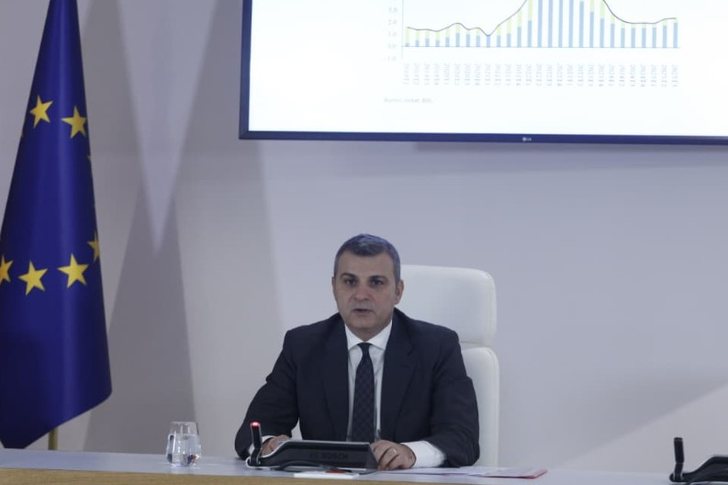
The Governor of the Bank of Albania, Gent Sejko, held a pr...
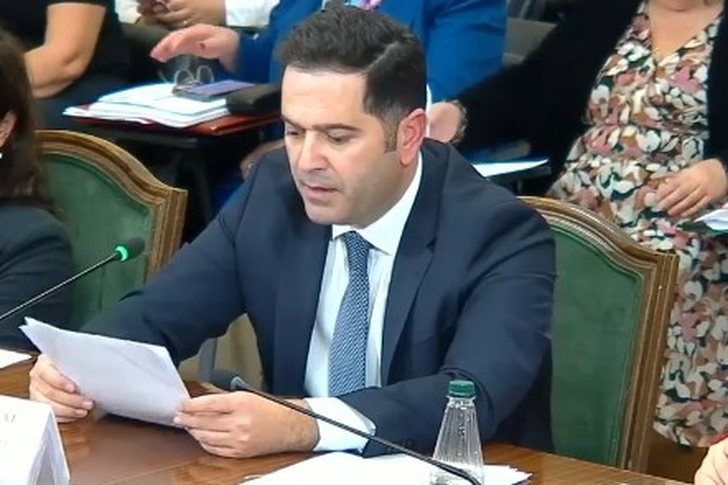
Minister of Finance, Petrit Malaj, presented the draft law...
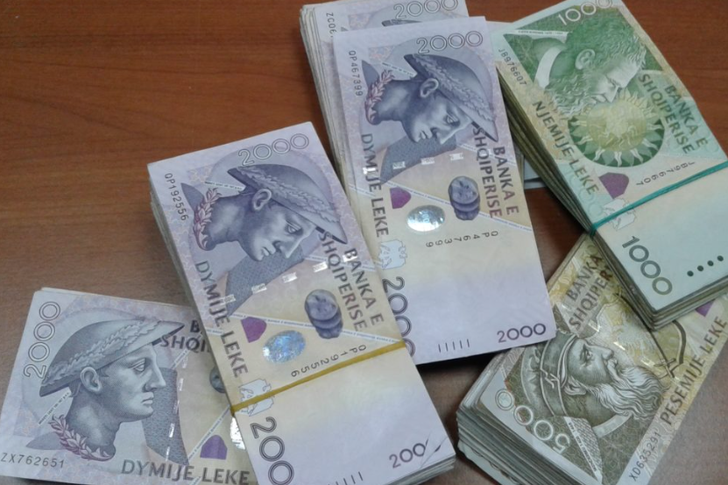
In the 2026 fiscal package, the government aims to reduce ...
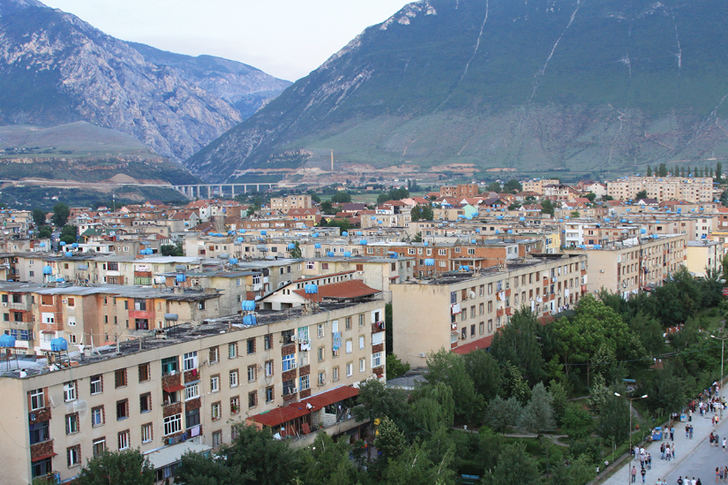
Year after year, economic activity continues to be strongl...

Today, the US dollar will be exchanged for 83.4 lek when b...

The Ministry of Defense has received priority in budget fu...

The government has submitted to the Assembly the draft law...

The draft budget for 2025 foresees a series of expenditure...
The draft budget for 2026, among other things, has made a ...

In the 2026 draft budget, the Ministry of Finance anticipa...
The government programs in the 2026 budget, 823 billion le...
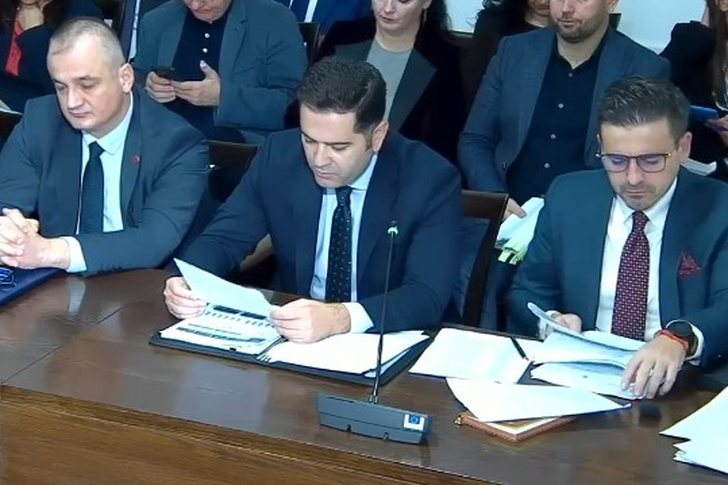
The Minister of Economy, Petrit Malaj, has presented the d...

Today, the US dollar will be exchanged for 83.3 lek when b...
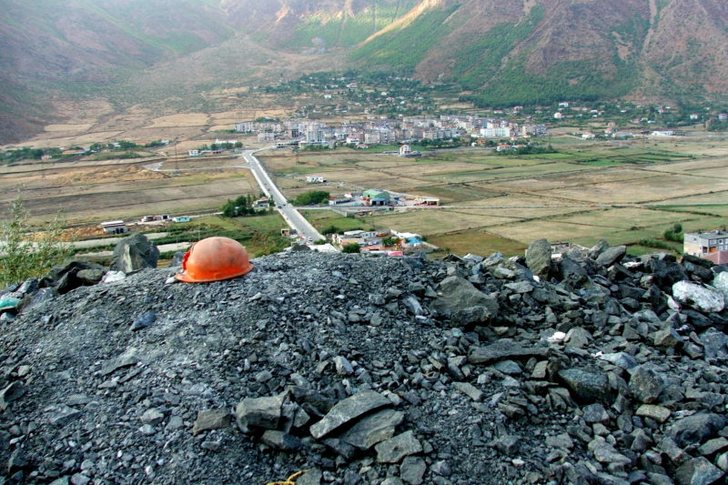
Albania has a series of mining areas rich in what are know...

Today, the US dollar will be exchanged for 83.2 lek when b...
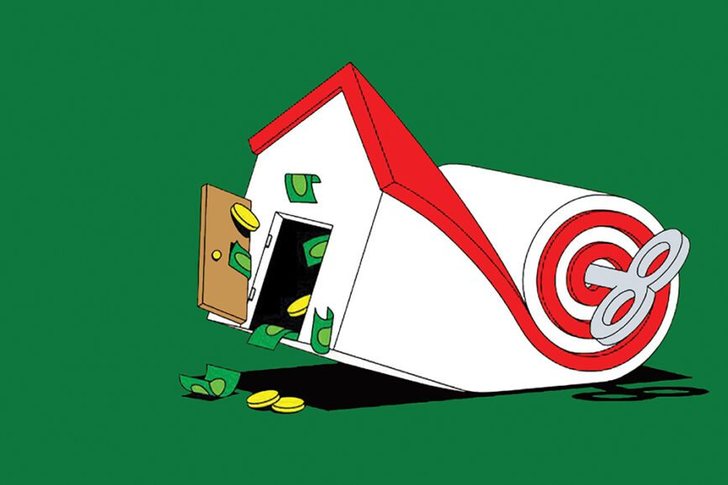
The price-to-rent ratio is used all over the world to show...
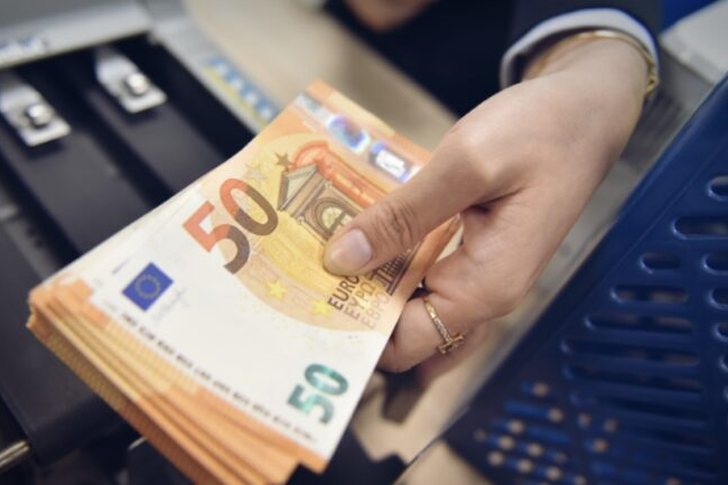
Today, the US dollar will be exchanged for 83.2 lek when b...
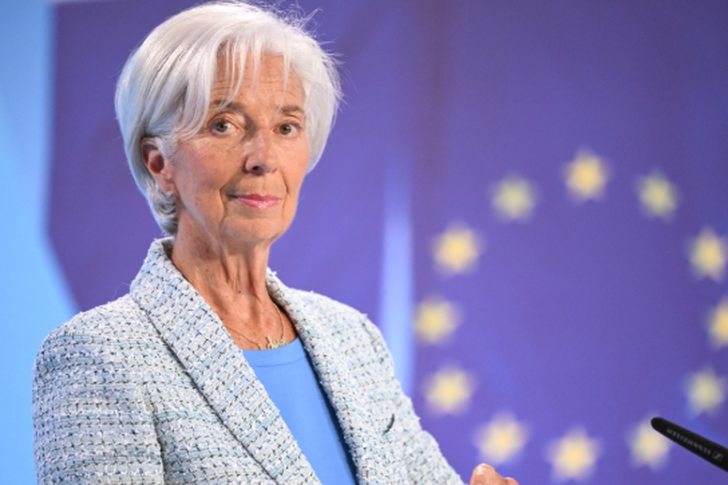
European Central Bank President Christine Lagarde says Eur...

Apartment sales prices in Tirana have tripled in the last ...
Today, the US dollar will be exchanged for 83 lek when buy...

CNA has launched another investigation that could lead to ...

Irfan Hysenbelliu is a businessman that we call "Irfan the...

In March 2026, CNA launched another investigation centered...
The arrested mayor of Tirana, Erion Veliaj, with 13 charge...

The Special Board of Appeal (KPA) decided this Monday ...

The KPA vetting decided this Thursday to dismiss the p...

Suela Salavaçi, a prosecutor in the Prosecutor's Offic...

The Special Board of Appeal reinstated the prosecutor ...
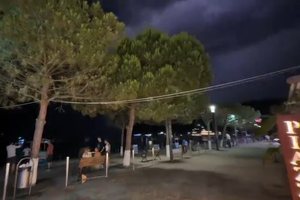
The bad weather that swept the country on Tuesday evening ...

A road accident occurred this evening on Nikolla Zoraqi St...

Three people were shot and wounded in Elbasan last night b...
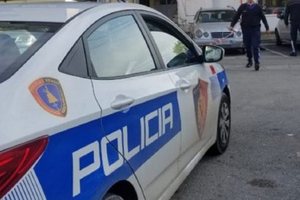
A serious incident occurred this Tuesday in the Yrshek are...
This Wednesday, our country will be under the influence of...
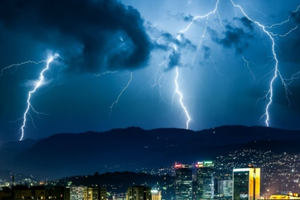
All of Southern Europe will face changing weather conditio...
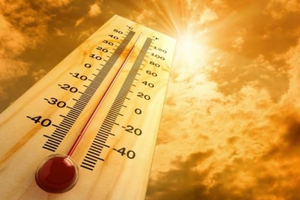
Albania was hit by temperatures significantly higher than ...

For the first time, Pogradec welcomed the Inter-Lake Chess...
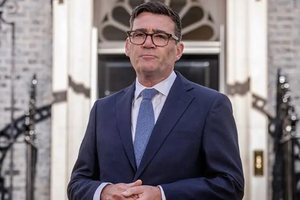
Prime Minister Andy Burnham has announced that most bus fa...

France's parliament has passed a law to ban social media f...

US Secretary of State Marco Rubio arrived in Manila on Jul...

In the space of a few days, Ukrainian President Volodymyr ...

At a time when industrial products are increasingly taking...

Trust among people is not just a three-syllable word. It c...

Master of humor Todi Llupi has passed away at the age of 7...

The ninth edition of "MIK Festival" kicked off with one of...

Businesses will no longer be required to simply register t...

Despite economic growth and income in recent years, Albani...

This Wednesday, one US dollar is bought for 81.4 lek and s...
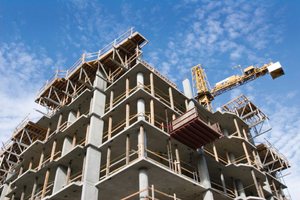
Construction company licenses will have a validity period ...