


Armë, kokainë dhe cannabis në zonat bregdetare/ Arrestohen dy persona
Policia e Vlorës ka finalizuar operacionin e koduar “Sigur...

Policia e Vlorës ka finalizuar operacionin e koduar “Sigur...

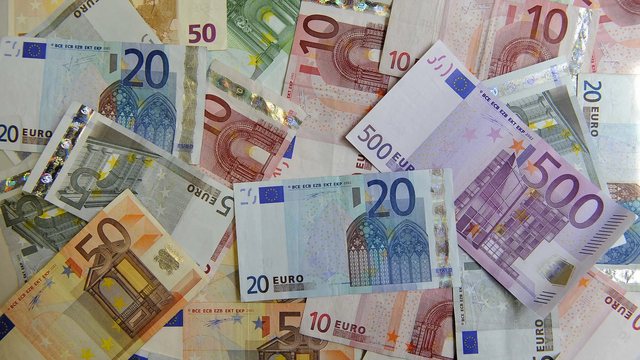
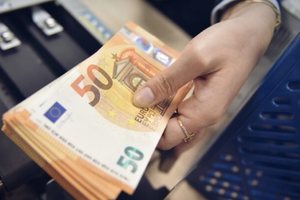
For weeks, the exchange rate between the euro and the lek has been maintaining an unusual stability compared to the trends of recent years.
According to the official exchange rate of the Bank of Albania, on Wednesday the euro was exchanged for ALL 100.32, which represents the lowest historical level of the exchange rate between the two currencies.
However, since the beginning of May, exchange rate fluctuations have been small and the rate of depreciation of the euro has been significantly slowed down.
This stability is not very typical for this period of the year, when the increase in foreign exchange flows from tourism generally leads to a further strengthening of the local currency.
According to sources from the foreign exchange market, the stabilization of the exchange rate near the level of 100 lek is due only to the intervention of the Bank of Albania, which is regularly buying currency, with the aim of artificially keeping the exchange rate at these levels.
Apparently, at the moment the central bank does not want to allow the exchange rate to fall below the level of 100 lek, which somehow represents an important symbolic and psychological limit.
According to the actors of the foreign exchange market, foreign exchange flows in the market are high and in the absence of intervention by the Bank of Albania, the euro would definitely have dropped below the limit of 100 lek.
Legally, Albania has a free exchange rate regime. However, in special cases, the Bank of Albania can intervene in the exchange rate, to avoid disturbances in the foreign exchange market or when such an intervention can be justified in terms of the inflation objective.
In fact, for months inflation has been continuously decreasing and in April of this year it dropped to 2.1%, the lowest level in almost three years.
After the last meeting of the Supervisory Council, Governor Sejko said, however, that this rapid fall in inflation will be temporary and that it is due to supply factors, mainly the reduction in the prices of imported goods, but also the strengthening of the lek in the exchange rate exchange.
However, an inflation below the target of 3% in theory creates space for the central bank to intervene in the direction of devaluation of the local currency, withdrawing currency from the market and increasing the money supply in lek. Basically, this is what the Bank of Albania is doing in the current situation.
Although the prevention of the fall of the euro-lek exchange rate can be justified with the legal objective of inflation, in fact the main motivation of such an intervention seems to be the protection of those segments of the economy that have income in foreign currency.
This includes the exporting sectors of goods and services, but also families dependent on remittances and other individuals who, for various reasons, have a salary or other income in foreign currency.
A further drop in the exchange rate would further damage the competitiveness of export industries, but also of the tourism sector, which has been growing at very high rates in recent years.
For this reason, the Bank of Albania has probably judged that it is necessary to maintain a balance between the free exchange rate and the interests of the economy. At the moment, it seems that this balance has been found close to the limit of 100 lek. However, it is clear that downward pressures on the euro exchange rate will increase further over the coming months.
The Bank of Albania will be faced with the dilemma of whether it should increase currency purchases even more to keep the exchange rate stable, or allow a further, partially controlled fall of the euro./ Monitor

The budget revenues in the first 4 months of the year reco...

Today, on May 23, 2024, in the foreign exchange market...

Today, on May 22, 2024, in the foreign exchange market, th...
Even throughout 2023, the main weight of the income co...
Today, on May 21, 2024, in the foreign exchange market...
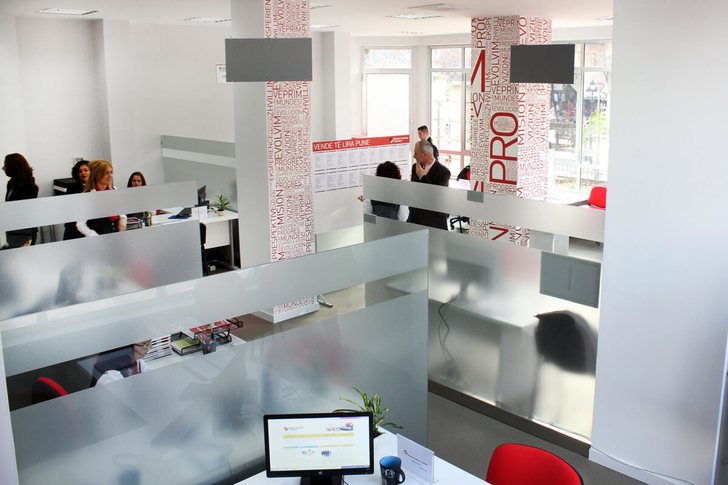
The increase in labor costs for businesses is keeping ...
The Financial Intelligence Agency (AIF) has built seven ty...
Today, on May 20, 2024, in the foreign exchange market, th...
In Albania, the stability of the pension system is one of ...
Eduard Milushi, a software engineer by profession, unable ...

Tourism has become the sector that is feeding year after y...
Today, May 19, 2024, in the foreign exchange market, the A...

Albania has a history of transition characterized by high ...
Today, on May 18, 2024, in the foreign exchange market, th...
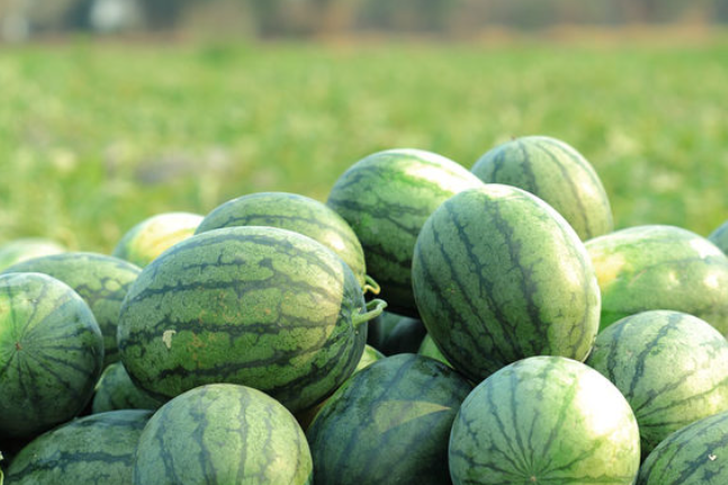
Medicinal plants, tomatoes, cucumbers, peppers, olives, wa...
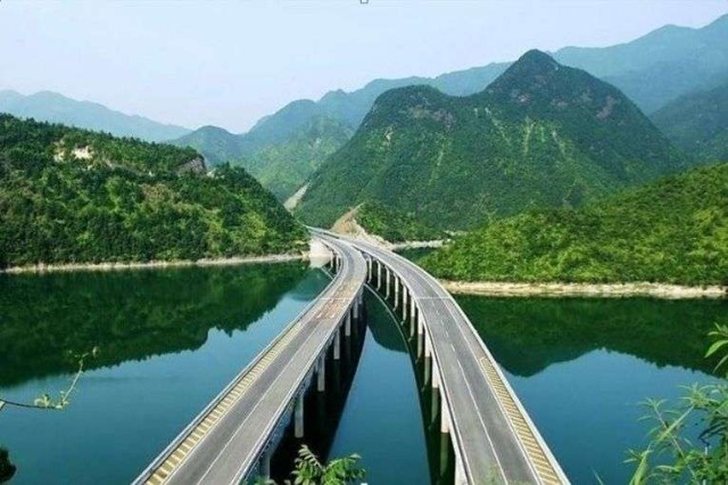
The project for the construction of the Muriqan-Lezhë ...
Government work, although it continues to be a favorit...
Today, on May 17, 2024, in the foreign exchange market, th...

The yield of 15-year bonds fell significantly at this week...

Today, May 16, 2024, in the foreign exchange market, the A...

There have been 12 days of protests in the capital, which ...
Dritan Prençi is the SPAK prosecutor who is sleeping on th...

The in-depth investigations that SPAK conducted into Ajola...
SPAK's standards, the way it investigates, how it secures ...

The Special Board of Appeal (KPA) decided this Monday ...

The KPA vetting decided this Thursday to dismiss the p...

Suela Salavaçi, a prosecutor in the Prosecutor's Offic...

The Special Board of Appeal reinstated the prosecutor ...

Policia e Vlorës ka finalizuar operacionin e koduar “Sigur...

New details have emerged regarding the serious accident th...
An Albanian businessman was arrested this afternoon in Gre...
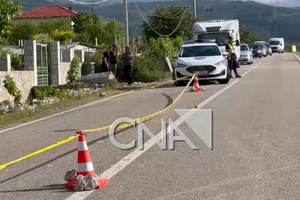
A serious accident has occurred on the Korça-Ersekë axis, ...
Today our country will be affected by stable weather condi...
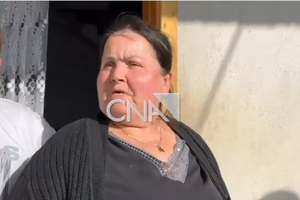
A tragic accident occurred this Friday afternoon in Kameni...

Today our country will be affected by unstable weather con...

On Thursday, our country will be affected by relatively un...
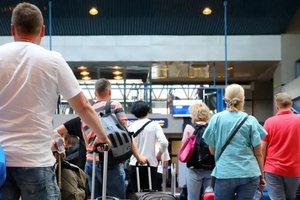
Good news for those who fly: After years of negotiations, ...
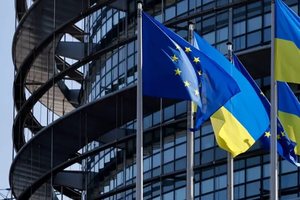
It took more than two years, but now the EU can begin acce...
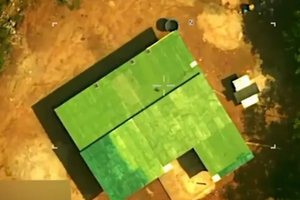
US President Donald Trump announced that the US military h...
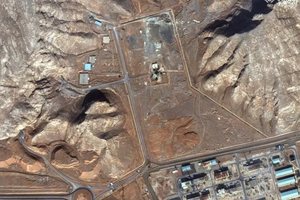
Iran has taken new measures to strengthen the protection o...
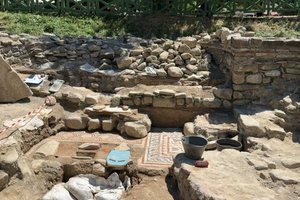
Several archaeological excavations conducted during this s...
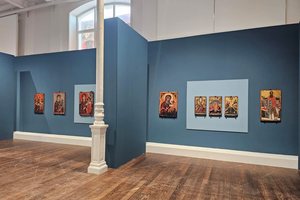
At the Museum of Fine Arts in Chambéry, France, an exhibit...

Korça has transformed this weekend into the capital of cel...
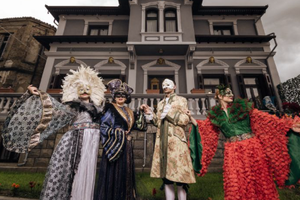
Korça is ready to open the summer season with one of the c...
This Saturday, one US dollar is bought for 81.5 lek and so...
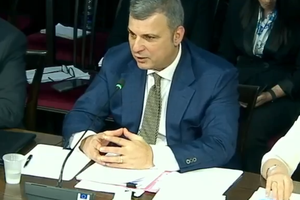
The Governor of the Bank of Albania, Gent Sejko, shared to...

Business lending has increased in the first half of this y...

The labor market has shown worrying trends in early 2026. ...