

“Gledis Nano ishte në fushë të minuar
Ish-drejtuesi i Policisë, Shemsi Prençi u shpreh në një in...



"Do not provide personal data on websites that do not provide security and do not open suspicious emails"!
Such recommendations for internet users are given by the Information and Privacy Agency of Kosovo, with the aim of, as it says, protection from cyber attacks.
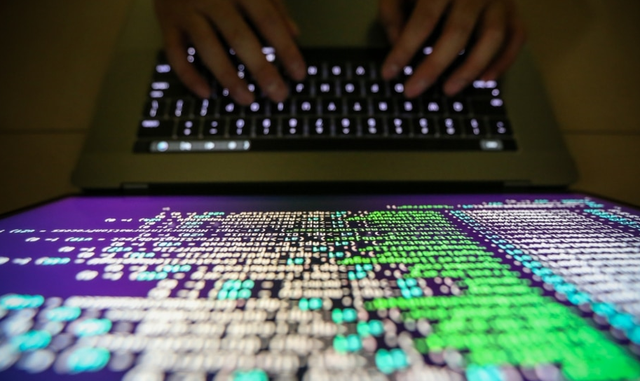
Such attacks mean attempts by hackers to gain illegal access to a computer or computer system, with the aim of causing damage.
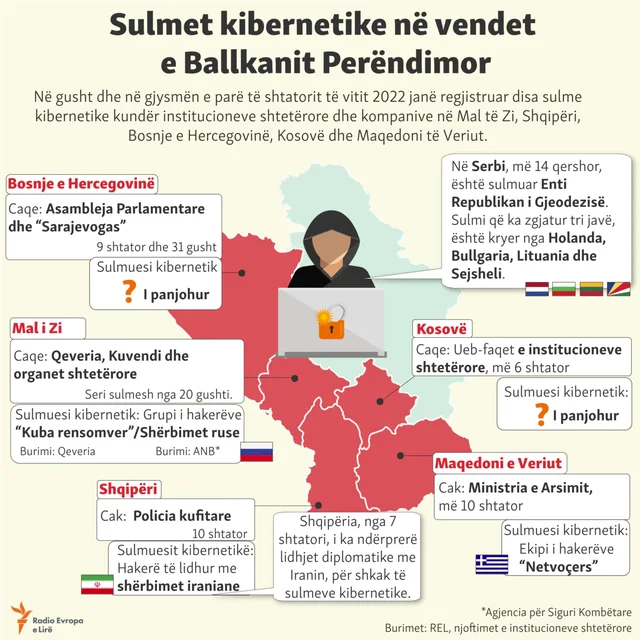
Their trend is increasing, especially from the time when Russia started the invasion of Ukraine, at the end of February. It is reported that the invasion on the ground has also been permeated with sophisticated cyber attacks.
In recent months, the institutions of several Western Balkan countries, including Kosovo, have also been targeted, while hackers linked to Russian and Iranian services have been blamed for some of the attacks.
Experts note that it is not just governments that need to be aware of cyber security risks. According to them, awareness should also increase among individuals, businesses and especially in the health sector.
Mentor Hoxhaj, drejtues i Organizatës për Siguri Kibernetike dhe Privatësi në Kosovë, thotë se shfrytëzuesit e internetit duhet të jenë sidomos të kujdesshëm nga emailet e ashtuquajtura “Phishing” dhe “Spear phishing”.
Këto emaile janë një lloj sulmi që hakerët e bëjnë me qëllim të vjedhjes së të dhënave të ndjeshme, përfshirë: fjalëkalime, kartela bankash e të tjera.
Ato, zakonisht, vijnë në formën e një vegëze apo linku, i cili nëse klikohet, hakerëve u jep qasje në të dhëna.
“Vegëzat ‘phishing’ janë më të qarkullueshme në rrjetet sociale, si p.sh. me mbishkrimin: ‘Këto janë fotografitë tuaja’ apo ‘Shikoni, kjo është videoja juaj’. Kjo është forma që shfrytëzuesit e internetit i bën të kyçen [klikojnë] dhe aty infektohen dhe mund t’i humbasin të dhënat e tyre”, shpjegon Hoxhaj për Radion Evropa e Lirë.
Ai thotë se përdoruesit e internetit mund të instalojnë programe që e bëjnë skanimin e vegëzave dhe verifikojnë nëse ato janë ‘phishing’ ose jo.
Hoxhaj, po ashtu, rekomandon që fjalëkalimet e emaileve apo për qasje në ueb-faqe të ndryshme, të bëhen sa më të komplikuara dhe, mundësisht, me verifikim edhe përmes numrit të telefonit.
Ai thotë se edhe trajnimet për vetëdijesim do të ishin të dobishme.
“Unë nuk e di as çfarë është sulmi kibernetik”, thotë Alketa, studente në Prishtinë.
“Nuk e di që kam marrë ndonjë email apo ndonjë link të dyshimtë. Nuk jam e informuar... Nuk e di se si do të veproja”, thotë ajo.
“Për sulmet kibernetike nuk paskam dëgjuar asnjëherë”, thotë Liridon Fetahu, 35 vjeç, nga Fushë Kosova.
Alban Bicaj, student në Fakultetin Teknik në Prishtinë, thotë se i ka ndodhur të hasë në emaile të dyshimta.
“Këto emaile që vijnë zakonisht për fotografi, nuk i shikoj. I verifikoj linqet që vijnë nëse janë të sigurta ose jo”, thotë Albani.
Me qëllim të mbrojtjes nga sulmet kibernetike, Agjencia për Informim dhe Privatësi e Kosovës u rekomandon përdoruesve të instalojnë “antivirus” në kompjuterët e tyre. Antivirusi është një aplikacion që detekton dhe largon emailet keqdashëse.
Kjo agjenci u rekomandon përdoruesve që të mos dërgojnë informacione të ndjeshme përmes emaileve. Në ueb-faqen e saj mund të gjenden edhe rekomandime të tjera.
Më 6 shtator, Qeveria e Kosovës ka njoftuar se disa ueb-faqe të institucioneve të shtetit kanë qenë cak i një sulmi kibernetik, por nuk ka specifikuar cilat.
The spokesperson of the Government, Pëparim Kryeziu, said that the attack came from outside Kosovo, but did not provide details from which country.
He said that the attack did not manage to penetrate the infrastructure of the state computer network, as "it was blocked by the relevant security equipment".
On September 13, Kosovo Telecom also said that it was the target of cyber attacks, but that it managed to restore the affected services.
According to the data of the Kosovo Police, sent to Radio Evropa e Lire, in the period January-August of this year, 168 cases of the criminal offense "access to computer systems" were registered. The police did not provide details on who was the target or where those entries came from./ REL

Ish-drejtuesi i Policisë, Shemsi Prençi u shpreh në një in...
The former Interior Minister Saimir Tahiri will return ton...
Lawyer Idajet Beqiri has sued the head of the PL, Ilir Met...
Lawyer Sajmir Vishaj said in an interview in Euronews Alba...

Ervis Martinaj, që prej 9 gushtit kur dyshohet të jetë zhd...

After the speech at the "Global Fund" conference, the Pres...

Deputeti i Partisë Demokratike, Dash Sula ka mar...
DP MP Ina Zhupa, through a statement to the media, has den...
Policia e Tiranës ka liruar nga burgu mjeken dhe infer...
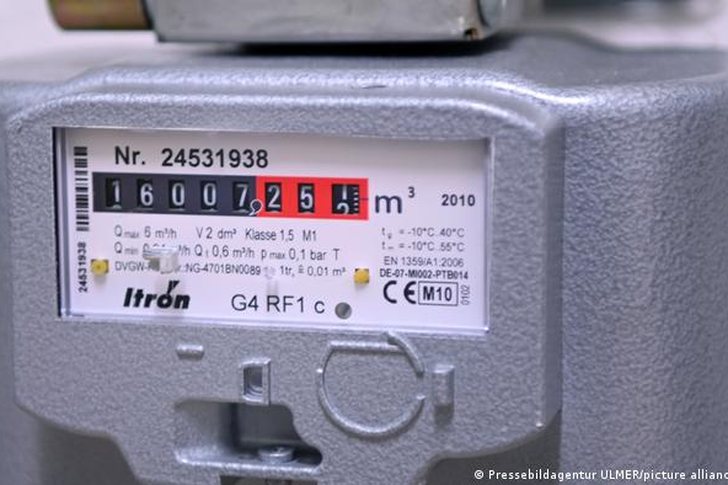
Letra me informacione nga furnizuesit me gaz kanë shkaktua...
The mayor of Tirana, Erion Veliaj, has denounced the media...
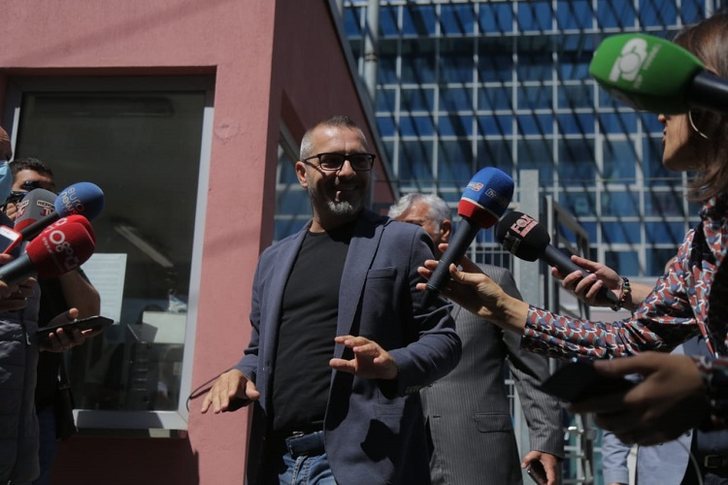
Former Interior Minister Saimir Tahiri gave an interview t...
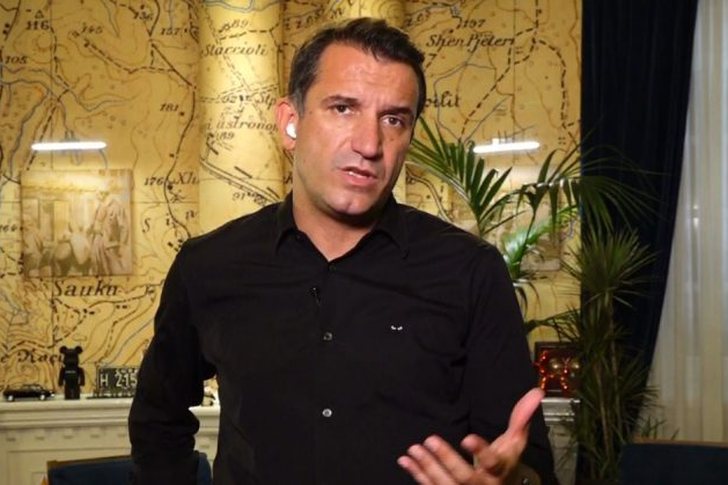
The head of the Municipality of Tirana, Erion Veliaj, has ...
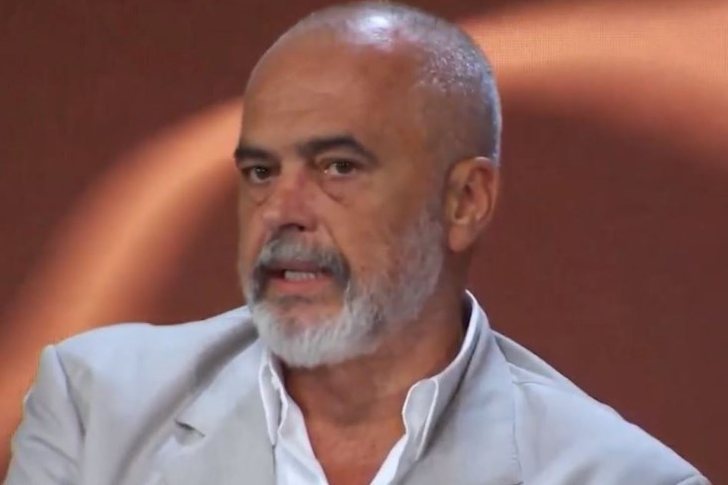
Kryeministri Edi Rama, përtej politikës ka folur për marrë...
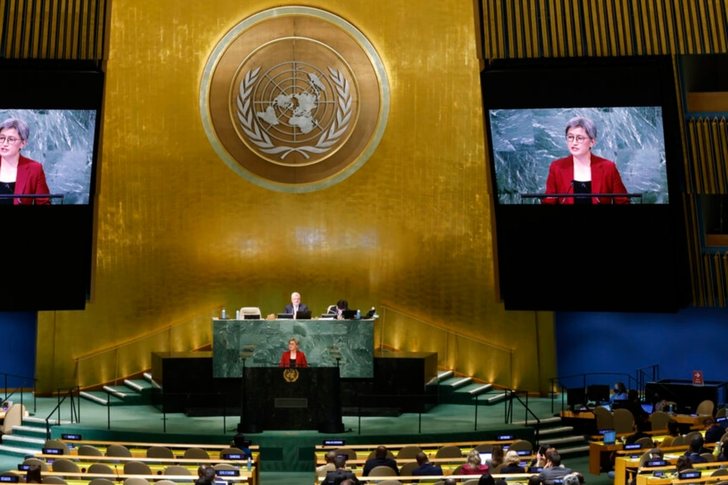
Gjatë punimeve të Asamblesë së Përgjithshme të OKB-së të p...
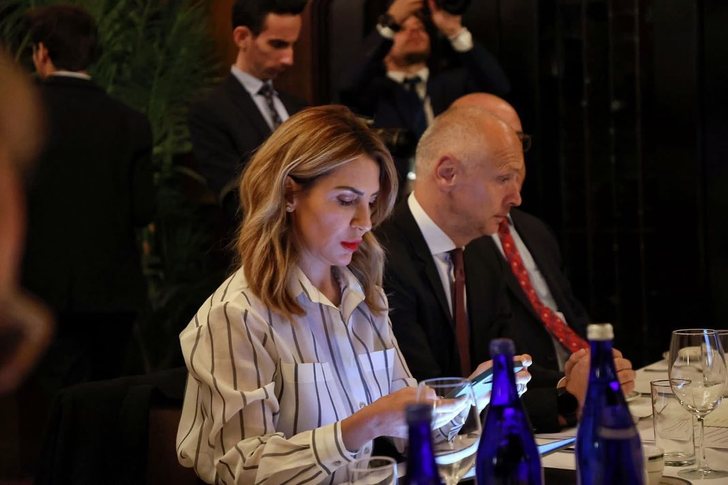
The Secretary of the Regional Cooperation Council (RCC...
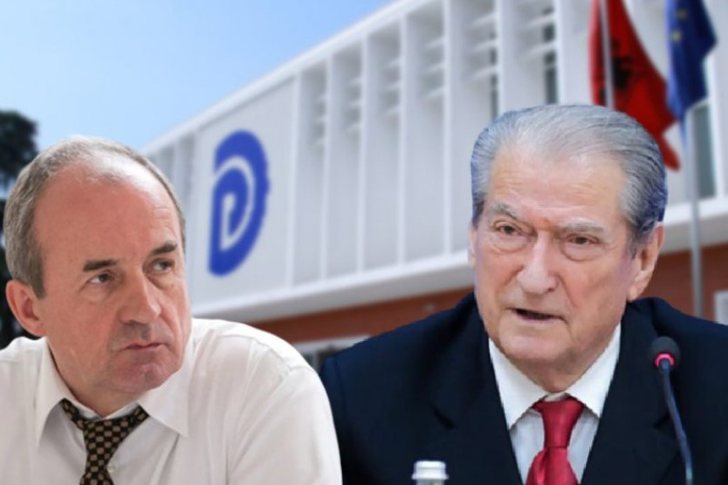
The regional affairs expert, Janusz Bugajski, in an in...
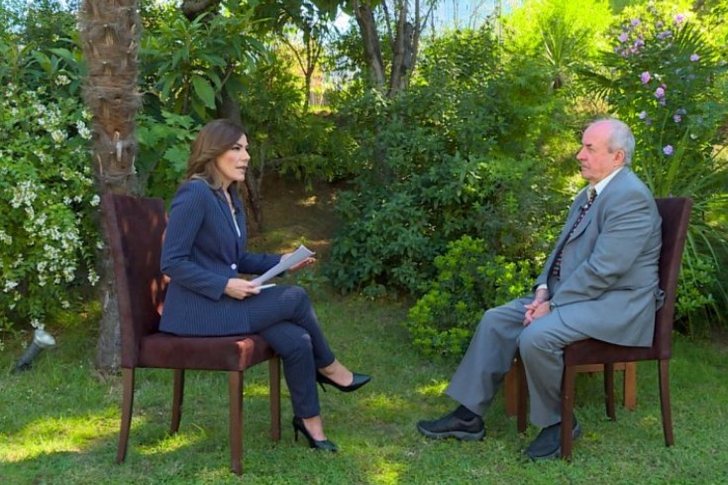
The regional affairs expert, Janusz Bugajski, invited to a...
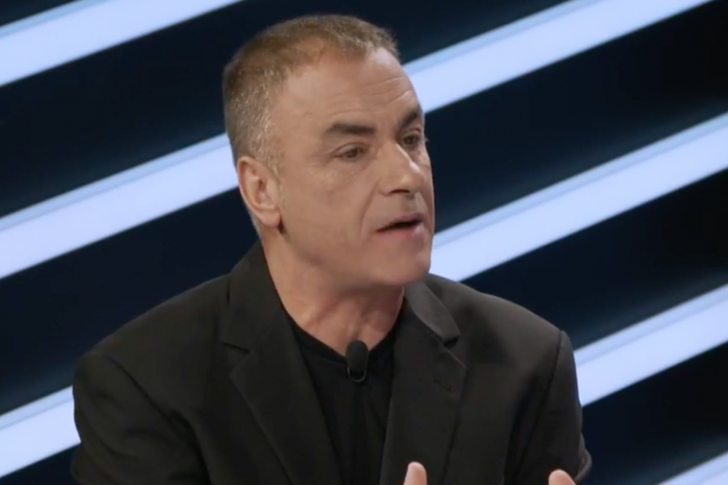
Journalist Arian Çani cast doubt on Prime Minister Edi...

Journalist Arian Çani has commented on cyber attacks i...
A 39-year-old citizen has been arrested in Lezha, after se...

CNA has launched another investigation that could lead to ...

Irfan Hysenbelliu is a businessman that we call "Irfan the...

In March 2026, CNA launched another investigation centered...

The Special Board of Appeal (KPA) decided this Monday ...

The KPA vetting decided this Thursday to dismiss the p...

Suela Salavaçi, a prosecutor in the Prosecutor's Offic...

The Special Board of Appeal reinstated the prosecutor ...
Several gunshots were reported today in the village of Gjo...
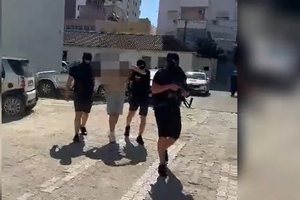
Following the successive operations carried out by the ope...
The Police Supervision Agency has seized the service weapo...
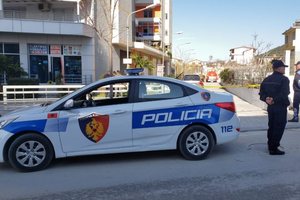
A serious incident occurred in Lushnje, where citizen IY, ...

As the year 2026 is in its second half, the world is exper...

Today, our country will be under the influence of stable a...

By noon, cloudiness is expected to prevail in almost all o...

Children without parental care, for whom alternative famil...
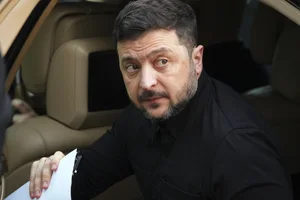
Ukrainian President Volodymyr Zelensky said Russia wants t...
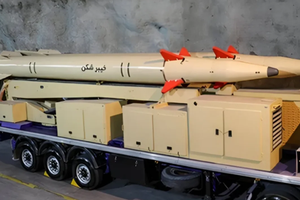
Iran is adapting and enhancing the capabilities of its bal...
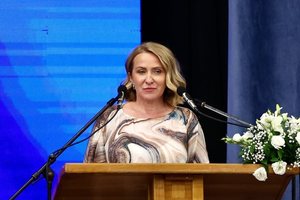
Serbia's Minister of State Administration and Local Self-G...
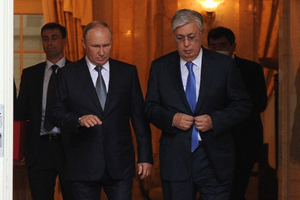
Kazakh President Kassym-Jomart Tokayev shared some critici...
Two windows, a century of history and the metaphysics of p...
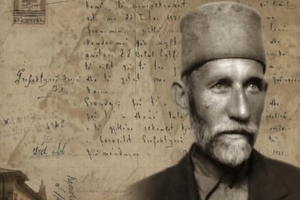
In my research at the Central State Archives, specifically...

At a time when industrial products are increasingly taking...

Trust among people is not just a three-syllable word. It c...
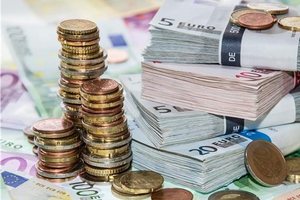
This Saturday, one US dollar is bought for 81.7 lek and so...
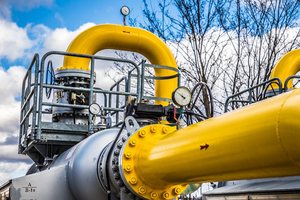
War, weather and supply disruptions could send gas prices ...
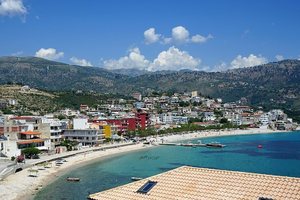
The number of active enterprises in Albania continued to g...
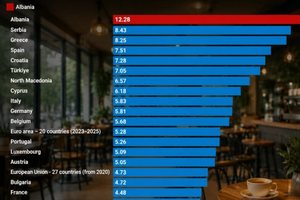
In Albania, the bar-cafe has long become an almost unique ...