


The end of "Niño Guerrero"/ US executes "head" of notorious gang
US President Donald Trump announced that the US military h...

US President Donald Trump announced that the US military h...

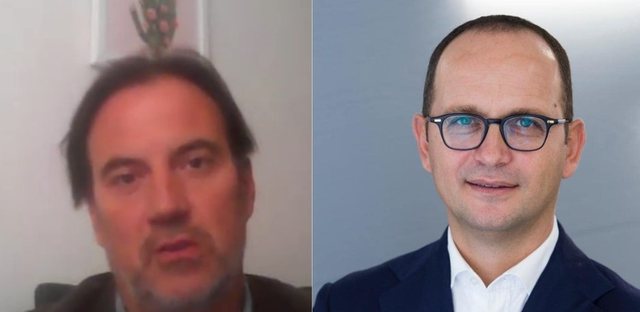
A Harvard-Oxford dialogue that delves into the future of the transatlantic alliance, the role of China, and Russia's ambition, with a special lens on the Western Balkans.
Ditmir Bushati on the "Public Square" Podcast brings an in-depth conversation with Dimitar Bechev, Director of the Dahrendorf Program at the University of Oxford and Senior Fellow at Carnegie Europe.
In this episode, Bushati and Bechev analyze American polarization and its effects on long-term alliances, the reshaping of the global order under the economic and technological weight of China. Bechev emphasized that the transatlantic relationship is going through a tense phase due to the isolationist impulse of American policy, questioning the former bipartisan consensus on the global role of the United States. He emphasized that, unlike in the past, today the United States faces a qualitatively new rivalry: China, which not only has productive power, but also technological capacities that make it a unique challenge in relation to Washington.
“ It is no news to many that the current administration is very skeptical of foreign entanglements, especially alliances that involve long-term commitments. The “America First” motto is about a narrow US interest, according to which long-term allies are a burden and liability more than an asset. This applies to Europeans as much as to others, in East Asia for example. So this isolationist thrust is the essence. Some of the longer-term ties between the US and European allies still exist because they are more difficult to resolve, including NATO, despite the uncertainties about Article 5.
"There used to be a bipartisan consensus in the US in favor of preserving the US role as a benign hegemon that maintains the global system of alliances and commitments. But that no longer exists. At the national level, the US has moved forward, with one side being much more nationalist, seeing the outside world not only as an opportunity, but as a source of threat ," Bechev explained.
Regarding Russia, Bechev emphasized that its strategic objective remains supremacy in the former Soviet space and the recovery of its status as a major global power. However, its interventions, including the invasion of Ukraine, have brought more costs than benefits, producing backlash from its neighbors and the West. In the Balkans, Russia continues to exert influence more through political transactions and ad hoc involvement, exploiting the spaces provided by local actors with narrow agendas.
Bushati and Bechev focused on the Western Balkans, for which Bechev expressed optimism about economic integration into the EU, but warned of serious obstacles to the consolidation of democracy. According to him, economic Europeanization does not necessarily guarantee political progress, especially at a time when democracy is also facing internal challenges within the EU. He warned that the European project in the region will remain fragile if it is not accompanied by sustainable institutional transformations.
The dialogue held in the “Public Square” highlighted that the world is entering a new era of geopolitical rivalries, where the role of the US, the dynamics of Russia and the rise of China will shape the global security architecture. For Europe and the Western Balkans, the main challenge remains strengthening internal cohesion and the ability to balance relations with other global actors, while preserving transatlantic unity and advancing the integration process. /CNA

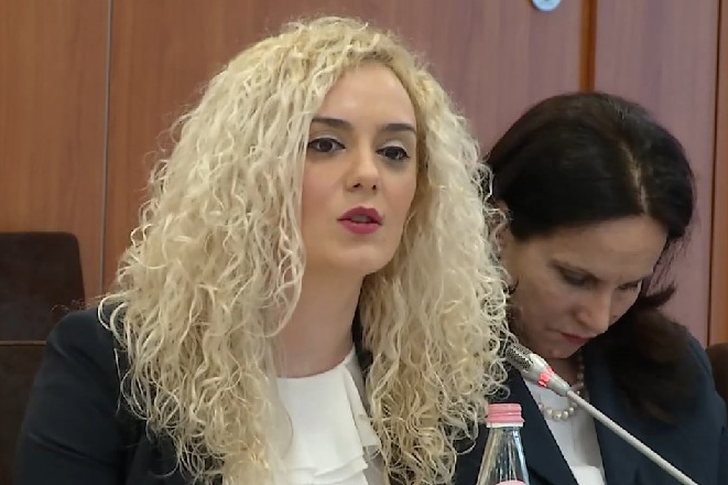
Joana Qeleshi has been elected head of the Chamber of Advo...

A full 41 days have passed since the public deception of E...
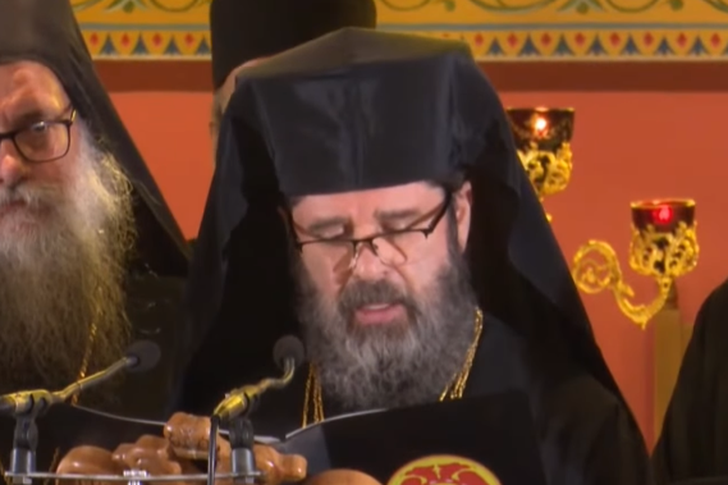
Archbishop Joan gave strong messages at the enthronement c...
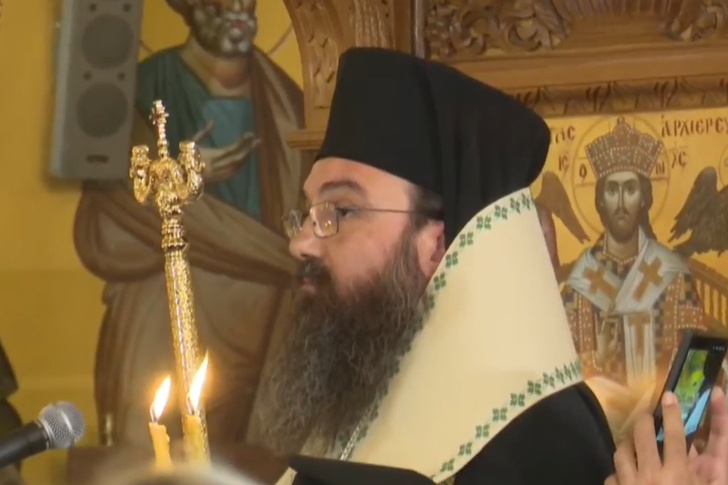
Metropolitan of Korça, Anastasius, gave his first speech a...

His Beatitude, Joan, is leading the ceremony of the Enthro...
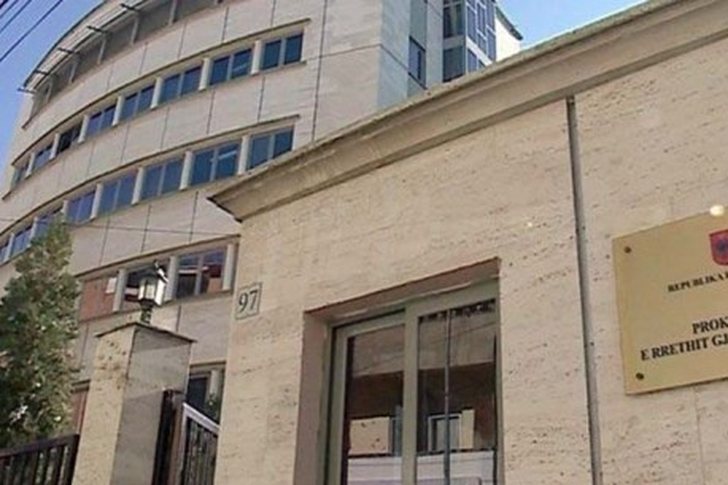
The Prosecutor's Office at the Court of First Instance of ...
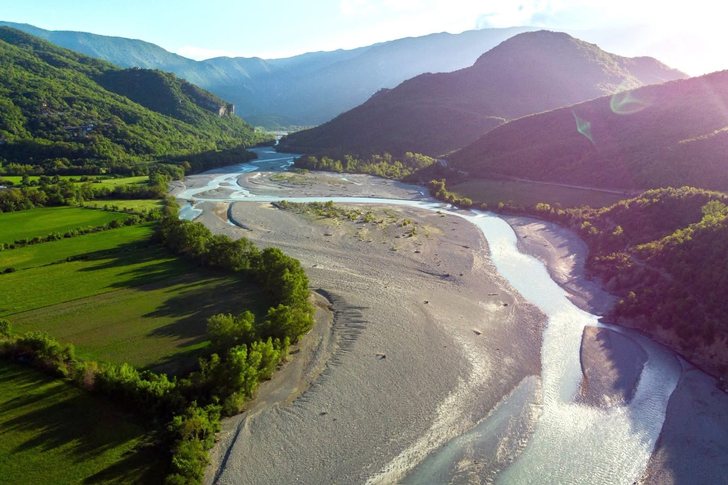
Prime Minister Edi Rama has shared the news that the Vjosa...
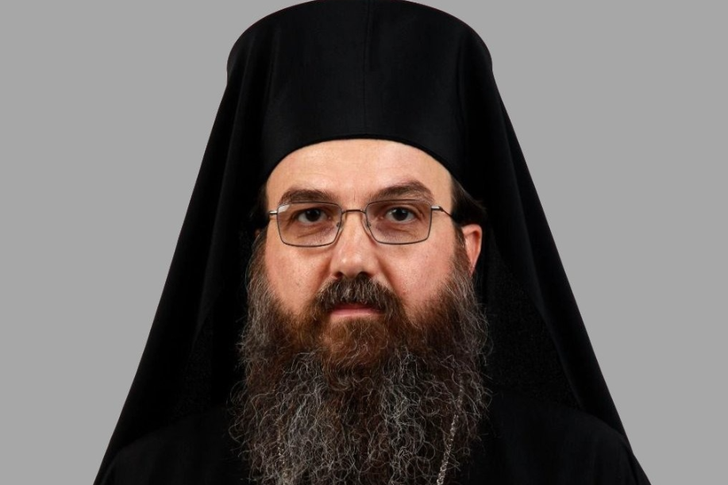
Today at 11:00, the Enthronement ceremony of the Metropoli...
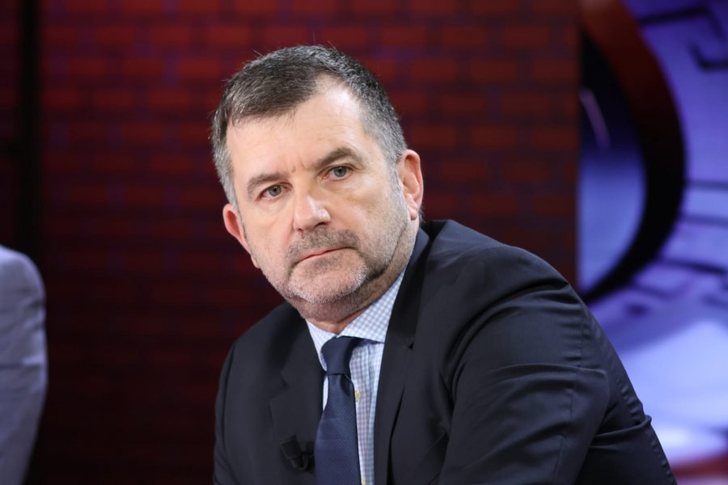
Analyst Andi Bushati said that power in the country is lin...
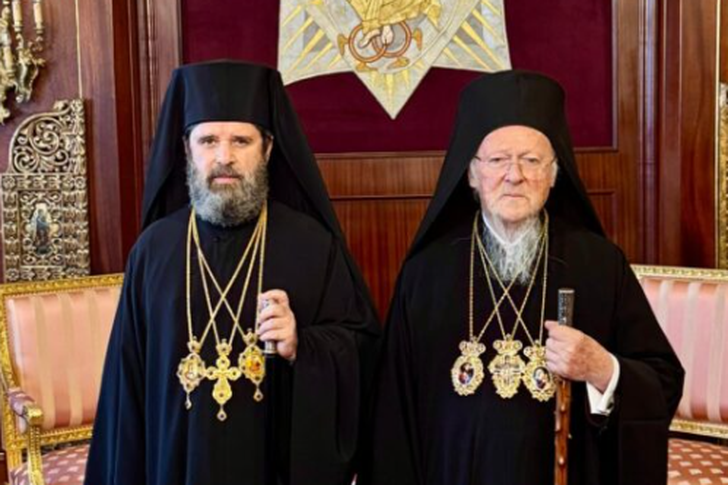
The Ecumenical Patriarch of Constantinople, Bartholomew, h...
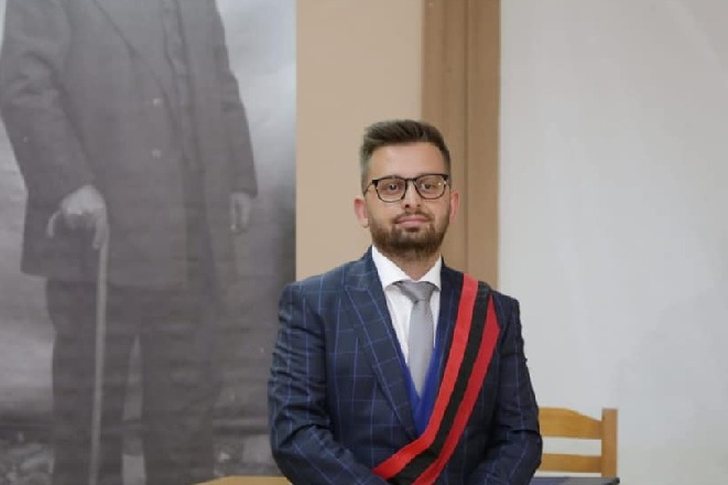
The Special Prosecution Office has revealed details of the...

The Metropolitan of Apollonia and Fier, His Grace Nikolla,...

Accused by the Criminal Court of Kosovo as a member of a c...

2 super matches in one weekend in the most beautiful champ...
SPAK has shared details from the in-depth investigations i...
Today marks the 40th anniversary of Mero Baze and Erion Ve...
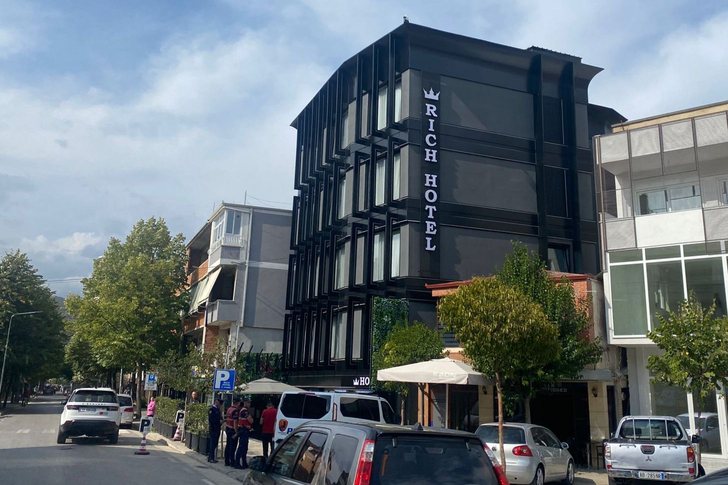
Hotel, property and vehicles allegedly secured from salary...

The appeal of the GJKKO has upheld the life imprisonment s...
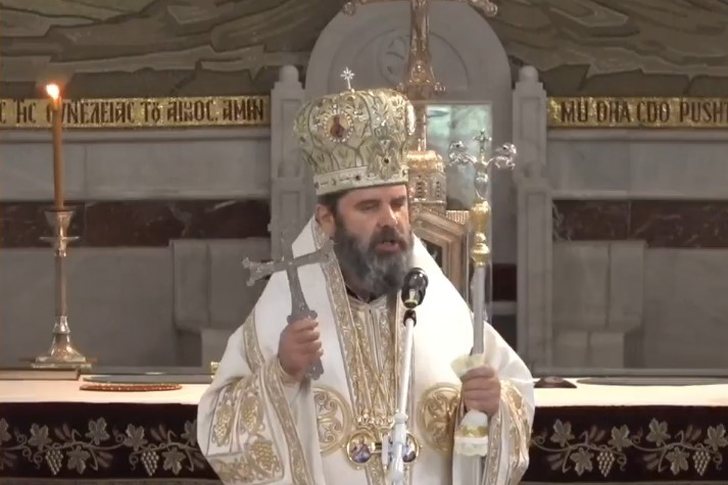
Pope Leo XIV has sent a letter of congratulations to His B...
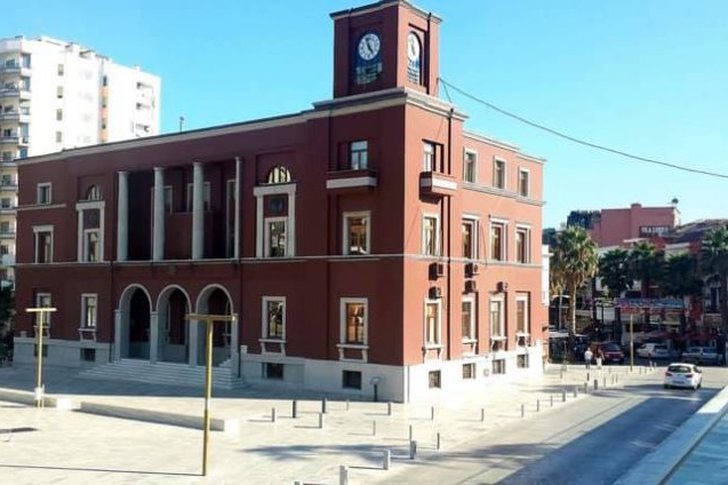
The Municipality of Durrës has announced that the administ...
There have been 12 days of protests in the capital, which ...
Dritan Prençi is the SPAK prosecutor who is sleeping on th...
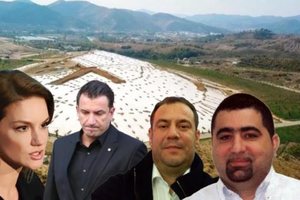
The in-depth investigations that SPAK conducted into Ajola...
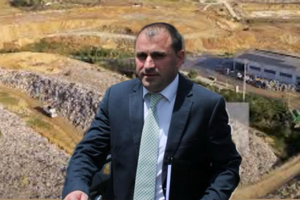
SPAK's standards, the way it investigates, how it secures ...

The Special Board of Appeal (KPA) decided this Monday ...

The KPA vetting decided this Thursday to dismiss the p...

Suela Salavaçi, a prosecutor in the Prosecutor's Offic...

The Special Board of Appeal reinstated the prosecutor ...

New details have emerged regarding the serious accident th...
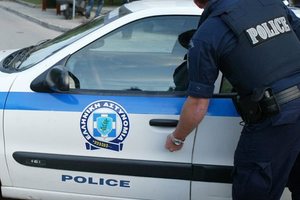
An Albanian businessman was arrested this afternoon in Gre...
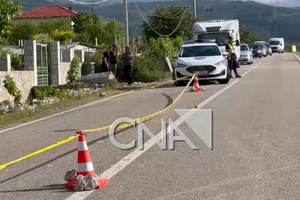
A serious accident has occurred on the Korça-Ersekë axis, ...
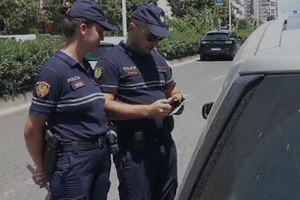
Fier Police has announced the measures taken this week for...
Today our country will be affected by stable weather condi...
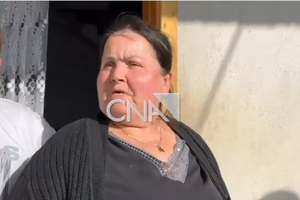
A tragic accident occurred this Friday afternoon in Kameni...

Today our country will be affected by unstable weather con...

On Thursday, our country will be affected by relatively un...
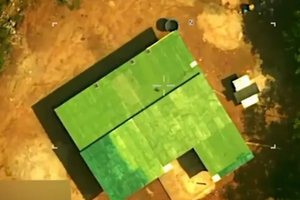
US President Donald Trump announced that the US military h...
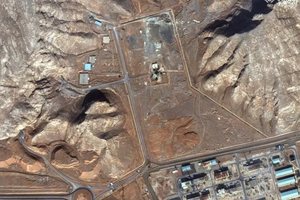
Iran has taken new measures to strengthen the protection o...
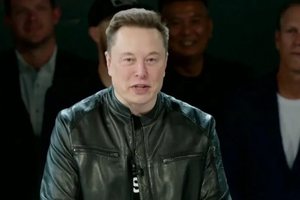
American entrepreneur Elon Musk has become the first perso...
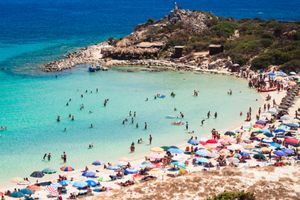
Umbrellas have been banned on a beach in Sardinia for anyo...
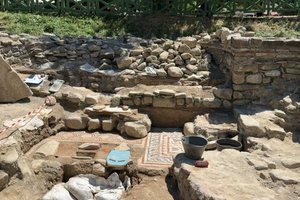
Several archaeological excavations conducted during this s...

At the Museum of Fine Arts in Chambéry, France, an exhibit...

Korça has transformed this weekend into the capital of cel...

Korça is ready to open the summer season with one of the c...
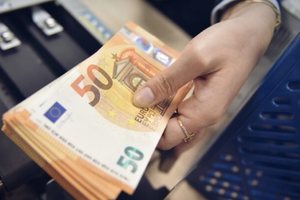
This Saturday, one US dollar is bought for 81.5 lek and so...
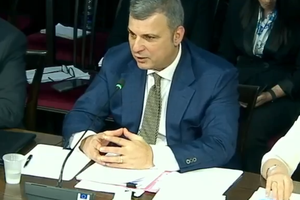
The Governor of the Bank of Albania, Gent Sejko, shared to...

Business lending has increased in the first half of this y...

The labor market has shown worrying trends in early 2026. ...