

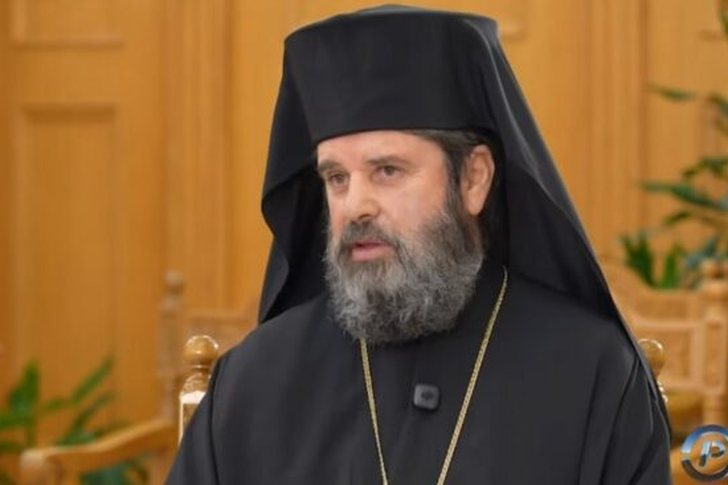
Archbishop Joan clarifies the involvement of the Orthodox Church in the Kosina incident
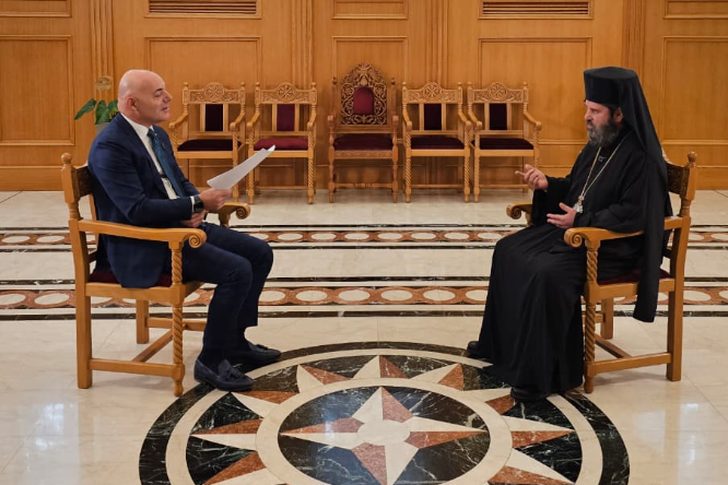
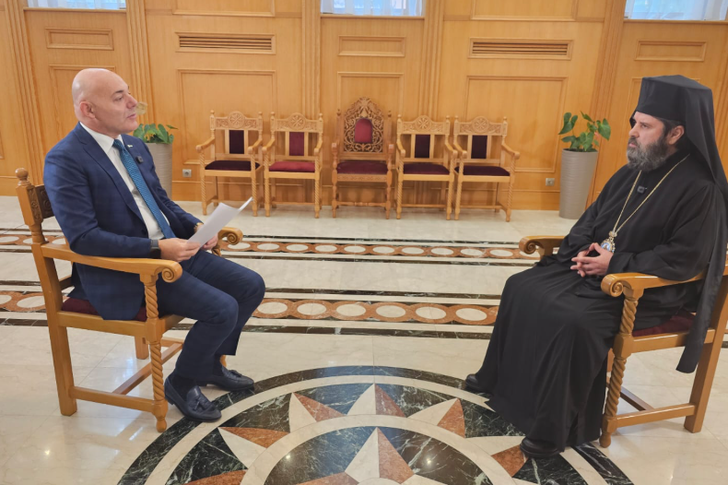
Archbishop Joan, in an interview with journalist Blendi Fe...


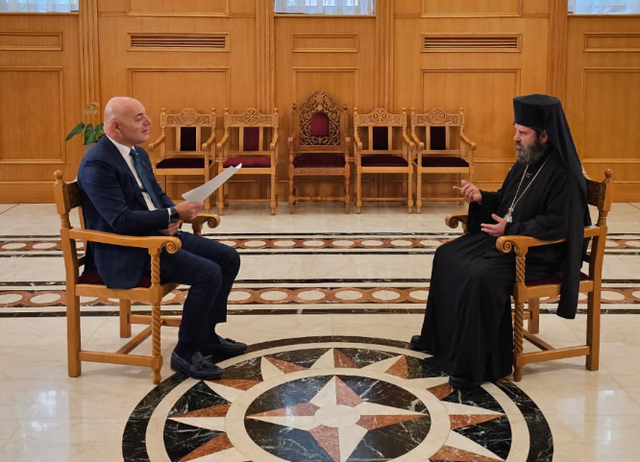
The Archbishop of Tirana, Durrës and all of Albania, His Beatitude, Joani, in his interview for the show "Opinion", also spoke about his challenges as Archbishop.
The main challenge, said His Excellency, is the spread of values ??to build a society with several key values.
The Archbishop said that the duty before the nation and God is to strive to form citizens who have values, and a citizen with values ??is a citizen who lives according to God's commandments.
Further, His Beatitude focused on the fact that man is a communal being and said that a Christian alone is not a Christian.
Fevziu : What is the main challenge that you as Archbishop face in your daily work?
Archbishop : I believe that the main challenge is the spread of values, to build a society that has certain key values.
Fevziu: Which is, that is, many today are in a complete crisis of values.
Archbishop: And our duty is precisely this, both before the nation and before God, to try to form some citizens who have values. The rest will be done by them themselves.
Fevziu : Who is called a citizen with values?
Archbishop: Value means that in the sense, as I see it, to live according to the commandments of God. It says, do not steal, do not kill, do this, do this, all of these are values ??that remain. That have been centuries-old values ??in a society.
Fevziu: Which are simultaneously turned into moral codes.
Archbishop: From a moral code, we can also call them forms of being honest.
Fevziu: And they are somewhat universal among other faiths as well.
Archbishop : And the main thing, the most important thing of all, is that as we try to explain, that man is a communal being. It seems simple. The Church sees man as a person. And the person has a very big difference from the word individual. And from the etymology of the word, the person was initially associated with the mask. When in antiquity, in the Greek theater, the role of Andromache could be performed by a man, he would put on her mask. And then this took on the meaning of the person in relation to others. Which means that we are communal beings. One cannot be good when the other is bad. Yes. The Church sees all the people in the church as a single body, and it is the analogy that Saint Paul makes. If the hand hurts, the whole body hurts. This has now been lost, because it has become a kind of individualism only for oneself. And if there is selfishness, there will be no unity, nor can there be a family. Two selfish people can't stay together, they'll break up, because they don't make sacrifices. As a community being, you feel a responsibility for the people around you.
Fevziu: Does material well-being influence this?
Archbishop : Sometimes it affects the sense that he thinks that it gives the wrong impression that he can be, can do it alone. It is an illusion. We cannot do it alone. Tertullian, a great Christian apologist from the second century, wrote these words “Unus Christianus, nullus Christianus”, “A Christian alone is not a Christian”. Which means we are communal beings. If we want to build a state, we want to build a society, we must also feel the responsibility we have for the people around us. We cannot be indifferent. If someone is suffering, we try to alleviate that suffering a little.
Fevziu: It's just that the constant perception of religious beliefs has been the idea of ??a contradiction between faith and well-being. A correlation between faith and suffering, we're saying, or sacrifice. Does it still hold? In a modern, materialistic world.
Archbishop: In the teaching, in the teaching of the gospel at least. Yes. Wealth in itself is not condemned. Wealth is neutral. It depends on how you use it. Abraham was very rich, he was saved. Job was very rich, he was saved. The relationship that we establish with wealth is condemned. They saw themselves as guardians of this thing. Because as the psalmist says.
Fevziu : So the dependence on the material.
Archbishop: Material. Life, which is, as a very famous poet, Khalil Gibran, says, money is a good servant, but a very bad master. If it owns you, it destroys you. Like a servant.
Fevziu: Definitely, definitely.
Kryepiskopi: Dhe raporti që vendosim ne me pasurinë, në qoftë se ne e quajmë pasurinë e imja, vetëm e imja, për vete, ajo do na shkatërrojë ne, e do shkatërrojë dhe njerëzit që janë rrotull nesh. Ata e kanë parë veten si kujdestarë të kësaj gjëje, që ka dhënë Zoti këtë pasuri dhe ai nuk e përdorte vetëm për vete, po dhe për të tjerët që janë rrotull, dhe për komunitetin. Prandaj dhe ishin ata bamirësit në atë kohë. Që jepnin aq shumë për të ndërtuar.
Fevziu: Prandaj ju mendoni që bamirësia e çliron pak njeriun që e zotëron materialin.
Kryepiskopi: Po patjetër, e shpëton.
Fevziu: A ka akte bamirësie në Shqipëri?
Kryepiskopi: Kohët e fundit kam vënë re që ka filluar diçka.
Fevziu: Sepse ka qenë inekzistente.
Kryepiskopi: Po ishin dhe një periudhë turbullimi, s'ishin dhe të qartë. Kështu, tani që ndoshta njerëzit vunë dhe diçka, kanë filluar të mendojnë dhe për të tjerët. Ja unë shikoja mensën që kishim ne për të ushqyer njerëzit në nevojë. Kur e filluam në fillim, pjesa më e madhe e ndihmave vinte nga jashtë, që i kërkonim. Ka gati 15 vjet e më shumë që e gjitha është me kontributin lokal.
Fevziu: Kontributet e këtushme?
Kryepiskopi: Lokal. Njerëzit kanë filluar të japin tani. Gëzoheshin shpesh.
Fevziu: Sa vetave ju shërben mensa juaj?
Kryepiskopi: Ne shërbejmë, shërbenim në Korçë 150 racione çdo ditë.
Fevziu: Drekë dhe darkë?
Kryepiskopi: Hanin drekën dhe merrnin dhe me vete darkën.
Fevziu: Hanin drekën dhe merrnin me vete. 150 veta çdo ditë?
Kryepiskopi: Po. Dhe një pjesë e madhe e tyre ndoshta ishte i vetmi ushqim. E vetmja mundësi për të. Aty ushqeheshin të varfërit e të varfërve. Padyshim që po të ishte një shoqëri akoma më, qoftë dhe bashkitë e të përfshihen për të ndihmuar pak më tepër, janë mundësitë tani për të bërë diçka.
Fevziu: Kam frikë se lidhet edhe me një lloj ndërgjegjësimi përtej vetëm Shqipërisë. Më qëllon shpesh se unë udhëtoj, që të jem nëpër hotelet e Afrikës, ku ti del për të ngrënë mëngjesin dhe është një mëngjes i shtruar me shumë gjëra, gjysma e të cilave hidhen në mbeturina sepse s'mund të shërbehen më për arsye se janë prerë frutat e të tjera. Dhe sapo t'i kalon derën, ti gjen fëmijë që janë të dëshiruar për një pikë ujë apo që të shohin një karamele që ti mund ta marrësh për për t'jua dhënë. Pra kjo është një moszgjidhje në të gjithë botën.
Kryepisko: E vetmja zgjidhje do jetë kjo gjë për shembull, në qoftë se ne do ndjejmë ndjenjën komunitare. Padyshim që do kemi një përgjegjësi për ata që janë rrotull. Do mund të jenë.
Fevziu: Pra vetëm ndjenja komunitare.
Archbishop: It does that, because it gives us the full dimension. Man is created as a communal being. And the first community is the family. The first community that is the cell of this thing. Today the tragedy is that the family is being destroyed.
Fevziu: It's in crisis.
Archbishop: It's in crisis.
Fevziu: It is the modern world that imposes this.
Archbishop: But that doesn't mean that being modern means it's good. Not everything is good. There are good things, but not everything is good. Some values ??remain eternal.
Fevziu: That they are universal.
Kryepiscoi: They are eternal./CNA

Archbishop Joan, in an interview with journalist Blendi Fe...
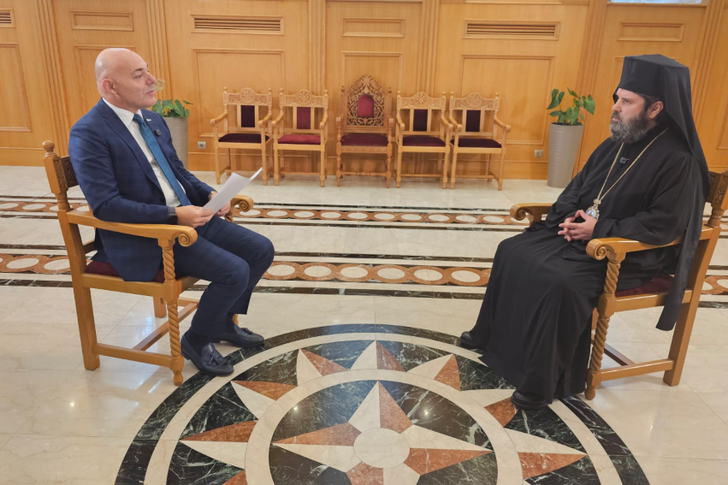
The Archbishop of Tirana, Durrës and all of Albania, His B...
The Archbishop of Tirana, Durrës and all of Albania, His B...

This Thursday we are introducing you to some of the main h...
Archbishop Joan stated on the show Opinion that 20% of the...
Archbishop Joan, on the show Opinion with Blendi Fevziu, s...
In a rare interview with journalist Blendi Fevziu on the O...
Archbishop Joan, in a different account of his life, told ...
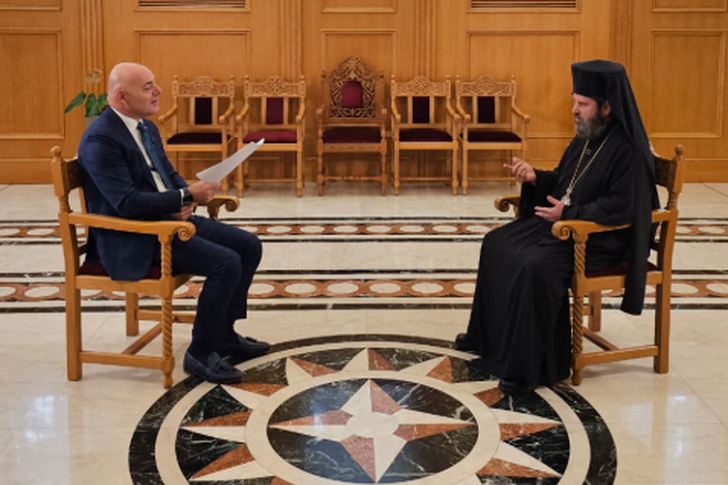
On the show Opinion with Blendi Fevziu, Archbishop Joan sp...
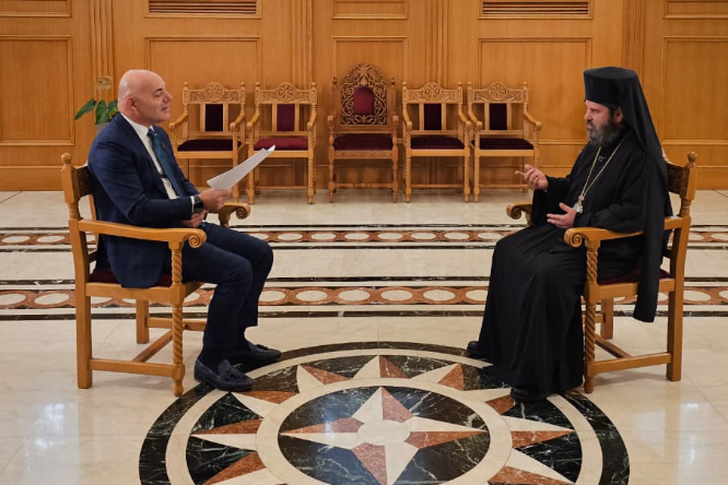
Journalist Blendi Fevziu conducted a very special intervie...
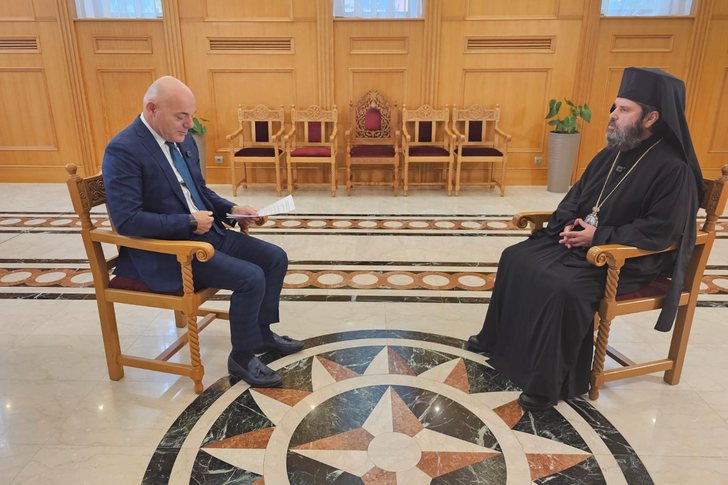
The Archbishop of Tirana, Durrës and all of Albania, His B...
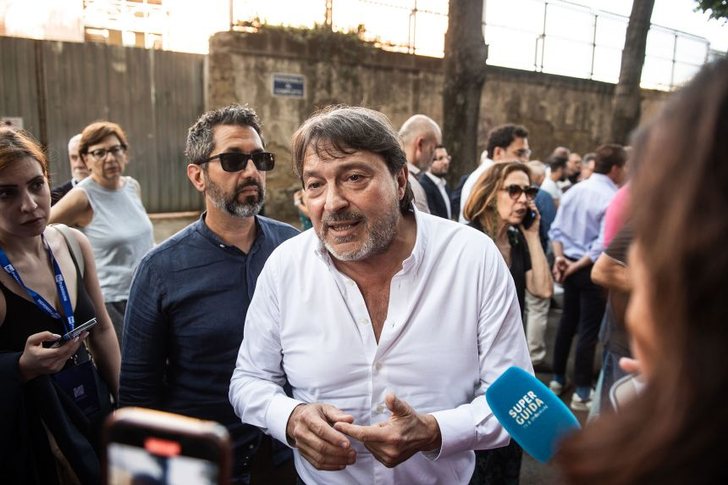
Italian journalist Sigfrido Ranucci spoke this evening abo...
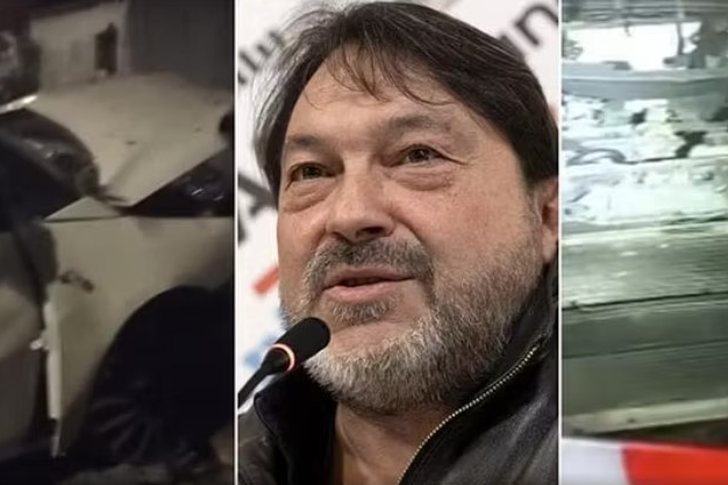
Italian journalist Sigfrido Ranucci spoke this evening abo...
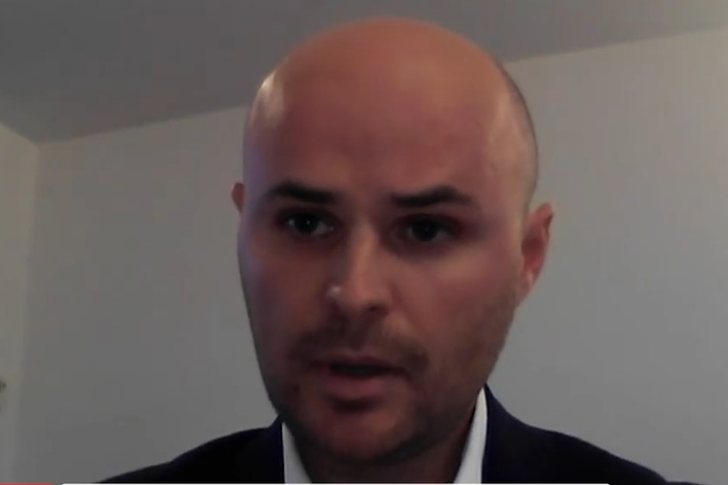
Altin Gjeta, an analyst and lecturer at the University...
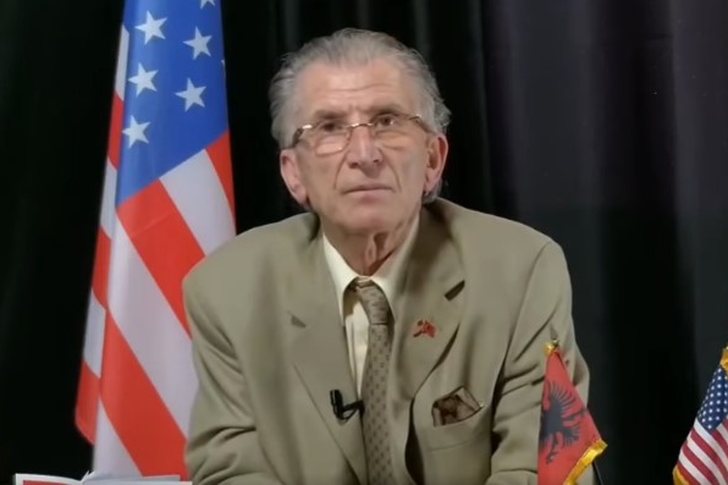
Famous professor and politician Pëllumb Pelinci has reveal...
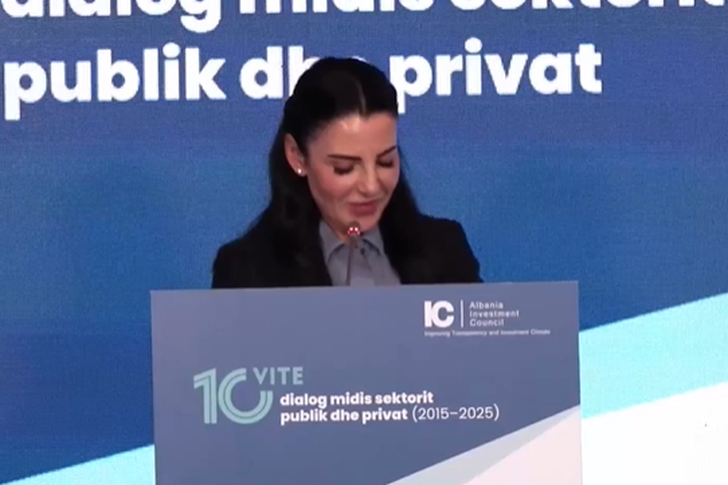
On the 10th anniversary of the Investment Council, Deputy ...
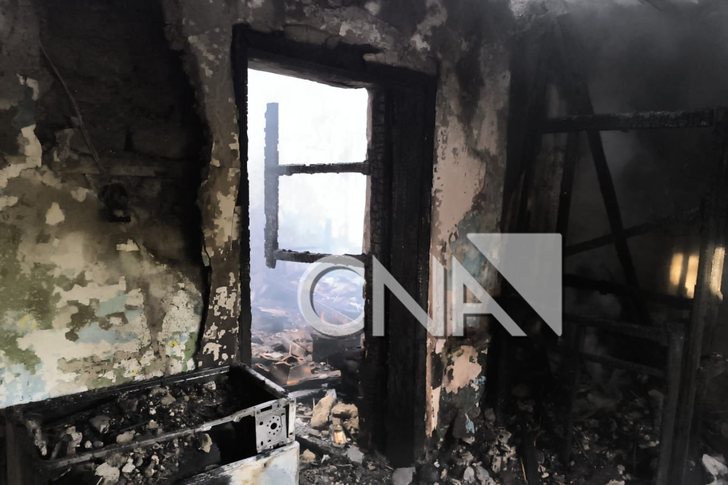
A house in the village of Sovjan in the Maliq Municipality...
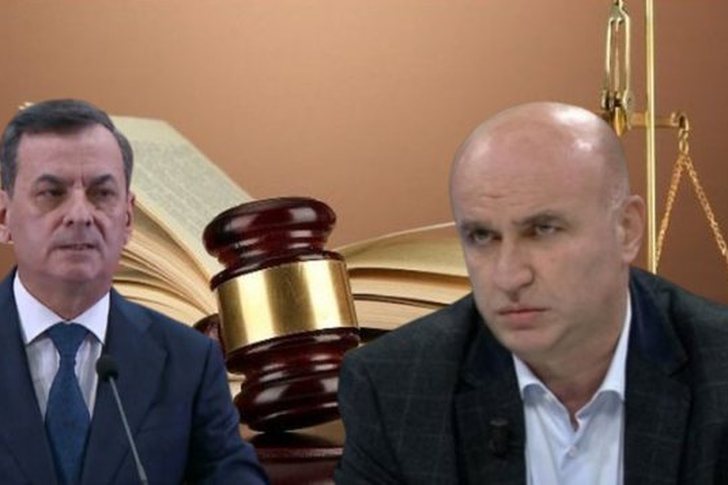
Ilir Beqaj has harshly attacked the President of the Supre...
Seven properties of the "Arre" type in Lezha have been con...
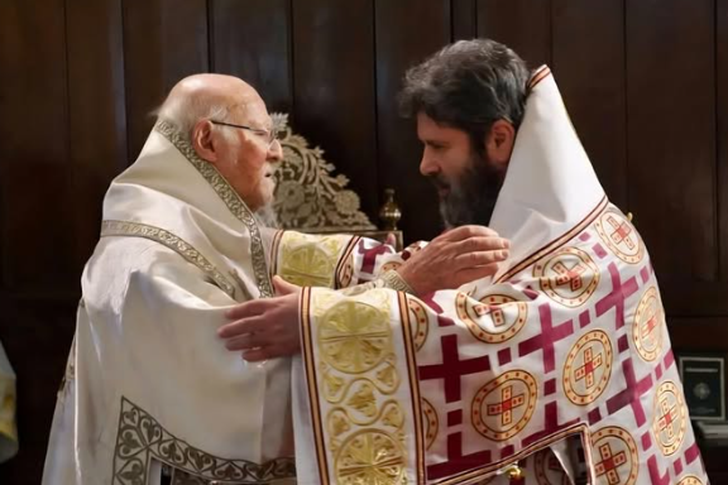
Today marks 34 years since the election of His Holiness, H...
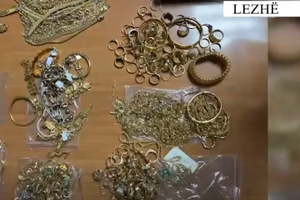
A 39-year-old citizen has been arrested in Lezha, after se...

CNA has launched another investigation that could lead to ...

Irfan Hysenbelliu is a businessman that we call "Irfan the...

In March 2026, CNA launched another investigation centered...

The Special Board of Appeal (KPA) decided this Monday ...

The KPA vetting decided this Thursday to dismiss the p...

Suela Salavaçi, a prosecutor in the Prosecutor's Offic...

The Special Board of Appeal reinstated the prosecutor ...
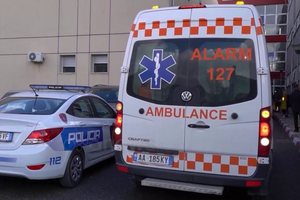
Several gunshots were reported today in the village of Gjo...
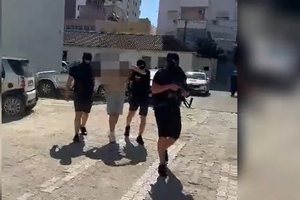
Following the successive operations carried out by the ope...
The Police Supervision Agency has seized the service weapo...
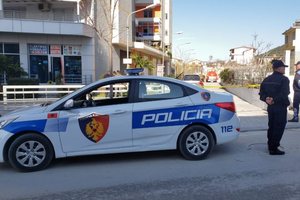
A serious incident occurred in Lushnje, where citizen IY, ...

As the year 2026 is in its second half, the world is exper...

Today, our country will be under the influence of stable a...

By noon, cloudiness is expected to prevail in almost all o...
Children without parental care, for whom alternative famil...
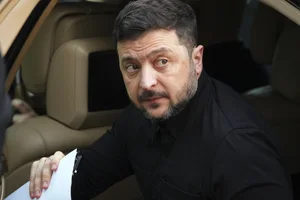
Ukrainian President Volodymyr Zelensky said Russia wants t...
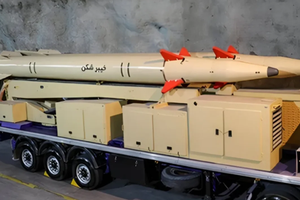
Iran is adapting and enhancing the capabilities of its bal...
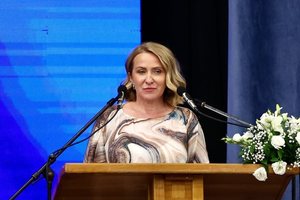
Serbia's Minister of State Administration and Local Self-G...
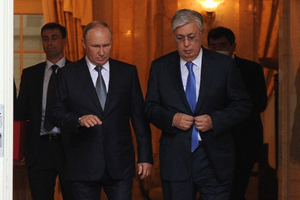
Kazakh President Kassym-Jomart Tokayev shared some critici...
Two windows, a century of history and the metaphysics of p...
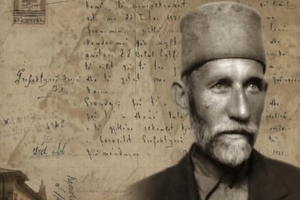
In my research at the Central State Archives, specifically...

At a time when industrial products are increasingly taking...

Trust among people is not just a three-syllable word. It c...

This Saturday, one US dollar is bought for 81.7 lek and so...

War, weather and supply disruptions could send gas prices ...
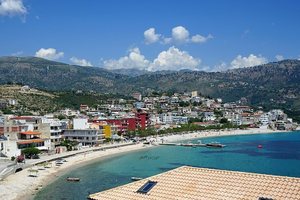
The number of active enterprises in Albania continued to g...
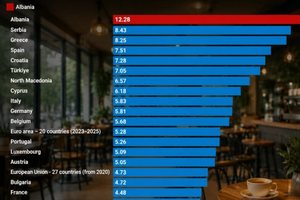
In Albania, the bar-cafe has long become an almost unique ...