


Armë, kokainë dhe cannabis në zonat bregdetare/ Arrestohen dy persona
Policia e Vlorës ka finalizuar operacionin e koduar “Sigur...

Policia e Vlorës ka finalizuar operacionin e koduar “Sigur...

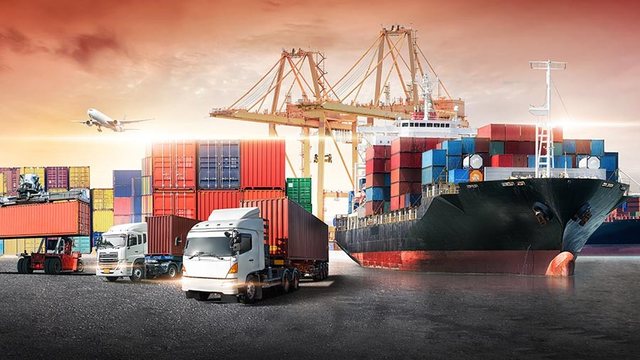
For some of the local producers, one of the alternative solutions "to escape" from the decrease of consumers, as a result of demographic changes, remains the diversification of markets.
Luan Leka, founder and CEO of EHW GMBH, active in meat processing, supermarket chain "Conad", water production, etc., affirms that investments in the industry must be designed to enable export, otherwise a small market, which moreover, it continues to decrease, making investment efficiency difficult.
"For this purpose, we must aim for advanced 'know how' because it is not easy to attack the markets.
The state should hurry with the unification of legislation with the EU countries to increase both the safety of goods produced in the country and the safety of foreign investments.
The term that has been used for 18 years, "alignment" of legislation, should be forgotten and changed to "compliance of legislation", he says.
Even Saimir Begaj affirms that with the new investments that the milk processing company "Erzeni" has in the process, the growth for new markets towards export is aimed.
"We are not afraid of imports, despite subsidies and reduced production costs, due to the large areas that are around the world, as we are sure that we make better and safer products. But our investments are also really the best in the region and beyond," he said.
Eleni Babameto, manager of the "Teuta" company, one of the largest importers, packagers and distributors of food basket goods, says that despite the official data on a decrease in the number of the population over the years, the positive progress of sales, especially during the 5 in recent years has not pushed him towards a new business plan.
For 4 years, the company has been exporting food products to Kosovo and the USA. Ms. Babameto adds that this has helped diversify the market, even though the main sales are based on the local market, where the variety of products offered is expected to increase.
But with the numerous barriers in the legislation for the certification and increasing the reliability of "Made in Albania" products and the high production costs from taxes and the lack of human capital, other entrepreneurs find it difficult, almost impossible, to compete in regional level.
The brand "Made in Albania" is not an advantage, while the costs of transport abroad are too high", says the administrator of "Agna Group", Mr. Christo Naçi.
Another barrier for the region to compete is the cost of production from high taxes and lack of subsidies. One of the sectors that are suffering the competition of the region from the higher tax burden are the processors of meat and its by-products.
Since 2007, all the countries of the CEFTA agreement, such as Serbia, North Macedonia, Bosnia-Herzegovina, Montenegro, Kosovo, import meat from Europe with zero customs tax, while Albania is the only one that exports it with a 10% customs tax. .
Meanwhile, these countries export to Albania with zero tax.
"All Cefta countries buy the main raw material, meat, with zero customs tax from EU countries, while 10% customs tax is added to us. This leads to extra costs, which also penalize our export to these countries", Luan Leka said earlier.
Even for another processor, the 10% customs tax on meat imports has made it impossible to expand the market in the region.
"For us meat processors, the customs tax on raw materials continues to be 10%, while for a processor in North Macedonia, where it may be easier for us to export, also due to the proximity, the customs tax on raw materials is zero.
Also, this processor sells with 5% VAT, while we sell with 20% VAT. Albanian products are automatically produced at a higher cost, they lose competitiveness.
While in Serbia, it is impossible to compete with local products. So we are damaged by the 10% customs tax and VAT to compete in the region.
While in the European markets, because of the legislation, we are not able to export", emphasized, among other things, Mr. Our meat processing factory in Korça.
But in addition to the competitive disadvantage with its neighbors, this industry has closed its doors to export to the EU, despite the fact that in the span of 30 years, meat processing companies have invested in modern technology.
Most of them are certified by European certifiers for the execution of procedures that guarantee food safety standards of products in accordance with EU regulations.
Luan Leka, the head of one of the largest meat processing companies EHË, explained earlier to "Monitor" that the main obstacle that has led to the closing of the EU gates for the export of this category of products is the non-unification of safety legislation food with that of the EU.
He listed a series of negative effects created in 18 years by the lack of unification of legislation, from the damage of investments of meat processing companies to increase capacities, the loss of competitiveness in the region and the inhibition of livestock growth.
Entrepreneurs raise the concern that in this situation it is necessary for the state to intervene in the reduction of VAT for basket products, to remove the 10% customs tax for the import of meat from Europe and to start the procedures for the certification of animal products, in order finding new markets for export, as the decline in consumption will risk the closure of processing factories.
But population reduction and aging will continue to have negative effects on human capital.
The President of the Albanian Export Center, Alban Zusi, estimates that the lack of labor force is one of the biggest problems that will affect the increase in the costs of the processing agro-industry and will increase the possibilities to compete in foreign markets.
"Due to the lack of labor force, the ability to produce will also decrease, but the costs will also be higher.
You cannot produce at the same cost when out of 100 employees, their number is reduced to 40%. Consequently, manufacturers will lose competitiveness.
Many of them will be in difficulty to survive, to keep the factories open and will seek as a solution the giving of businesses for administration to foreign citizens, against a percentage of the profit", says Mr. Zusi./ Monitor.al

The double employment of doctors in Albania is an issue th...

For entrepreneurs, the results of the 2023 Census are nega...

This Saturday we are introducing you to some of the main p...
Journalist Blendi Fevziu has reacted to the case of br...
Economy expert, Brisida Shehaj said that Erion Veliaj ...

The head of the DP Sali Berisha has called on the inte...
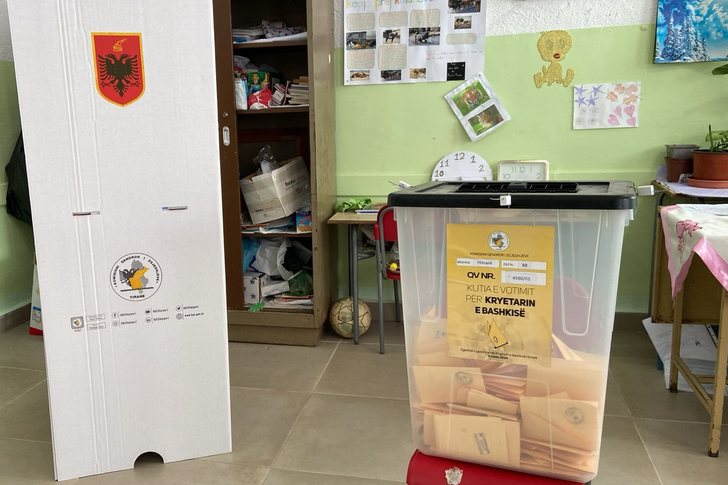
The opposition has complained about the result of the ...
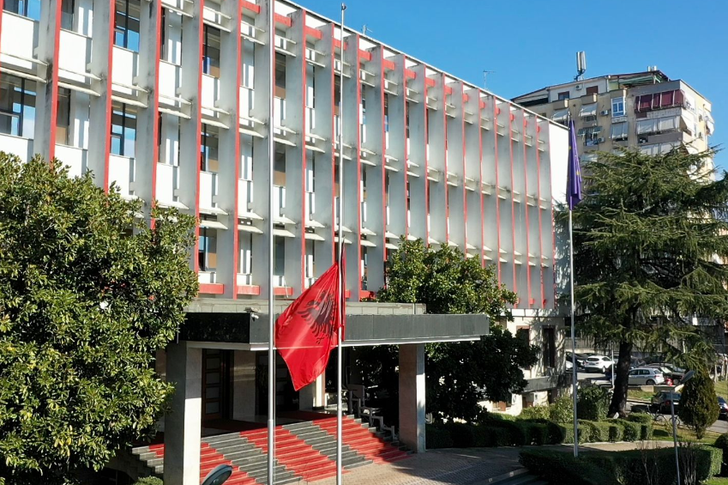
The mandate of an ambassador at the diplomatic headqua...
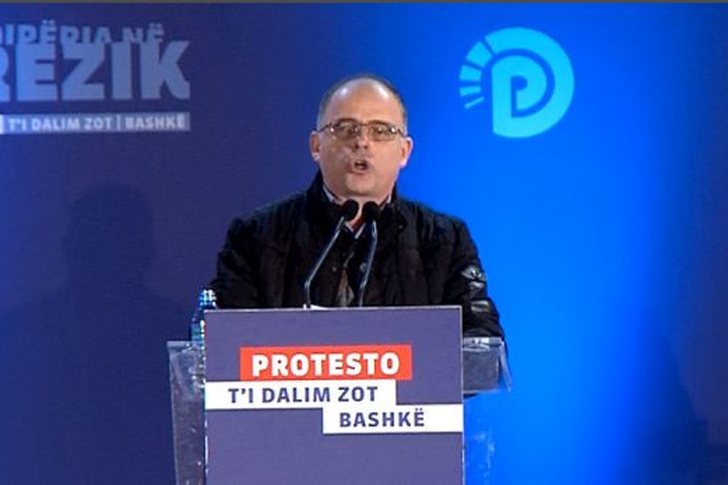
Doctor Milaim Nela writes through a status on social n...
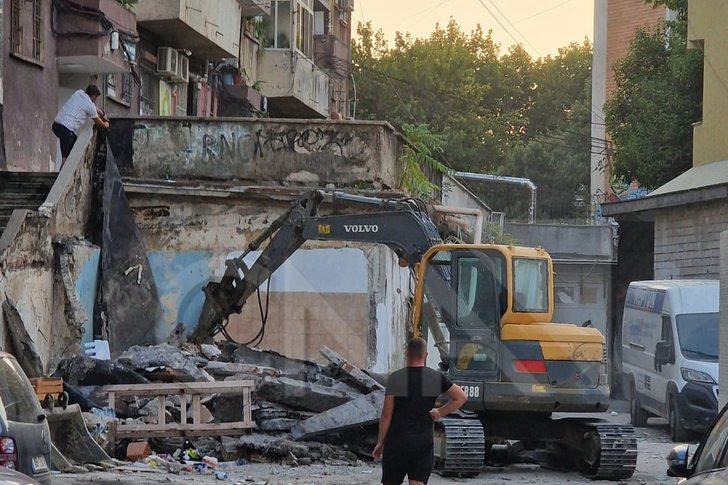
Noise and dust are disturbing the residents of the area be...
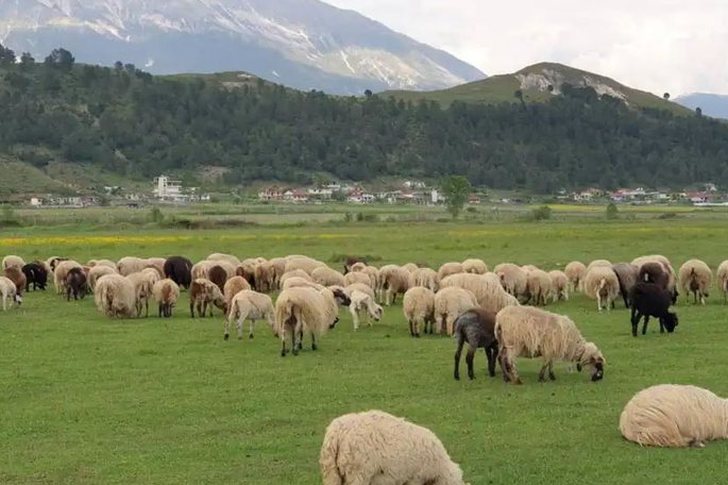
The veterinary service authorities in the border areas of ...

A serious incident happened a day ago where the blogge...
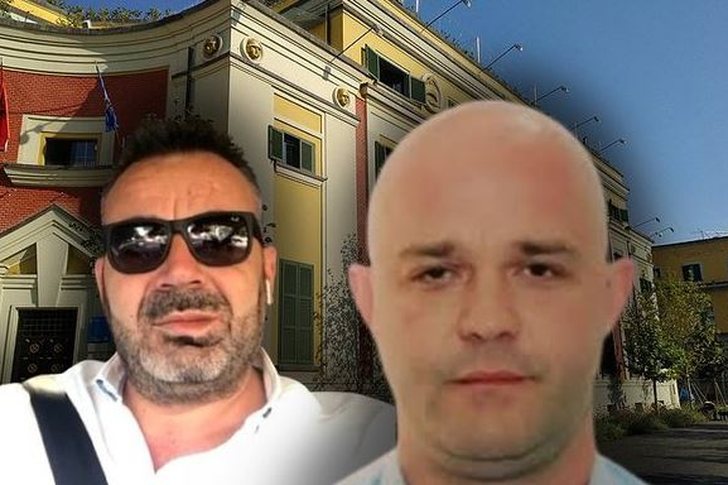
The Special Prosecutor's Office has discovered a schem...
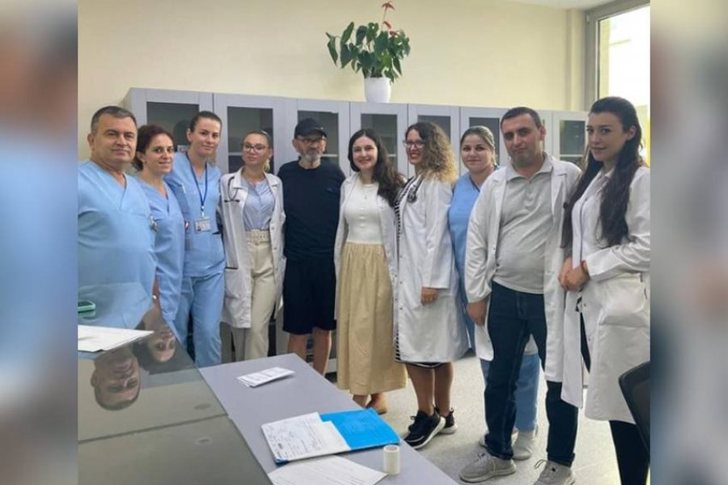
The well-known actor Mehdi Malkaj has been released from t...
A forest area in Qafeshtama has been engulfed in flame...
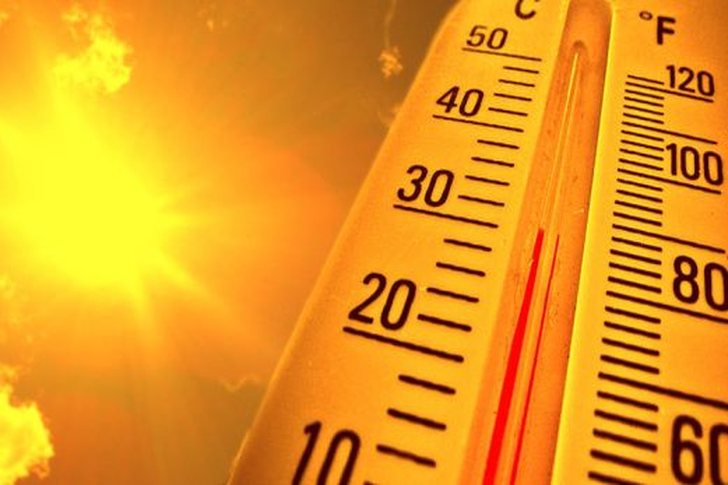
For the weekend, our country is expected to be affecte...
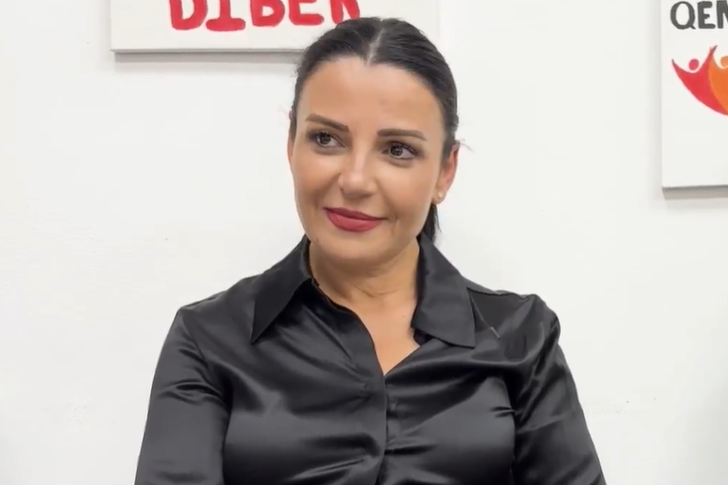
16 young people from Dibra successfully completed an 8...
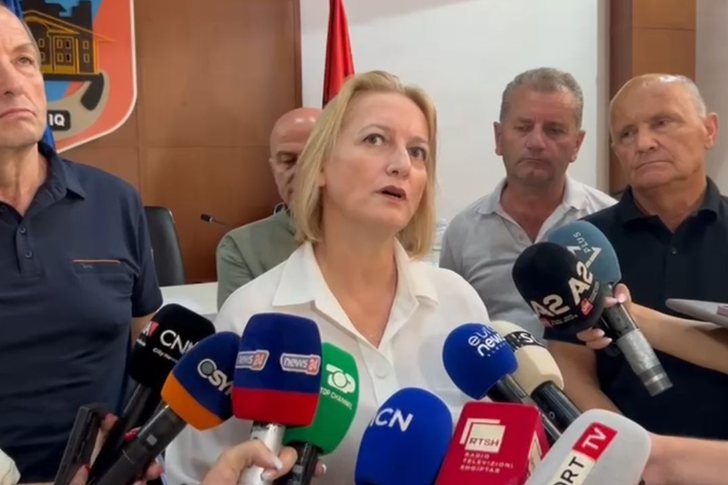
Minister Anila Denaj held a meeting with farmers in Ma...
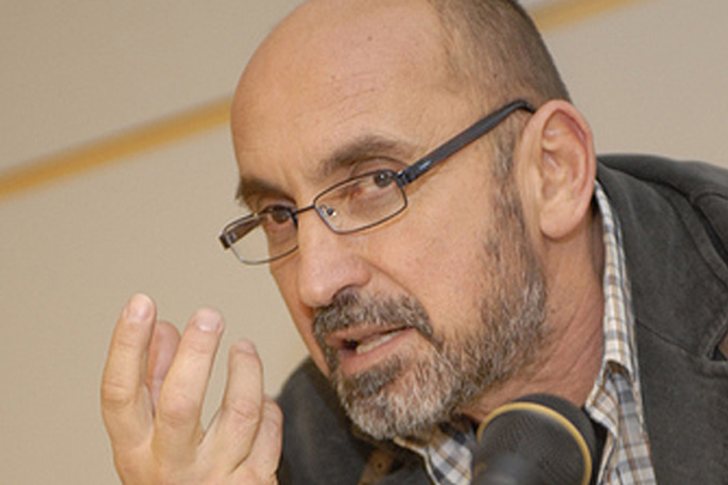
Analyst Fatos Lubonja has commented on the elections i...
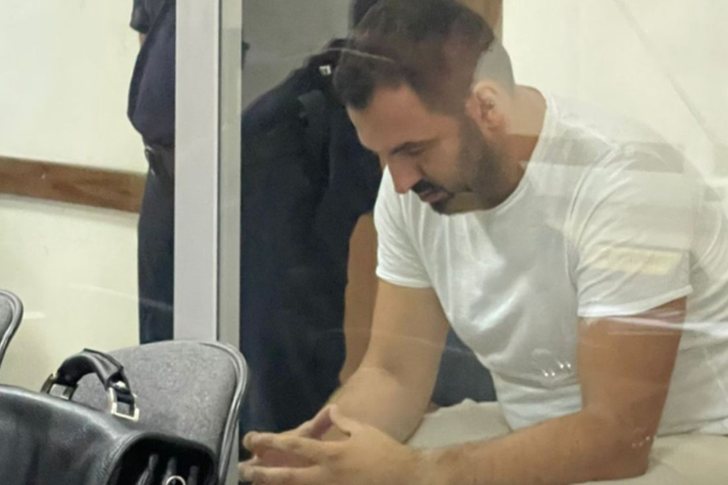
The police have revealed the criminal activity of a 34...
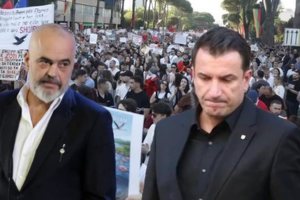
There have been 12 days of protests in the capital, which ...
Dritan Prençi is the SPAK prosecutor who is sleeping on th...
The in-depth investigations that SPAK conducted into Ajola...
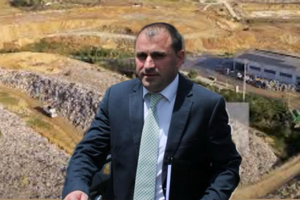
SPAK's standards, the way it investigates, how it secures ...

The Special Board of Appeal (KPA) decided this Monday ...

The KPA vetting decided this Thursday to dismiss the p...

Suela Salavaçi, a prosecutor in the Prosecutor's Offic...

The Special Board of Appeal reinstated the prosecutor ...
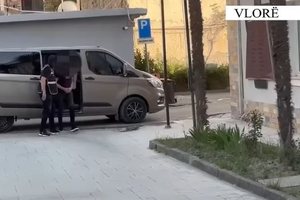
Policia e Vlorës ka finalizuar operacionin e koduar “Sigur...

New details have emerged regarding the serious accident th...

An Albanian businessman was arrested this afternoon in Gre...

A serious accident has occurred on the Korça-Ersekë axis, ...

Today our country will be affected by stable weather condi...
A tragic accident occurred this Friday afternoon in Kameni...

Today our country will be affected by unstable weather con...

On Thursday, our country will be affected by relatively un...
Good news for those who fly: After years of negotiations, ...
It took more than two years, but now the EU can begin acce...
US President Donald Trump announced that the US military h...
Iran has taken new measures to strengthen the protection o...
Several archaeological excavations conducted during this s...

At the Museum of Fine Arts in Chambéry, France, an exhibit...

Korça has transformed this weekend into the capital of cel...

Korça is ready to open the summer season with one of the c...
This Saturday, one US dollar is bought for 81.5 lek and so...
The Governor of the Bank of Albania, Gent Sejko, shared to...

Business lending has increased in the first half of this y...

The labor market has shown worrying trends in early 2026. ...