


Rama: Don't let the crows and ravens get tired of rejecting "BESA", it has nothing to do with them
Prime Minister Edi Rama reacted again today regarding the ...

Prime Minister Edi Rama reacted again today regarding the ...

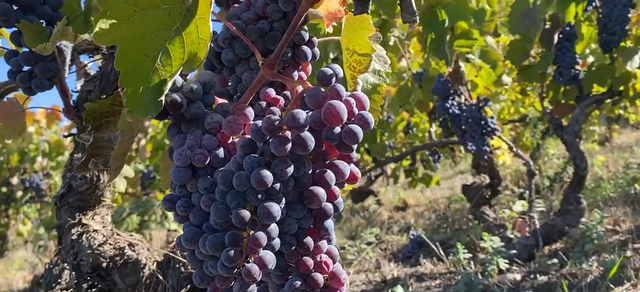
In the village of Leshnica in Pogradec, where every family makes a living from working the land, this harvest season has turned into a period of disappointment. Grapes, which have been the main source of income for the residents for decades, have been in short supply this year. Although the vineyards are filled with abundant and quality produce, the lack of a market and the low price have meant that the hard work of a whole year has not been rewarded. The wholesale price is only 50 lek per kilogram, but even for this amount, traders do not come near the village.
On the streets of Leshnica, in front of houses and gardens, crates of grapes are seen waiting to be sold, while farmers try to find ways to save their production. Many of them have turned the grapes into wine or brandy for family use, but even these products no longer have a market. The situation has been repeated every year, but this season, residents say, is the most difficult of all.
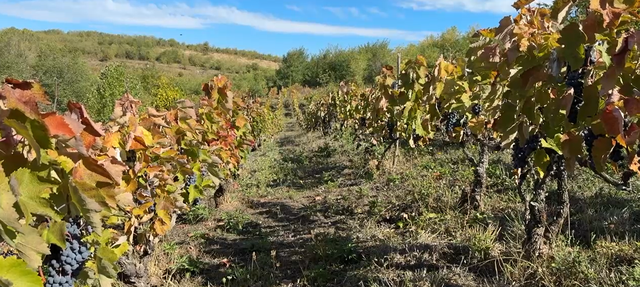
The village headman says that Leshnica is one of the areas with a long tradition in the cultivation of grapes and other fruits. According to him, this year has been one of the most difficult for the residents, not because of production, but because of the lack of a market. In the Pogradec market, he sees grapes imported from abroad, which are often sold as local products. This, according to the residents, is the main reason that local farmers no longer find a market for their product. Another concern is the departure of the population. The headman emphasizes that agriculture is a sector that requires special attention from the state, since without agriculture there is no industry, and requires urgent intervention to support farmers who work with sweat and sacrifice.
"As you can see, the village of Leshnica is among the villages with the most viticulture and fruit growing, but for now we are talking about viticulture. Half of the village, even more than that, about 70% of the residents, deal with grapes. This year has been more problematic for the residents, because there has been no market for sales. The vast majority take the grapes and turn them into wine or brandy for personal use. However, if you ask the farmers, they still have unsold wine and brandy from previous years.
Pra, problemi kryesor është tregu. Po të shohësh në tregun e Pogradecit, gjen rrush që vjen nga Maqedonia apo Greqia, pra nga jashtë kufirit. Një tjetër faktor është edhe largimi i njerëzve. Prodhimi është i lidhur me popullsinë, po nuk pati njerëz, nuk ka kush ta konsumojë. Kështu, mundësia e shitjes e blerjes bëhet e pamundur. Fermerët këtu dëmtohen shumë, sepse e kanë mundësinë, djersën dhe sakrificën e tyre. Punojnë gjithë vitin dhe në fund përballen me humbje.Ne i bëjmë apel qeverisë të sensibilizohet, t’u kushtojë më shumë vëmendje fermerëve. Të shohë më shumë bujqësinë sesa industrinë, sepse pa bujqësi nuk ka industri. Qeveria duhet të ndërhyjë, pasi në bujqësi mbështetja është e domosdoshme”
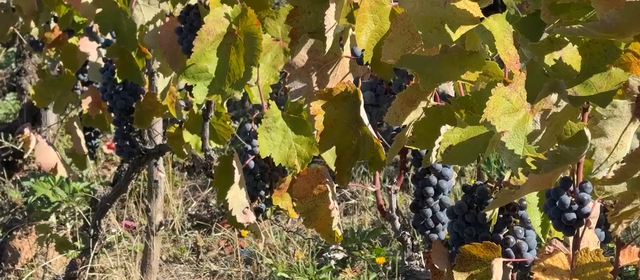
Një prej banorëve të fshatit, i cili prej vitesh merret me vreshtari, tregon se situata është e rëndë dhe e përsëritur. Ai thotë se punojnë gjatë gjithë vitit me shpenzime të larta për plehra, ujitje dhe trajtime kimike, por në fund përballen me mungesë tregu dhe humbje ekonomike. Edhe pse rrushi ofrohet me çmim shumë të ulët, as tregtarët nuk afrohen, as kërkesa nuk ekziston. Ai kërkon që institucionet të vendosin rregulla të qarta për tregun, duke garantuar që prodhimi vendas të shitet përpara se të lejohet importi i mallrave të huaja.
"Unë jam Zafer Rami. Nuk ka çmim, është shumë i ulët dhe nuk ka treg, na ka mbetur prodhimi stok. Nuk kemi ku të shkojmë. Punojmë gjithë vitin, me ilaçe, plehra, shpenzime, e kur vjen puna për shitje, mbetemi këtu, pa asnjë fitim.Tani, edhe po ta japim rrushin me 50 lekë të reja, s’e merr njeri, s’të pyet askush nëse ke apo s’ke. Po të shkosh në tregun e Pogradecit, gjen rrush të huaj. Thonë gjoja që është nga Berati, por ai vjen rrezik nga Greqia. Rrushi i huaj del me pesticide, ndërsa ne e kemi bio, por nuk vlerësohet. Edhe vitet e tjera s’ka pasur treg, janë mbi 10 vite që kjo situatë përsëritet.Tregtari nuk pyet a ke apo s’ke, s’na dëgjon. Ne bëjmë ulje, negociojmë, por nën 50 lekë s’na del hesap. Kemi stok mbi 2 kuintal raki. Ky rrush është i mirë si për konsum ashtu edhe për verë, por më parë e merrte ish ndërmarrja e pushimeve të Pogradecit. Kërkojmë që institucionet të përkushtohen ndaj bujkut, të interesohen, të mos lejojnë hyrjen e prodhimeve të huaja pa u shitur më parë prodhimi vendas. Të shitet rrushi ynë, të kenaqemi duke punuar dhe pastaj të mendohet për importet. Ne vetëm me këtë punë merremi",-tregon banori.
The women of the village also share the same concern. A farmer says that every year they find it more difficult to sell their produce, while their expenses only increase. As a family, they have several acres of vineyards, but for three years they have not sold a single kilogram of grapes. They have turned everything into wine and brandy, but even they are sitting in bins without buyers. She says that the village is on the verge of depopulation and that no one cares about the livelihood of the farmers, who are the foundation of the local economy. The grapes they produce are clean, pesticide-free, but the market requires cheap and imported goods. According to her, the state must ensure the sale of local products and then allow the entry of foreign products, because otherwise the farmers have nowhere to support themselves.
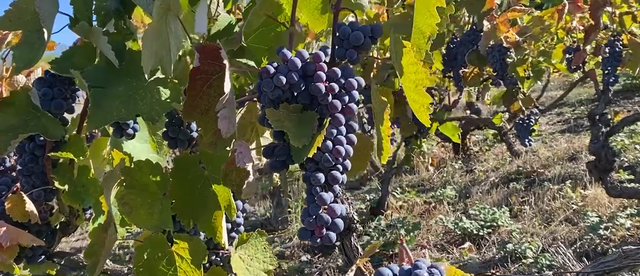
"The problems of our village are very pronounced. We have many complaints from the state, because it does not care at all about the villagers, who are the main source of livelihood, not only for the village, but also for the city, because the city lives off the village's production. We work all year round and have no security. Nothing is sold to us. As a family, we have 2 and a half acres of vineyards, but this year we have not sold a single kilogram of grapes. The first few years we sold something, but the last three years, nothing. We have turned it into wine and brandy, but even those are not sold. Grapes come to the market from abroad, from Macedonia, Greece or other regions, while our production remains in stock.
The state should ensure that the peasants' produce is sold and then allow imports. What will we live on? The children have left, no one can help us. My friend and I were also talking: we say we should leave it this year, but we regret it. For our age, we have to work a little, because we can't even go to the doctor. Wherever you go, expenses are required. First of all, I appeal to the state and the prime minister to turn their attention to the village, to see our problems.
"We need to have insurance, because we buy fertilizers and medicines that we haven't paid for yet. The expenses are high and the income is lacking. The grapes spoil, you can't store them, plus there is no market for either wine or brandy. The price is 50 lek, and no one buys them. These grapes are organic, eating these grapes is not comparable to those that come from abroad," said the farmer.
In Leshnica, grapes that once provided a livelihood for dozens of families have now become a symbol of unrewarded toil. Farmers hope that state institutions will turn their attention away from the village and agriculture, so as not to allow local production to remain worthless. They demand clear support policies, an organized market, and protection of Albanian products from unfair import competition. Otherwise, the vineyards will remain empty, and with them a tradition that has kept life in the village alive for decades will also disappear./CNA


The lack of employees has become a fundamental problem for...

On Tuesday, our country will be affected by stable atmosph...

The protest of the miners of the copper mine in Spaç, whic...
On Monday, our country will be affected by stable weather ...
Today our country will be affected by stable weather condi...

Today our country will be affected by stable weather condi...
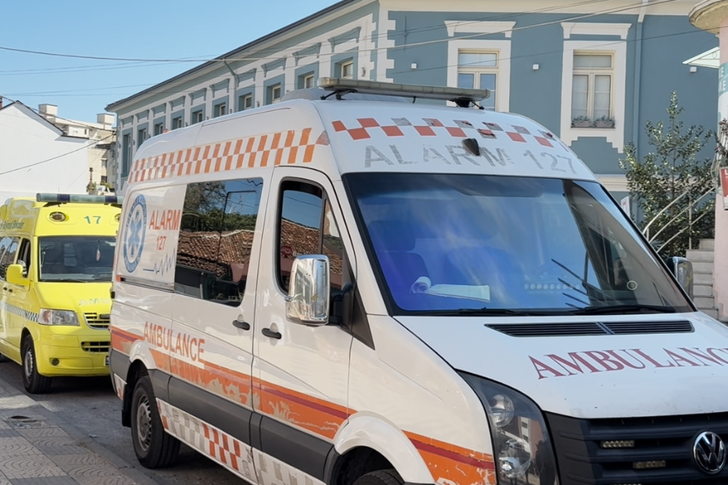
Mental health problems are becoming more and more evident ...
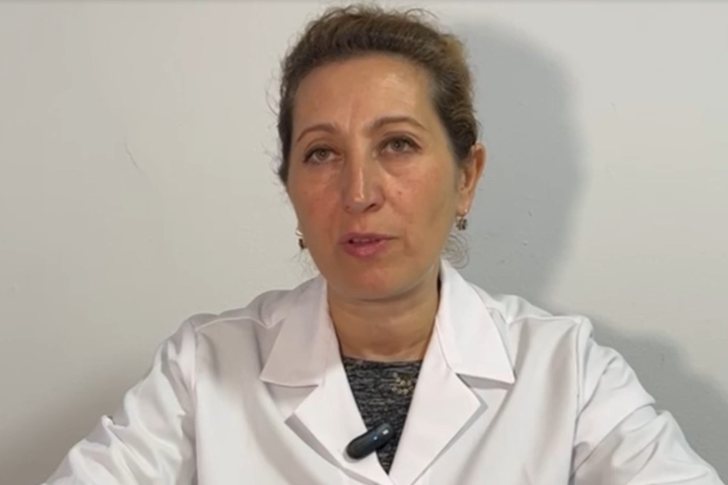
On World Mental Health Day, attention is focused on the im...
On Friday, our country will be affected by stable weather ...
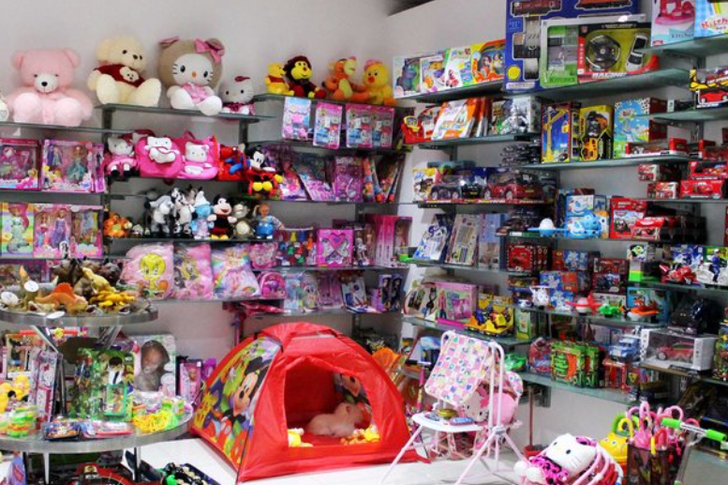
Toys and children's products, which parents buy with the b...
On Thursday, our country will be affected by stable weathe...

Today, our country will be affected by relatively stable w...

Today's weather is expected to start with relatively low t...
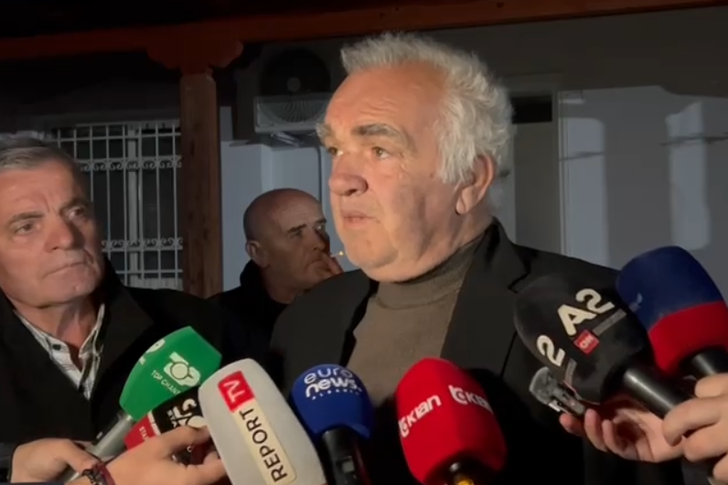
Family members who are in court over property with the Shk...
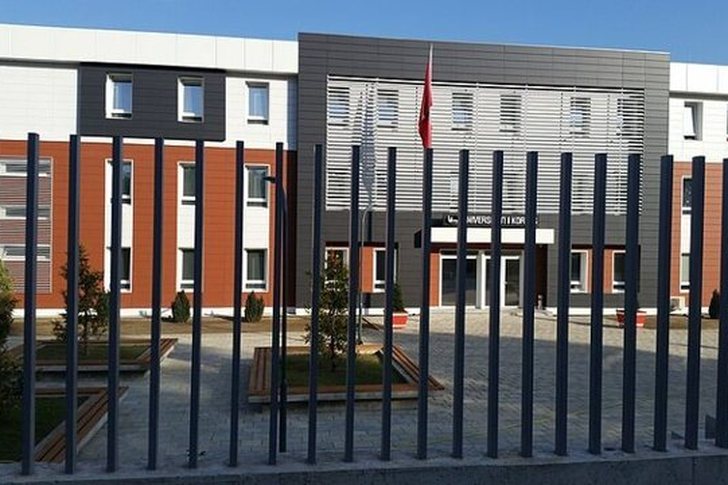
Today, the new academic year, 2025-2026, has begun at all ...
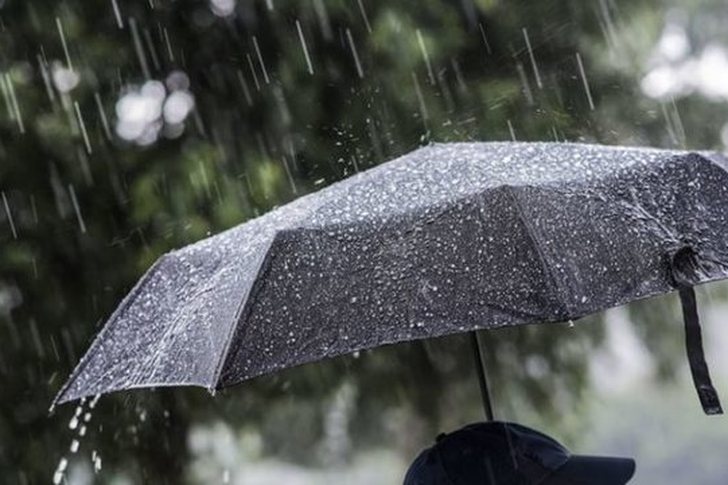
On Monday, our country will be affected by unstable weathe...
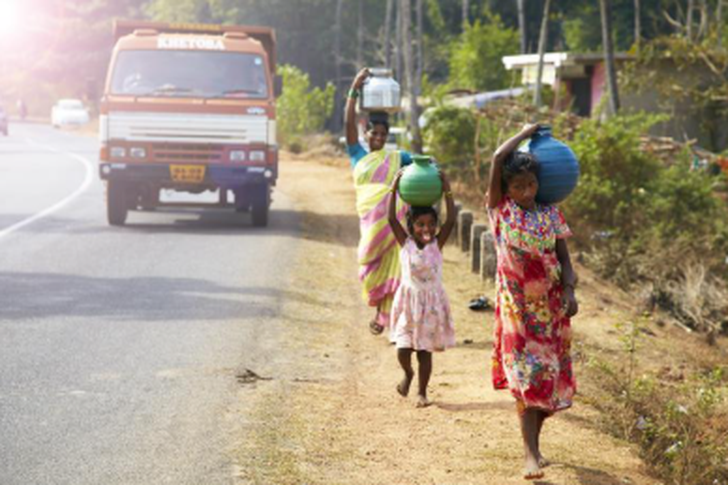
Today is World Teachers' Day, established in 1994 to comme...
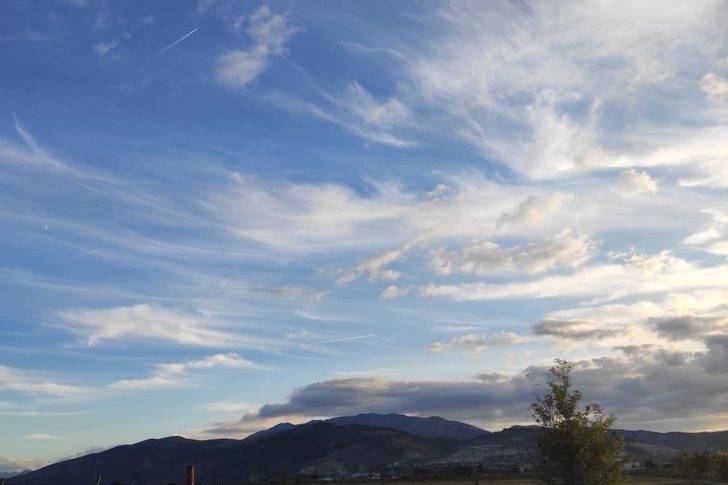
Weather forecast for our country according to data from th...

While the numbers of asylum requests from Albanian citizen...
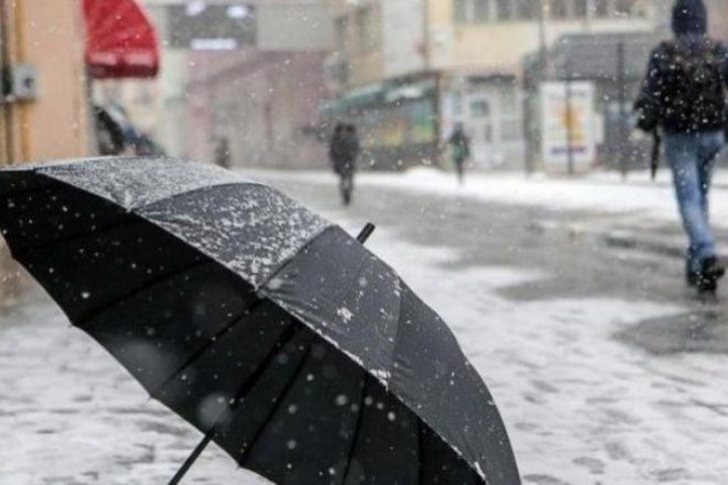
Today our country will be affected by unstable weather con...
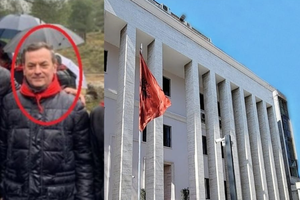
CNA has put under scanner the assets of Sokol Sadushi, the...
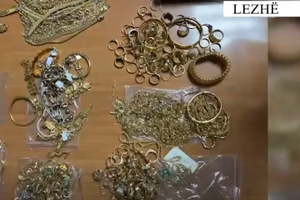
A 39-year-old citizen has been arrested in Lezha, after se...

CNA has launched another investigation that could lead to ...

Irfan Hysenbelliu is a businessman that we call "Irfan the...

The Special Board of Appeal (KPA) decided this Monday ...

The KPA vetting decided this Thursday to dismiss the p...

Suela Salavaçi, a prosecutor in the Prosecutor's Offic...

The Special Board of Appeal reinstated the prosecutor ...
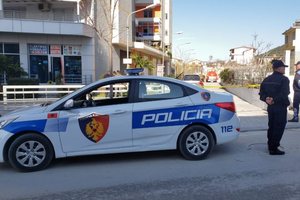
Police have revealed details of the incident that occurred...
According to preliminary information, a person in his 60s ...

A triple accident occurred on the Peqin-Elbasan axis n...
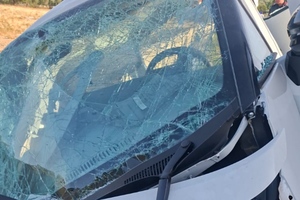
The police have provided details regarding the accident th...
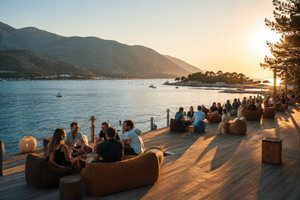
Company leaders can improve productivity by investing in a...
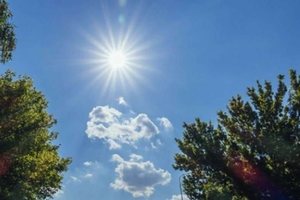
Today, our country will be under the influence of stable a...

As the year 2026 is in its second half, the world is exper...

Today, our country will be under the influence of stable a...

Tehran said it had halted retaliatory attacks against US a...
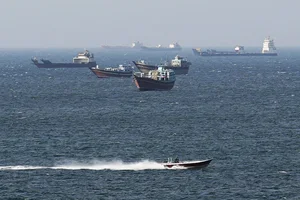
An oil tanker exploded in the Strait of Hormuz after hitti...
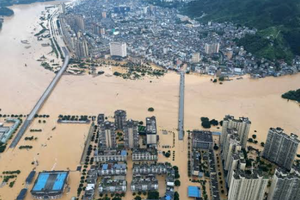
Ten people were killed and dozens more injured by flooding...

One person has died and at least 16 others have been injur...
Two windows, a century of history and the metaphysics of p...

In my research at the Central State Archives, specifically...

At a time when industrial products are increasingly taking...

Trust among people is not just a three-syllable word. It c...

This Sunday, one US dollar is bought for 81.5 lek and sold...

This Saturday, one US dollar is bought for 81.7 lek and so...

War, weather and supply disruptions could send gas prices ...
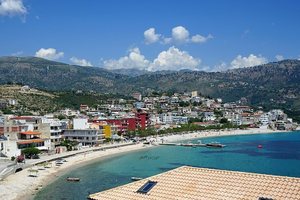
The number of active enterprises in Albania continued to g...