

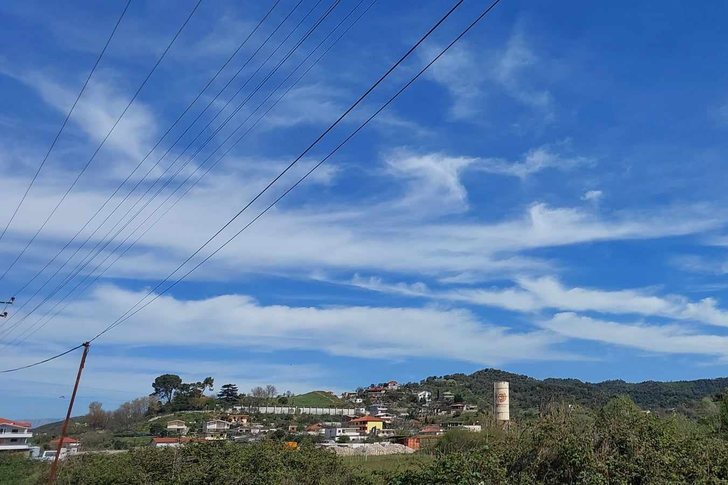
Cloudy and clear/ Weather for today
The weather is expected to be clear throughout the ter...


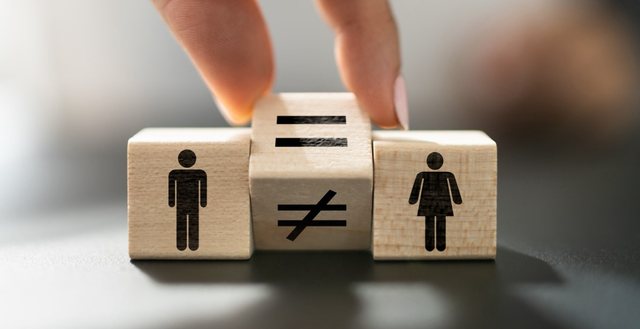
Albania ranks 23rd in the world according to the 2024 Gender Gap Index, published by the Global Economic Forum.
Compared to a year ago, our country has fallen 6 places, but still stands above the countries of the region, Serbia (26), North Macedonia (58), Montenegro (67).
Albania has suffered a deep deterioration in terms of indicators related to educational achievements, dropping to 116th place from 33rd place a year ago, and political empowerment, from 28th place in 2023 to 30th place . While there has been an improvement in the indicators for health and survival, in the 128th place, an improvement of 5 places. Likewise, in the indicator of participation and economic opportunities, in 16th place from 18th a year ago.
As for the gender gap in Europe, Albania ranks 16th, leaving behind developed countries such as Italy and Austria.
Iceland continues to hold the first place in the world for the 15th year in a row for the lowest gender gap between women and men, with 90.8%, followed by Finland, Norway, Sweden, Germany and Ireland (top 5).
"In 2024, Europe has the highest level of political equality of all regions. Eight economies in the region show parity at the ministerial level: Norway, Albania, Belgium, Spain, Finland, Iceland, the Netherlands and Portugal. Equality in parliaments varies significantly, with 16.7% of the gender gap closed in Cyprus and 90.8% in Iceland."
Europe ranks first in the 2024 regional rankings, closing three-quarters of its gender gap (75%). Europe's overall equality score has improved by 6.2 percentage points since 2006. WEF: It will take 5 generations to close the gender gap
The 2024 election year presents a unique opportunity to make progress in closing the global gender gap, according to the World Economic Forum.
"Gender inequality around the world has narrowed slightly over the past year, but at a slower pace than before. It is now estimated that it will take 134 years – or five generations – to close the global gender gap, up from 131 years in 2023,” the WEF said.
This year's inclusive election cycle could narrow that gap, however, by increasing women's representation in the political sphere, the non-governmental organization said.
"When so many people go to the polls around the world, and there are so many changes in political systems, there is an opportunity here to move forward. We cannot wait until 2158 for equality: the time for decisive action is now."
The WEF Global Gender Gap Report, now in its 18th year, is an annual index designed to measure gender equality. It identifies gender-based gaps in four areas: economic participation and opportunity; educational achievements; health and survival; and political empowerment.
Political participation was identified as an area of ??great imbalance, despite modest changes at the federal and local levels.
"With over 60 national elections due in 2024, and with around half of the world's population eligible to vote in this year's elections, women's political representation and the overall gender gap could improve," the report said.
According to a WEF report, last year women held about 27% of parliamentary seats and 23% of ministerial posts, and represented less than 10% of the world's heads of state.
"With over 60 national elections in 2024 and the largest global population in history set to vote, women's political representation and the overall gender gap could improve," the report added./ Monitor Magazine

The weather is expected to be clear throughout the ter...
For the week ahead, our country will be affected by st...
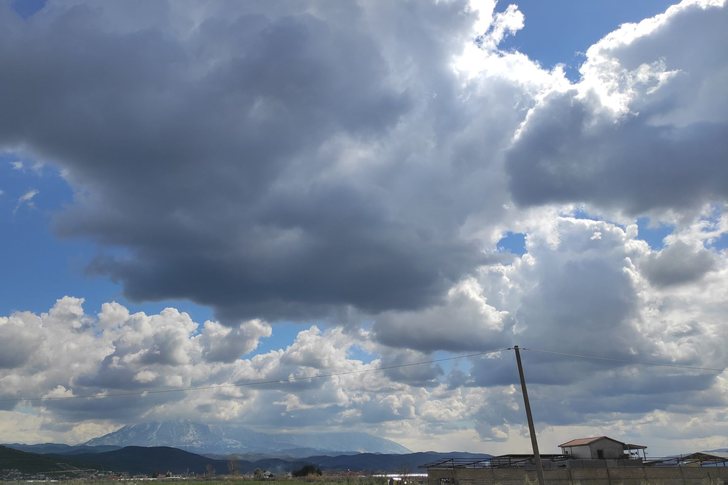
On Sunday, the country will be affected by stable atmo...
During the weekend, our country will be affected by st...
This Friday, our country will be under the influence o...
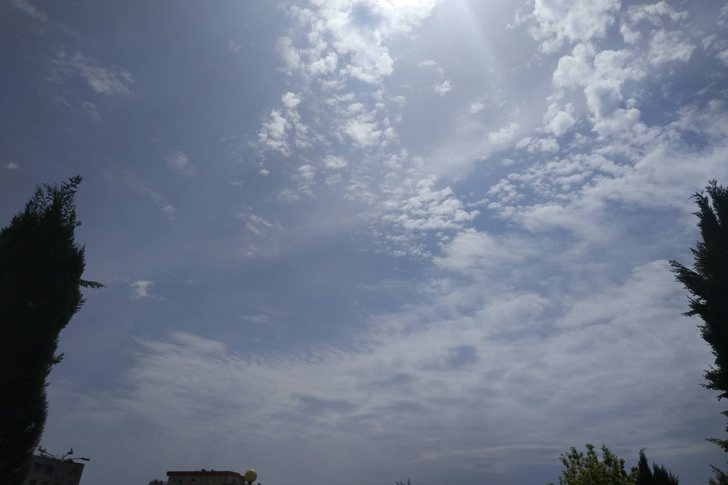
This Thursday, our country will be under the influence of ...
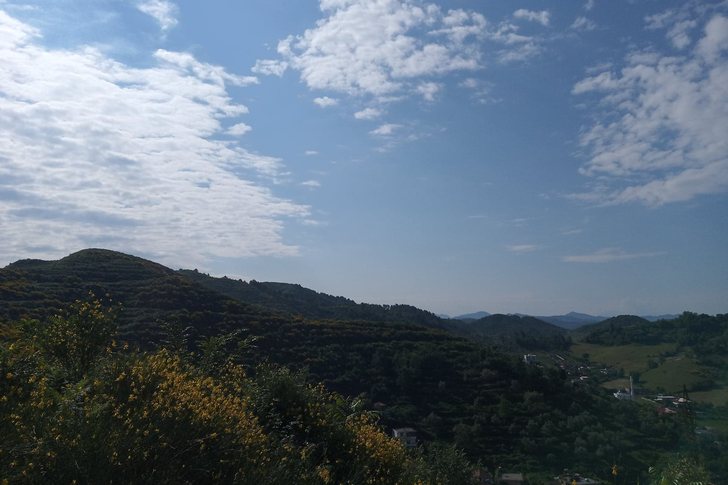
This Wednesday, our country will be under the influenc...
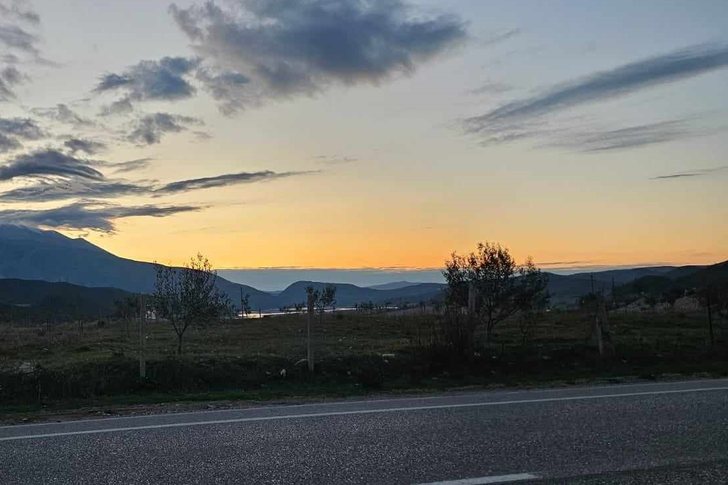
Tuesday is expected to be under the influence of stabl...
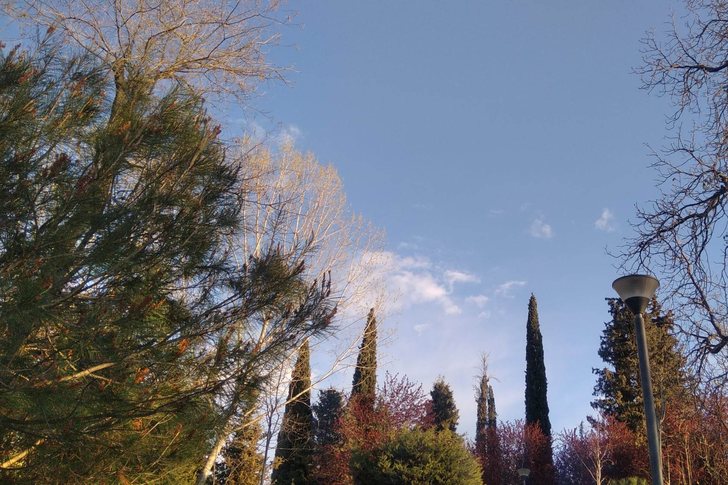
This Monday, our country is expected to have alternati...
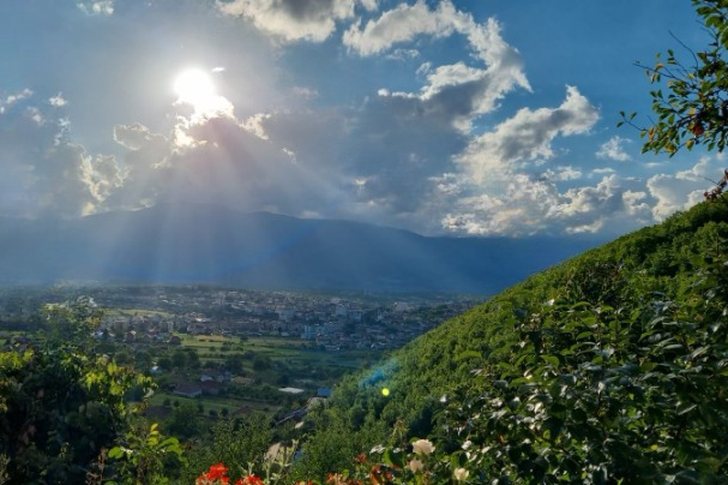
The day is expected to be influenced by stable and hot...
The weekend is expected to be influenced by stable and hot...
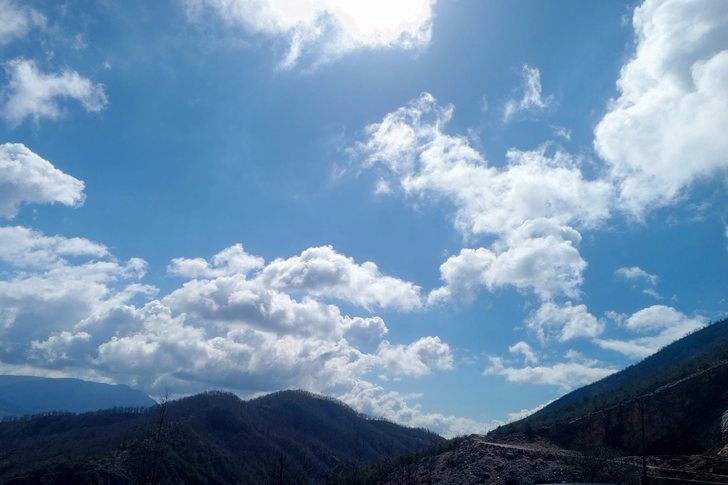
Stable air masses will continue to be present over our...
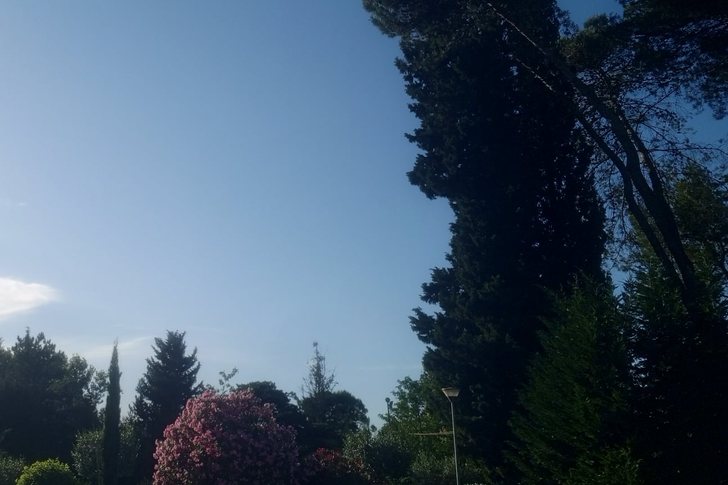
On Thursday, our country will be under the influence of st...
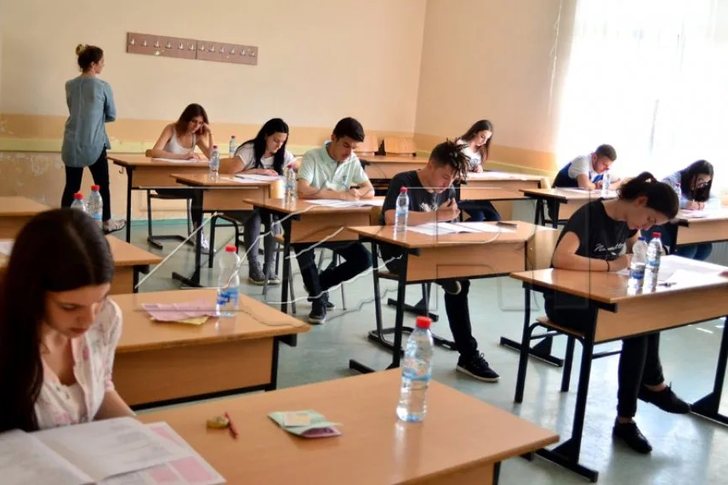
These days, high school graduates are undergoing final...
Wednesday is expected to be under the influence of sta...
The weather for today is expected to be clear. Accord...
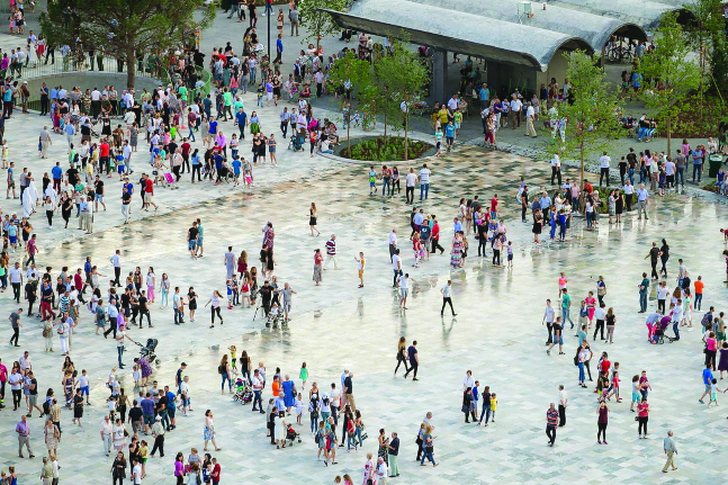
Official data refer that Albania is still one of the count...

On Monday, the weather is expected to be moderately cloudy...
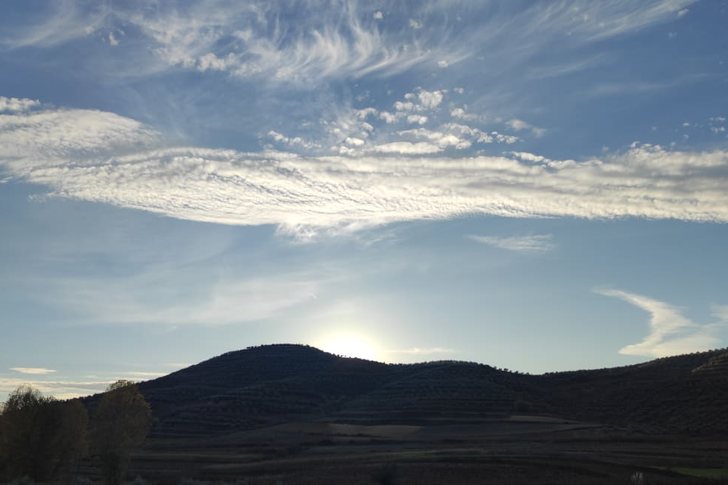
For the week ahead, our country is predicted to be under t...
Sunday is expected to be under the influence of relatively...
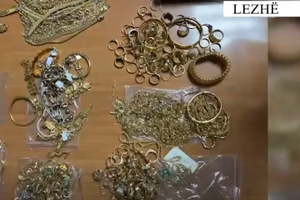
A 39-year-old citizen has been arrested in Lezha, after se...

CNA has launched another investigation that could lead to ...

Irfan Hysenbelliu is a businessman that we call "Irfan the...

In March 2026, CNA launched another investigation centered...

The Special Board of Appeal (KPA) decided this Monday ...

The KPA vetting decided this Thursday to dismiss the p...

Suela Salavaçi, a prosecutor in the Prosecutor's Offic...

The Special Board of Appeal reinstated the prosecutor ...
A conflict for weak motives was recorded today in the vill...
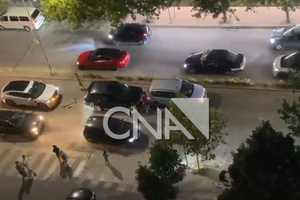
An accident involving three vehicles occurred a few minute...

55-year-old Belere Plaka, who was injured today with a sho...
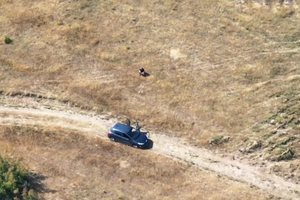
Police Announcement: Following preliminary information...
Today, our country will be under the influence of stable a...

By noon, cloudiness is expected to prevail in almost all o...
Children without parental care, for whom alternative famil...
On Thursday, our country will be under the influence of st...
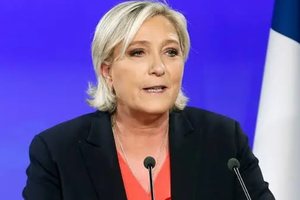
Marine Le Pen is entering the decisive phase of the presid...
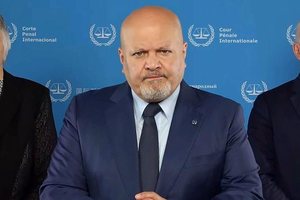
Member states of the International Criminal Court voted to...
From the declining role of exports to new public investmen...
South Korea is becoming one of the most sought-after desti...
Two windows, a century of history and the metaphysics of p...
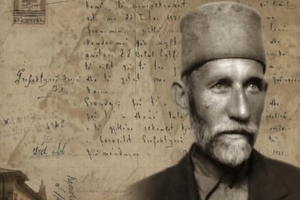
In my research at the Central State Archives, specifically...

At a time when industrial products are increasingly taking...

Trust among people is not just a three-syllable word. It c...
This Saturday, one US dollar is bought for 81.7 lek and so...
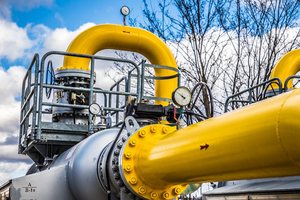
War, weather and supply disruptions could send gas prices ...
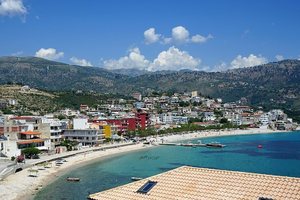
The number of active enterprises in Albania continued to g...
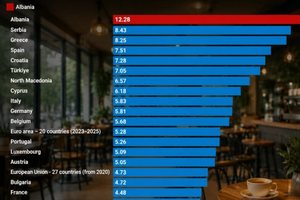
In Albania, the bar-cafe has long become an almost unique ...