

Temperatures rise / Weather for today
Wednesday is expected to be under the influence of sta...


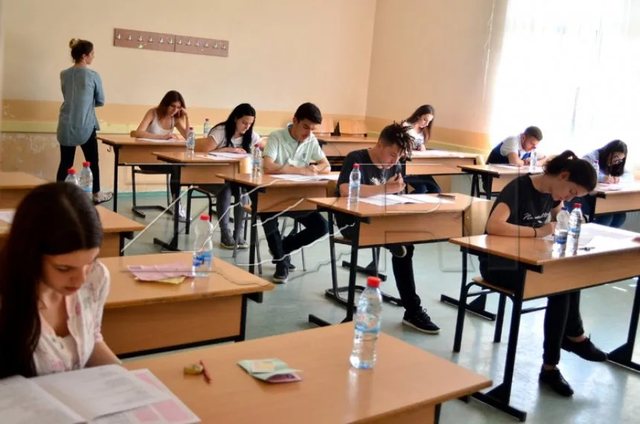
These days, high school graduates are undergoing final exams in the mandatory pre-university cycle studies, but official data from the Ministry of Education show that their number has dropped by 34% over the last 10 years.
In 2014, 42,318 students participated in the matura exams, while this year, about 28,000 graduates, 14,000 less or -34%.
The number of graduates this year turns out to have been reduced by 7% compared to 2023. The reduction of young graduates means fewer students in the country's universities in the future. Many branches, especially those of teaching, are in danger of being closed.
Last year, about 22,000 high school graduates were enrolled in the university, out of about 30,000 in total, as the figures suggest that this September, the number of young people going to the auditoriums will be even lower.
On the other hand, the labor market is suffering from a shortage of employees and skills in all sectors. The reduction of the workforce and the drop in teaching quality (PISA 2022 test) are expected to make the situation even more difficult, as businesses and the government are committed to filling the shortages with foreign workers.
Demographic developments announce that during the next decade the decline in the number of graduates and students will deepen.
Declining births, immigration concentrated at young ages, is expected to bring the total number of students enrolling in the first year no more than 10 thousand in 2032 and no more than 50-60 thousand students in total in universities, from about 120 thousand that were in the academic year 2022-2023.
Experts suggest that this trend should not be considered a challenge, but a chance to increase the quality of studies in universities and to return to them the functions that belong to them in knowledge and engagement in science.
Demographic and technological developments indicate that in the coming decades, the ICT and health sectors will be the major providers of jobs worldwide. This tendency is also being noticed in Albanian universities, where in recent years there is a better approach to selection.
At the University of Tirana, the study program that had the most interest was informatics with Finance, Economic Informatics and Law that almost exhausted the quotas in the first round, while the branches that had the least interest were foreign languages, where in the first round only over 90 percent of free quotas.
Also, branches such as political science, physics, history, language-literature, archeology, biology, philosophy had over 70-80 percent of free quotas in the first round./ CNA

Wednesday is expected to be under the influence of sta...
The weather for today is expected to be clear. Accord...

Official data refer that Albania is still one of the count...

On Monday, the weather is expected to be moderately cloudy...
For the week ahead, our country is predicted to be under t...
Sunday is expected to be under the influence of relatively...
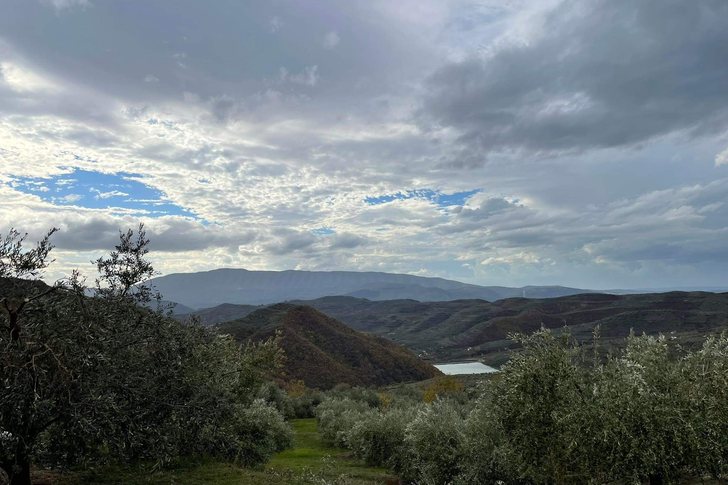
The weekend is expected to be influenced by relatively...
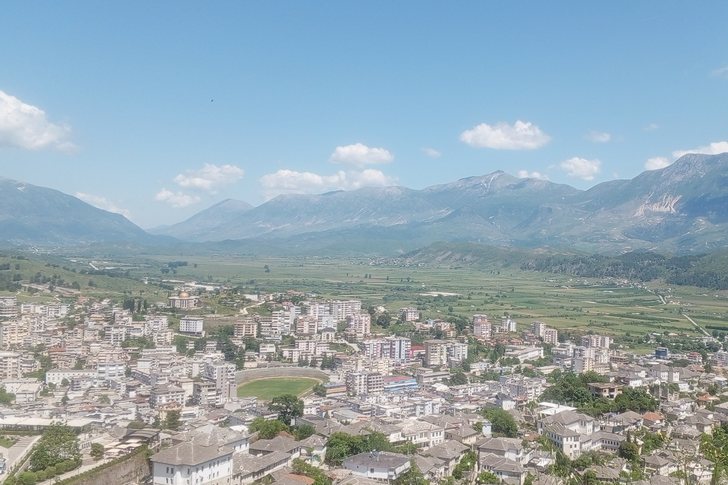
This Friday, our country will be under the influence of re...
Today, our country will continue to be under the influ...
This Wednesday, our country will be under the influence of...
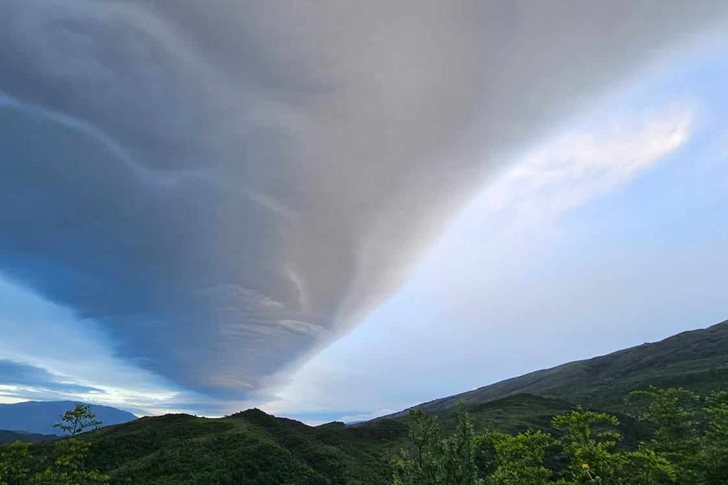
Today is expected to be clear and developing clouds. ...
For the week ahead, our country will be under the influenc...
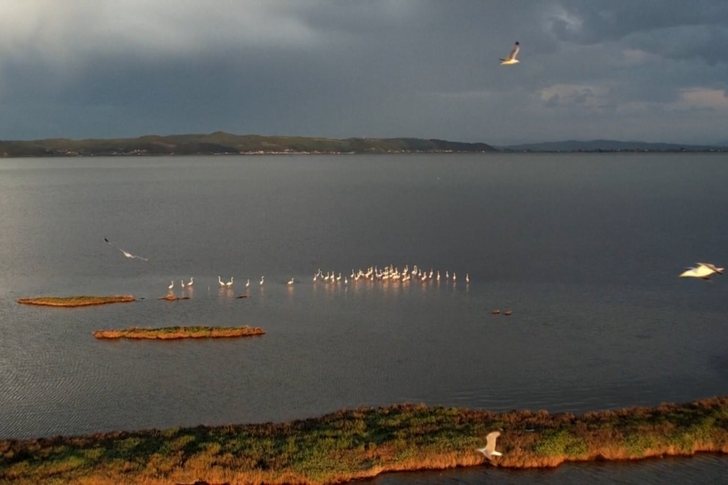
Albanian lagoons are well known for their population of mi...
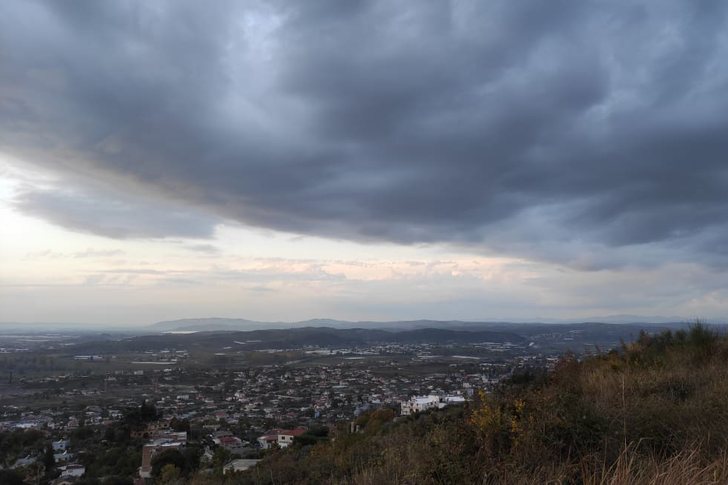
Sunday will be affected by unstable weather conditions. T...
Saturday is expected to be affected by relatively unst...
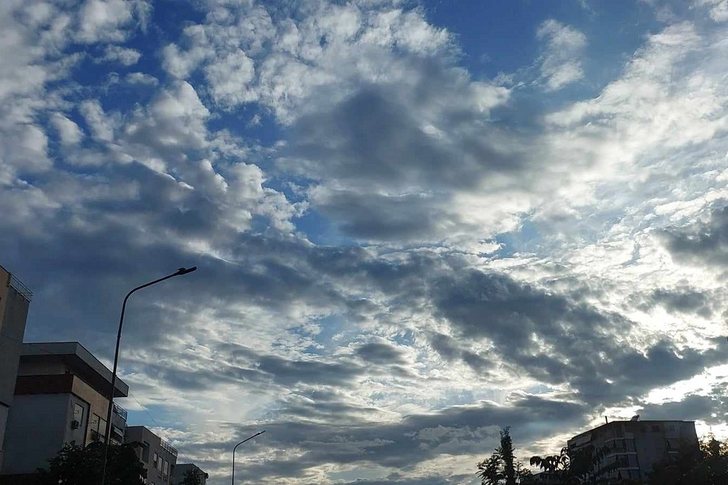
Ditën e premte vendi ynë do të jetë nën ndikimin e kushteve ...
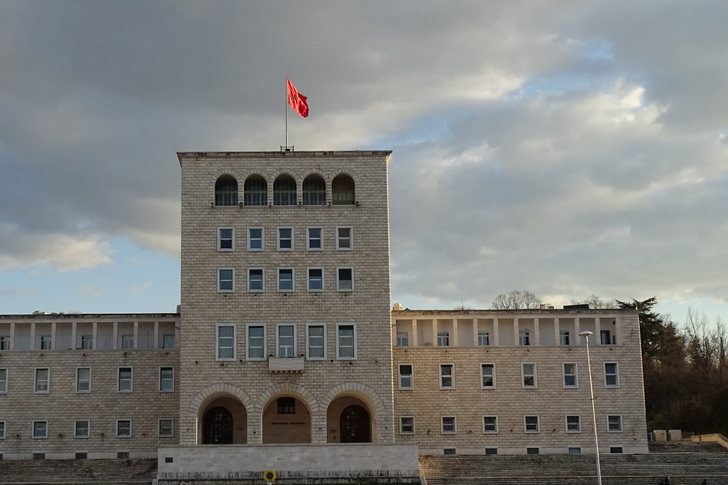
The number of diplomas in the cycle of bachelor studies is...
Today our country will be under the influence of relativel...
On Wednesday, our country will be under the influence of r...
Për ditën e sotme reshjet e shiut me intensitet të ulët do...
A 39-year-old citizen has been arrested in Lezha, after se...
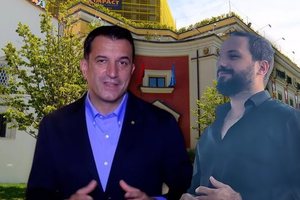
CNA has launched another investigation that could lead to ...

Irfan Hysenbelliu is a businessman that we call "Irfan the...
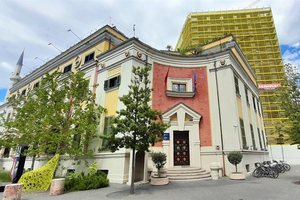
In March 2026, CNA launched another investigation centered...

The Special Board of Appeal (KPA) decided this Monday ...

The KPA vetting decided this Thursday to dismiss the p...

Suela Salavaçi, a prosecutor in the Prosecutor's Offic...

The Special Board of Appeal reinstated the prosecutor ...
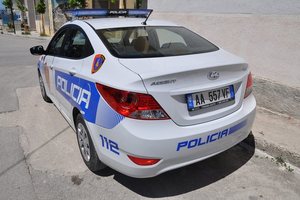
As a result of the investigative and procedural actions ca...
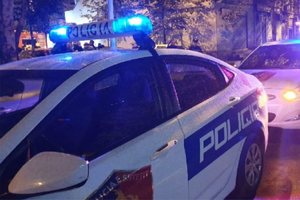
A conflict for weak motives was recorded today in the vill...
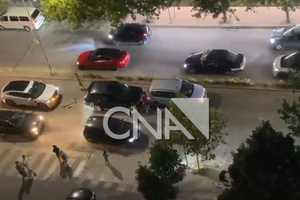
An accident involving three vehicles occurred a few minute...
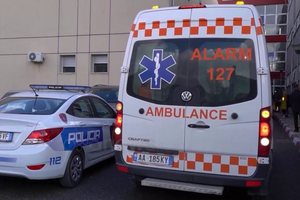
55-year-old Belere Plaka, who was injured today with a sho...
Today, our country will be under the influence of stable a...

By noon, cloudiness is expected to prevail in almost all o...
Children without parental care, for whom alternative famil...
On Thursday, our country will be under the influence of st...

Marine Le Pen is entering the decisive phase of the presid...
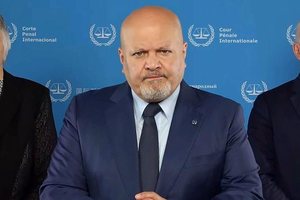
Member states of the International Criminal Court voted to...

From the declining role of exports to new public investmen...
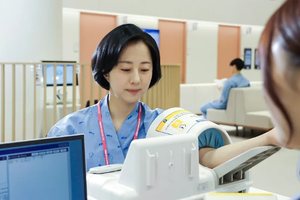
South Korea is becoming one of the most sought-after desti...
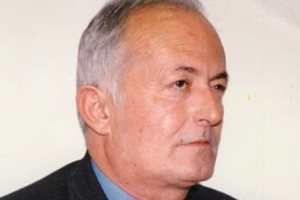
Two windows, a century of history and the metaphysics of p...
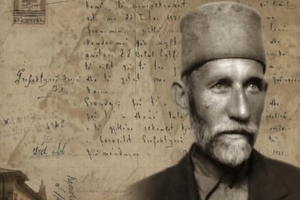
In my research at the Central State Archives, specifically...
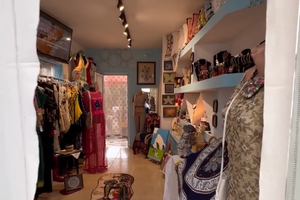
At a time when industrial products are increasingly taking...

Trust among people is not just a three-syllable word. It c...
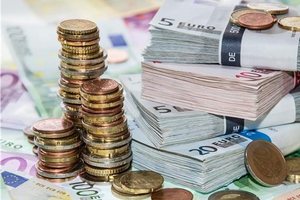
This Saturday, one US dollar is bought for 81.7 lek and so...
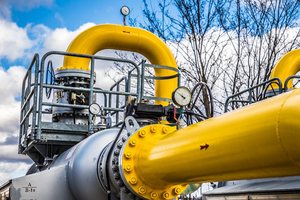
War, weather and supply disruptions could send gas prices ...
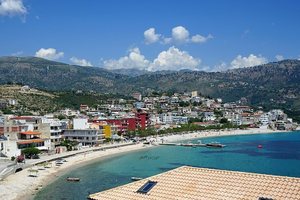
The number of active enterprises in Albania continued to g...
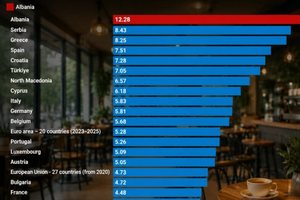
In Albania, the bar-cafe has long become an almost unique ...