


Paradite e kthjellët, pasditja me shi/ Moti për ditën e sotme
Ditën e mërkurë vendi ynë do të jetë në ndikim të kushteve...


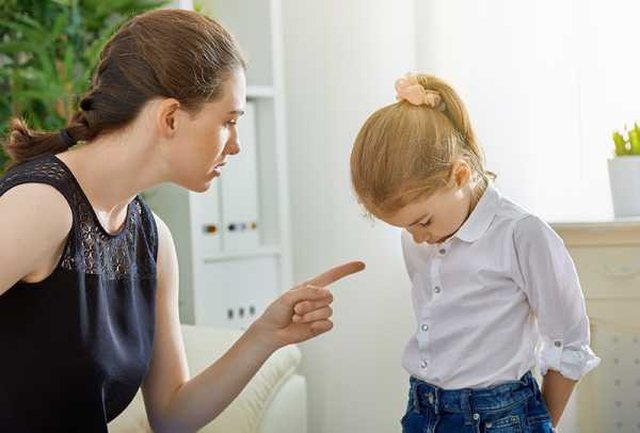
The use of the word "shame" by adults shows the child that adults, just like him, the child, when they are angry or angry, do not think or choose words and actions, but act through anger.
The word "shame", like the word "rest" should be removed from the use of adults to address minors. Parents, educators, teachers and adults in general address a child when he does something they don't like: "you have no shame" "shame on you" or "shame on you".
These expressions are not thoughts, but emotional reactions, such as impatience, annoyance, anger, and helplessness. When the child does not obey or has done something that embarrasses the adult, the adult who demands the child's unconditional obedience, i.e. submission, loses control and forgets that he is a parent or a professional and even worse forgets that he is an adult; remember the expression: "he was made to disobey me".
This way of education has already been proven to be harmful because it operates through fear and not through responsibility and respect.
In fact, the word "Shame" should be a conclusion of the child himself, which is realized through education, and not be told to the child directly by the adult, as a label. The use of this word and expressions with it show that the adult does not try to educate the child through responsibility, but through fear and submission. If he is taught respect by demonstrating it to the adult, the child reaches the conclusion himself.
The adult, by not reacting with "nerves" and talking about himself, shows the immature that he does not do "X" action or does not use "X" words, because he values ??himself and cannot behave ugly. Adults, shame is not just a word, but a very powerful emotion that should not be misused, that requires a lot of care because it directly affects a person's personality.
Right management of the sense of shame cultivates self-esteem and respect for oneself and, of course, for others. Respect and self-esteem are not taught by telling the child "shame on you", i.e. to be ashamed of yourself, but by patiently choosing your words and actions, i.e. by respecting and considering the child a human even though he is immature.

Ditën e mërkurë vendi ynë do të jetë në ndikim të kushteve...
Moti për të gjithë ditët e javës parashikohet me kthjellim...
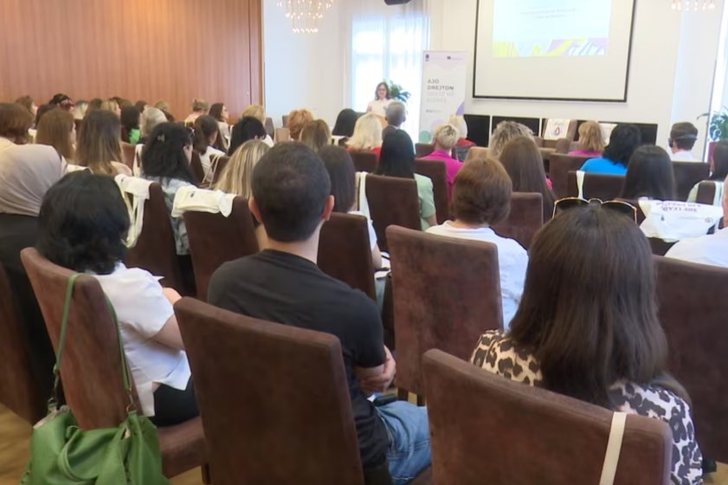
Në Shqipëri, bizneset e drejtuara nga gratë janë tre herë ...
Even for the week ahead, our country and a large part of t...
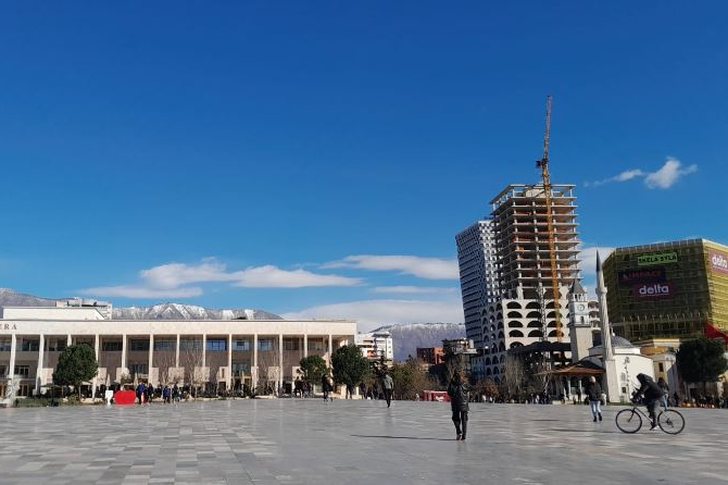
The working-age population decreases by 101 thousand peopl...
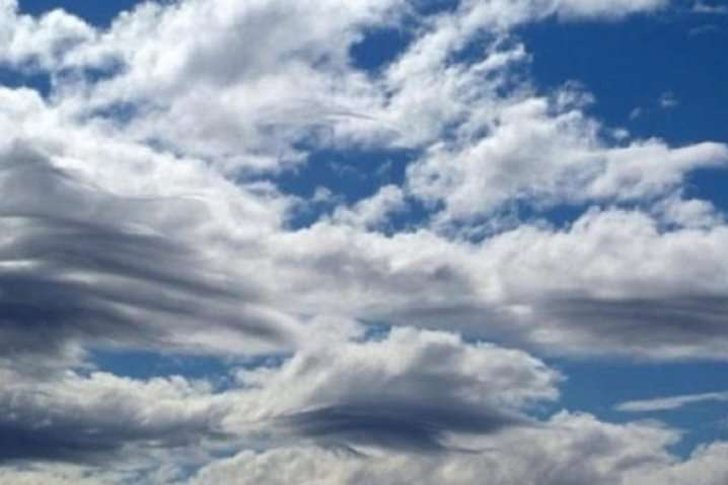
The presence of air masses of Oceanic origin for several d...
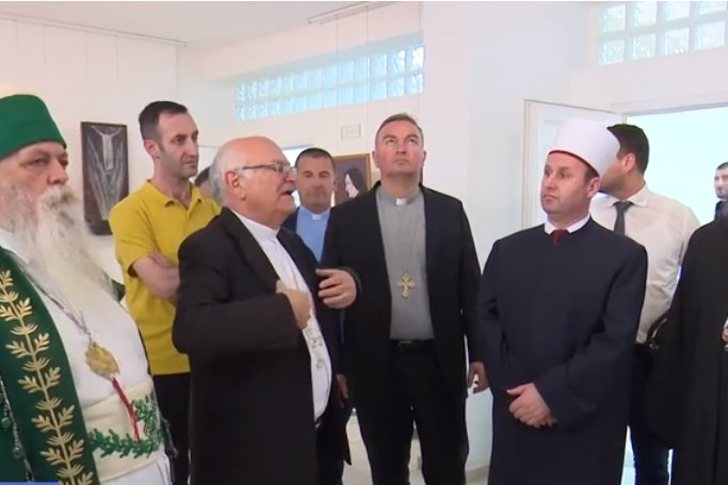
During the visit they made today to the cathedral of Saint...

Albanians are fleeing more and more and most of them i...
The Albanian territory will remain under the influence of ...
The influence of warm and humid air masses will continue i...
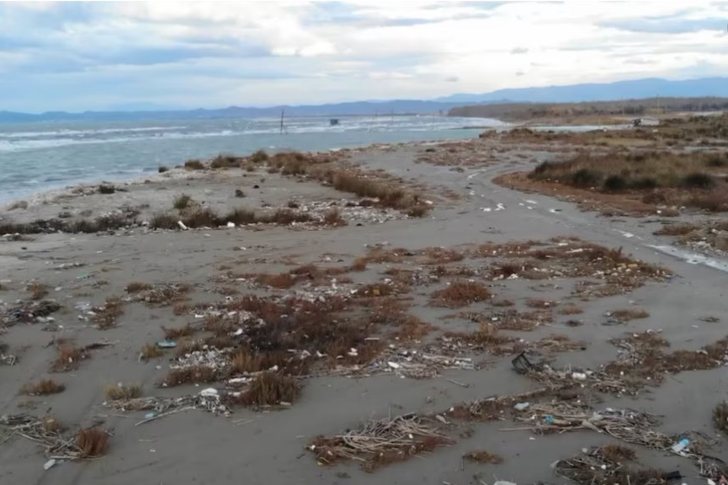
A study by INSTAT reveals that most of Albania's rivers ar...
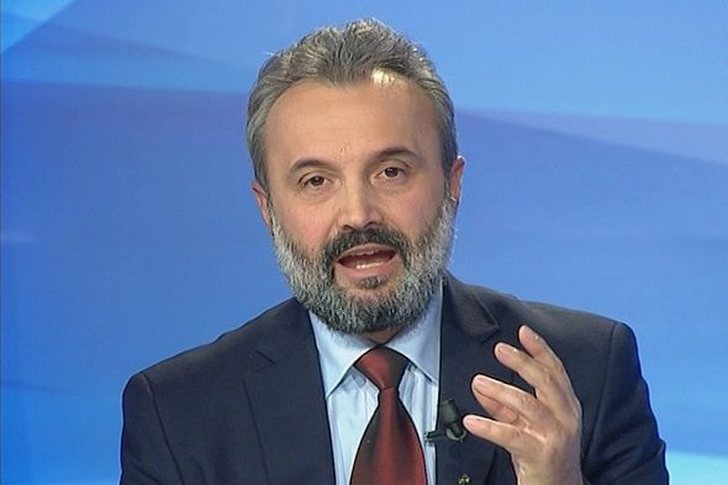
Theologian Miron Çako has discovered that there are sects ...
Territori shqiptar vijon në ndikimin e motit të kthjellët ...
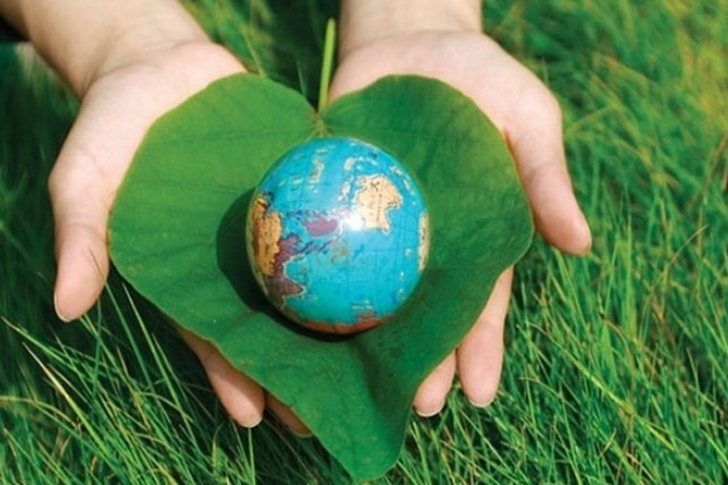
World Environment Day, also known as International Environ...
Unstable air masses remain in the Western Balkans, dictati...
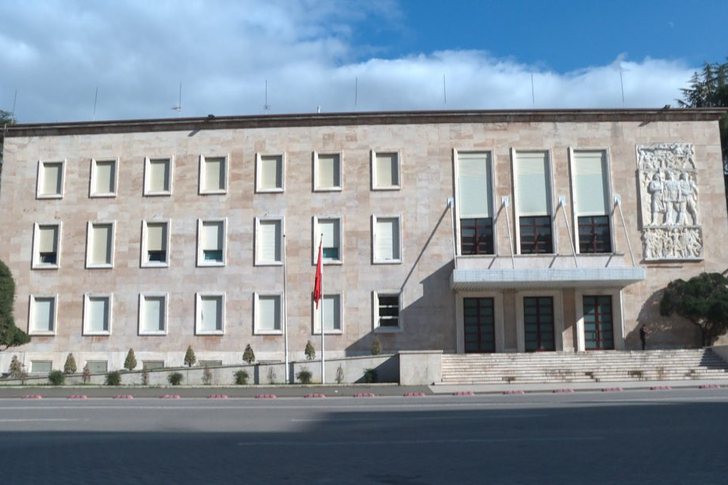
The Minister of State for Youth and Children, Bora Muz...
On Saturday, our country will be affected by relativel...
The influence of warm and humid air masses of oceanic orig...
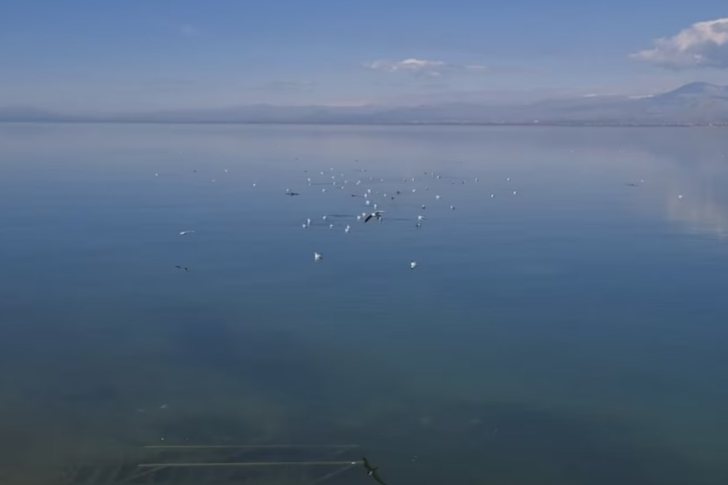
Experts from Albania and Montenegro published in Shkod...
Moti i kthjellët dhe temperatura të larta do të dominojnë ...

The 50 million euro tender for the maintenance of national...
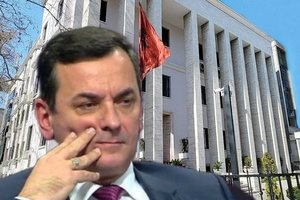
Today we will bring another article that breaks down the w...
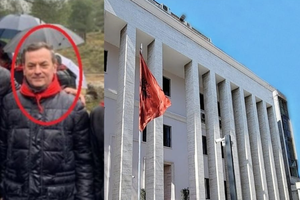
CNA has put under scanner the assets of Sokol Sadushi, the...
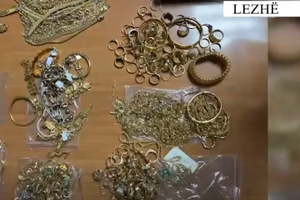
A 39-year-old citizen has been arrested in Lezha, after se...

The Special Board of Appeal (KPA) decided this Monday ...

The KPA vetting decided this Thursday to dismiss the p...

Suela Salavaçi, a prosecutor in the Prosecutor's Offic...

The Special Board of Appeal reinstated the prosecutor ...
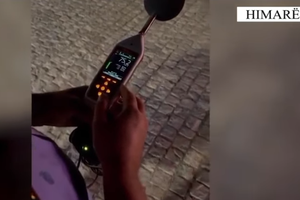
During the checks carried out by the State Police for envi...
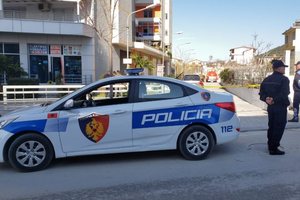
Police have revealed details of the incident that occurred...
According to preliminary information, a person in his 60s ...

A triple accident occurred on the Peqin-Elbasan axis n...

The public sector took the lead in absorbing the workforce...
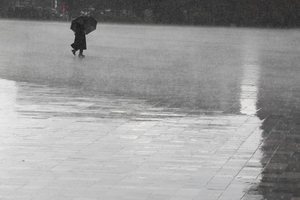
Today, our country will be under the influence of unstable...
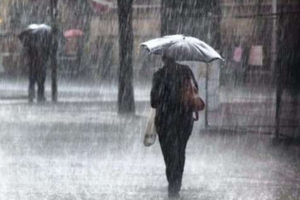
The Institute of Geosciences has today shared a forecast r...

Company leaders can improve productivity by investing in a...
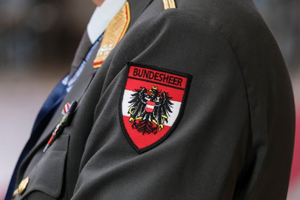
The Austrian government announced on Monday that it plans ...

Shots were fired outside the US consulate in Toronto today...

US President Donald Trump said today that he could order n...

The Pentagon revised its official casualty count from the ...
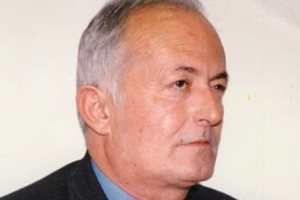
Two windows, a century of history and the metaphysics of p...
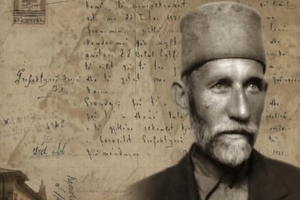
In my research at the Central State Archives, specifically...

At a time when industrial products are increasingly taking...

Trust among people is not just a three-syllable word. It c...

The Ministry of Finance will hold the reopening of the 15-...

After strong savings growth in the years following the pan...

This Monday, one US dollar is bought for 81.5 lek and sold...

This Sunday, one US dollar is bought for 81.5 lek and sold...