


ICC votes to dismiss Chief Prosecutor Karim Khan
Member states of the International Criminal Court voted to...

Member states of the International Criminal Court voted to...

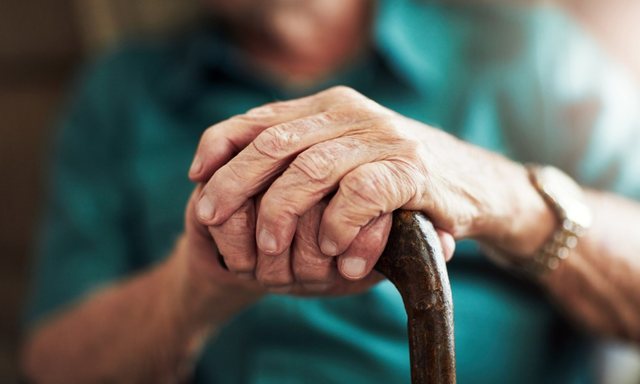
The 2023 census data reported that across the country, about 64,000 people over 60 lived alone.
According to the census data, the majority of the population, 88.1 percent, lived in Family Units, traditional composition of family nuclei (child, spouse, cohabitant and parents).
From the rest of the population (11.9 percent), 7.6 percent of them declared that they had no family ties and 4.3 percent of the population lived alone.
Of the 103,000 people who lived alone, 62.5 percent of them were 60 years old or older (64,375 people).
The most frequent family nuclei consisted of married or cohabiting couples with children, 52.2 percent, followed by married or cohabiting couples without children, 37.5 percent, while single parents with children accounted for only 10.3 per hundred of them.
Census 2023 data show that one in five individuals (19.7 percent) are 65 or older, compared to one in nine individuals (11.3 percent) in the 2011 Census and 7.5 percent in the of 2001.
The transition to an older population is also seen in dependency ratios. The youth dependency ratio1 decreased to 24.0 percent from 30.4 percent estimated in the 2011 Census, and the elderly dependency ratio increased to 30.4 percent from 16.7 percent in 2011.
Analyzed at the district level, Kukësi and Gjirokastra hold opposite positions in terms of dependency ratios: Kukësi has the highest youth dependency ratio (31.8 percent) and the lowest elderly dependency ratio (19.9 percent).
Meanwhile, Gjirokastra has the lowest youth dependency ratio (19.0 percent) and the highest elderly dependency ratio (46.1 percent). The average age of the population is 42.5 years, from 35.3 years in the 2011 Census.
The influencing factors of births, deaths and international/internal migration brought about the changing structure of the population in the 2023 Census.
Analyzing the 50-69 age group in the population pyramid, an expansion is observed that corresponds to a period of births between the mid-1950s and 1970s. Albania during this period was characterized by an increase in birth rates, known as "baby boom".
Low fertility rates and the downward trend, combined with the emigration of the reproductive age population, resulted in a narrowing of the base of the population pyramid. The birth rate below the replacement level since 2001, the increase in life expectancy, as well as migration remain the main factors of population aging./Monitor


In 2023, the population and housing census found over ...
Today there will be rain which will be present in the ...
Our country is expected to be affected by stable weath...
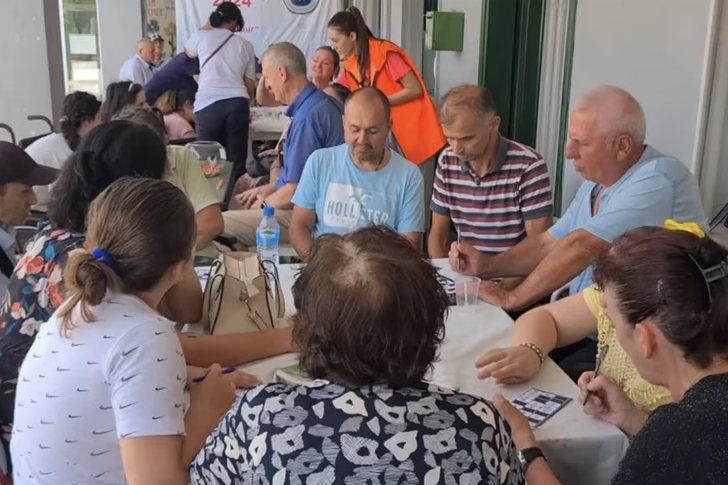
About 140,000 people with disabilities are registered in A...

This Sunday afternoon, the I rri road axis, Thumanë-Ka...

This Sunday is expected to be under the influence of s...

In Albania, about 6 thousand new cases are identifi...

The Municipal Council has rejected the proposal of the...

The depopulation of the country due to mass emigration...

The country's population decreased by 420 thousand peo...
The weekend is expected to be influenced by stable wea...
This Friday, our country will be under the influence o...
On Thursday, our country will be under the influence o...
Këtë të mërkurë vendi ynë do të jetë në ndikim të kush...
The Military Meteorological Service has announced that...
Even this Tuesday, the atmospheric conditions will be ...
This Monday of the last week of June comes with unstab...
For the week ahead, our country will be under the infl...
Our country will continue to be under the influence of...
During the weekend, our country will continue to be un...

A 39-year-old citizen has been arrested in Lezha, after se...

CNA has launched another investigation that could lead to ...

Irfan Hysenbelliu is a businessman that we call "Irfan the...

In March 2026, CNA launched another investigation centered...

The Special Board of Appeal (KPA) decided this Monday ...

The KPA vetting decided this Thursday to dismiss the p...

Suela Salavaçi, a prosecutor in the Prosecutor's Offic...

The Special Board of Appeal reinstated the prosecutor ...

A conflict for weak motives was recorded today in the vill...

An accident involving three vehicles occurred a few minute...

55-year-old Belere Plaka, who was injured today with a sho...
Police Announcement: Following preliminary information...

Today, our country will be under the influence of stable a...

By noon, cloudiness is expected to prevail in almost all o...

Children without parental care, for whom alternative famil...
On Thursday, our country will be under the influence of st...

Member states of the International Criminal Court voted to...

From the declining role of exports to new public investmen...

South Korea is becoming one of the most sought-after desti...

The average wealth per adult in Western Europe is less tha...

In my research at the Central State Archives, specifically...

At a time when industrial products are increasingly taking...

Trust among people is not just a three-syllable word. It c...

Master of humor Todi Llupi has passed away at the age of 7...

This Saturday, one US dollar is bought for 81.7 lek and so...

War, weather and supply disruptions could send gas prices ...
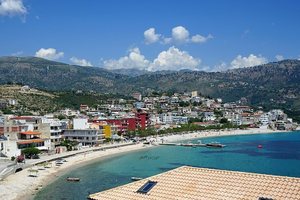
The number of active enterprises in Albania continued to g...
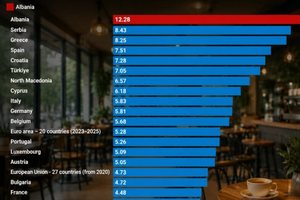
In Albania, the bar-cafe has long become an almost unique ...