


e-Filing applications for VAT compensation for around 114 thousand farmers start today
Applications for VAT compensation for farmers begin today,...

Applications for VAT compensation for farmers begin today,...


A recent study by scientists in the United States and China has revealed a significant link between serotonin and tinnitus, a disorder characterized by the perception of invisible sounds such as ringing, whistling, or buzzing in the ears.
Serotonin is a neurotransmitter known primarily for its role in mood regulation and is often used as a target in the treatment of depression and anxiety.
However, according to this study, it may also have a direct impact on the auditory system, influencing the severity of tinnitus symptoms.
The experiment was conducted in mice, where the researchers identified a specific brain circuit that connects the dorsal raphe nucleus, a region in the brainstem that produces serotonin, with the dorsal cochlear nucleus, which plays a key role in processing auditory signals.
Through genetic manipulation and stimulation of serotonergic neurons, the scientists were able to increase serotonin activity in this circuit. The result was clear: the mice began to exhibit behaviors that suggested they were experiencing tinnitus. One of the key indicators was the inability to distinguish between intervals of silence in sounds, a widely used method to identify this condition in animals.
In another phase of the experiment, when the researchers blocked this neural circuit, tinnitus-like symptoms were significantly reduced. Similarly, exposure to loud noises, a common cause of tinnitus, produced effects similar to those of increased serotonin activity.
These results suggest that serotonin is not only involved in tinnitus, but may play a direct role in creating "phantom sounds" in the brain.
The discovery has important implications for treating patients, as many suffer from both anxiety and depression. Standard treatments for these disorders often include selective serotonin reuptake inhibitors (SSRIs), which increase levels of this neurotransmitter in the brain.
According to the researchers, this creates a therapeutic challenge: how to treat mood disorders without worsening tinnitus symptoms. They suggest that in the future, more advanced drugs may be developed that target specific areas of the brain, preserving the positive effects of serotonin and avoiding the negative impacts on hearing.
Although the study was conducted only in animals, it provides new insight into the neurological mechanisms of tinnitus and paves the way for further research in humans./ CNA


Brain researchers emphasize that human memory depends not ...

Many people may be more predisposed to hypertension, and s...

Strawberries are not only a delicious fruit, but also extr...

Magnesium is one of the most important nutrients for our b...

A new study from the Barcelona Institute for Global Health...

A new study suggests that some antibiotics, in addition to...

A new study has found that an unexpected source of salt, d...
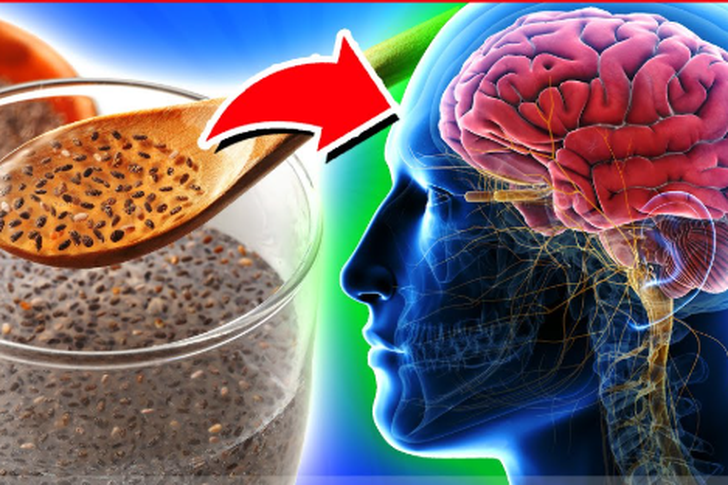
Chia seeds are a highly nutritious food, known for their h...

We often hear that you should never wear new clothes befor...

A new scientific study suggests that a plant used for cent...

A growing number of studies are warning that excessive int...

Family gatherings and delicious home-cooked meals are a co...

A new scientific study shows that the flu vaccine can sign...

"Scottish walking" is a habit that involves a regular walk...
Researchers at Seoul National University Hospital in Korea...

While indulging in chocolate treats during Easter is part ...

The latest study, which includes data from thousands of pe...
Many people worry about mental decline as they age, while ...

A new study suggests that following a simple, repetitive d...

Spring is an ideal time to renew daily habits, because mor...

The Justice Reform and the vetting process were trumpeted ...
After revealing the property portfolio in Tirana, Kavaja, ...

Four months ago, on March 11, CNA sent an official letter ...

Sokol Sadushi, the president of the Supreme Court, is the ...

The Special Board of Appeal (KPA) decided this Monday ...

The KPA vetting decided this Thursday to dismiss the p...

Suela Salavaçi, a prosecutor in the Prosecutor's Offic...

The Special Board of Appeal reinstated the prosecutor ...

A wood processing factory in Elbasan was engulfed in flame...

New details are learned from the serious accident that occ...

Two accidents were recorded this Tuesday near Pogradec. O...

Tirana Police has shared official data regarding the serio...

On Wednesday, our country will be affected by relatively s...

A field inspection has begun in the Maliq area, after the ...

Heavy rainfall accompanied by strong winds has caused prob...

Albania will be affected this Tuesday by relatively stable w...

Europe is facing an unprecedented crisis due to heat waves...

Italian authorities have arrested four people suspected of...

The twin earthquakes that struck Venezuela last Wednesday ...

A self-imposed exile in the United States has been sentenc...

During my research into the life and artistic photographic...

This year's edition of the Gjon Mili International Video A...

The promotion of the book by author Aleksandër Ikonomidhi ...

The Albanian Embassy in Switzerland has organized an eveni...

Applications for VAT compensation for farmers begin today,...

Dairy prices in our country have become so expensive in th...

This Tuesday, one US dollar is bought for 81.8 lek and sol...

When citizens see that the euro drops a few points in a fe...