


Ja kush e merr drejtimin e Policisë së Vlorës
Edvin Ndreu i renditur me 84 pikë në garën për drejtoritë ...

Edvin Ndreu i renditur me 84 pikë në garën për drejtoritë ...

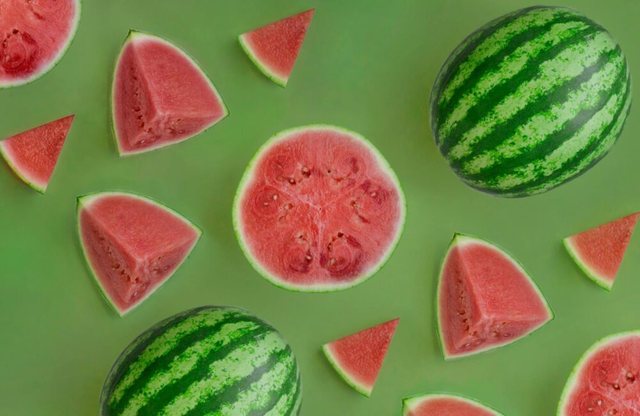
June and July can be called the 'National Watermelon Months', this red, sweet and fresh fruit, the epitome of the perfect wine. During these months, watermelon production in the country reaches its peak.
Watermelon is undoubtedly the most consumed fruit in Albania, followed by melon and watermelon. Watermelon is part of the same botanical family that includes cucumbers, pumpkins and squash. Watermelon is thought to have been discovered in Egypt about 5000 years ago as depicted in many hieroglyphs.
Watermelon grown in Albania has no comparison in terms of taste and value. The areas of Fier, Lushnja and Mallakastra are champions of watermelon production in Albania. Our country has a total of 5,600 hectares of land planted with watermelons. 2300 hectares are found in the above-mentioned areas and another 764 hectares in the Shkodra area.
In recent years, Albania has produced a total of 221,628 tons of watermelons from fields and 1044 tons from greenhouses. The annual production of Lushnja reaches 81,804 tons followed by Shkodra with 22,779 tons. The production rate of Lushnja is 51 tons per hectare, while that of Shkodra is 30 tons per hectare. Watermelons in the northwestern area that includes Lezha and Shkodra are planted in April and harvested in July
Eating watermelon is a separate pastime for Albanians. But you still have to be careful. When you eat watermelon, in order to avoid heartburn, the ideal is not to eat any other food 30 minutes before or after eating watermelon.
6 interesting facts about watermelon
1. Watermelon has more lycopene than tomatoes
Lycopene is a powerful antioxidant that gives fruits or vegetables that beautiful pink or red color. This antioxidant is usually found in tomatoes, but watermelon is a more concentrated source of antioxidants. One cup of watermelon has 1.5 times more lycopene than a large fresh tomato.
2. Watermelon juice relieves muscle pain
If you have a fruit blender, then squeeze a third of a fresh watermelon and drink the juice before training. This juice contains more than one gram of amino acids that protect against muscle pain. Studies have shown that men who drink natural watermelon juice before exercise suffer less muscle soreness the next day, compared to men who drink only water.
3. Watermelon is both a fruit and a vegetable
As we said above, watermelon belongs to the same family as cucumber, pumpkins and squash. This is due to the fact that watermelon is part fruit and part vegetable. After all, it is a large grain that produces seeds. Another fact that supports this theory is that watermelon rind is edible.
4. You can eat the seeds and white pips of the watermelon
Most people throw away the white pips or rinds of the watermelon. What you should know is that if you put these peels in a food mixer together with green lemon, you will prepare a very tasty and healthy mixture. Watermelon rind contains many healthy nutrients that are good for the blood. The peel actually has more amino acids such as citrulline than the pulp itself. Citrulline is transformed into arginine for the kidneys. It is an important amino acid for human health and the immune system, but it also has therapeutic value.
Many people prefer watermelon seedless, but black watermelon seeds are completely edible and healthy. They contain iron, zinc, protein and fiber.
5. Watermelon is almost all water
You all probably know this, but it's an interesting clue. 91% of watermelon is water. This means that if you consume watermelon on hot summer days, you will not only stay hydrated, but also have a natural substitute for water.
6. Have you heard of the yellow watermelon?
Yellow watermelon is sweeter. It has a taste reminiscent of honey and unlike watermelon with red pulp. Yellow watermelon offers a variety of health and nutritional benefits, but until now all scientific studies have focused on red-fleshed watermelon varieties.
The biggest disappointment is when you cut into the watermelon and find that it is tasteless or without that bright red color. So you need to learn how to choose the perfect watermelon. At the end of the watermelon, you should look for a pale spot with a yellow tint (not white or green). That spot forms as the watermelon ripens and is the best indicator of a well-ripened watermelon. Another selection tactic is to choose a heavy weight, smooth rind watermelon or you can opt for the popular finger snapping tactic. A ripe watermelon is said to make a muffled bass sound when struck. /AgroWeb.org


A Massachusetts man has regained his voice after surge...
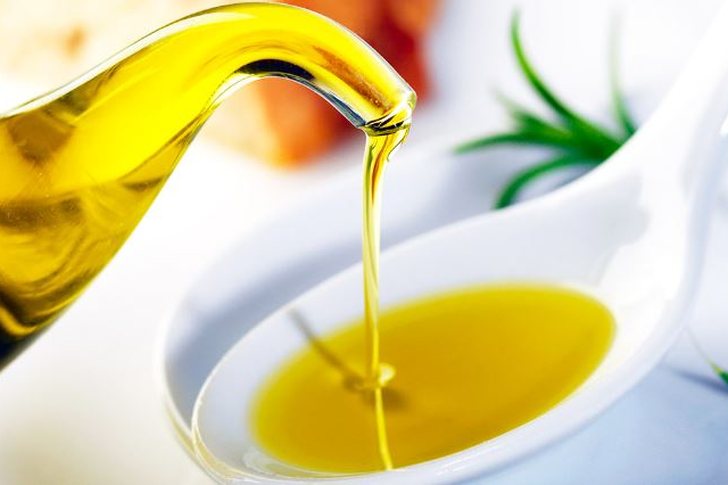
Rheumatoid arthritis is an autoimmune disease that aff...
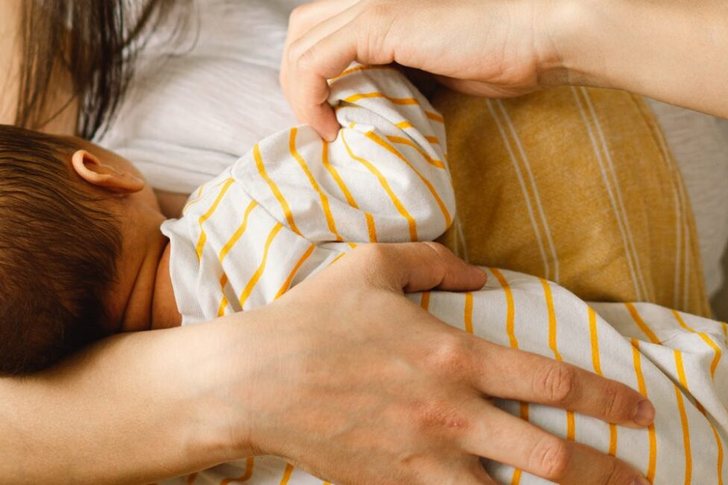
Breast milk is the best form of nutrition for your bab...

Sleep talking is one of the most interesting phenomena...
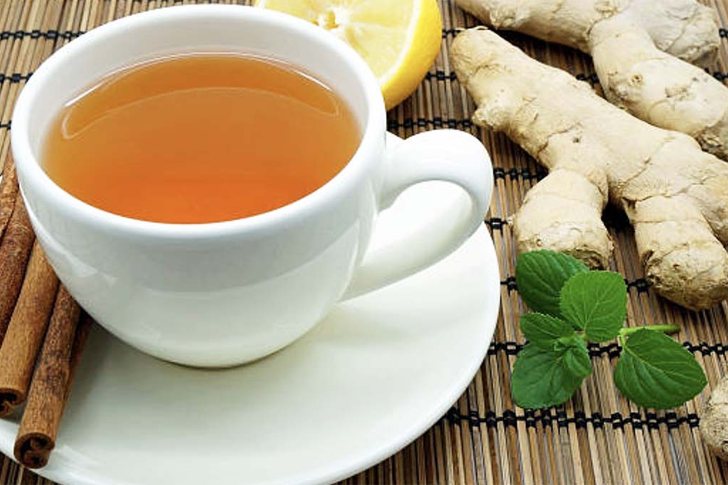
The health of the stomach is of particular importance ...
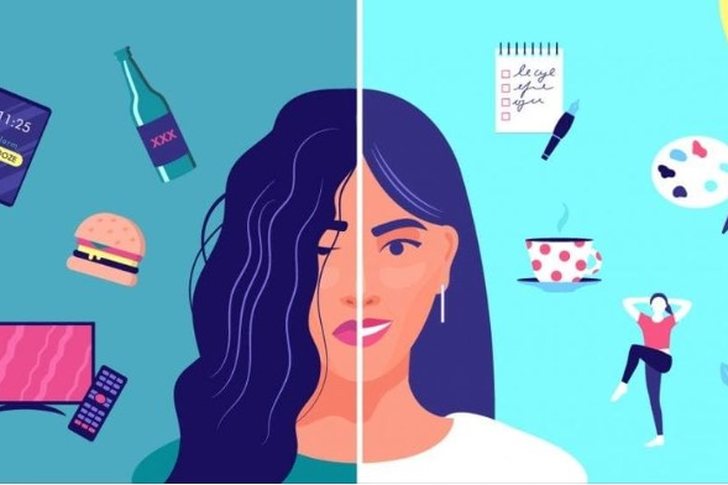
Most of my friends focus mainly on food as the only wa...
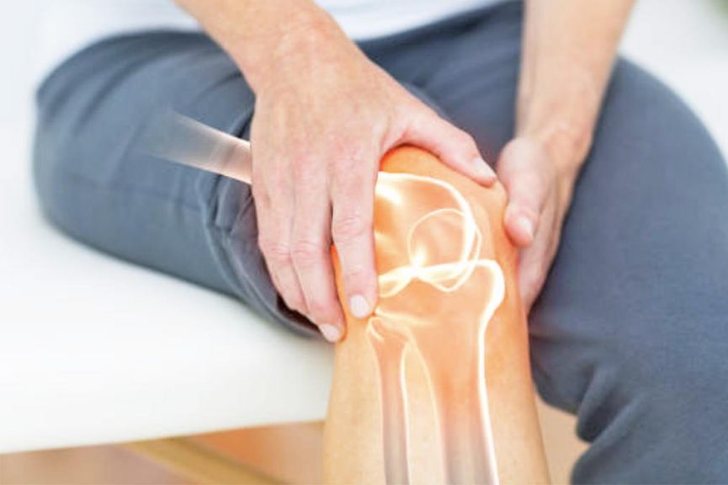
Exposure to the sun allows us to meet the need for vit...
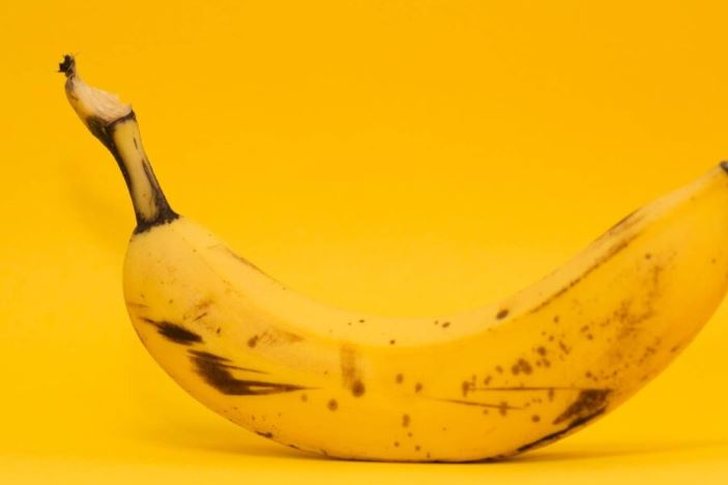
The taste, color and creaminess of the banana are subj...

Physical activity is of crucial importance for people ...
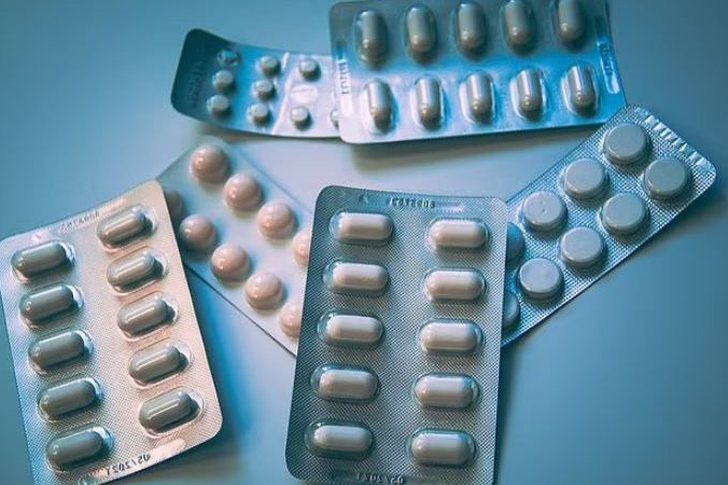
Njerëzit që marrin Ozempic ose Wegovy mund të kenë një...
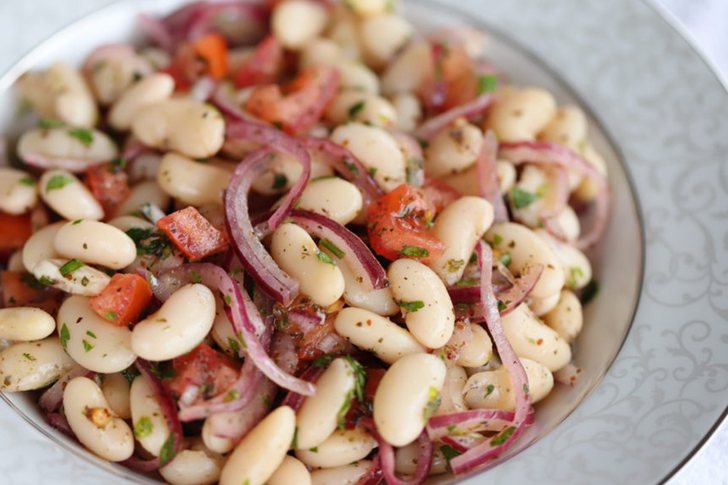
Calcium is one of the most necessary minerals for the ...
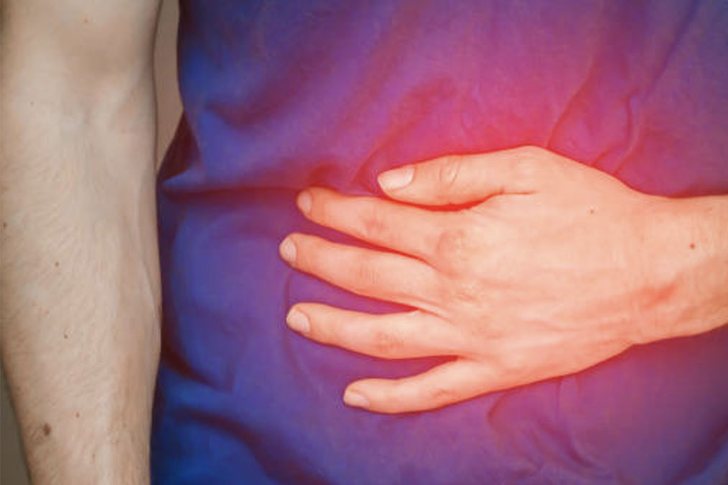
Nowadays, whenever we have a pain or health problem, t...

Why not drink water when you eat sweets? Drinking wate...
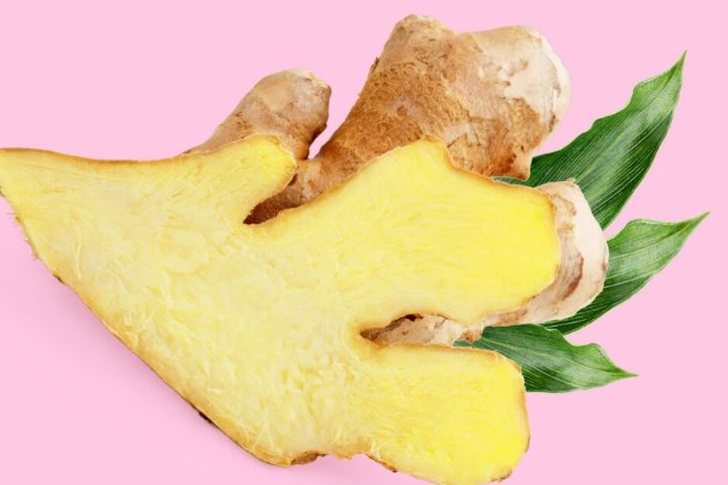
Ginger is one of the most powerful spices in the world...
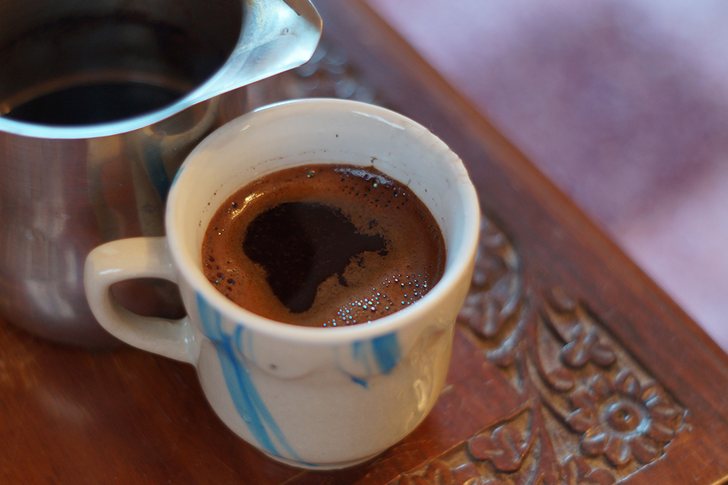
A new study conducted in the United Kingdom has reveal...
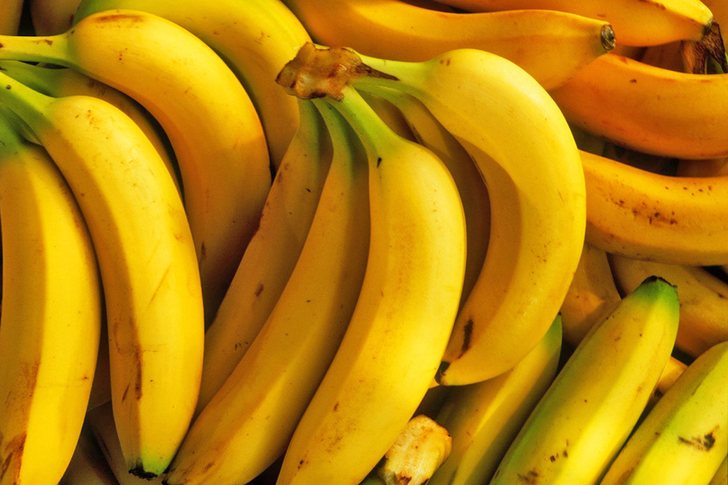
If you were surprised by the title, don't be. Bananas cau...

The high temperatures that have prevailed over the las...

As temperatures rise, what happens inside the human bo...

Very high temperatures, combined with high humidity fo...
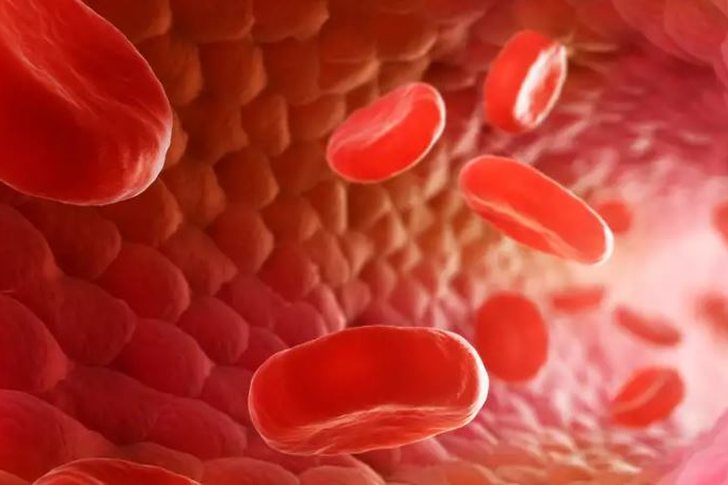
The blood groups were discovered by the pathologist, h...

Irfan Hysenbelliu claims to be a big businessman, an hones...

The murder of officer Enea Mekolli in the line of duty has...

The next case broadcast on the show "Stop", this Thursday,...

The case published this Thursday, June 4, on the show "Sto...

The Special Board of Appeal (KPA) decided this Monday ...

The KPA vetting decided this Thursday to dismiss the p...

Suela Salavaçi, a prosecutor in the Prosecutor's Offic...

The Special Board of Appeal reinstated the prosecutor ...

Following the cooperation of Interpol Tirana with Interpol...

An accident occurred this Saturday morning at Shkëmbi i Ka...

A TNT explosion occurred in Lezha in the early hours of th...

A massive brawl was recorded on Friday evening in Saranda,...

Albanians are officially the hardest working people in Eur...

This Saturday will be characterized by mostly clear weathe...
Today our country will be affected by stable weather condi...

For many children and teenagers, the long summer holidays ...

Millions of Europeans still apply for jobs without knowing...

Following the Covid-19 pandemic, the World Health Organiza...

Leaders of the European Union and Western Balkan countries...

On the eve of the EU-Western Balkans summit, Germany and F...

Korça is ready to open the summer season with one of the c...

Two years after his passing, the renowned Korçë poet Skënd...

The Ethnographic Museum of Berat has opened its doors to v...
The story of Harilla Bakalli is one of the most chilling t...

This Saturday, one US dollar is bought for 81.4 lek and so...

Despite years of efforts at regional cooperation and free ...

Albania is the country with the highest level of severe ma...

This Friday, one US dollar is bought for 81.3 lek and sold...