


Second victim of bad weather/ Fisherman drowns in Ksamil
Citizen MH, 61, a fisherman, was found dead near the islan...

Citizen MH, 61, a fisherman, was found dead near the islan...

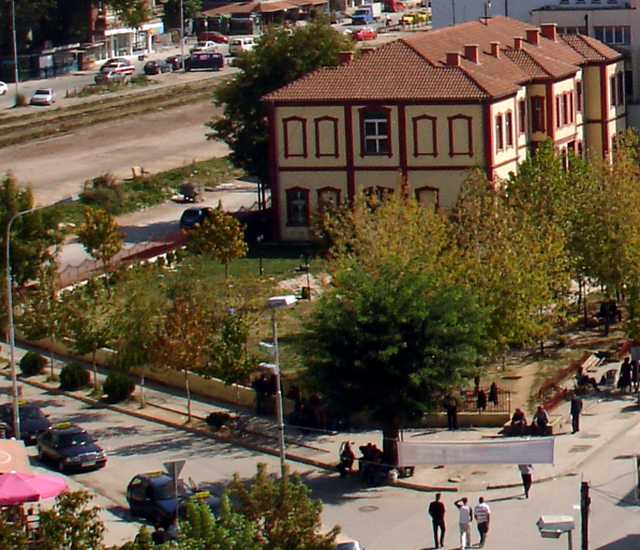
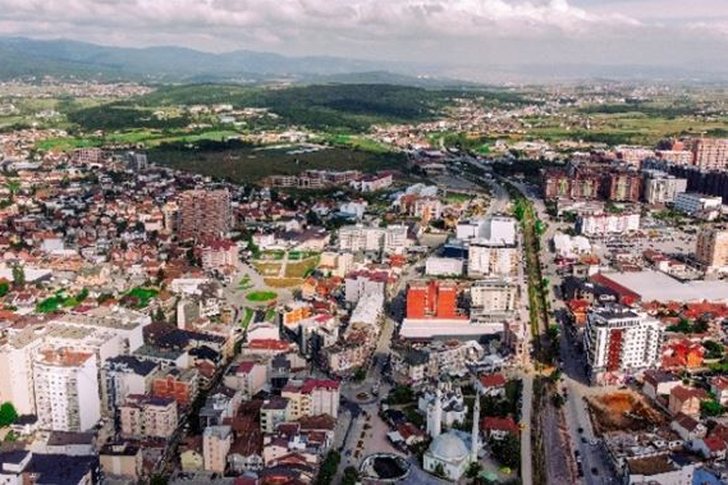
In Ferizaj, rich cultural heritage and fascinating tourist opportunities await you. Travel through time as you explore incredible monuments, each filled with stories from the past.
Let's discover the wonderful places that will remind you of a bygone era.
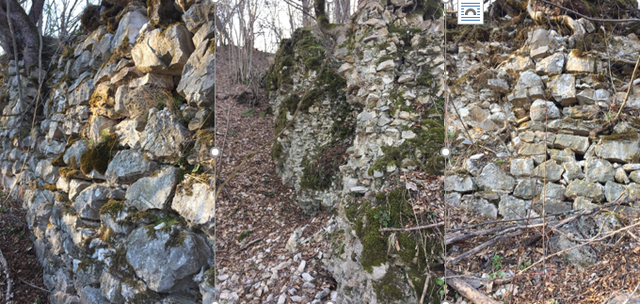
Jezerci Castle
In the past, this remarkable archaeological site was known as the "Peter's Castle", while from the residents of the village and from other data it appears that this toponym was known as the "Great Castle".
Its location is on the right side of the Nerodime River, near where this river joins. Among other things, the castle is close to a Paleo-Christian church of the IV-V centuries, adding to the beauty of the place.
Jezerci Castle is deeply important as a cultural and historical monument in Ferizaj. If you want to move back in time, a visit to this castle is inevitable.
Bring to life the former memories by passing the old streets of the castle, discovering the exact secrets of the stone walls and feeling the spirit of antiquity.
A trip that will always be stored in your memory!
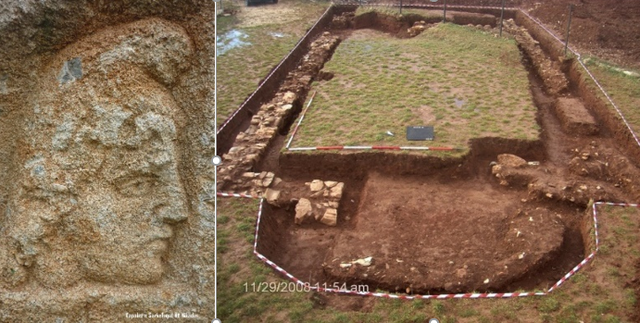
Paleochristian church in Nikadi
In the 1960s, traces of what may have been a Roman villa complex were discovered in the village of Nikadin, revealing an extremely rare and possibly unique artifact for the Kosovo region. We are dealing with a sarcophagus lid, made entirely of beautifully marbled limestone, which takes the form of a peaked roof, adorned with wonderful anthropomorphic (human figures) and floral motifs. This sarcophagus lid dates to the late Roman period of the 3rd century and the beginning of the 4th century
The site where the sarcophagus lid was found also underwent some archaeological excavations (2007), revealing the remains of a medium-sized, albeit significantly damaged, early Christian church. The church, dating from the 4th to 7th centuries AD, displayed several reused decorative elements, including decorative plastic artworks from the Roman period (3rd-4th centuries AD) used for tomb purposes.
Witness the fusion of different eras, where remnants of the Roman past blend seamlessly with the early Christian heritage.
Discover the enigmatic allure of this archaeological site with the details of the sarcophagus lid, a testament to the craftsmanship of ancient civilizations.
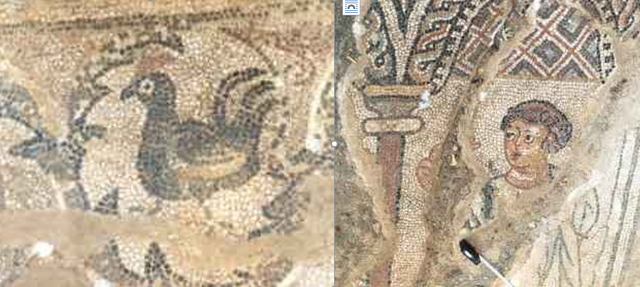
Mosaic in Lower Nerodimes
In 1988, in the village of Nerodimë e Poshtme, located west of the city of Ferizaj, several archaeological surveys were conducted in the vicinity of the Orthodox graves, leading to the discovery of a late antique villa complex.
This villa was equipped with an atrium and a polychrome mosaic, with geometric motifs and floor figures. The first phase of construction dates back to the 4th century, while the reconstruction and new construction belongs to the 5th-6th century.
The mosaic was discovered on the floor of a rectangular room with an apse, which may have served as a triclinium. Unfortunately, this mosaic was stolen by the Serbian invaders and is now in the territory of Serbia.
Although the mosaic is no longer physically found in its original location, this discovery remains a remarkable testament to our ancient heritage. It tells us about the wealth of art and culture of the late antique period, highlighting the sophisticated techniques of mosaic creation and the passion for the aesthetic beauty of that time.
Church Hill in Komoglavë
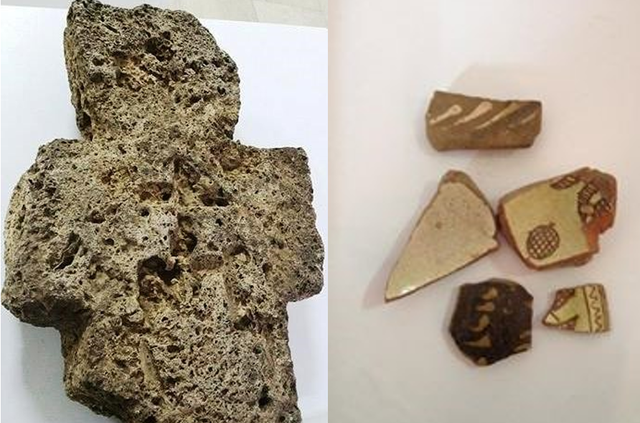
"Church Mountain" in Komoglavë is an Illyrian-Dardane church built at an altitude of 600 meters above sea level. This church is thought to be the center where religious services were performed for several villages in the vicinity. The vast space around this church and the fragments that have been found confirm the existence of life in this place. Pottery vases and containers, coins, clothes, carbonized iron vessels, as well as special stones have been discovered in this locality.
This church is believed to have been built in the 4th-5th century AD, but was rebuilt in the medieval period during the rule of the Byzantine Empire. It represents an ancient urbanized locality with roads, drainage and other infrastructure.
The pottery found here bears little resemblance to those found in other settlements. These pottery vessels and the church cross are now in the city museum in Ferizaj.
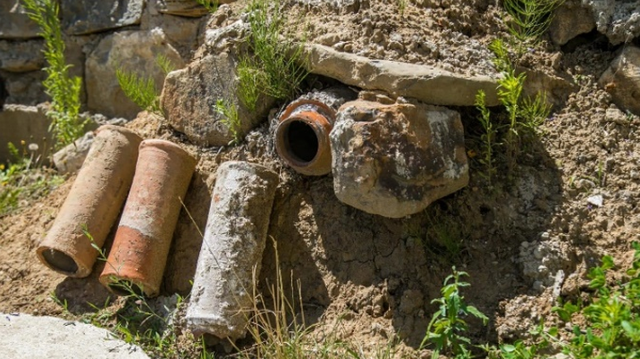
Kroi of the Illyrian-Roman Period
The Roman-Lino period croi is found in the village of Komoglavë and was placed in the pre-Roman period, since the Romans used mainly lead pipes for water supply systems. The reality is that the stones of the ancient settlement are found in all parts of the village, as layers of ash, soot and parts of pottery can be found there. Based on their form and content, these traces are thought to date to the local (Dardan) pottery of the late antique period. Parts of the chroite pipes are currently in the city museum.
This structure shows that ancient communities had deep knowledge of waterworks technology and the use of lead pipes. Ancient traces of the ancient settlement in all parts of the village give us a detailed look at the life and culture of the ancient period.

Mirë se vini në Ferizaj, ku një botë me atraksione të ndry...
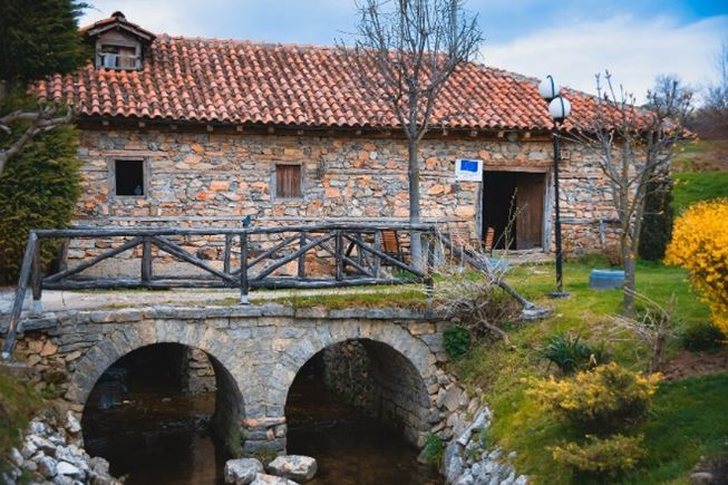
The bifurcation of the Nerodime River is a unique phenomenon...
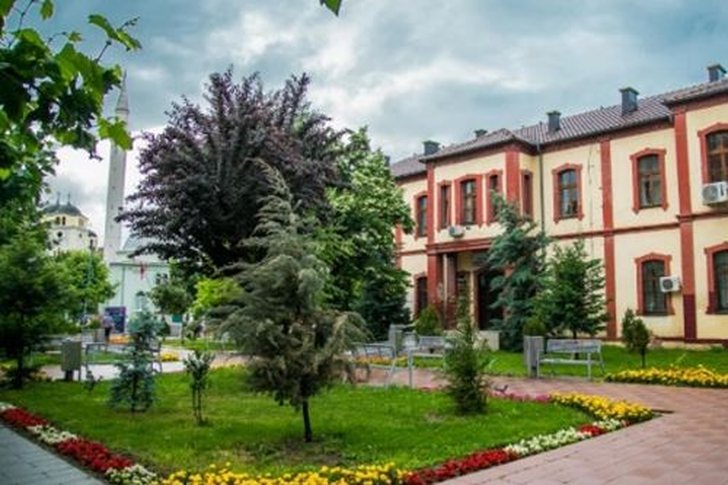
Visit the cultural treasures: Journey through "Cultura...
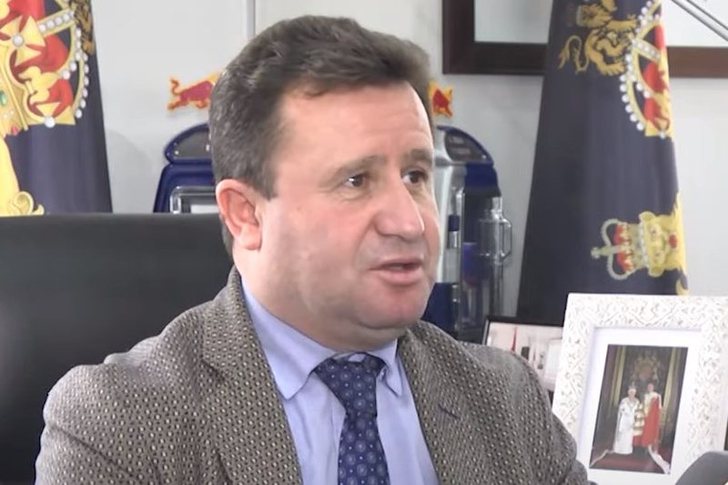
I am returning once again to the forgotten Cologne, plunge...
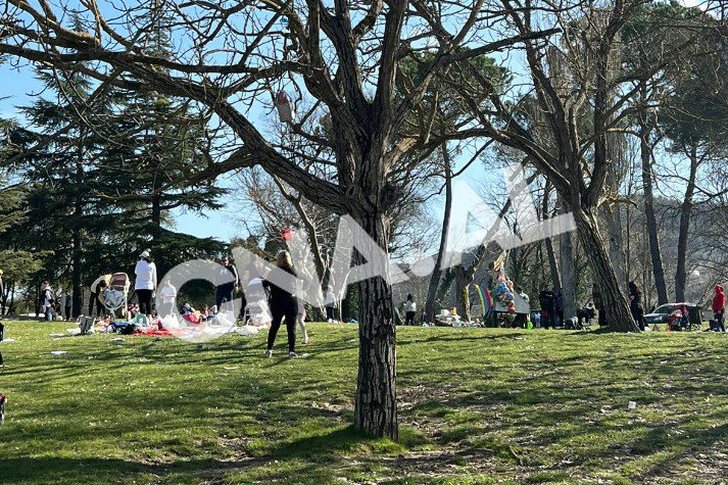
Peza, is a village about 35 minutes away from the cent...
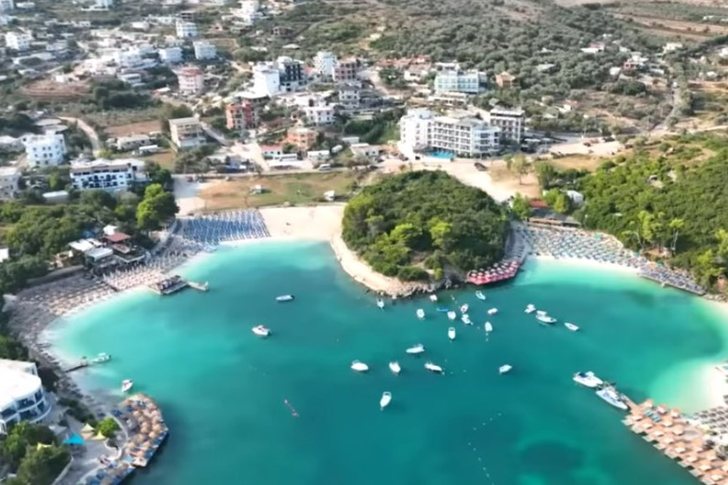
Shqipëria është një nga destinacionet më të bukura dhe...
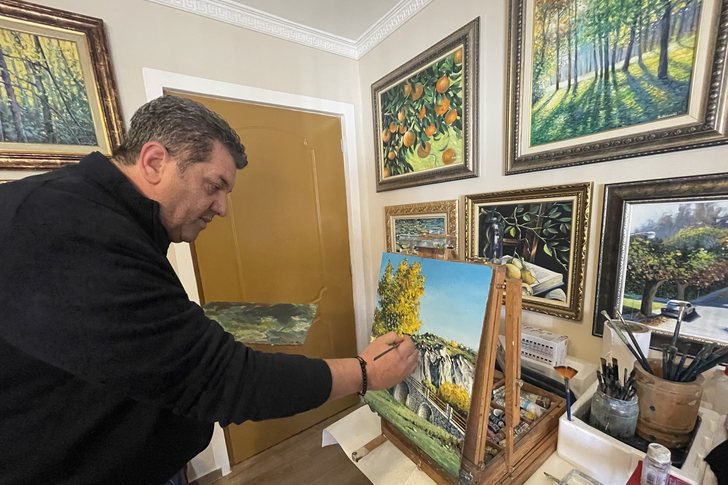
Every Korcar knows Spartak Kasuli, the painter for 32 ...
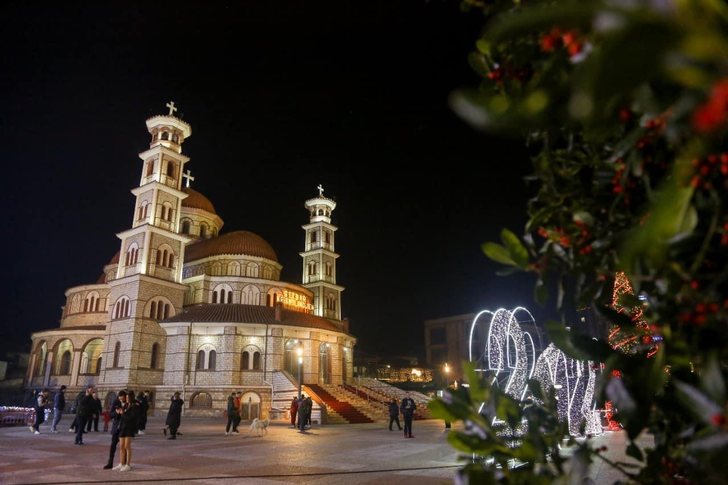
Every Korcar knows Spartak Kasuli, the painter for 32 year...

Për herë të parë në Ballkan është hapur salla multimediale...

Teksa festat e fundvitit po afrojnë, në Korçë po ndihe...

In the southeast of Albania, where clean air, the scent of...
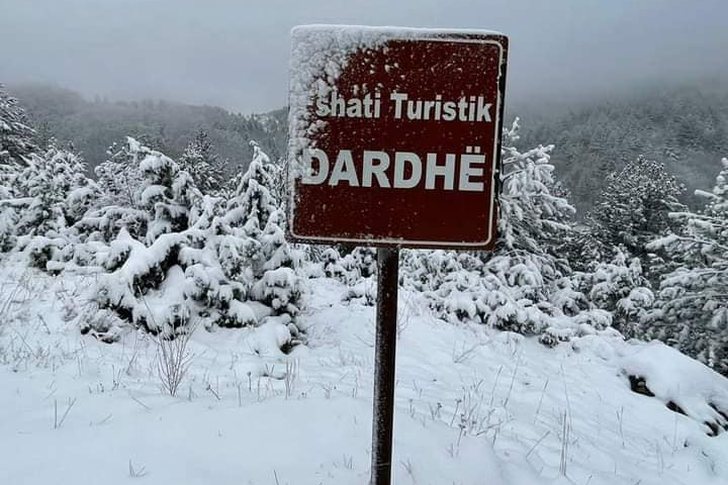
The snowfall that has fallen in the southeastern area has ...
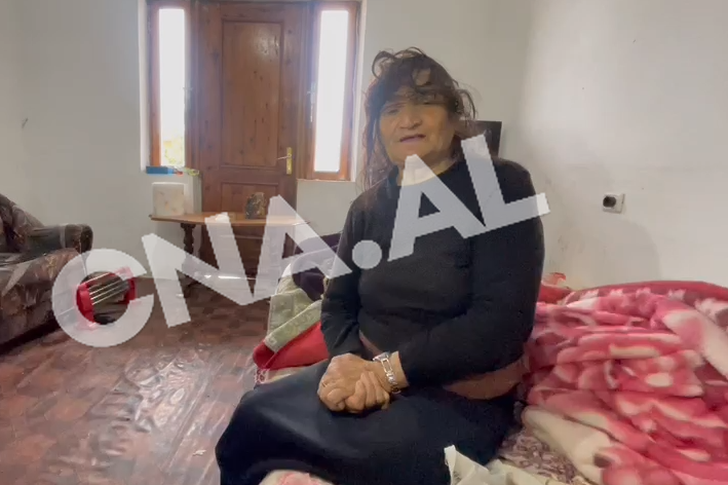
This is mother Lena, 80 years old. She has been living alo...

Korça is a big Lady with many brothers and sisters. K...
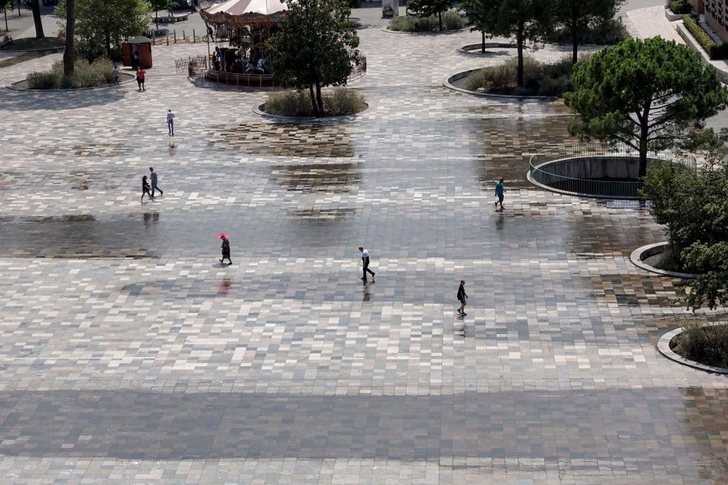
Ishte një kohë kur Tirana dukej se po përpiqej të ishte sh...

Kisha e Shën Thanasit në Bashkin Pustec, në një lartesi pr...

Kori "LIRA", ky emër kaq i vjetër përmban në vetvete t...
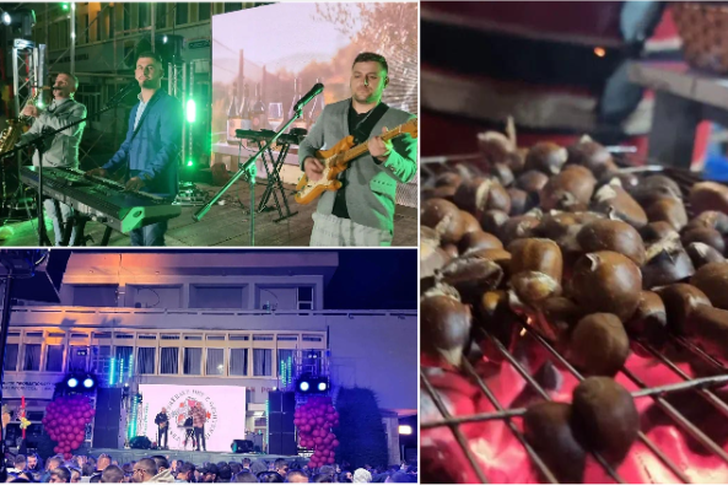
Verë buti, gështenja të pjekura argëtim dhe mikrpitje. Kjo...
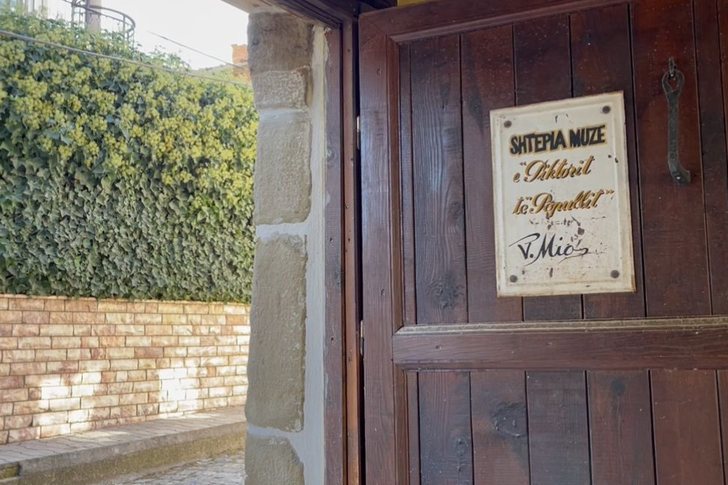
Vangjush Mio was the first impressionist painter in Al...
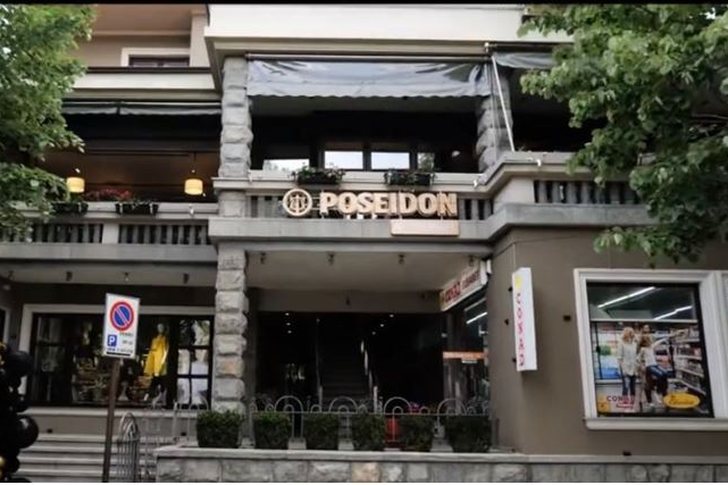
The city of Korça is known for its warm inns and tradition...

CNA has launched another investigation that could lead to ...

Irfan Hysenbelliu is a businessman that we call "Irfan the...

In March 2026, CNA launched another investigation centered...
The arrested mayor of Tirana, Erion Veliaj, with 13 charge...

The Special Board of Appeal (KPA) decided this Monday ...

The KPA vetting decided this Thursday to dismiss the p...

Suela Salavaçi, a prosecutor in the Prosecutor's Offic...

The Special Board of Appeal reinstated the prosecutor ...
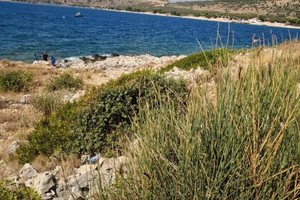
Citizen MH, 61, a fisherman, was found dead near the islan...
Another phase of the international operation, codenamed "T...
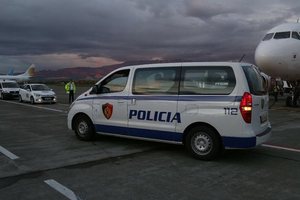
Police have arrested a 34-year-old woman at Rinas Airport ...

A serious accident has occurred on the Lezhë-Shëngjin axis...

This Wednesday, our country will be under the influence of...

All of Southern Europe will face changing weather conditio...

Albania was hit by temperatures significantly higher than ...

For the first time, Pogradec welcomed the Inter-Lake Chess...

Prime Minister Andy Burnham has announced that most bus fa...

France's parliament has passed a law to ban social media f...

US Secretary of State Marco Rubio arrived in Manila on Jul...

In the space of a few days, Ukrainian President Volodymyr ...

At a time when industrial products are increasingly taking...

Trust among people is not just a three-syllable word. It c...

Master of humor Todi Llupi has passed away at the age of 7...

The ninth edition of "MIK Festival" kicked off with one of...

Businesses will no longer be required to simply register t...

Despite economic growth and income in recent years, Albani...

This Wednesday, one US dollar is bought for 81.4 lek and s...

Construction company licenses will have a validity period ...