


"Don't call me darling"/ Debate in the Electoral Reform Commission: You are black and white in your mind
The Electoral Reform Commission was accompanied by debates...

The Electoral Reform Commission was accompanied by debates...

Visit the cultural treasures: Journey through "Cultural Artifacts: Cultural Objects and Identity in Ferizaj." Learn about the library, theatre, train station, mills and traditional houses. Experience the essence of cultural artifacts and the power of identity. Join us on this adventure.
Cultural artifacts: Cultural objects and identity in Ferizaj
Visit the cultural treasures: Journey through "Cultural Artifacts: Cultural Objects and Identity in Ferizaj." Learn about the library, theater, train station, mills and traditional houses. Experience the essence of cultural artifacts and the power of identity. Join us in this adventure.
"Sadik Tafarshiku" Public Library
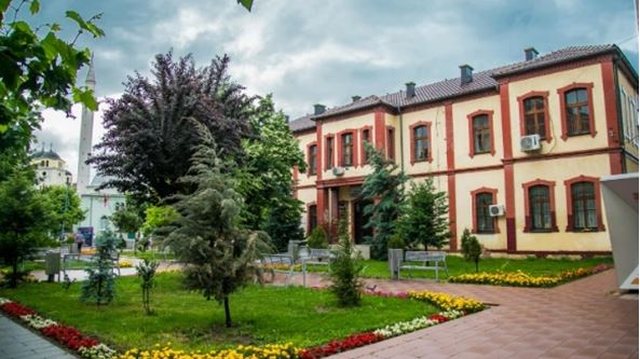
The library facility was built in 1908, being among the oldest public buildings in the city of Ferizaj. In the past it served as a Municipality, then as a Pedagogical Entity. For a while, its basement also served as a prison where many residents of this area endured severe punishment and mistreatment by the Serbian military-police authorities. After the last war in Kosovo (1998-1999), this building was turned into a library. The architecture of this building displays a unique fusion of Austrian and Eastern cultural influences.
The "Sadik Tafarshiku" Public Library stands as a symbol of sustainability and transformation, preserving knowledge and fostering a sense of intellectual exploration within the community of Ferizaj. It serves as a cultural hub, embracing the convergence of diverse cultural influences and providing a space for the exchange of ideas and the appreciation of literature and learning.
"Sadik Tafarshiku" Public Library
The library facility was built in 1908, being among the oldest public buildings in the city of Ferizaj. In the past it served as a Municipality, then as a Pedagogical Entity. For a while, its basement also served as a prison where many residents of this area endured severe punishment and mistreatment by the Serbian military-police authorities. After the last war in Kosovo (1998-1999), this building was turned into a library. The architecture of this building displays a unique fusion of Austrian and Eastern cultural influences.
The "Sadik Tafarshiku" Public Library stands as a symbol of sustainability and transformation, preserving knowledge and fostering a sense of intellectual exploration within the community of Ferizaj. It serves as a cultural unit, embracing the convergence of diverse cultural influences and providing a space for the exchange of ideas and the appreciation of literature and learning.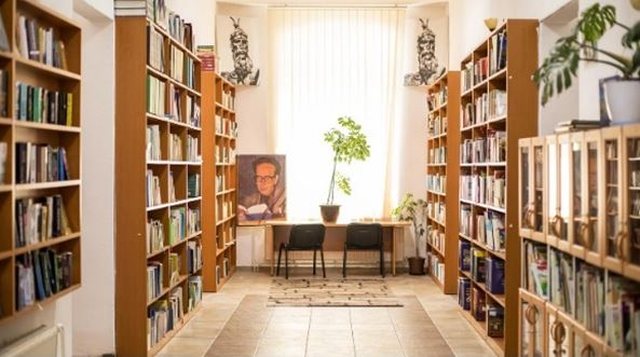
City Theater "Adriana Abdullahu"
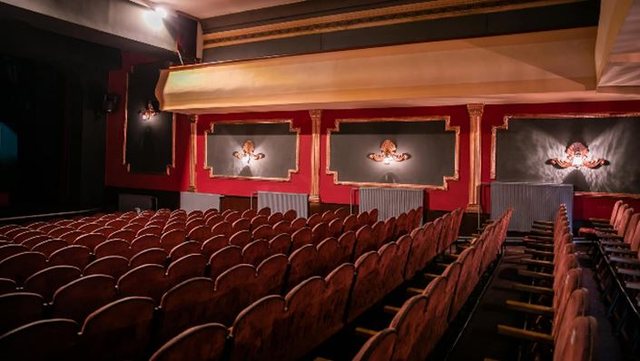
The city theater in Ferizaj began to be built in 1924 and was completed in 1927. Initially, it served as a gymnastics center. From 1943 onwards, the facility began to be used for amateur theater performances in Ferizaj. The founder of the theater was Hasan Dyngjeri. Over the years, this theater has presented a significant number of diverse theatrical productions. In 2007, the theater changed from an amateur to a professional theater and took the name "Adriana Abdullahu". "Adriana Abdullahu" Theater has made an important contribution to the national dramatic art, serving as the organizer of the largest international theater festival for over 50 years. The "Adriana Abdullahu" City Theater stands as a cultural reference point, promoting performing arts and nurturing artistic talent in Ferizaj.
City Theater "Adriana Abdullahu"
The city theater in Ferizaj began to be built in 1924 and was completed in 1927. Initially, it served as a gymnastics center. From 1943 onwards, the facility began to be used for amateur theater performances in Ferizaj. The founder of the theater was Hasan Dyngjeri. Over the years, this theater has presented a significant number of diverse theatrical productions. In 2007, the theater changed from an amateur to a professional theater and took the name "Adriana Abdullahu". "Adriana Abdullahu" Theater has made an important contribution to the national dramatic art, serving as the organizer of the largest international theater festival for over 50 years. The "Adriana Abdullahu" City Theater stands as a cultural reference point, promoting performing arts and nurturing artistic talent in Ferizaj.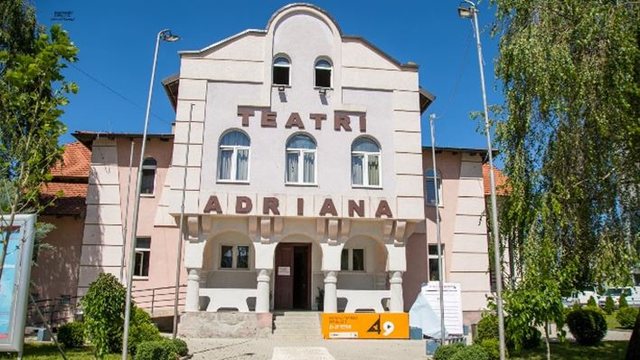
Train Station Building
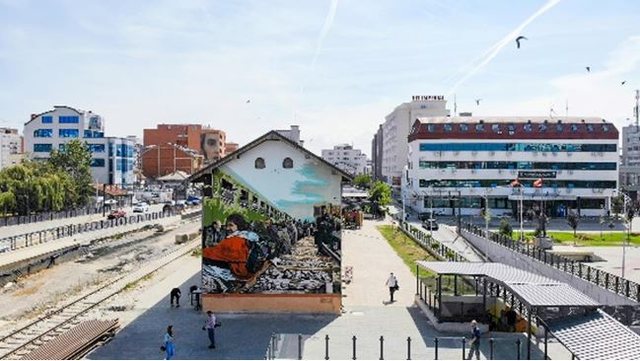
The Train Station building was built in 1873 after the construction of the railway was completed. It stands as the oldest public building in the city. The railway was designed by the French, who had undertaken numerous projects in the territories of the Ottoman Empire. This railway played a decisive role in the development of the city of Ferizaj, which over the years expanded to become a large settlement. The railway was popularly known as the "turtle road".
Throughout its existence, this railway evokes many memories and has been the location of many historical events. It occupies an important place in history, beginning with the infiltration of hundreds of thousands of Jews into Nazi concentration camps during World War II. It also remains embedded in our collective memory as evidence of the mass deportation of hundreds of thousands of Kosovo Albanians, as a result of the Serbian violence and genocide inflicted on the Albanian people during the war in Kosovo (1998-'99).
The Train Station building stands as a testament to the city's past and the lasting impact of historical events. It symbolizes the interconnectedness of cultures, the resilience of the human spirit and the importance of remembering and learning from history.
Train Station Building
The Train Station building was built in 1873 after the construction of the railway was completed. It stands as the oldest public building in the city. The railway was designed by the French, who had undertaken numerous projects in the territories of the Ottoman Empire. This railway played a decisive role in the development of the city of Ferizaj, which over the years expanded to become a large settlement. The railway was popularly known as the "ruddy road".
Throughout its existence, this railway evokes many memories and has been the location of many historical events. It occupies an important place in history, beginning with the infiltration of hundreds of thousands of Jews into Nazi concentration camps during World War II. It also remains embedded in our collective memory as evidence of the mass deportation of hundreds of thousands of Kosovo Albanians, as a result of the Serbian violence and genocide inflicted on the Albanian people during the war in Kosovo (1998-99).
The Train Station building stands as a testament to the city's past and the lasting impact of historical events. It symbolizes the interconnectedness of cultures, the resilience of the human spirit and the importance of remembering and learning from history.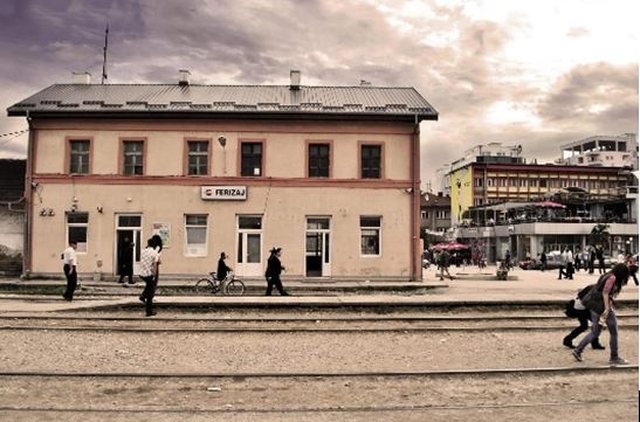
Mill of Nika
Nika's Mill, located west of the town of Ferizaj, near the Bifurcation of the Nerodime River, is one of the well-known water mills in this area. It is believed to have been built during the Ottoman rule in the 17th century. Seeing that the architecture of this mill had begun to degrade from the heavy weight of the centuries, then it was seen as a necessary need to improve its condition, and in 2003 it was rebuilt, aiming to preserve the shape and appearance it had. Nika's Mill stands as a cultural landmark, symbolizing the city's rich heritage and traditional milling practices. Its restoration allows visitors to appreciate its historical significance and architectural beauty.
Mill of Nika
Nika's Mill, located west of the town of Ferizaj, near the Bifurcation of the Nerodime River, is one of the well-known water mills in this area. It is believed to have been built during the Ottoman rule in the 17th century. Seeing that the architecture of this mill had begun to degrade from the heavy weight of the centuries, then it was seen as an imperative need to improve its condition, and in 2003 it was rebuilt, aiming to preserve the shape and appearance it had. Nika's Mill stands as a cultural landmark, symbolizing the city's rich heritage and traditional milling practices. Its restoration allows visitors to appreciate its historical significance and architectural beauty.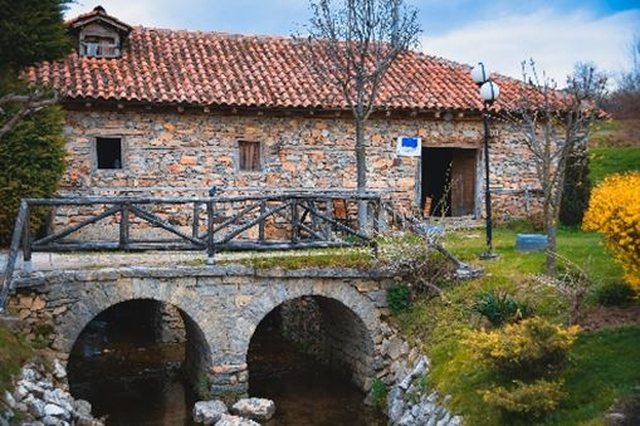
The Great Mill
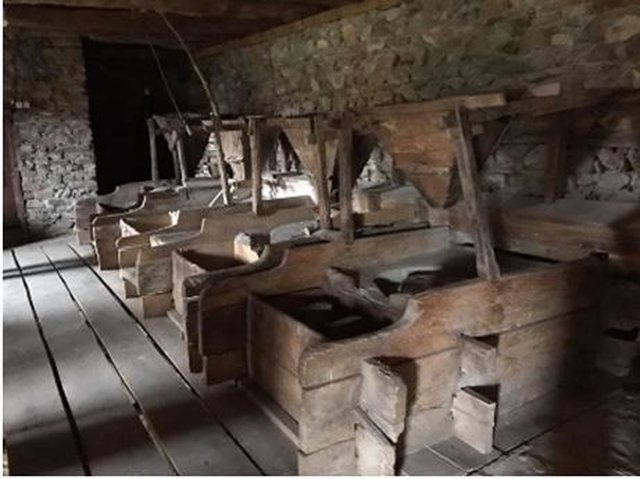
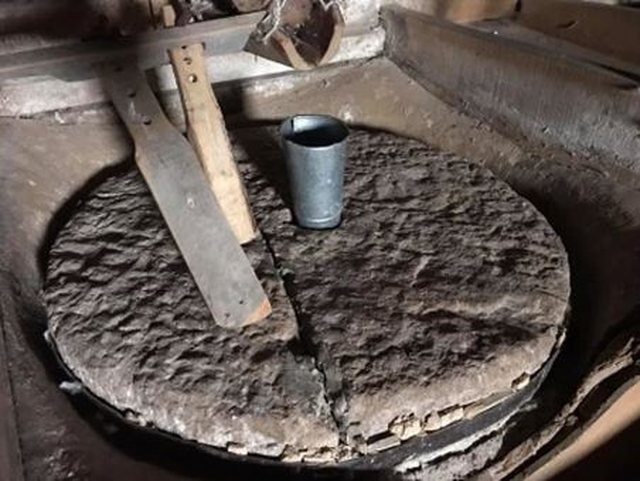
Built during the 1770s, Mulliri i Madh was a well-known landmark in the Ferizaj region and beyond. With its six grinding stones powered by a water turbine, this mill was a hub of activity, turning grain into flour. People from all over Kosovo would eagerly wait their turn to see the fascinating process of grinding wheat, often spending days waiting. To accommodate these visitors, a hospitable inn stood nearby, offering comfort and rest to guests.
Experience the allure of history as you delve into the fascinating legacy of the Great Mill.
The Great Mill
Built during the 1770s, Mulliri i Madh was a well-known landmark in the Ferizaj region and beyond. With its six grinding stones powered by a water turbine, this mill was a center of activity, turning grain into flour. People from all over Kosovo would eagerly wait their turn to see the fascinating process of grinding wheat, often spending days waiting. To accommodate these visitors, a hospitable inn stood nearby, offering comfort and rest to the guests. Experience the allure of history as you delve into the fascinating legacy of the Great Mill.
Upper Nerodime Mill
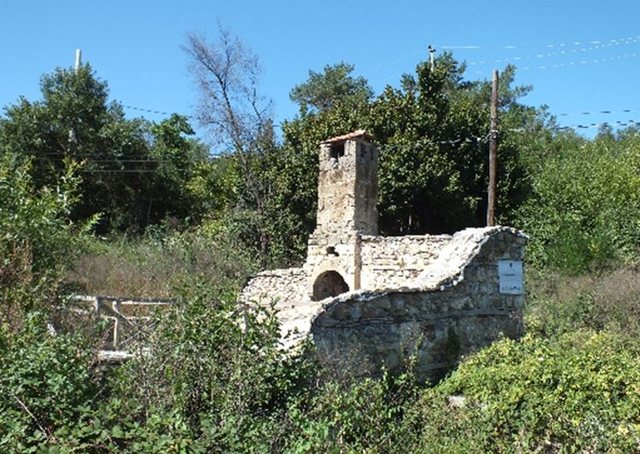
The mill in Upper Nerodime belongs to the 20th century, which is functional and enables the grinding of corn. Over the years, the shape of the mill has undergone changes, it has been slightly reduced and adapted to work with only two stones that help grind the corn.
Upper Nerodime Mill
The mill in Upper Nerodime belongs to the 20th century, which is functional and enables the grinding of corn. Over the years, the shape of the mill has undergone changes, it has been slightly reduced and adapted to work with only two stones that help grind the corn.
Selman Bega's mill
Located between the flowing waters of the Great River and the Nerodime River.
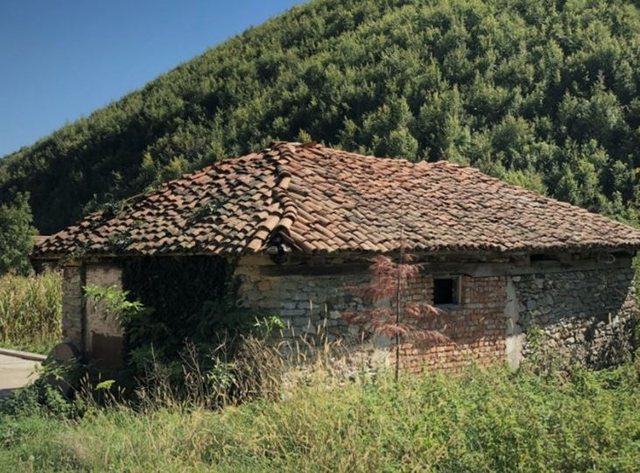
This mill, which dates back to the beginning of the 20th century, has undergone renovations over the years, maintaining its historical significance.
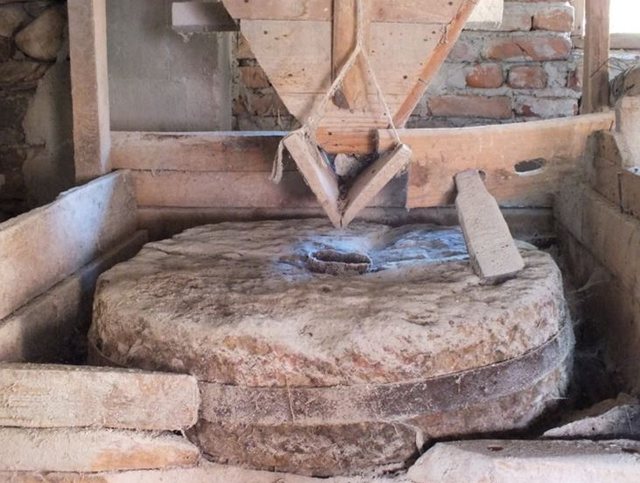
Rebuilt in 2012, the mill now stands proudly, with only one stone inside that was used to grind corn. This stone serves as a reminder of the original purpose of the mill and the efforts of those who worked within its walls.
Selman Beg's mill symbolizes stability, the connection of tradition and progress.
Enter the world of Selman Beg's Mill, where echoes of the past mingle with the beauty of the present.
Selman Bega's mill
Located between the flowing waters of the Great River and the Nerodime River.
This mill, which dates back to the early 20th century, has undergone renovations over the years, maintaining its historical significance.
Rebuilt in 2012, the mill now stands proudly, with only one stone inside that was used to grind corn.
This stone serves as a reminder of the original purpose of the mill and the efforts of those who worked within its walls.
Selman Beg's mill symbolizes stability, the connection of tradition and progress.
Enter the world of Selman Beg's Mill, where echoes of the past mingle with the beauty of the present.
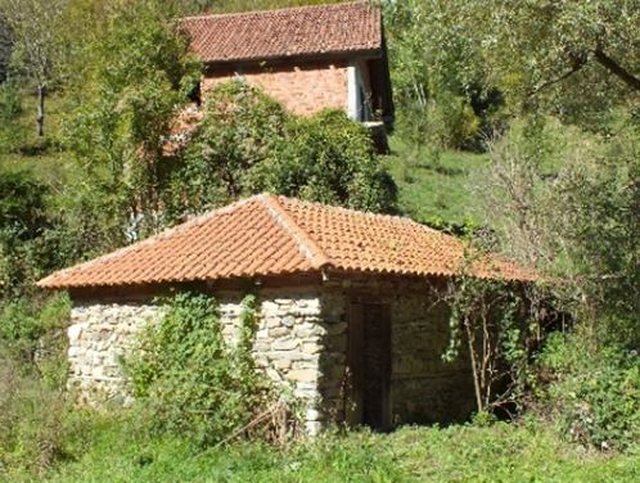
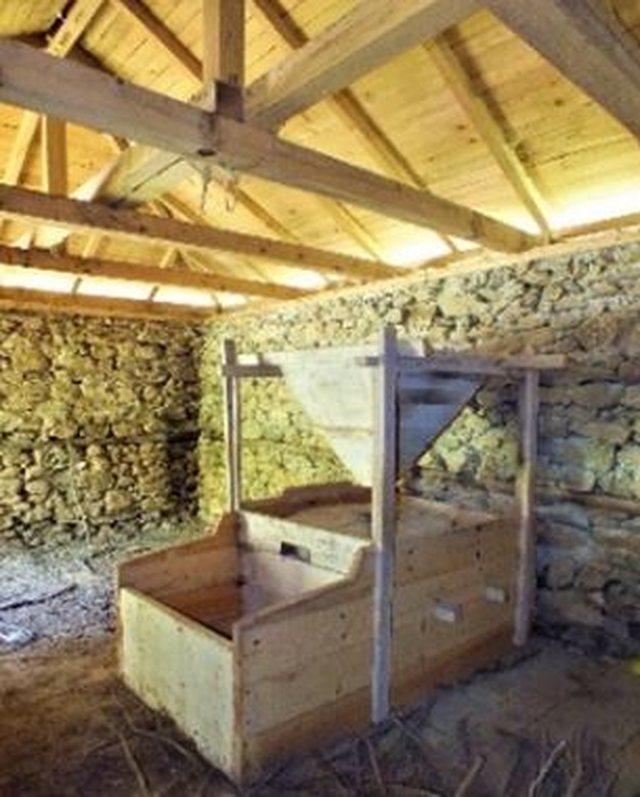
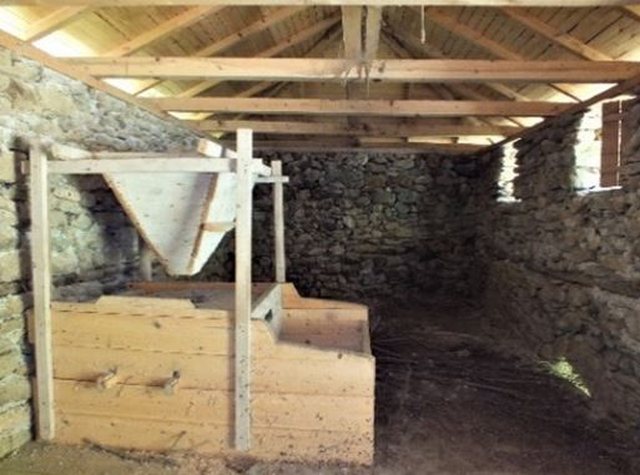
The traditional house in Koshare
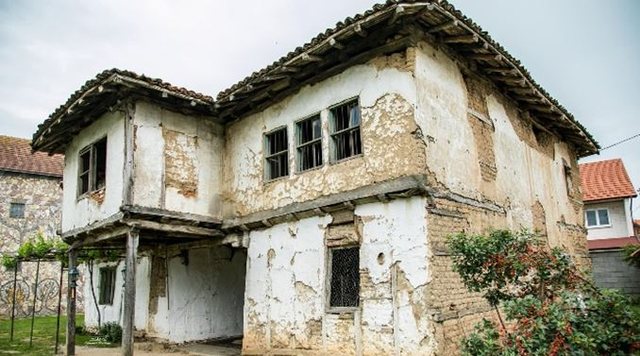
The house of Hasan Fazli in the village of Koshare represents a popular architectural style, characteristic of the architecture and constructions found in different parts of Kosovo, mainly in the Kosovo Plain. Here we encounter a combination of construction techniques and materials, such as wood and adobe, which enable the construction and bonding of walls with mortar. These construction practices were prevalent throughout the 19th century and continued into the 20th century.
The traditional house in Koshare
The house of Hasan Fazliu in the village of Koshare represents a popular architectural style, characteristic of the architecture and constructions found in different parts of Kosovo, mainly in the Kosovo Plain. Here we encounter a combination of construction techniques and materials, such as wood and adobe, which enable the construction and bonding of walls with mortar. These building practices were prevalent throughout the 19th century and continued into the 20th century.
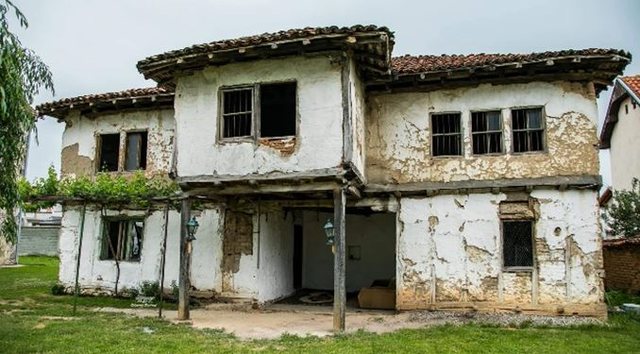
Emrush Jashari's house in Jezerc
Immerse yourself in the presence of a residential complex that represents the traditional architecture characteristic of many houses in Jezerc. Through the passage of time, this house stands as a testament to the enduring spirit of the region, showing the timeless value of building homes using local stone materials. Even today, it has managed to stand the test of time, preserving the beloved heritage of this area. Dating back to 1830, this magnificent home stands as a living relic of a bygone era.
Emrush Jashari's house in Jezerc
Immerse yourself in the presence of a residential complex that represents the traditional architecture characteristic of many houses in Jezerc. Through the passage of time, this house stands as a testament to the enduring spirit of the region, showing the timeless value of building homes using local stone materials. Even today, it has managed to stand the test of time, preserving the beloved heritage of this area. Dating back to 1830, this magnificent home stands as a living relic of a bygone era./ CNA
For more information, visit: www.visit-ferizaj.com
For more information, visit: www.visit-ferizaj.com

I am returning once again to the forgotten Cologne, plunge...
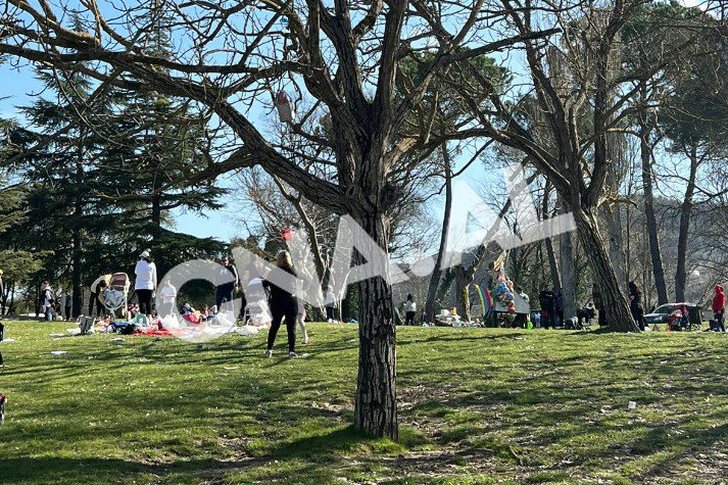
Peza, is a village about 35 minutes away from the cent...
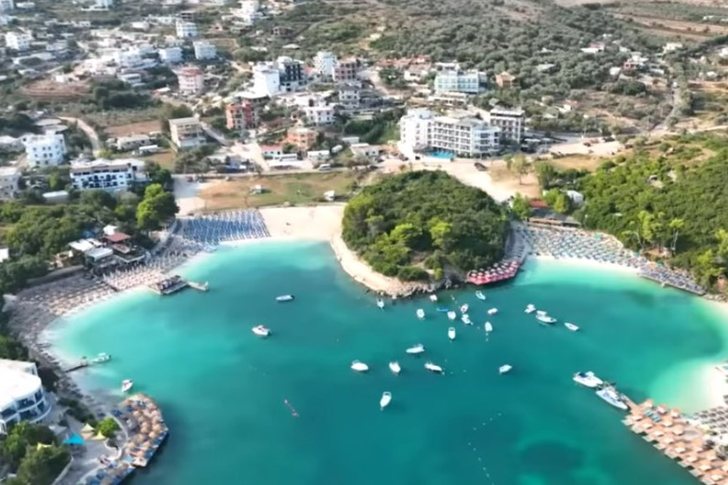
Shqipëria është një nga destinacionet më të bukura dhe...
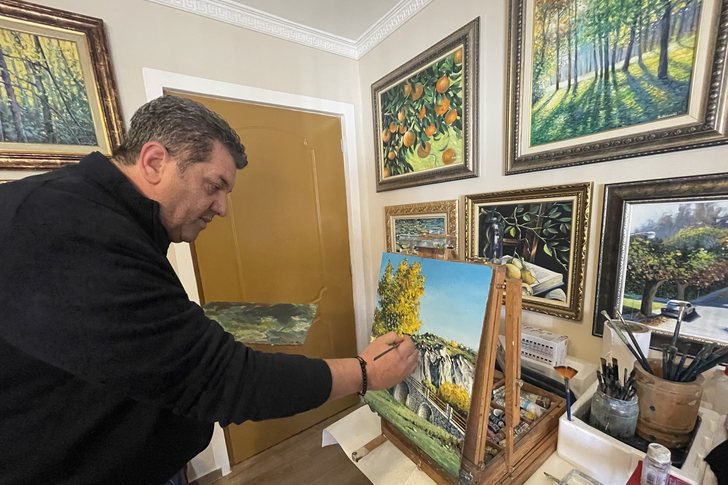
Every Korcar knows Spartak Kasuli, the painter for 32 ...
Every Korcar knows Spartak Kasuli, the painter for 32 year...

Për herë të parë në Ballkan është hapur salla multimediale...

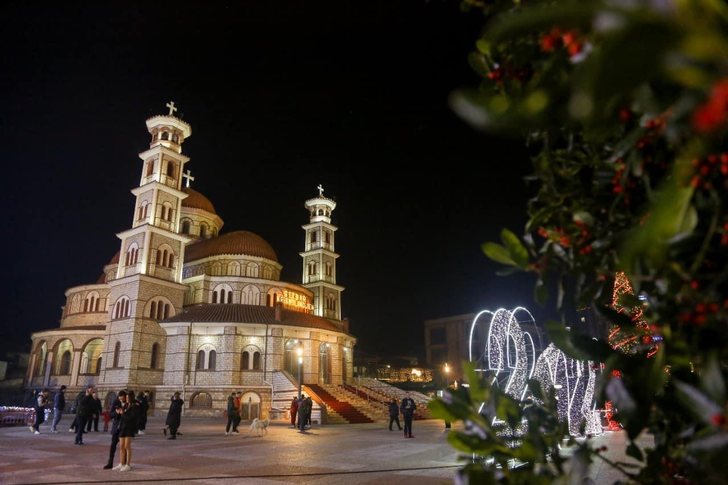
Teksa festat e fundvitit po afrojnë, në Korçë po ndihe...

In the southeast of Albania, where clean air, the scent of...
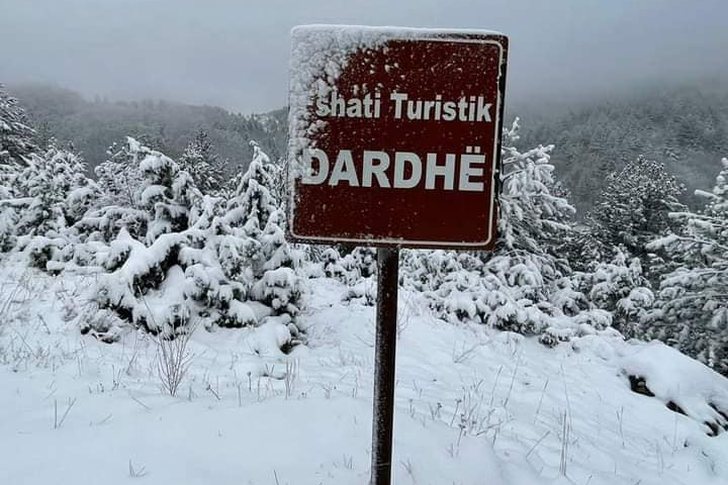
The snowfall that has fallen in the southeastern area has ...
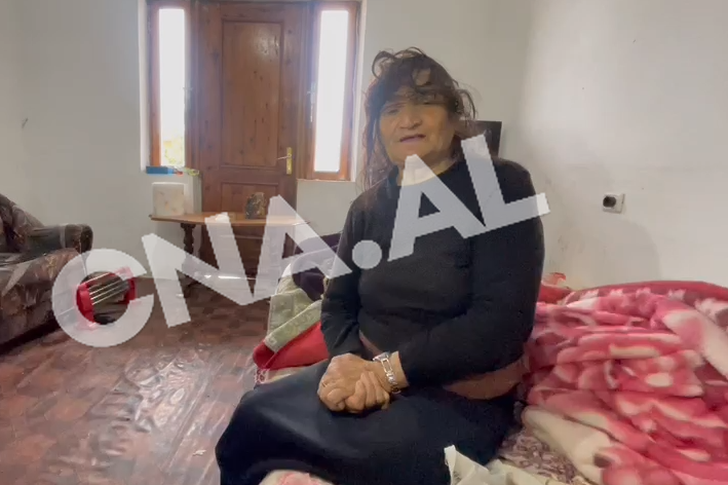
This is mother Lena, 80 years old. She has been living alo...

Korça is a big Lady with many brothers and sisters. K...
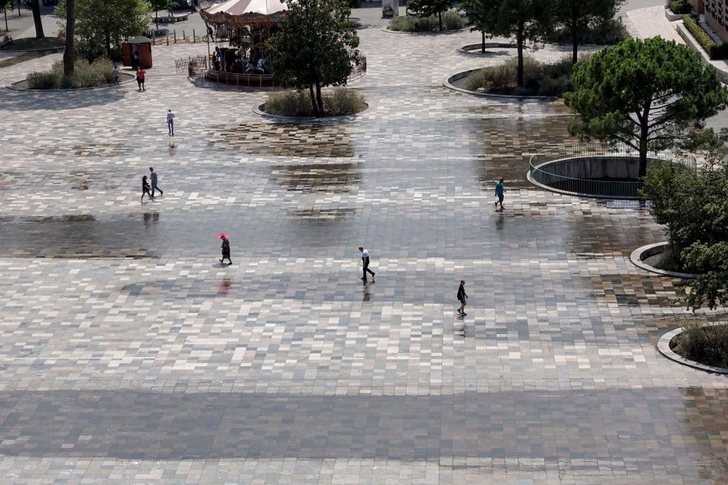
Ishte një kohë kur Tirana dukej se po përpiqej të ishte sh...

Kisha e Shën Thanasit në Bashkin Pustec, në një lartesi pr...

Kori "LIRA", ky emër kaq i vjetër përmban në vetvete t...
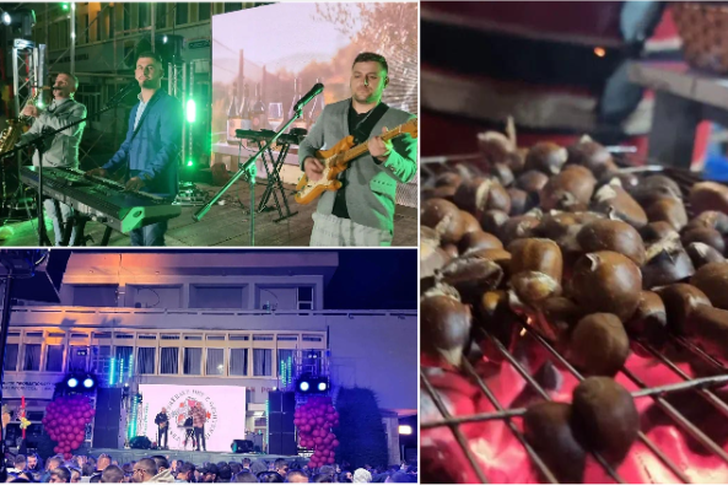
Verë buti, gështenja të pjekura argëtim dhe mikrpitje. Kjo...
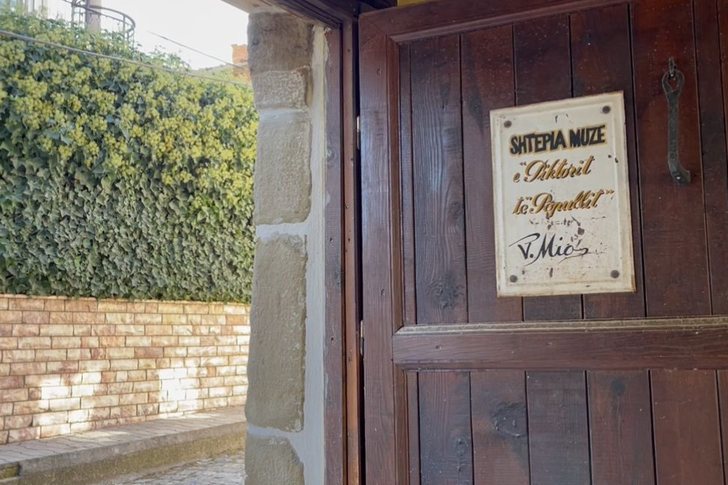
Vangjush Mio was the first impressionist painter in Al...
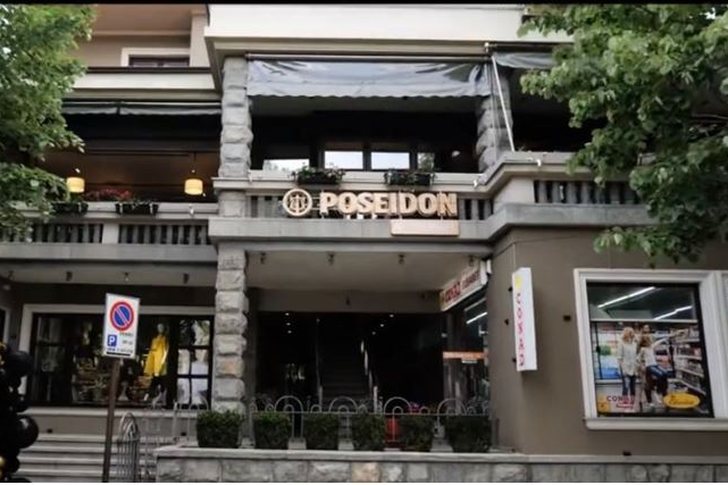
The city of Korça is known for its warm inns and tradition...
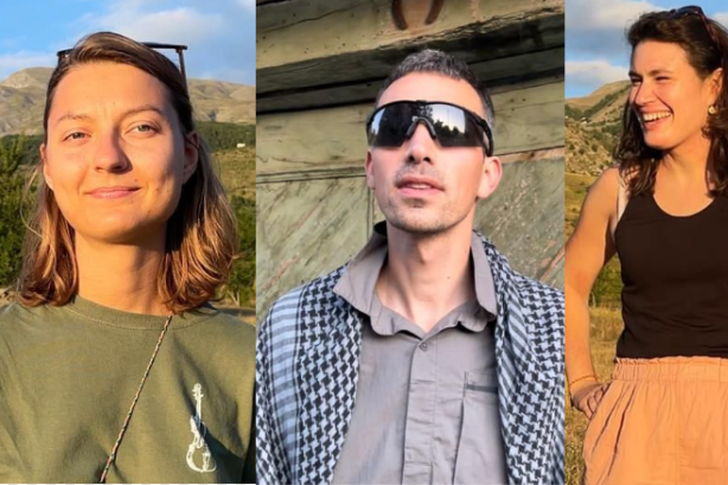
Cologne is experiencing its best moments in tourism. Natur...
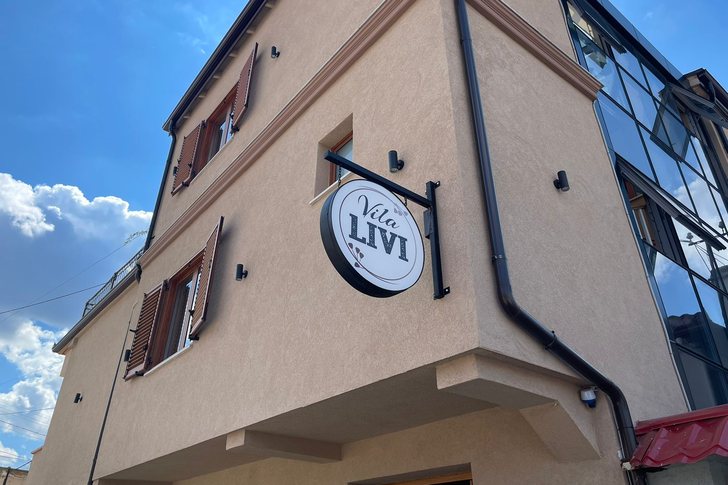
Another accommodation attraction has been added to Korça, ...
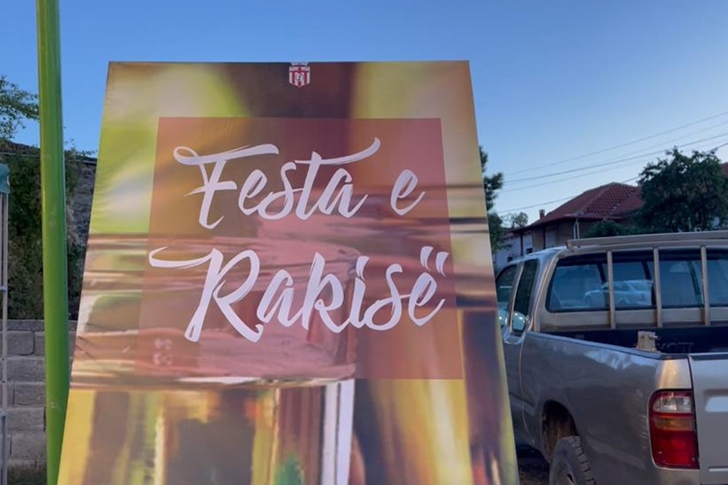
Already turned into a tradition, the Brandy Festival h...

CNA has launched another investigation that could lead to ...

Irfan Hysenbelliu is a businessman that we call "Irfan the...

In March 2026, CNA launched another investigation centered...
The arrested mayor of Tirana, Erion Veliaj, with 13 charge...

The Special Board of Appeal (KPA) decided this Monday ...

The KPA vetting decided this Thursday to dismiss the p...

Suela Salavaçi, a prosecutor in the Prosecutor's Offic...

The Special Board of Appeal reinstated the prosecutor ...
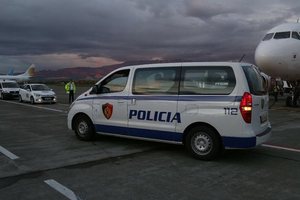
Police have arrested a 34-year-old woman at Rinas Airport ...

A serious accident has occurred on the Lezhë-Shëngjin axis...
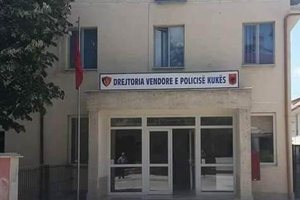
A serious incident has occurred in Morina, Kukes. Citizen...
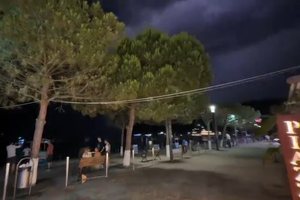
The bad weather that swept the country on Tuesday evening ...
This Wednesday, our country will be under the influence of...
All of Southern Europe will face changing weather conditio...

Albania was hit by temperatures significantly higher than ...
For the first time, Pogradec welcomed the Inter-Lake Chess...

Prime Minister Andy Burnham has announced that most bus fa...

France's parliament has passed a law to ban social media f...

US Secretary of State Marco Rubio arrived in Manila on Jul...

In the space of a few days, Ukrainian President Volodymyr ...

At a time when industrial products are increasingly taking...

Trust among people is not just a three-syllable word. It c...

Master of humor Todi Llupi has passed away at the age of 7...

The ninth edition of "MIK Festival" kicked off with one of...

Businesses will no longer be required to simply register t...

Despite economic growth and income in recent years, Albani...

This Wednesday, one US dollar is bought for 81.4 lek and s...
Construction company licenses will have a validity period ...